


LW26 & LW30 SERIES
Rotary Switches for Circuit Control & Load Isolation
Compare the VIOX LW26 rotary cam switch for configurable control duties with the LW30 load disconnect switch for equipment switching and isolation. Confirm the operating function, current, voltage, mounting and contact requirements before ordering.
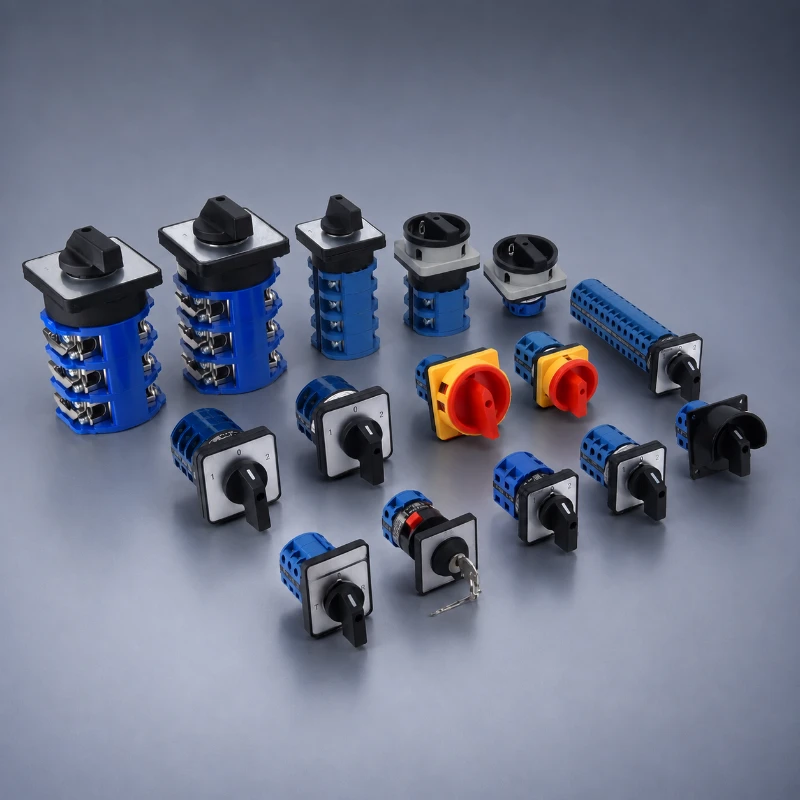
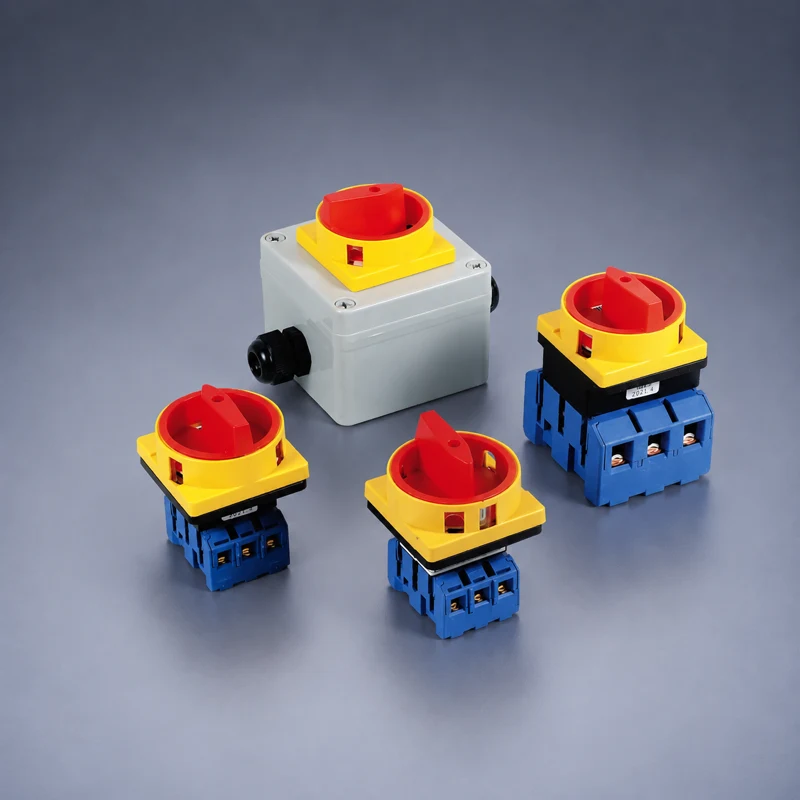
START WITH THE SWITCHING DUTY
Which function do you need?
The two series can look similar at a glance, but they solve different control and isolation tasks.
Recommended family
LW26 Rotary Cam Switch
Use LW26 when the required result depends on a defined switching angle, contact program or maintained and spring-return operating behavior.
View LW26 product dataRecommended family
LW30 Load Disconnect Switch
Use LW30 when the primary duty is manual load switching and visible equipment isolation, with the exact utilization category and mounting arrangement confirmed.
View LW30 product dataMODEL COMPARISON
Compare LW26 and LW30
Use the model pages for complete ratings and ordering combinations. Confirm the exact configuration against the intended circuit.
| Selection factor | LW26 Rotary Cam Switch | LW30 Load Disconnect Switch |
|---|---|---|
| Primary duty | Circuit selection, changeover and control sequences | Equipment load switching and isolation |
| Rated current range | 10–315A | 20–100A |
| Published voltage range | Up to 440V AC or 240V DC | Up to 440V AC, 50Hz |
| Operating pattern | 30°, 45°, 60° or 90°; maintained, spring-return or combined | Manual ON/OFF load-disconnection duty |
| Key ordering input | Contact program, switching angle, handle and mounting | Current, utilization category, poles, handle and enclosure |
| Mounting options | Multiple panel and installation arrangements by configuration | Panel, padlock-panel, single-hole or optional enclosed configuration |
| Typical use | Control panels, instrument selection, motor-control commands | Machinery, HVAC, pumps and equipment main switching |
| Product details | View LW26 | View LW30 |
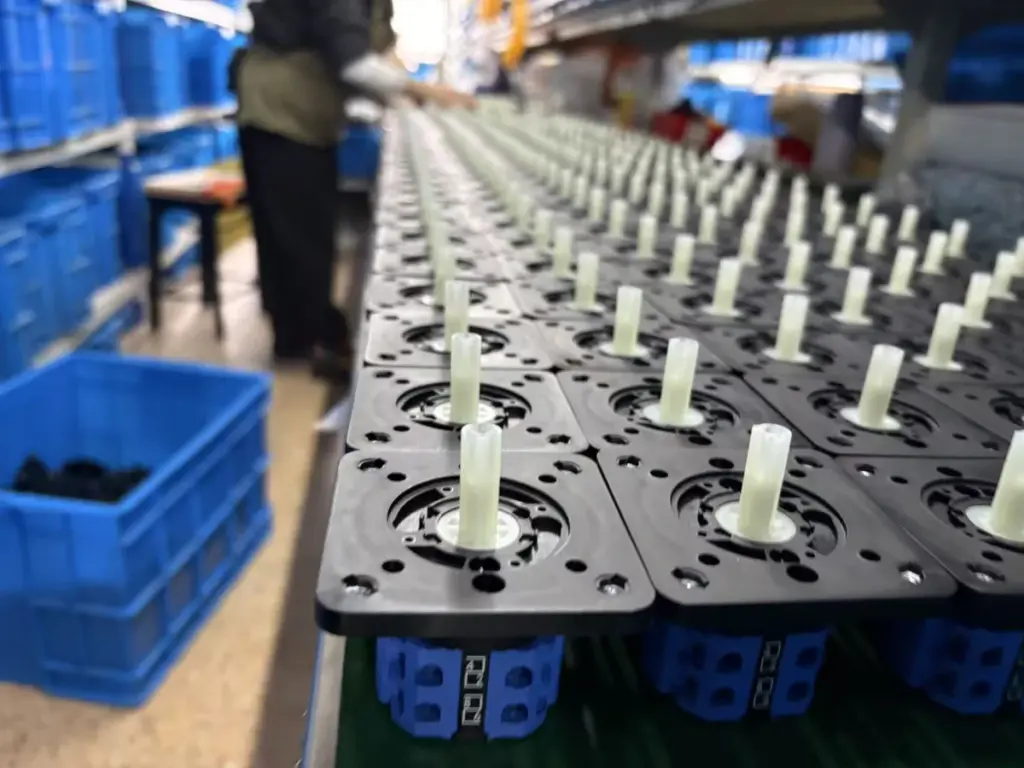
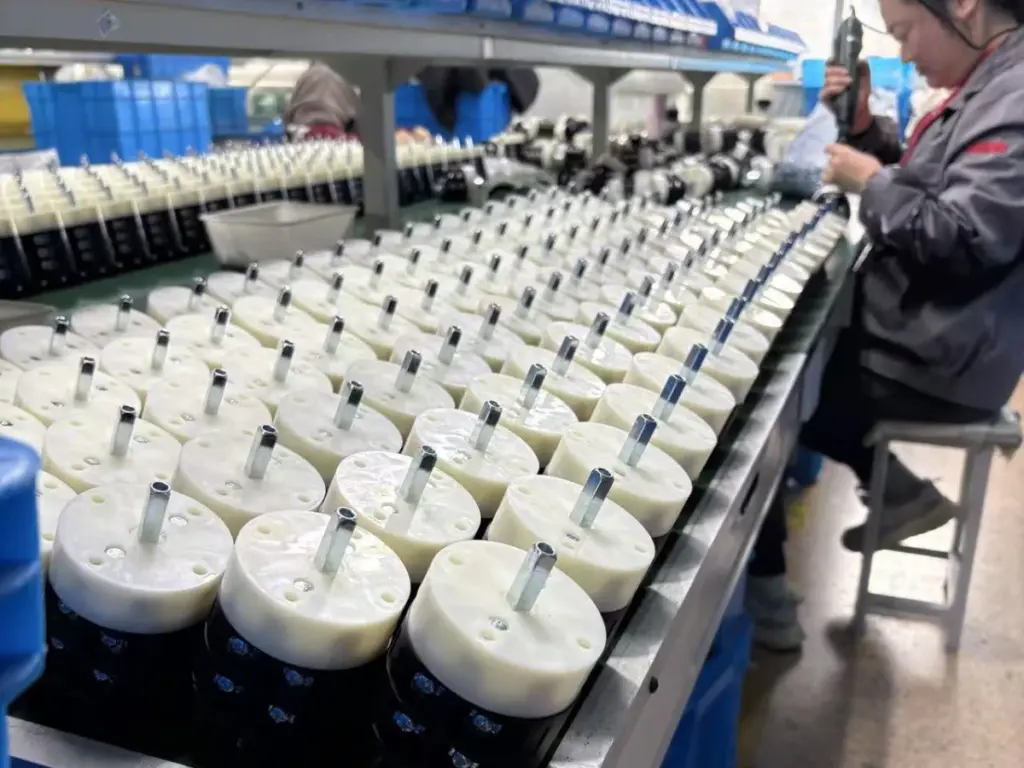
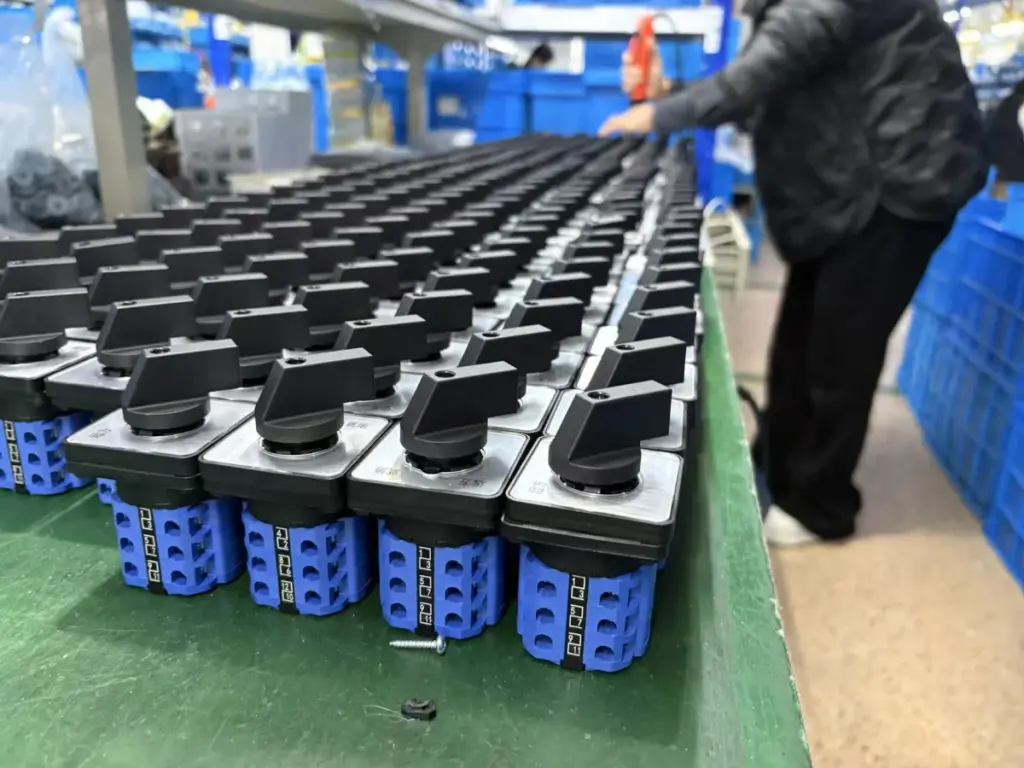
Inside rotary cam switch production
Real workshop views show the product moving from staged mechanisms through bench assembly to completed switch batches.
APPLICATION ROUTING
Match the series to the equipment task
Application is the starting point. The exact current, voltage, contact duty and switching category still require circuit-level verification.
Control Panels & Instrument Selection
Choose meters, circuits or operating states through a defined contact program.
Machinery & Motor-Control Circuits
Use a configured switching program for control duties after the exact load and sequence are verified.
HVAC & Ventilation Equipment
Provide local switching and isolation for equipment service and maintenance workflows.
Pumps & Equipment Main Switching
Use as an equipment-level manual disconnect when the declared duty matches the installation.
ORDERING CHECK
Build a quote-ready switch specification
Send the information that changes the internal switching arrangement—not only the current rating.
Configure LW26
- Required current and operating voltage
- AC or DC control circuit
- Contact program or switching diagram
- Switching angle and number of positions
- Maintained or spring-return behavior
- Handle, plate and mounting arrangement
Configure LW30
- Required current, poles and operating voltage
- Load type and applicable utilization category
- Panel, padlock-panel or single-hole mounting
- Open or enclosed installation
- Required ingress protection for the complete assembly
- Handle, labeling and OEM requirements
ROTARY SWITCH KNOWLEDGE CENTER
Select, wire and verify the switching duty
Use six common technical questions before specifying a rotary cam switch or load disconnect switch.

CAM SWITCH FUNDAMENTALS
Rotary Cam Switches: The Ultimate Guide to Versatile Electrical Control

SELECTION GUIDE
Cam Switch Guide: Technical Principles, Types, & Selection Criteria (2025)

SWITCH COMPARISON
Rotary Cam Switch vs Toggle Switch: Which to Choose?

WIRING REFERENCE
Cam Switch Wiring Diagram: Step-by-Step Installation Guide

MOTOR DUTY & SIZING
Stop Rotary Cam Switch Failures: The Engineer’s 3-Step Motor Control Sizing Guide

ISOLATION TERMINOLOGY
Isolator vs Disconnector vs Switch-Disconnector vs Load Break Switch: What’s the Difference
TECHNICAL QUESTIONS
Rotary switch selection FAQ
Use these answers to shortlist a family, then verify the exact model against the circuit and installation.
What is the main difference between LW26 and LW30?
LW26 is a configurable rotary cam switch for selection, changeover and control sequences. LW30 is a load disconnect switch for equipment switching and isolation.
Can LW26 be selected by current rating alone?
No. The contact program, number of positions, switching angle, return behavior, voltage and load duty are also part of the selection.
Can LW30 be used as an equipment main switch?
It is intended for load switching and isolation duties, but the exact current, poles, voltage, utilization category, enclosure and applicable installation requirements must be confirmed.
What information should I send for a quotation?
Send the preferred series, current, voltage, poles or contact program, load type, switching positions, mounting, enclosure, quantity, destination market and OEM requirements.
CONFIGURATION SUPPORT
Have a switching diagram or equipment specification?
Share the circuit duty, ratings, mounting and quantity. VIOX will help identify the appropriate LW26 or LW30 configuration for quotation.