


Molded Case Circuit Breakers (MCCB)
Compare published VIOX MCCB series for feeder, distribution and equipment protection. Confirm frame, trip unit, interruption and accessory requirements by model.
Circuit protectionOverload and short circuit
Trip-unit optionsVerify settings by model
Breaking performanceMatch fault-current study
System configurationPoles and accessories


What is an MCCB?
A molded case circuit breaker is a low-voltage protective switching device used for feeder, distribution and equipment circuits within its published current, voltage and interruption characteristics.
Selection requires load and conductor data, system voltage, prospective fault current, frame and trip-unit characteristics, coordination, poles, neutral treatment, mounting and accessories.
MCCB Series Overview
Compare published VIOX models using facts already available in product data.
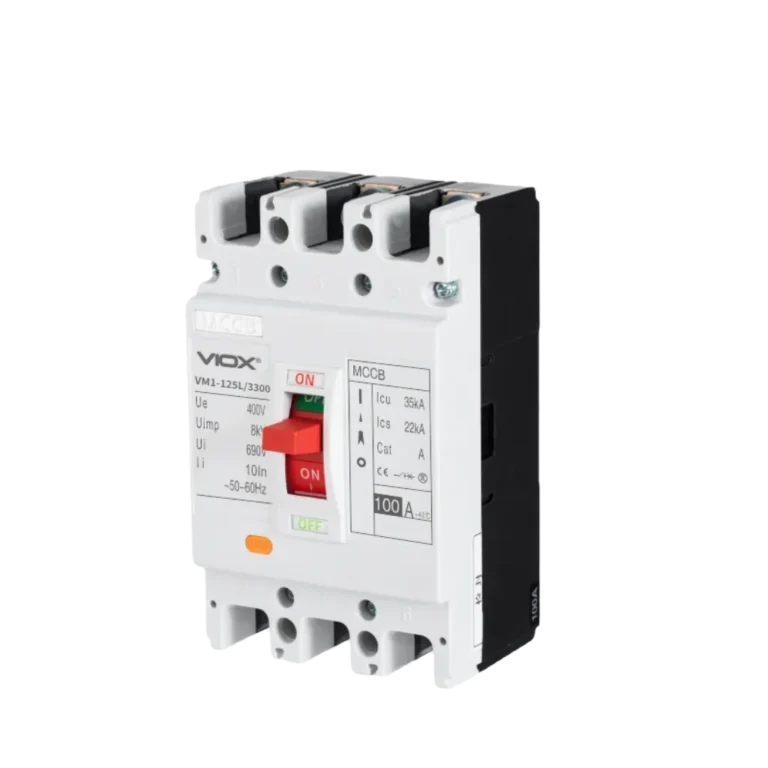
VIOX VM1-125L
Molded case circuit breakerReview model data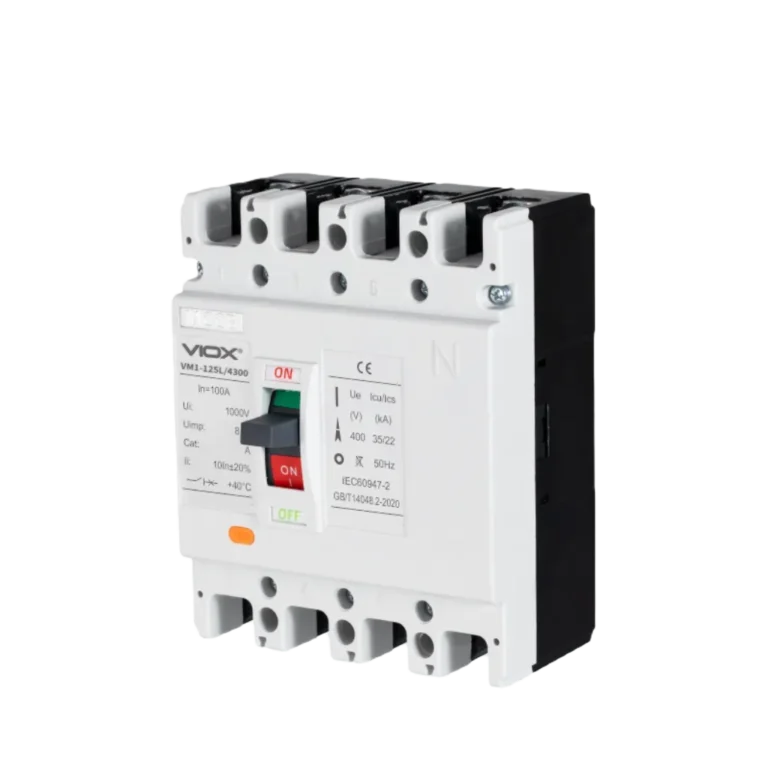
VIOX VM1-125L
Molded case circuit breakerReview model data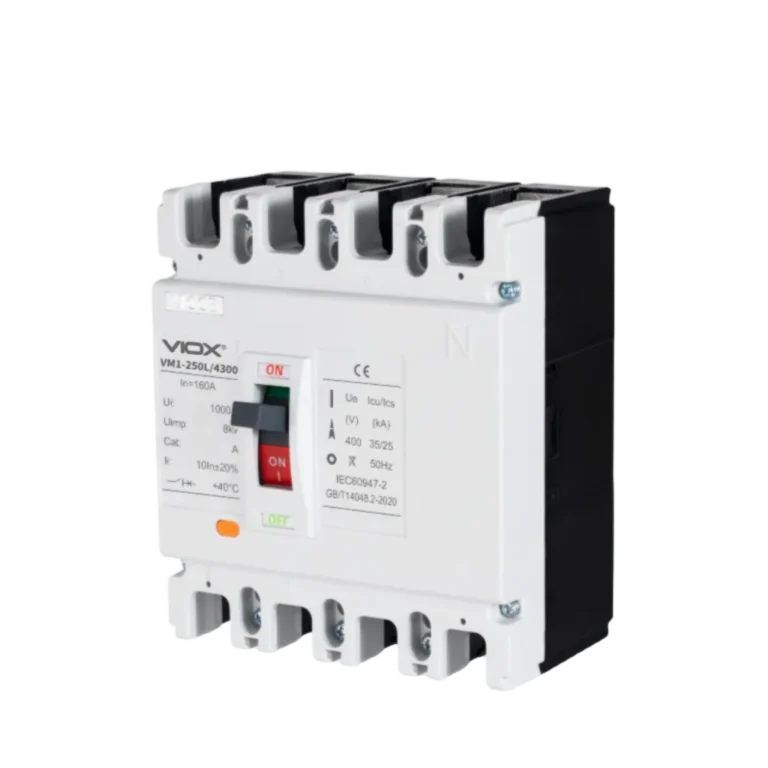
VIOX VM1-250L
Molded case circuit breakerReview model data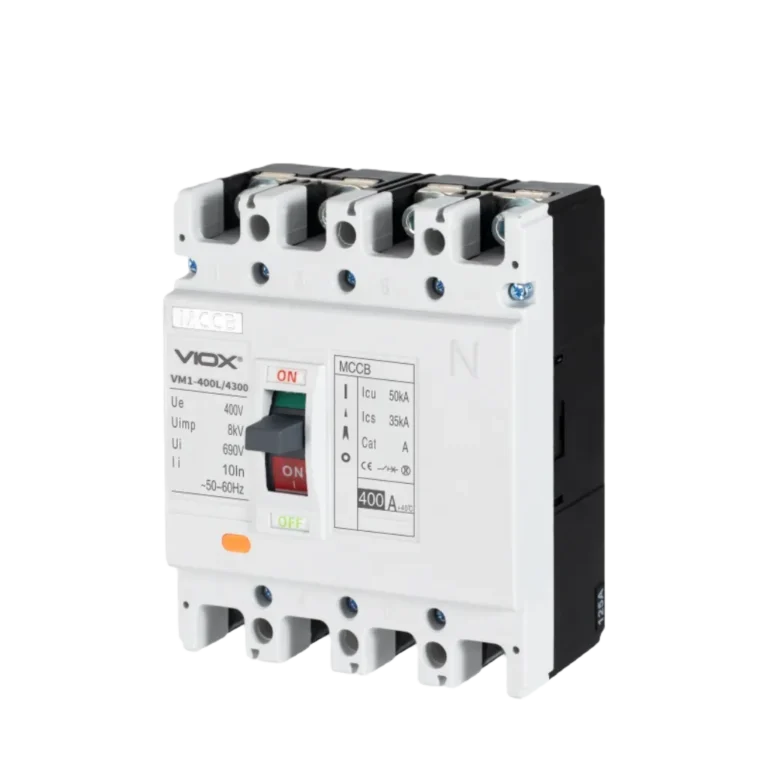
VIOX VM1-400L
Molded case circuit breakerReview model data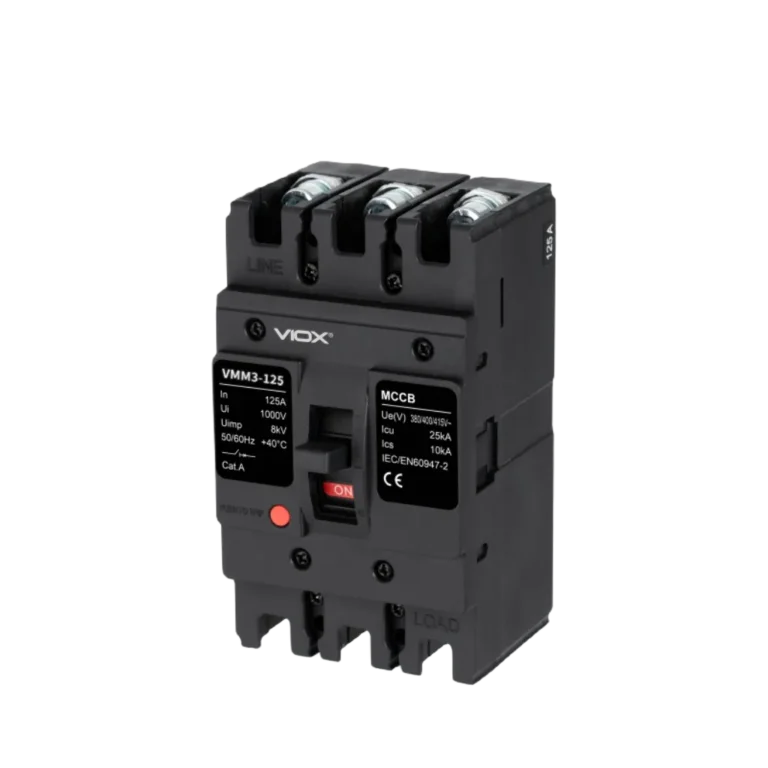
VIOX VMM3-125
Molded case circuit breakerReview model data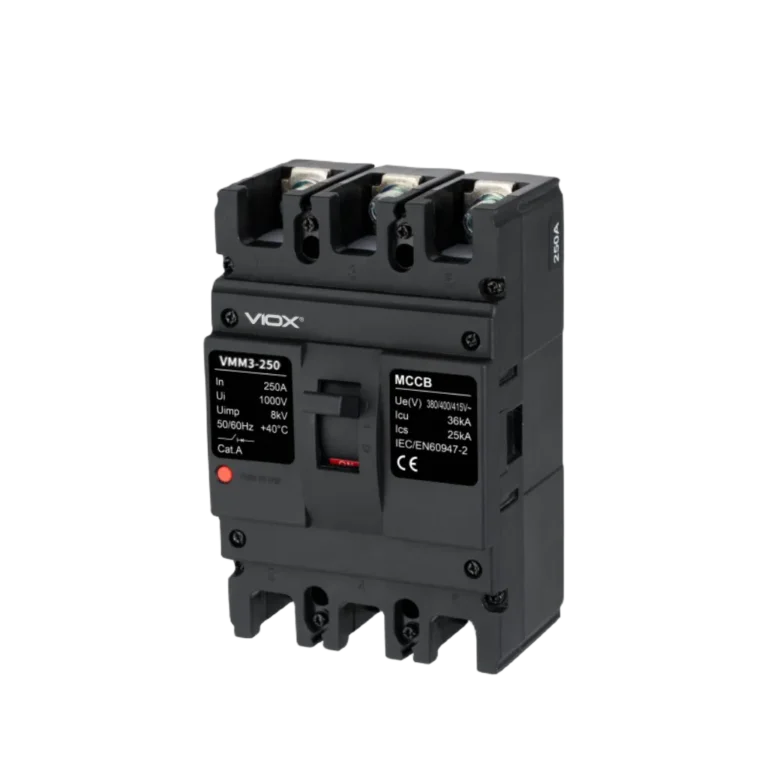
VIOX VMM3-250
Molded case circuit breakerReview model data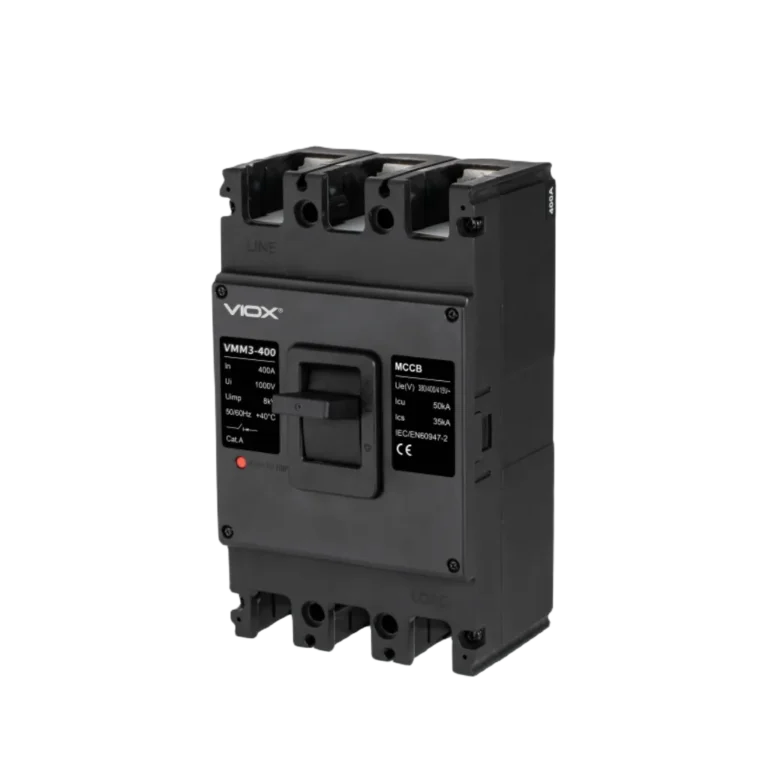
VIOX VMM3-400
Molded case circuit breakerReview model dataHow to choose an MCCB
Start with the load and fault-current study, then select trip characteristics, frame and system accessories.
Load and trip settings
Coordinate long-time, instantaneous and other available functions with conductors and loads.
Breaking capacity
Verify interruption performance at the actual system voltage against prospective fault current.
Poles and neutral
Confirm system grounding, switched-pole arrangement and neutral protection requirements.
Accessories and installation
Define operators, auxiliaries, releases, terminals, mounting and enclosure conditions.
Coordinate the complete protection system
MCCB selection must align conductors, loads, upstream and downstream devices and the fault-current study.
Compare published MCCB series
Blank cells mean the value is not available in the current product summary. Open the model page or request its datasheet before specification.
| Series | Rated current | Breaking capacity | Poles | Trip unit |
|---|---|---|---|---|
| VIOX VM1-125L | — | — | — | — |
| VIOX VM1-125L | — | — | — | — |
| VIOX VM1-250L | — | — | — | — |
| VIOX VM1-400L | — | — | — | — |
| VIOX VMM3-125 | — | — | — | — |
| VIOX VMM3-250 | — | — | — | — |
| VIOX VMM3-400 | — | — | — | — |
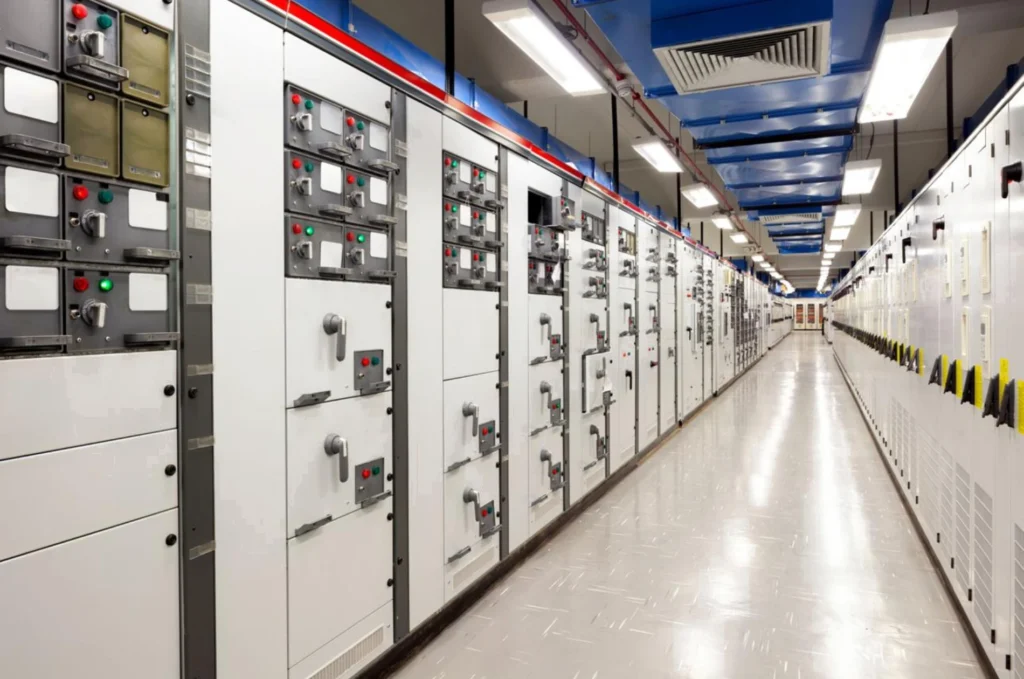
MCCB Applications
Typical environments where the exact product characteristics must be verified.


MCCB Knowledge & Selection Guides
All articles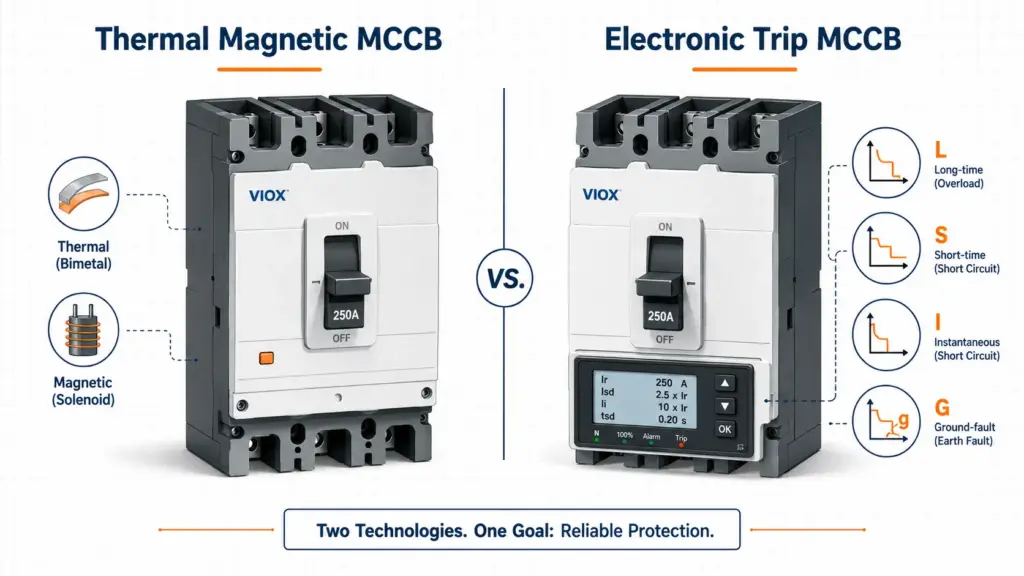
MCCB Selection Questions
Quick answers for preliminary product-family comparison before detailed circuit verification.
How is MCCB current rating selected?
Use the load, conductor ampacity, ambient and applicable design rules, then verify frame and trip-unit characteristics.
How is breaking capacity selected?
Compare the published interruption rating at system voltage with the prospective fault current and coordination study.
What is the difference between thermal-magnetic and electronic trip units?
They use different sensing and adjustment architectures; available functions and settings vary by exact series.
How is an MCCB different from an MCB?
MCCBs generally cover different frames, interruption levels, trip options and accessories; compare exact published products for the circuit.
Which accessories should be specified?
Define operating mechanism, auxiliary and alarm contacts, shunt or undervoltage release, terminals and interlocking requirements.
Need the Right MCCB?
Let’s Coordinate the Feeder Protection.
Send the load, conductor, voltage, prospective fault current, poles, trip requirements, quantity and target market.
Request MCCB Support