


AC Contactors
Compare VIOX AC contactor series for motor and load switching. Confirm utilization category, operational current, coil supply and auxiliary-contact requirements by model.
Remote switchingCoil-operated main contacts
Load dutyMatch utilization category
Contact arrangementMain and auxiliary contacts
Coil selectionVoltage and frequency by model
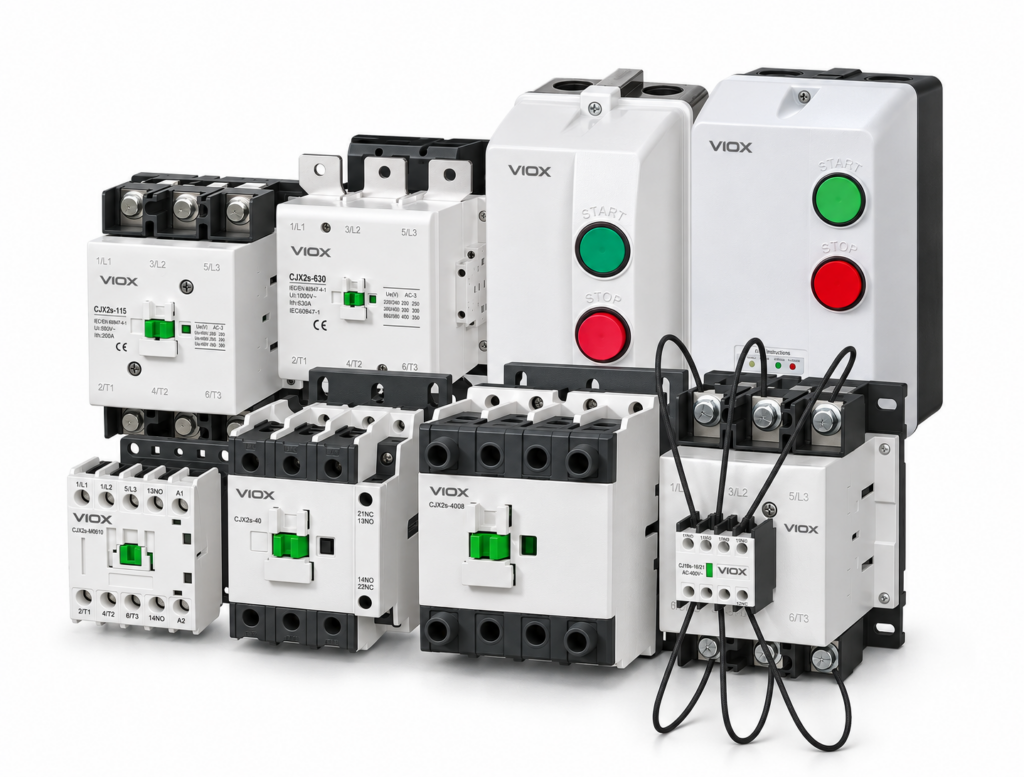
What is an AC contactor?
An AC contactor is an electrically operated switching device used to control motors and other loads. Energizing its coil changes the state of the main contacts, allowing frequent remote control within the device operating characteristics.
A contactor is not selected by frame size alone and does not replace short-circuit or overload protection. Load type, utilization category, operational current, coil supply, switching frequency, auxiliary contacts and protective-device coordination must be checked.
Contactors, Motor Starters & Accessories
Compare the series below, then open its product page for model ratings, coil options and installation details.
AC Contactors
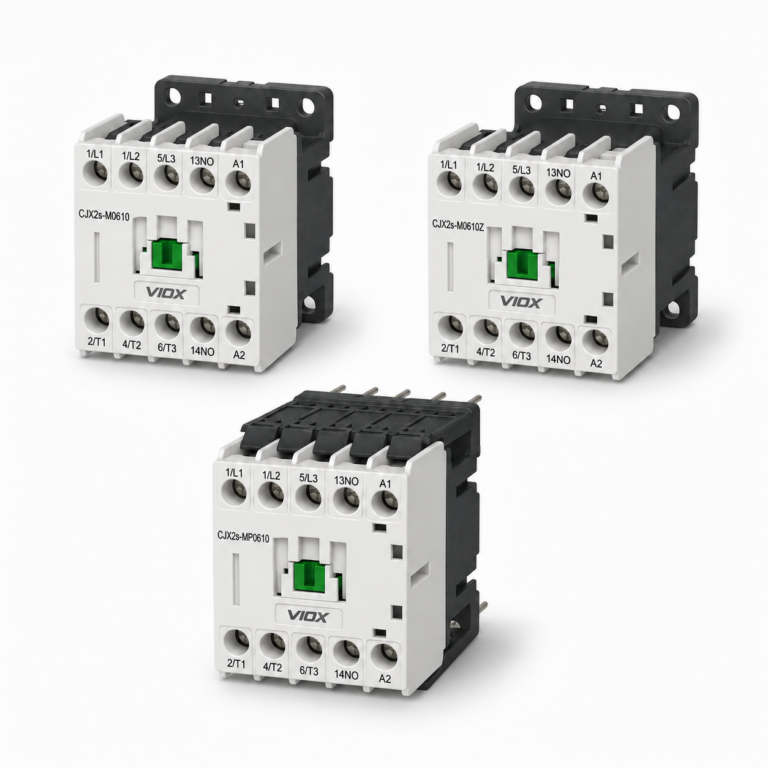
CJX2s-M Miniature AC Contactor
AC contactor- AC-3 current
- 6–16 A at 380/400 V
- Poles
- 3P / 4P
- Versions
- AC coil, DC coil and pin-type
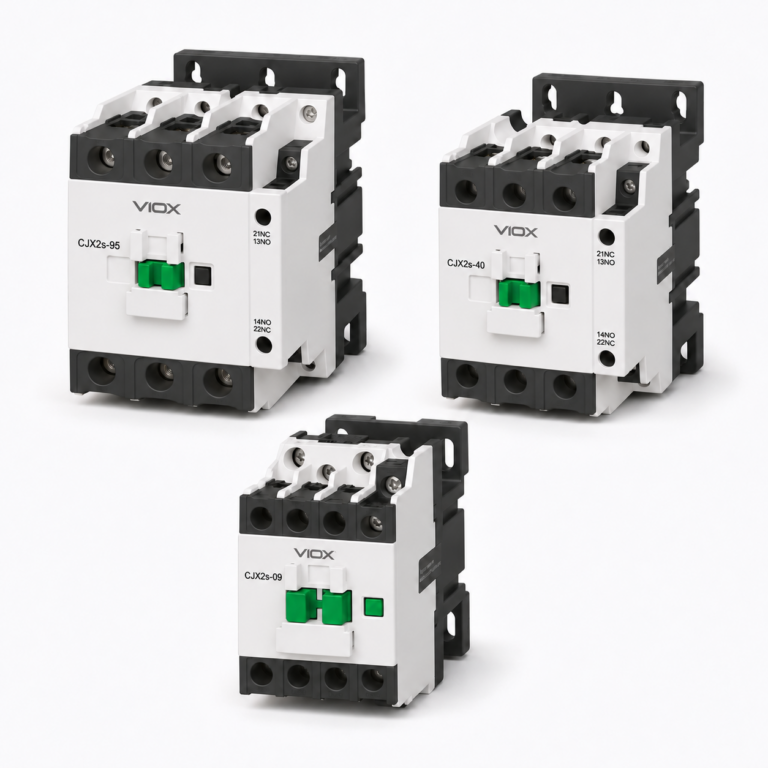
CJX2s AC Contactor
AC contactor- AC-3 current
- 9–110 A at 380/400 V
- Motor power
- 4–55 kW at 380/400 V
- Mounting
- Rail or screw
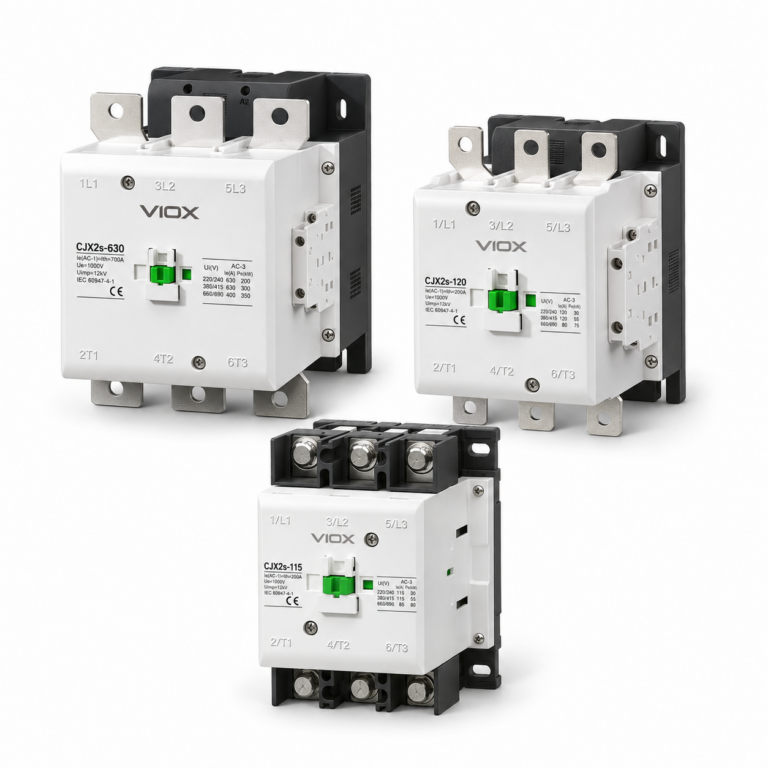
CJX2s High-Current AC Contactor
AC contactor- AC-3 current
- 120–800 A at 380/400 V
- Motor power
- 55–450 kW at 380/400 V
- Auxiliary contacts
- 2NO + 2NC
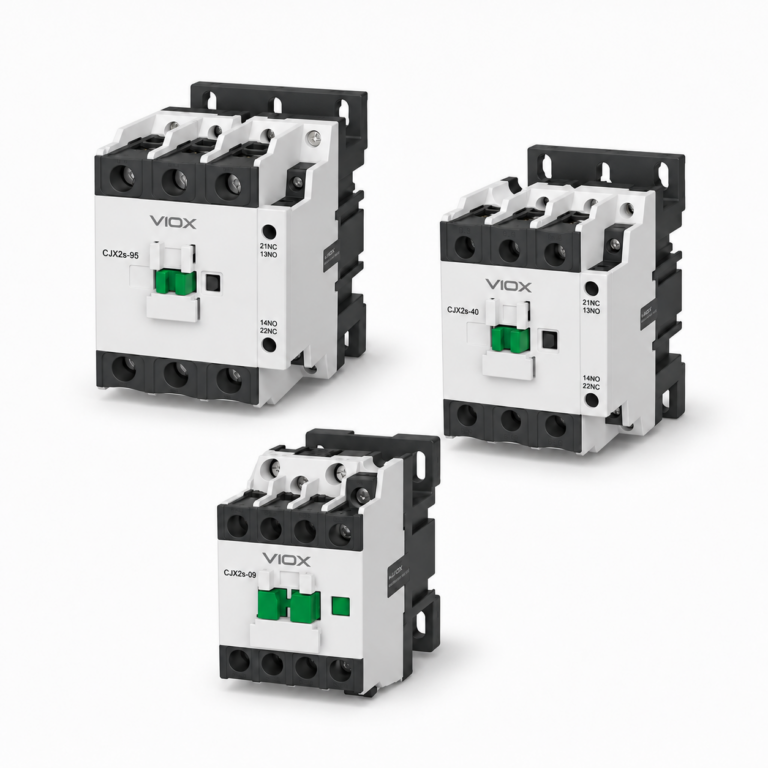
CJX2s-W Electronic-Coil AC Contactor
AC contactor- AC-3 current
- 9–95 A at 380/400 V
- Coil options
- AC/DC 24 V, 48 V, 100–240 V
- Motor power
- 4–45 kW at 380/400 V
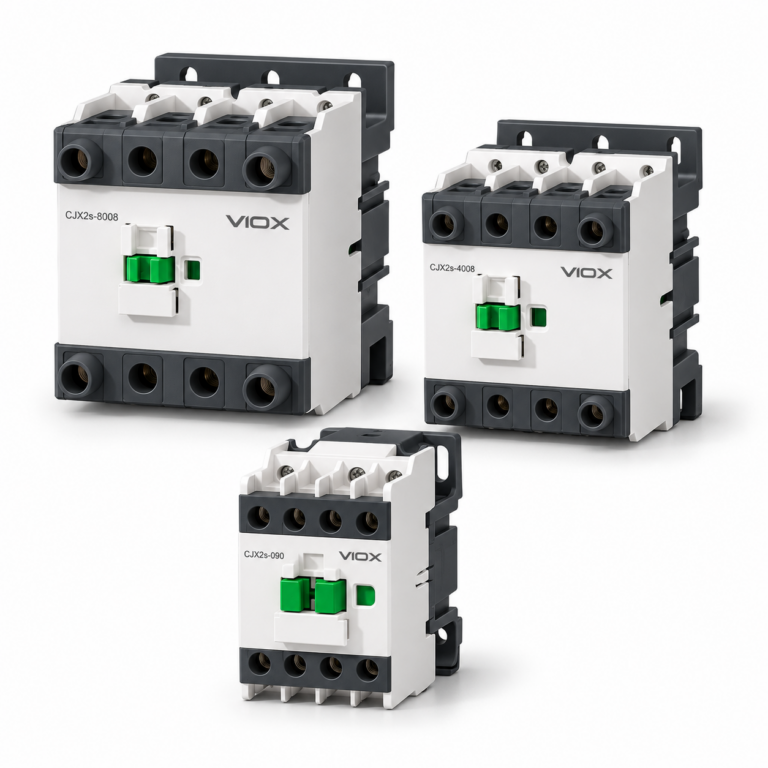
CJX2s-4P Four-Pole AC Contactor
AC contactor- AC-3 current
- 9–95 A at 380/400 V
- Main contacts
- 04: 4NO; 08: 2NO + 2NC
- Insulation voltage
- 690 V
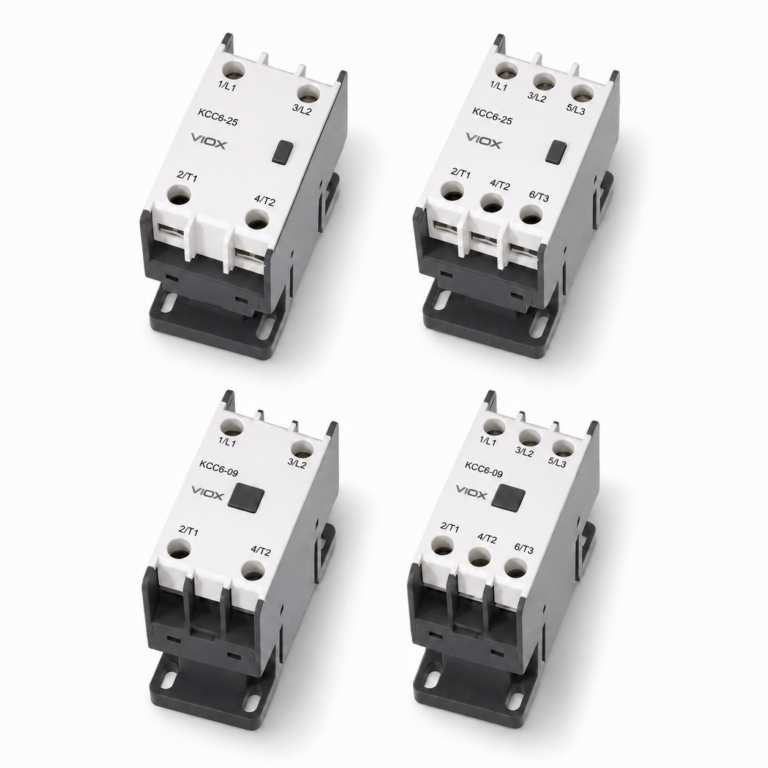
KCC6-M Compact AC Contactor
AC contactor- AC-3 current
- 9–38 A at 380/400 V
- Poles
- 2P / 3P
- Housing protection
- IP40, excluding terminals
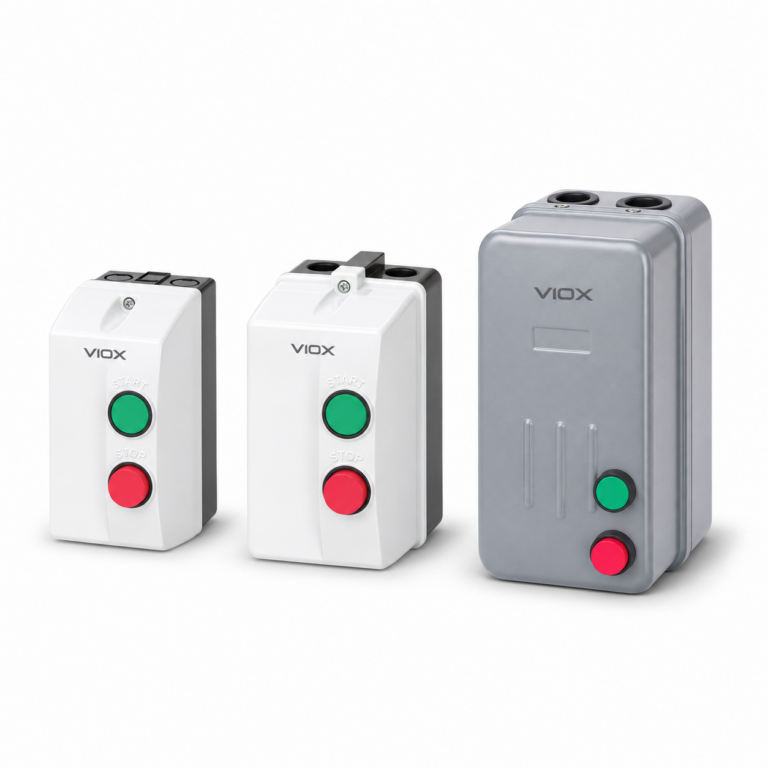
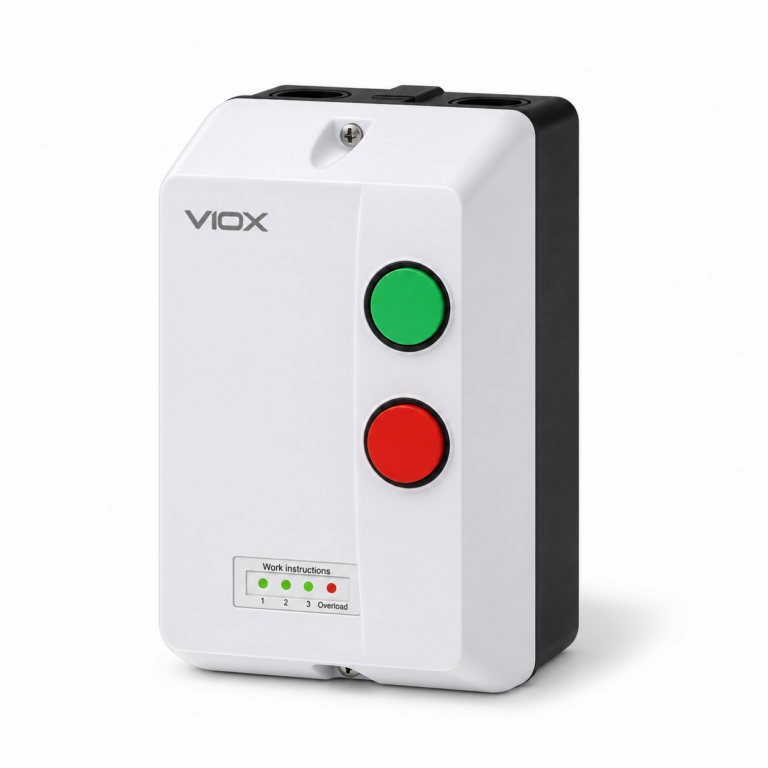
Enclosed Motor Starters & Controllers
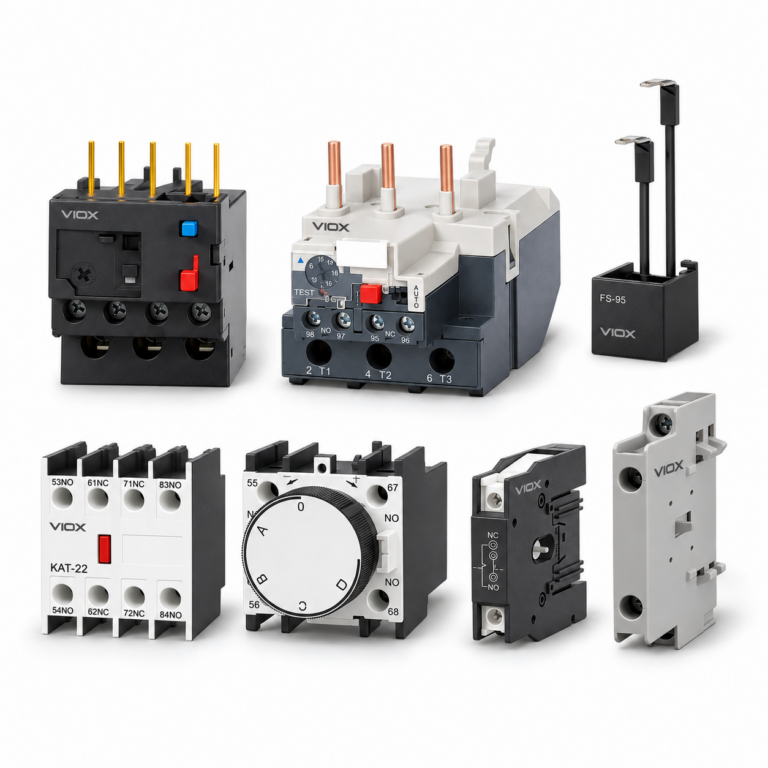
Contactor Accessories
AC Contactor Customization for Your Brand
Custom Housing Colors
Match the housing to your brand or project. Send a color reference and your selected series so we can review material compatibility and sample requirements.
Low MOQ for OEM Projects
Start with a small production run. Minimum order quantities depend on the series, housing color and customization scope. Share your target quantity for a tailored quotation.
85% Silver-Alloy Contacts
Specify silver-alloy contacts with 85% silver content for your project. Confirm the applicable models and contact configuration when selecting your customized series.
AC Contactor Product Catalog
Model ratings, coil options, accessories and installation drawings in one catalog.
Use the series bookmarks to find your model, and check the revision notes for model-specific qualifications.
How to choose an AC contactor
Start with the load duty and coil supply, then coordinate protection and accessories.
Utilization category and load
Match motor, heating or other switching duty to the published device rating.
Operational current and voltage
Use the rating stated for the applicable utilization category and system voltage.
Coil voltage and frequency
Confirm the control supply and coil designation on the exact product.
Auxiliary contacts and accessories
Define interlocking, signaling and overload-relay requirements before ordering.
Coordinate the motor starter
The contactor, overload relay and short-circuit protective device perform different functions and must be coordinated.
Choose the Right Product Family
Current and power ratings depend on model, voltage and utilization category. Match the control supply and protective devices before ordering.
| Series | Selection priority | Key distinction |
|---|---|---|
| CJX2s-M | Compact motor-control assemblies | 6–16 A; AC, DC-coil and pin-type versions |
| CJX2s | General motor starting and switching | 9–110 A AC-3 at 380/400 V |
| CJX2s High-Current | Larger motor loads | 120–800 A AC-3 at 380/400 V |
| CJX2s-W | Electronic-coil control | AC/DC coil options; 9–95 A |
| CJX2s-4P | Four-pole main-contact arrangements | 4NO or 2NO + 2NC by model suffix |
| KCC6-M | Compact 2P / 3P switching | 9–38 A; IP40 housing excluding terminals |
| KCQ7 | Enclosed direct-on-line motor starting | Start/stop controls with thermal overload relay |
| KCQJ7 | Motor or pump control | Electronic motor protection; liquid-level control on W version |
| CJX2s Accessories | Signalling, timing and starter coordination | Select each component for the exact contactor frame |
AC Contactor Applications
Typical environments where the exact product characteristics must be verified.



AC Contactor Knowledge & Selection Guides
All articles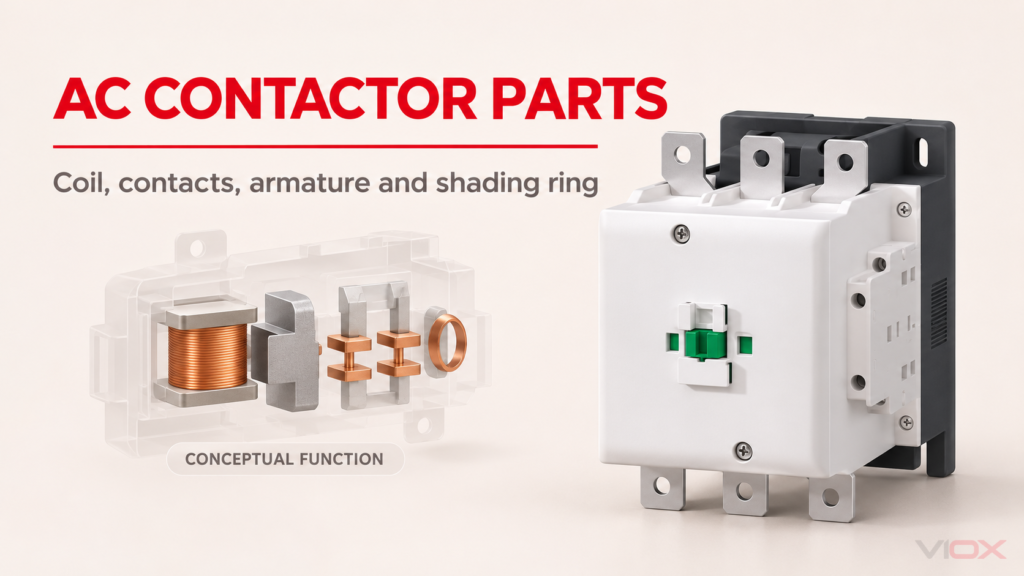
AC Contactor Selection Questions
Quick answers for preliminary product-family comparison before detailed circuit verification.
What is an AC contactor used for?
An AC contactor provides electrically controlled switching for motors and other loads within its published utilization ratings.
How should an AC contactor be sized for a motor?
Use the motor data, system voltage, utilization category, operational current, duty and coordination requirements rather than relying on motor power alone.
Does a contactor protect a motor from overload?
A standard contactor performs switching. Motor overload and short-circuit protection require coordinated protective devices.
Why does coil voltage matter?
The coil must match the available control voltage and frequency. An incorrect coil supply can prevent reliable operation or damage the device.
Can auxiliary contacts be added?
Accessory availability and contact arrangements vary by series. Confirm the required auxiliary functions before selecting the model.
Need the Right AC Contactor?
Let’s Match the Motor Starter.
Send the load type, motor data, system voltage, coil supply, duty, accessories, quantity and target market. VIOX will help narrow the relevant published series.
Request AC Contactor Support