


Marine & Outdoor Electrical Components
Plan cable entry, enclosure sealing, pressure equalization and protected connections for equipment exposed to changing outdoor conditions.
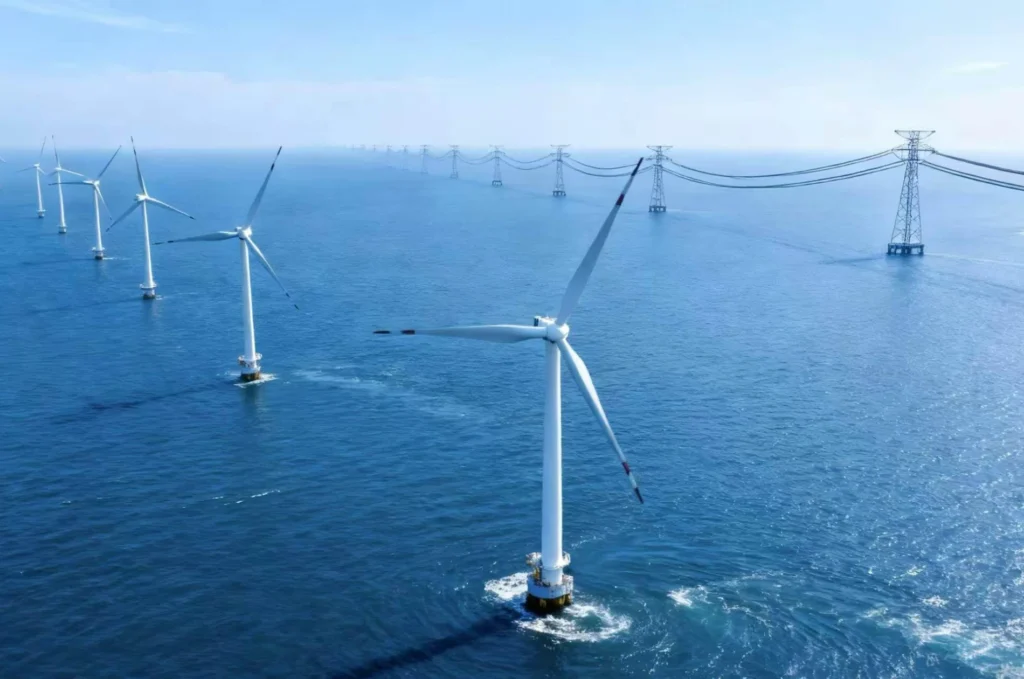
Protection starts at every opening.
The enclosure, lid, cable entries and vent work together. Select a point on the diagram to explore the component and the details that determine its fit.
Conceptual enclosure layout
Match the seal to the cable.
Specify each cable’s outside diameter, the number of cables, thread type and wall thickness. Match the insert to the cable layout and confirm the required strain relief.
Explore cable glandsProtect the connection space.
Choose the enclosure material, usable space, lid seal and mounting arrangement together. The cable entries and closures must suit the required installed protection level.
Explore junction boxesManage changing enclosure pressure.
Where the enclosure design calls for a vent, confirm airflow, membrane, mounting position and exposure. A breather vent can support pressure equalization; it is not a guarantee against condensation.
Explore breather ventsKeep terminations accessible.
Confirm conductor cross-section, voltage, current, connection method and service space. Plan how the enclosure will be opened, inspected and resealed.
Explore terminal blocksStart with the actual exposure.
A sheltered cabinet, a coastal installation and portable site power face different conditions. Define the location before choosing materials and sealing components.
- Outdoor cabinets & lighting
- Rain, dust, sunlight and temperature cycling shape the choice of housing, cable entry, seal and ventilation.
- Coastal & marine equipment
- Review salt exposure, corrosion, vibration and material compatibility. Confirm any required marine approvals for the exact model.
- Wet industrial areas
- Identify spray or cleaning conditions, chemicals, entry orientation and the protection required while equipment is in service.
- Temporary outdoor power
- Confirm sockets, mating plugs, electrical protection, handling conditions and whether the assembly is sheltered or exposed.
Components for the enclosure and its connections
Explore cable-entry, junction, ventilation and portable power products. Select the exact configuration to match the environment and installation.
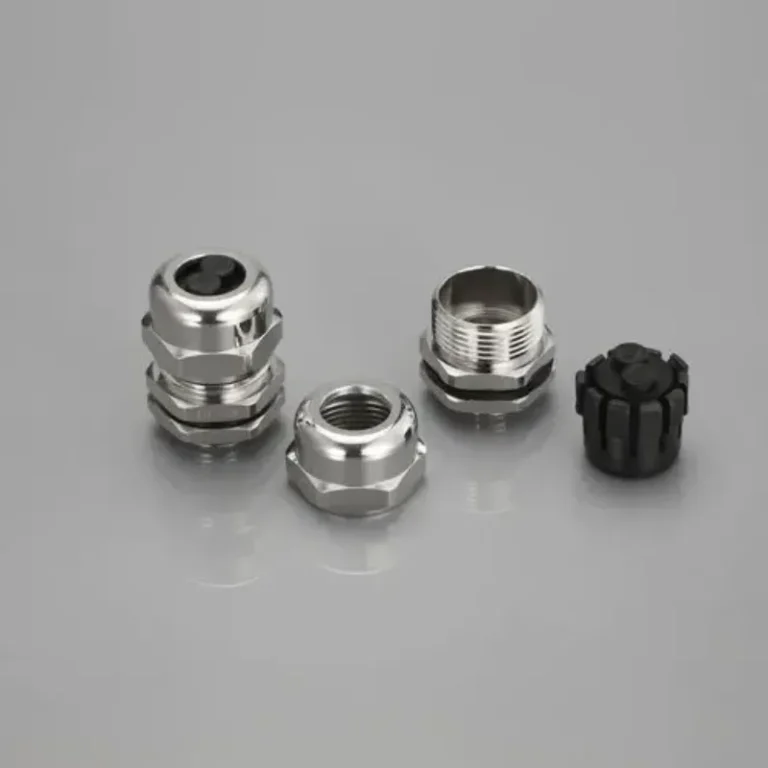
Multi-hole Metal Cable Gland
Seal multiple cable entries through a matched insert. Confirm the cable diameters, thread and material for the installation.
View product →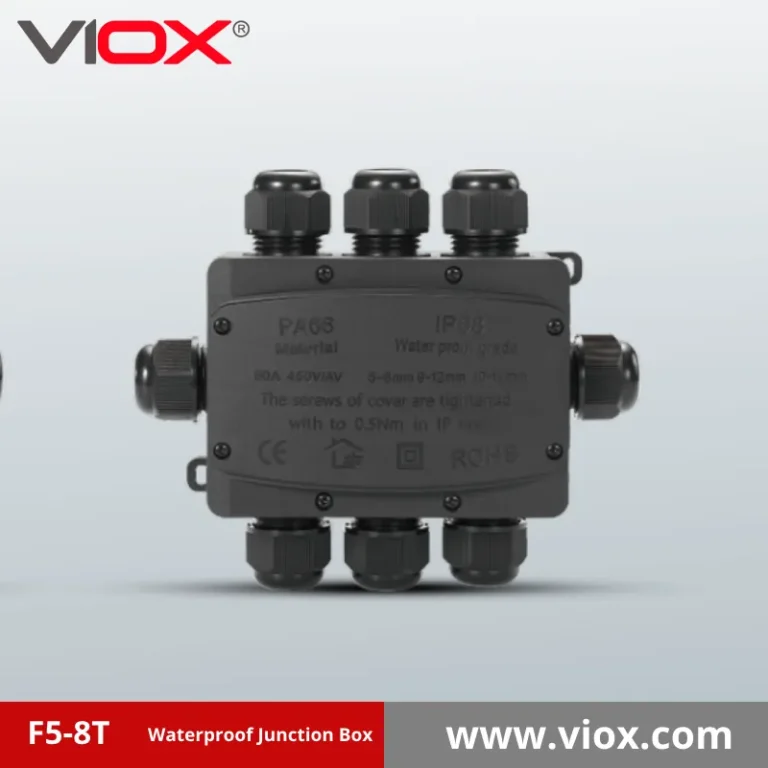
F5-8T Waterproof Junction Box
Enclose cable connections in a compact junction format. Check conductor capacity, cable range and the complete sealing arrangement.
View product →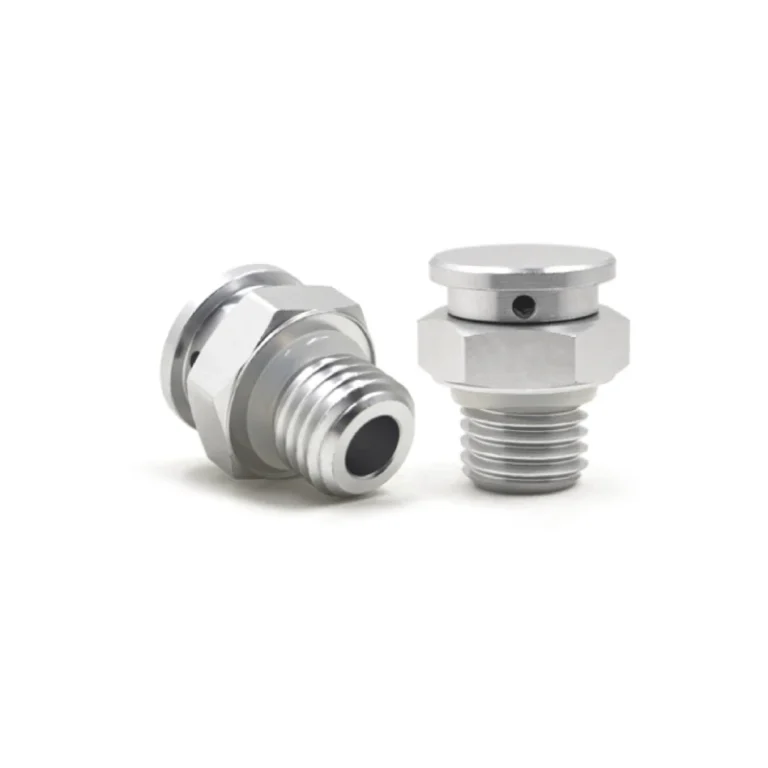
Aluminum Alloy Breather Vent Plug
Add pressure equalization where specified by the enclosure design. Confirm the vent version and environmental requirements.
View product →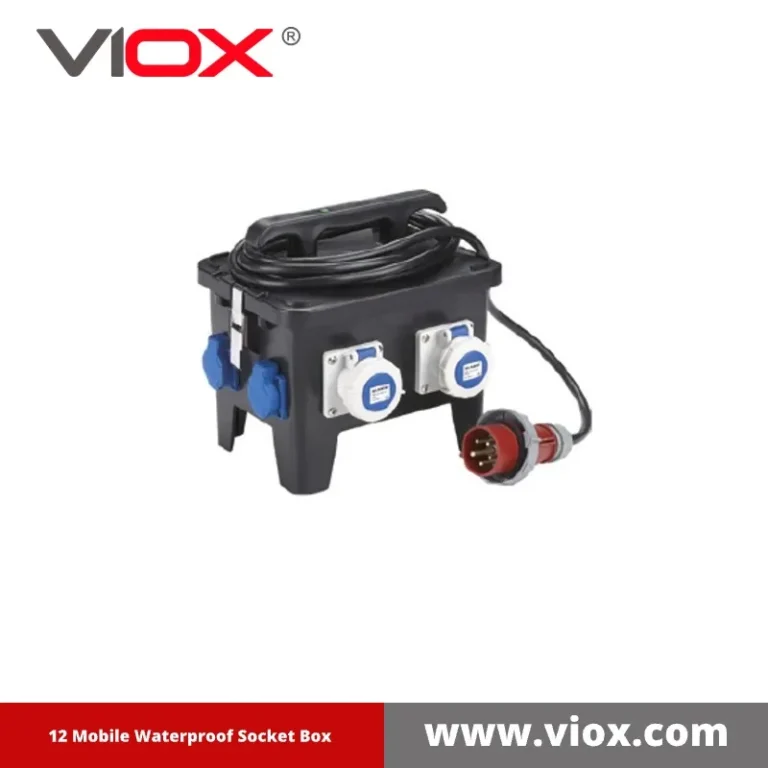
Mobile Waterproof Socket Box
Provide portable socket access for outdoor work areas. Confirm the socket configuration, protection and conditions of use.
View product →Specify the complete interface.
An IP rating describes ingress protection under defined test conditions. Material suitability, corrosion resistance and the assembled connection need their own checks.
Discuss your installation- Cable & entry
- Outside diameter, cable count, jacket type, thread, entry-hole size and wall thickness.
- Material & environment
- Enclosure and fitting materials, salt exposure, UV, chemicals and operating temperature.
- Water & dust exposure
- Required ingress protection and actual rain, spray, cleaning or immersion conditions.
- Electrical connections
- Voltage, current, conductor size, terminal arrangement and any earthing requirements.
- Pressure & maintenance
- Temperature cycling, vent requirements, mounting orientation and access for resealing.
- Supply requirements
- Quantity, destination, drawings, marking and documents for the selected model.
Planning an outdoor electrical enclosure?
Send the cable sizes, enclosure details, exposure conditions and quantities. VIOX can help narrow down the component options.