


World Plug & Socket Types
Compare the 15 plug and socket systems used around the world, including pin layout, grounding, current rating, voltage range and common regions.

Find a plug type
Select a letter to jump directly to its reference card. Region codes indicate common use, not an exhaustive country list.
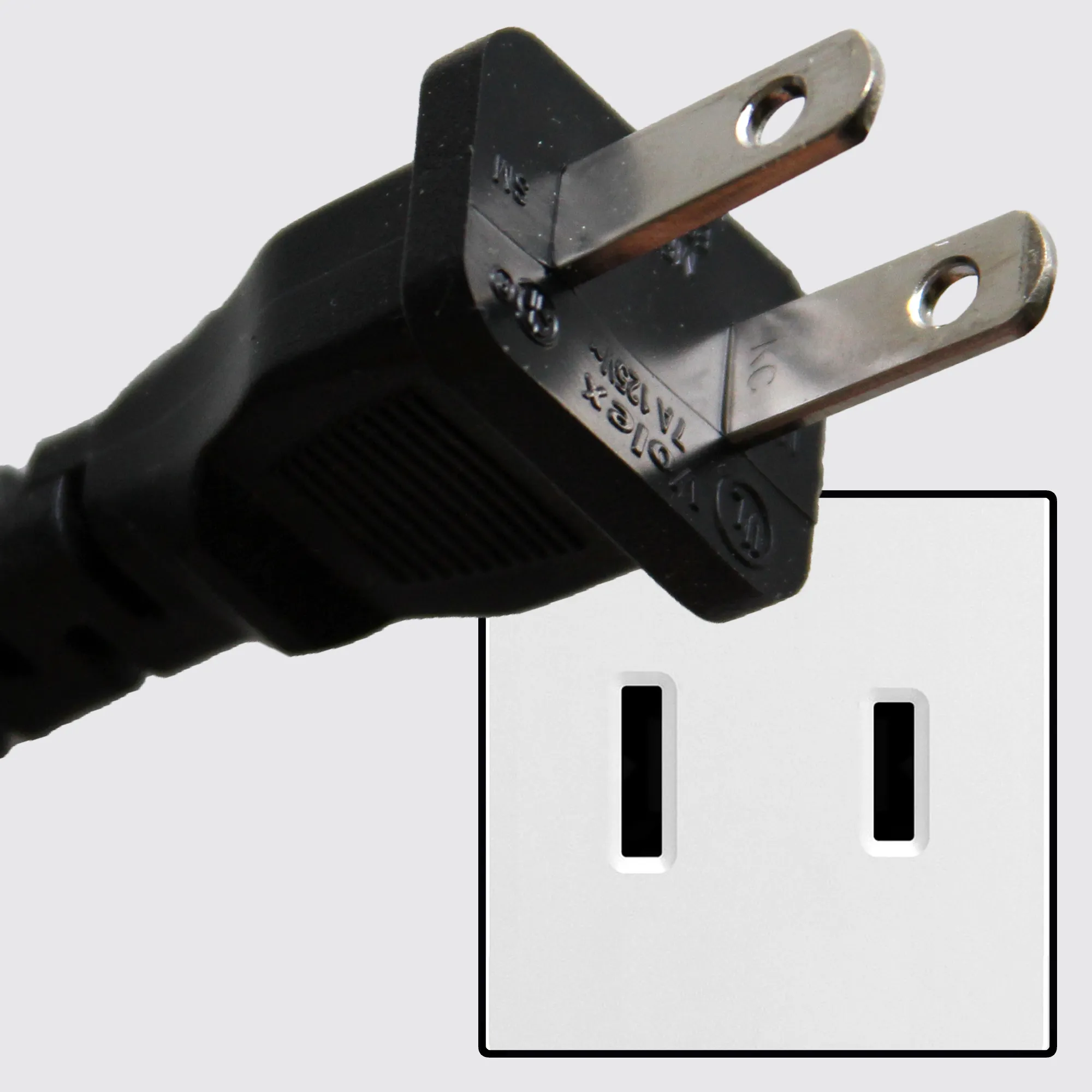
Type A
USCAMX
- Pins
- 2 pins
- Grounding
- Not grounded
- Current
- 15 A
- Typical voltage
- 100–127 V
- Socket compatibility
- Type A
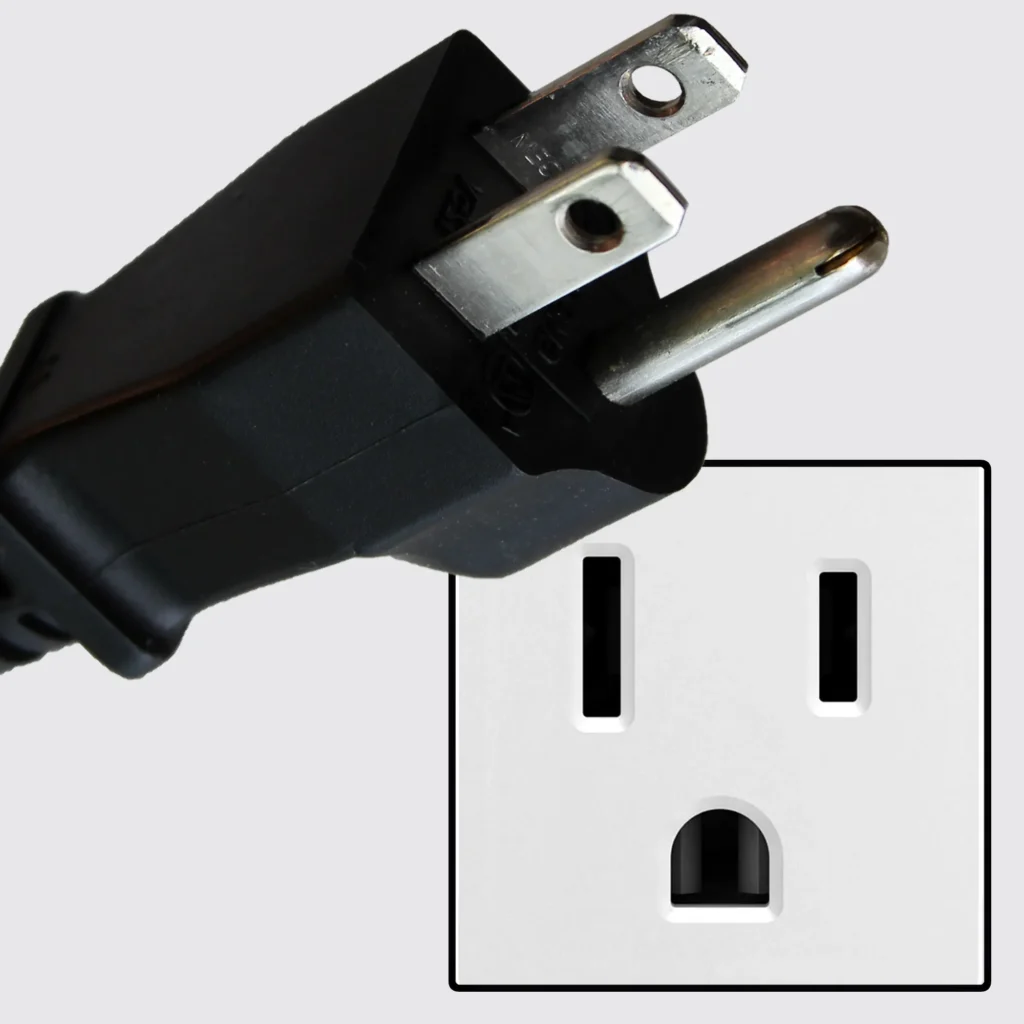
Type B
USCAMX
- Pins
- 3 pins
- Grounding
- Grounded
- Current
- 15 A
- Typical voltage
- 100–127 V
- Socket compatibility
- Types A and B
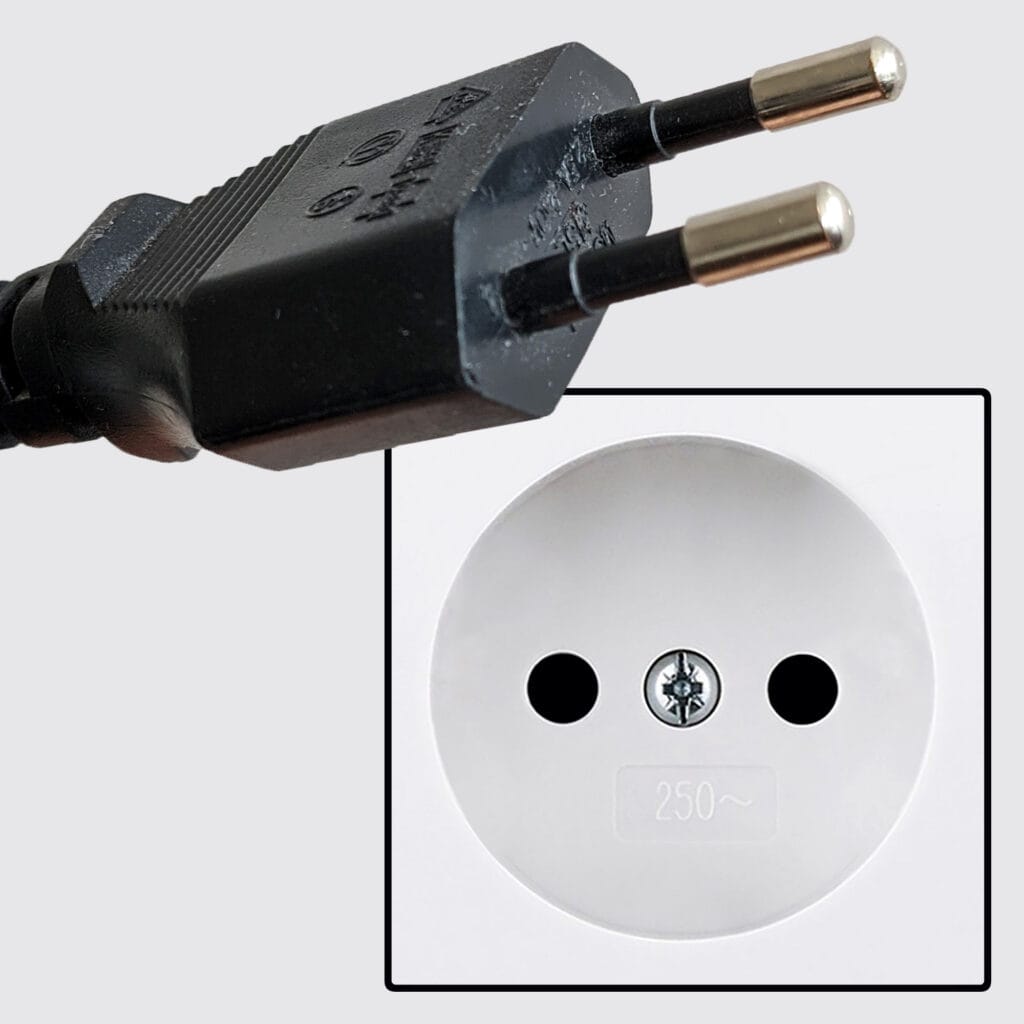
Type C
EU
- Pins
- 2 pins
- Grounding
- Not grounded
- Current
- 2.5, 10 or 16 A
- Typical voltage
- 220–240 V
- Socket compatibility
- Type C

Type D
IN
- Pins
- 3 pins
- Grounding
- Grounded
- Current
- 6 A
- Typical voltage
- 220–240 V
- Socket compatibility
- Type D

Type E
FRBEPLCZ
- Pins
- 2 pins
- Grounding
- Grounded
- Current
- 16 A
- Typical voltage
- 220–240 V
- Socket compatibility
- Types C, E and F

Type F
EURU
- Pins
- 2 pins
- Grounding
- Grounded
- Current
- 16 A
- Typical voltage
- 220–240 V
- Socket compatibility
- Types C, E and F

Type G
GBIEMYSG
- Pins
- 3 pins
- Grounding
- Grounded
- Current
- 13 A
- Typical voltage
- 220–250 V
- Socket compatibility
- Type G

Type H
IL
- Pins
- 3 pins
- Grounding
- Grounded
- Current
- 16 A
- Typical voltage
- 220–240 V
- Socket compatibility
- Types C and H

Type I
AUNZCNAR
- Pins
- 2 or 3 pins
- Grounding
- Grounded with 3 pins
- Current
- 10 A
- Typical voltage
- 220–240 V
- Socket compatibility
- Type I

Type J
CHLI
- Pins
- 3 pins
- Grounding
- Grounded
- Current
- 10 A
- Typical voltage
- 220–240 V
- Socket compatibility
- Types C and J
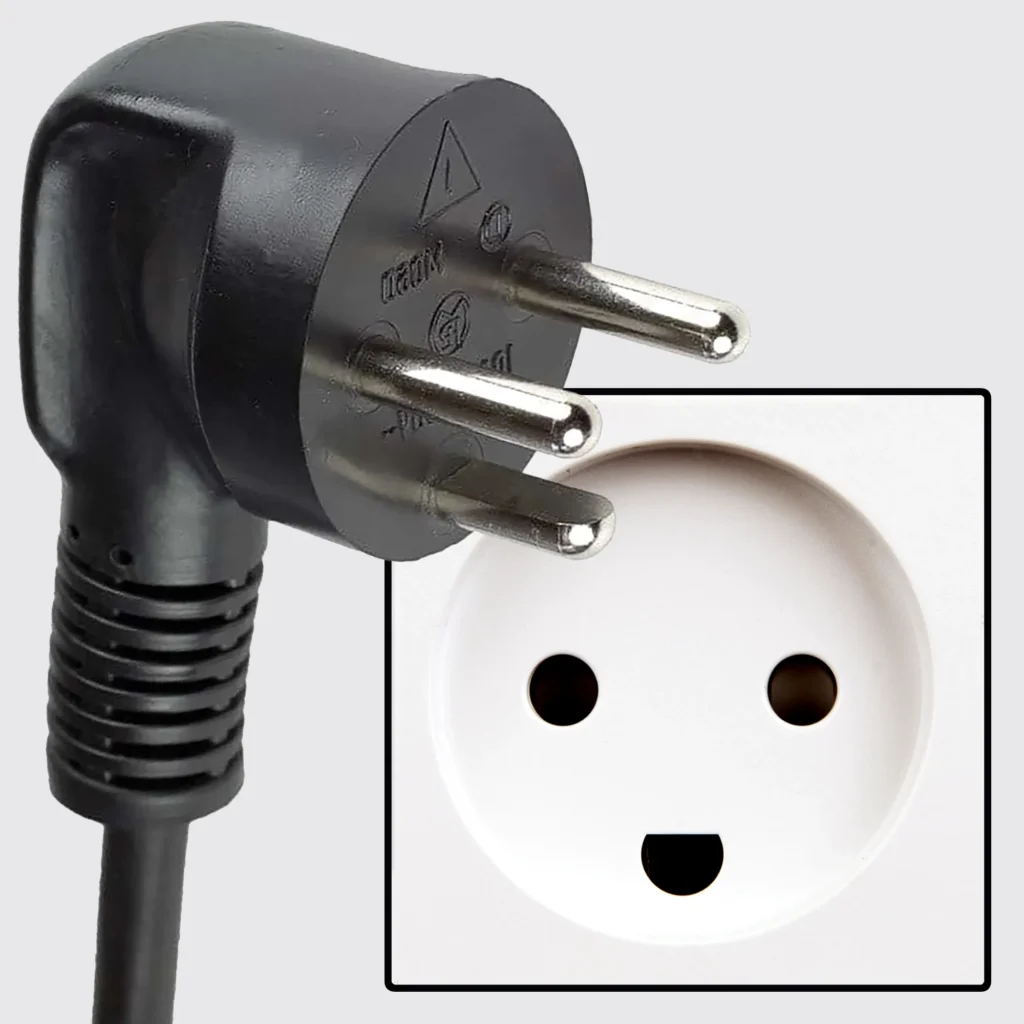
Type K
DKGL
- Pins
- 3 pins
- Grounding
- Grounded
- Current
- 16 A
- Typical voltage
- 220–240 V
- Socket compatibility
- Types C and K

Type L
ITCL
- Pins
- 3 pins
- Grounding
- Grounded
- Current
- 10 or 16 A
- Typical voltage
- 220–240 V
- Socket compatibility
- Types C and L

Type M
ZA
- Pins
- 3 pins
- Grounding
- Grounded
- Current
- 16 A
- Typical voltage
- 220–240 V
- Socket compatibility
- Type M

Type N
BRZA
- Pins
- 3 pins
- Grounding
- Grounded
- Current
- 10, 16 or 20 A
- Typical voltage
- 220–240 V
- Socket compatibility
- Types C and N

Type O
TH
- Pins
- 3 pins
- Grounding
- Grounded
- Current
- 16 A
- Typical voltage
- 220–240 V
- Socket compatibility
- Types C and O
Before connecting equipment abroad
An adapter changes the physical connection. It does not automatically convert voltage or frequency.
- Identify the socket.Match the physical outlet with the Type A–O reference above.
- Read the input label.Confirm the appliance accepts the local voltage and frequency.
- Preserve grounding.Use an adapter or converter suitable for the equipment and its protective-earth requirements.
Reference scope: household and similar plug-and-socket systems. For formal national system details, consult IEC TR 60083 and current local requirements.