


ຜູ້ຜະລິດສາຍໄຟ
Compare VIOX cable lug series for dependable conductor termination across panel building, power distribution and industrial equipment.
Conductor matchingMaterial and cross-section
Stud and palmHole size and geometry
Finish and environmentBare or plated series
Installation toolingDie and crimp process


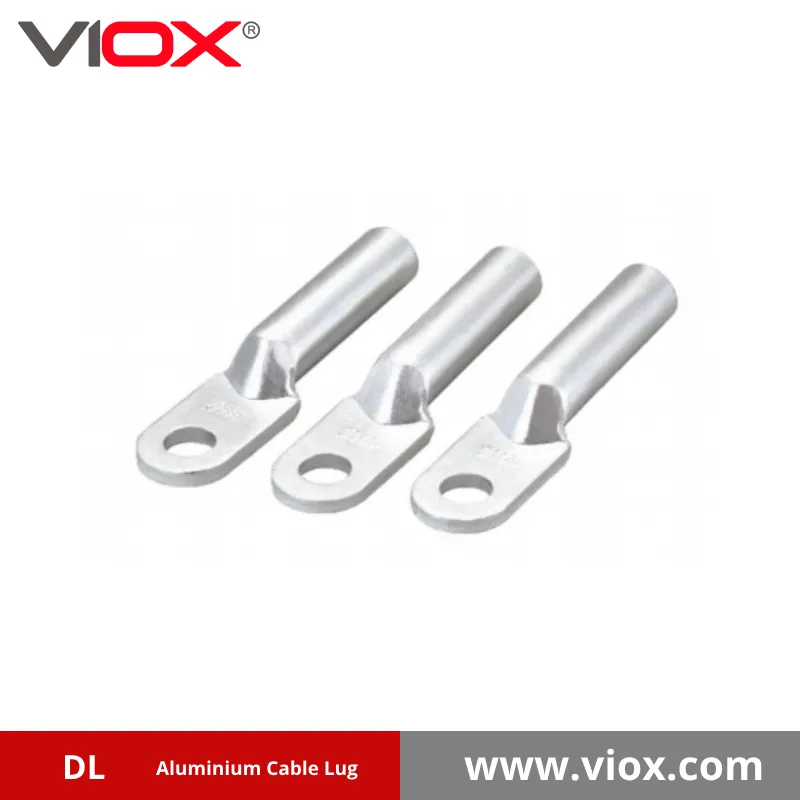
What is a cable lug?
A cable lug terminates a conductor so it can be bolted or otherwise connected to a busbar, terminal, switchgear component or equipment connection point.
Selection requires conductor material, construction and cross-section, lug barrel, palm and stud dimensions, finish, installation tooling, crimp process, environment and the applicable connection standard.
Cable Lug Series Overview
ປຽບທຽບຮຸ່ນ VIOX ທີ່ເຜີຍແຜ່ໂດຍໃຊ້ຂໍ້ມູນທີ່ມີຢູ່ແລ້ວໃນຂໍ້ມູນຜະລິດຕະພັນ.
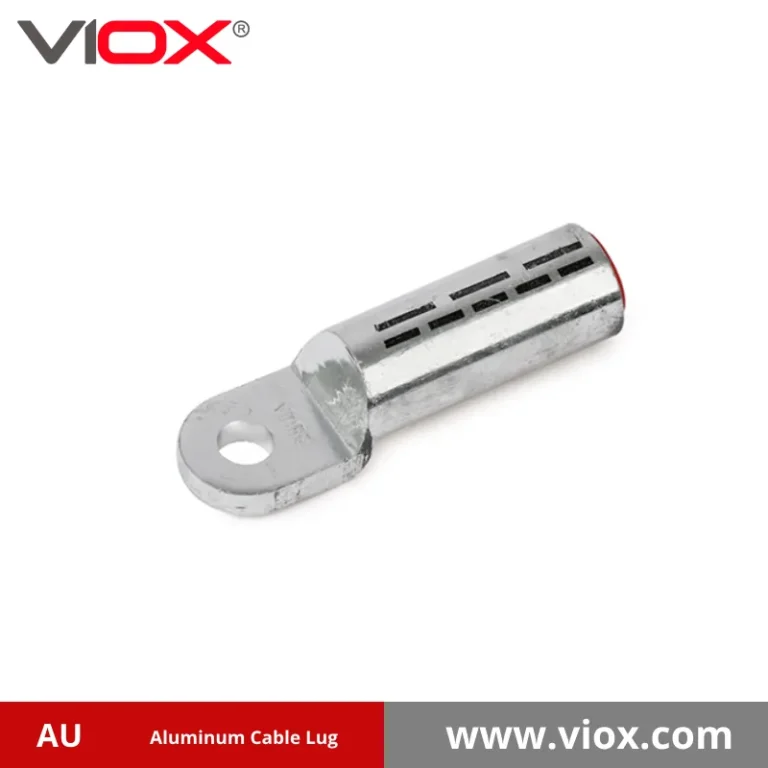
ສາຍອາລູມີນຽມ AU
Cable termination lugກວດສອບຂໍ້ມູນຮຸ່ນ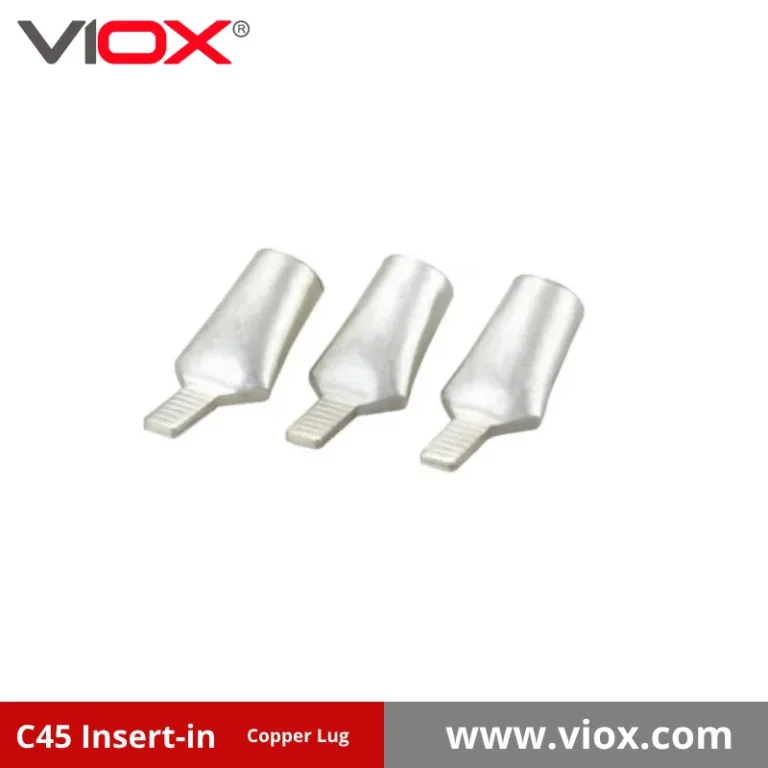
VIOX C45
Cable termination lugກວດສອບຂໍ້ມູນຮຸ່ນ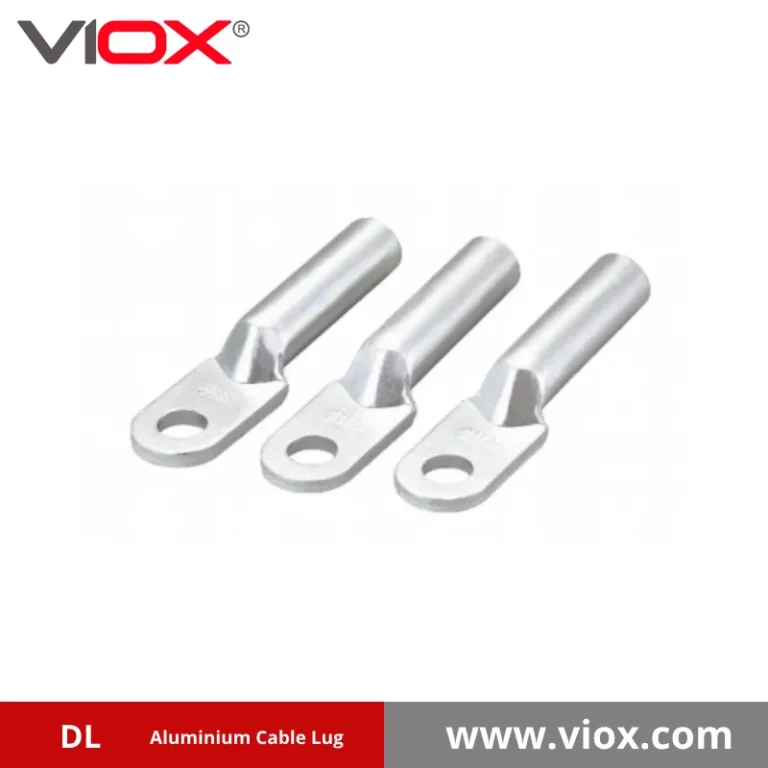
ສາຍອາລູມີນຽມ DL
Cable termination lugກວດສອບຂໍ້ມູນຮຸ່ນ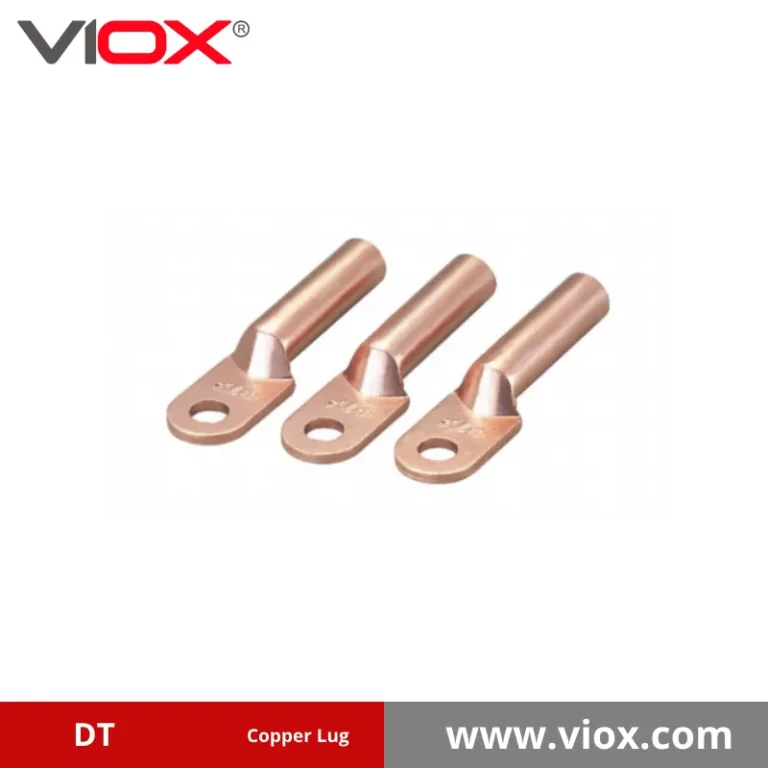
DT Copper Lug
Cable termination lugກວດສອບຂໍ້ມູນຮຸ່ນ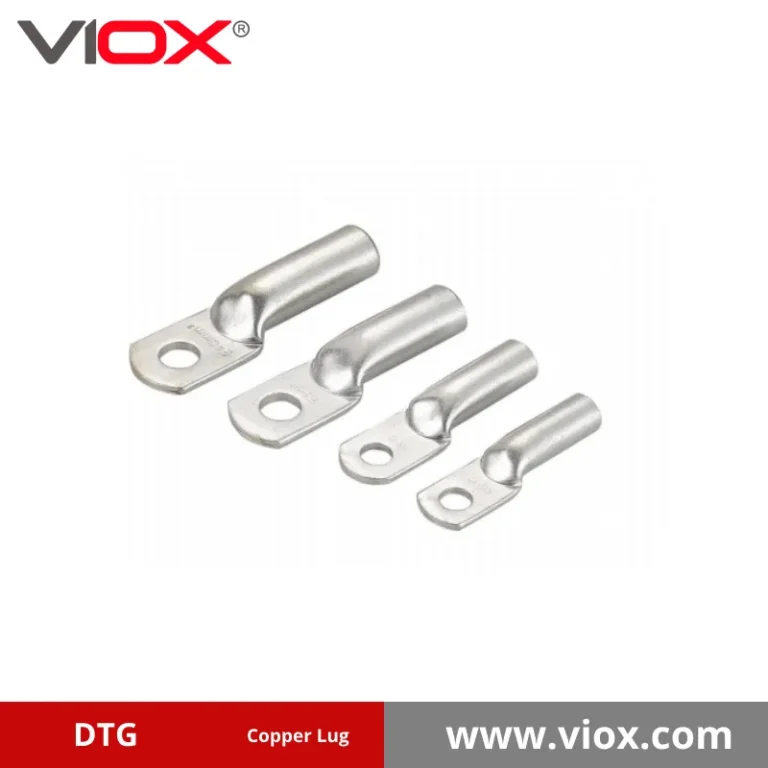
DT(G) Copper Lug
Cable termination lugກວດສອບຂໍ້ມູນຮຸ່ນ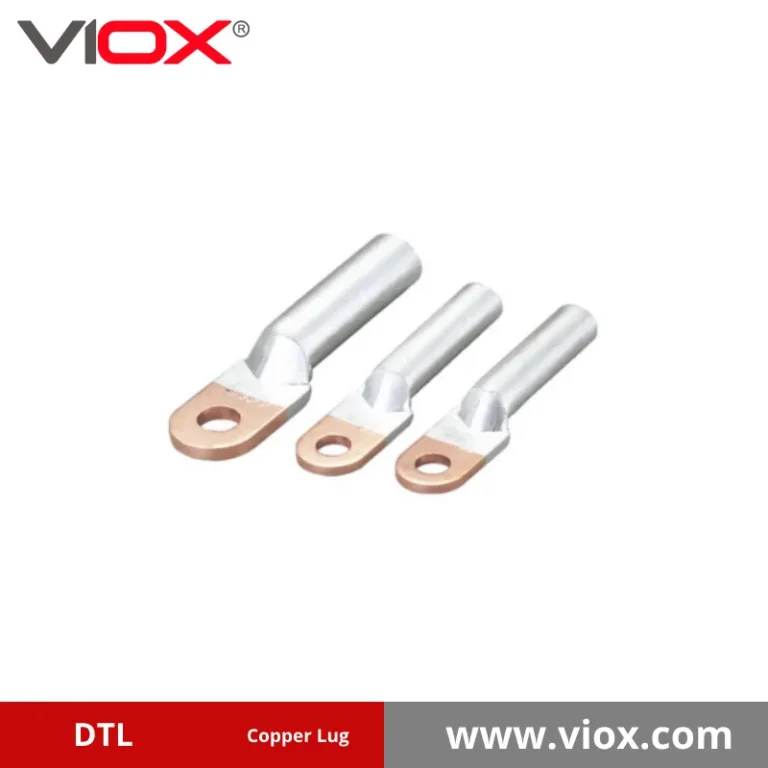
DTL Copper-Aluminium Lug
Cable termination lugກວດສອບຂໍ້ມູນຮຸ່ນ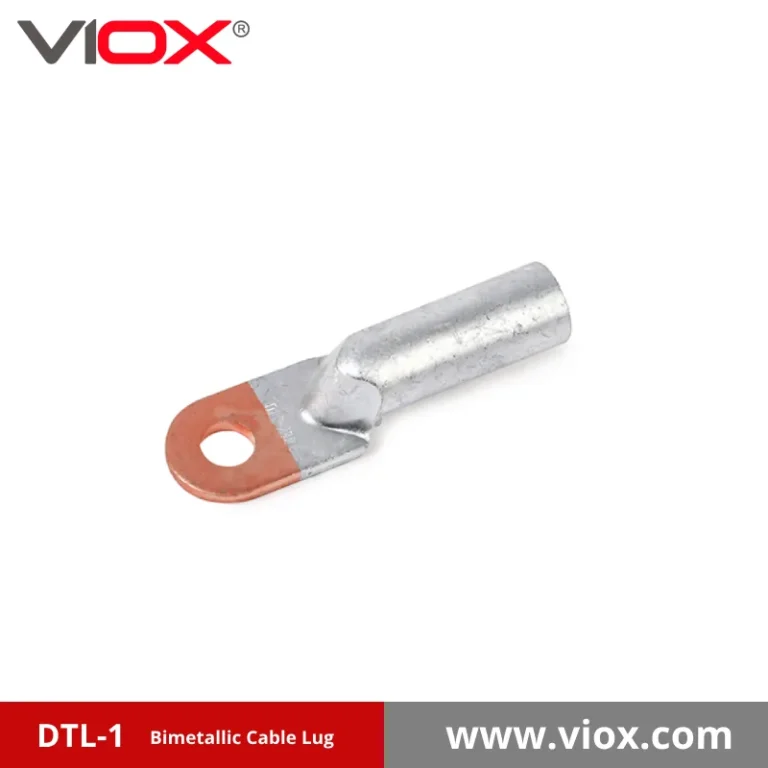
DTL-1 ສາຍໄຟ Bimetallic
Cable termination lugກວດສອບຂໍ້ມູນຮຸ່ນ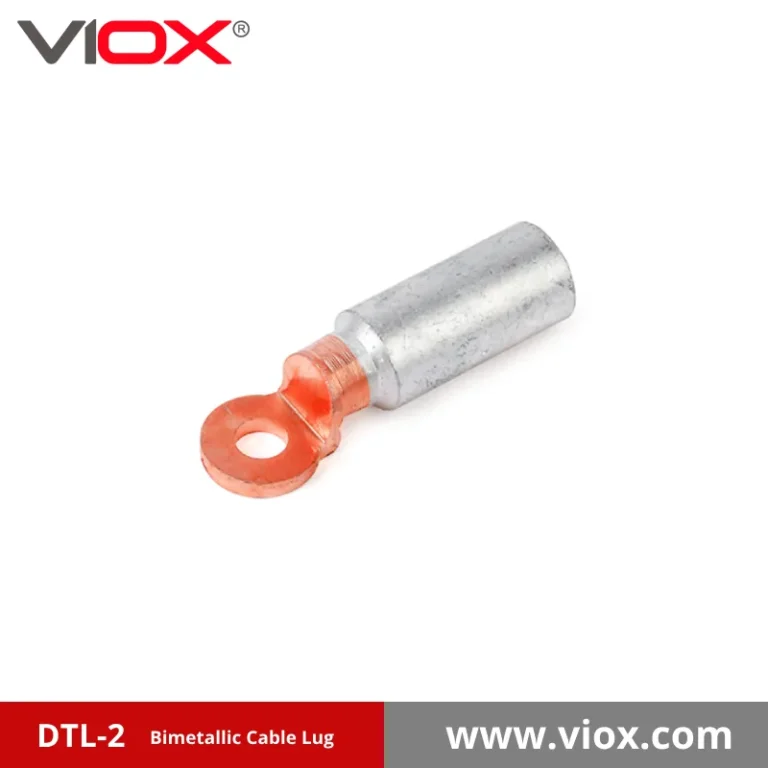
DTL-2 ສາຍໄຟ Bimetallic
Cable termination lugກວດສອບຂໍ້ມູນຮຸ່ນHow to choose a cable lug
Match the conductor first, then verify stud geometry, material, finish and crimping method.
Conductor material and size
Use a lug intended for the actual copper or aluminum conductor and cross-section.
Stud hole and palm geometry
Confirm bolt size, palm width, orientation and available connection space.
Material and plating
Match corrosion, interface-metal and environmental requirements.
Tool and die
Use the approved crimping system, die reference, strip length and inspection process.
Treat the crimp as a complete connection system
Conductor, lug, die, tool, crimp sequence and bolted interface all affect connection quality.
Compare published Cable Lug series
ຊ່ອງຫວ່າງໝາຍເຖິງຄ່ານັ້ນບໍ່ມີຢູ່ໃນບົດສະຫຼຸບຜະລິດຕະພັນປັດຈຸບັນ. ກະລຸນາເປີດໜ້າຮຸ່ນຜະລິດຕະພັນ ຫຼື ຮ້ອງຂໍເອກະສານຂໍ້ມູນທາງເຕັກນິກ (datasheet) ກ່ອນການກຳນົດສະເປັກ.
| ຕໍ່ລຽນ | ຂະໜາດຂອງຕົວນຳໄຟຟ້າ | ຮູສຳລັບໃສ່ສະກູ (Stud hole) | ວັດສະດຸ | ຈົບ |
|---|---|---|---|---|
| ສາຍອາລູມີນຽມ AU | — | — | — | — |
| VIOX C45 | — | — | — | — |
| ສາຍອາລູມີນຽມ DL | — | — | — | — |
| DT Copper Lug | — | — | — | — |
| DT(G) Copper Lug | — | — | — | — |
| DTL Copper-Aluminium Lug | — | — | — | — |
| DTL-1 ສາຍໄຟ Bimetallic | — | — | — | — |
| DTL-2 ສາຍໄຟ Bimetallic | — | — | — | — |
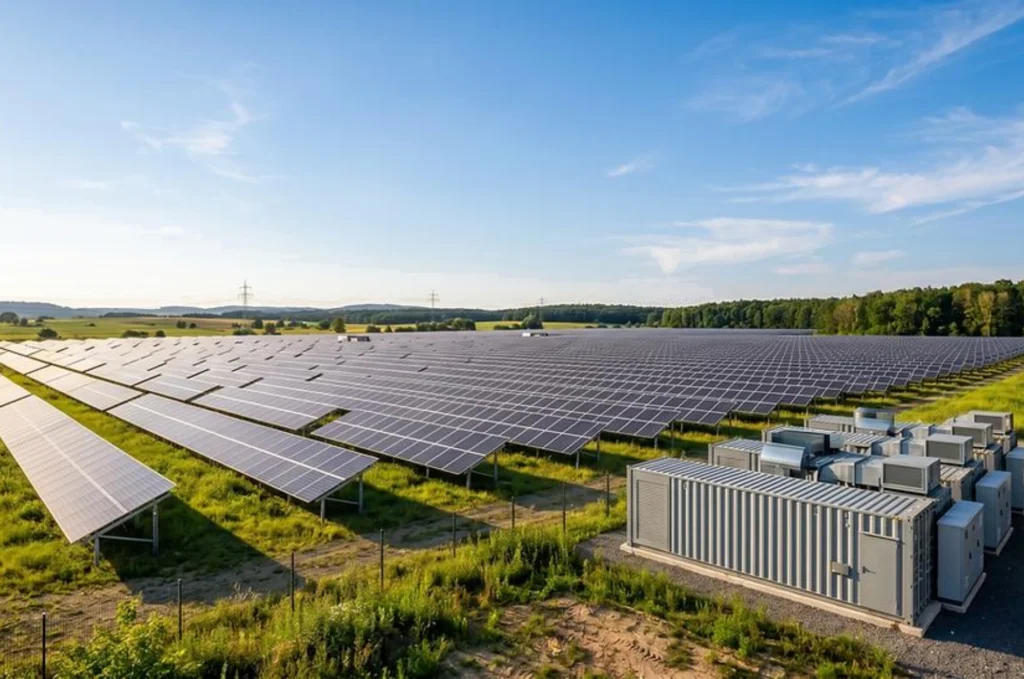
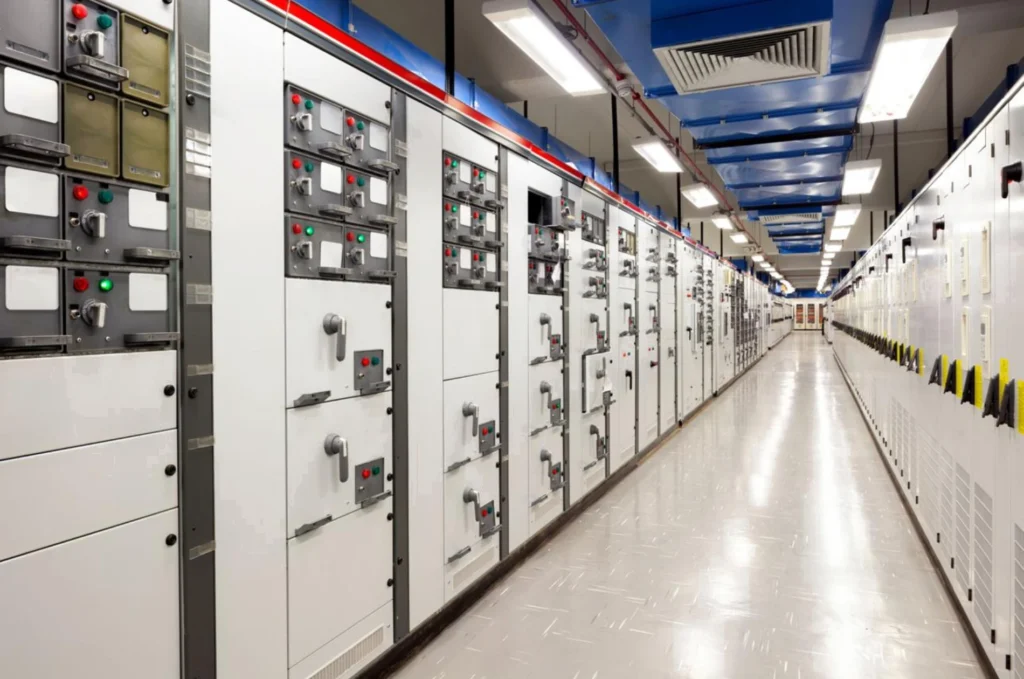
Cable Lug Applications
ສະພາບແວດລ້ອມທົ່ວໄປທີ່ຕ້ອງມີການກວດສອບຄຸນລັກສະນະຂອງຜະລິດຕະພັນຢ່າງລະອຽດ.

Cable Lug Selection Questions
ຄຳຕອບດ່ວນສຳລັບການປຽບທຽບກຸ່ມຜະລິດຕະພັນເບື້ອງຕົ້ນ ກ່ອນການກວດສອບວົງຈອນຢ່າງລະອຽດ.
How is cable lug size selected?
Match conductor material, construction and cross-section to the published lug barrel and application data.
Can a copper lug be used on aluminum cable?
Only use a lug and preparation method explicitly approved for the conductor and interface metals.
How is the stud hole selected?
Match the equipment bolt while checking palm width, edge distance, orientation and connection space.
Why does the crimping die matter?
The die and tool create the specified compression geometry; an incorrect system can produce an unreliable connection.
What should be inspected after crimping?
Follow the approved process for crimp position, number, visual condition, conductor insertion and any required pull or electrical testing.
Need the Right Cable Lug?
Let’s Match the Conductor and Stud.
Send the conductor material and size, stud diameter, palm orientation, environment, quantity and target market.
Request Cable Lug Support