


Cable Lug Fabricantes
Compare VIOX cable lug series for dependable conductor termination across panel building, power distribution and industrial equipment.
Conductor matchingMaterial and cross-section
Stud and palmHole size and geometry
Finish and environmentBare or plated series
Installation toolingDie and crimp process


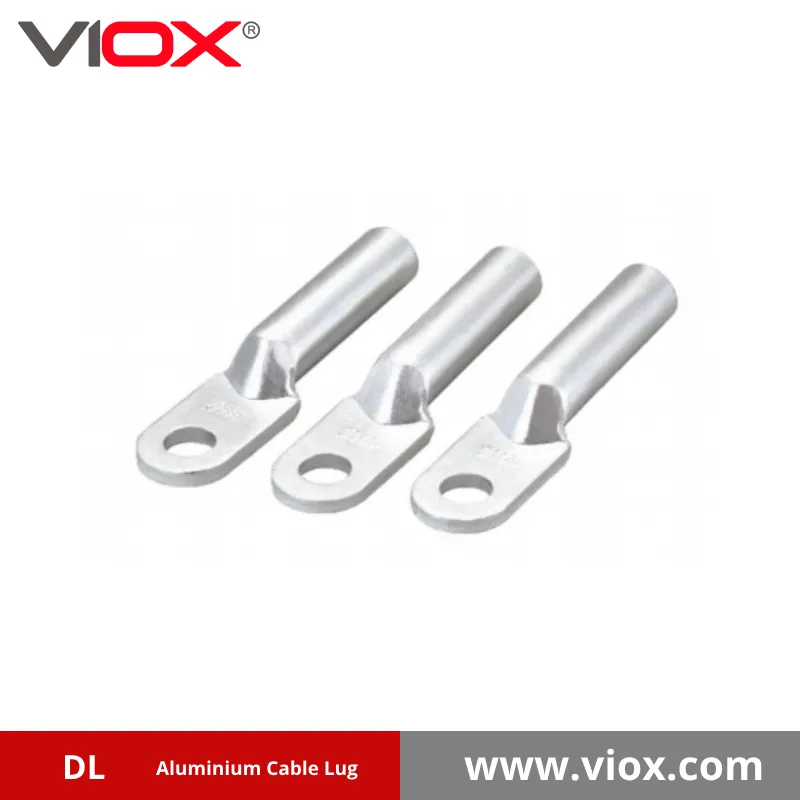
What is a cable lug?
A cable lug terminates a conductor so it can be bolted or otherwise connected to a busbar, terminal, switchgear component or equipment connection point.
Selection requires conductor material, construction and cross-section, lug barrel, palm and stud dimensions, finish, installation tooling, crimp process, environment and the applicable connection standard.
Cable Lug Series Overview
Compare los modelos VIOX publicados utilizando los datos ya disponibles en la información del producto.
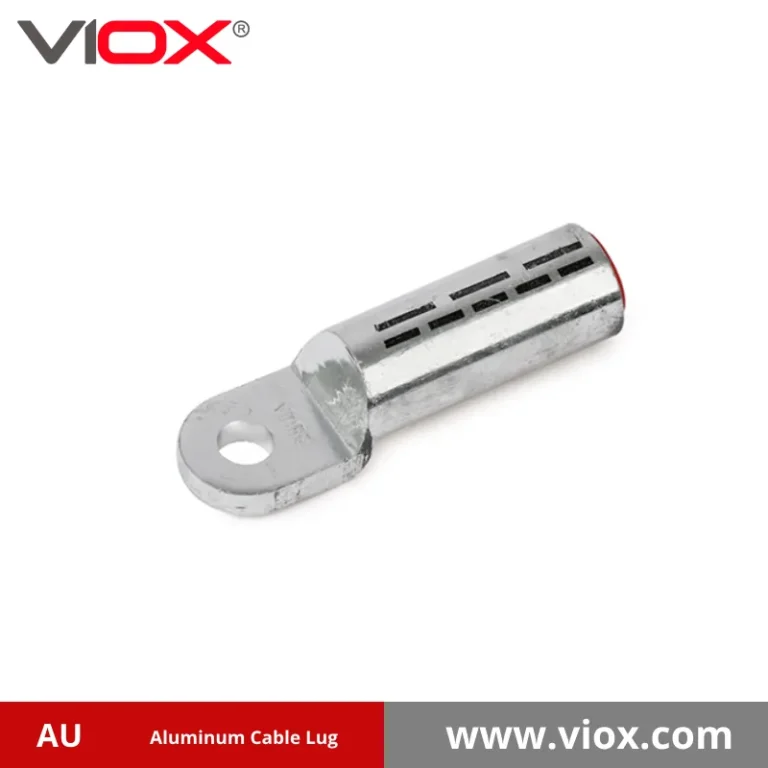
AU Terminal de cable de aluminio
Cable termination lugRevisar datos del modelo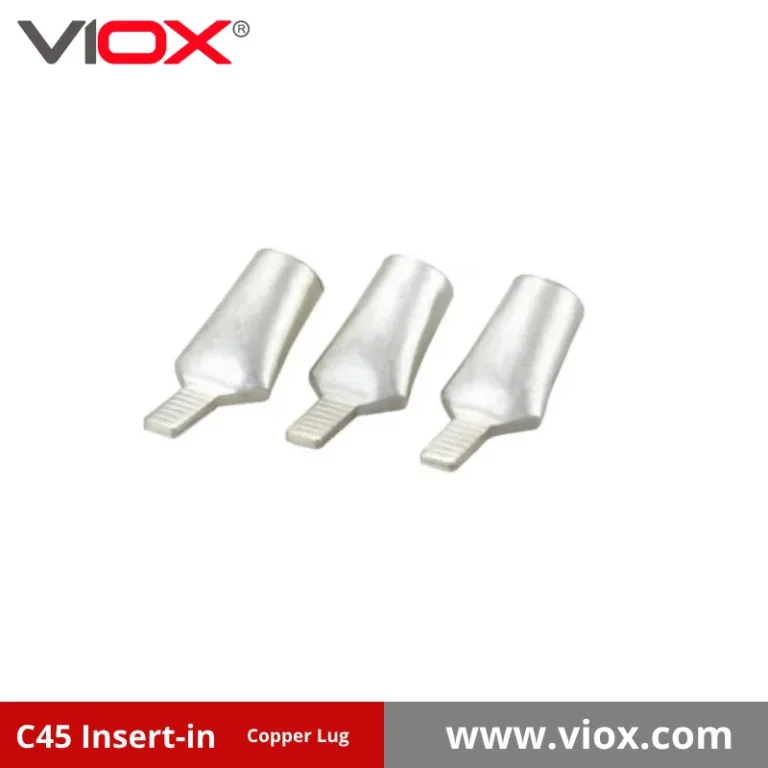
VIOX C45
Cable termination lugRevisar datos del modelo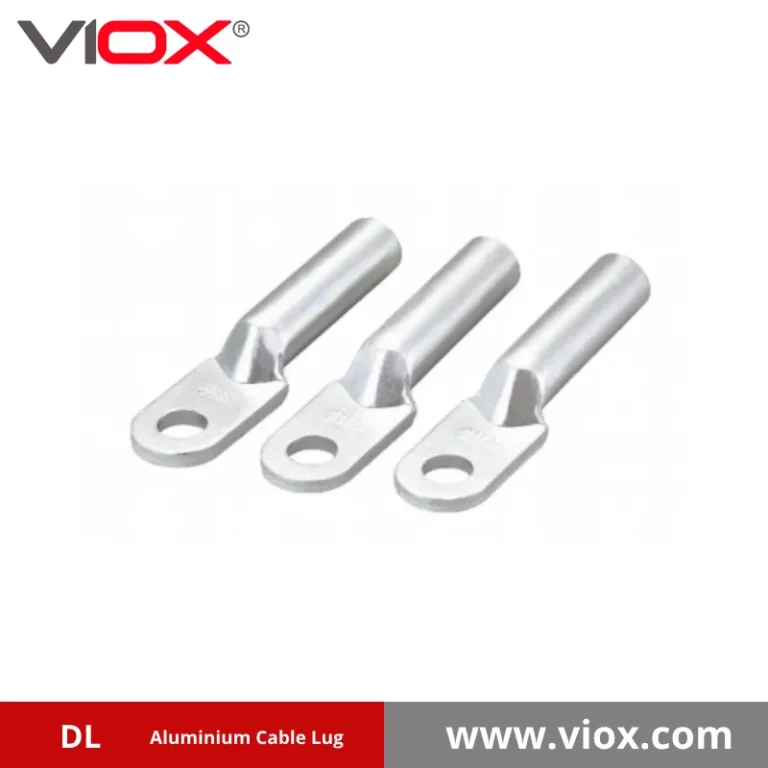
DL Terminal de cable de aluminio
Cable termination lugRevisar datos del modelo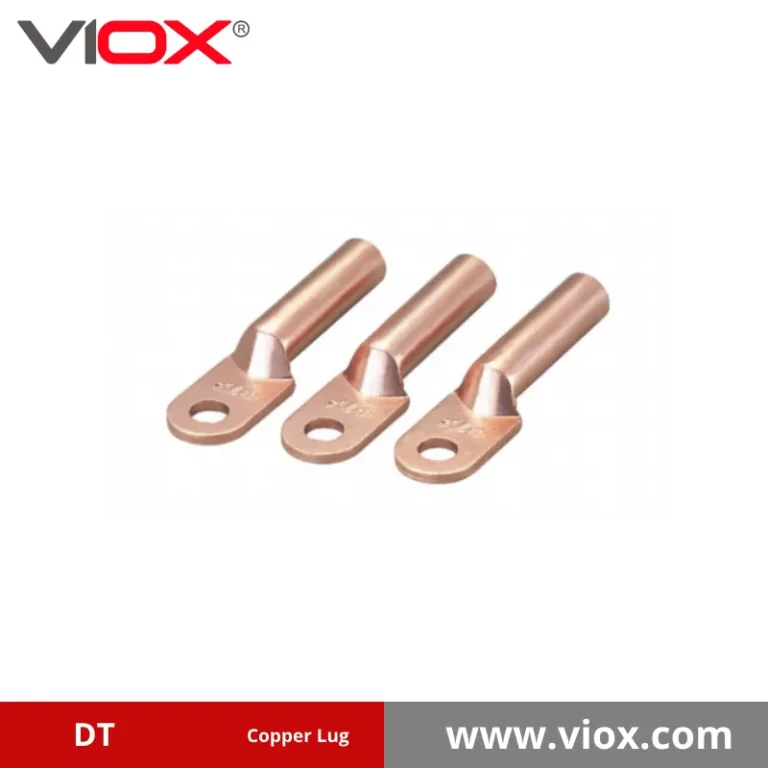
DT Copper Lug
Cable termination lugRevisar datos del modelo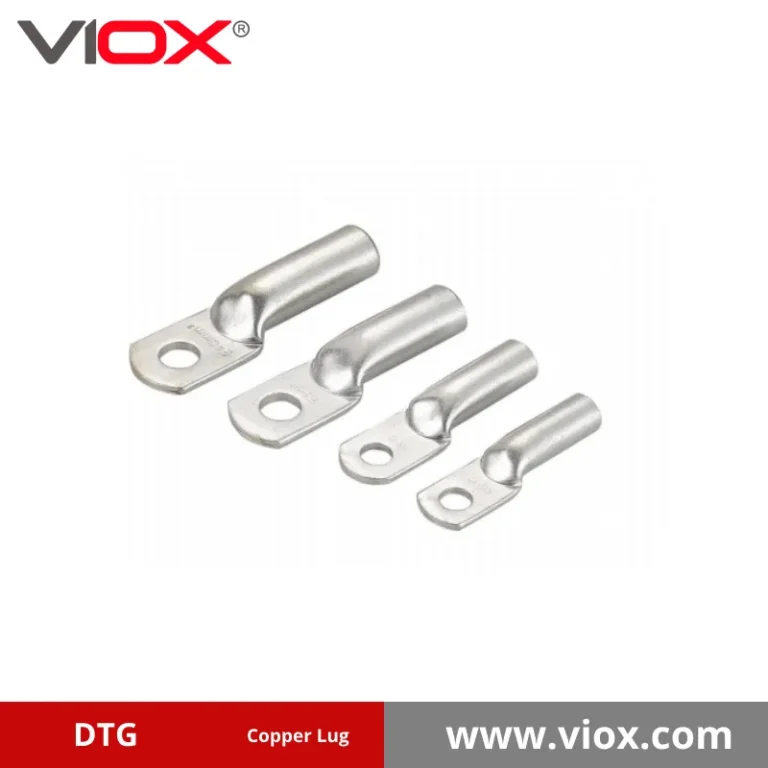
DT(G) Terminal de cobre
Cable termination lugRevisar datos del modelo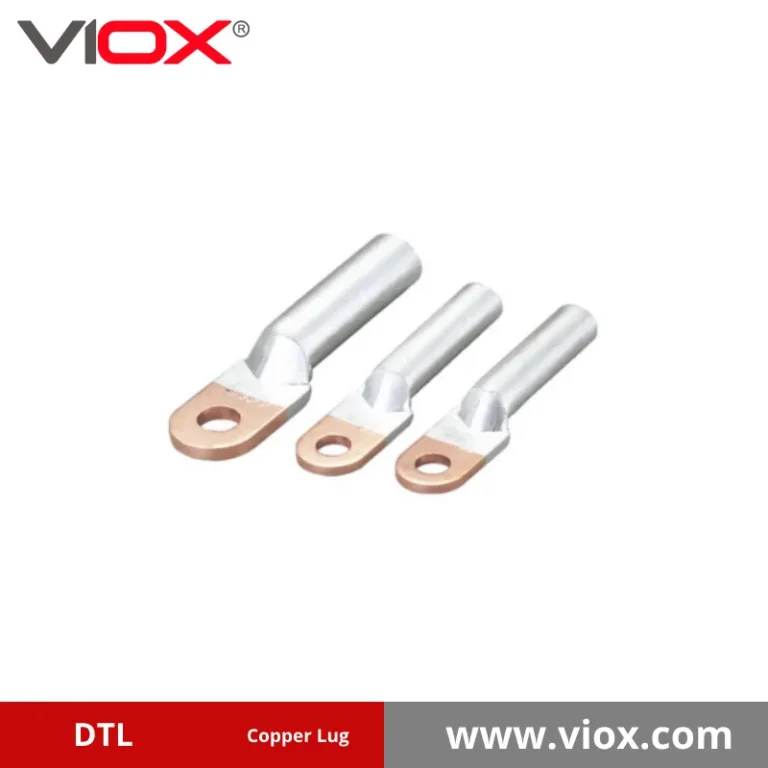
Terminal DTL de cobre-aluminio
Cable termination lugRevisar datos del modelo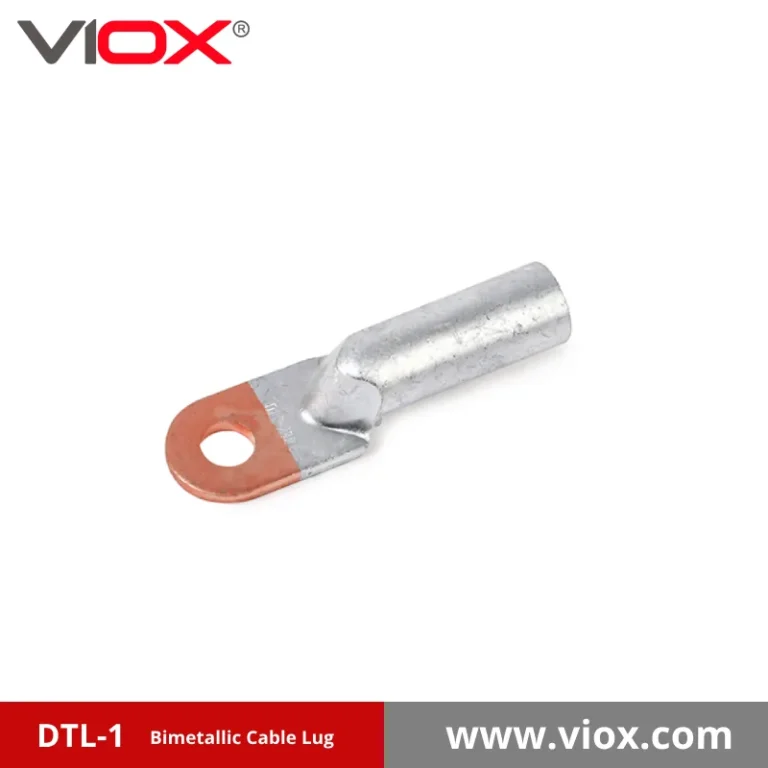
Terminal bimetálico DTL-1
Cable termination lugRevisar datos del modelo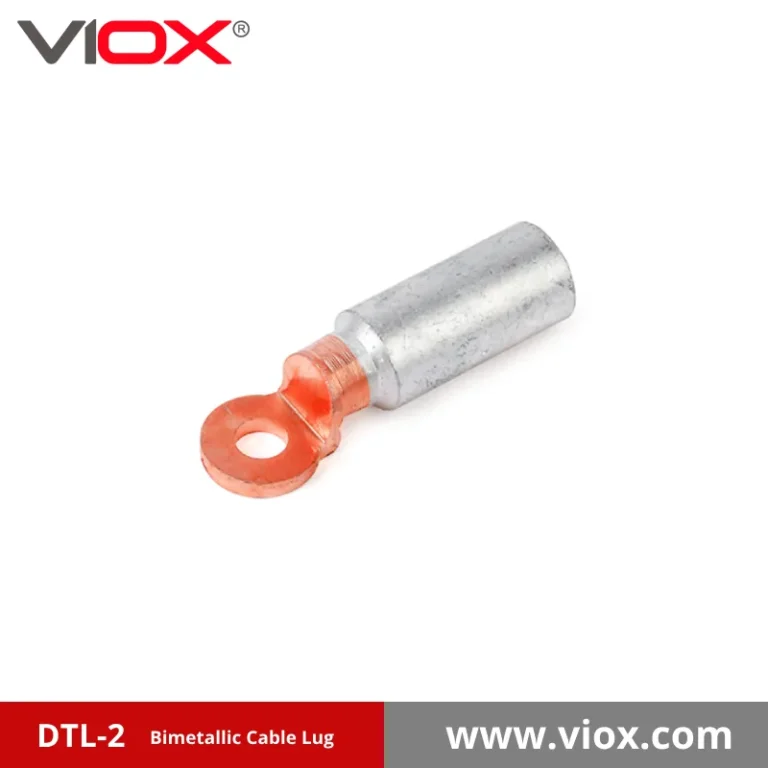
Terminal bimetálico DTL-2
Cable termination lugRevisar datos del modeloHow to choose a cable lug
Match the conductor first, then verify stud geometry, material, finish and crimping method.
Conductor material and size
Use a lug intended for the actual copper or aluminum conductor and cross-section.
Stud hole and palm geometry
Confirm bolt size, palm width, orientation and available connection space.
Material and plating
Match corrosion, interface-metal and environmental requirements.
Tool and die
Use the approved crimping system, die reference, strip length and inspection process.
Treat the crimp as a complete connection system
Conductor, lug, die, tool, crimp sequence and bolted interface all affect connection quality.
Compare published Cable Lug series
Las celdas en blanco significan que el valor no está disponible en el resumen actual del producto. Abra la página del modelo o solicite su hoja de datos antes de realizar la especificación.
| Serie | Calibre del conductor | Orificio para perno | Material | Acabado |
|---|---|---|---|---|
| AU Terminal de cable de aluminio | — | — | — | — |
| VIOX C45 | — | — | — | — |
| DL Terminal de cable de aluminio | — | — | — | — |
| DT Copper Lug | — | — | — | — |
| DT(G) Terminal de cobre | — | — | — | — |
| Terminal DTL de cobre-aluminio | — | — | — | — |
| Terminal bimetálico DTL-1 | — | — | — | — |
| Terminal bimetálico DTL-2 | — | — | — | — |
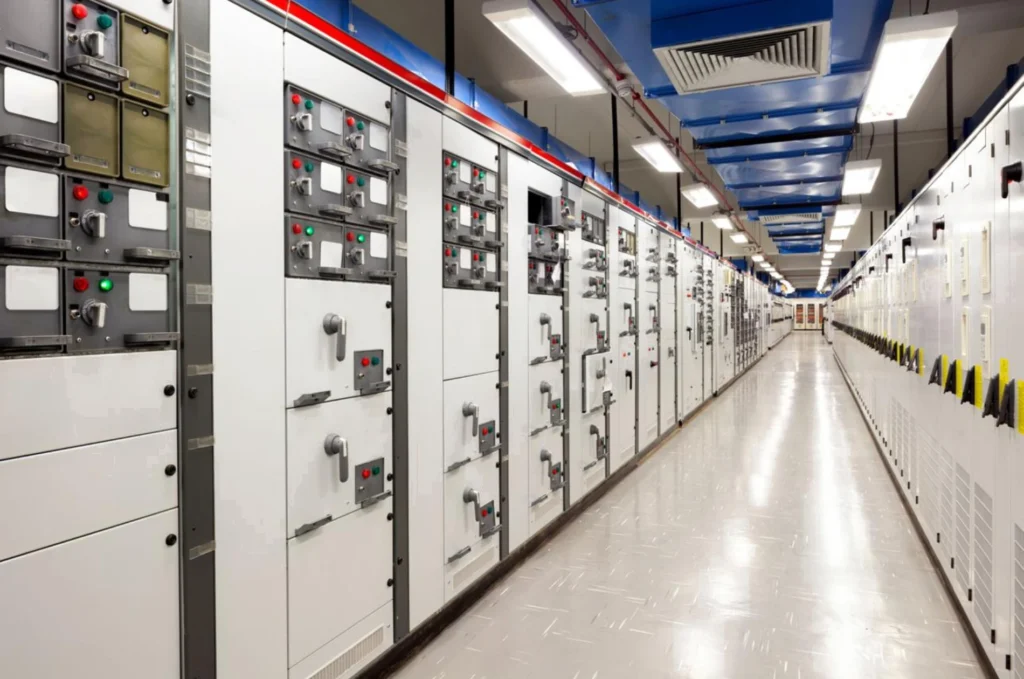
Cable Lug Applications
Entornos típicos donde deben verificarse las características exactas del producto.


Cable Lug Knowledge & Selection Guides
Todos los artículos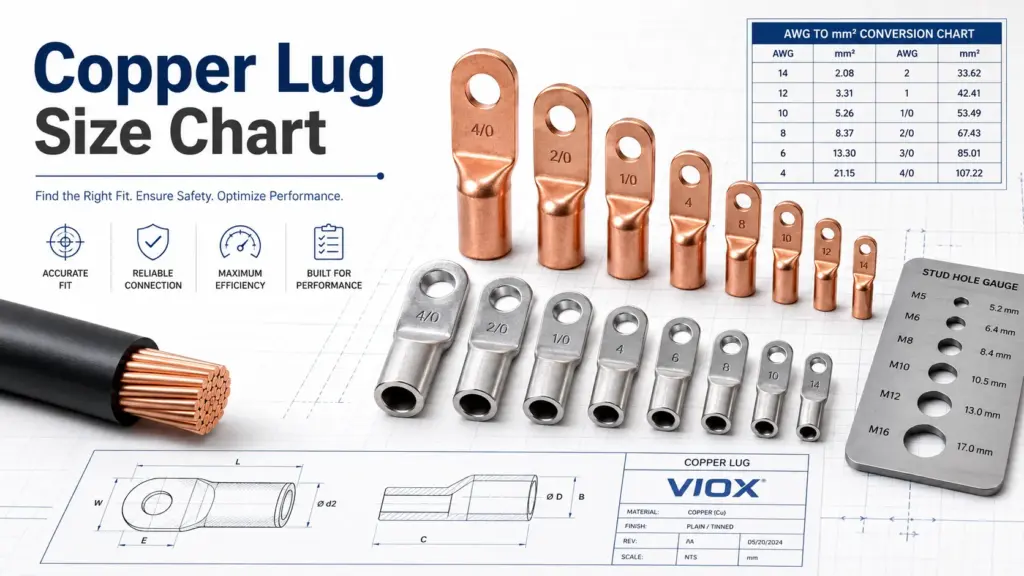
Cable Lug Selection Questions
Respuestas rápidas para la comparación preliminar de familias de productos antes de la verificación detallada del circuito.
How is cable lug size selected?
Match conductor material, construction and cross-section to the published lug barrel and application data.
Can a copper lug be used on aluminum cable?
Only use a lug and preparation method explicitly approved for the conductor and interface metals.
How is the stud hole selected?
Match the equipment bolt while checking palm width, edge distance, orientation and connection space.
Why does the crimping die matter?
The die and tool create the specified compression geometry; an incorrect system can produce an unreliable connection.
What should be inspected after crimping?
Follow the approved process for crimp position, number, visual condition, conductor insertion and any required pull or electrical testing.
Need the Right Cable Lug?
Let’s Match the Conductor and Stud.
Send the conductor material and size, stud diameter, palm orientation, environment, quantity and target market.
Request Cable Lug Support