

នៅលើទំព័រនេះ
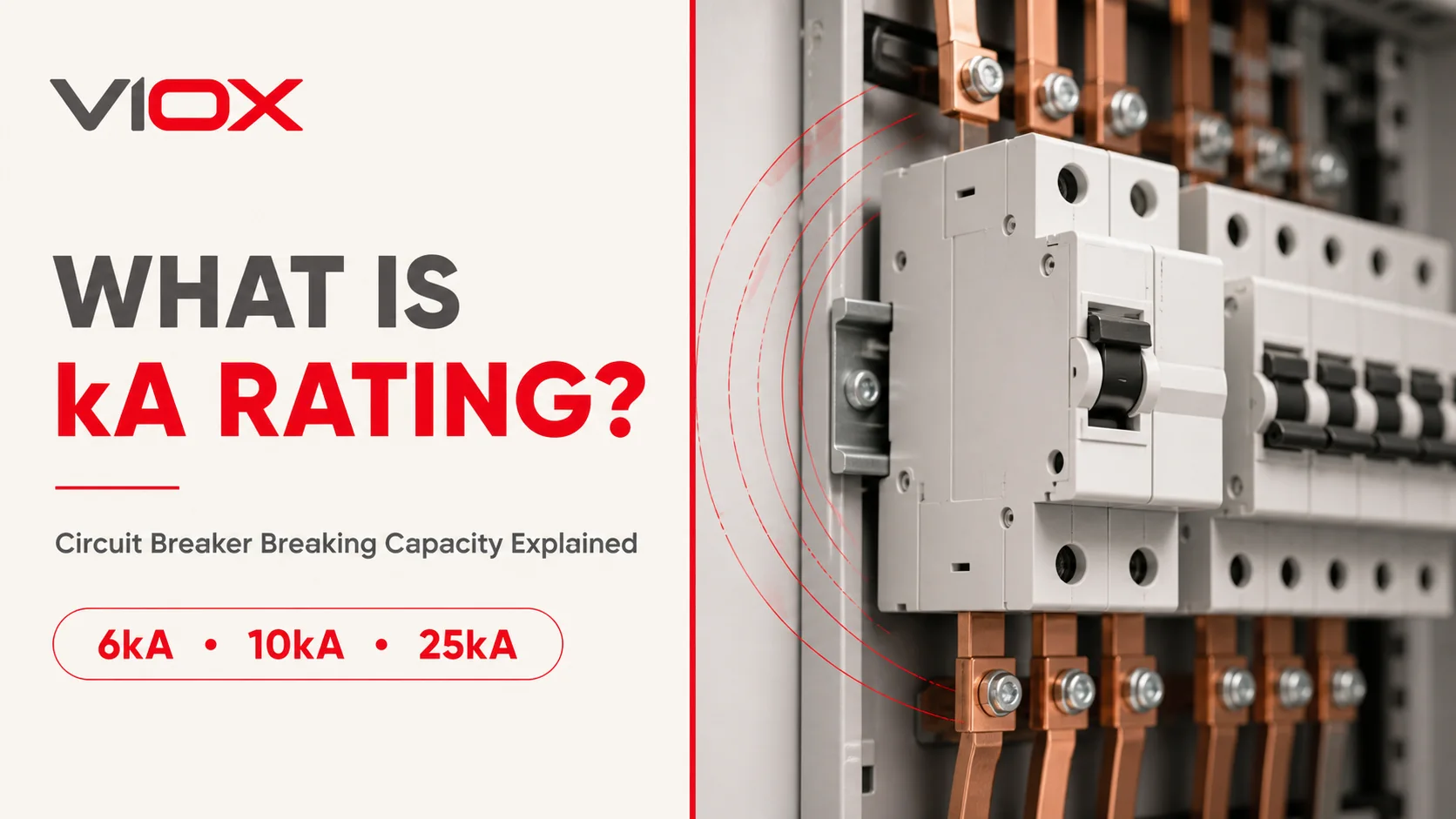
នៅក្នុងប្រព័ន្ធអគ្គិសនី កម្រិត kA នៅលើឧបករណ៍បំបែកសៀគ្វីបង្ហាញពីចរន្តសៀគ្វីខ្លីអតិបរមាដែលឧបករណ៍បំបែកសៀគ្វីត្រូវបានរចនាឡើងដើម្បីកាត់ផ្តាច់ក្រោមលក្ខខណ្ឌតេស្តដែលបានកំណត់ និងនៅវ៉ុលដែលបានបញ្ជាក់.
“kA” មានន័យថា គីឡូអំពែរ. មួយគីឡូអំពែរស្មើនឹង 1,000 អំពែរ ដូច្នេះ៖
- 6kA = 6,000A
- 10kA = 10,000A
- 25kA = 25,000A
ឧបករណ៍បំបែកសៀគ្វីដែលបានសម្គាល់ 10kA ដូច្នេះត្រូវបានរចនាឡើងដើម្បីកាត់ផ្តាច់ចរន្តសៀគ្វីខ្លីរំពឹងទុក រហូតដល់ 10,000A ស្របតាមស្តង់ដារ និងកម្រិតវ៉ុលដែលពាក់ព័ន្ធ។ វាមិន មិន មានន័យថាឧបករណ៍បំបែកសៀគ្វីផ្ទុកចរន្ត 10,000A ក្នុងអំឡុងពេលប្រតិបត្តិការធម្មតានោះទេ។.
វិធាននៃការជ្រើសរើសស្នូលគឺ៖
សមត្ថភាពកាត់ផ្តាច់របស់ឧបករណ៍បំបែកសៀគ្វីនៅវ៉ុលប្រព័ន្ធ ត្រូវតែស្មើនឹង ឬធំជាងចរន្តសៀគ្វីខ្លីរំពឹងទុកអតិបរមានៅចំណុចដំឡើង។.
ប្រសិនបើចរន្តខូចខាតដែលមានអាចលើសពីសមត្ថភាពកាត់ផ្តាច់ដែលបានកំណត់របស់ឧបករណ៍បំបែកសៀគ្វី ឧបករណ៍នោះអាចនឹងមិនអាចដោះស្រាយបញ្ហាខូចខាតដោយសុវត្ថិភាពបានទេ។ ការជ្រើសរើសចុងក្រោយត្រូវតែផ្អែកលើការសិក្សាអំពីសៀគ្វីខ្លី ទិន្នន័យពីក្រុមហ៊ុនផ្គត់ផ្គង់អគ្គិសនី វិធីសាស្ត្រវាស់វែងដែលត្រូវបានអនុម័ត និងក្រមអគ្គិសនីដែលពាក់ព័ន្ធ។.
កម្រិត kA ទល់នឹងកម្រិត Amp៖ តើអ្វីជាភាពខុសគ្នា?
កម្រិតអំពែរ និងកម្រិត kA ពិពណ៌នាអំពីមុខងារពីរផ្សេងគ្នា។.
| សញ្ញាសម្គាល់ | អ្វីដែលវាពិពណ៌នា | ឧទាហរណ៍ | សំណួរសម្រាប់ការជ្រើសរើស |
|---|---|---|---|
| ចរន្តកំណត់, In | ចរន្តដែលឧបករណ៍បំបែកសៀគ្វីត្រូវបានរចនាឡើងដើម្បីផ្ទុកក្រោមលក្ខខណ្ឌដែលបានកំណត់ | 20A, 63A, 250A | តើវាអាចផ្ទុក និងការពារបន្ទុកធម្មតារបស់សៀគ្វីបានដែរឬទេ? |
| សមត្ថភាពកាត់ផ្តាច់ | ចរន្តខូចខាតអតិបរមាដែលឧបករណ៍បំបែកសៀគ្វីអាចកាត់ផ្តាច់បានក្រោមស្តង់ដារ និងវ៉ុលដែលបានកំណត់ | 6kA, 10kA, 36kA | តើវាអាចកាត់ផ្តាច់ចរន្តសៀគ្វីខ្លីដែលមានស្រាប់ដោយសុវត្ថិភាពបានដែរឬទេ? |
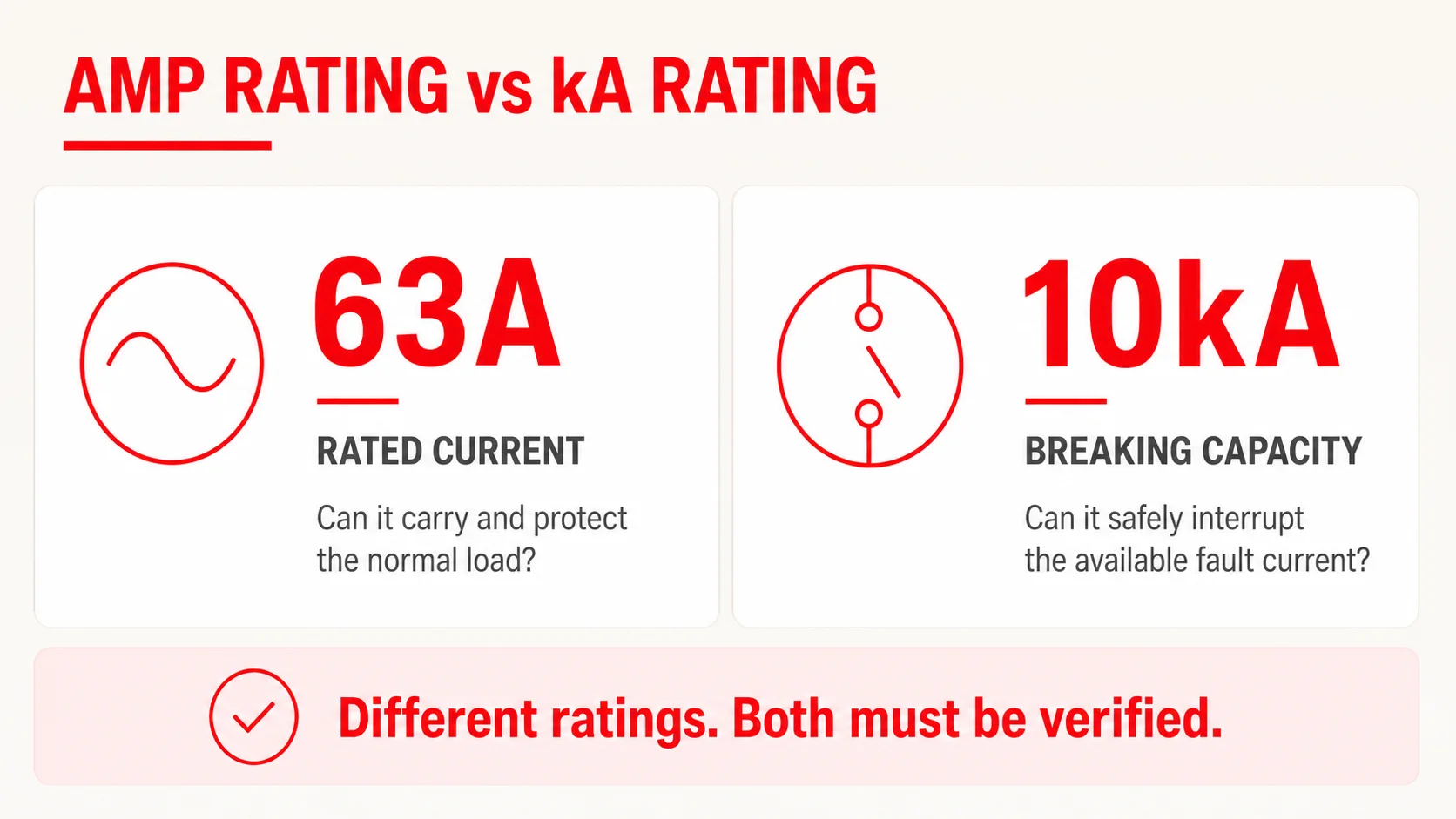
ឧទាហរណ៍ ឧបករណ៍បំបែកសៀគ្វីអាចត្រូវបានសម្គាល់ថា C20 6000. នៅក្នុងបរិបទនៃឧបករណ៍បំបែកសៀគ្វីខ្នាតតូច IEC ទូទៅ៖
- គ កំណត់អត្តសញ្ញាណលក្ខណៈនៃការកាត់ផ្តាច់ភ្លាមៗ។.
- 20 បង្ហាញពីចរន្តដែលបានកំណត់កម្រិត 20A។.
- 6000 បង្ហាញពីសមត្ថភាពសៀគ្វីខ្លីដែលបានកំណត់កម្រិត 6,000A ឬ 6kA ក្រោមស្តង់ដារសម្គាល់ដែលពាក់ព័ន្ធ។.
តម្លៃ 20A ទាក់ទងទៅនឹងការការពារការផ្ទុកលើស និងចរន្តសៀគ្វីធម្មតា។ តម្លៃ 6kA ទាក់ទងទៅនឹងការកាត់ផ្តាច់សៀគ្វីខ្លី។ កម្រិតមួយមិនអាចជំនួសកម្រិតមួយទៀតបានទេ។.
សម្រាប់ការពន្យល់លម្អិតបន្ថែមអំពីសញ្ញាសម្គាល់ទាំងនេះ សូមមើល អត្ថន័យនៃឧបករណ៍បំបែកសៀគ្វី C20 ទល់នឹង 6kA.
តើកម្រិត kA ការពារប្រឆាំងនឹងអ្វីខ្លះ?
ក្នុងអំឡុងពេលមានសៀគ្វីខ្លី ចរន្តត្រូវបានកំណត់ជាចម្បងដោយប្រភព និងភាពធន់នៃសៀគ្វី មិនមែនដោយបន្ទុកដែលបានតភ្ជាប់នោះទេ។ កំហុសដែលមានភាពធន់ទាបនៅជិតត្រង់ស្វ័រអាចបង្កើតចរន្តបានរាប់ពាន់អំពែរ។.
ឧបករណ៍បំបែកសៀគ្វីត្រូវតែរកឃើញ និងកាត់ផ្តាច់ចរន្តនេះ ខណៈពេលដែលទប់ស្កាត់ថាមពលដែលបញ្ចេញក្នុងអំឡុងពេលដំណើរការកាត់ផ្តាច់។ ប្រសិនបើចរន្តសៀគ្វីខ្លីដែលរំពឹងទុកមានកម្រិតខ្ពស់ជាងសមត្ថភាពដែលបានធ្វើតេស្តរបស់ឧបករណ៍បំបែកសៀគ្វី ផលវិបាកដែលអាចកើតមានរួមមាន៖
- ការបរាជ័យក្នុងការកាត់ផ្តាច់កំហុស;
- ស្ថានីយត្រូវបានផ្សារជាប់ ឬខូចខាត;
- ការឆេះផ្កាភ្លើងនៅខាងក្នុងជាបន្តបន្ទាប់;
- ការបែកបាក់នៃស្រោមឧបករណ៍បំបែកសៀគ្វី;
- ការខូចខាតដល់ឧបករណ៍ដែលនៅជិតខាង; និង
- ការកើនឡើងហានិភ័យនៃអគ្គិភ័យ និងការឆាបឆេះដោយធ្នូអគ្គិសនី។.
ដូច្នេះ កម្រិត kA គឺជាដែនកំណត់សុវត្ថិភាព មិនមែនជាការបង្កើនសមត្ថភាពដែលត្រូវជ្រើសរើសដោយផ្អែកលើតម្លៃ ឬប្រភេទអគារនោះទេ។.
Icn, Icu, Ics, AIC, និង SCCR៖ តើវាទាំងអស់មានន័យដូចគ្នាដែរឬទេ?
មិនពិតប្រាកដទេ។ ពាក្យទាំងនេះសុទ្ធតែទាក់ទងនឹងសមត្ថភាពសៀគ្វីខ្លី ប៉ុន្តែវាបានមកពីស្តង់ដារផ្សេងៗគ្នា ឬពិពណ៌នាអំពីលក្ខណៈឧបករណ៍ផ្សេងៗគ្នា។ ត្រូវប្រៀបធៀបកម្រិតវាយតម្លៃក្រោមស្តង់ដារដែលបានបញ្ជាក់នៅលើសន្លឹកទិន្នន័យរបស់ឧបករណ៍បំបែកសៀគ្វីជានិច្ច។.
| ពាក្យ | អត្ថន័យ | កន្លែងដែលវាត្រូវបានប្រើប្រាស់ជាទូទៅ | ចំណាំសំខាន់ក្នុងការជ្រើសរើស |
|---|---|---|---|
| Icn | សមត្ថភាពទប់ទល់នឹងការឆ្លងចរន្តខ្លី (Rated short-circuit capacity) | ឧបករណ៍បំបែកសៀគ្វី IEC 60898-1 សម្រាប់ការប្រើប្រាស់ក្នុងគ្រួសារ និងការដំឡើងស្រដៀងគ្នា | ប្រើតម្លៃដែលបានប្រកាសនៅវ៉ុលដែលបានកំណត់ និងលក្ខខណ្ឌតេស្តដែលអាចអនុវត្តបាន។. |
| អ៊ីគុ | សមត្ថភាពកាត់ផ្តាច់សៀគ្វីខ្លីអតិបរមាដែលបានកំណត់ | ប្រដាប់កាត់ភ្លើង IEC 60947-2 | បង្ហាញពីសមត្ថភាពកាត់ផ្តាច់អតិបរមានៅក្រោមលំដាប់តេស្តដែលបានកំណត់ដោយស្តង់ដារ។. |
| អាយ | សមត្ថភាពកាត់ផ្តាច់សៀគ្វីខ្លីសម្រាប់សេវាកម្មដែលបានកំណត់ | ប្រដាប់កាត់ភ្លើង IEC 60947-2 | ត្រូវបានប្រកាសជាតម្លៃដែលទាក់ទងនឹង Icu និងត្រូវបានតេស្តដោយប្រើលំដាប់សមត្ថភាពសេវាកម្ម ជាមួយនឹងតម្រូវការដំណើរការក្រោយការតេស្ត។. |
| AIC ឬ kAIC | សមត្ថភាពកាត់ផ្តាច់ជាអំពែរ | វាក្យសព្ទដែលប្រើជាទូទៅនៅអាមេរិកខាងជើង | ផ្ទៀងផ្ទាត់វ៉ុល ប្រភេទចរន្ត ការចុះបញ្ជីឧបករណ៍ និងតម្រូវការ UL/CSA ដែលអាចអនុវត្តបាន។. |
| SCCR | ការវាយតម្លៃចរន្តសៀគ្វីខ្លី | បន្ទះបញ្ជាឧស្សាហកម្ម គ្រឿងចក្រ និងការផ្គុំឧបករណ៍ | ពិពណ៌នាអំពីសមត្ថភាពទប់ទល់នៃគ្រឿងបង្គុំ ឬការរួមបញ្ចូលគ្នានៃសមាសភាគ វាមិនមែនដូចគ្នាដោយស្វ័យប្រវត្តិទៅនឹងកម្រិតនៃការកាត់ផ្តាច់របស់ឧបករណ៍បំបែកសៀគ្វីនោះទេ។. |
Icu ទល់នឹង Ics
ក្រោមស្តង់ដារ IEC 60947-2, អ៊ីគុ និង អាយ ត្រូវបានផ្ទៀងផ្ទាត់ដោយប្រើលំដាប់នៃការធ្វើតេស្តផ្សេងៗគ្នា និងតម្រូវការក្រោយការធ្វើតេស្ត។ វាជារឿងដែលនាំឱ្យយល់ច្រឡំក្នុងការពិពណ៌នា Icu ថាជា “កំហុសដែលឧបករណ៍បំបែកសៀគ្វីអាចកាត់ផ្តាច់បានម្តង” និង Ics ថាជា “កំហុសដែលវាអាចកាត់ផ្តាច់បានម្តងហើយម្តងទៀត”។”
សម្រាប់ការជ្រើសរើសផ្នែកវិស្វកម្ម សូមប្រៀបធៀបតម្លៃទាំងពីរនៅកន្លែងដែលភាពបន្តនៃសេវាកម្មមានសារៈសំខាន់ បន្ទាប់មកអនុវត្តតាមការណែនាំរបស់អ្នកផលិតសម្រាប់ការត្រួតពិនិត្យ ការធ្វើតេស្ត និងការជំនួសបន្ទាប់ពីមានកំហុសធ្ងន់ធ្ងរ។ ឧបករណ៍បំបែកសៀគ្វីដែលបានកាត់ផ្តាច់ចរន្តកំហុសខ្ពស់ មិនគួរត្រូវបានសន្មតថាអាចប្រើប្រាស់បន្តបានឡើយ ប្រសិនបើគ្មានការវាយតម្លៃដែលតម្រូវឱ្យមាននោះទេ។.
សូមមើលមគ្គុទ្ទេសក៍លម្អិតអំពី កម្រិតកំណត់របស់ឧបករណ៍បំបែកសៀគ្វី Icu, Ics, Icw និង Icm សម្រាប់ភាពខុសគ្នាយ៉ាងពេញលេញ។.
តើ SCCR ដូចគ្នាទៅនឹងកម្រិត kA របស់ឧបករណ៍បំបែកសៀគ្វីដែរឬទេ?
ឧបករណ៍បំបែកសៀគ្វីមួយអាចមានកម្រិតកាត់ផ្តាច់គ្រប់គ្រាន់ ប៉ុន្តែបន្ទះចែកចាយអគ្គិសនីទាំងមូលនៅតែមានកម្រិតទប់ទល់នឹងសៀគ្វីខ្លីទាបជាង ដោយសារសមាសភាគផ្សេងទៀត ខ្សែចម្លង ស្ថានីយ ឬការរួមបញ្ចូលគ្នាដែលមិនទាន់បានផ្ទៀងផ្ទាត់។ SCCR នៃឧបករណ៍ត្រូវតែត្រូវបានវាយតម្លៃជាការផ្គុំឡើងក្រោមច្បាប់ដែលពាក់ព័ន្ធ។.
តើកម្រិត kA មានការផ្លាស់ប្តូរទៅតាមវ៉ុលដែរឬទេ?
សមត្ថភាពកាត់ផ្តាច់គឺ ជាក់លាក់តាមវ៉ុល. ។ ឧបករណ៍បំបែកសៀគ្វីមួយអាចមានកម្រិតសៀគ្វីខ្លីមួយនៅ 240V និងកម្រិតផ្សេងមួយទៀតនៅ 415V, 480V ឬវ៉ុលផ្សេងទៀត។ ការកាត់ផ្តាច់ AC និង DC ក៏ពាក់ព័ន្ធនឹងលក្ខខណ្ឌផ្សេងៗគ្នាផងដែរ។.
កុំជ្រើសរើសឧបករណ៍បំបែកសៀគ្វីដោយផ្អែកលើលេខ kA តែមួយមុខ។ សូមផ្ទៀងផ្ទាត់ចំណុចទាំងអស់ខាងក្រោមនៅលើស្លាកសម្គាល់ និងសន្លឹកទិន្នន័យ៖
- វ៉ុលប្រតិបត្តិការដែលបានកំណត់;
- ការប្រើប្រាស់ចរន្តឆ្លាស់ (AC) ឬចរន្តផ្ទាល់ (DC);
- ចំនួនប៉ូល និងការរៀបចំប៉ូលដែលអនុញ្ញាត;
- ស្តង់ដារផលិតផលដែលពាក់ព័ន្ធ;
- Icn, Icu, Ics ឬកម្រិតនៃការកាត់ផ្តាច់នៅវ៉ុលនោះ និង
- លក្ខខណ្ឌណាមួយដែលភ្ជាប់ទៅនឹងស៊េរីដែលបានធ្វើតេស្ត ការតភ្ជាប់បែបកាសកាដ (cascade) ឬការតភ្ជាប់បម្រុង។.
ឧបករណ៍ដែលមានកម្រិត 10kA នៅវ៉ុលមួយ មិនមែនមានន័យថាវាមានកម្រិត 10kA នៅគ្រប់វ៉ុលទាំងអស់ដោយស្វ័យប្រវត្តិនោះទេ។.
ឧបករណ៍បំបែកសៀគ្វី 6kA ទល់នឹង 10kA៖ តើអ្នកគួរប្រើមួយណា?
ឧបករណ៍បំបែកសៀគ្វី 10kA អាចកាត់ផ្តាច់ចរន្តកំហុសដែលរំពឹងទុកបានខ្ពស់ជាងឧបករណ៍បំបែកសៀគ្វី 6kA ក្រោមលក្ខខណ្ឌដែលបានបញ្ជាក់។ នោះមិនមែនមានន័យថា 10kA គឺជាជម្រើសដោយស្វ័យប្រវត្តិសម្រាប់គ្រប់សៀគ្វីនោះទេ ហើយវាក៏មិនមានន័យថាឧបករណ៍បំបែកសៀគ្វី 10kA នឹងដាច់លឿនជាងក្នុងអំឡុងពេលផ្ទុកលើស ឬសៀគ្វីខ្លីនោះដែរ។.
ជម្រើសត្រឹមត្រូវអាស្រ័យលើចរន្តកំហុសដែលមាននៅចំណុចដំឡើង៖
- ប្រសិនបើចរន្តសៀគ្វីខ្លីដែលបានគណនា ឬផ្ទៀងផ្ទាត់មានកម្រិតទាបជាង 6kA នោះឧបករណ៍ 6kA ដែលបានកំណត់ត្រឹមត្រូវអាចនឹងសមស្រប។.
- ប្រសិនបើវាអាចលើសពី 6kA ប៉ុន្តែនៅតែស្ថិតក្នុងកម្រិត 10kA នោះឧបករណ៍ 10kA ដែលបានកំណត់ត្រឹមត្រូវអាចនឹងចាំបាច់ត្រូវប្រើ។.
- ប្រសិនបើវាអាចលើសពី 10kA នោះកម្រិតទាំងពីរមិនគ្រប់គ្រាន់ទេ លុះត្រាតែមានការរៀបចំកម្រិតចរន្តតាមស៊េរី ឬការរៀបចំជាលំដាប់ដែលត្រូវបានអនុម័ត ដើម្បីផ្លាស់ប្តូរការអនុវត្តដែលត្រូវបានអនុញ្ញាត។.
ស្លាកសញ្ញាសម្រាប់លំនៅដ្ឋាន ពាណិជ្ជកម្ម និងឧស្សាហកម្ម មិនអាចជំនួសការគណនាបានទេ។ ក្ដារភ្លើងមេនៃលំនៅដ្ឋានដែលនៅជិតត្រង់ស្វ័រធំមួយ អាចមានកម្រិតកំហុសខ្ពស់ជាងបន្ទះរងឧស្សាហកម្មដែលនៅឆ្ងាយ ដែលផ្គត់ផ្គង់តាមរយៈខ្សែភ្លើងវែង។.
សម្រាប់ការប្រៀបធៀបដោយផ្តោតលើចំណុចសំខាន់ សូមអាន មគ្គុទ្ទេសក៍ជ្រើសរើសសមត្ថភាពកាត់ផ្តាច់របស់ MCB 6kA ទល់នឹង 10kA.
របៀបជ្រើសរើសកម្រិត kA របស់ឧបករណ៍បំបែកសៀគ្វីឱ្យបានត្រឹមត្រូវ
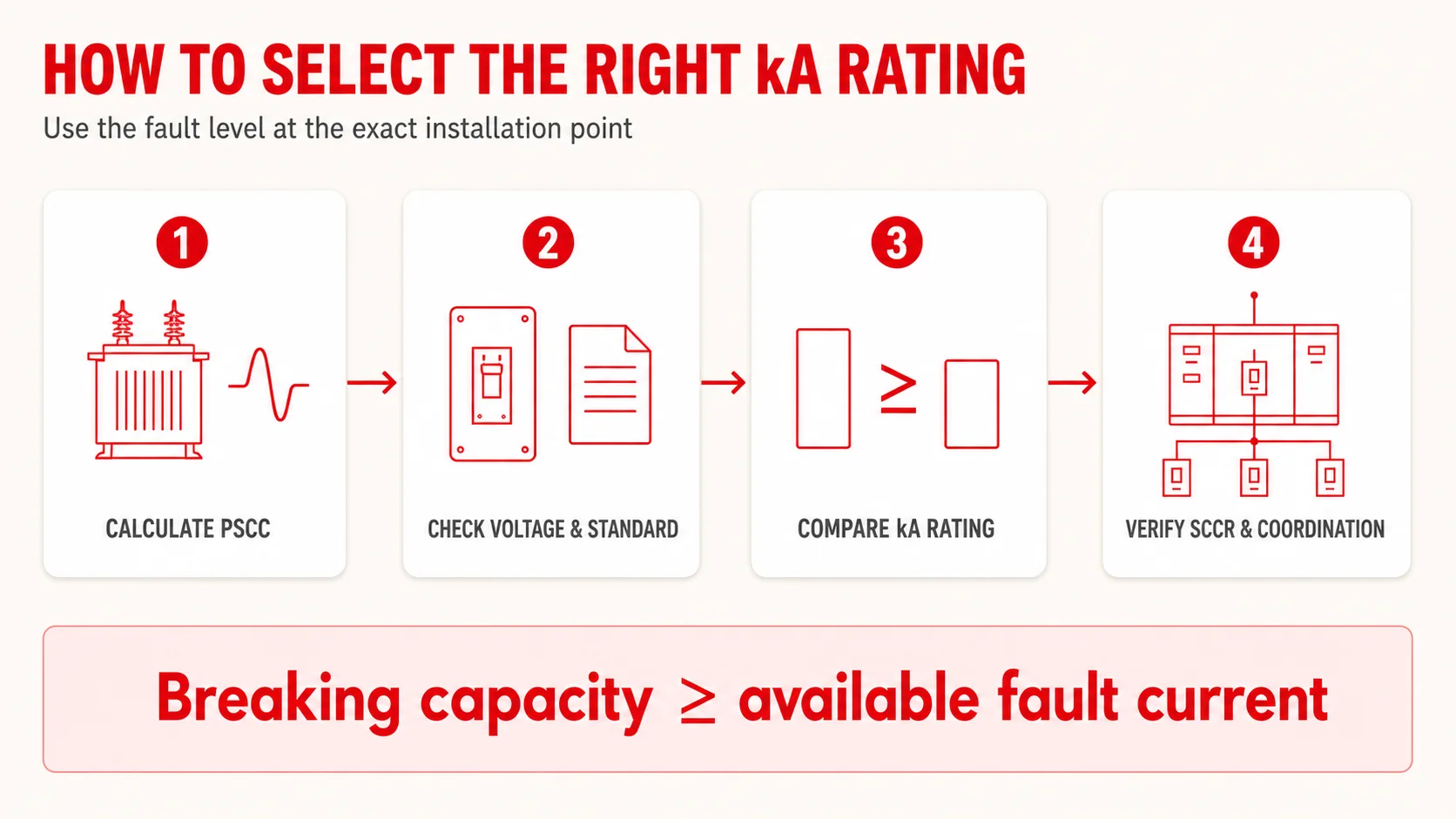
ជំហានទី 1៖ កំណត់ស្តង់ដារ និងប្រព័ន្ធដែលអាចអនុវត្តបាន
ចាប់ផ្តើមដោយប្រភេទនៃការដំឡើង យុត្តាធិការ វ៉ុលប្រព័ន្ធ កាតព្វកិច្ច AC ឬ DC ការរៀបចំដី និងតម្រូវការក្រមក្នុងស្រុក។.
សម្រាប់កម្មវិធី IEC ស្តង់ដារពីរដែលជួបប្រទះញឹកញាប់គឺ៖
- IEC 60898-1, ដែលគ្របដណ្តប់លើឧបករណ៍បំបែកសៀគ្វីសម្រាប់ការការពារចរន្តលើសនៅក្នុងការដំឡើងតាមផ្ទះ និងការដំឡើងស្រដៀងគ្នា ក្នុងវិសាលភាពដែលបានបញ្ជាក់ដោយស្តង់ដារ។.
- IEC 60947-2, ដែលគ្របដណ្តប់លើឧបករណ៍បំបែកសៀគ្វីតង់ស្យុងទាបដែលប្រើក្នុងកម្មវិធីឧស្សាហកម្ម និងកម្មវិធីស្រដៀងគ្នា ក្នុងវិសាលភាពដែលបានបញ្ជាក់របស់វា។.
កុំជ្រើសរើសរវាងពាក្យបច្ចេកទេស Icn និង Icu ដោយផ្អែកលើទំហំរូបវន្តរបស់ឧបករណ៍បំបែកសៀគ្វីតែមួយមុខ។ សូមពិនិត្យមើលស្តង់ដារដែលបានសម្គាល់ជាក់ស្តែងដោយក្រុមហ៊ុនផលិត។.
ជំហានទី 2៖ កំណត់ចរន្តសៀគ្វីខ្លីអតិបរមាដែលរំពឹងទុក
ចរន្តកំហុសអតិបរមានៅចំណុចដំឡើងអាចទទួលបានពី៖
- ទិន្នន័យចរន្តកំហុសដែលមានផ្តល់ជូនដោយក្រុមហ៊ុនផ្គត់ផ្គង់អគ្គិសនី;
- ការសិក្សាអំពីសៀគ្វីខ្លីដែលមានការសម្របសម្រួល;
- ទិន្នន័យរបស់ត្រង់ស្វ័រម័រ ខ្សែកាប និងបណ្តាញខាងលើ ឬ
- វិធីសាស្ត្រវាស់វែងដែលត្រូវបានអនុម័ត និងប្រើប្រាស់ដោយបុគ្គលដែលមានសមត្ថភាព។.
សម្រាប់សៀគ្វីសាមញ្ញ ចរន្តកំហុសមានទំនាក់ទំនងទៅនឹងវ៉ុល និងភាពធន់សរុប៖
Isc = V / Zទោះជាយ៉ាងណាក៏ដោយ ការគណនាជាក់ស្តែងត្រូវតែប្រើម៉ូដែលដំណាក់កាលតែមួយ ឬបីដំណាក់កាលដែលត្រឹមត្រូវ ហើយត្រូវរាប់បញ្ចូលទាំងភាពធន់នៃប្រភព ត្រង់ស្វ័រម័រ ខ្សែកាប ម៉ូទ័រ ម៉ាស៊ីនភ្លើង និងការតភ្ជាប់។ ពួកគេក៏ប្រហែលជាត្រូវគិតគូរពីភាពអត់ធ្មត់ និងលក្ខខណ្ឌវ៉ុលប្រតិបត្តិការអតិបរមាផងដែរ។.
ប្រើមគ្គុទ្ទេសក៍ពេញលេញនៅលើ របៀបគណនាកម្លាំងចរន្តឆ្លងកាត់សៀគ្វីខ្លី (Short-circuit current) សម្រាប់ការជ្រើសរើស MCB នៅពេលបង្កើតការគណនា។.
ជំហានទី 3៖ ប្រៀបធៀបចរន្តកំហុសជាមួយនឹងកម្រិតកំណត់របស់ឧបករណ៍បំបែកសៀគ្វីដែលត្រឹមត្រូវ
នៅវ៉ុលប្រតិបត្តិការដែលបានកំណត់៖
សមត្ថភាពកាត់ផ្តាច់របស់ឧបករណ៍បំបែកសៀគ្វី ≥ ចរន្តសៀគ្វីខ្លីអតិបរមាដែលរំពឹងទុកនៅចំណុចដំឡើងជ្រើសរើសពីតម្លៃស្តង់ដារដែលក្រុមហ៊ុនផលិតបានប្រកាស ដែលខ្ពស់ជាងកម្រិតកំហុសដែលបានផ្ទៀងផ្ទាត់។ អនុវត្តការเผื่อក្នុងការរចនាណាមួយដែលតម្រូវដោយក្រមបទប្បញ្ញត្តិ លក្ខណៈបច្ចេកទេសវិស្វកម្ម ឬការសិក្សាប្រព័ន្ធនាពេលអនាគត។ កុំពឹងផ្អែកលើភាគរយតាមអំពើចិត្តជំនួសឱ្យតម្រូវការទាំងនោះ។.
ជំហានទី 4៖ ពិនិត្យមើលភាពជ្រើសរើស (Selectivity) ការការពារបម្រុង និងការកំណត់ចរន្ត
សមត្ថភាពកាត់ផ្តាច់ និងភាពជ្រើសរើសគឺជាបញ្ហាដាច់ដោយឡែកពីគ្នា។.
- សមត្ថភាពបំបែក សួរថាតើឧបករណ៍អាចកាត់ផ្តាច់កំហុសដោយសុវត្ថិភាពដែរឬទេ។.
- ការជ្រើសរើស សួរថាតើឧបករណ៍ការពារដែលនៅជិតកំហុសបំផុតដំណើរការដោយមិនចាំបាច់បើកឧបករណ៍នៅផ្នែកខាងលើដោយមិនចាំបាច់ដែរឬទេ។.
- ការការពារបម្រុង ឬការការពារបែបកាសកាដ (Cascade) ប្រើប្រាស់ការរួមបញ្ចូលគ្នានៃឧបករណ៍ផ្នែកខាងលើ និងផ្នែកខាងក្រោមដែលបានធ្វើតេស្ត ដើម្បីសម្រេចបាននូវសមត្ថភាពទប់ទល់នឹងសៀគ្វីខ្លីដែលបានកំណត់។.
ឧបករណ៍បំបែកសៀគ្វីផ្នែកខាងក្រោមដែលមានសមត្ថភាពកាត់ផ្តាច់ដាច់ដោយឡែកទាបជាង អាចត្រូវបានអនុញ្ញាតលុះត្រាតែការរួមបញ្ចូលគ្នាទាំងមូលត្រូវបានធ្វើតេស្តជាពិសេស មានឯកសារបញ្ជាក់ និងអនុវត្តតាមតារាងសម្របសម្រួលរបស់អ្នកផលិត និងបទប្បញ្ញត្តិក្នុងស្រុក។ ការដំឡើងឧបករណ៍បំបែកសៀគ្វីផ្នែកខាងលើដែលមានទំហំធំជាងនេះ មិនបង្កើតបានជាការកំណត់កម្រិតស៊េរី (series rating) ដែលត្រឹមត្រូវនោះទេ។.
ជំហានទី 5៖ ផ្ទៀងផ្ទាត់ការដំឡើងទាំងមូល
មុនពេលអនុម័ត សូមផ្ទៀងផ្ទាត់៖
- ចរន្តដែលបានកំណត់ (rated current) និងលក្ខណៈនៃការកាត់ផ្តាច់របស់ឧបករណ៍បំបែកសៀគ្វី;
- កម្រិត kA នៅវ៉ុលជាក់ស្តែង;
- ពាក្យបច្ចេកទេស Icn, Icu, Ics ឬ AIC និងស្តង់ដារដែលអាចអនុវត្តបាន;
- កម្រិត SCCR នៃបន្ទះចែកចាយ ឬការដំឡើង;
- ភាពធន់របស់ខ្សែចំលង និងការសម្របសម្រួលឧបករណ៍ការពារ;
- សីតុណ្ហភាពជុំវិញ ប្រអប់ការពារ កម្ពស់ និងលក្ខខណ្ឌនៃការកាត់បន្ថយសមត្ថភាព;
- ភាពសមស្របនៃ AC/DC និងការកំណត់រចនាសម្ព័ន្ធប៉ូល; និង
- ឯកសាររបស់អ្នកផលិតសម្រាប់គ្រឿងបន្លាស់ និងការរួមបញ្ចូលគ្នាដែលបានធ្វើតេស្ត។.
ឧទាហរណ៍អនុវត្ត៖ ចរន្តកំហុសផ្នែកបន្ទាប់បន្សំរបស់ត្រង់ស្វ័រ
ពិចារណាលើឧទាហរណ៍បីហ្វាសសាមញ្ញមួយដែលមាន៖
- កម្រិតថាមពលត្រង់ស្វ័រ៖ 500kVA;
- វ៉ុលផ្នែកបន្ទាប់បន្សំ៖ 400V; និង
- ភាពធន់របស់ត្រង់ស្វូ៖ 5%។.
ដំបូងត្រូវគណនាចរន្តបន្ទាប់បន្សំរបស់ត្រង់ស្វូ៖
In = 500,000 / (√3 × 400) ≈ 722Aដោយមិនគិតពីភាពធន់នៃប្រភពដើម និងខ្សែចម្លង ការប៉ាន់ប្រមាណចរន្តសៀគ្វីខ្លីស៊ីមេទ្រីដំបូងនៅឯស្ថានីយបន្ទាប់បន្សំរបស់ត្រង់ស្វូគឺ៖
Isc ≈ 722 / 0.05 ≈ 14.4kAលទ្ធផលនេះបង្ហាញពីមូលហេតុដែលឧបករណ៍បំបែកសៀគ្វីដែលត្រូវបានជ្រើសរើសដោយសារតែវាមានកម្រិត “10kA” អាចមិនគ្រប់គ្រាន់នៅជិតត្រង់ស្វូនេះ។ តម្លៃចុងក្រោយអាចផ្លាស់ប្តូរ បន្ទាប់ពីគិតបញ្ចូលប្រភពថាមពលអគ្គិសនី ការអត់ធ្មត់របស់ត្រង់ស្វូ ភាពធន់របស់ខ្សែភ្លើង ម៉ូទ័រ និងទីតាំងជាក់លាក់នៃកំហុស។.
នៅផ្នែកខាងក្រោមនៃខ្សែបន្ទាត់ ភាពធន់របស់ខ្សែភ្លើងជាទូទៅកាត់បន្ថយចរន្តកំហុសដែលមាន។ ដូច្នេះ ចំណុចចែកចាយនីមួយៗត្រូវការតម្លៃដែលបានផ្ទៀងផ្ទាត់ផ្ទាល់ខ្លួន ជាជាងការសន្មតយកតម្លៃ kA តែមួយសម្រាប់អគារទាំងមូល។.
កំហុសទូទៅក្នុងការកំណត់កម្រិត kA
កំហុសទី ១៖ ការជ្រើសរើសដោយផ្អែកលើប្រភេទអគារតែមួយមុខ
ការលើកឡើងដូចជា “6kA សម្រាប់លំនៅដ្ឋាន” ឬ “10kA សម្រាប់ពាណិជ្ជកម្ម” គ្រាន់តែជាការសង្កេតទីផ្សារទូទៅប៉ុណ្ណោះ មិនមែនជាវិធីសាស្ត្រជ្រើសរើសតាមបែបវិស្វកម្មទេ។ ទំហំត្រង់ស្វូ, អាំងប៉េដង់បណ្តាញ, ប្រវែងខ្សែចំលង និងទីតាំងនៃកំហុស គឺជាកត្តាកំណត់ចរន្តដែលអាចកើតមាន។.
កំហុសទី ២៖ ការភាន់ច្រឡំរវាង kA ជាមួយនឹងកម្រិតអំពែររបស់ឧបករណ៍បំបែកសៀគ្វី
ឧបករណ៍បំបែកសៀគ្វីទំហំ 63A, 10kA អាចផ្ទុកចរន្តនាមករណ៍ 63A ក្នុងលក្ខខណ្ឌដែលបានកំណត់ និងមានសមត្ថភាពទប់ទល់សៀគ្វីខ្លី 10kA ស្របតាមស្តង់ដារពាក់ព័ន្ធ។ វាមិនមែនជាឧបករណ៍បំបែកសៀគ្វីសម្រាប់ផ្ទុកចរន្ត 10,000A នោះទេ។.
កំហុសទី ៣៖ ការសន្មតថា kA កាន់តែខ្ពស់មានន័យថាការកាត់ផ្តាច់កាន់តែលឿន
ពេលវេលាប្រតិបត្តិការអាស្រ័យលើឯកតាកាត់ផ្តាច់, លក្ខណៈពេលវេលា-ចរន្ត, ការកំណត់, កម្រិតនៃកំហុស និងការរចនាការសម្របសម្រួល។ តួលេខសមត្ថភាពកាត់ផ្តាច់តែមួយមុខមិនអាចកំណត់ល្បឿននៃការកាត់ផ្តាច់បានទេ។.
កំហុសទី ៤៖ ការមិនអើពើនឹងវ៉ុលដែលនៅក្បែរកម្រិត kA
កម្រិតសមត្ថភាពកាត់ផ្តាច់មានសុពលភាពតែក្នុងលក្ខខណ្ឌដែលបានបញ្ជាក់ប៉ុណ្ណោះ។ ត្រូវពិនិត្យមើលតារាងកម្រិតសមត្ថភាពជានិច្ច ជាជាងការយកតម្លៃពីវ៉ុល ឬប្រភេទចរន្តមួយទៅប្រើសម្រាប់មួយទៀត។.
កំហុសទី ៥៖ ការចាត់ទុក Icu, Ics, Icn, AIC និង SCCR ថាអាចប្រើជំនួសគ្នាបាន
តម្លៃទាំងនេះមិនអាចប្រៀបធៀបដោយការទទួលខុសត្រូវឡើយ ប្រសិនបើមិនបានពិនិត្យមើលនិយមន័យ ស្តង់ដារ វ៉ុល លក្ខខណ្ឌតេស្ត និងថាតើកម្រិតកំណត់នោះអនុវត្តចំពោះឧបករណ៍បំបែកសៀគ្វី ឬការដំឡើងទាំងមូលនោះទេ។.
កំហុសទី ៦៖ ការសន្មតថាឧបករណ៍បំបែកសៀគ្វីអាចបន្តប្រើប្រាស់បានបន្ទាប់ពីមានកំហុសធ្ងន់ធ្ងរ
បន្ទាប់ពីមានសៀគ្វីខ្លីកម្រិតខ្ពស់ សូមអនុវត្តតាមតម្រូវការត្រួតពិនិត្យ និងជំនួសរបស់អ្នកផលិត។ កុំផ្តល់ថាមពលឡើងវិញដោយគ្រាន់តែផ្អែកលើការដែលឧបករណ៍បំបែកសៀគ្វីអាចកំណត់ឡើងវិញបាន។.
បញ្ជីត្រួតពិនិត្យសម្រាប់ការជ្រើសរើសរហ័ស
| សំណួរ | ភស្តុតាងដែលត្រូវទទួលបាន |
|---|---|
| តើចរន្តកំហុសអតិបរមាដែលអាចកើតមានមានកម្រិតណា? | ទិន្នន័យពីក្រុមហ៊ុនផ្គត់ផ្គង់អគ្គិសនី របាយការណ៍គណនា ឬការវាស់វែងដែលត្រូវបានអនុម័ត |
| តើឧបករណ៍បំបែកសៀគ្វីត្រូវបានដំឡើងនៅឯណា? | តម្លៃចរន្តកំហុសនៅចំណុចចែកចាយជាក់លាក់នោះ |
| តើវ៉ុលប្រព័ន្ធ និងប្រភេទចរន្តអគ្គិសនីជាអ្វី? | ដ្យាក្រាមខ្សែតែមួយ និងផ្លាកឈ្មោះឧបករណ៍ |
| តើស្ដង់ដារផលិតផលមួយណាដែលត្រូវអនុវត្ត? | ការសម្គាល់លើឧបករណ៍បំបែកសៀគ្វី វិសាលភាពវិញ្ញាបនបត្រ និងសន្លឹកទិន្នន័យ |
| តើតម្លៃសៀគ្វីខ្លីមួយណាដែលត្រូវបានប្រកាស? | Icn, Icu, Ics ឬ AIC នៅវ៉ុលជាក់ស្តែង |
| តើការប្រើប្រាស់ការការពារបម្រុង ឬការតភ្ជាប់ជាស៊េរីកំពុងត្រូវបានប្រើប្រាស់ដែរឬទេ? | តារាងសម្របសម្រួលដែលបានធ្វើតេស្តដោយក្រុមហ៊ុនផលិត និងការអនុម័តក្នុងស្រុក |
| តើបន្ទះចែកចាយអគ្គិសនីទាំងមូលមានកម្រិតវាយតម្លៃគ្រប់គ្រាន់ដែរឬទេ? | ការវាយតម្លៃ SCCR នៃគ្រឿងបង្គុំ និងសមាសភាគ |
| តើមានអ្វីកើតឡើងបន្ទាប់ពីការដាច់ចរន្តអគ្គិសនីធំមួយ? | ការណែនាំអំពីការត្រួតពិនិត្យ និងការជំនួសរបស់អ្នកផលិត |
ជាញឹកញាប់បានសួរសំណួរ
តើ 10kA មានន័យដូចម្តេចនៅលើឧបករណ៍បំបែកសៀគ្វី?
វាមានន័យថាឧបករណ៍បំបែកសៀគ្វីមានសមត្ថភាពកាត់ផ្តាច់សៀគ្វីខ្លីដែលបានប្រកាសចំនួន 10,000A ក្រោមស្តង់ដារ លំដាប់នៃការធ្វើតេស្ត វ៉ុល និងលក្ខខណ្ឌផ្សេងទៀតដែលបានបញ្ជាក់។ វាមិនមានន័យថាឧបករណ៍បំបែកសៀគ្វីផ្ទុកចរន្ត 10,000A ជាបន្តបន្ទាប់នោះទេ។.
តើ kA តំណាងឱ្យអ្វីនៅក្នុងប្រព័ន្ធអគ្គិសនី?
kA តំណាងឱ្យគីឡូអំពែរ។ មួយគីឡូអំពែរស្មើនឹង 1,000 អំពែរ។ នៅលើឧបករណ៍បំបែកសៀគ្វី តម្លៃនេះជាទូទៅបង្ហាញពីសមត្ថភាពកាត់ផ្តាច់សៀគ្វីខ្លី។.
តើឧបករណ៍បំបែកសៀគ្វី 10kA ប្រសើរជាងឧបករណ៍បំបែកសៀគ្វី 6kA ឬទេ?
វាមានសមត្ថភាពកាត់ផ្តាច់ខ្ពស់ជាងក្នុងលក្ខខណ្ឌប្រហាក់ប្រហែលគ្នា ប៉ុន្តែពាក្យថា “ប្រសើរជាង” គឺអាស្រ័យលើការប្រើប្រាស់។ ឧបករណ៍បំបែកសៀគ្វីដែលបានជ្រើសរើសត្រូវតែឆ្លើយតបទៅនឹងចរន្តកំហុសដែលមាន វ៉ុល ស្តង់ដារផលិតផល តម្រូវការកាត់ផ្តាច់ និងការរចនាសម្របសម្រួល។.
តើខ្ញុំអាចជំនួសឧបករណ៍បំបែកសៀគ្វី 6kA ដោយឧបករណ៍បំបែកសៀគ្វី 10kA បានដែរឬទេ?
អាចធ្វើទៅបាន ប៉ុន្តែតម្លៃ kA គ្រាន់តែជាប៉ារ៉ាម៉ែត្រមួយក្នុងការជ្រើសរើសប៉ុណ្ណោះ។ សូមបញ្ជាក់ពីវ៉ុលកំណត់ ចរន្តកំណត់ ខ្សែកោងកាត់ផ្តាច់ ឬការកំណត់ ជើងប៉ូល ប្រព័ន្ធដំឡើង ភាពឆបគ្នានៃស្ថានីយ ស្តង់ដារ ការសម្របសម្រួល និងការយល់ព្រមពីក្រុមហ៊ុនផលិត មុនពេលធ្វើការជំនួស។.
តើនឹងមានអ្វីកើតឡើងប្រសិនបើចរន្តកំហុសលើសពីកម្រិត kA របស់ឧបករណ៍បំបែកសៀគ្វី?
ឧបករណ៍បំបែកសៀគ្វីអាចនឹងមិនអាចកាត់ផ្តាច់កំហុសដោយសុវត្ថិភាព ដែលអាចបណ្តាលឱ្យមានការឆេះដោយផ្កាភ្លើង ការផ្សារជាប់នៃទំនាក់ទំនង ការខូចខាតប្រអប់ការពារ អគ្គិភ័យ និងគ្រោះថ្នាក់ដល់បុគ្គលិក។ ការរចនាត្រូវតែការពារស្ថានភាពនេះតាមរយៈឧបករណ៍ដែលមានកម្រិតត្រឹមត្រូវ ឬការរួមបញ្ចូលគ្នានៃការការពារដែលត្រូវបានអនុម័ត។.
តើកម្រិត kA ដូចគ្នាទៅនឹង AIC ដែរឬទេ?
kA គឺជាឯកតា។ AIC គឺជាពាក្យដែលប្រើជាទូទៅសម្រាប់សមត្ថភាពកាត់ផ្តាច់អំពែរ (ampere interrupting capacity) ក្នុងការអនុវត្តនៅអាមេរិកខាងជើង។ តម្លៃដែលបង្ហាញជា kA អាចពិពណ៌នាអំពី AIC, Icn, Icu ឬសមត្ថភាពដែលបានកំណត់ផ្សេងទៀត ដូច្នេះត្រូវតែពិនិត្យមើលស្តង់ដារ និងវ៉ុលដែលពាក់ព័ន្ធ។.
តើអ្វីជាភាពខុសគ្នារវាង Icu និង Ics?
ទាំងពីរនេះគឺជាកម្រិតកំណត់សៀគ្វីខ្លីតាមស្តង់ដារ IEC 60947-2។ Icu គឺជាសមត្ថភាពកាត់ផ្តាច់សៀគ្វីខ្លីអតិបរមាដែលបានកំណត់ ចំណែកឯ Ics គឺជាសមត្ថភាពកាត់ផ្តាច់សៀគ្វីខ្លីសម្រាប់ប្រតិបត្តិការដែលបានកំណត់។ ពួកវាប្រើលំដាប់នៃការធ្វើតេស្តដែលបានកំណត់ និងតម្រូវការក្រោយការធ្វើតេស្តខុសៗគ្នា សូមពិគ្រោះជាមួយទិន្នន័យបច្ចេកទេសរបស់អ្នកផលិតសម្រាប់តម្លៃដែលបានប្រកាស និងការណែនាំអំពីការប្រើប្រាស់។.
តើខ្ញុំអាចរកចរន្តកំហុសដែលមានស្រាប់ដោយរបៀបណា?
ទទួលបានវាពីក្រុមហ៊ុនផ្គត់ផ្គង់អគ្គិសនី គណនាវាពីគំរូប្រព័ន្ធដែលបានផ្ទៀងផ្ទាត់ ឬប្រើវិធីសាស្ត្រធ្វើតេស្តដែលត្រូវបានអនុម័ត។ អ្នកជំនាញអគ្គិសនីដែលមានសមត្ថភាពគួរតែផ្ទៀងផ្ទាត់លទ្ធផល ជាពិសេសសម្រាប់បន្ទះចែកចាយមេ ប្រព័ន្ធឧស្សាហកម្ម ម៉ាស៊ីនភ្លើង និងការដំឡើងនៅជិតត្រង់ស្្វ័រ។.
សេចក្តីសន្និ
កម្រិត kA នៅលើឧបករណ៍បំបែកសៀគ្វីប្រាប់អ្នកពីចំនួនចរន្តសៀគ្វីខ្លីដែលឧបករណ៍អាចកាត់ផ្តាច់បានក្រោមលក្ខខណ្ឌដែលបានកំណត់។ វាខុសពីកម្រិតអំពែរធម្មតារបស់ឧបករណ៍បំបែកសៀគ្វី ហើយត្រូវតែពិនិត្យជានិច្ចនៅវ៉ុលប្រព័ន្ធជាក់ស្តែង។.
សម្រាប់ការជ្រើសរើសប្រកបដោយសុវត្ថិភាព៖
- កំណត់ចរន្តសៀគ្វីខ្លីអតិបរមាត្រង់ចំណុចដំឡើង;
- កំណត់អត្តសញ្ញាណស្តង់ដារដែលអាចអនុវត្តបាន និងនិយមន័យកម្រិតកំណត់;
- ជ្រើសរើសឧបករណ៍បំបែកសៀគ្វីដែលមានសមត្ថភាពកាត់ផ្តាច់ដែលបានប្រកាសមិនតិចជាងចរន្តកំហុសនោះឡើយ;
- ផ្ទៀងផ្ទាត់ភាពជ្រើសរើស ការការពារបម្រុង និង SCCR របស់បន្ទះចែកចាយអគ្គិសនី ហើយ
- កត់ត្រាការគណនា និងទិន្នន័យរបស់អ្នកផលិតដែលបានប្រើប្រាស់។.
ប្រសិនបើអ្នកកំពុងប្រៀបធៀប MCB មួយ, ឧបករណ៍បំលែងសៀគ្វីករណី, ឬ ឧបករណ៍បំលែងសៀគ្វីខ្យល់ សម្រាប់គម្រោងចែកចាយអគ្គិសនី សូមផ្តល់វ៉ុលប្រព័ន្ធ ចរន្តកំហុសដែលមាន ចរន្តផ្ទុក ស្តង់ដារអនុវត្ត និងតម្រូវការសម្របសម្រួល មុនពេលស្នើសុំការជ្រើសរើសបច្ចេកទេស។.