

DIN Rail Manufacturer
Compare VIOX DIN rail series for mounting terminal blocks, protective devices, relays and control components in electrical panels and enclosures.
Profile selectionTop-hat, G-type and published series
Opciones de materialSteel, stainless steel or aluminum
Integración en cuadro eléctricoHeight, thickness and length
Entorno de aplicaciónMatch finish and corrosion exposure


What is a DIN rail?
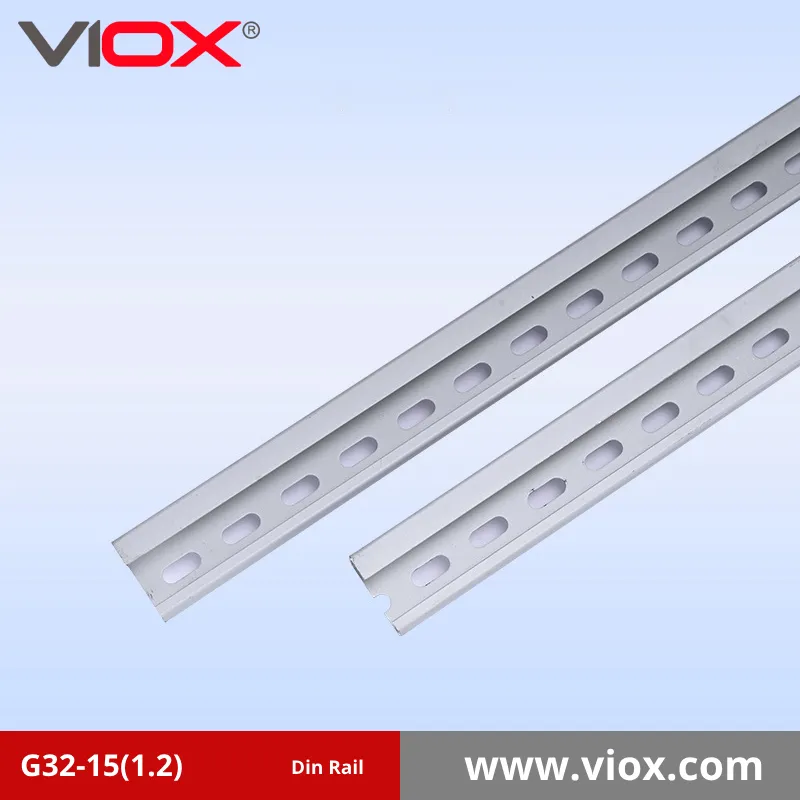
A DIN rail is a standardized metal mounting profile used to support modular electrical and control components inside panels, cabinets and enclosures. Components clip or clamp to the selected profile to create an organized assembly.
Profile geometry, height, material, thickness, length, hole pattern, surface treatment, load, corrosion exposure and compatibility with the mounted devices must be confirmed from the exact rail and component data.
DIN Rail Series Overview
Compare los modelos VIOX publicados utilizando los datos ya disponibles en la información del producto.
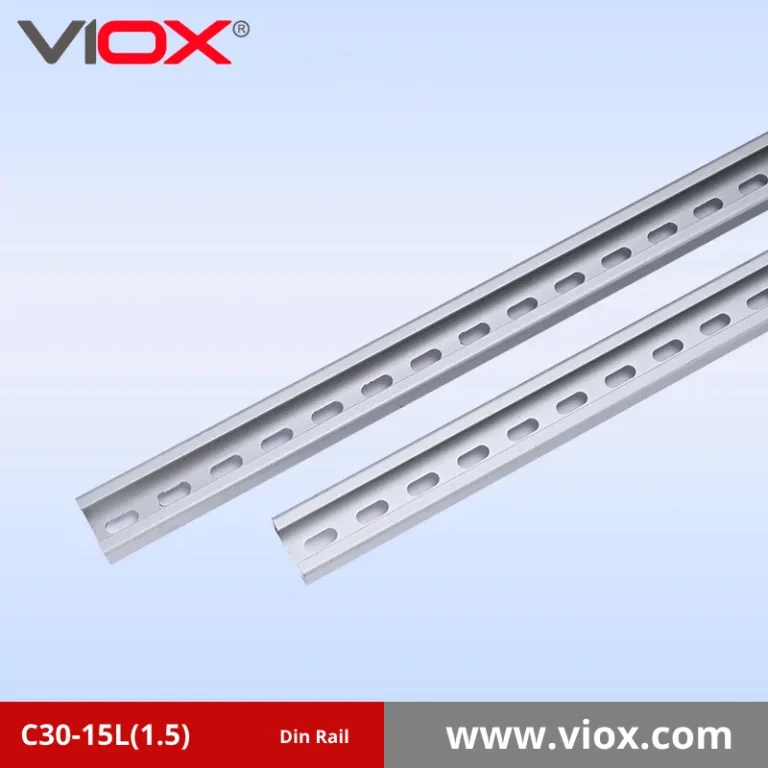
VIOX C30-15L
Electrical equipment mounting railRevisar datos del modelo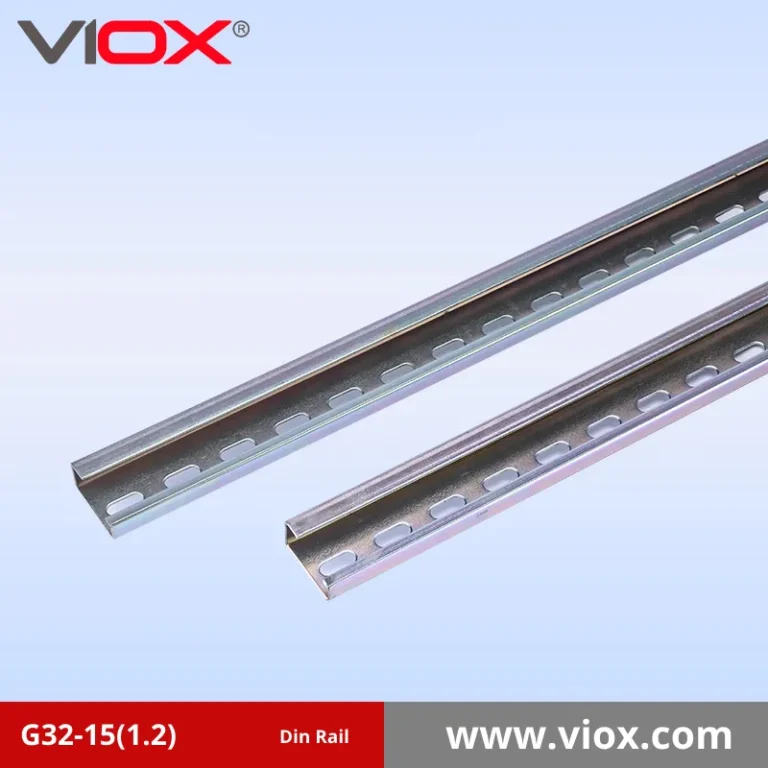
VIOX G32-15
Electrical equipment mounting railRevisar datos del modelo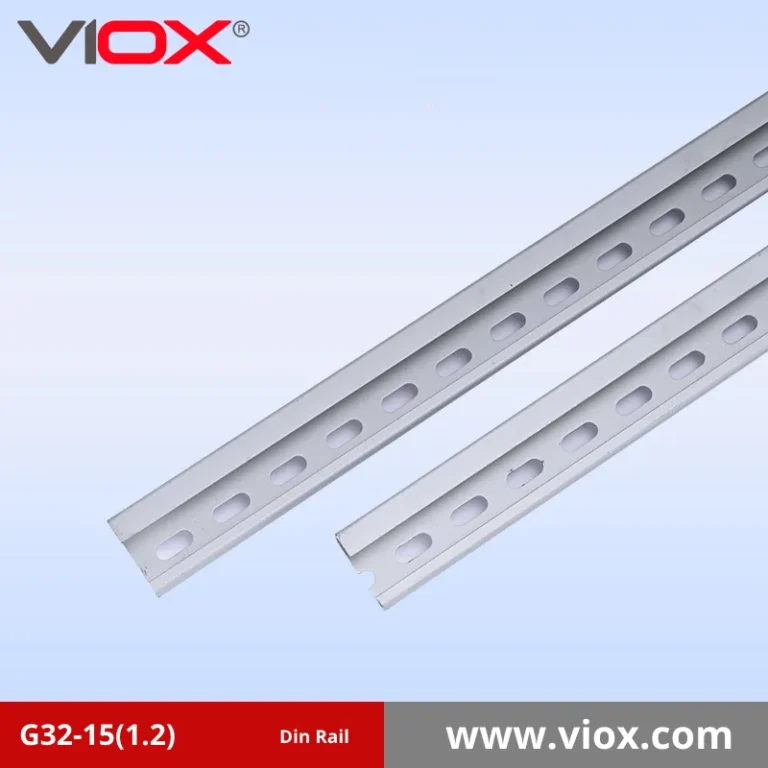
VIOX G32-15L
Electrical equipment mounting railRevisar datos del modelo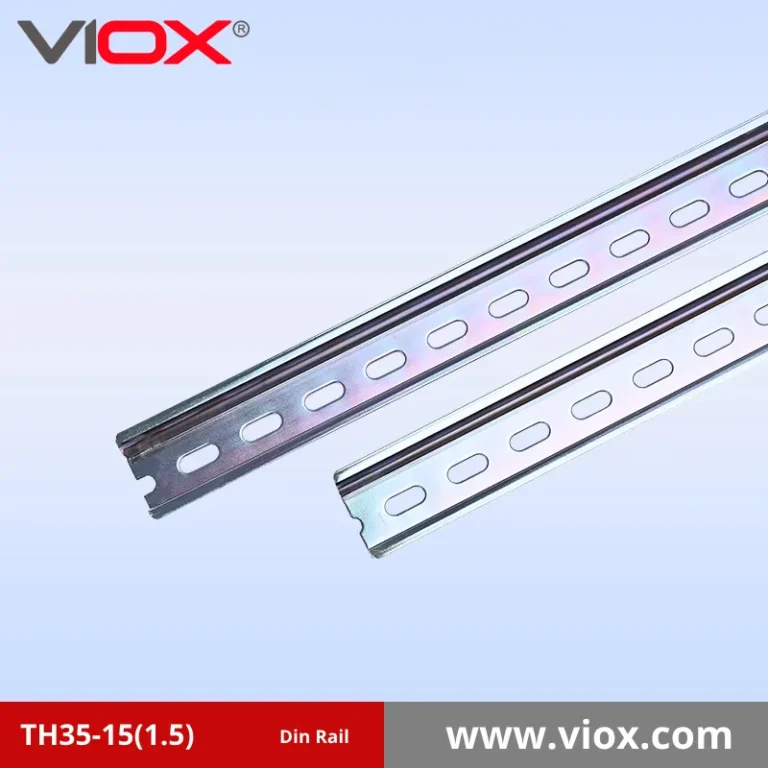
TH 35-15 Top Hat Steel Din
Electrical equipment mounting railRevisar datos del modelo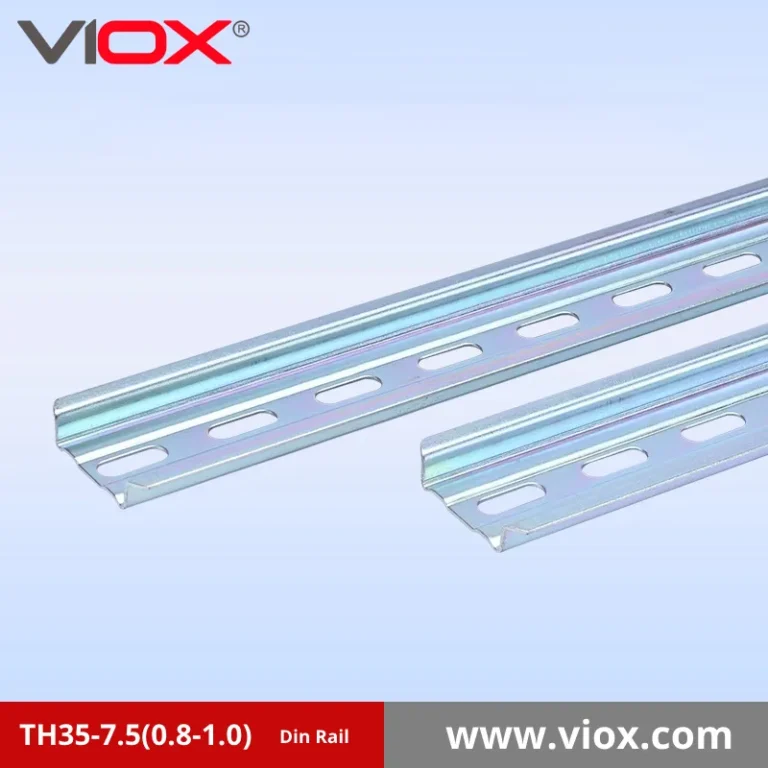
VIOX 5MM
Electrical equipment mounting railRevisar datos del modelo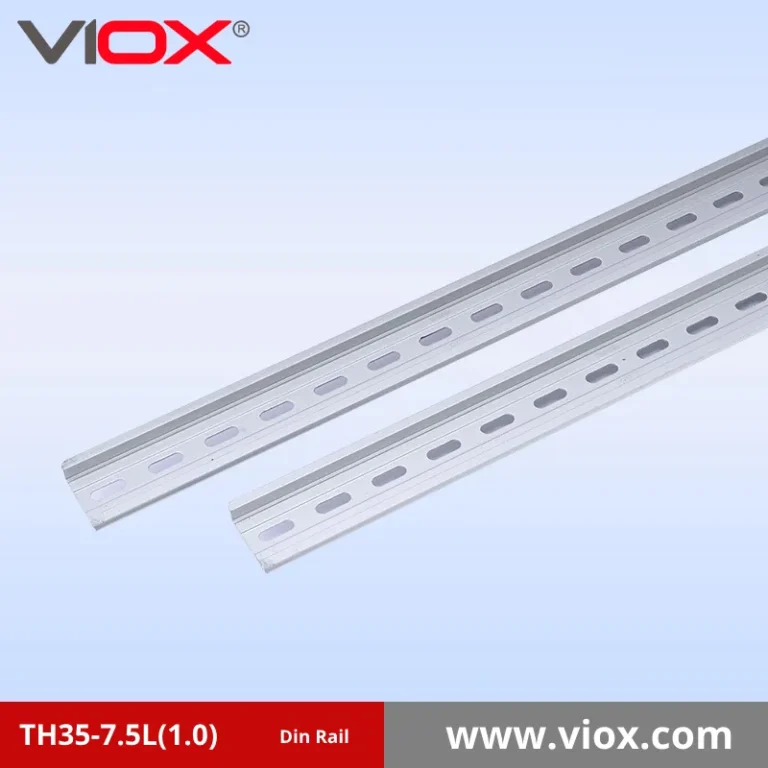
VIOX TH35-7
Electrical equipment mounting railRevisar datos del modelo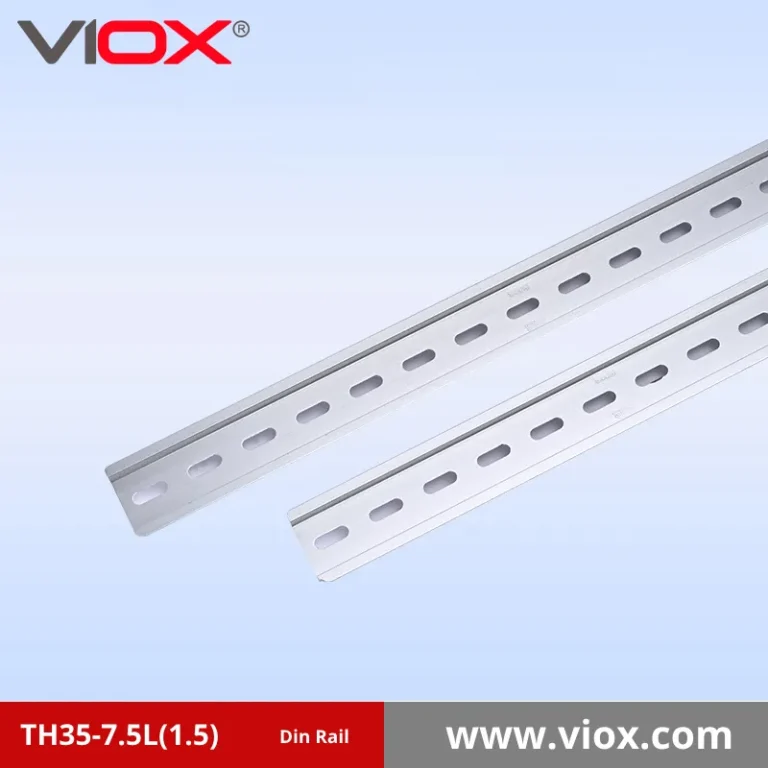
VIOX TH35-7
Electrical equipment mounting railRevisar datos del modelo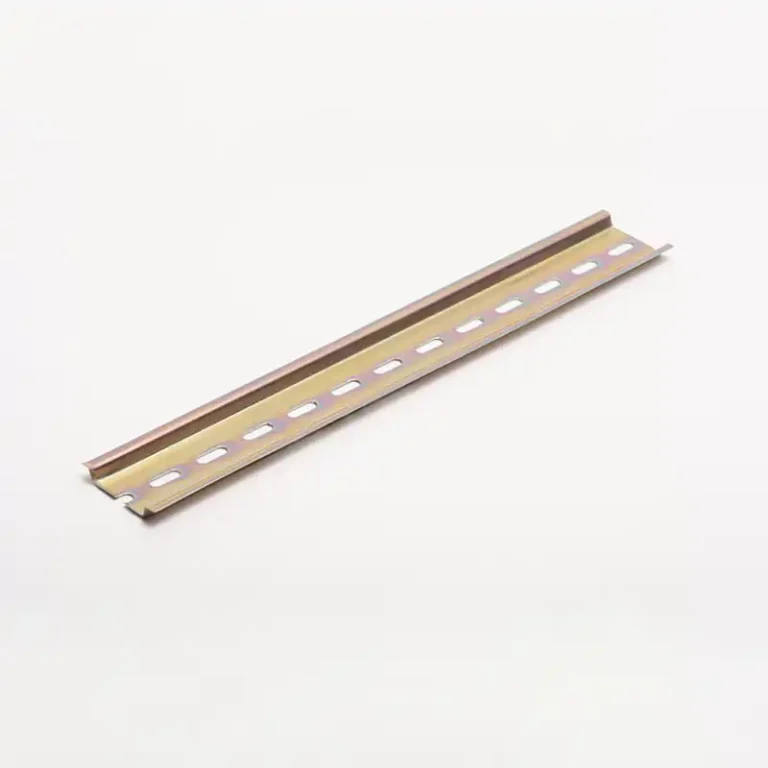
Steel & Aluminum Din Rails
Electrical equipment mounting railRevisar datos del modeloHow to choose a DIN rail
Start with component compatibility and panel geometry, then verify material, section and mounting details.
Profile and height
Match top-hat, G-type or another published profile to the mounted components.
Material and surface treatment
Choose steel, stainless steel or aluminum for the mechanical and environmental requirements.
Thickness and length
Check stiffness, panel span, cutting plan and available standard or custom lengths.
Mounting and bonding
Confirm hole pattern, fasteners, end stops and any protective-bonding requirements.
Treat the rail as part of the panel system
Rail geometry, mounted devices, fasteners and enclosure layout must work together as one assembly.
Compare published DIN Rail series
Las celdas en blanco significan que el valor no está disponible en el resumen actual del producto. Abra la página del modelo o solicite su hoja de datos antes de realizar la especificación.
| Serie | Profile | Material | Dimensiones | Length / holes |
|---|---|---|---|---|
| VIOX C30-15L | — | — | — | — |
| VIOX G32-15 | — | — | — | — |
| VIOX G32-15L | — | — | — | — |
| TH 35-15 Top Hat Steel Din | — | — | — | — |
| VIOX 5MM | — | — | — | — |
| VIOX TH35-7 | — | — | — | — |
| VIOX TH35-7 | — | — | — | — |
| Steel & Aluminum Din Rails | — | — | — | — |
DIN Rail Applications
Entornos típicos donde deben verificarse las características exactas del producto.
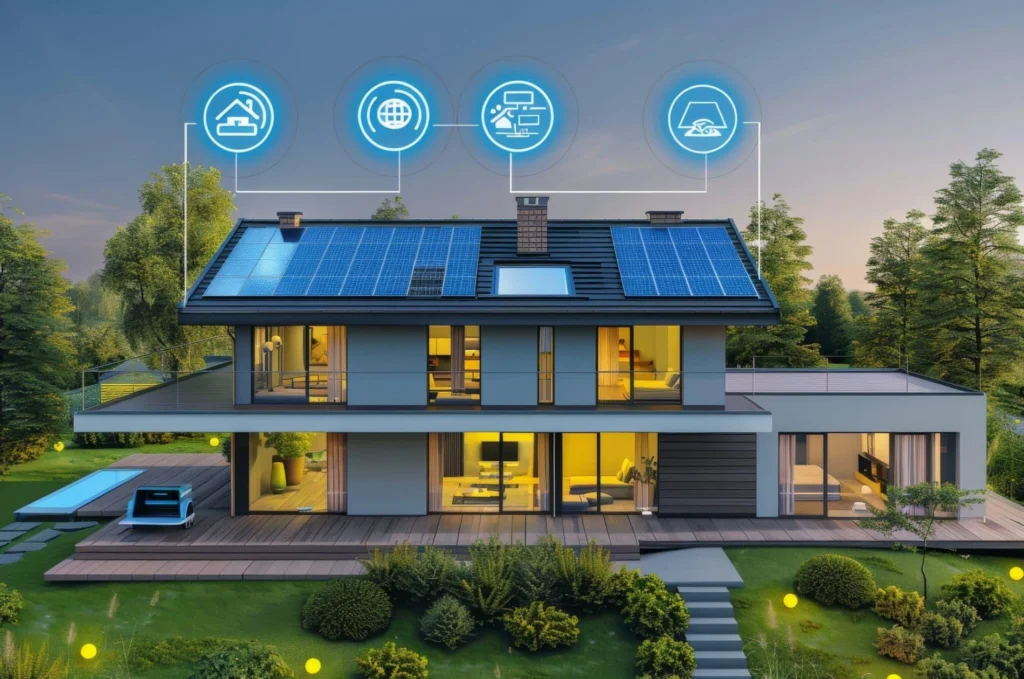
Edificios residenciales
Mounting modular protection and connection devices in distribution boards.
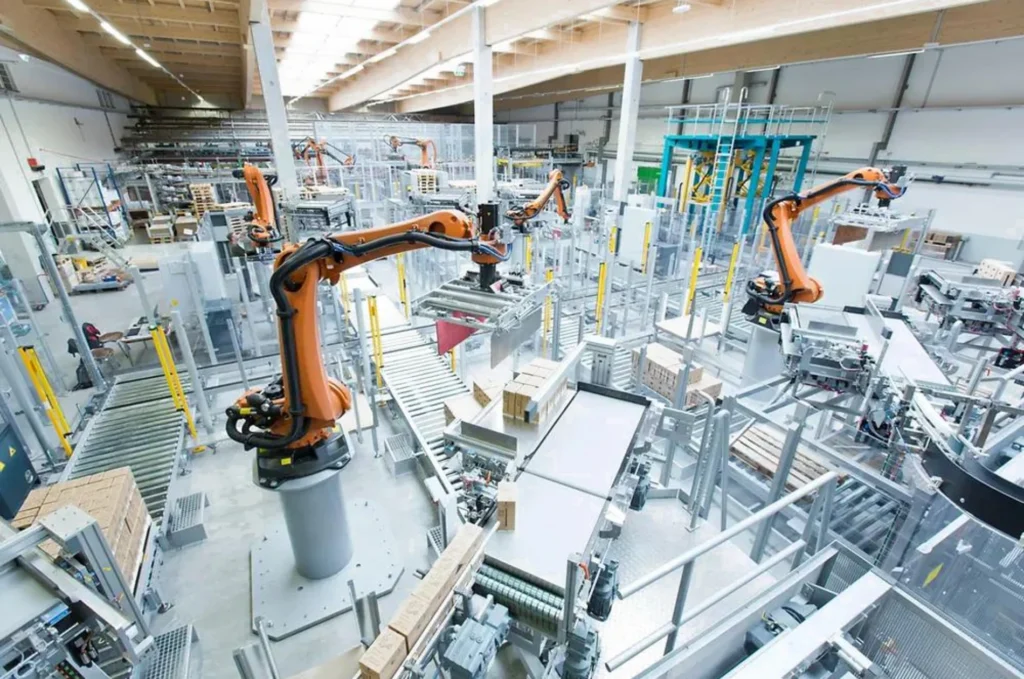
Automatización industrial
Structured mounting of relays, terminals, power supplies and control devices.
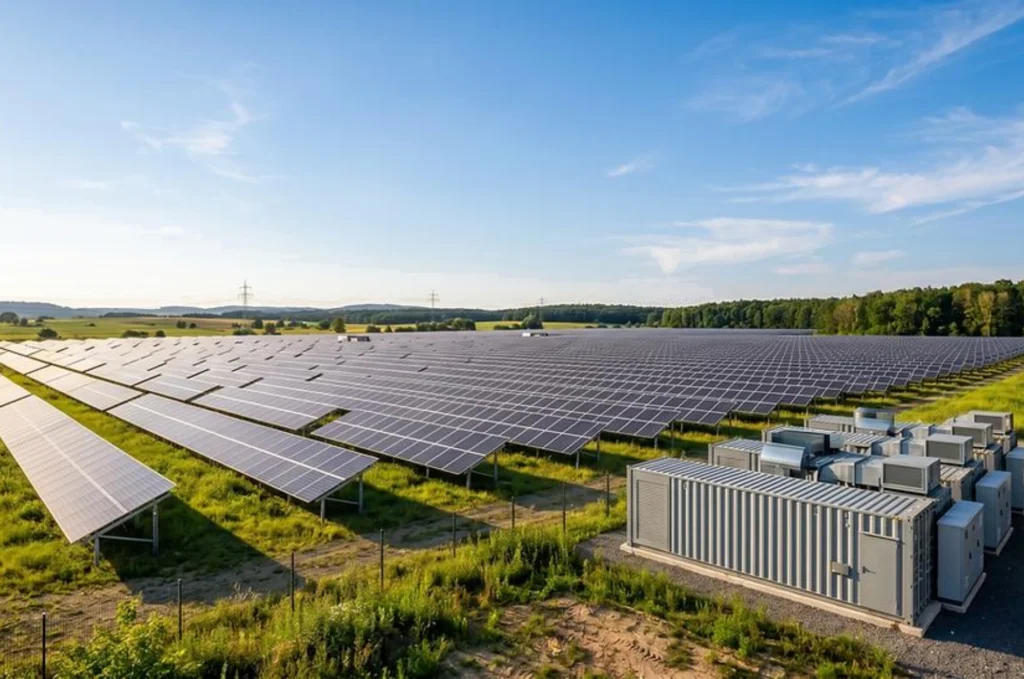
Energía solar y almacenamiento de energía
Component mounting inside combiner, inverter and storage-system panels.
DIN Rail Knowledge & Selection Guides
Todos los artículos
DIN Rail Selection Questions
Respuestas rápidas para la comparación preliminar de familias de productos antes de la verificación detallada del circuito.
What is DIN rail used for?
DIN rail provides a common mounting profile for compatible electrical and control components inside panels, cabinets and enclosures.
Which DIN rail profile should be selected?
Use the profile specified for the mounted devices and panel design. Top-hat and G-type products are not automatically interchangeable.
How should DIN rail material be selected?
Choose material and surface treatment from the mechanical load, corrosion exposure, temperature, bonding and project requirements.
Does rail thickness matter?
Thickness and profile geometry influence stiffness and mounting behavior. Confirm the published rail dimensions and support spacing.
Can DIN rail be cut to length?
Rails are commonly prepared for a panel layout, but cutting, deburring, hole placement, surface protection and bonding must follow the approved manufacturing process.
Need the Right DIN Rail?
Let’s Match the Panel Layout.
Send the required profile, material, dimensions, hole pattern, length, quantity and application. VIOX will help identify the relevant published series.
Request DIN Rail Support