

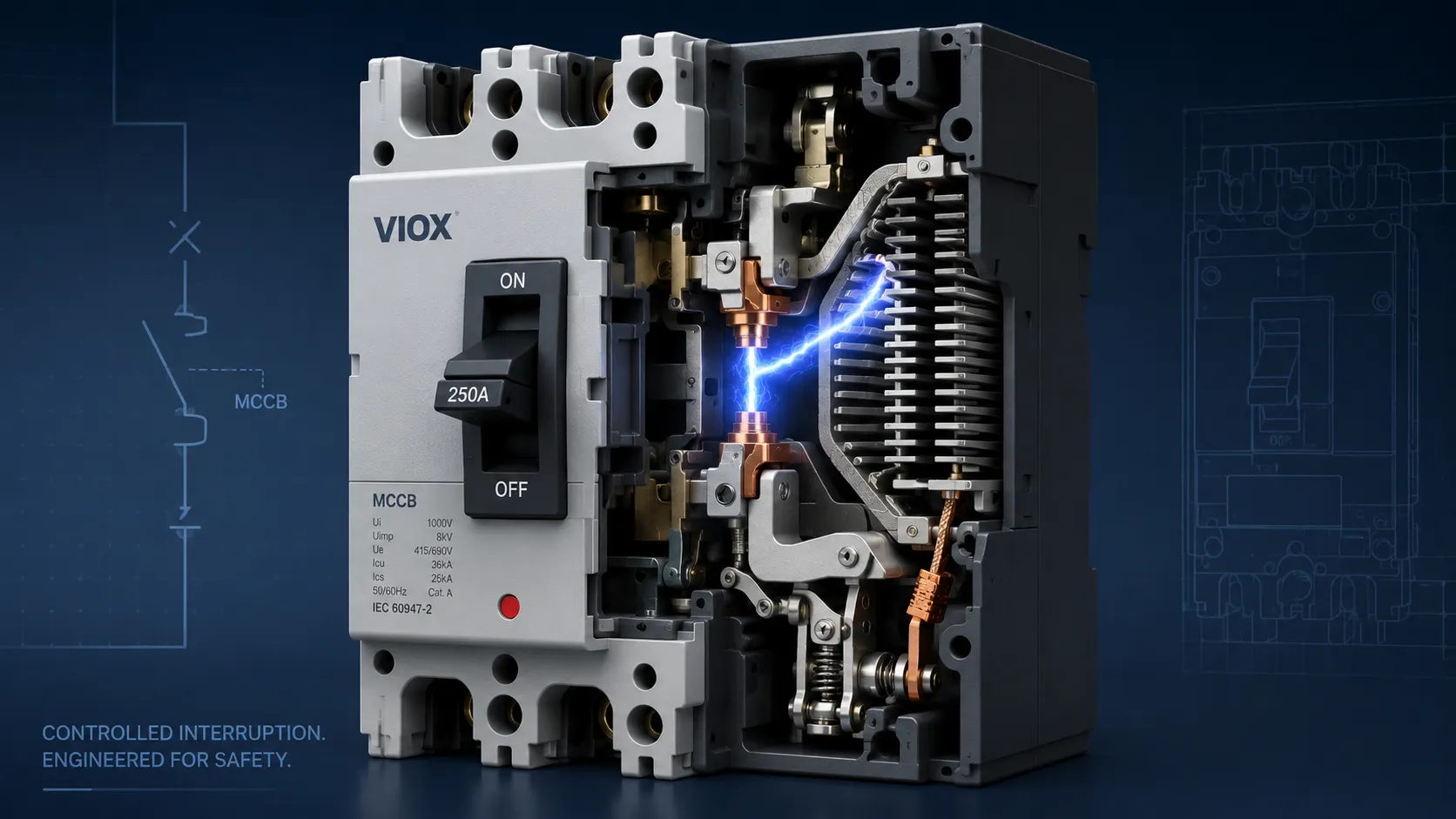
. elektrický oblouk v jističi je světelný elektrický výboj, který vzniká mezi rozpojujícími se kontakty při přerušení obvodu pod proudem. Oblouk umožňuje proudu krátce pokračovat v průtoku ionizovaným vzduchem nebo plynem, dokud jistič oblouk neochladí, neprodlouží, nerozdělí a neuhasí.
Jistič nezastaví proud v okamžiku, kdy se jeho kontakty oddělí. Nejprve musí ovládnout oblouk vzniklý během přerušení a následně jej uhasit, aby mohl být obvod bezpečně rozpojen.
Proto je řízení oblouku jednou z nejdůležitějších součástí konstrukce jističe. Jistič se špatným zhášením oblouku může trpět erozí kontaktů, přehříváním, poškozením izolace nebo selháním při bezpečném přerušení poruchy.
Přehled klíčových pojmů týkajících se oblouku
| Termín | Význam | Role v jističi |
|---|---|---|
| Oblouk | Vodivý světelný výboj přes mezeru mezi rozpojenými kontakty | Umožňuje krátkodobé pokračování proudu po rozpojení kontaktů |
| Vznik elektrického oblouku | Proces, při kterém se mezi kontakty tvoří ionizovaný plyn | Nastává během spínání nebo přerušení poruchového proudu |
| Napětí oblouku | Napětí na oblouku během přerušení | Pomáhá působit proti proudu v obvodu a podporuje zhášení |
| Zhášecí komora (oblouková dráha) | Vodivá dráha, která odvádí elektrický oblouk od kontaktů | Přesouvá elektrický oblouk do zhášecí komory |
| Zhášecí komora | Sestava, která rozděluje a ochlazuje elektrický oblouk | Pomáhá bezpečně uhasit elektrický oblouk |
| Zhášecí plech | Kovová deska uvnitř zhášecí komory | Rozděluje elektrický oblouk na menší segmenty |
| Zhášecí komora elektrického oblouku | Prostor nebo struktura, kde dochází k zhášení oblouku | Obsahuje a řídí energii oblouku |
| Zhášení oblouku | Proces hašení elektrického oblouku | Nezbytné pro bezpečné přerušení obvodu |
Jak dochází ke vzniku oblouku v jističi
Vznik oblouku začíná v okamžiku rozpojení kontaktů jističe, zatímco obvodem stále protéká proud.
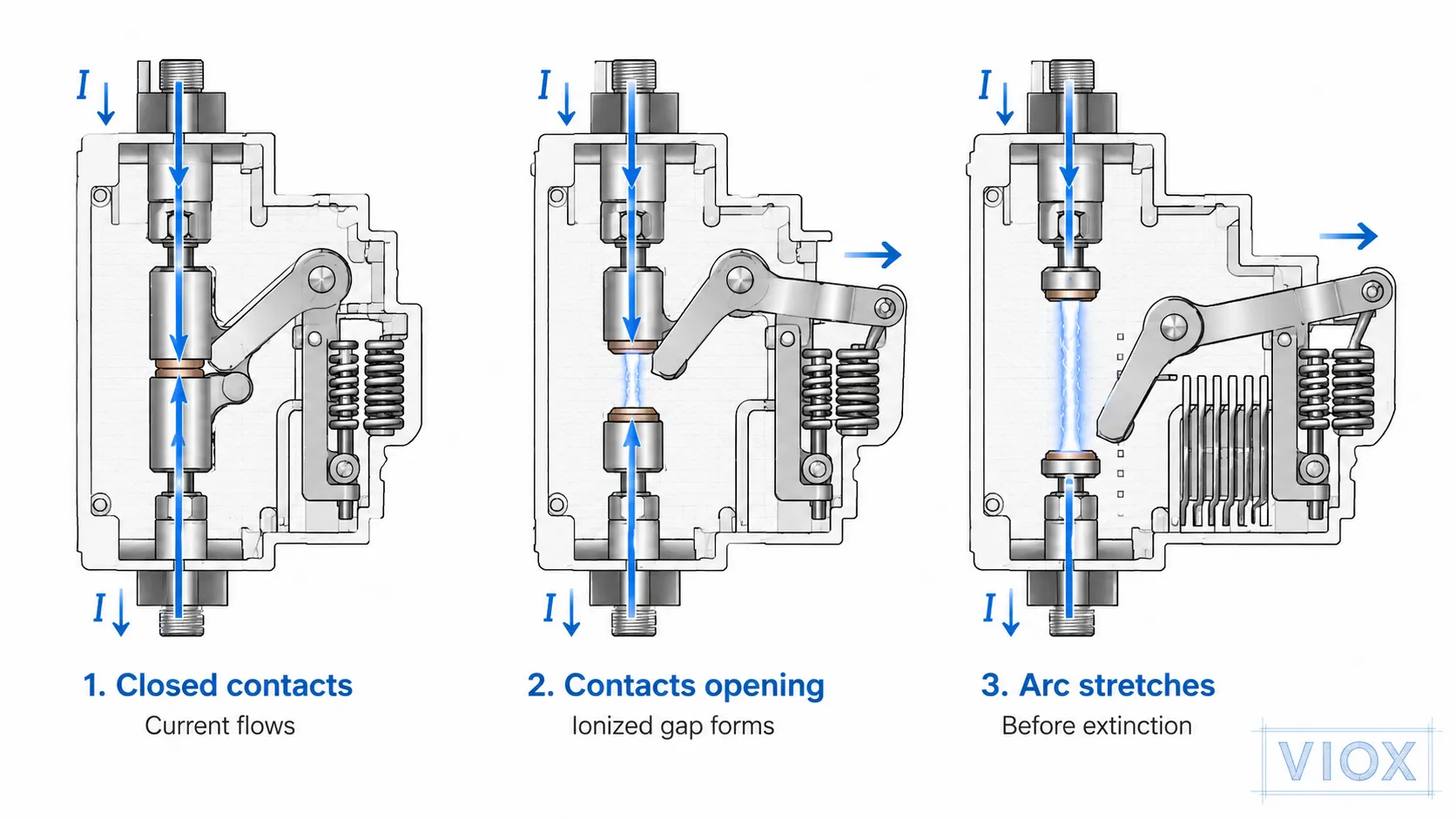
Sekvence přerušení obvykle probíhá takto:
- Jistič detekuje přetížení, zkrat nebo manuální spínací operaci.
- Ovládací mechanismus rozpojí kontakty.
- Proud se snaží nadále protékat přes malou mezeru mezi kontakty.
- Vzduch nebo plyn mezi kontakty se ionizuje.
- Vzniká vodivý elektrický oblouk.
- Jistič vžene oblouk do zhášecí komory.
- Oblouk je prodloužen, rozdělen, ochlazen a uhašen.
Elektrický oblouk sám o sobě není závadou. Jde o běžný fyzikální jev při přerušení proudu. Inženýrskou výzvou je jeho rychlé a bezpečné zvládnutí.
Proč při rozpojení kontaktů vzniká oblouk
Když jsou kontakty sepnuté, proud protéká kovovou cestou. Jakmile se začnou oddělovat, kontaktní plocha se zmenšuje, odpor roste a teplota stoupá. Zároveň může elektrické pole v vznikající mezeře ionizovat okolní prostředí.
Jakmile se prostředí stane vodivým, proud může pokračovat skrze plazma oblouku, i když se kovové kontakty již nedotýkají.
Proto jističe potřebují více než jen jednoduchý mechanický spínač. Potřebují zhášecí komory, které dokážou zvládnout energii uvolněnou při přerušení obvodu.
Hlavní kontakty vs. zhášecí kontakty
U větších nízkonapěťových jističů, zejména u mnoha MCCB a ACB, může proudová dráha zahrnovat kontakty a obloukové kontakty.
| Typ kontaktu | Hlavní role | Proč na tom záleží |
|---|---|---|
| Hlavní kontakty | Přenášet proud s nízkým odporem během běžného provozu | Navrženo pro vysokou vodivost a nízký ohřev |
| Obloukové kontakty | Přebírají elektrický oblouk při vypínání a zapínání | Chrání hlavní kontakty před silnou erozí způsobenou obloukem |
Typická sekvence je rozpojení jako první / sepnutí jako poslední pro zhášecí kontakty vzhledem k hlavnímu kontaktnímu systému, v závislosti na konstrukci jističe. Při vypínání se nejprve rozpojí hlavní kontakty, takže se oblouk přenese na zhášecí kontakty. Při zapínání se nejprve spojí zhášecí kontakty, aby hlavní kontakty nebyly poškozeny počátečním elektrickým namáháním.
Toto časování kontaktů je jedním z důvodů, proč je jistič složitější než jednoduchý vypínač. Musí efektivně vést proud během běžného provozu a odolat opakovaným přerušením během poruchových stavů.
Obloukový roh v jističi
. obloukový roh je vodivá část, která pomáhá odvádět oblouk od hlavních kontaktů směrem k zhášecí komoře.
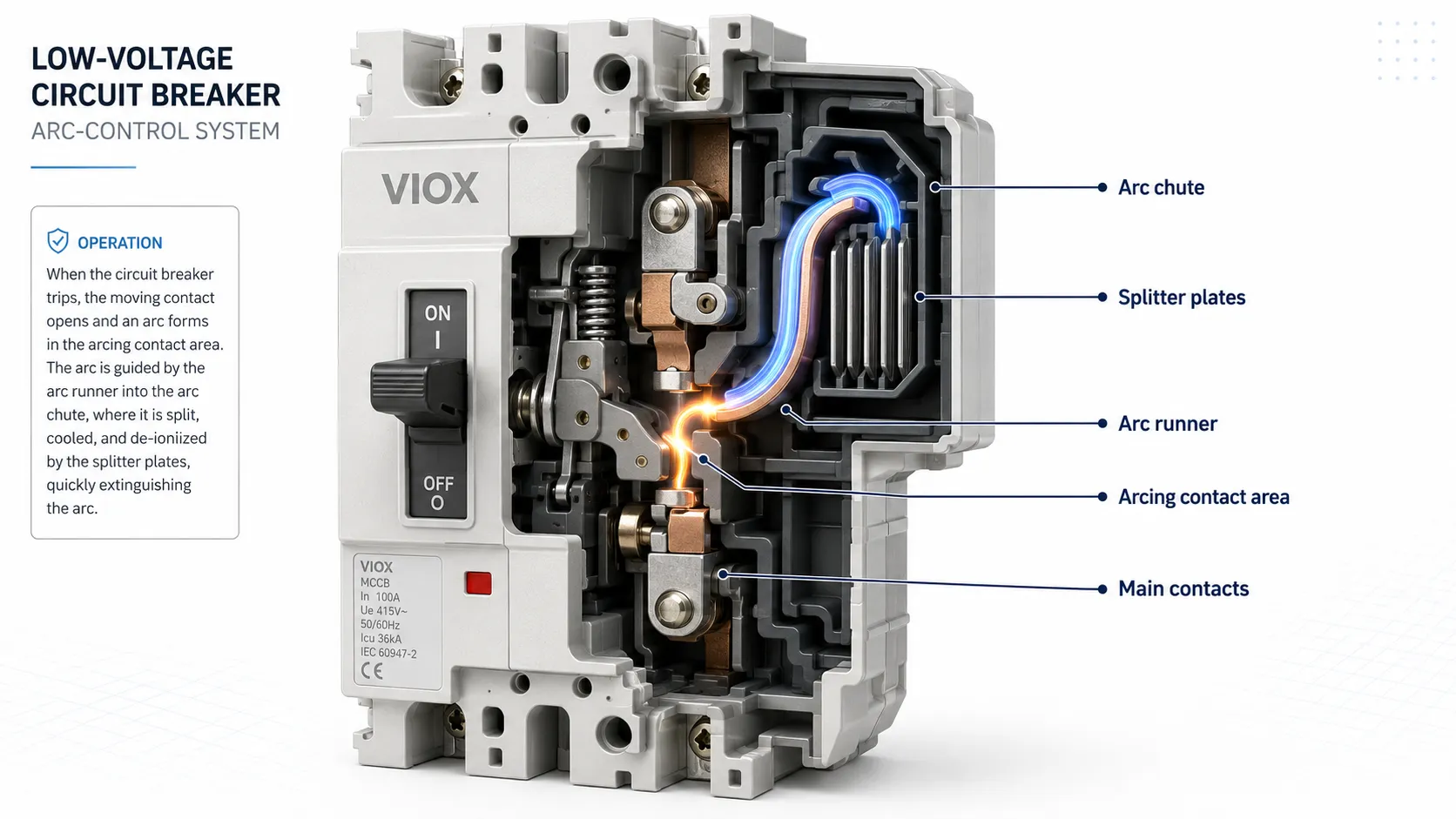
Jeho funkce je praktická:
- omezit poškození kontaktů;
- vést oblouk správnou cestou;
- pomoci přenést oblouk z oblasti kontaktů do zhášecí komory;
- podpořit rychlejší a kontrolovanější zhášení oblouku.
U mnoha konstrukcí jističů spolupracuje zhášecí komora s magnetickými silami generovanými poruchovým proudem. Zjednodušený způsob vyjádření hnací síly je F = I × L × B, kde F je síla působící na elektrický oblouk, I je proud oblouku, L je efektivní délka oblouku v magnetickém poli a B je magnetická indukce. V praktické konstrukci jističů může vyšší zkratový proud vytvořit silnější magnetickou hnací sílu, která pomáhá tlačit oblouk podél zhášecích plechů do zhášecí komory, kde je rozdělen a ochlazen.
F = I × L × BJak magnetická síla posouvá oblouk do zhášecí komory
Když jističem protéká vysoký proud, dráha proudu vytváří magnetické pole. Samotný oblouk také vede proud. Interakce mezi proudem protékajícím obloukem a magnetickým polem vytváří sílu, která může vytlačit oblouk od kontaktů.
Tento magnetický pohyb je užitečný, protože:
- odtahuje oblouk od povrchu kontaktů;
- přenáší oblouk směrem k obloukové dráze;
- vhání oblouk do zhášecích plechů;
- zkracuje dobu, po kterou oblouk zůstává v oblasti hlavních kontaktů.
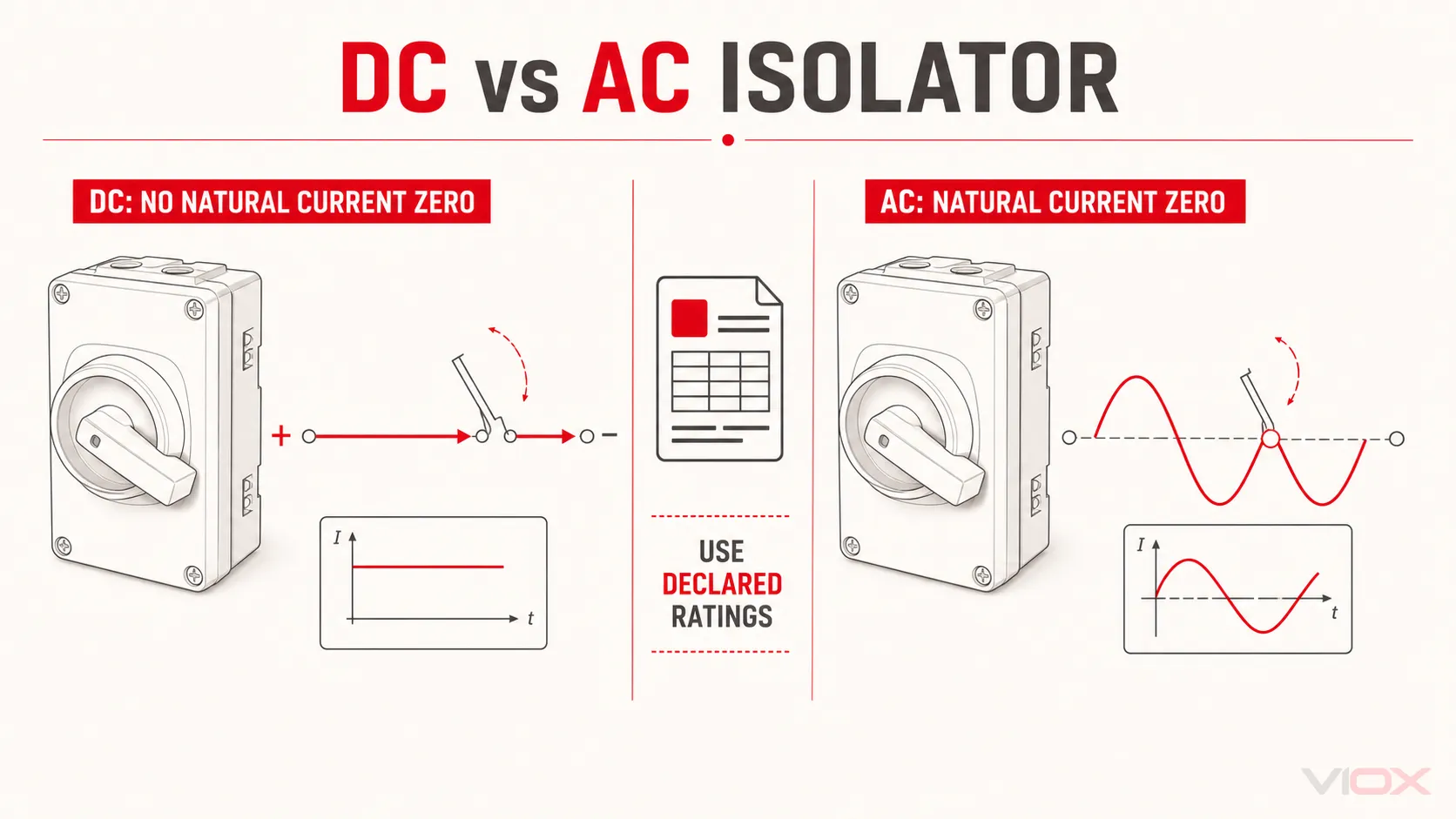
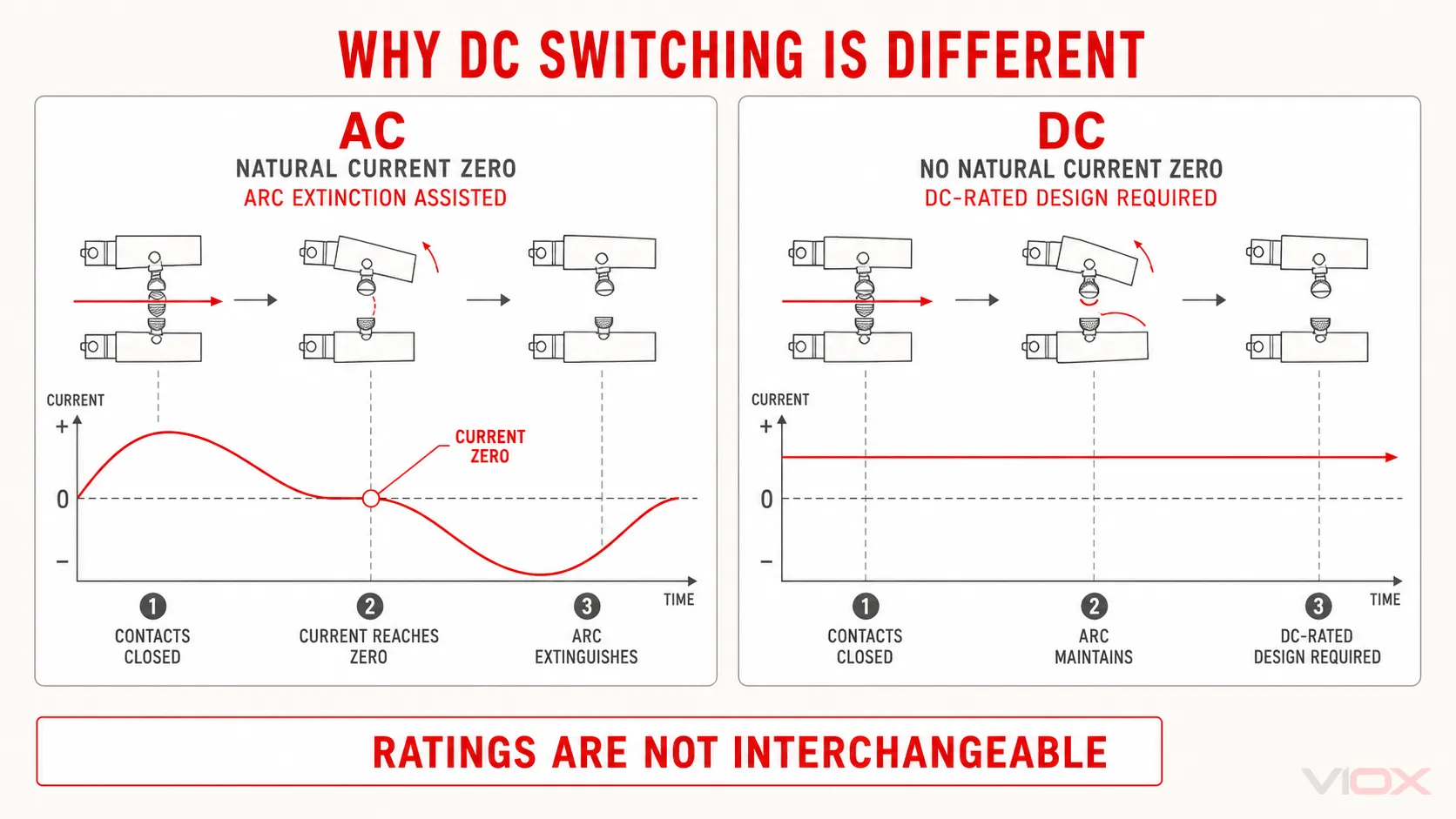
U stejnosměrných (DC) jističů je magnetické řízení oblouku ještě důležitější, protože zde nedochází k přirozenému průchodu proudu nulou. To je také důvod, proč u některých konstrukcí DC jističů záleží na polaritě.
Z pohledu návrhu produktu samotná přítomnost zhášecí komory nestačí. Tvar obloukové dráhy, rychlost rozpojení kontaktů, vyrovnání zhášecích plechů, odvětrávací cesta a izolační materiál kolem komory – to vše ovlivňuje, zda se oblouk čistě přesune do zhášecí zóny, místo aby přetrvával v blízkosti kontaktů.
Zhášecí komora a zhášecí prostor oblouku
. zhášecí komora je konstrukce, která pomáhá zhášet elektrický oblouk poté, co opustí oblast kontaktů. Často se skládá z několika dělicích plechů nebo zhášecích komor uspořádaných uvnitř izolačního pouzdra.
Zhášecí komora funguje tak, že:
- prodlužuje dráhu elektrického oblouku;
- rozděluje jeden velký oblouk na menší segmenty;
- ochlazuje horký ionizovaný plyn;
- zvyšuje napětí oblouku;
- pomáhá deionizovat dráhu oblouku;
- uzavírá horké plyny a částice uvnitř konstrukce jističe.
Fráze zhášecí komora obvykle odkazuje na prostor nebo sestavu, kde dochází k řízení elektrického oblouku.
Materiály kontaktů: Proč se používají slitiny wolframu s mědí a stříbra
Kontakty jističů musí vést proud během běžného provozu a odolat žáru elektrického oblouku při vypínání. To vytváří materiálový kompromis.
Běžné strategie pro materiály kontaktů zahrnují slitiny na bázi stříbra pro zajištění vodivosti a odolnosti proti oblouku, a materiály typu wolfram-měď tam, kde je vyžadována vyšší odolnost proti erozi obloukem. Přesný materiál závisí na typu jističe, jmenovitém proudu, aplikaci a konstrukci výrobce.
Klíčová technická myšlenka je následující: wolfram poskytuje odolnost proti erozi obloukem díky vysokému bodu tání, zatímco měď zlepšuje vodivost a odvod tepla. Cílem je udržet strukturu kontaktu stabilní při opakovaném namáhání teplem elektrického oblouku při zachování přijatelného přechodového odporu.
Toto je přesnější než tvrzení, že wolfram-měď se používá pouze ke snížení emise elektronů. U kontaktů jističů záleží na bodu tání, odolnosti proti erozi, tepelném chování, vodivosti a mechanické integritě.
Co je zhášení oblouku?
Zhášení oblouku je proces uhašení oblouku, aby přestal protékat proud.
Jističe mohou používat různé metody zhášení oblouku v závislosti na typu a napěťové třídě:
| Typ jističe | Běžná metoda zhášení oblouku |
|---|---|
| MCB | Zhášecí komora s dělicími plechy |
| MCCB | Zhášecí komora, obloukové rohy, dělicí plechy, lisovaná izolace |
| ACB | Vzduchové přerušení oblouku s většími zhášecími komorami |
| Jistič stejnosměrného proudu | Zhášecí komora s magnetickým vyfukováním nebo vícepólové sériové provedení |
| Vysokonapěťový jistič | Vakuové, SF6, tlakovzdušné nebo jiné specializované metody zhášení |
U nízkonapěťových jističů MCB a MCCB jsou zhášecí komory a dělicí plechy nejznámějšími součástmi.
Co je to obloukové napětí?
Napětí oblouku je napětí na oblouku během přerušení. Jak jistič oblouk natahuje, dělí a ochlazuje, obloukové napětí roste. Když je obloukové napětí dostatečně vysoké vzhledem k podmínkám obvodu, proud může být nuceně snížen a oblouk může zhasnout.
V praktickém smyslu dobrý systém řízení oblouku zvyšuje odpor a chlazení oblouku, takže proud nemůže pokračovat ionizovanou cestou.
Obloukové napětí není jedna pevná katalogová hodnota. Zahrnuje úbytky napětí v blízkosti katodové a anodové oblasti a napěťový gradient podél sloupce oblouku. U návrhu nízkonapěťových jističů je důležitou otázkou, zda geometrie kontaktů, zhášecí rohy, sada dělicích plechů, proudění plynu a izolace komory dokážou dostatečně rychle zvýšit obloukové napětí za testovaných podmínek zkratu.
To je jeden z důvodů, proč na geometrii kontaktů, zhášecích komor, děličů, tvaru komory a proudění plynu při návrhu jističe záleží.
Střídavý oblouk vs. stejnosměrný oblouk v jističích
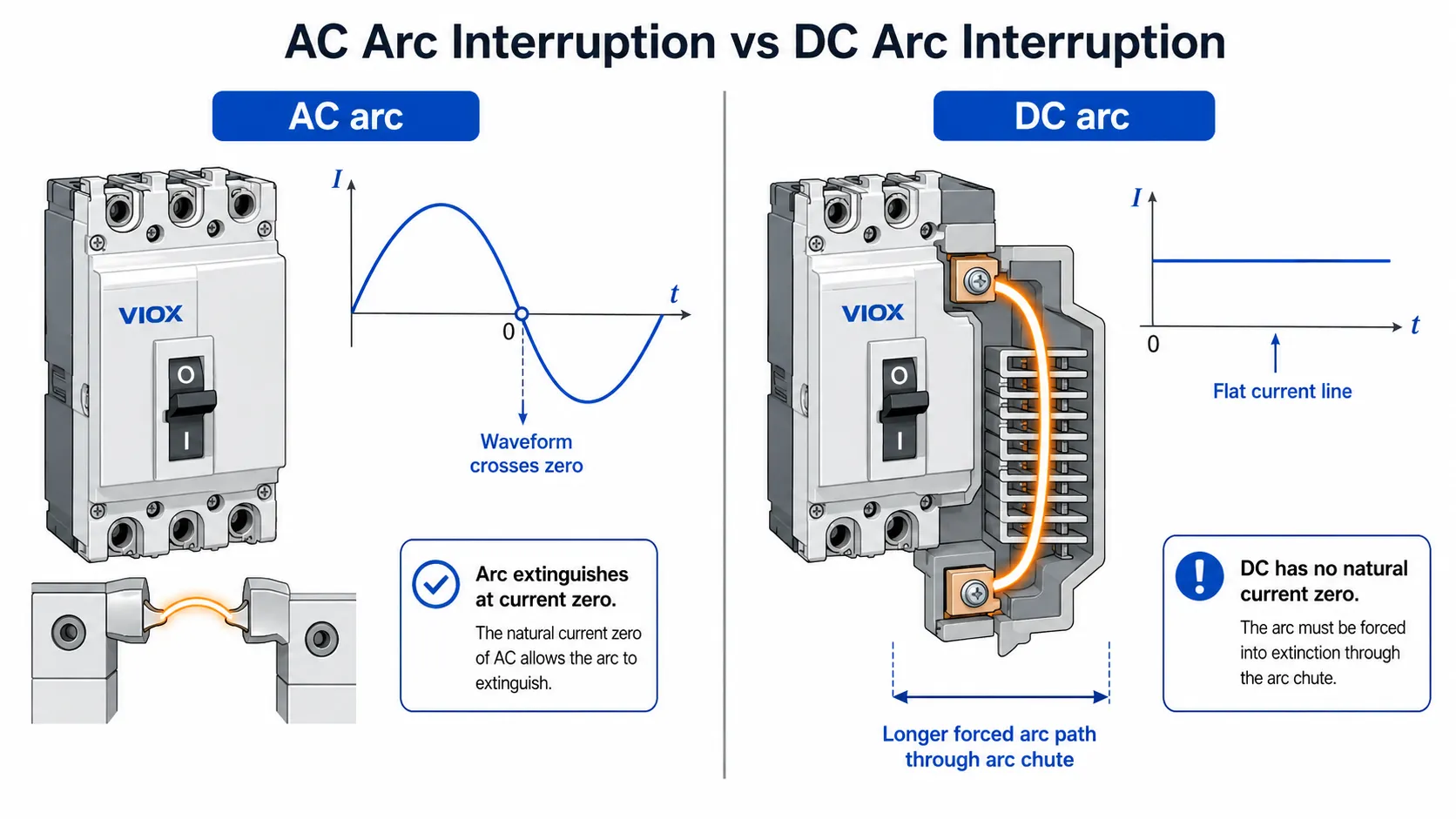
Střídavé a stejnosměrné oblouky se chovají odlišně.
| Funkce | Střídavý oblouk | DC oblouk |
|---|---|---|
| Průchod proudu nulou | Přirozený průnik nulou každou půlcyklus | Žádný přirozený průchod nulou |
| Mechanická odolnost | Pomoc díky průchodu proudu nulou | Musí být vynuceno konstrukcí jističe |
| Návrh jističe | Zhášecí komora dimenzovaná pro střídavý proud (AC) může být pro své jmenovité hodnoty dostačující | Vyžaduje konstrukci zhášení oblouku dimenzovanou pro stejnosměrný proud (DC) |
| Problematika polarity | U nízkonapěťových střídavých (AC) jističů obvykle méně kritické | Důležité u mnoha polarizovaných stejnosměrných (DC) jističů |
To je důvod, proč by se střídavý (AC) jistič neměl automaticky používat v obvodu se stejnosměrným proudem (DC). Stejnosměrný oblouk může přetrvávat, pokud není jistič specificky navržen a dimenzován pro vypínání stejnosměrného proudu.
Podrobnosti o stejnosměrných (DC) jističích naleznete v Co je to DC jistič?.
Elektrický oblouk v MCB vs MCCB vs ACB
| Typ jističe | Kde dochází k řízení oblouku | Praktický rozdíl |
|---|---|---|
| MCB | Kompaktní zhášecí komora v blízkosti kontaktního systému | Malý prostor, rychlé rozdělení oblouku, omezená velikost rámu |
| MCCB | Větší lisovaná zhášecí komora a obloukové rohy | Vyšší velikosti rámů a robustnější vypínací struktury |
| ACB | Větší vzduchová zhášecí komora | Používá se v nízkonapěťových rozváděčích pro vyšší proudy |
Základní princip je podobný: jistič rozpojí kontakty, vytvoří oblouk, vžene oblouk do komory, rozdělí jej, ochladí a přeruší proud. Fyzické rozměry a vypínací schopnost se mění podle typu jističe.
Pro vnitřní části MCCB viz Vnitřní struktura a komponenty MCCB.
IEC 60947-2, UL 489 a jmenovité hodnoty přerušení oblouku
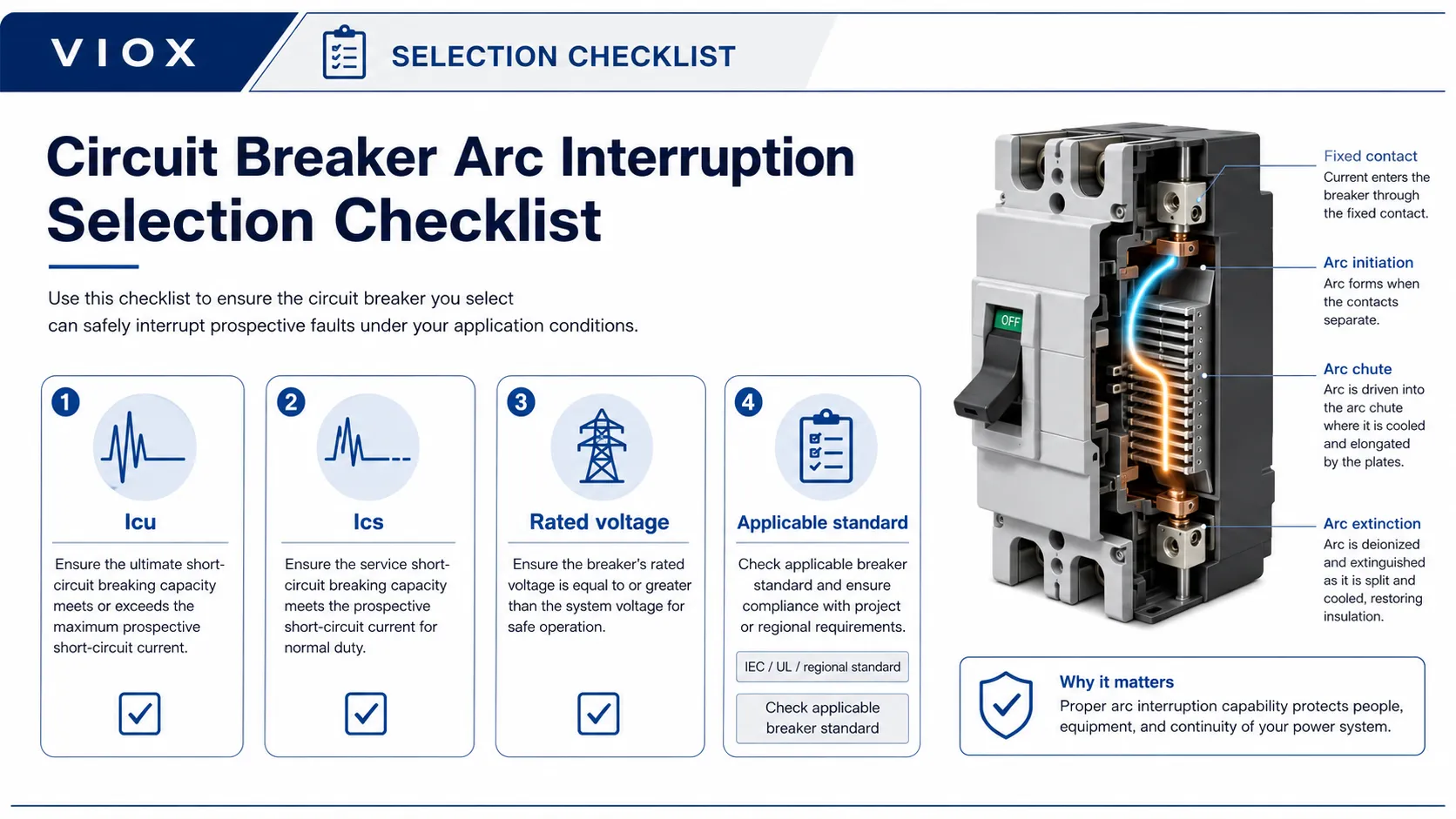
Přerušení oblouku se nehodnotí pouze vizuálním designem. Jističe jsou testovány v rámci standardních rámců, které definují, jak se ověřuje výkon přerušení.
Pro nízkonapěťové průmyslové jističe, IEC 60947-2 je klíčovým normativním kontextem. Na severoamerických trzích s odbočkovými a kompaktními jističi, UL 489 je klíčovým odkazem. Příslušná norma závisí na typu produktu, trhu a instalaci.
Důležité jmenovité hodnoty související s hašením oblouku zahrnují:
| Hodnocení | Význam | Proč to souvisí s řízením oblouku |
|---|---|---|
| Icu | Mezní zkratová vypínací schopnost | Ověřuje, že jistič dokáže přerušit závažnou poruchu za definovaných zkušebních podmínek |
| Ics | Provozní zkratová vypínací schopnost | Indikuje výkon po přerušení za provozních zkušebních podmínek |
| Icw | Krátkodobý výdržný proud | Důležité pro selektivitu a odolnost u některých typů jističů |
| Jmenovité napětí | Napětí, při kterém je přerušení testováno | Vyšší napětí obvykle činí zhášení oblouku náročnějším |
Tyto jmenovité hodnoty by měly být vyčteny z datového listu a kontextu normy. Jistič s robustně vypadající zhášecí komorou stále vyžaduje odzkoušenou vypínací schopnost vhodnou pro daný obvod.
Pro výběr produktů VIOX není praktickou otázkou, zda má jistič viditelnou zhášecí komoru. Téměř každý nízkonapěťový jistič má nějakou formu konstrukce pro řízení oblouku. Užitečnější otázkou je, zda jsou kontaktní systém, obloukové rohy, zhášecí komora, lisovaná izolace, ventilační cesta a struktura svorek společně validovány podle požadovaných podmínek zkoušky vypínací schopnosti. Zde záleží na hodnotách Icu, Ics, jmenovitém napětí a příslušné normě více než na vizuálním vzhledu.
Oblouk v jističi vs. jistič detekující obloukové poruchy
Stejné slovo “oblouk” se objevuje ve dvou různých tématech týkajících se jističů, ale významy jsou odlišné.
| Termín | Význam |
|---|---|
| Oblouk v jističi | Vnitřní oblouk vznikající při rozpojení kontaktů jističe během přerušení obvodu |
| Oblouková porucha | Nežádoucí oblouk ve vedení, šňůrách, svorkách nebo zařízeních |
| Jistič detekující obloukové poruchy / AFCI | Jistič navržený k detekci nebezpečných charakteristik obloukových poruch v obvodu |
Normální oblouk jističe vzniká uvnitř jističe během spínání nebo přerušení poruchy. Oblouková porucha vzniká mimo určený kontaktní systém a může indikovat poškozenou kabeláž, uvolněné spoje nebo selhání izolace.
Známky možných problémů s obloukem jističe
Oblouk jističe uvnitř zařízení je během přerušení normální, ale abnormální vnější příznaky by neměly být ignorovány.
Zavolejte kvalifikovaného elektrikáře nebo technika, pokud zaznamenáte:
- zápach spáleniny v blízkosti rozvaděče;
- bzučení, syčení nebo praskání z jističe;
- tepelné poškození nebo změnu barvy;
- roztavenou izolaci v blízkosti svorek;
- opakované vypínání jističe;
- viditelný záblesk vně jističe;
- uvolněné nebo poškozené svorky.
Neotevírejte ani nekontrolujte vnitřní části jističe pod napětím. Jističe jsou utěsněná nebo smontovaná bezpečnostní zařízení, nikoliv zhášecí komory opravitelné v terénu.
Erozní opotřebení obloukem, důlková koroze kontaktů a kdy se oblouk v jističi stává problémem
Každá událost přerušení obvodu může namáhat kontakty jističe. Při běžném provozu se to očekává, ale opakované závažné poruchy nebo špatný stav svorek mohou opotřebení urychlit.
Možné známky nadměrného namáhání způsobeného obloukem zahrnují:
- důlková koroze nebo eroze kontaktů u servisovatelného průmyslového zařízení;
- změna barvy v okolí svorek nebo větracích otvorů;
- neobvyklý zápach po provozu;
- poškození pouzdra jističe;
- opakované vybavování při podobných podmínkách zatížení;
- rostoucí přechodový odpor u zařízení, kde je měření součástí údržby.
U zapouzdřených miniaturních jističů není kontrola vnitřních kontaktů obvykle praktická. U větších servisovatelných rozváděčů by kontrola a údržba měly probíhat podle pokynů výrobce a bezpečnostních předpisů na pracovišti.
Častá nedorozumění ohledně oblouků v jističích
Omyl 1: Domněnka, že jakýkoli oblouk znamená, že je jistič vadný
Vnitřní oblouk během vypínání je normální jev. Jistič je navržen tak, aby jej kontroloval.
Chyba 2: Domněnka, že zhášecí komora zabrání veškerému poškození jističe
Zhášecí komora snižuje a usměrňuje energii oblouku, ale opakované vypínání vysokých poruchových proudů může stále namáhat kontakty a vnitřní součásti.
Chyba 3: Zaměňování oblouku v jističi s ochranou proti obloukovým poruchám
Vnitřní kontrola oblouku v jističi a detekce obloukových poruch AFCI jsou odlišná témata.
Chyba 4: Aplikace předpokladů pro střídavý (AC) oblouk na stejnosměrné (DC) jističe
Stejnosměrné oblouky se hůře zhášejí, protože neexistuje přirozený průchod nulou. Pro stejnosměrné obvody používejte jističe určené pro DC.
Chyba 5: Ignorování stavu svorek
Uvolněné svorky mohou způsobit vnější zahřívání a vznik elektrického oblouku. To se liší od běžného vnitřního oblouku, který vzniká při vypínání jističe.
ČASTO KLADENÉ DOTAZY
Dokáže zhášecí komora pro střídavý proud (AC) uhasit stejnosměrný (DC) oblouk?
Ne automaticky. Vypínání střídavého proudu těží z přirozených průchodů proudu nulou, zatímco vypínání stejnosměrného proudu musí oblouk bez této pomoci násilně prodloužit, ochladit a uhasit. Jistič používaný v obvodech stejnosměrného proudu musí být specificky dimenzován pro dané stejnosměrné napětí, proud, polaritu a aplikaci.
Jaký je rozdíl mezi obloukovými a hlavními kontakty?
Hlavní kontakty jsou optimalizovány pro vedení proudu s nízkým odporem během běžného provozu. Obloukové kontakty jsou navrženy tak, aby absorbovaly elektrické namáhání při rozpínání a spínání, takže hlavní kontakty nejsou vystaveny nejhorší erozi způsobené obloukem.
Jak často by se měly kontrolovat obloukové kontakty u průmyslových jističů?
Postupujte podle pokynů výrobce jističe pro údržbu a podle bezpečnostních předpisů pro elektrická zařízení na daném pracovišti. Četnost kontrol závisí na typu jističe, historii poruch, spínacím cyklu, prostředí a na tom, zda je zařízení opravitelné. Zapouzdřené instalační jističe (MCB) a mnoho kompaktních jističů (MCCB) se obvykle spíše vyměňují, než aby se otevíraly za účelem kontroly kontaktů.
Proč je po vypnutí jistič cítit spáleninou?
Mírný zápach po závažném přerušení obvodu může pocházet z horkých plynů a vedlejších produktů oblouku uvnitř jističe. Přetrvávající zápach spáleniny, změna barvy, roztavená izolace, zahřívání svorek nebo opakované vypínání nejsou normální jevy a před opětovným zapnutím obvodu by měly být prověřeny.
Znamená vyšší hodnota Icu lepší zhášecí komoru?
Sama o sobě nikoliv. Icu je testovaná mezní vypínací schopnost při zkratu za definovaných podmínek. Konstrukce zhášecí komory je důležitá, ale stejně tak i rychlost kontaktů, geometrie vodících lišt, lisovaná izolace, konstrukce svorek, jmenovité napětí a kompletní zkušební sekvence. Důležitá je také hodnota Ics, protože udává provozní vypínací schopnost při zkratu podle příslušné normy.
Lze opravit oblouk v jističi?
U zapouzdřených jističů (MCB) a mnoha kompaktních jističů (MCCB) není vnitřní poškození obloukem opravitelné v terénu. Pokud kontrola nebo pokyny výrobce naznačují poškození, zařízení vyměňte. Větší servisovatelné jističe mohou mít výrobcem schválené postupy údržby, ale opravy by měl provádět pouze kvalifikovaný personál za použití schválených dílů a zkušebních metod.
Související zdroje VIOX
Závěr
Elektrický oblouk v jističi je normální, ale intenzivní elektrický jev, který vzniká při rozpojení kontaktů pod proudem. Jistič musí tento oblouk přesunout do systému zhášení oblouku, rozdělit jej, ochladit, zvýšit napětí oblouku a uhasit jej.
Nejdůležitější části, kterým je třeba porozumět, jsou obloukový roh, zhášecí komora, zhášecí komorya zhášecí komora. Tyto komponenty umožňují jističi bezpečně přerušit proud namísto toho, aby fungoval pouze jako jednoduchý vypínač.