


Low-Voltage Fuses & Fuse Holders
Compare VIOX fuse links, fuse holders and fuse disconnectors for low-voltage AC and DC circuit protection and isolation assemblies.
Zabezpieczenie nadprądoweFuse-link based protection
Product formLink, holder or disconnector
AC or DC systemPotwierdź na podstawie modelu
Zdolność wyłączaniaDopasuj do poziomu prądu zwarciowego

What is a low-voltage fuse?
A fuse uses a calibrated element that melts when current exceeds its time-current characteristics, interrupting the circuit. After operation, the fuse link must be replaced with the correct compatible rating and type.
The complete assembly may include a fuse link, holder, base or switch disconnector. Rated current, voltage, utilization category, breaking capacity, size and AC or DC suitability must be coordinated.
Fuse Series Overview
Porównaj opublikowane modele VIOX, korzystając z faktów dostępnych już w danych produktu.
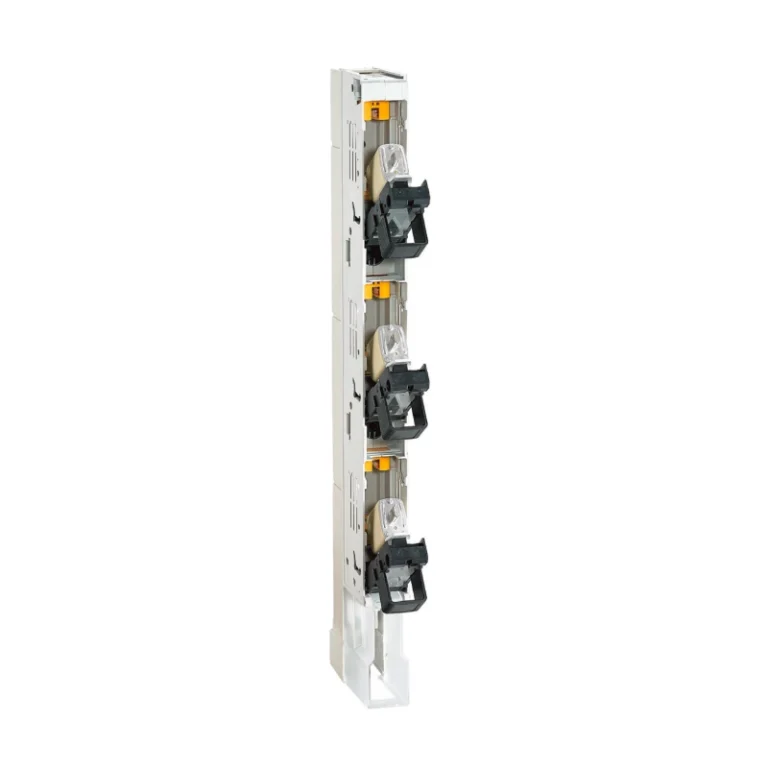
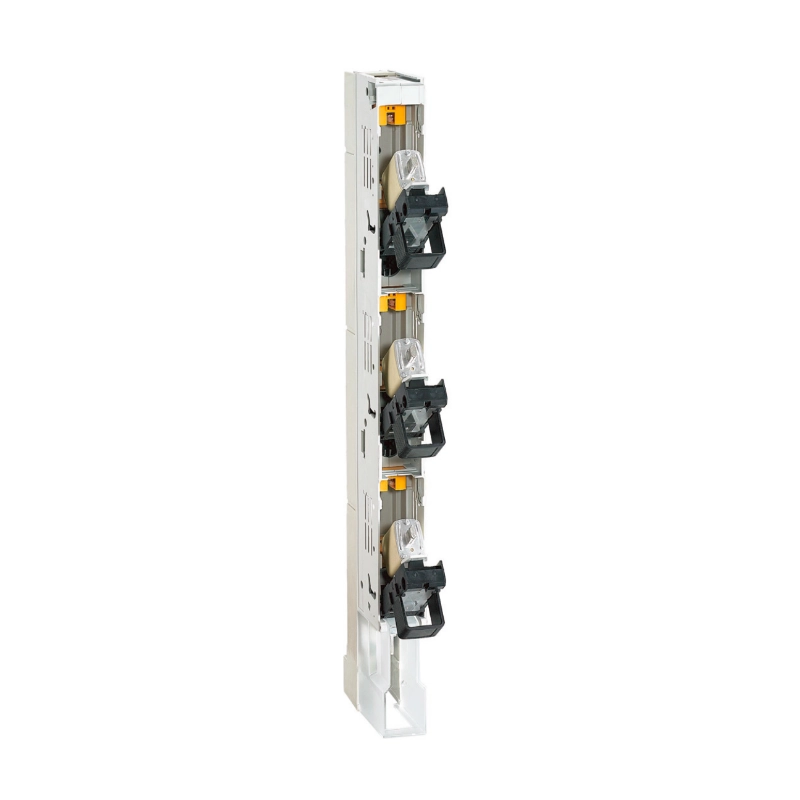
Rozłącznik bezpiecznikowy szynowy
Low-voltage fuse product- Prąd znamionowy
- 160A–800A
- Napięcie
- Up to 690V
- Short-circuit
- Up to 120kA
- Standard
- IEC/EN 60947-3
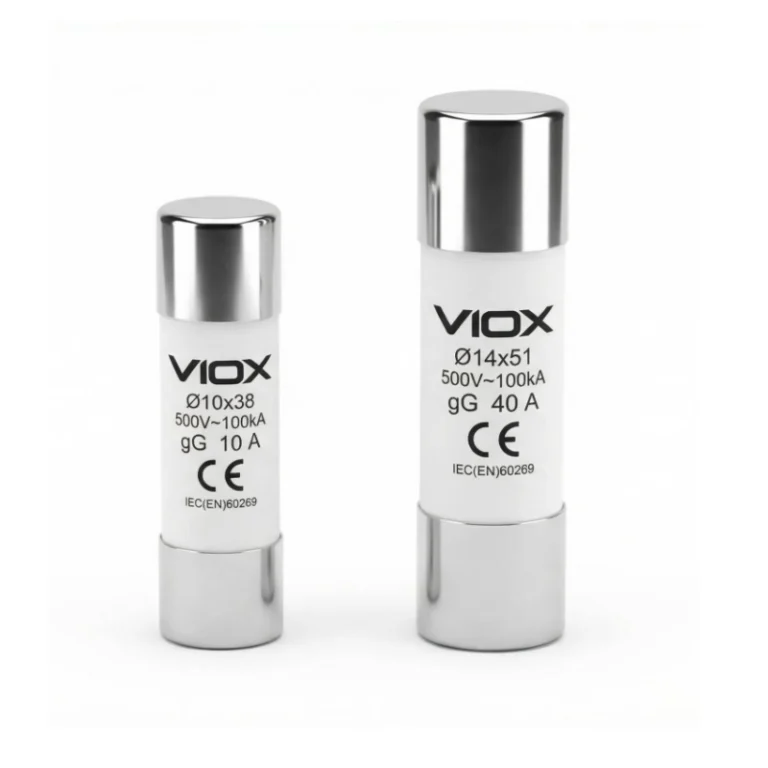
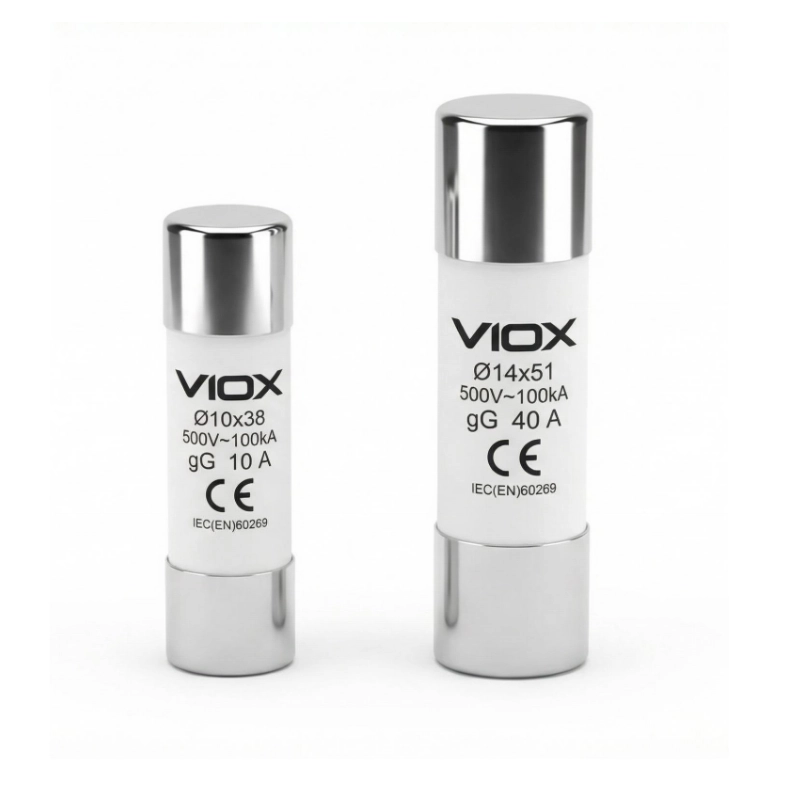
Wkładka topikowa cylindryczna
Low-voltage fuse product- Product form
- Wkładka topikowa
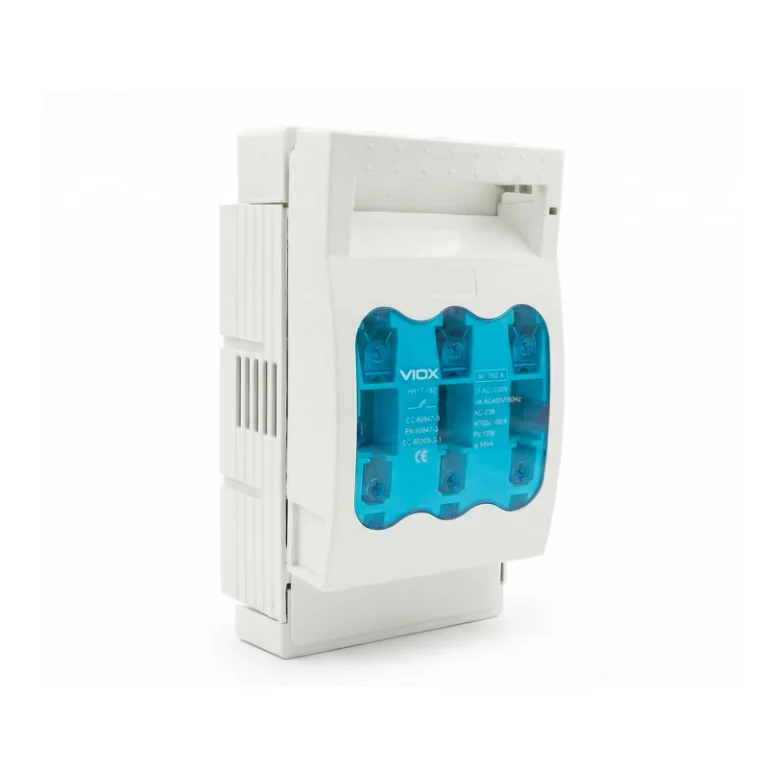
VIOX HR17
Low-voltage fuse product- Product form
- Fuse Disconnector
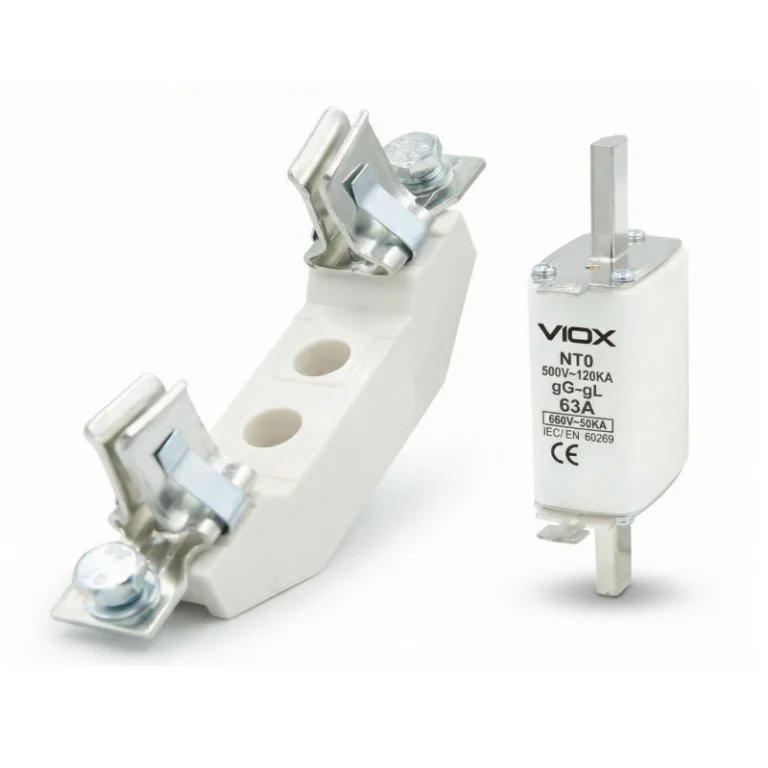
VIOX NT0
Low-voltage fuse product- Product form
- Wkładka topikowa
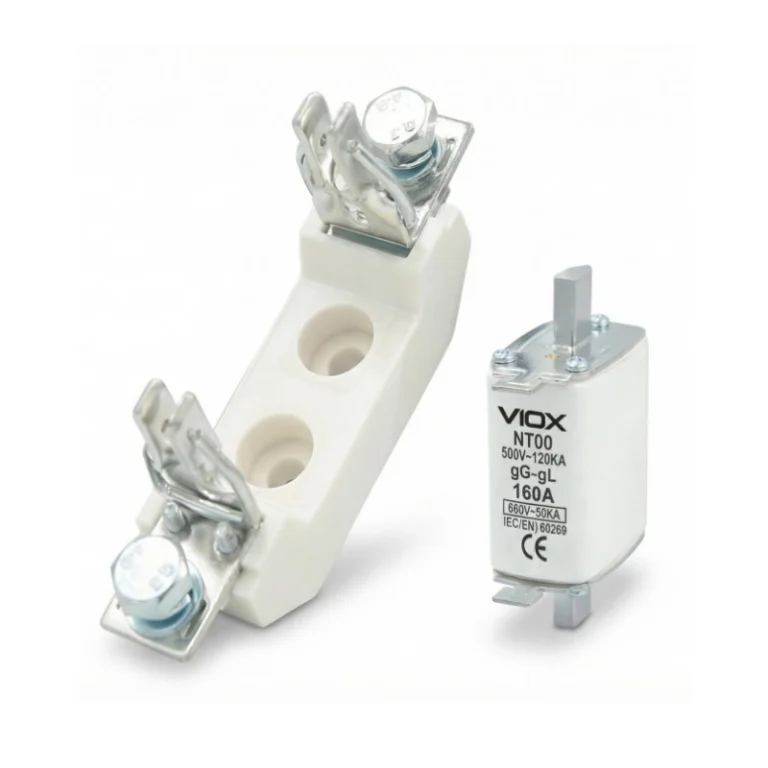
VIOX NT00
Low-voltage fuse product- Product form
- Wkładka topikowa
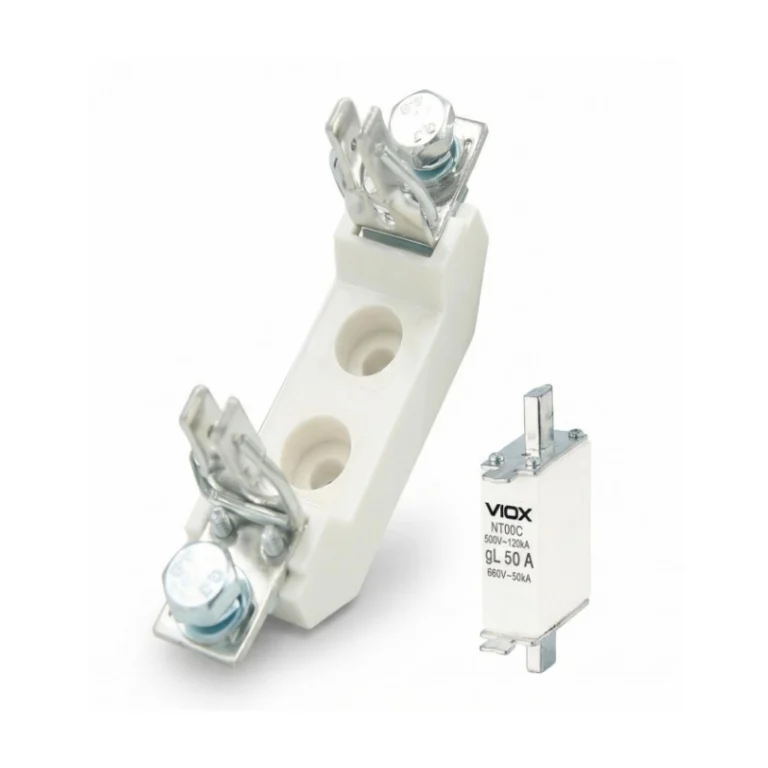
VIOX NT00C
Low-voltage fuse product- Product form
- Wkładka topikowa
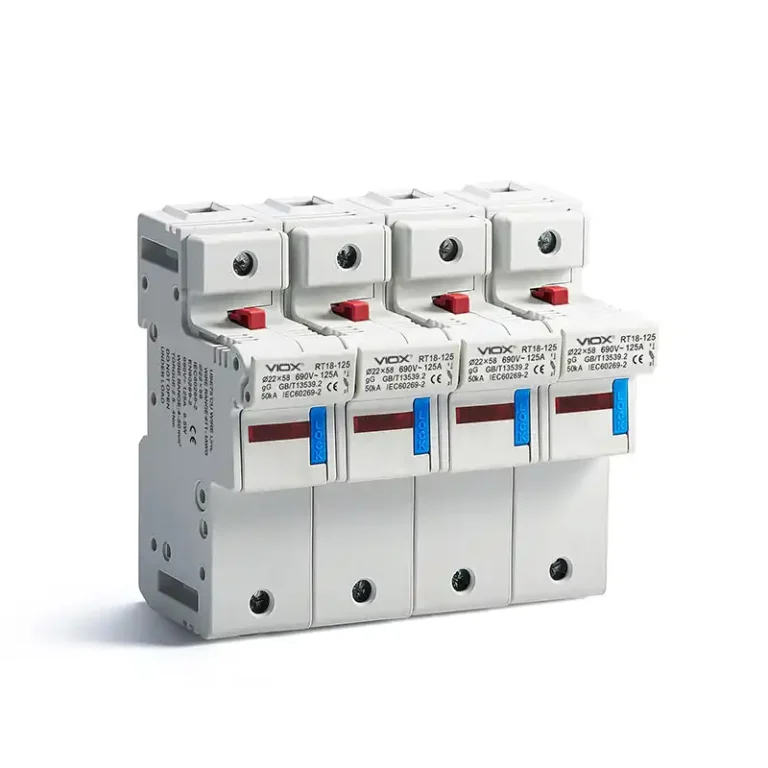
VIOX RT18-125
Low-voltage fuse product- Product form
- Uchwyt bezpiecznika
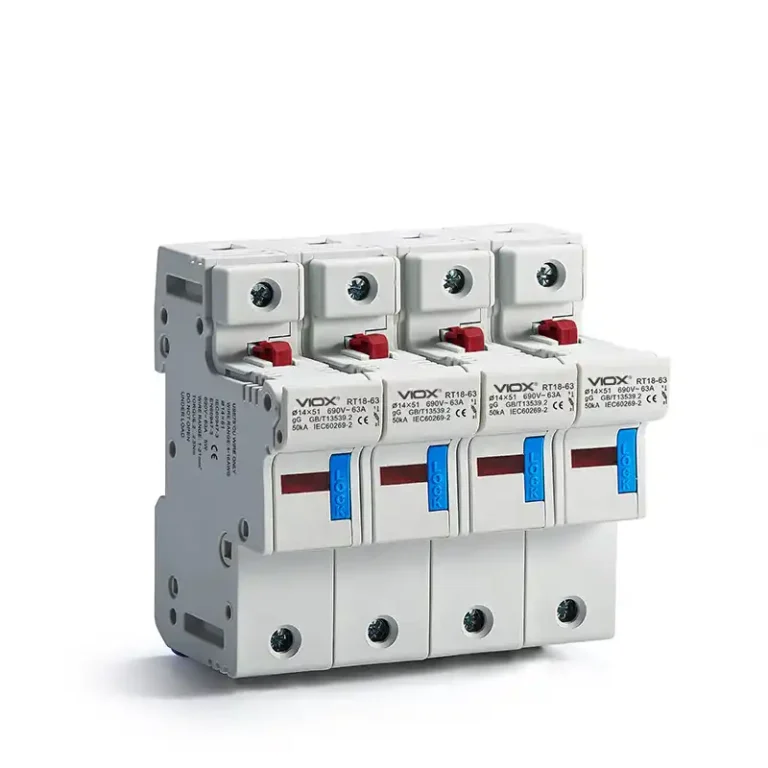
VIOX RT18-63
Low-voltage fuse product- Product form
- Uchwyt bezpiecznika
How to choose a fuse system
Select the fuse link and its holder or disconnector as one coordinated assembly.
Prąd znamionowy i napięcie
Match the circuit conditions and avoid using an AC-only rating for an unapproved DC application.
Zdolność wyłączania
Confirm the fuse can interrupt the prospective fault current at the specified voltage.
Fuse size and product form
Match the fuse-link dimensions, holder, mounting method and conductor arrangement.
Kategoria wykorzystania
Choose the operating class and time-current behaviour required by the protected circuit.
One coordinated fuse assembly
A fuse link, holder and switch disconnector perform different roles. Verify compatibility before ordering.
Compare published Fuse series
Puste komórki oznaczają, że wartość nie jest dostępna w bieżącym zestawieniu produktów. Przed dokonaniem specyfikacji otwórz stronę modelu lub poproś o jego kartę katalogową.
| Szeregowy | Product form | Prąd znamionowy | Napięcie znamionowe | System |
|---|---|---|---|---|
| Rozłącznik bezpiecznikowy szynowy | — | 160A–800A | Up to 690V | — |
| Wkładka topikowa cylindryczna | Wkładka topikowa | — | — | — |
| VIOX HR17 | Fuse Disconnector | — | — | — |
| VIOX NT0 | Wkładka topikowa | — | — | — |
| VIOX NT00 | Wkładka topikowa | — | — | — |
| VIOX NT00C | Wkładka topikowa | — | — | — |
| VIOX RT18-125 | Uchwyt bezpiecznika | — | — | — |
| VIOX RT18-63 | Uchwyt bezpiecznika | — | — | — |
Fuse Applications
Typowe środowiska, w których należy zweryfikować dokładne parametry produktu.

Budynki mieszkalne
Fuse protection and isolation for selected incoming and distribution applications.

Automatyka przemysłowa
Fuse links and holders for machine, motor and control-power protection assemblies.

Fotowoltaika i magazynowanie energii
DC fuse systems selected for string voltage, current and fault-interruption requirements.
Fuse Knowledge & Selection Guides
Wszystkie artykuły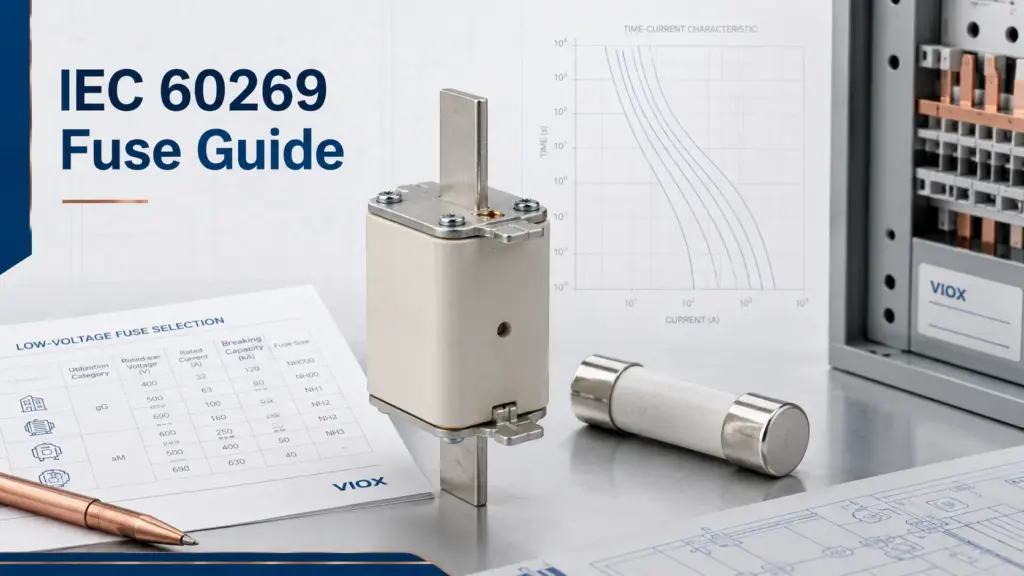 Wybór i rozmiarowanie
Przewodnik po bezpiecznikach IEC 60269: gG kontra aM, rozmiary wkładek NH, charakterystyki bezpiecznikowe i zasady doboru
Fuse Selection Questions
Szybkie odpowiedzi do wstępnego porównania rodzin produktów przed szczegółową weryfikacją obwodu.
What is the difference between a fuse link and a fuse holder?
The fuse link contains the calibrated element that interrupts overcurrent. The holder supports connection, installation and replacement of a compatible fuse link.
Can a fuse be reused after it operates?
No. An operated fuse link must be replaced with the correct compatible type and rating after the cause of the fault is resolved.
Can an AC fuse be used in a DC circuit?
Not unless the product is explicitly rated for the DC voltage and application. DC interruption can require different construction and ratings.
Which details are needed to select a fuse?
Confirm rated current, voltage, AC or DC system, utilization category, breaking capacity, physical size and the compatible holder or disconnector.
What does a fuse switch disconnector add?
It combines fuse-link based protection with a mechanism intended for controlled isolation. Exact switching and protection ratings must be checked on the product documentation.
Need the Right Fuse System?
Let’s Match the Assembly.
Send the circuit voltage, current, AC or DC system, required fuse form, quantity and target market. VIOX will help narrow the compatible product range.
Request Fuse Support