ジョー

こんにちは、私はジョー、専用のプロフェッショナルで12年以上の経験を電気産業です。 でVIOX電気、私は高品質の電気的ソリューションのニーズに応えております。 私の専門知識に及ぶ産業用オートメーション、住宅の配線は、商用電気システム。お問い合わせ[email protected] がることができます。

Enclosure Manufacturing: The Complete Guide to Industrial-Grade Electrical Enclosures

エンクロージャー製造:産業用グレード電気エンクロージャーの完全ガイド(2026年)

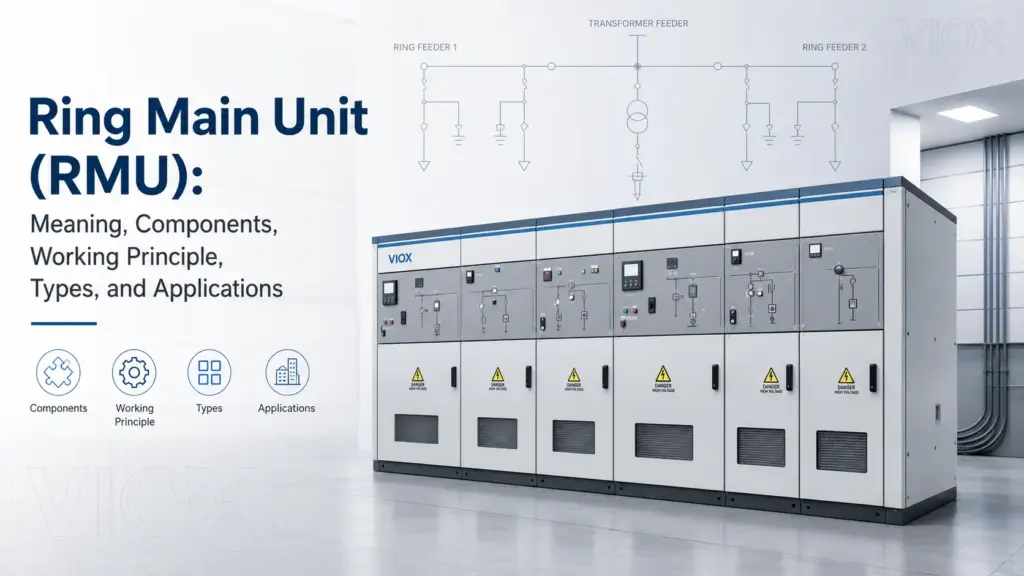
What Makes Industrial Enclosure Manufacturing Different? Run your fingernail across a hardware store junction box. It feels like painted metal and clangs when tapped. Now touch a premium industrial enclosure from manufacturers like VIOX, Rittal, or Hoffman. The surface feels ceramic-smooth, and tapping produces a solid, dampened thud. This tangible difference reveals a fundamental truth: industrial enclosure manufacturing isn’t about bending metal and applying paint—it’s engineering a complete corrosion defense system designed to protect critical electrical equipment for decades. Quality enclosure manufacturing determines whether your electrical infrastructure lasts 20 years or fails within months. The difference lies in three critical manufacturing stages: substrate selection, chemical pretreatment, and thermal coating application. […]
エンクロージャー製造:産業用グレード電気エンクロージャーの完全ガイド(2026年) 続きを読む »

Stainless Steel vs Aluminum Junction Box: Corrosion Resistance

ステンレス鋼とアルミニウム製 junction box:耐腐食性

Introduction: Material Selection Determines Junction Box Longevity When specifying electrical enclosures for challenging environments, the junction box material choice directly impacts system reliability, maintenance costs, and operational safety. For procurement managers and electrical engineers, understanding the corrosion resistance differences between stainless steel and aluminum junction boxes is critical for long-term asset protection. VIOX Electric, a leading B2B manufacturer of electrical equipment, has conducted extensive field testing across marine, industrial, and chemical processing environments. Our research demonstrates that while both materials offer superior corrosion resistance compared to standard steel, their performance characteristics vary significantly based on environmental exposure, chemical composition, and operating conditions. This comprehensive analysis examines the metallurgical properties, corrosion

ステンレス鋼とアルミニウム製 junction box:耐腐食性 続きを読む »

RCBO vs. AFDD: What is the Difference?

RCBOとAFDD:違いは何ですか?

In modern electrical installations, safety is paramount. As electrical systems become increasingly complex and the demand for power grows, protecting against electrical hazards has never been more critical. Two essential devices—Residual Current Circuit Breakers with Overcurrent Protection (RCBO) and Arc Fault Detection Devices (AFDD)—play distinct yet complementary roles in safeguarding lives and property. For B2B electrical equipment professionals, understanding the difference between these devices is crucial for designing safe, compliant, and reliable electrical installations. This comprehensive guide explores the fundamental differences between RCBO and AFDD, their specific applications, and how they work together to provide comprehensive electrical protection in residential, commercial, and industrial settings. What is an RCBO (Residual Current

RCBOとAFDD:違いは何ですか? 続きを読む »

Why Solid Aerosol is Better than Gas for Small Enclosures

小型エンクロージャにおいて、固体エアロゾルがガスよりも優れている理由

Introduction: The Small Enclosure Challenge Electrical control panels and server cabinets face a critical vulnerability: fire. In confined spaces—where circuit breakers, terminals, and transformers operate at high density—a single fault can trigger thermal runaway within seconds. Traditional fire suppression solutions present a paradox for facility managers: gas-based systems like FM-200 struggle in micro-volumes due to pressure derating, while dry chemical agents leave corrosive residue that damages sensitive electronics. Solid aerosol fire suppression addresses these constraints directly. Unlike gaseous suppressants that require substantial volume to achieve effective concentration, condensed aerosols generate ultra-fine particulate that floods small enclosures rapidly—often within 6 seconds—while remaining non-conductive and non-corrosive. For DIN rail-mounted systems in electrical

小型エンクロージャにおいて、固体エアロゾルがガスよりも優れている理由 続きを読む »

How to Choose the Right Size Aerosol Extinguisher for Your Electrical Enclosure

電気エンクロージャーに最適なサイズのエーロゾル消火器の選び方

Why Electrical Enclosure Fire Protection Matters Electrical fires account for approximately 25,000 residential and commercial incidents annually, with distribution panels and control cabinets representing critical fire hazards in industrial facilities. Unlike open-space fires, electrical enclosure fires present unique challenges: confined spaces amplify thermal buildup, energized components complicate suppression efforts, and traditional extinguishing methods often cause collateral damage that exceeds fire-related losses. The aerosol fire extinguisher represents a paradigm shift in electrical cabinet fire suppression. These compact, self-contained units deploy ultra-fine potassium-based particles that suppress fires through chemical chain reaction interruption rather than oxygen displacement or cooling. For facility managers specifying fire protection systems, understanding proper sizing ensures adequate protection without

電気エンクロージャーに最適なサイズのエーロゾル消火器の選び方 続きを読む »

Current Transformers (CTs) vs Potential Transformers (PTs): What's the Difference?

変流器(CT)と計器用変圧器(PT):違いは何ですか?

Introduction: The Critical Role of Instrument Transformers In the complex architecture of modern electrical power systems, instrument transformers serve as the essential eyes and ears that make high-voltage, high-current networks measurable, controllable, and safe. These specialized devices—specifically current transformers (CTs) and potential transformers (PTs, also known as voltage transformers or VTs)—perform a critical scaling function. They transform primary system quantities (thousands of amps, hundreds of kilovolts) down to standardized, low-level secondary values (typically 5 A and 115–120 V) that can be safely handled by meters, relays, and monitoring equipment. For engineers, system integrators, and procurement specialists, understanding the fundamental differences between CTs and PTs is not merely academic—it directly impacts

変流器(CT)と計器用変圧器(PT):違いは何ですか? 続きを読む »

Surge Arrester vs. Lightning Arrester: Key Differences

サージアレスタと避雷器:主な違い

Introduction In modern electrical systems, protecting equipment from overvoltage events is critical for operational continuity and safety. While the terms “surge arrester” and “lightning arrester” are often used interchangeably, these devices serve distinct purposes in comprehensive protection strategies. Understanding the differences between surge arresters and lightning arresters is essential for engineers, facility managers, and procurement professionals tasked with designing effective electrical protection systems. Lightning strikes remain one of nature’s most destructive forces, capable of delivering instantaneous surges exceeding 100,000 amperes. However, electrical systems face numerous other threats including switching transients, power fluctuations, and induced overvoltages. This article clarifies the technical distinctions between lightning arresters and surge arresters, examines their respective

サージアレスタと避雷器:主な違い 続きを読む »

Retrofitting Old Control Panels: Why DIN Rail Mount Extinguishers Are the Easiest Solution

古い制御盤の改修:DINレール取付型消火器が最も簡単な解決策である理由

The Legacy Infrastructure Dilemma Across manufacturing facilities, commercial buildings, and industrial plants, thousands of control panels installed 20 to 40 years ago continue operating—often without adequate fire protection. These legacy systems represent a silent vulnerability: they were designed in an era before modern fire safety standards, built with materials that degrade over time, and lack the automated protection that today’s codes increasingly demand. The challenge facing facility managers is stark: electrical fires in control panels cause an estimated $1.36 billion in annual property damage in the United States alone, yet upgrading fire protection in older panels has traditionally required expensive, invasive modifications. Complete panel replacements can cost $5,000 to $50,000

古い制御盤の改修:DINレール取付型消火器が最も簡単な解決策である理由 続きを読む »

Why Electrical Cabinets Catch Fire and How to Prevent It Automatically

電気キャビネットが火災になる原因と、それを自動的に防止する方法

The Silent Threat in Your Facility Every 24 hours, electrical systems spark approximately 92 commercial fires across the United States. These aren’t dramatic explosions that grab headlines—they’re silent threats that begin inside closed electrical cabinets, where overheating components and electrical arcs ignite insulation materials before anyone notices. By the time smoke detectors activate, the damage is already substantial. According to the National Fire Protection Association, electrical fires account for an estimated 33,470 commercial incidents annually in the United States alone, resulting in nearly 45 fatalities, hundreds of injuries, and approximately $1.36 billion in direct property damage. For facility managers and electrical engineers, these statistics represent more than numbers—they reflect potential

電気キャビネットが火災になる原因と、それを自動的に防止する方法 続きを読む »

Interrupt Rating vs. Load Break Rating: Why You Can't Use a Fuse Holder as a Switch (NEC 690.16 Guide)

遮断容量と負荷開閉容量:なぜヒューズホルダーをスイッチとして使用できないのか(NEC 690.16ガイド)

In the high-stakes world of industrial electrical safety, a dangerous misconception persists among technicians and system designers. It often surfaces during field maintenance on photovoltaic (PV) systems: an electrician needs to service an inverter or check a string. Seeing a fuse holder rated for a massive 10,000 Amps of Interrupting Capacity (AIC), they assume it is safe to manually pull open the holder to cut a mere 10 Amps of load current. The logic seems sound on the surface: “If this device can handle a catastrophic 10,000A short circuit, surely it can handle a tiny 10A operational load.” This logic is not just flawed; it is potentially fatal. This specific

遮断容量と負荷開閉容量:なぜヒューズホルダーをスイッチとして使用できないのか(NEC 690.16ガイド) 続きを読む »

今すぐ見積もりを依頼する