⎯⎯ Electrical Protection Devices
Fuse and Fuse Holder
⎯⎯ At a Glance
Core Product Highlights
Product Scope
Mounting Format
Application Fit
Selection Core
Certified By


⎯⎯ Overview
Fuse Products for Low-Voltage Distribution and DC Protection
A fuse is an overcurrent protection device that interrupts a circuit when current exceeds the safe limit of the protected system. In practical panel and equipment design, the fuse itself, the fuse link, the fuse holder, and the fuse disconnector are selected as part of one protection system. VIOX fuse products are positioned for low-voltage distribution, DIN rail panel building, switchboard protection, machinery protection, and selected DC applications where cartridge fuse formats and holder compatibility are part of the design requirement.
Fuse protection assembly
DIN rail and cabinet integration
Fuse holder and fuse disconnector products are widely used in control cabinets, switchboards, combiner boxes, and panel layouts that require compact and organized installation.
AC and DC application direction
The product family includes low-voltage fuse, fuse link, fuse disconnector, and DC-oriented holder directions suited to different voltage classes, cartridge sizes, and operating conditions.
⎯⎯ Available Products
Current Online Fuse Categories and Products
⎯⎯ Bar Fuse Switch
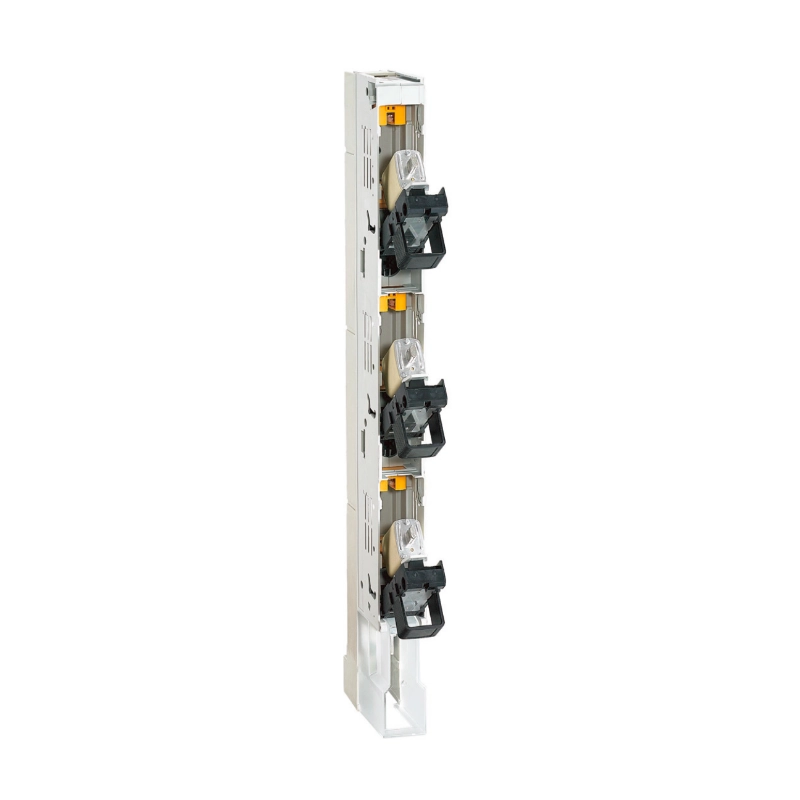
For low-voltage distribution systems that use bar fuse switch structures for higher-current switching and protection assemblies.
⎯⎯ Fuse Disconnectors

For low-voltage switching, isolation, and fuse-based protection assemblies in industrial distribution systems.
⎯⎯ Fuse Links
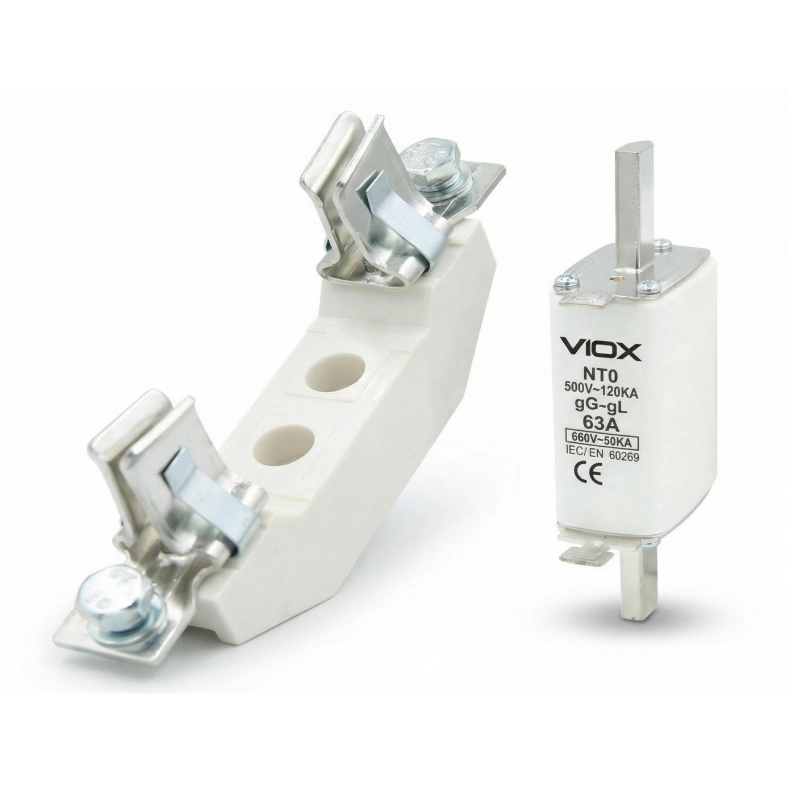
For low-voltage distribution, feeder protection, and switchboard fuse arrangements using NT fuse link structures.
⎯⎯ Fuse Holder
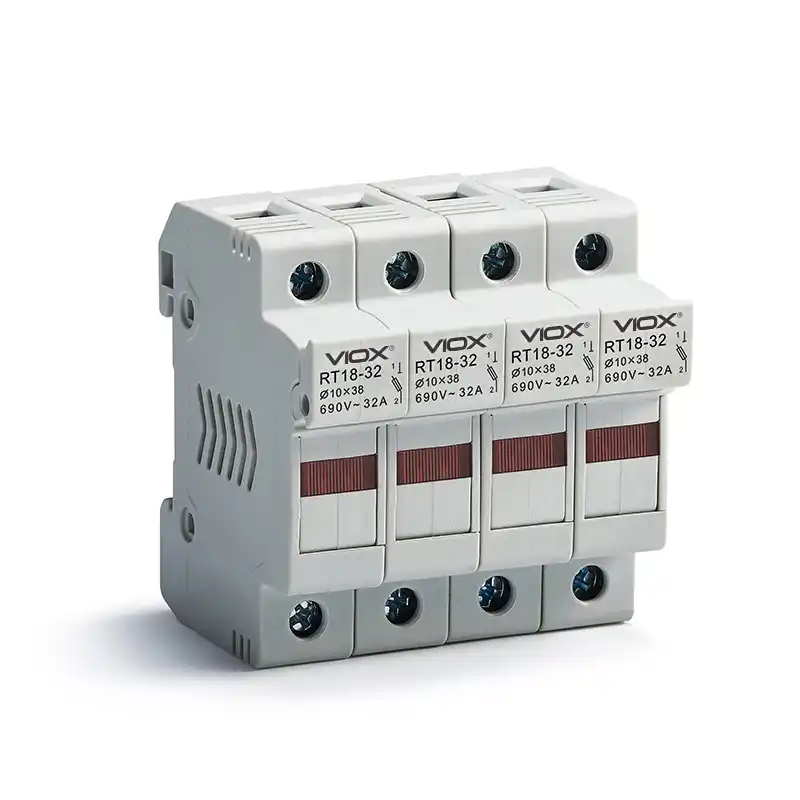
For control cabinets and low-voltage panels using compact DIN rail cartridge fuse installation.
⎯⎯ Fuse Holder

For photovoltaic systems, battery circuits, and other DC protection applications where holder voltage direction matters.
⎯⎯ Fuse Link
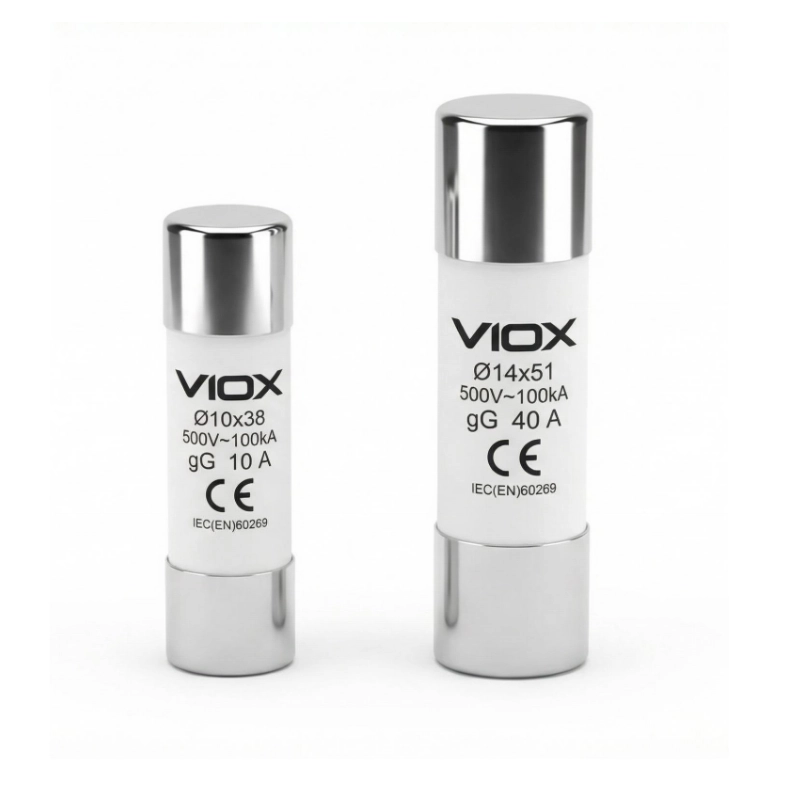
For low-voltage distribution, feeder protection, and switchboard fuse arrangements using NT fuse link structures.
⎯⎯ Selection Factors
How to Select the Right Fuse Product
| Selection factor | Why it matters | Selection direction |
|---|---|---|
| Voltage rating | The holder must match the system voltage and intended protection duty. | Check AC or DC application class and operating voltage. |
| Current range | Current direction shapes thermal behavior and holder suitability. | Match the holder family to the fuse rating and circuit load. |
| Fuse size or series | Cartridge dimensions or series family determine mechanical compatibility and installation format. | Confirm 10×38, 14×51, 22×58, NT, cylindrical, spiral, or other exact product direction. |
| Mounting or assembly method | Panel layout and maintenance access depend on holder or disconnector structure. | Choose DIN rail, holder, link, or disconnector structure required by the assembly. |
| Pole configuration | Single-pole or multi-pole arrangements affect cabinet organization and application fit. | Match the number of poles to the target circuit structure. |
| Application environment | Industrial cabinets, PV systems, and battery circuits create different duty conditions. | Confirm product direction against the actual use case and service requirement. |
- Fuse product selection starts with the actual application, then moves to fuse type, holder structure, and size direction.
- DC fuse holder products require voltage-direction accuracy, especially in PV and battery systems.
- DIN rail layout, thermal spacing, and replacement access all affect long-term reliability.
⎯⎯ Applications
Typical Fuse Applications
Industrial control panels
Fuse holders and fuse disconnectors are used where panel circuits require serviceable overcurrent protection with structured organization.
Low-voltage distribution
Suitable for cabinet and distribution assemblies that use fuse link, NT fuse, or cartridge fuse protection in low-voltage systems.
Photovoltaic DC systems
DC fuse holder products support PV and other DC protection arrangements where voltage class and holder design matter.
Machinery and equipment
Applied in equipment circuits that need compact and maintainable fuse link or holder protection assemblies.
Battery and energy systems
Relevant for DC protection layouts where fuse holder compatibility and voltage direction are critical.
OEM panel-building projects
Useful for OEM cabinets and export panel projects that need repeatable holder formats and documented product selection.
⎯⎯ Quick Comparison
Fuse vs Fuse Holder
| Item | Role | Main difference |
|---|---|---|
| Fuse | The overcurrent protection element that interrupts the circuit under fault or overload conditions | Defines the protective action and rating class for the protected circuit. |
| Fuse holder | The mounting and connection component that houses the fuse inside the electrical assembly | Defines mechanical compatibility, mounting format, access, and holder integration in the panel or DC system. |
⎯⎯ FAQ
Frequently Asked Questions
What is the difference between a fuse and a fuse holder?
A fuse is the protective element that interrupts the circuit during an overcurrent event, while a fuse holder is the mounting and connection component that secures the fuse in the panel or electrical assembly.
What is a DIN rail fuse holder used for?
A DIN rail fuse holder is used in control panels, switchboards, and low-voltage cabinets where cartridge fuse protection needs structured DIN rail mounting and service access.
Where is a DC fuse holder used?
A DC fuse holder is used in photovoltaic systems, battery circuits, and other DC protection applications where voltage class and holder design must match DC duty.
How is the right fuse product selected?
The selection is based on voltage, current range, fuse type, fuse size or series, mounting method, pole configuration, and the actual application environment.
Where can I view current VIOX fuse products?
Open the VIOX fuse category to view current fuse holder models and product pages.
⎯⎯ Request Quote
Request a Quote for Fuse Products
Share the application, fuse size, voltage, current range, mounting requirement, and project type for product matching and quotation.