


Cable Tie Manufacturer for Nylon & Stainless Steel Ties
Source nylon and stainless steel cable ties by bundle diameter, holding requirement, installation environment, locking style and mounting method. VIOX supports standard series, specialty constructions, bulk orders and OEM requirements.
Bundle fitDiameter, width and length
Material & environmentNylon or stainless steel
Locking & mountingPermanent, releasable or fixed
Supply requirementsQuantity, packaging and documents
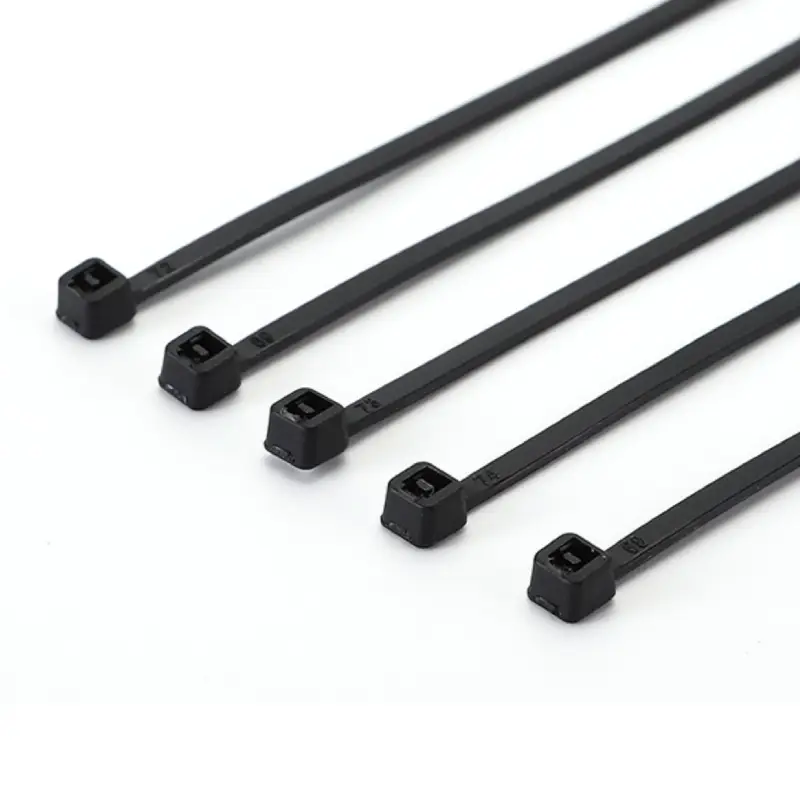


Five inputs narrow the cable tie family.
Use the information you already have. Exact dimensions, strength and environmental limits still need to be checked on the selected model.
- 01Bundle diameter
Measure the finished bundle and allow for the intended routing.
- 02Holding requirement
State the required tensile class or retention requirement where known.
- 03Environment
Identify indoor, outdoor, UV, heat, chemical or corrosive exposure.
- 04Material
Shortlist nylon or stainless steel from the actual service conditions.
- 05Locking & mounting
Choose permanent, releasable, push-mount, screw-mount or metal locking.
For a quotation, also include quantity, packaging, target market and document requirements.
Choose a Cable Tie Series
Start with the required locking or mounting method, then confirm dimensions, material and service conditions on the exact product page.
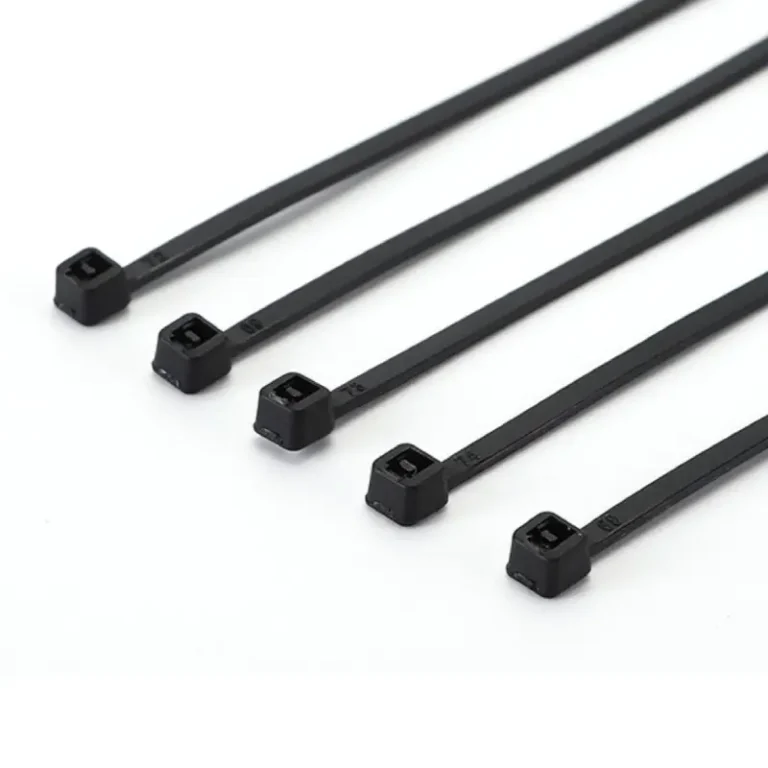
General Nylon Ties
Straightforward bundling for routine wiring and installations that may require later adjustment.
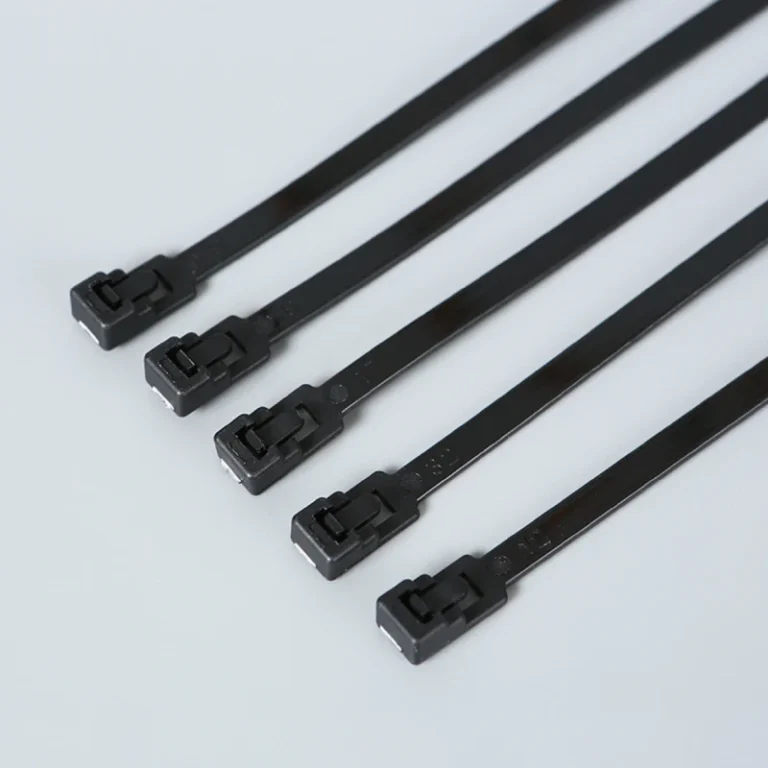
Mounting & Specialty Nylon Ties
Designs that combine bundling with panel mounting or accommodate a specific routing geometry.
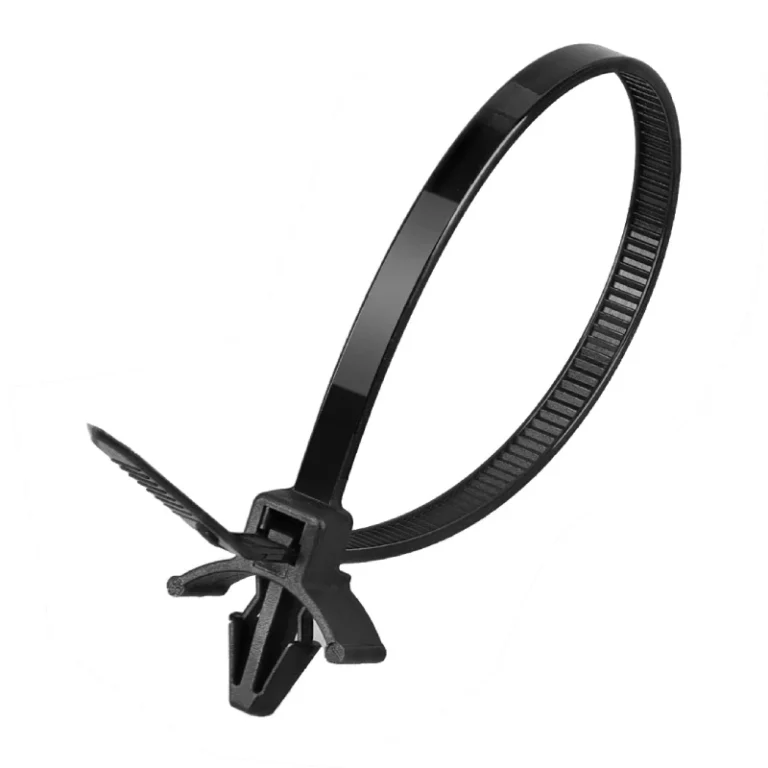
Push Mount Cable Ties for sale
Mounting or specialty nylon tieCombines cable bundling with direct installation into a compatible panel hole.
- Design
- Push Mount
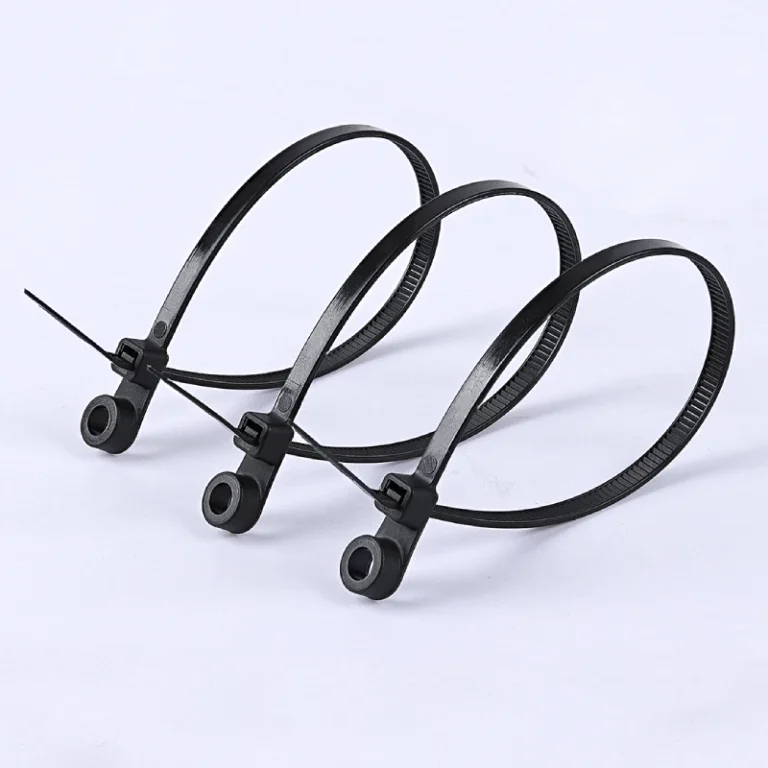
Screw Hole Mount Cable Ties For Sale
Mounting or specialty nylon tieAdds a fixed screw-mount point for controlled routing on panels or equipment.
- Design
- Screw Hole Mount
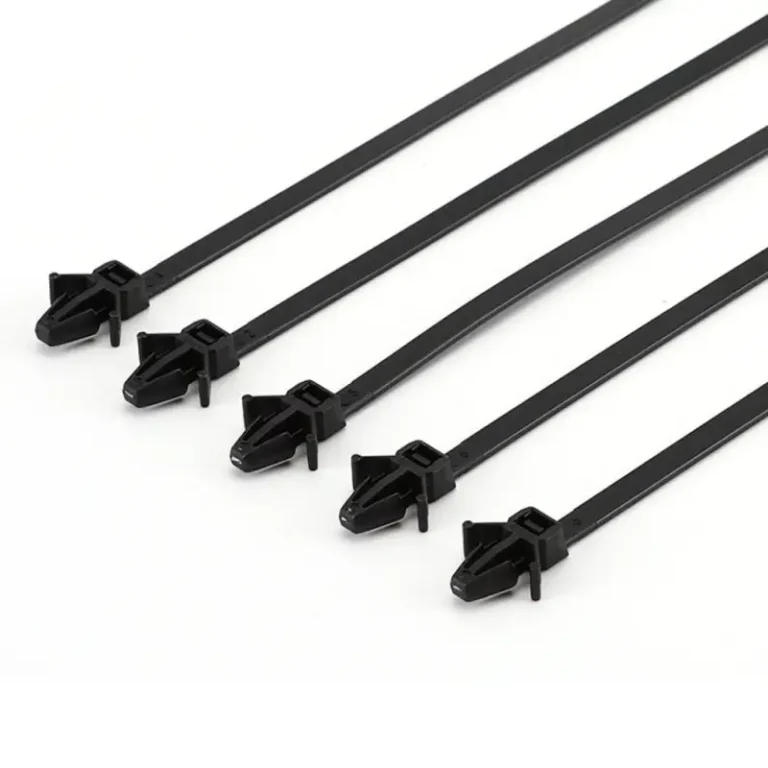
Aircraft Head Nylon Cable Tie
Mounting or specialty nylon tieA low-profile head direction for restricted routing and installation geometry.
- Material family
- Nylon
- Design
- Aircraft Head
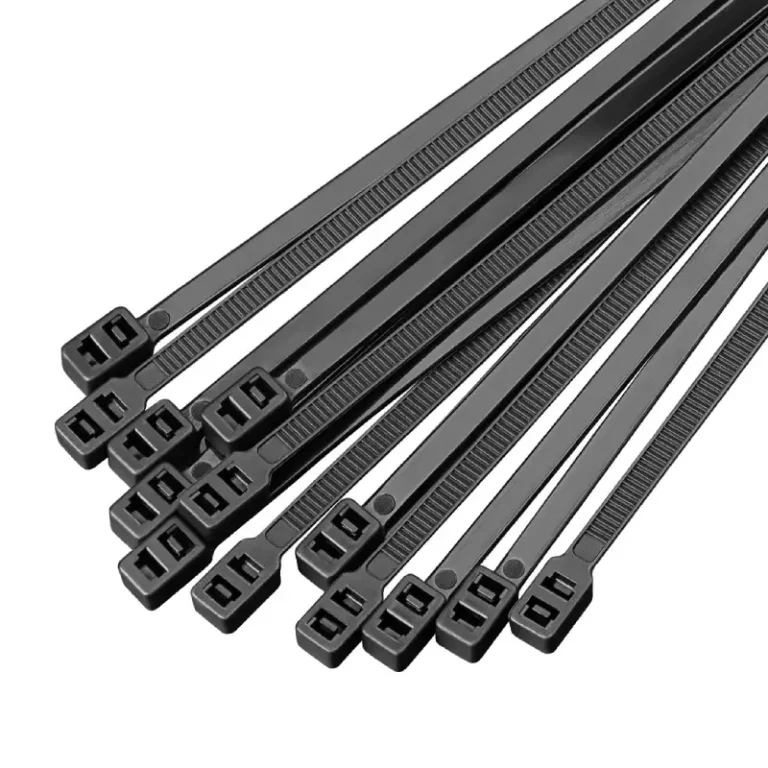
Double Head Cable Ties
Mounting or specialty nylon tieProvides two locking paths for separated or parallel bundle control.
- Design
- Double Head
Uncoated Stainless Steel Ties
Metal locking structures for projects that require verified mechanical and environmental performance.
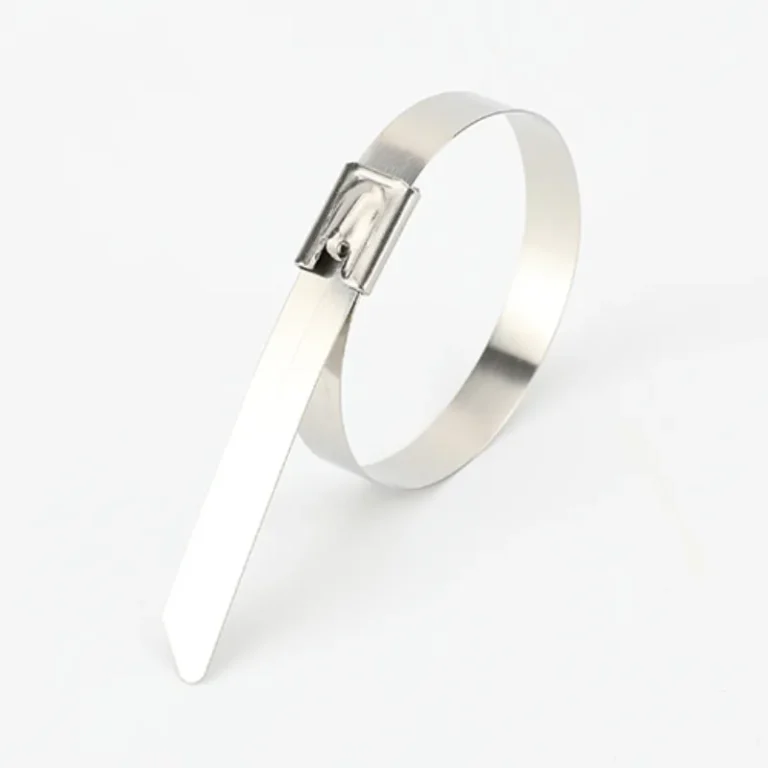
Uncoated Ball Lock Stainless Steel Cable Tie
Uncoated stainless steel tieA ball-lock metal tie for demanding outdoor and industrial fastening duties.
- Material family
- Stainless steel
- Design
- Ball Lock
- Finish
- Uncoated
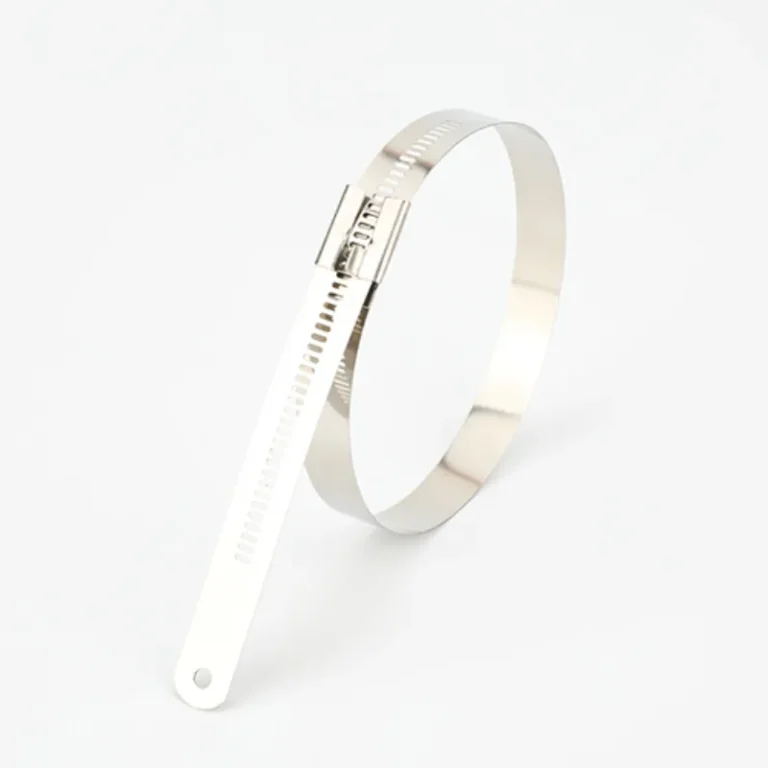
Ladder Single Lock Stainless Steel Cable Tie
Uncoated stainless steel tieA ladder-style metal tie selected by locking structure and installation method.
- Material family
- Stainless steel
- Design
- Ladder Single Lock
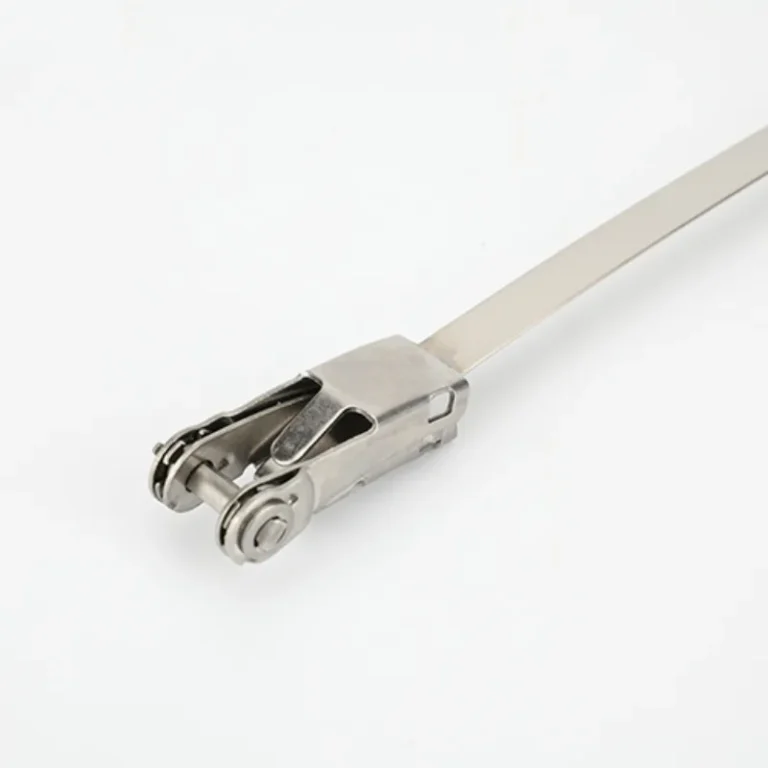
Ratchet Lock Stainless Steel Cable Ties
Uncoated stainless steel tieA ratchet-lock construction for projects requiring that specific locking behavior.
- Material family
- Stainless steel
- Design
- Ratchet Lock
Coated & Releasable Stainless Steel Ties
Coated contact surfaces and alternative locking behavior for defined installation needs.
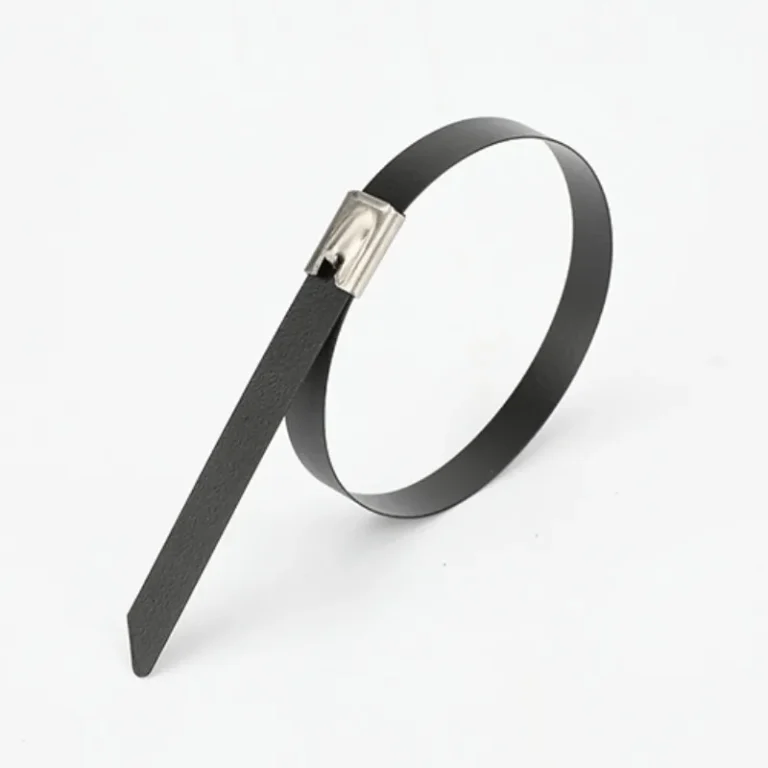
PVC coated Ball Lock Stainless Steel Cable Tie
Coated or releasable stainless tieA coated metal tie where the specified surface layer suits the cable and environment.
- Material family
- Stainless steel
- Design
- Ball Lock
- Finish
- Pvc Coated

Polyester coated Ball Lock Stainless Steel Cable Tie
Coated or releasable stainless tieA polyester-coated direction for defined contact and environmental requirements.
- Material family
- Stainless steel
- Design
- Ball Lock
- Finish
- Polyester Coated
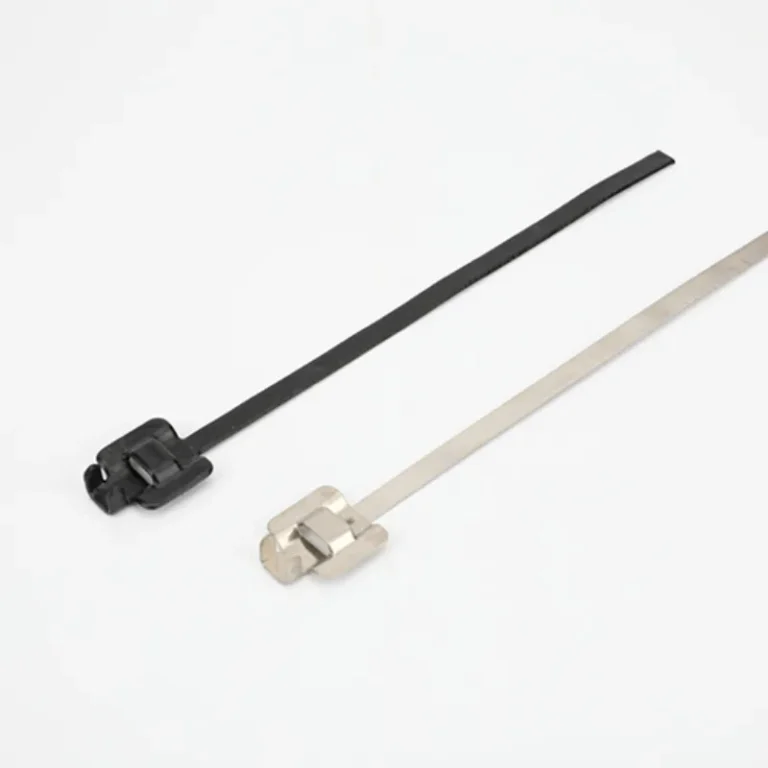
Releasable Stainless Steel Cable Ties
Coated or releasable stainless tieA stainless construction for projects that also require release or later adjustment.
- Material family
- Stainless steel
- Design
- Releasable
Nylon or stainless steel?
Choose from the installation conditions, not from material name alone.
| Selection condition | Start with nylon | Evaluate stainless steel |
|---|---|---|
| Routine installation | General bundling, varied mounting styles and fast manual installation. | When the required retention or permanence exceeds the verified nylon option. |
| Outdoor & UV exposure | Only when the exact material and UV characteristics are suitable. | For exposed duty after confirming grade, construction and installation method. |
| Heat, chemicals & corrosion | Use the model-specific temperature and chemical-resistance data. | Evaluate grade and coating against the actual temperature and corrosive media. |
| Access & maintenance | Releasable designs support adjustment where the model permits reuse. | Confirm whether a releasable lock or installation tool is required. |
The exact product specification determines suitability. Material family alone is not a performance guarantee.
Route the application to a product direction.
Each environment changes the material, locking, mounting and verification priorities.
Electrical panels & cabinets
Prioritize bundle fit, routing control, mounting method and repeatable installation.
Nylon · push-mount · screw-mountWiring harnesses & machinery
Confirm bundle geometry, adjustment needs, vibration and production tooling.
Self-locking · releasable · specialty nylonSolar, telecom & exposed routing
Check UV, temperature, weather exposure and long-term retention by model.
Verified nylon · coated or uncoated steelMarine & corrosive environments
Match stainless grade, coating, cable contact and locking method to the site.
Stainless steel · coated steelBuild a cable tie RFQ that can be matched to a model.
Send what is known. VIOX can identify the remaining product, document or packaging details before quotation.
Send your cable tie specification- ApplicationWhere and how the bundle is installed
- TypeLocking and mounting preference
- MaterialNylon, stainless grade or coating
- DimensionsWidth, length and bundle diameter
- PerformanceHolding or tensile requirement
- EnvironmentTemperature, UV, chemical or corrosion exposure
- OrderQuantity, packaging, label and OEM needs
- DocumentsTarget market and required evidence
Cable Tie Knowledge & Selection Guides
All articles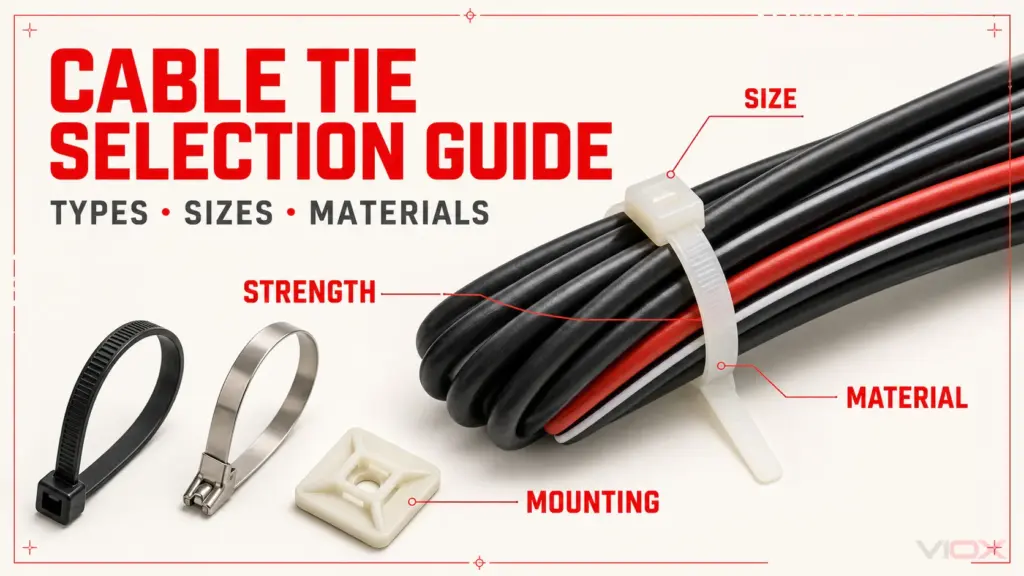 Selection & Sizing
Cable Tie Selection Guide: Types, Sizes & Materials
Cable Tie Selection Questions
Quick answers for comparing cable tie materials, dimensions and ordering requirements before final model confirmation.
How do I choose the correct cable tie size?
Measure the finished bundle diameter first, then choose a product whose published bundle range, width and usable length fit the installation without undersizing the tie.
Should I choose nylon or stainless steel?
Start with the actual temperature, UV, chemical, corrosion and holding requirements. Nylon suits many routine installations; evaluate stainless steel when the verified limits of the selected nylon model are not sufficient.
What information is required for a cable tie quotation?
Provide the application, bundle diameter, material, width and length, holding requirement, environment, quantity, packaging and any model-specific document or OEM requirement.
Send Your Cable Tie Requirements.
Get a Model-Specific Recommendation.
Share the application, bundle diameter, preferred material, size, holding requirement, environment and order quantity. VIOX will use these inputs to identify a suitable product direction and confirm the exact model data.
Request Cable Tie Support