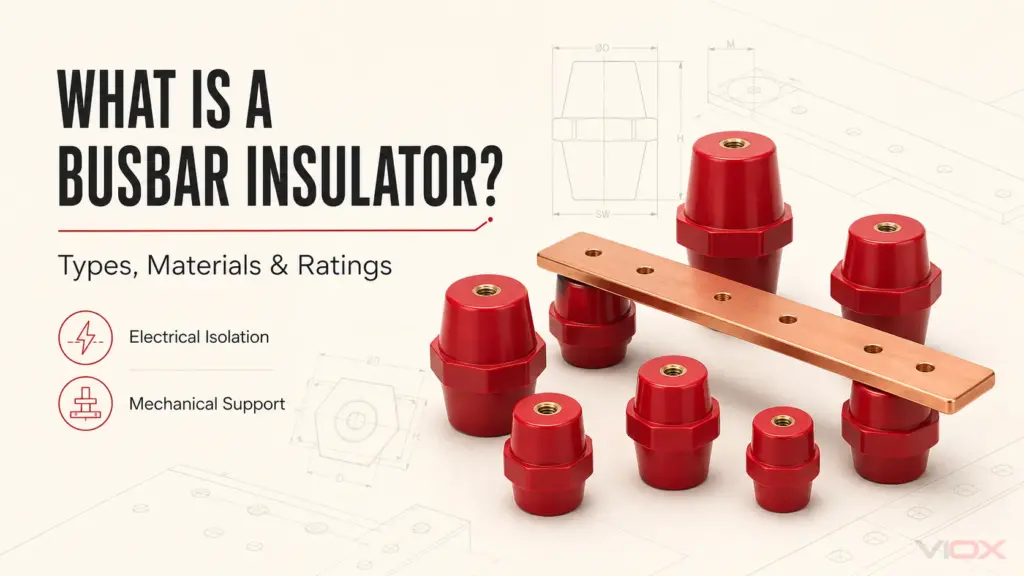
⎯⎯ Busbar Insulator

Busbar Insulator

VIOX busbar insulator products are designed for switchgear, panelboards, distribution cabinets, industrial control assemblies, solar and DC systems, and custom busbar support layouts. The range covers low-voltage and high-voltage busbar support insulators, stand-off insulators, clamp-related types, and epoxy resin support models selected for electrical isolation, mechanical support, and practical installation fit.


Certified By

⎯⎯ Overview

What is a busbar insulator and where is it used?

A busbar insulator is an insulating support component used to hold copper or aluminum busbars in position while separating them from the panel body, mounting plate, adjacent conductive parts, and grounded metal structure. It combines electrical insulation with mechanical support, helping maintain safe clearance and creepage distance in switchgear, panelboards, distribution cabinets, inverter assemblies, battery or DC cabinets, and other power distribution equipment.

Electrical Isolation

Busbar insulators prevent the busbar from contacting grounded metal parts or nearby live conductors. By maintaining clearance and creepage distance, they support safer operation inside compact electrical assemblies where exposed conductive bars must remain electrically separated.

Mechanical Support

In addition to insulation, the insulator keeps the busbar fixed in the required position, supports mechanical load, and helps the assembly remain stable during installation, normal operation, vibration, and servicing.

Where It Is Used

Busbar insulators are commonly used in switchgear, switchboards, panelboards, MCCs, distribution cabinets, inverter cabinets, solar and DC systems, battery energy storage equipment, and custom electrical assemblies that require both rigid busbar support and reliable insulation.

Busbar Support & Stepped Insulators

Secure and insulate your copper or aluminum busbars effectively with our range of standoff and support insulators, tested to hold securely during short circuits.

⎯⎯ Materials and Construction

Busbar insulator materials influence insulation performance, strength, and application fit

DMC material
Busbar Insulator Complete specifications_

DMC and BMC-Based Types

DMC and BMC-based molded support insulators are widely used in low-voltage electrical equipment because they combine mechanical strength, electrical insulation, and stable performance for standard indoor distribution applications.

Epoxy Resin Support Types

Epoxy resin support insulators are often selected for higher-voltage or higher-insulation applications where rigid structure, stronger dielectric performance, and demanding clearance requirements matter more.

Insert and Mounting Details

Insert type, thread size, body shape, and support height all affect installation compatibility, assembly stability, and long-term fit inside switchgear and panel layouts.

⎯⎯ Series Snapshot

How busbar insulator series are commonly compared in real purchasing work

Core Low-Voltage Series

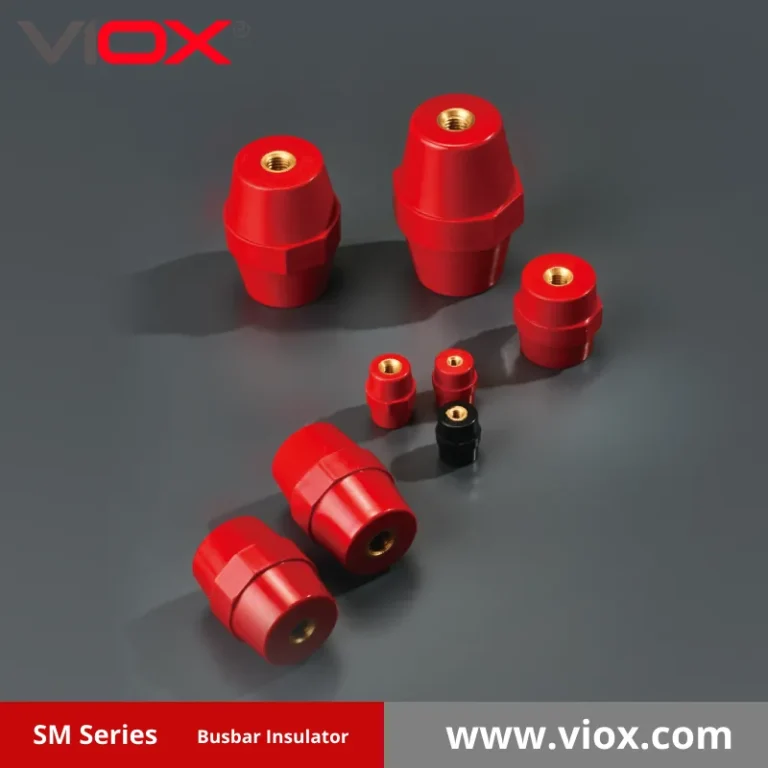
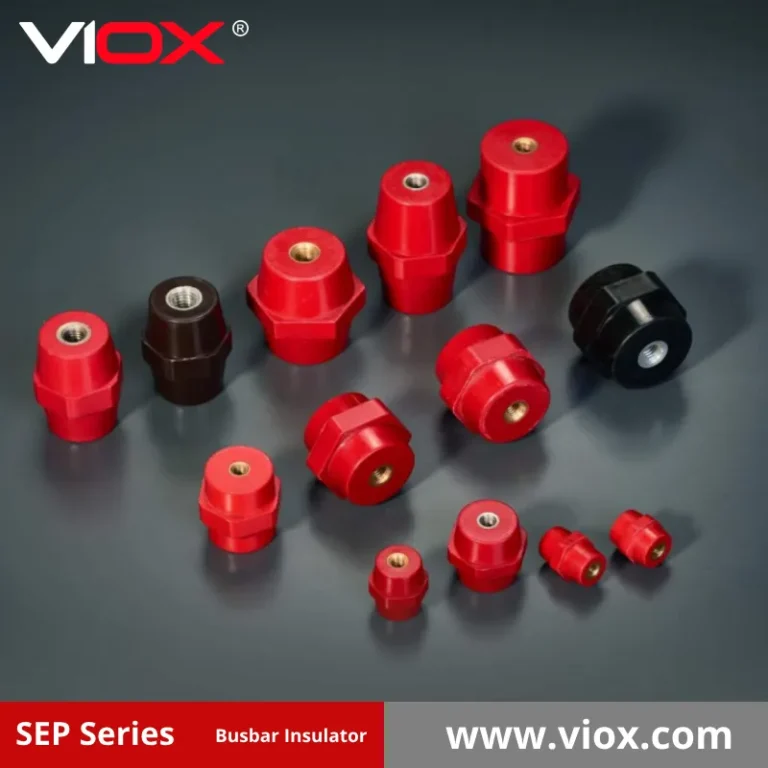
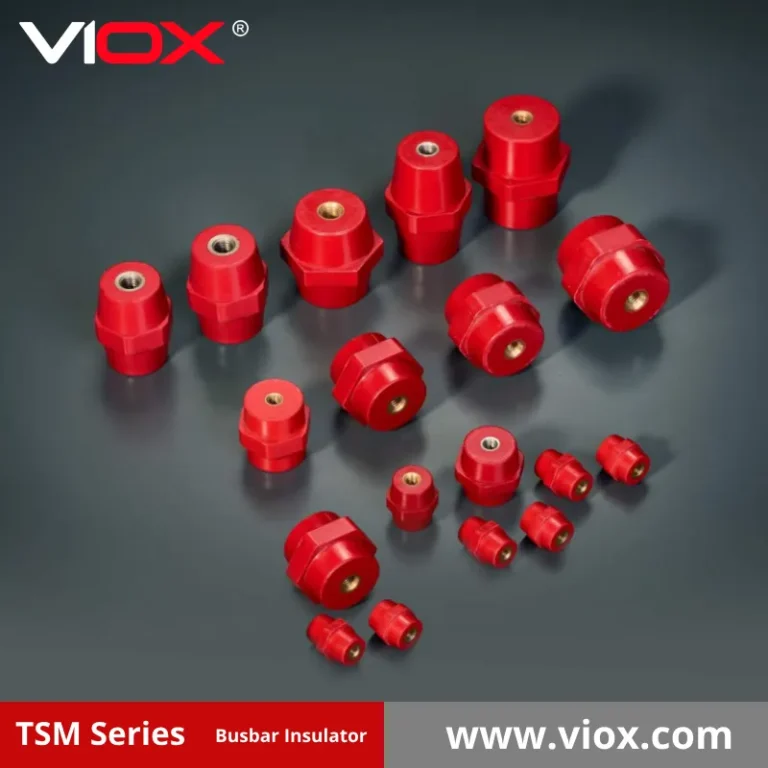
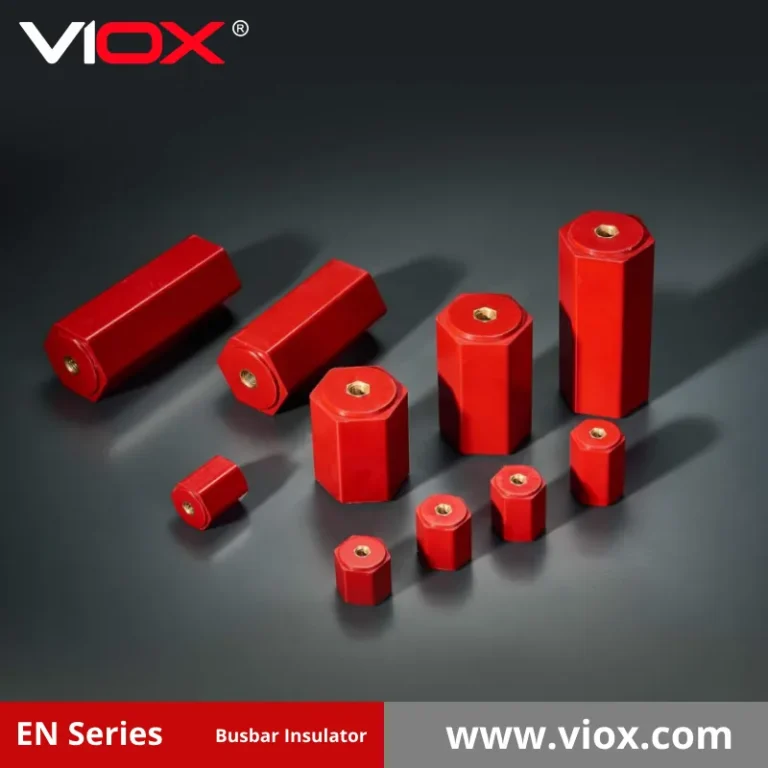
SM, SEP, TSM, EN, and SE are common starting points for standard molded busbar support selection in low-voltage distribution equipment.

Standard Low-Voltage Families

C, MNS, SB, D, 71, and S give buyers more options when comparing compact support formats, alternate molded shapes, and standard panel layouts.

Extended and Stand-Off Options

JYZ, P, T, and SM-B are often chosen for alternate layouts, stand-off direction, or project-specific low-voltage support requirements.

High-Voltage Support

EL high-voltage and epoxy resin support types are reviewed when the application moves into higher insulation demand, larger clearance, and stronger support performance.

⎯⎯ Dimensions and Specs

Dimensions and technical details that usually decide the shortlist

Spec Area Typical Buyer Focus Related Product Direction
Height Support height, clearance, compact layout fit SM, D, 71, S, and other low-voltage molded support series
Screw and Insert Thread size, insert depth, mounting compatibility Support and stand-off families with brass or metal insert options
Mechanical Strength Tensile support, torque resistance, assembly stability Critical in switchgear, panelboards, and vibration-sensitive layouts
Voltage Withstand Insulation requirement and electrical environment Low-voltage molded support types and high-voltage epoxy resin support types
Material DMC, BMC, or epoxy resin direction Chosen according to insulation level, heat performance, and application conditions
Temperature and Environment Panel heat, humidity, contamination, indoor or demanding electrical environment Important for long-term reliability and model-family matching
Comparison Point Typical Options Selection Effect
Body Shape Cylindrical, hexagonal, stepped, clamp-related, bracket-related Changes tool access, mounting convenience, and fit inside dense cabinet layouts.
Insert Style Male-to-male, male-to-female, female-to-female, mixed support formats Directly affects hardware choice, busbar stacking logic, and assembly sequence.
Support Height Compact, medium, or extended stand-off height depending on series Determines spacing, clearance, and how the busbar route fits the equipment layout.
Thread Size Varies by model family and support direction Needs to match the fastening plan to avoid rework during production or field assembly.
Material Family DMC, BMC, or epoxy resin support construction Influences thermal fit, insulation performance, and the most suitable application range.

Low-Voltage Range Logic

Low-voltage busbar support families are usually selected by mounting height, insert size, panel space, and the overall structure of the assembly.

High-Voltage Range Logic

High-voltage support types are more closely tied to insulation demand, resin construction, and larger clearance requirements.

Specification Review

When buyers provide target dimensions, voltage class, insert requirement, and mounting details together, product matching becomes faster and more accurate.

⎯⎯ Selection

How to select the right busbar insulator

Selection Factor What To Check Why It Matters
Voltage Class Low-voltage or high-voltage project requirement Determines insulation level, clearance expectations, and suitable model families.
Mechanical Load Busbar weight, assembly stress, mounting rigidity Support insulators must handle both electrical isolation and physical support duties.
Height and Clearance Panel space, creepage, clearance, layout spacing Correct support height protects system safety and installation practicality.
Thread and Insert Type Male, female, mixed, bracketed, clamp-style, stepped Mounting mismatch slows assembly and creates avoidable RFQ back-and-forth.
Material Direction DMC/BMC-style molded body or epoxy resin support type Material choice affects thermal behavior, environment fit, and insulation performance.
Environment Indoor panel, heat, humidity, contamination, project conditions Application environment changes how buyers judge long-term reliability.

⎯⎯ Applications

Typical applications for busbar insulators

Switchgear

Support and isolate busbars inside switchgear assemblies where spacing, short-circuit resistance, and electrical safety are critical.

Panel Building

Used in panelboards, distribution boards, and industrial control cabinets where clean busbar routing and support stability are important.

Solar and DC Systems

Useful in combiner boxes, inverter-related assemblies, battery or DC cabinets, and other DC power distribution structures.

Custom Assemblies

Applied where buyers need custom stand-off brackets, alternate supports, or project-specific busbar mounting details.

⎯⎯ Installation Notes

Installation details often checked before final model confirmation

Before Installation

During Assembly

⎯⎯ RFQ Checklist

Quotation details that help VIOX recommend the right busbar insulator faster

Application

Switchgear, panelboard, distribution cabinet, solar or DC assembly, or custom equipment layout.

Electrical Need

Voltage class, insulation direction, and whether the project belongs to a low-voltage or high-voltage application.

Mounting Detail

Required height, insert or thread size, footprint, and whether the project needs support, stand-off, clamp, stepped, or bracket style.

Commercial Detail

Target quantity, preferred series if known, drawings or photos, and delivery expectation for sampling or production.

⎯⎯ Fit Guide

Busbar insulator, support insulator, and stand-off insulator terms

Busbar Insulator

The broadest category phrase, commonly used for the overall family of products that support and isolate busbars across low-voltage and high-voltage designs.

Busbar Support Insulator

High-voltage support types are more closely tied to insulation demand, resin construction, and larger clearance requirements.

Stand-Off Insulator

Often used when the buyer is focused on mounting height, support spacing, bracket configuration, or stand-off geometry.

Male to Female Hexagonal Insulator

Single-pole flat-mounted - 16 mm to 60 mm in height

Male to Male Hexagonal Insulator

Single-pole flat-mounted - 16 mm to 60 mm in height

Female to Female Hexagonal Insulator

Single-pole flat-mounted - Height of 20 mm to 70 mm

⎯⎯ Workshop

VIOX Busbar Insulator Technical Workshop​

VIOX busbar workshop
viox busbar workshop 2
busbar manufacturing
busbar manufacturing process 01
busbar manufacturing 2
viox busbar manufactruing3
busbar manufactuing 4
busbar warehouse

⎯⎯ FAQ

Frequently asked questions about busbar insulators

A busbar insulator is used to support and electrically isolate busbars in switchgear, panels, distribution boards, inverter cabinets, and other power distribution equipment where both insulation and mechanical support are required.
Buyers usually compare voltage class, height, mechanical load, thread or insert style, material direction, and application environment. If the project includes a drawing or busbar layout, selection becomes much faster and more accurate.
That depends on the insulation demand of the system and the installation environment. Low-voltage models are commonly used in panel and switchboard assemblies, while epoxy resin and high-voltage support types fit projects needing higher insulation performance and larger clearances.
Yes. Custom projects are easier to review when the buyer provides voltage requirement, dimensions, mounting style, material preference, photos or drawings, and estimated quantity.
The most helpful RFQs usually include application, voltage class, support height, insert or thread requirement, preferred model family if known, quantity, and any drawing or reference photo.

⎯⎯ Next Step

Need the right busbar insulator for your panel, switchgear, or electrical assembly?

Send your target voltage class, required dimensions, insert or thread type, application, drawing or photo, and quantity. VIOX can help shortlist the most suitable busbar support insulator series or review a custom stand-off support request.

Tell Us Your Requirement

Ask for Quote Now

Ask for Quote Now