ブログ

ブログのカテゴリー

Electrical Enclosure vs distribution box vs distribution board

電気エンクロージャー vs 配電ボックス vs 配電盤

Electrical enclosures, distribution boxes, and distribution boards are essential components in electrical systems, each serving distinct functions and applications. Understanding their differences is crucial for selecting the appropriate equipment for specific needs. Electrical Enclosure An electrical enclosure is a general term that refers to any structure designed to protect electrical equipment from environmental factors such as dust, moisture, and physical damage. These enclosures can vary widely in size and complexity and are used in various applications, including residential, commercial, and industrial settings. Key Features: Protection: Shields electrical components from environmental hazards. Material: Commonly made from metal or plastic. Applications: Used in various settings, including homes, factories, and outdoor installations. Distribution […]

電気エンクロージャー vs 配電ボックス vs 配電盤 続きを読む »

Ready Boards vs. Traditional Distribution Boards

レディ・ボードと従来の分電盤の比較

Ready Boards and traditional electrical distribution boards offer distinct approaches to power distribution, with Ready Boards providing quick, compact solutions for basic needs, while traditional boards cater to more complex electrical demands in diverse settings. Ready Boards Overview VIOX Ready Board Ready Boards are pre-wired, compact electrical distribution units designed for quick installation in residential or community settings. These low-voltage distribution devices come fully assembled with essential components such as sockets, switches, and lamp holders, requiring only a connection to an earthing system for safety. Their design is particularly suited for areas with limited infrastructure, allowing for rapid deployment of electrical access, especially in temporary housing or developing regions. Key

レディ・ボードと従来の分電盤の比較 続きを読む »

誘導型センサーと容量型センサーの比較

Inductive and capacitive sensors are essential components in industrial automation, each designed for specific detection tasks based on their unique operating principles. Inductive sensors are ideal for detecting metallic objects by generating an electromagnetic field, while capacitive sensors can detect a wide range of materials, including non-metallic ones, by sensing changes in capacitance within an electrostatic field. Inductive Sensor Features Inductive sensors excel in detecting metallic objects without physical contact, utilizing an electromagnetic field generated by an internal coil. These devices can detect ferrous metals at distances up to 80 millimeters, with reduced ranges for non-ferrous materials like brass and aluminum. Key components include: Sensor face, body, indicator light, and

誘導型センサーと容量型センサーの比較 続きを読む »

4線式近接センサー配線図

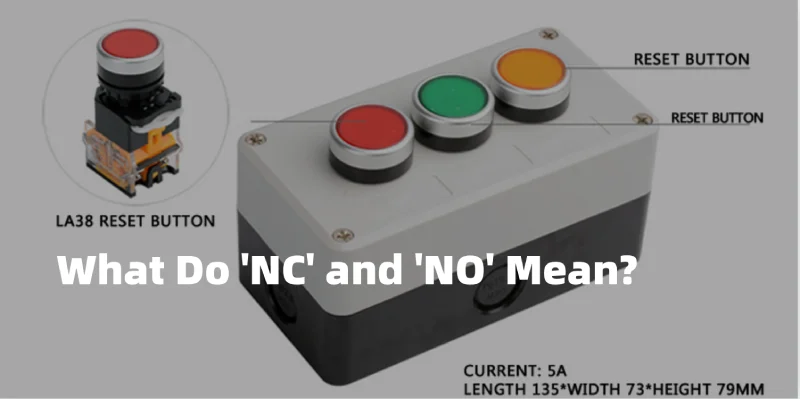
NPN 4-wire proximity switches are versatile sensors used in industrial automation for detecting objects without physical contact, featuring dual-channel outputs that provide both Normally Open (NO) and Normally Closed (NC) signals simultaneously, enhancing their flexibility and diagnostic capabilities in control systems. Definition and Functionality These specialized sensors utilize four wires for operation: two for power supply (positive voltage and ground) and two for output signals (Normally Open and Normally Closed). The dual-channel output configuration allows for simultaneous transmission of both NO and NC signals, enhancing the sensor’s flexibility in control systems. This complementary output design aids in diagnostics by indicating potential malfunctions if both outputs fail to operate as expected.

4線式近接センサー配線図 続きを読む »

NPN vs PNP Proximity Sensors

NPN対PNP近接センサ

PNP and NPN proximity sensors, essential components in automation and control systems, differ primarily in their output configuration and wiring, with PNP sensors sourcing current and NPN sensors sinking current when activated. VIOX Proximity Sensors PNP vs NPN Sensors PNP and NPN sensors, also known as sourcing and sinking sensors respectively, are two distinct types of proximity sensors used in industrial applications. The key difference lies in their internal circuit design and transistor types. PNP sensors output a high-level signal when activated, connecting the signal terminal to the positive supply, while NPN sensors provide a low-level or ground signal upon activation. This fundamental distinction affects how these sensors interact with

NPN対PNP近接センサ 続きを読む »

types of proximity sensors

12V近接センサー

12 volt proximity sensor  is versatile device used to detect nearby objects without physical contact, finding applications in industrial automation, robotics, automotive systems, and home automation due to their reliability and ease of integration. Types of Proximity Sensor Proximity sensors come in several varieties, each utilizing different technologies to detect nearby objects: Inductive sensors: Use electromagnetic fields to detect metallic objects, offering robustness in harsh environments with sensing distances up to 10mm for M24 models. Capacitive sensors: Can detect both metallic and non-metallic objects by measuring changes in capacitance, making them versatile for various applications. Ultrasonic sensors: Employ sound waves to detect objects at a distance, effective for both solid

12V近接センサー 続きを読む »

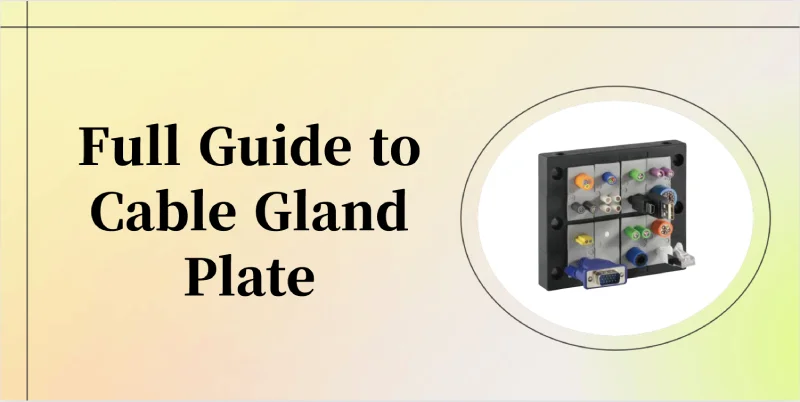
防水ケーブルグランド主な特徴と用途

Watertight cable glands are essential components in electrical installations, providing secure and waterproof connections for cables entering enclosures, with most rated IP68 for protection against water immersion and environmental contaminants. VIOX Watertight Cable gland Key Features Overview Watertight cable gland offers robust protection against environmental factors, with most models boasting an IP68 rating for superior water and dust resistance. Typically crafted from durable materials such as brass, stainless steel, or nylon, each material provides unique advantages in terms of corrosion resistance, strength, and weight. Available in various sizes, from PG7 to PG63, the watertight cable gland accommodates a wide range of cable diameters, ensuring versatility across different applications. For instance,

防水ケーブルグランド主な特徴と用途 続きを読む »

ニッケルメッキ真鍮ケーブルグランド完全ガイド

Nickel-plated brass cable glands are essential components in electrical systems, providing secure cable entry points and protection against environmental factors in various industrial, marine, and hazardous applications. These versatile devices offer excellent corrosion resistance, durability, and customization options, making them a preferred choice for ensuring safe and reliable electrical connections in demanding environments. VIOX Nickel Plated Brass Cable Gland Material Composition and Protection Composed of a brass base, an alloy of copper and zinc known for its excellent mechanical properties, these cable glands are enhanced with a nickel plating that significantly boosts their resistance to corrosion, wear, and environmental factors. The nickel coating not only provides superior protection against moisture,

ニッケルメッキ真鍮ケーブルグランド完全ガイド 続きを読む »

ハブキャップにケーブルタイを付ける理由

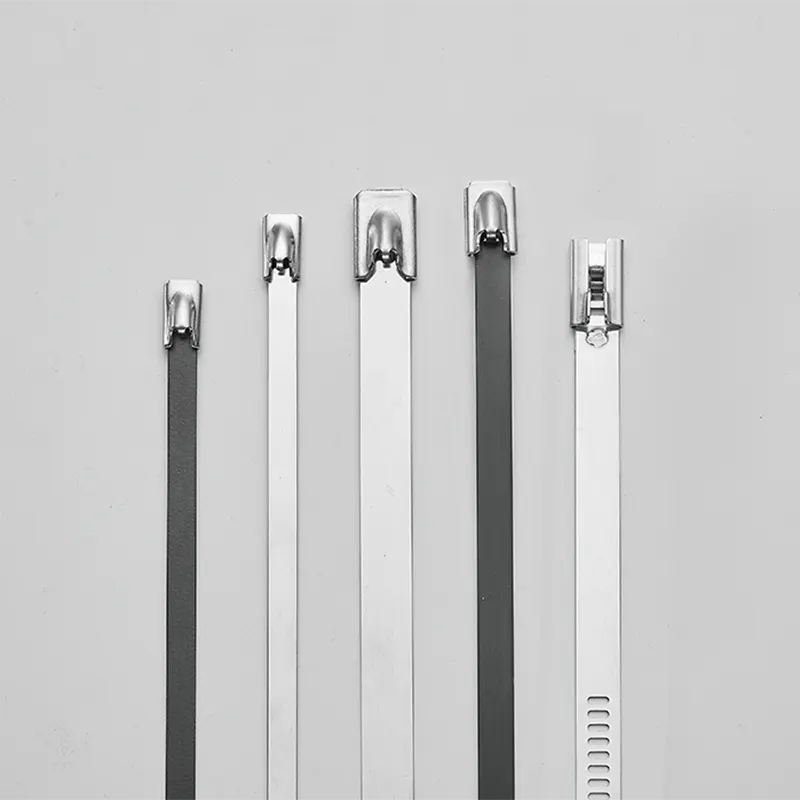
Cable ties offer a simple and cost-effective solution for securing hubcaps to car wheels, preventing loss due to road conditions and deterring theft. As reported by Just Cable Ties and GTSE, this method involves threading one or two cable ties through the holes in the hubcap and wheel, providing a secure attachment that can be easily implemented and removed when necessary. VIOX Cable ties is the perfect choice for Hubcap Preventing Hubcap Loss Securing hubcaps with cable ties effectively prevents them from becoming dislodged due to challenging road conditions such as potholes or curbs. This method is particularly useful for hubcaps that may be poorly designed or improperly fitted, which

ハブキャップにケーブルタイを付ける理由 続きを読む »

low profile cable ties

ロープロファイルケーブルタイとは何ですか

Low profile cable ties are specialized fasteners designed to secure cables and wires while minimizing protrusion and enhancing safety, featuring a compact head and a flat tail that reduces snagging and injury risks in tight spaces. VIOX Low Profile Cable Ties Compact Design Features The compact design of low profile cable ties offers several key features that set them apart from traditional fasteners: Contoured, space-saving head that reduces protrusions in confined areas Tail that lays flat when cut, protecting users and surrounding components Snag-resistant profile to minimize abrasion in tight spaces Easy installation using side cutters or standard tools Insertion angle that allows the tie to lock parallel to its

ロープロファイルケーブルタイとは何ですか 続きを読む »

今すぐ見積もりを依頼する