2025年12月

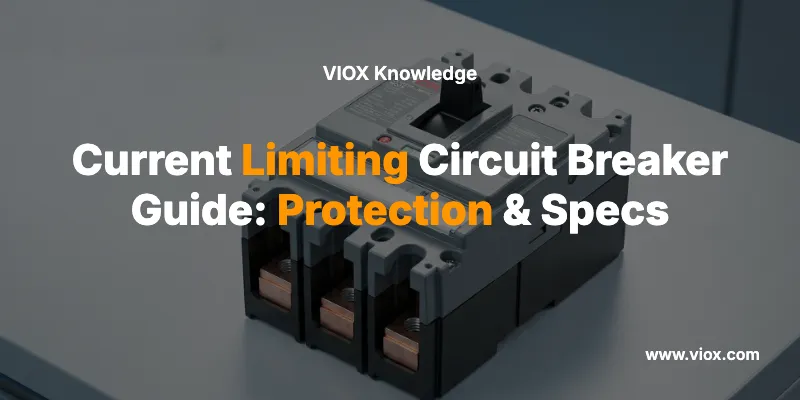
Current Limiting Circuit Breaker Guide: Protection & Specs

電流制限回路ブレーカーのガイド:保護&スペック

Figure 1: Current limiting circuit breakers protect electrical systems by interrupting fault currents before they reach destructive peak values. VIOX Electric manufactures current-limiting MCCBs engineered to IEC 60947-2 and UL 489 standards.   In modern electrical systems, short-circuit faults can release devastating amounts of energy in milliseconds. A prospective fault current of 50,000 amperes generates magnetic forces powerful enough to bend busbars, thermal energy intense enough to vaporize copper conductors, and arc flash hazards that endanger personnel. Yet most of this destruction is preventable. Current limiting circuit breakers represent a fundamental advancement in circuit protection technology. Unlike conventional breakers that interrupt faults at the natural zero crossing of the AC […]

電流制限回路ブレーカーのガイド:保護&スペック 続きを読む »
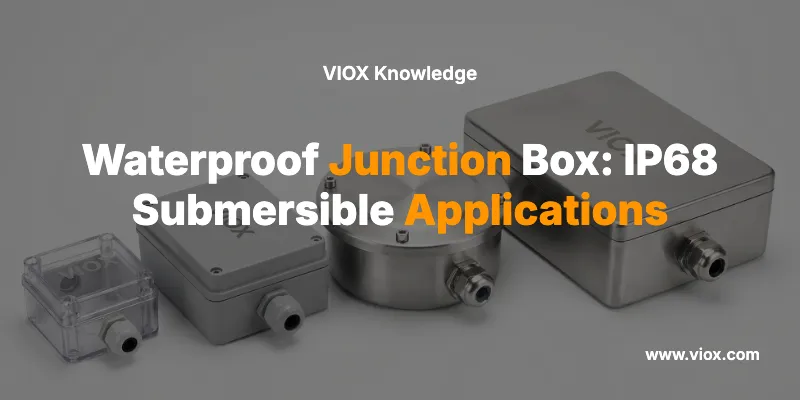
Waterproof Junction Box: IP68 Submersible Applications

防水接続箱:IP68防浸型アプリケーション

In underwater lighting, pool equipment, and marine engineering applications, electrical connection points must withstand continuous submersion environments. Standard splash-proof junction boxes cannot meet these demanding requirements—only IP68 waterproof junction boxes provide true submersible protection. However, the “IP68” label has become ubiquitous in the market, and many procurement managers and engineers misunderstand its true meaning. IP68 is not a single standard but a protection rating with test parameters defined by the manufacturer. Selecting the wrong product can lead to water ingress, equipment damage, and safety hazards. This article, based on IEC 60529 standards and NEC code requirements, systematically explains the technical requirements, application scenarios, and selection criteria for IP68 waterproof junction

防水接続箱:IP68防浸型アプリケーション 続きを読む »

Single-Break vs. Double-Break MCCB: Performance & Selection Guide

単断 vs 複断 MCCB:性能と選定ガイド

When specifying molded case circuit breakers (MCCBs) for industrial or commercial installations, you’ll encounter two fundamental contact design approaches: single-break and double-break configurations. The distinction isn’t merely technical jargon—it affects how the breaker interrupts fault currents, influences breaking capacity ratings, and determines which applications each design serves best. Both technologies comply with IEC 60947-2 standards and deliver reliable protection when properly specified. The question isn’t which design is universally “better,” but rather which suits your specific fault-current regime, voltage level, and protection requirements. A double-break MCCB excels in high-fault environments where aggressive current limiting matters; a single-break design may offer cost advantages and stable performance in lower-fault applications. This guide

単断 vs 複断 MCCB:性能と選定ガイド 続きを読む »

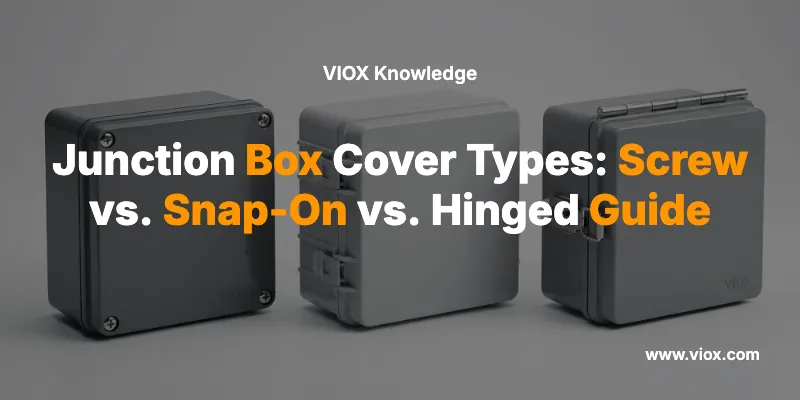
Junction Box Cover Types: Screw vs. Snap-On vs. Hinged Guide

接続箱カバーの種類:ネジ止め式、スナップ式、ヒンジ式ガイド

The 60-Second Decision That Affects Every Maintenance Call You’re standing in the electrical aisle, comparing two junction boxes with identical specs—same IP rating, same dimensions, same price point. The only difference? One has a screw-on cover, the other a snap-on lid. You grab the screw version, figuring “more secure is better.” Six months later, your maintenance team is on-site troubleshooting a sensor connection. The technician pulls out a screwdriver, removes four cover screws (two minutes), diagnoses the issue (thirty seconds), retrieves the screws from his pocket where he stashed them (another twenty seconds), and reinstalls the cover (two more minutes). Total time: nearly five minutes. Multiply that by twenty inspection

接続箱カバーの種類:ネジ止め式、スナップ式、ヒンジ式ガイド 続きを読む »

Combiner Box Supplier: How to Choose a Reliable Manufacturer

コンバイナボックスサプライヤー:信頼できるメーカーの選び方

Introduction: When Your Supplier Becomes Your Biggest Project Risk A utility-scale solar developer in Texas learned a costly lesson in 2023. Six months into a 50MW project, their combiner boxes started failing—fuses blowing prematurely, terminals overheating, and enclosure seals letting in moisture. The root cause? A supplier who claimed UL 1741 certification but couldn’t provide verification evidence, used non-PV-rated protective devices, and had no temperature-rise verification for the assembled configurations. The result: three-month project delay, $280,000 in replacement costs, and strained relationships with the EPC contractor and asset owner. Choosing a combiner box supplier isn’t about finding the lowest bid. It’s a strategic decision that affects project timelines, long-term system

コンバイナボックスサプライヤー:信頼できるメーカーの選び方 続きを読む »

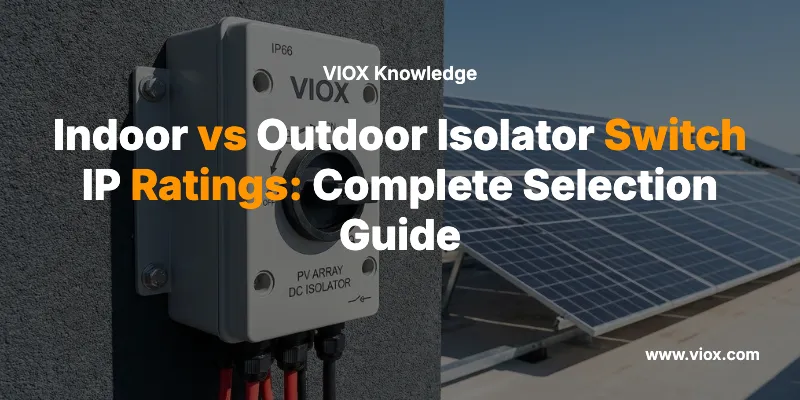
Indoor vs Outdoor Isolator Switch IP Ratings

屋内用と屋外用絶縁開閉器:IP保護等級の要件

Introduction: When IP Rating Matters A solar contractor in Arizona learned an expensive lesson last summer. Three months after commissioning a 500kW commercial rooftop array, the owner called with a problem: half the DC isolator switches had corroded contacts and wouldn’t open. The contractor had specified IP40-rated indoor switches enclosed in NEMA 3R boxes, assuming the external enclosure would provide adequate protection. But desert dust infiltrated through cable entries, and monsoon moisture condensed inside. The result: $12,000 in switch replacements, two weeks of downtime, and a damaged reputation. The isolator’s IP (Ingress Protection) rating isn’t just a catalog specification—it’s the primary determinant of how long your switch survives in its

屋内用と屋外用絶縁開閉器:IP保護等級の要件 続きを読む »

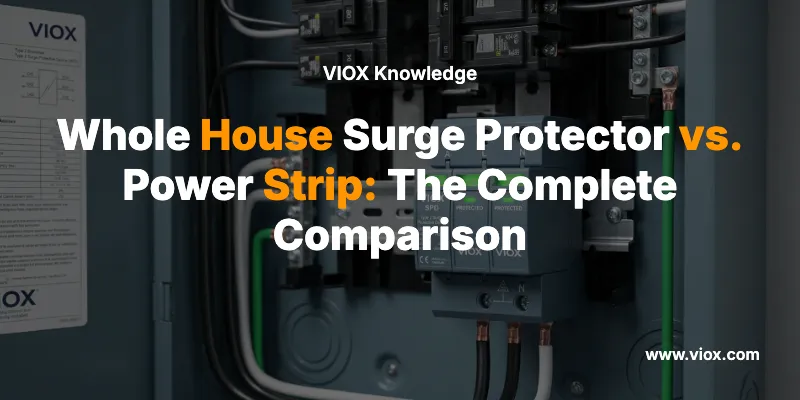
Whole House Surge Protector vs. Power Strip: The Complete Comparison

全住宅用サージプロテクター vs. 電源タップ:完全比較

Your HVAC died last summer. The pool pump burned out two months later. Then your smart home hub wouldn’t boot. Three repairs, $4,200 out of pocket, and the electrician finally said what you’d been missing: “You need surge protection at the panel, not just those power strips.” Most homeowners assume that $30 surge protector strip under the TV is protecting the house. It’s not. It’s protecting six outlets. Your refrigerator, HVAC, well pump, garage door opener, and hardwired smart devices? Completely exposed. Here’s the reality: whole house surge protectors (installed at your electrical panel) and power strip surge protectors (plugged into outlets) serve two different protection zones. Whole house SPDs

全住宅用サージプロテクター vs. 電源タップ:完全比較 続きを読む »

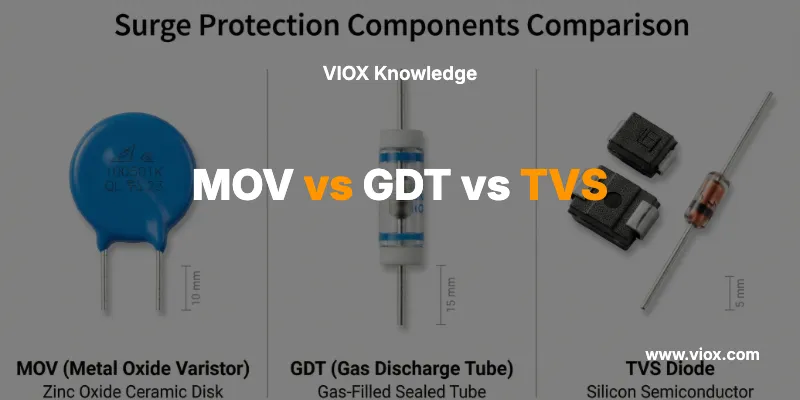
MOV vs GDT vs TVS

MOV vs GDT vs TVS サージプロテクション:技術比較

Introduction When specifying surge protection for electrical systems, engineers face a fundamental choice among three core technologies: Metal Oxide Varistor (MOV), Gas Discharge Tube (GDT), and Transient Voltage Suppressor (TVS) diode. Each technology offers distinct performance characteristics rooted in different physical principles—MOVs harness nonlinear ceramic resistance, GDTs exploit gas ionization, and TVS diodes leverage semiconductor avalanche breakdown. The selection isn’t about finding the “best” technology. Rather, it’s about matching fundamental trade-offs to application requirements. A MOV that excels in AC mains distribution may fail catastrophically on a high-speed data line. A GDT perfect for telecom interfaces would be wrong for a 5V DC supply rail. A TVS diode ideal for

MOV vs GDT vs TVS サージプロテクション:技術比較 続きを読む »

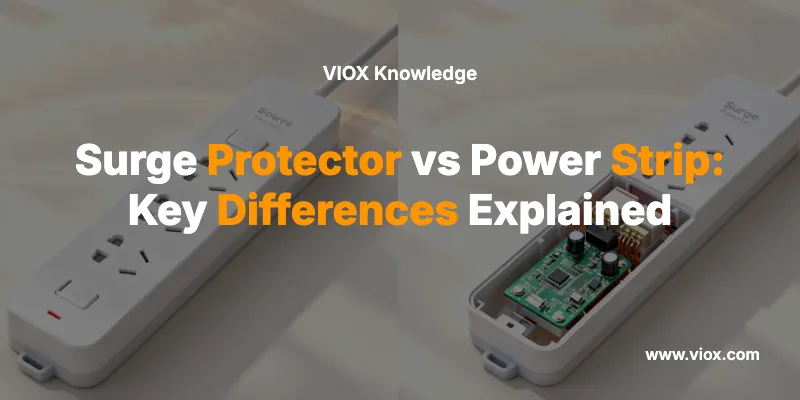
Surge Protector vs Power Strip: Key Differences Explained

サージプロテクターと電源タップ:主な違いの解説

Walk into any electronics store and you’ll see dozens of six-outlet strips. Half say “surge protector” on the box. The other half don’t. The price difference? Maybe $10. The protection difference? Everything. That $15 power strip from the drugstore—the one your $2,400 computer is plugged into—offers zero protection against voltage spikes. And that “surge protector” you bought three years ago? Its metal-oxide varistors (MOVs) probably died after the first major surge, but the green light stayed on. You’ve been unprotected ever since, and you didn’t know it. Here’s how to decode the labels, understand the specs that actually matter (joules, clamping voltage, UL 1449 ratings), and choose the right device

サージプロテクターと電源タップ:主な違いの解説 続きを読む »

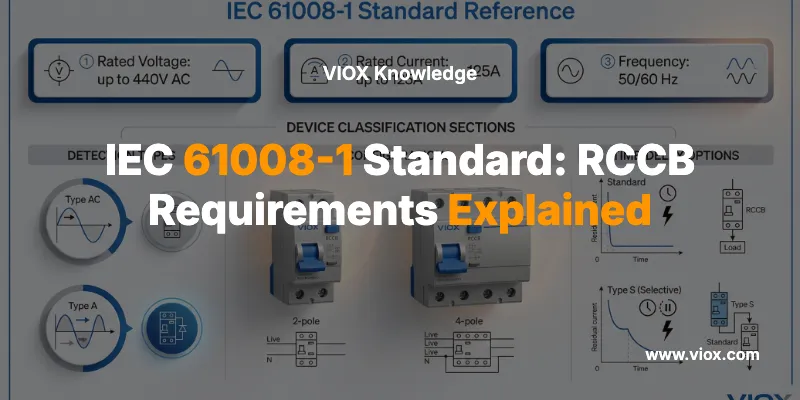
IEC 61008-1 Standard: RCCB Requirements Explained (2025 Guide)

IEC 61008-1規格:RCCB要件の説明(2025年ガイド)

When an electrical engineer stamps a drawing with “IEC 61008-1 compliant RCCBs required,” that single line triggers a chain of technical decisions—rated voltages, sensitivity thresholds, short-circuit coordination, test protocols. For manufacturers submitting devices to certification bodies, IEC 61008-1 represents months of design validation and hundreds of test cycles. For procurement managers evaluating supplier claims, it’s the difference between a genuine certificate and marketing fluff. IEC 61008-1 is the international standard governing residual current operated circuit-breakers (RCCBs) without integral overcurrent protection. First published by the International Electrotechnical Commission, this standard defines the technical requirements, testing procedures, and performance criteria that ensure RCCBs reliably detect ground fault currents and prevent electric shock.

IEC 61008-1規格:RCCB要件の説明(2025年ガイド) 続きを読む »

今すぐ見積もりを依頼する