

در این صفحه
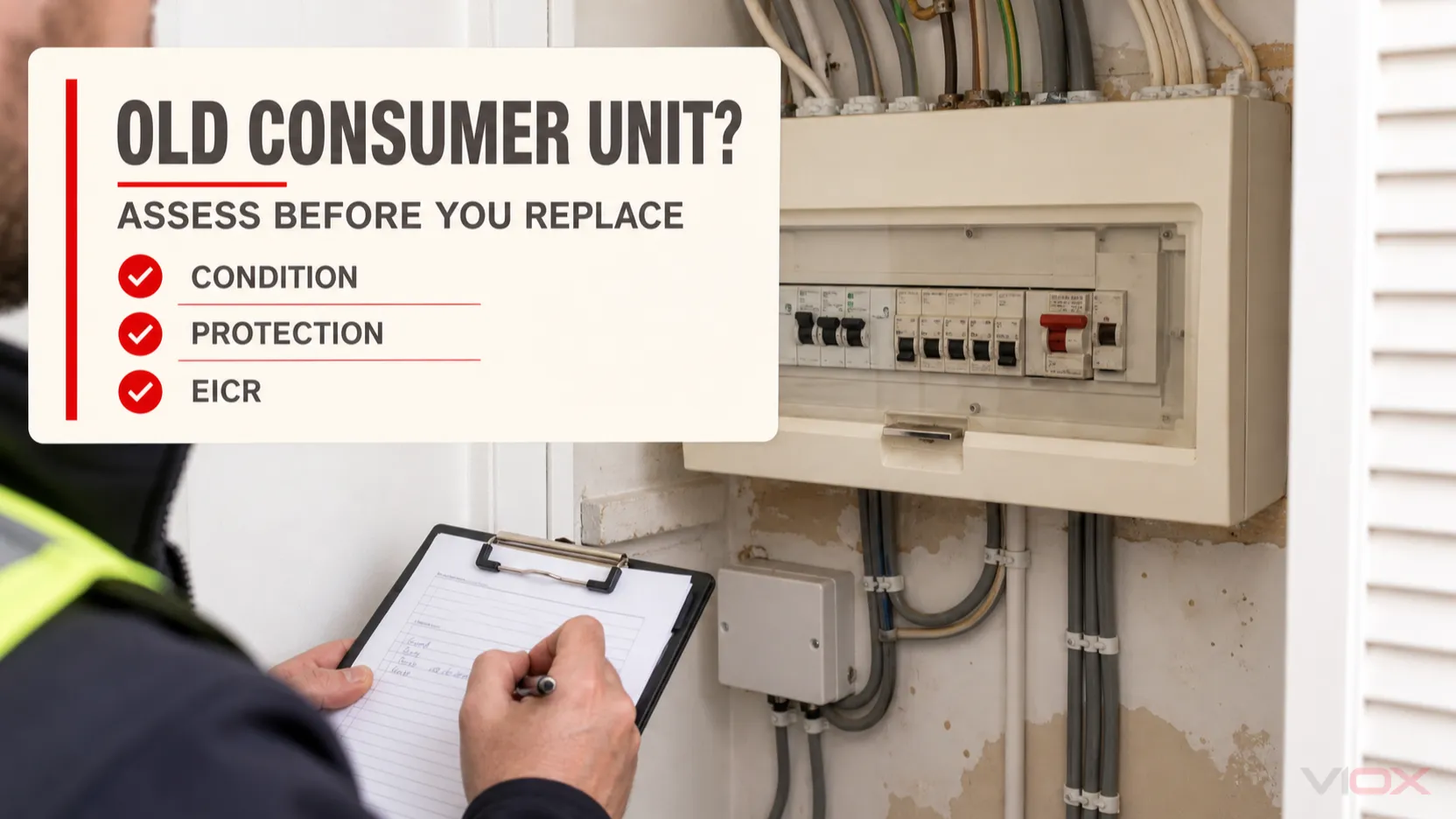
یک تابلوی برق قدیمی صرفاً به دلیل قدمت، بدنه پلاستیکی، فیوزهای قابل تعویض (سیمی) یا نصب بر اساس ویرایشهای قدیمی مقررات سیمکشی بریتانیا، نیازی به تعویض ندارد. تصمیمگیری باید بر اساس وضعیت ظاهری، اقدامات حفاظتی، نتایج تستها، سیمکشی متصل به آن و هرگونه عملیات برقی جدید برنامهریزی شده باشد.
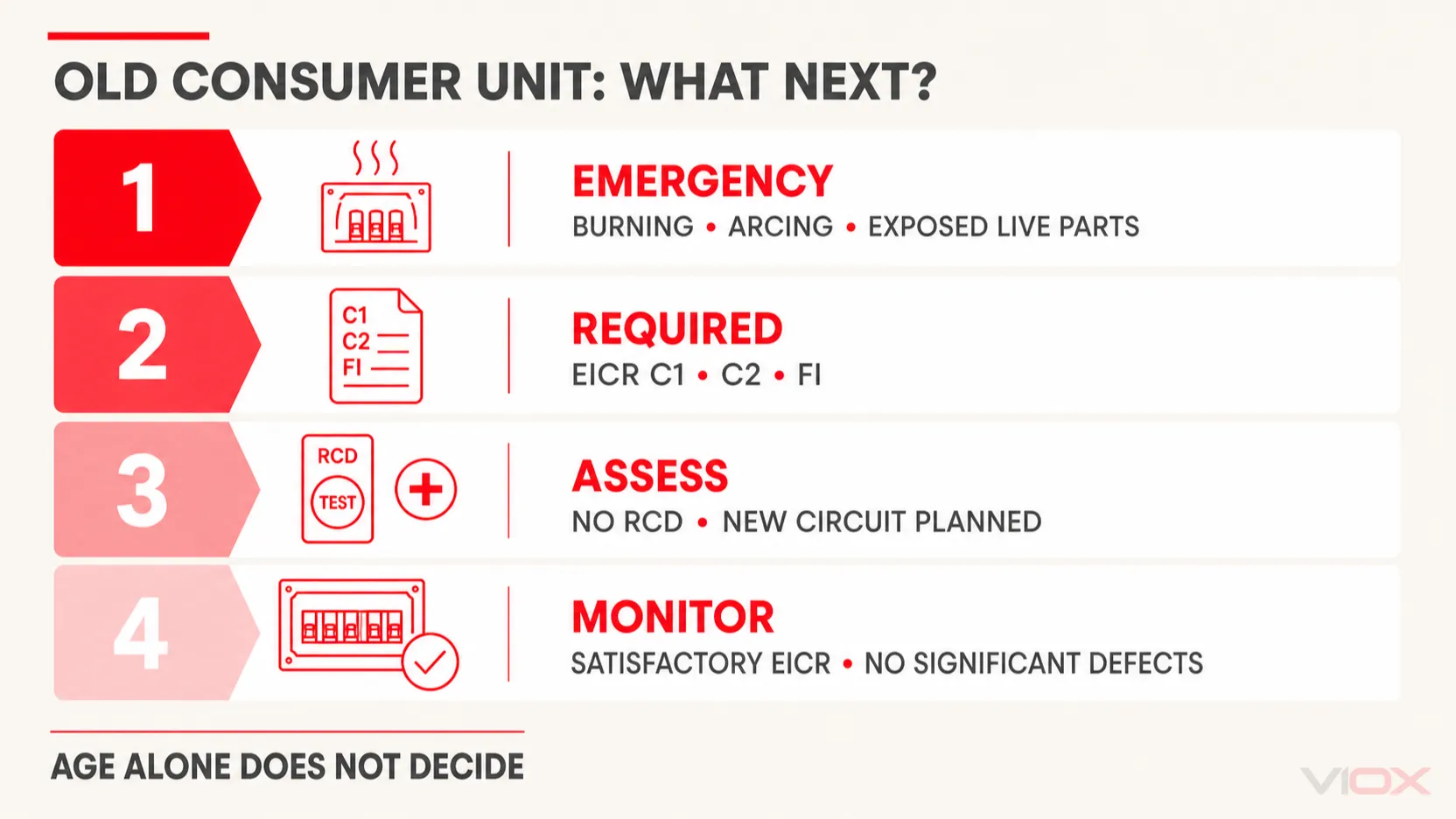
وجود آثار سوختگی، ذوبشدگی، دود، جرقه، قطعات برقدار در دسترس، یا دریافت کد C1 در گزارش وضعیت تاسیسات الکتریکی (EICR) نیازمند اقدام فوری است. مشاهدات با کد C2 یا نیاز به بررسی بیشتر (FI) نیز مستلزم انجام اقدامات اصلاحی یا بررسی دقیقتر هستند. در موارد غیرفوری، گزارش EICR میتواند مشخص کند که آیا جعبه فیوز موجود همچنان ایمن است یا ارتقای آن راهکار عملی محسوب میشود.
هرگز درپوش تابلو را باز نکنید و شخصاً برای بررسیهای داخلی اقدام نکنید. بازرسی و تعویض تابلوی برق باید توسط یک برقکار متخصص انجام شود.
نکات کلیدی
- “قدیمی” بودن لزوماً به معنای ناایمن یا غیرقانونی بودن نیست.
- پلاستیکی بودن تابلوی برق، دلیل خودکار برای تعویض آن نیست.
- وجود فیوزهای قابل تعویض (سیمی) یا فقدان محافظ جریان نشتی (RCD) باید منجر به ارزیابی شود، اما هیچکدام از این موارد به تنهایی ثابت نمیکند که کل تابلو باید تعویض گردد.
- آسیبهای ناشی از حرارت، قطعات برقدار در دسترس، یا مشاهدات با کد C1/C2 در گزارش EICR نیازمند توجه فوری هستند.
- مدارهای جدید برای شارژر خودروی برقی، پمپ حرارتی، سیستم فتوولتائیک خورشیدی، باتری یا توسعه شبکه ممکن است تابلوی برق قدیمی را نامناسب سازد.
- تعویض تابلوی توزیع (Consumer Unit) باعث رفع سیمکشی معیوب، ارتینگ ناکافی یا فقدان همبندی نمیشود.
جدول تصمیمگیری سریع
| آنچه مشاهده میکنید | تصمیم احتمالی | Priority |
|---|---|---|
| دود، بوی سوختگی، آسیب حرارتی، جرقه، ذوبشدگی یا بخشهای برقدار بدون حفاظ | در صورت امکان به صورت ایمن برق را قطع کرده و فوراً از یک متخصص کمک بگیرید | وضعیت اضطراری |
| کد C1 یا C2 در گزارش EICR، یا موارد FI حلنشده | تکمیل اقدامات اصلاحی یا بررسی؛ ممکن است نیاز به تعویض باشد | مورد نیاز |
| عدم وجود محافظ جان (RCD)، استفاده از فیوزهای قدیمی، قطع مکرر یا تجهیزات غیرقابل اطمینان | هماهنگی جهت بازرسی و مقایسه گزینههای تعمیر، افزودن تجهیزات حفاظتی و تعویض | بالا |
| برنامهریزی برای مدار جدید، شارژر خودروی برقی، پمپ حرارتی، سیستم خورشیدی، باتری یا توسعه شبکه | بررسی ظرفیت، حفاظت، سیستم ارتینگ و مناسب بودن تابلو پیش از طراحی | پیش از شروع پروژه |
| محفظه پلاستیکی بدون آسیبدیدگی و دارای گواهی بازرسی الکتریکی (EICR) رضایتبخش | الزام خودکار برای تعویض وجود ندارد | مانیتور |
| تابلوی قدیمی که در تستها عملکرد رضایتبخشی دارد و فاقد نقصهای اساسی است | ممکن است نیازی به تعویض فوری نباشد | بهبود برنامهریزیشده |
نشانههایی که یک تابلوی برق قدیمی نیاز به ارزیابی تخصصی دارد
حرارت، سوختگی یا آسیب فیزیکی
آثار سوختگی، بوی سوختگی، صدای وزوز، صدای جرقه، ذوب شدن قطعات، دود یا گرمای غیرعادی درپوش، ممکن است نشاندهنده اتصال شل، دستگاه آسیبدیده، تماس ضعیف یا اضافه بار مدار باشد. درپوشهای شکسته، صفحات مسدودکننده مفقود، نفوذ آب و منافذی که امکان تماس با قطعات برقدار را فراهم میکنند نیز نیازمند رسیدگی فوری هستند.
در صورت مشاهده علائم حرارت یا جرقه، از ریست کردن مکرر دستگاه خودداری کنید. برای جداسازی ایمن و بازرسی اقدام نمایید.
فاقد حفاظت RCD
یک RCD جریان نشتیافته از مسیر اصلی خود را تشخیص داده و برای کاهش خطر برقگرفتگی، منبع تغذیه را قطع میکند. دکمه تست مشخصشده با T یا تست نشانهای بصری و مفید از وجود یک RCD یا کلید جریان باقیمانده با حفاظت در برابر جریان اضافه (RCBO) است، اگرچه این دکمه تأیید نمیکند که کدام مدارها محافظت میشوند یا آیا دستگاه به درستی عمل میکند یا خیر.
عدم وجود حفاظت RCD یک محدودیت قابلتوجه است، بهویژه برای پریزها، حمامها، تجهیزات فضای باز و تغییرات برنامهریزیشده. با این حال، راهنمای Electrical Safety First توضیح میدهد که فقدان حفاظت RCD بهتنهایی تعویض تابلوی توزیع (Consumer Unit) را الزامی نمیکند؛ گاهی اوقات ممکن است راهحلهای منطبق دیگری نیز وجود داشته باشد. اقدام صحیح به بازرسی، نوع استفاده از مدار و دامنه کار جدید بستگی دارد.
برای تشخیص تفاوت دستگاهها، به مقایسه VIOX در مورد موارد زیر مراجعه کنید: RCBOها و MCBها.
فیوزهای قابل سیمکشی یا تجهیزات منسوخ
سیم فیوز، پایههای سرامیکی، پشتبند چوبی، قطعات باکالیت یا کلیدهای چدنی نشاندهنده یک تأسیسات قدیمی هستند. این ویژگیها بازرسی را توجیه میکنند، زیرا ممکن است تابلو فاقد حفاظت جریان باقیمانده مدرن، شناسایی واضح، مسیرهای یدکی سازگار یا قطعات جایگزین مطمئن باشد.
این موارد بهطور خودکار ثابت نمیکنند که حفاظت در برابر جریان اضافه موجود معیوب است. راهنمای تعویض تابلوی توزیع Electrical Safety First بیان میکند که فیوزها یا کلیدهای مینیاتوری قدیمی بهتنهایی دلایل کافی برای تعویض نیستند، مادامی که همچنان حفاظت رضایتبخشی در برابر جریان اضافه فراهم کنند. وضعیت و نتایج تست، نتیجه نهایی را تعیین میکند.
قطع مکرر فیوزها یا سوختن آنها
عملکرد مکرر ممکن است ناشی از یک دستگاه معیوب، اضافه بار، نقص در سیمکشی، نشت جریان انباشته، رطوبت یا مشکل در تجهیزات حفاظتی باشد. تعویض تابلوی برق لزوماً علت اصلی را برطرف نمیکند. پیش از تعویض، باید تستهای لازم انجام شود، بهویژه زمانی که چندین مدار یا دستگاه ممکن است در بروز مشکل نقش داشته باشند.
برچسبگذاری نامناسب یا تغییرات ثبتنشده
فقدان برچسب یا برچسبهای نادرست، جداسازی ایمن را دشوارتر میکند. وجود تجهیزات متفرقه، ورودیهای شلوغ، توضیحات خطخورده مدارها یا تغییرات آشکار غیرحرفهای (توسط افراد غیرمتخصص) میتواند نشاندهنده این باشد که تأسیسات بدون ثبت سوابق کافی تغییر یافتهاند. اگرچه ممکن است برچسبگذاری بهتنهایی قابل اصلاح باشد، اما پیش از افزودن مدارهای جدید، باید کل تأسیسات مورد بررسی و تأیید قرار گیرد.
ظرفیت ناکافی برای کارهای جدید
یک تابلوی برق قدیمی ممکن است فاقد فضای خالی مناسب باشد یا حفاظت مورد نیاز برای یک مدار جدید را فراهم نکند. این موضوع اغلب هنگام نصب موارد زیر اهمیت پیدا میکند:
- شارژر خودروی برقی (EV)؛;
- پمپ حرارتی؛;
- سیستمهای خورشیدی فتوولتائیک یا ذخیرهسازی باتری؛;
- دوش برقی یا اجاق القایی؛;
- یک بخش الحاقی، دفتر کار در باغ، یا منبع تغذیه فضای باز.
نصاب باید منبع تغذیه، حداکثر تقاضا، سیستم اتصال به زمین، مدارهای موجود، تجهیزات حفاظتی و الزامات مربوط به RCD را ارزیابی کند. افزودن یک کلید مینیاتوری (MCB) به فضای خالی موجود، به منزله بررسی کامل طراحی نیست. برای پروژههای خودروهای برقی (EV)، به راهنمای VIOX مراجعه کنید. راهنمای تعیین ظرفیت کلید مدار برای شارژر خودروهای برقی.
آیا تابلوهای توزیع پلاستیکی باید تعویض شوند؟
خیر، صرفاً به دلیل پلاستیکی بودن آنها نیازی به تعویض نیست.
الزامات مربوط به تابلوهای توزیع خانگی جدید برای بهبود ایمنی در برابر آتشسوزی تغییر کرده است، اما این به معنای دستورالعمل کلی برای حذف تمام محفظههای پلاستیکی موجود نیست. یک تابلوی قدیمی میتواند در صورت رضایتبخش بودن وضعیت آن و تأسیسات مربوطه، همچنان مورد استفاده قرار گیرد. آسیبدیدگی، گرمای بیش از حد، وجود منافذ، محل نصب و سایر نواقص میتوانند این ارزیابی را تغییر دهند.
اگر واحد مصرفکننده (Consumer Unit) تعویض شود، کار جدید باید از ویرایش BS 7671 قابل اجرا برای پروژه و مسیر مقررات ساختمانی مربوطه پیروی کند. تمایز قائل شدن بین ارزیابی یک تاسیسات موجود و تعیین مشخصات برای کار جدید حائز اهمیت است: تاسیساتی که طبق ویرایش قدیمیتری طراحی شده است، صرفاً به دلیل متفاوت بودن الزامات بعدی، بهطور خودکار ناایمن تلقی نمیشود.
مقررات فعلی بریتانیا به چه معناست؟
استاندارد BS 7671 استاندارد ملی برای تاسیسات الکتریکی در بریتانیا است، اما الزامات کنترل ساختمان و اجارهنامه در کشورهای مختلف متفاوت است. این مقاله عمدتاً بر انگلستان تمرکز دارد و به برخی موارد مرتبط با انگلستان و ولز نیز اشاره میکند.
در زمان این بهروزرسانی در اوت ۲۰۲۶، استاندارد BS 7671:2018+A4:2026 منتشر شده است. موسسه مهندسی و فناوری (IET) اعلام کرده است که BS 7671:2018+A3:2024 در طول دوره گذار تا ۱۵ اکتبر ۲۰۲۶ معتبر باقی میماند. نصابها باید به جای تکیه بر ادعای کلی “ویرایش هجدهم”، بررسی کنند که در زمان طراحی و صدور گواهی کار، کدام ویرایش اعمال میشود.
در انگلستان، نصب یک واحد مصرفکننده جدید یا جایگزین، طبق بخش P مقررات ساختمانی، کاری است که باید گزارش شود. این کار معمولاً میتواند از طریق یک نصاب ثبتشده در طرح افراد ذیصلاح (Competent Person Scheme) یا فرآیند کنترل ساختمان مربوطه اعلام شود. الزامات در اسکاتلند، ولز و ایرلند شمالی باید بهطور جداگانه بررسی شوند.
برای تصمیمگیری از EICR استفاده کنید
گزارش وضعیت تاسیسات الکتریکی (EICR) ارزیابی میکند که آیا تاسیسات برای استفاده مداوم ایمن است یا خیر. این گزارش نسبت به قضاوت در مورد یک واحد مصرفکننده بر اساس سن یا عکس روی جلد آن، کاربردیتر است.
| کد EICR | معنی | پیامد این موضوع برای تصمیمگیری چیست |
|---|---|---|
| سی۱ | Danger present | اقدام فوری مورد نیاز است |
| سی۲ | Potentially dangerous | کارهای اصلاحی مورد نیاز است |
| FI | بررسی بیشتر بدون تأخیر مورد نیاز است | پیش از تأیید ایمنی، باید بررسی انجام شود |
| C3 | Improvement recommended | به تنهایی باعث غیرقابل قبول شدن گزارش نمیشود |
یک گزارش بازرسی تأسیسات الکتریکی (EICR) رضایتبخش به این معنا نیست که تأسیسات شامل تمام ویژگیهای مورد انتظار در کارهای جدید است. این بدان معناست که بازرس نقصی که باعث غیرقابل قبول بودن تأسیسات برای استفاده مداوم در محدوده و محدودیتهای بازرسی باشد، شناسایی نکرده است.
در انگلستان، تأسیسات الکتریکی در خانههای اجارهای سرپوشیده باید حداقل هر پنج سال یکبار توسط یک فرد واجد شرایط بازرسی و آزمایش شوند. در مواردی که گزارش موارد C1، C2 یا FI را شناسایی میکند، صاحبخانه باید کارهای مورد نیاز را در بازه زمانی مربوطه ترتیب دهد. مورد C3 یک توصیه است و نه یک الزام خودکار برای انجام کارهای اصلاحی.
ارتقای جعبه فیوز (Consumer Unit) یا سیمکشی کامل؟
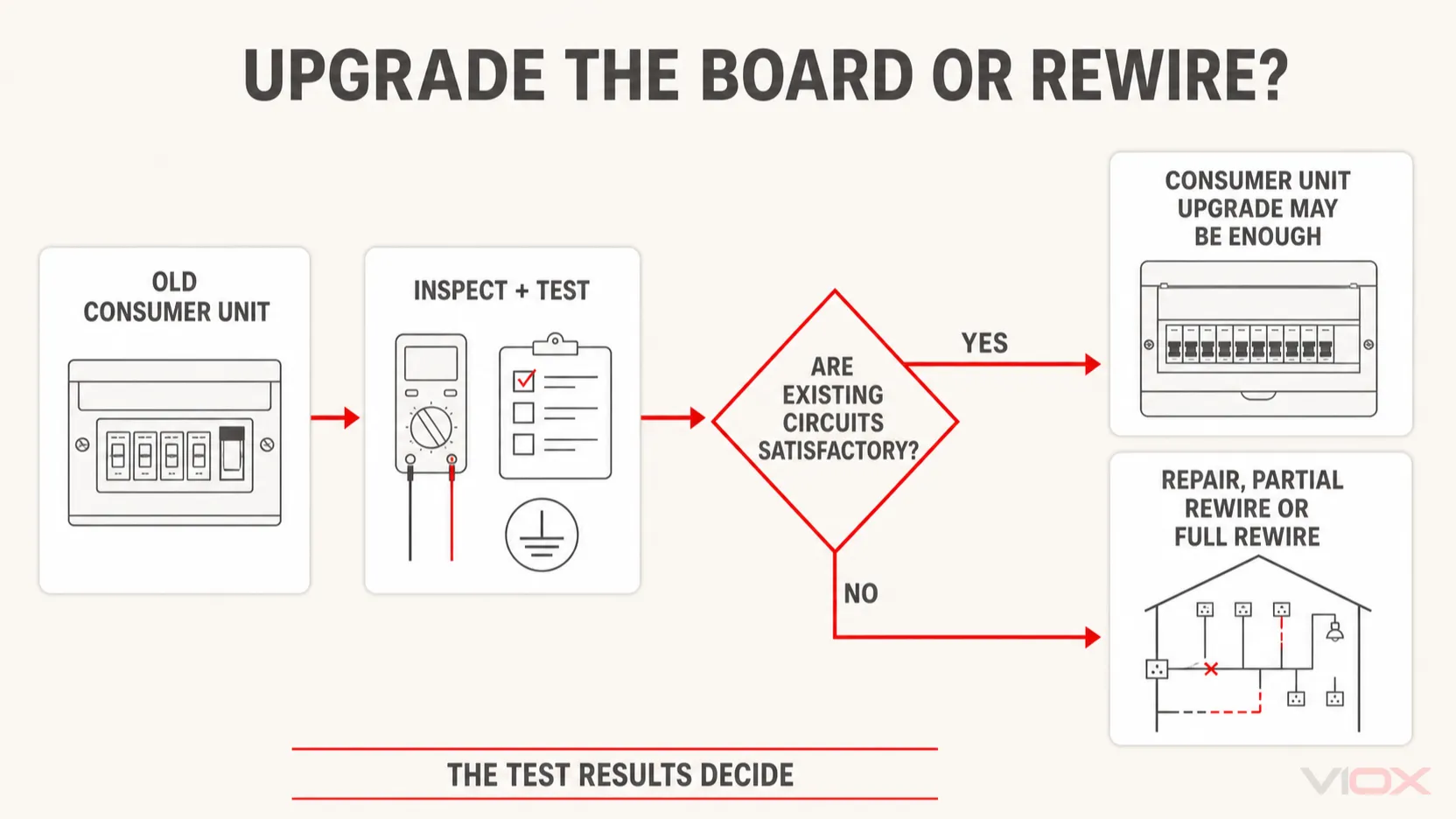
تعویض جعبه فیوز ممکن است زمانی کافی باشد که تابلو نامناسب است اما مدارها، سیستم ارتینگ و همبندیهای موجود از نظر تست رضایتبخش هستند. سیمکشی جزئی یا کامل ممکن است زمانی مورد نیاز باشد که تستها نشاندهنده فرسودگی عایق، کابلهای قدیمی ناایمن، فقدان هادیهای حفاظتی مدار، نولهای مشترک، تغییرات گسترده ثبتنشده یا سایر نقصهایی باشند که از طریق تابلو قابل اصلاح نیستند.
پیش از تعویض، برقکار باید سیمکشی موجود، سیستم ارتینگ و همبندی، قطبیت، پیوستگی مدار، مقاومت عایقی، امپدانس حلقه، جریان اتصال کوتاه احتمالی، کابلهای ورودی کنتور و هر شرایطی که احتمال ایجاد عملکرد ناخواسته RCD را دارد، بررسی کند. سازمان Electrical Safety First توصیه میکند پیش از تعویض برنامهریزیشده، یک گزارش وضعیت تاسیسات الکتریکی (EICR) تهیه شود؛ اگر EICR کامل پذیرفته نشد، انجام یک بررسی کافی پیش از شروع کار همچنان ضروری است.
یک تعویض موفق باید چه دستاوردهایی داشته باشد؟
طراحی تعویض باید حفاظت مناسب مدار، حفاظت جریان نشتی، ورودیهای ایمن کابل، برچسبگذاری واضح و ظرفیت کافی برای تاسیسات مورد نظر را فراهم کند. استفاده از RCBOهای مجزا ممکن است در مقایسه با چیدمانهایی که یک RCD چندین مدار را محافظت میکند، قطع برق را به مدار آسیبدیده محدود کرده و شناسایی خطا را سادهتر کند. تجهیزات حفاظت در برابر نوسانات ولتاژ (SPD) و تجهیزات تشخیص خطای قوس الکتریکی (AFDD) باید بر اساس الزامات مربوطه و شرایط نصب ارزیابی شوند، نه اینکه صرفاً از یک چکلیست کلی اضافه گردند.
کار نهایی باید بازرسی، تست، گواهی و در صورت لزوم، گزارش شود. انتخاب محصول همچنین باید با مونتاژ، رتبهبندیها و دستورالعملهای تاییدشده توسط سازنده تابلو مطابقت داشته باشد؛ تجهیزات حفاظتی نباید صرفاً به دلیل اینکه از نظر مکانیکی در جای خود قرار میگیرند، با هم ترکیب شوند.
چکلیست نهایی
اگر هر یک از پاسخهای زیر مثبت است، هماهنگی لازم برای ارزیابی توسط برقکار را انجام دهید بله:
- آیا آسیب حرارتی، سوختگی، صدای وزوز، جرقه، دود یا ذوبشدگی وجود دارد؟
- آیا محفظه شکسته است یا احتمال دسترسی به قطعات برقدار وجود دارد؟
- آیا حفاظت RCD وجود ندارد، معیوب است یا وضعیت آن نامشخص است؟
- آیا تجهیزات حفاظتی قدیمی آسیب دیدهاند یا جایگزینی صحیح آنها دشوار است؟
- آیا گزارش بازرسی و تست الکتریکی (EICR) حاوی مشاهدات C1، C2 یا FI است؟
- آیا در مورد سیستم ارتینگ، همبندی یا مدارهای موجود تردیدی وجود دارد؟
- آیا بار الکتریکی جدید یا مدار قابلتوجهی برنامهریزی شده است؟
- آیا تابلو برق پر است، برچسبگذاری ضعیفی دارد یا با تجهیزات متفرقه تغییر یافته است؟
اگر هیچکدام از موارد صدق نکند و بازرسی تأسیسات رضایتبخش باشد، ممکن است نیازی به تعویض فوری نباشد. ارتقاء همچنان میتواند حفاظت و جداسازی خطا را بهبود بخشد، اما تصمیمگیری باید بر اساس شواهد باشد، نه صرفاً سن تجهیزات.
سوالات متداول
آیا طبق قانون، تابلوی برق قدیمی باید تعویض شود؟
صرفاً به دلیل قدیمی بودن، خیر. تعویض ممکن است زمانی ضروری باشد که نقصهایی شناسایی شود، زمانی که اقدامات اصلاحی نتواند ایمنی تأسیسات را تأمین کند، یا زمانی که کارهای برنامهریزیشده نیازمند یک تابلوی جدید و مناسب باشد.
آیا تابلوهای برق پلاستیکی باید تعویض شوند؟
نه به صورت خودکار. یک محفظه پلاستیکی باید از نظر وضعیت، آسیبدیدگی، خطر آتشسوزی، محل نصب و سایر نقصها ارزیابی شود. جایگزین جدید باید الزامات مربوط به کارهای جدید را برآورده کند.
آیا تابلوی برقی که فاقد حفاظت RCD است، نیاز به تعویض دارد؟
در همه موارد خیر، اما فقدان حفاظت RCD یک محدودیت ایمنی مهم است. یک برقکار مجرب باید تعیین کند که آیا افزودن حفاظت امکانپذیر است یا تعویض تابلو راهکار مناسبتری است.
آیا میتوان تابلوی برق را بدون سیمکشی مجدد کل ساختمان تعویض کرد؟
بله، در صورتی که مدارهای موجود با موفقیت تست شوند و هرگونه نقص احتمالی برطرف گردد. تعویض جعبهفیوز، سیمکشیهای ناایمن را ایمن نمیکند.
آیا قبل از تعویض باید گزارش وضعیت نصب الکتریکی (EICR) تهیه کنم؟
برای تعویض برنامهریزیشده، تهیه EICR قویاً توصیه میشود، زیرا میتواند نقصهایی را که بر عملکرد تابلوی جدید تأثیر میگذارند، آشکار کند. حداقل، انجام یک بررسی و تست کافی پیش از شروع کار الزامی است.
آیا تعویض واحد مصرفکننده (Consumer Unit) تحت بخش P مقررات ساختمان قابل گزارش است؟
در انگلستان، نصب یا تعویض واحد مصرفکننده جزو کارهای قابل گزارش است. روند گزارشدهی در سایر نقاط بریتانیا متفاوت است، بنابراین قوانین مربوط به کشور محل ملک را بررسی کنید.