

في هذه الصفحة
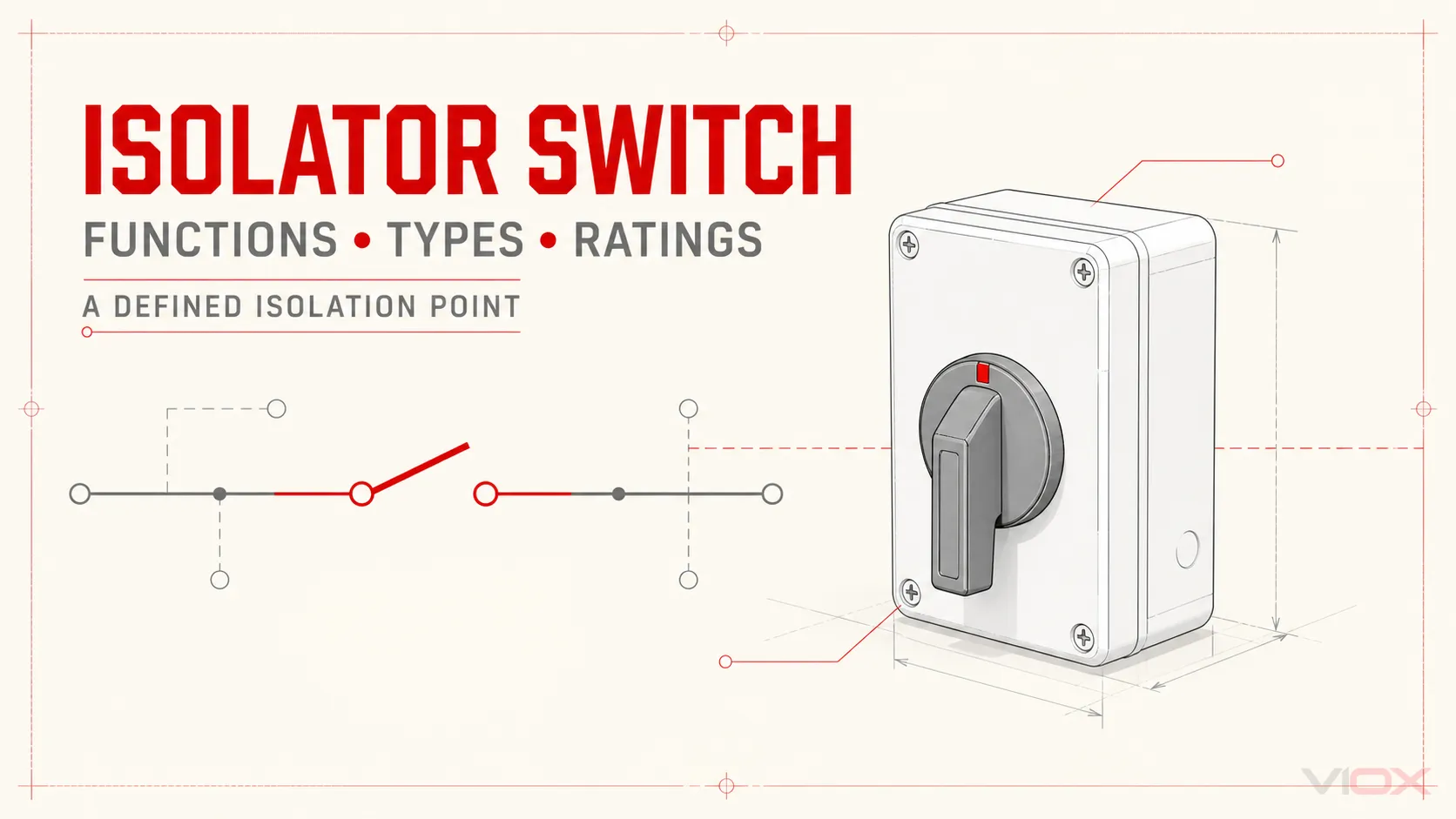
أن مفتاح العازل هو جهاز تبديل ميكانيكي يُستخدم لفصل دائرة أو قطعة من المعدات عن مصدر تغذيتها الكهربائية. وتتمثل وظيفته الأساسية في توفير نقطة عزل محددة لأغراض الفحص أو الصيانة أو الاستبدال أو القفل، وليس لاكتشاف الأحمال الزائدة أو القصر الكهربائي.
الاسم وحده لا يحدد ما يمكن للجهاز مقاطعته. في مصطلحات IEC، فإن فاصل التيار يوفر عزلاً في وضع الفتح. بينما مفتاح فصل يوفر عزلاً ويمكنه أيضاً توصيل وقطع التيار ضمن واجب التبديل المعلن عنه. العديد من المنتجات التي يتم تسويقها كـ “مفاتيح عزل” هي في الواقع مفاتيح فصل (switch-disconnectors)، بينما البعض الآخر مخصص للعزل بدون حمل. ورقة البيانات الدقيقة وعلامات الجهاز هي التي تحدد الوظيفة المتاحة.
فتح العازل ليس بحد ذاته دليلاً على أن منطقة العمل خالية من الطاقة. يعتمد العزل الكهربائي الآمن على النظام الكامل، وكل مصدر محتمل، وإجراء تشغيلي مناسب، والقفل عند الحاجة، والتحقق من قبل أفراد مؤهلين بموجب القواعد المعمول بها.
اعثر على دليل مفتاح العزل المناسب
توفر هذه الصفحة خريطة الموضوعات. استخدم المسار الذي يطابق السؤال الذي تحتاج فعلياً إلى الإجابة عليه.
| سؤالك | ما تحدده هذه الصفحة | تابع مع |
|---|---|---|
| ما هي وظيفة مفتاح العزل؟ | إنه ينشئ نقطة فصل كهربائي متعمدة؛ ولا يوفر حماية تلقائية من الأعطال | تابع أدناه |
| هل مفتاح العزل هو نفسه مفتاح الفصل أو مفتاح قطع الحمل؟ | تتداخل المصطلحات في المجال التجاري، لكن وظائف التبديل والعزل المعلنة تختلف | مفتاح العزل مقابل مفتاح الفصل مقابل مفتاح قطع الحمل |
| هل أحتاج إلى قاطع دائرة أم مفتاح عزل؟ | الحماية والعزل وظيفتان مختلفتان في النظام الكهربائي وغالباً ما تتواجدان معاً | قاطع الدائرة مقابل مفتاح العزل |
| هل التطبيق يعمل بتيار AC أم DC؟ | يغير نوع التغذية متطلبات واجب التبديل والتحكم في القوس الكهربائي | مفتاح عزل DC مقابل مفتاح عزل AC |
| هل هذه دائرة ثلاثية الأطوار؟ | يجب أن يتطابق ترتيب الأقطاب ومعالجة الخط المحايد مع النظام | دليل مفتاح العزل ثلاثي الأطوار |
| ماذا تعني تصنيفات DC؟ | يجب قراءة الجهد، والتيار، والأقطاب، وفئة الاستخدام، والتنسيق معاً | تصنيفات مفتاح العزل DC |
| هل يحتاج الجهاز إلى صندوق حماية خارجي؟ | مدى ملاءمة صندوق الحماية منفصل عن وظيفة التبديل | مفاتيح العزل الداخلية مقابل الخارجية |
ما الذي يقوم به مفتاح العزل - وما الذي لا يقوم به
يعمل مفتاح العزل على إنشاء حالة فتح محكومة بين مصدر التغذية والجزء المراد فصله من النظام الكهربائي. واعتماداً على المنتج، قد توفر آلية التشغيل مؤشراً إيجابياً لوضع التلامس، أو فجوة مرئية مباشرة، أو وسيلة أخرى محددة قياسياً لتأكيد وضع الفتح. يمكن أن يساعد المقبض القابل للقفل في منع إعادة الغلق غير المقصودة عندما تتطلب إجراءات التركيب ذلك.
قد يقوم الجهاز بفصل موصل واحد أو عدة موصلات معاً. وتعد مسألة الموصلات التي يجب تبديلها مسألة تنظيمية وتتعلق بالنظام؛ ولا يمكن تحديدها من خلال تسمية عامة مثل 2P أو 3P أو 3P+N أو 4P دون التحقق من الدائرة ومخطط المنتج.
| الوظيفة أو الادعاء | فاصل / مفتاح عزل أساسي | مفتاح فصل (Switch-disconnector) | قواطع |
|---|---|---|---|
| يوفر وظيفة العزل عند اختياره وتركيبه بشكل صحيح | نعم | نعم | فقط عندما يتم التصريح بأن قاطع الدائرة المحدد مناسب للعزل |
| يقوم بوصل وفصل تيار الحمل العادي | ليس ما لم يتم التصريح بذلك للقيام بهذه المهمة | نعم، ضمن فئة الاستخدام المقدرة الخاصة به | نعم، ضمن تصنيفاته المعلنة وحدود تطبيقه |
| يكتشف الحمل الزائد أو تيار القصر الكهربائي | لا | لا | نعم |
| يفتح تلقائياً أثناء حدوث خطأ التيار الزائد | لا | لا | نعم، وفقاً لخصائص الفصل الخاصة به |
| يتطلب تنسيقاً للقصر الكهربائي مع جهاز حماية آخر | عادةً | عادةً | يجب أن يتمتع بقدرة قطع وتنسيق مناسبين للتركيب |
المقارنة وظيفية وليست قاعدة استبدال. لا يزال مفتاح الفصل لا يصبح قاطع الدائرة، ولا ينبغي التعامل مع القاطع كعازل للصيانة ما لم تسمح وثائقه وعلاماته وتركيبه بذلك الاستخدام.
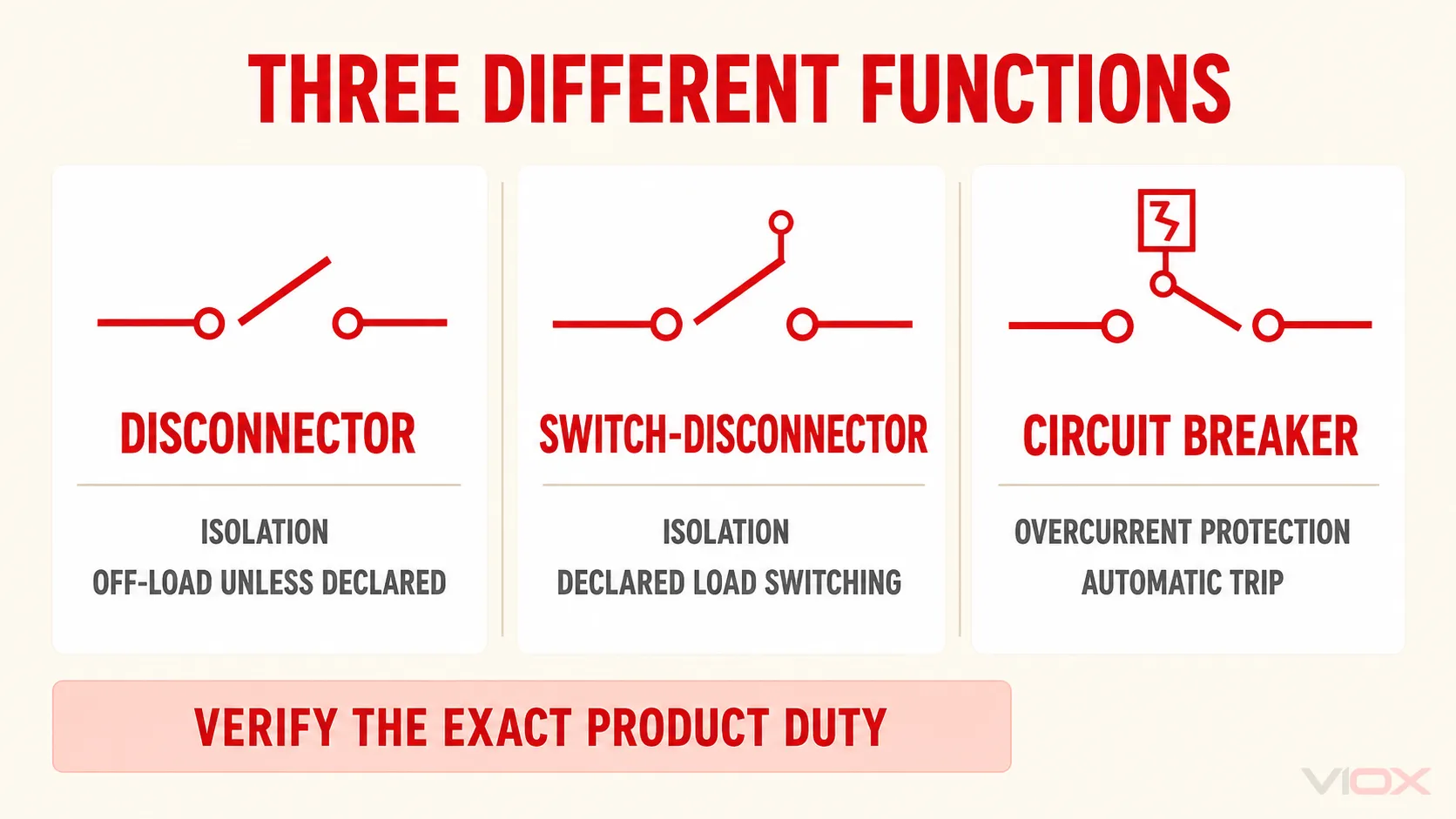
كيف يعمل مفتاح العزل
يؤدي تحريك المقبض أو المشغل إلى تغيير وضع نقاط التلامس الرئيسية من خلال وصلة ميكانيكية. في حالة الفتح، يوفر الجهاز الفصل المطلوب لوظيفة العزل المعلنة الخاصة به. في الجهاز متعدد الأقطاب، تقوم الآلية بتشغيل الأقطاب ذات الصلة معاً بحيث تتغير حالة الموصلات المقصودة كجهاز واحد.
ما يحدث أثناء حركة الفتح يعتمد على فئة المنتج:
- A فاصل التيار يتم اختياره في المقام الأول للعزل. قد يكون مخصصاً للعمل فقط عندما يكون التيار غائباً أو ضئيلاً.
- A مفتاح فصل يتضمن وظيفة تبديل ويتم تقييمه لعمليات توصيل وقطع التيار في ظل ظروف محددة.
- A مفتاح الفصل المصهر (Fuse switch-disconnector) يجمع بين التبديل والعزل مع وصلات منصهرات توفر وظيفة الحماية من التيار الزائد المعلنة.
هذا التمييز هو السبب في أن المظهر الخارجي غير موثوق به. يمكن لجهازين دوارين مغلقين استخدام مقابض متشابهة مع اختلاف في تصنيفات الجهد، وفئات الاستخدام، ومتطلبات تنسيق القصر الكهربائي، ومهام التبديل المسموح بها.
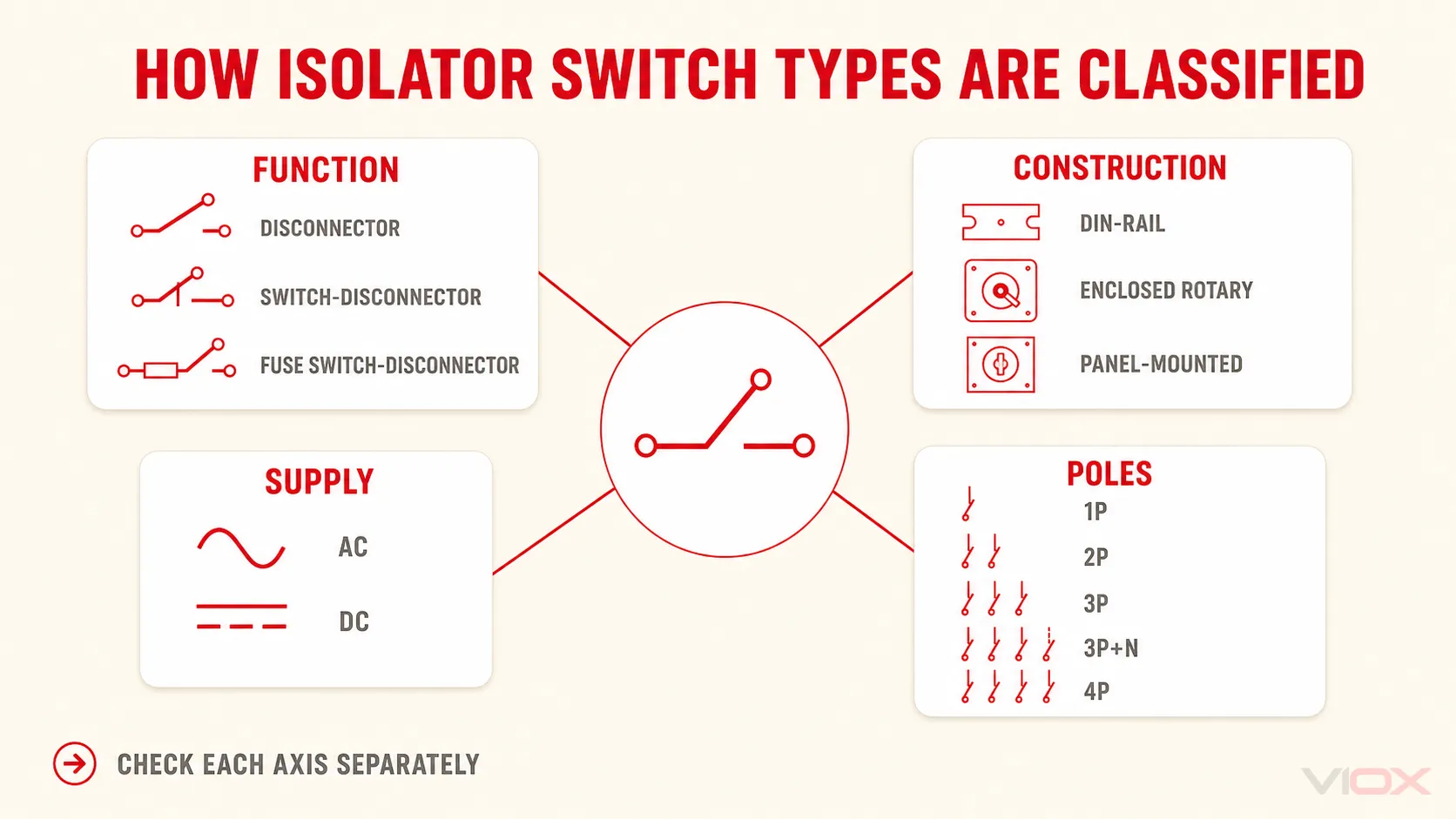
الأنواع الرئيسية لمفاتيح العزل
“يمكن أن يشير ”النوع" إلى الوظيفة، أو البنية الفيزيائية، أو التغذية، أو ترتيب الأقطاب، أو التطبيق. لا ينبغي الخلط بين هذه التصنيفات.
| التصنيف | الأشكال الشائعة | ما يخبرك به التصنيف | ما لا يزال يتطلب التحقق |
|---|---|---|---|
| المهام الوظيفية | فاصل، مفتاح فاصل، مفتاح فاصل مزود بمنصهر | سواء كان الجهاز يقوم بالعزل، أو تبديل الحمل، أو يدمج حماية بالمنصهر | المهام المقننة الدقيقة، والتنسيق، واعتمادات السوق |
| الإنشاءات | نمطي يركب على سكة DIN، دوار مغلق، يركب على اللوحة، مصبوب الهيكل | كيفية تركيب الجهاز وتشغيله | الوظيفة الكهربائية، وتصنيف الغلاف، وأطراف التوصيل، والملحقات |
| نظام التغذية | عازل AC، عازل DC | نوع التيار الذي يعالجه التصميم | جهد التشغيل، وترتيب الأقطاب، وفئة الاستخدام، وقواعد القطبية |
| الموصلات المبدلة | 1P، 2P، 3P، 3P+N، 4P | عدد أو ترتيب الأقطاب المتاحة | الأقطاب التي تقوم بالتبديل، وسلوك المحايد، وملاءمة الدائرة |
| ترتيب الحماية | غير مزود بمنصهرات أو مزود بمنصهرات | ما إذا كانت حماية المنصهر مدمجة | فئة المنصهر، والقيمة المقننة، وقواعد الاستبدال، والتنسيق بين المنبع والمصب |
| البيئة | جهاز مفتوح أو تجميعة مغلقة للاستخدام الداخلي/الخارجي | ما إذا كان الغلاف مشمولاً | تصنيف IP أو نوع الغلاف المعتمد وظروف التركيب |
مفاتيح العزل النمطية
تُركب الأجهزة النمطية على سكة DIN في لوحات التوزيع ولوحات التحكم. بعضها عبارة عن فواصل، والبعض الآخر عبارة عن مفاتيح فصل. لا يثبت عرض الوحدة والقيمة المقننة للتيار التوافق مع قضبان التوزيع أو واجب التبديل، لذا يجب التحقق من عائلة المنتج بدقة.
مفاتيح العزل الدوارة المغلقة
يجمع مفتاح العزل الدوار المغلق بين جهاز التبديل، والمقبض الخارجي، والصندوق الخارجي. ويُستخدم عادةً كنقطة فصل محلية بالقرب من الآلات، ومعدات التكييف والتهوية (HVAC)، والمضخات، والمعدات الخارجية. وتُعد درجة الحماية البيئية للصندوق الخارجي والقدرة الكهربائية للجهاز الداخلي مواصفات منفصلة.
عوازل التيار المستمر
صُممت مفاتيح العزل DC للدوائر المخصصة للتيار المستمر مثل مصفوفات الخلايا الكهروضوئية، والبطاريات، وطاقة الاتصالات، أو غيرها من توزيعات التيار المستمر. يجب أن تتطابق جميع مواصفات جهد التيار المستمر، والتيار، وتكوين الأقطاب، والقطبية، وواجب التبديل مع التطبيق. لا يجوز افتراض نقل تصنيف AC إلى دائرة DC. يشرح الدليل المخصص ما هو مفتاح العزل للتيار المستمر (DC).
مفاتيح العزل ثلاثية الأطوار
تعمل مفاتيح العزل ثلاثية الأطوار على تشغيل أقطاب متعددة معاً للدوائر ثلاثية الأطوار. يعتمد تبديل الخط المحايد (N) على النظام، وترتيب المنتج، والقواعد المعمول بها. الدليل المنفصل دليل مفاتيح العزل ثلاثية الأطوار يتناول هذا السؤال المتعلق بالنظام بشكل أعمق.
تصنيفات مفتاح العزل: ماذا تقرأ في ورقة البيانات
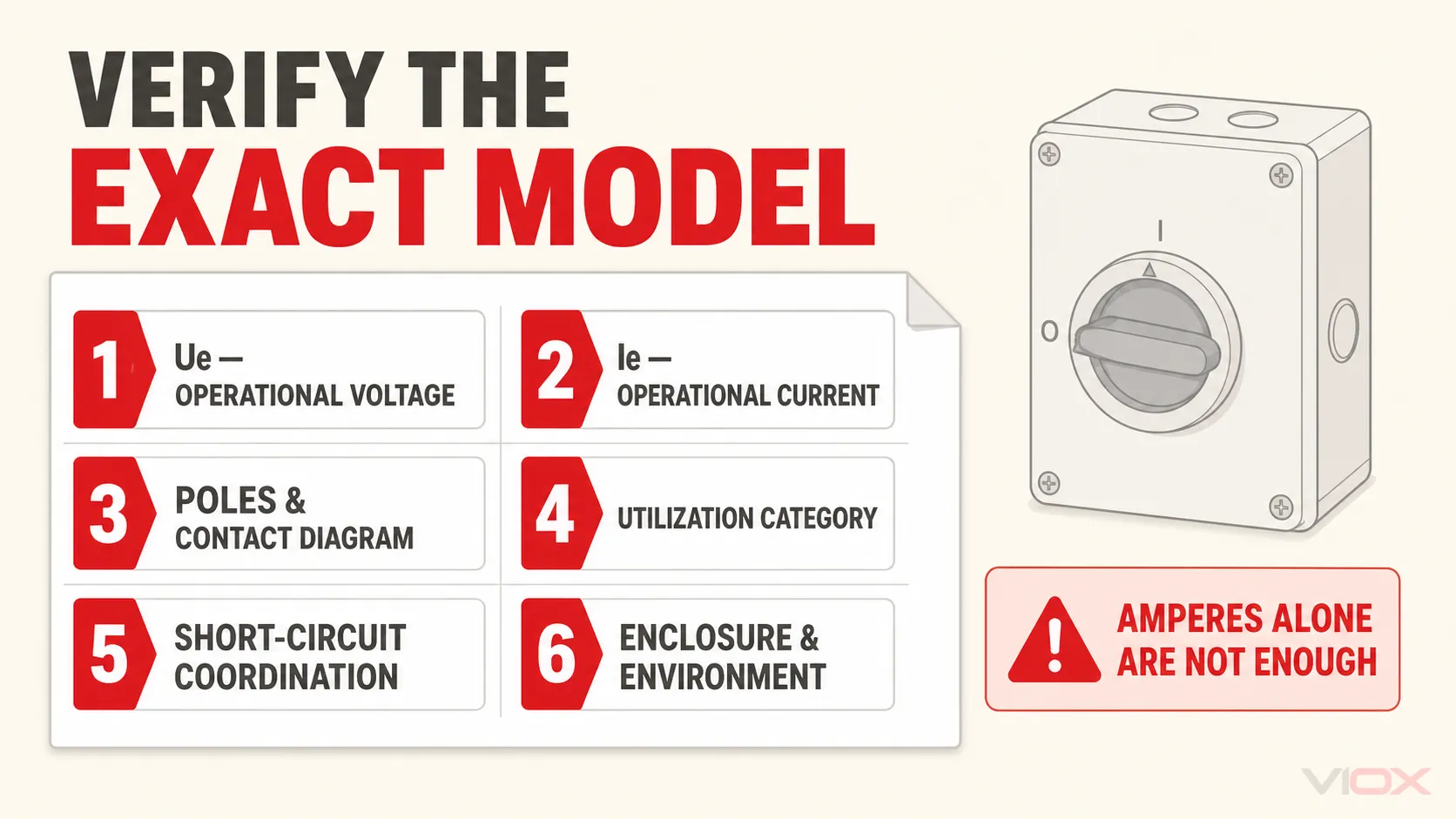
قيمة الأمبير الرئيسية ليست كافية لتحديد مفتاح العزل. استخدم ورقة البيانات لتحديد الأداء التشغيلي المعلن بالكامل.
| حقل ورقة البيانات | ما يتحكم فيه | خطأ شائع |
|---|---|---|
| جهد التشغيل المقنن، Ue | جهد النظام والواجب الذي تم الإعلان عن الأداء من أجله | تطبيق تصنيف جهد AC على DC |
| تيار التشغيل المقنن، Ie | قدرة التيار في ظل ظروف التشغيل المحددة وفئة الاستخدام | اعتبار قيمة تيار واحدة صالحة لكل نوع من أنواع الأحمال |
| عدد الأقطاب ومخطط التلامس | أي الموصلات تمر عبر نقاط التلامس المشغلة | بافتراض أن هياكل 3P+N و 4P متطابقة عبر الشركات المصنعة |
| فئة الاستخدام | الحمل وواجب التبديل الذي تم تقييم الجهاز من أجله | بافتراض أن كل “عازل” يمكنه تبديل المحركات أو الأحمال الحثية |
| ملاءمة العزل والعلامات | ما إذا كان المنتج يوفر وظيفة فاصل الدائرة المعلنة | الاعتماد على وضع المقبض أو اسم المنتج فقط |
| بيانات تحمل التيار لفترة قصيرة أو بيانات القصر الكهربائي المشروط | كيفية تنسيق الجهاز مع تيار العطل المحتمل وجهاز الحماية من القصر الكهربائي الموجود في المنبع | الخلط بين قدرة التحمل أو قدرة التوصيل وبين قطع تيار العطل |
| التردد ونوع التغذية | النظام الكهربائي الذي تنطبق عليه التصنيفات | تجاهل حدود التردد، أو AC/DC، أو القطبية |
| تصنيف الحاوية أو تصنيف IP | الحماية البيئية للمنتج المجمع | افتراض أن المفتاح الداخلي والحاوية الكاملة لهما نفس التصنيف |
| الظروف المحيطة وظروف التركيب | الظروف التي تظل فيها التصنيفات المنشورة سارية | تجاهل خفض التصنيف، أو درجة حرارة الحاوية، أو الارتفاع، أو حدود طرف التوصيل |
IEC 60947-3:2020+AMD1:2025, ، المتاحة من IEC كنسخة موحدة، تغطي مفاتيح الجهد المنخفض، وفواصل الدائرة، ومفاتيح الفصل، ووحدات دمج المصهرات ضمن نطاق المعيار المذكور. كما تتناول تنسيق القصر الكهربائي وواجبات الاستخدام المعلنة. إن الامتثال لمعيار المنتج لا يفي تلقائياً بكل قواعد التركيب أو متطلبات الاعتماد الوطنية.
تتبع المصطلحات في أمريكا الشمالية فئات منتجات مختلفة. على سبيل المثال، تميز UL Solutions بين فواصل دوائر التفرع والمعايير مثل UL 98 وبين بعض أجهزة فصل التحكم الصناعي. لذلك، لا ينبغي افتراض أن المنتج المختار لمشروع IEC قابل للتبديل مع فاصل من أمريكا الشمالية لمجرد أن ملصقات التيار والجهد تبدو متشابهة.
تطبيقات مفتاح العزل الشائعة
يحدد التطبيق أي فرع من الموضوع يهمنا تالياً.
| التطبيق | هدف العزل | مسار الجهاز النموذجي للتقييم |
|---|---|---|
| لوحة التوزيع أو اللوحة الفرعية | فصل لوحة أو قسم لأغراض الصيانة | مفتاح فصل رئيسي أو أي جهاز عزل آخر معتمد |
| محرك، أو مضخة، أو ناقل، أو آلة | توفير نقطة فصل محلية قابلة للقفل | مفتاح فصل مغلق يتناسب مع المحرك أو حمل التشغيل |
| معدات التدفئة والتهوية وتكييف الهواء (HVAC) وخدمات المباني | السماح بإجراء الصيانة بالقرب من المعدات | عازل مغلق محلي أو مفتاح فصل ذو تصنيف بيئي مناسب |
| مصفوفة طاقة شمسية كهروضوئية أو دخل العاكس | عزل قسم DC محدد | مفتاح فصل DC أو مفتاح عزل DC مخصص لهذا الغرض |
| خزانة البطارية أو التيار المستمر | فصل مصدر DC أو نظام فرعي | جهاز عزل مصنف للعمل مع DC ومتوافق مع بنية الحماية |
| لوحة التحكم الصناعية | توفير وظيفة عزل رئيسية أو محلية | مفتاح فصل مركب على اللوحة، أو مفتاح فصل مزود بمنصهرات، أو ترتيب فصل معتمد |
لا ينبغي تصنيف مفتاح العزل تلقائياً كجهاز إيقاف طوارئ. فعمليات التبديل في حالات الطوارئ، وإيقاف الطوارئ، والفصل الوقائي، وعزل الصيانة هي وظائف منفصلة قد تتطلب أجهزة ومنطق تحكم ومواقع ومعايير مختلفة.
مفتاح العزل مقابل قاطع الدائرة، والكونتاكتور، ومفتاح الاختيار
يتم الخلط أحياناً بين مفتاح العزل والأجهزة الأخرى التي تغير أيضاً حالة الدائرة.
- A قواطع يكتشف حالات التيار الزائد المحددة ويقطعها؛ بينما لا يقوم العازل بذلك. انظر الكامل مقارنة بين قاطع الدائرة ومفتاح العزل.
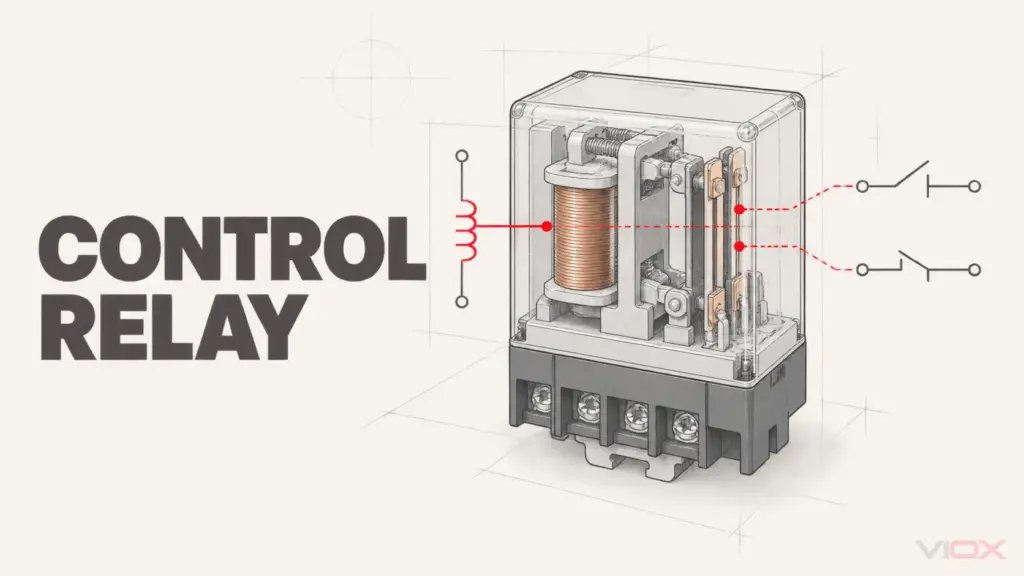
- A مقاول هو جهاز تبديل يعمل كهربائياً ويستخدم للتحكم المتكرر في الأحمال. ولا ينبغي افتراض أنه يوفر نفس وظيفة عزل الصيانة التي يوفرها جهاز الفصل المصرح به.
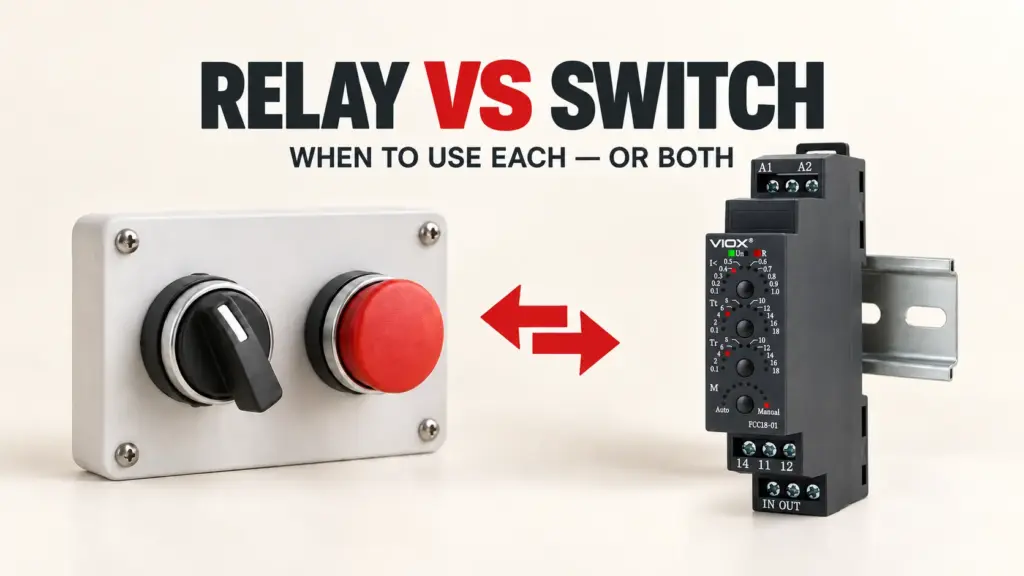
- A مفتاح اختيار هو عادةً جهاز أمر لدائرة التحكم. يمكنه طلب التشغيل (ON) أو الإيقاف (OFF) أو الوضع التلقائي (AUTO) أو أي وضع تشغيل آخر، لكنه لا يعزل دائرة الطاقة عادةً.
- A مفتاح النقل يغير الحمل بين المصادر. يعد نقل المصدر وعزل الصيانة قرارات متعلقة بالنظام ولكنها ليست نفس الوظيفة.
من التعريف إلى تقييم المنتج
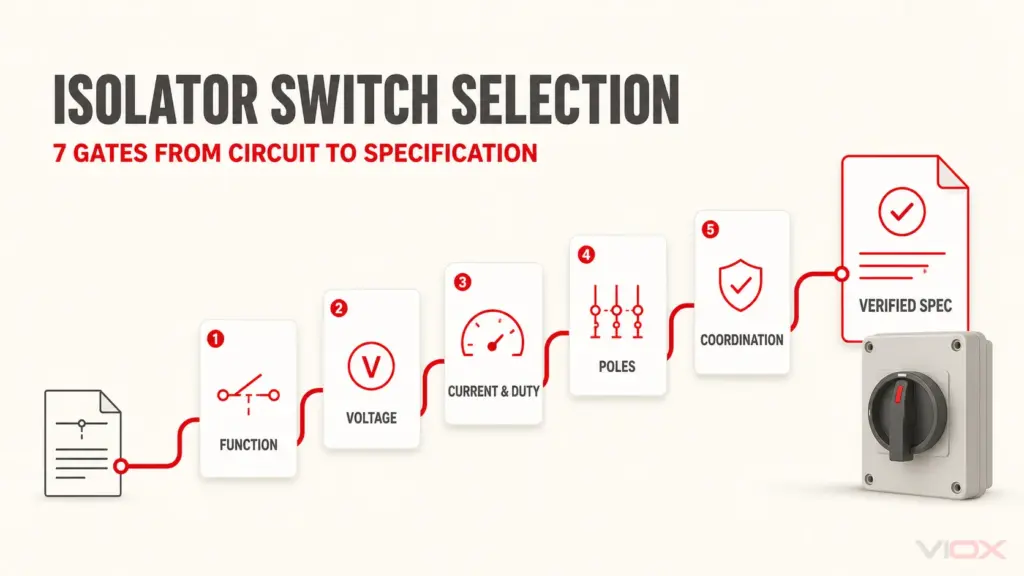
قبل مقارنة المنتجات، حدد ما إذا كان التركيب يحتاج إلى عزل فقط، أو تبديل حمل مقنن بالإضافة إلى عزل، أو حماية مدمجة بالمنصهرات. ثم أكد نوع التغذية، وجهد التشغيل، وتيار الحمل وطبيعته، والأقطاب، وتنسيق القصر الكهربائي، والحاوية، ومقبض التشغيل، وأحكام القفل، ومتطلبات سوق الوجهة.
تنظم VIOX الطرازات المتاحة في فئة منتجات مفتاح العزل. تعامل مع تلك الصفحة كخطوة لتقييم المنتج بدلاً من كونها بديلاً لمواصفات الدائرة. للاستفسار على مستوى الطراز، أرسل جهد النظام، وطبيعة التيار AC أو DC، ونوع الحمل، والتيار المقنن، وترتيب الأقطاب، ومتطلبات الحاوية، وسوق الوجهة، والكمية المطلوبة إلى [email protected].