

في هذه الصفحة
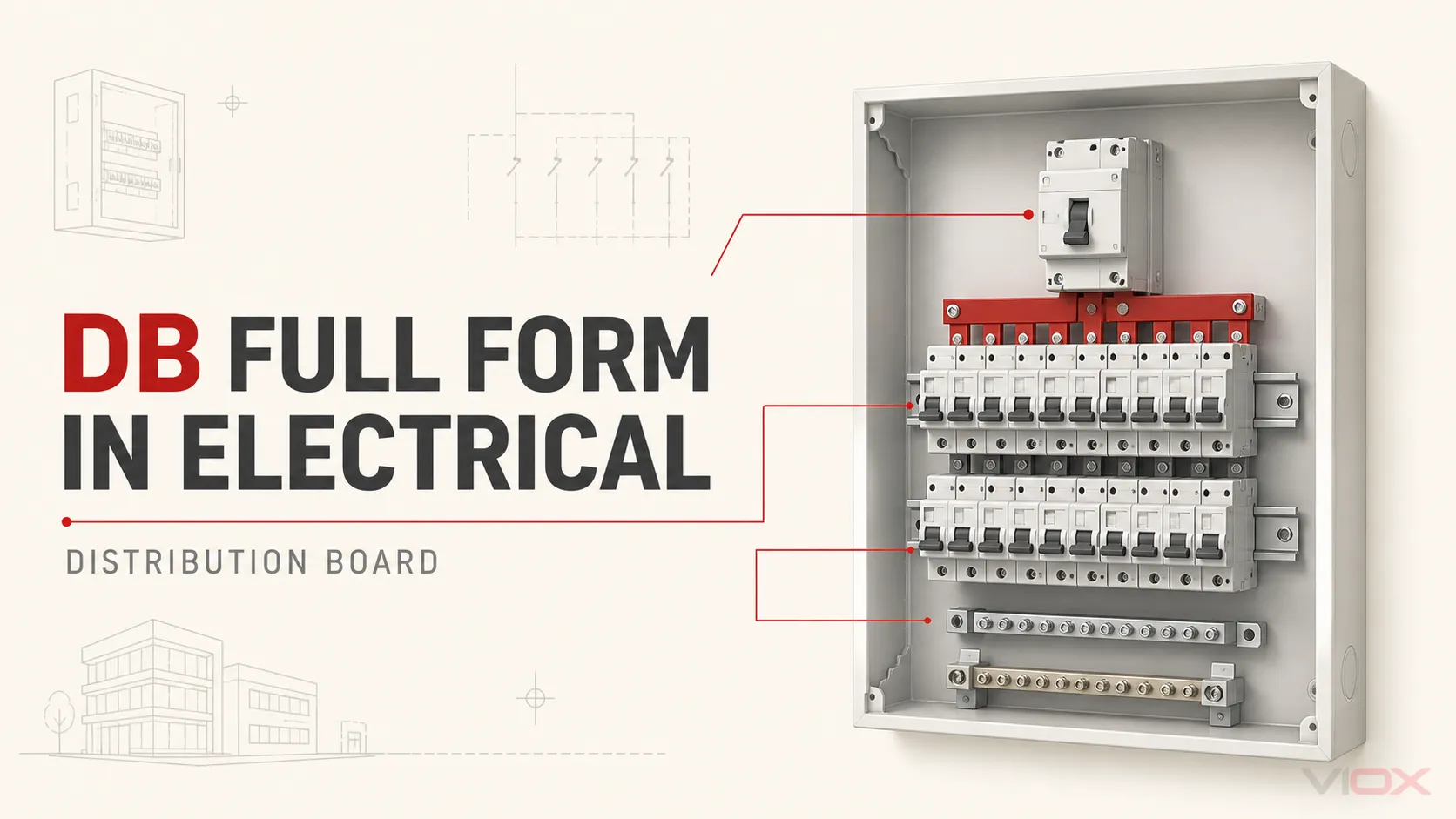
إن الاختصار الكهربائي DB يرمز إلى لوحة التوزيع (Distribution Board).. تستقبل لوحة التوزيع الطاقة الكهربائية عبر دائرة دخل واحدة أو أكثر وتوزعها على دوائر خرج متعددة من خلال أجهزة تحويل وحماية موضوعة في تجميعة مشتركة.
اعتماداً على الدولة والتطبيق، قد تُسمى المعدات المماثلة بلوحة التوزيع، أو لوحة القواطع، أو لوحة المفاتيح، أو وحدة المستهلك، أو مركز الأحمال، أو صندوق التوزيع. تتداخل هذه المصطلحات، لكنها ليست دائماً قابلة للتبادل تقنياً لأن معايير المنتج، والتصنيفات، وطريقة التصنيع، والجهات المسموح لها بتشغيل المعدات قد تختلف.
| سؤال | إجابة مباشرة |
|---|---|
| المعنى الكامل لـ DB | مجلس التوزيع |
| الغرض الرئيسي | تقسيم مصدر التغذية الوارد إلى دوائر خرج محمية |
| أجهزة الحماية النموذجية | قواطع الدائرة المصغرة (MCBs)، وقواطع الدائرة المقولبة (MCCBs)، وقواطع التيار المتبقي (RCCBs)، وقواطع التيار المتبقي مع الحماية من التيار الزائد (RCBOs)، أو المصهرات، أو الأجهزة الخاصة بتطبيقات معينة |
| مسار التيار الرئيسي | جهاز التغذية الداخل إلى قضبان التوزيع/مجموعة التجميع إلى أجهزة التغذية الخارجة |
| توصيلات المحايد (Neutral) والتأريض (Earth) | قضيب المحايد وقضيب التأريض الوقائي حسب متطلبات تصميم النظام |
| المعيار الحاكم | يعتمد ذلك على السوق ونوع التجميع؛ وتعد المواصفة IEC 61439 هي المعيار الأساسي في الأسواق التي تتبع معايير اللجنة الكهروتقنية الدولية |
ما هي لوحة التوزيع؟
تُعرف الموسوعة الكهروتقنية الدولية (IEC Electropedia) لوحة التوزيع بأنها تجميع يحتوي على مفاتيح كهربائية ومعدات تحكم مرتبطة بدائرة واحدة أو أكثر من دوائر التغذية الخارجة التي يتم تغذيتها من دائرة واحدة أو أكثر من دوائر التغذية الداخلة، بالإضافة إلى أطراف توصيل للموصلات الخطية، والمحايدة، ونقطة المنتصف، والموصلات الوقائية حسب الاقتضاء.
من الناحية العملية، تنشئ لوحة التوزيع (DB) حدوداً منظمة بين مصدر التغذية الداخل والدوائر الفرعية. وهي توفر:
- توصيلة تغذية داخلة محكومة؛;
- الحماية من التيار الزائد والتيار المتبقي عند الحاجة؛;
- توزيع قضبان التوصيل (Busbar) على أجهزة التفرع؛;
- إنهاء الموصلات وتحديد هوية الدوائر؛;
- حاوية تحد من الوصول إلى الأجزاء الحية؛;
- نقطة خدمة للاختبار والعزل والصيانة.
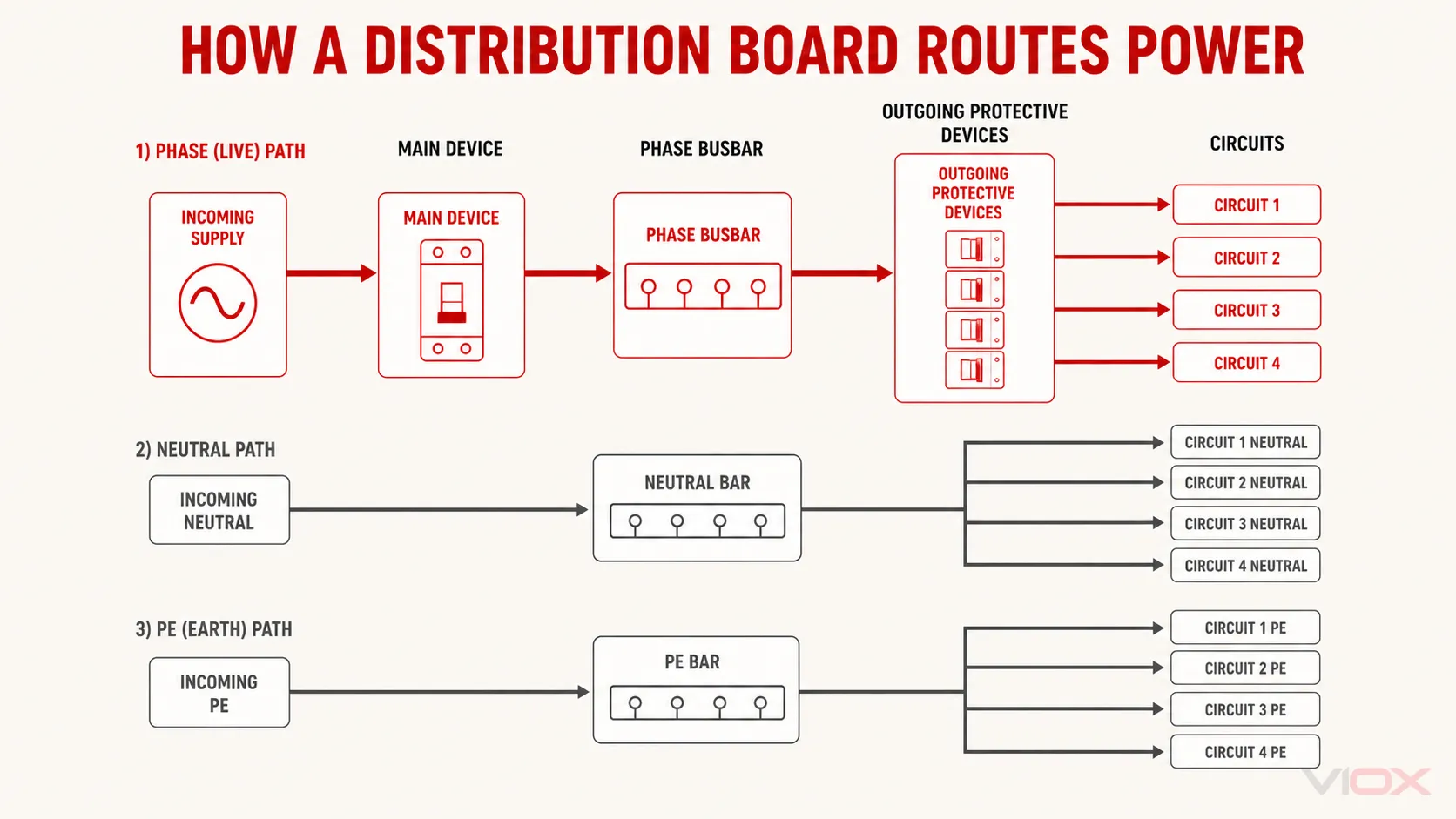
المكونات الرئيسية داخل لوحة التوزيع (DB)
| المكوّن | الوظيفة | فحص مهم |
|---|---|---|
| الضميمة | احتواء وحماية التجميعة | المادة، درجة الحماية (IP)، الصدمات، الحرارة، إمكانية الوصول، بيئة التركيب |
| المفتاح الرئيسي، أو مفتاح العزل، أو القاطع | يتحكم في التغذية الكهربائية الواردة | التيار، الأقطاب، وظيفة التبديل/العزل، قدرة تحمل الأعطال |
| قضيب التوزيع (Busbar) أو مجموعة التوزيع | يوزع الطاقة على الأجهزة الفرعية | التصنيف الحالي، توافق الأجهزة، ارتفاع درجة الحرارة، تحمل قصر الدائرة |
| أجهزة الحماية الخارجة | حماية دوائر التفرع والأحمال | معيار الجهاز، التيار، منحنى الفصل، قدرة القطع، ونوع التيار المتبقي حيثما كان ذلك مناسباً |
| شريط محايد | إنهاء الموصلات المحايدة (Neutral) | ترتيب نظام التأريض، تجميع الدوائر، وسعة التيار |
| قضيب التأريض (PE/grounding bar) | إنهاء موصلات الحماية (التأريض) | الربط، سعة الموصل، والفصل عن المحايد عند الحاجة |
| سكة التثبيت (DIN rail) أو نظام التركيب | دعم الأجهزة النمطية (Modular devices) | التوافق، والمسافات، والتثبيت الميكانيكي |
| الملصقات وجدول الدوائر | تحديد الدوائر والقدرات المقننة | المتانة، والدقة، والتحديث بعد التعديل |
لإلقاء نظرة أعمق على التصميم الداخلي، استخدم VIOX صندوق التوزيع ودليل الاختيار.
أنواع لوحات التوزيع
لوحة التوزيع الرئيسية (MDB)
تستقبل لوحة التوزيع الرئيسية (MDB) مصدر طاقة منخفض الجهد وتغذي لوحات التوزيع الفرعية أو الأحمال الكبيرة الخارجة. وعادة ما تتطلب تياراً وقدرة تحمل أعطال أعلى من اللوحات اللاحقة لها.
لوحة التوزيع الفرعية (SDB)
تستقبل لوحة التوزيع الفرعية مغذياً من لوحة رئيسية وتوزع الطاقة داخل طابق أو منطقة أو قسم من العمليات أو جزء من المبنى.
لوحة التوزيع النهائية
تغذي لوحة التوزيع النهائية الدوائر النهائية مثل الإضاءة، ومخارج المقابس، ومعدات التكييف (HVAC)، أو الآلات الصغيرة.
لوحة توزيع ثلاثية الأطوار مع محايد (TP&N)
تدعم اللوحة ثلاثية الأطوار مع محايد التوزيع الوارد ثلاثي الأطوار ودوائر الخرج أحادية أو ثلاثية الأطوار وفقاً لتصميمها. تشرح شركة VIOX هذا التنسيق في ما هي لوحة التوزيع المعدنية ثلاثية الأطوار مع محايد (TP&N)؟.
لوحات توزيع التيار المتردد (AC) والتيار المستمر (DC)
تتطلب لوحات التيار المتردد (AC) والتيار المستمر (DC) أجهزة حماية وتبديل مختلفة. في الأنظمة الكهروضوئية، تعد ACDB و DCDB مصطلحات شائعة في المشاريع. يجب عدم الخلط بين سلوك الجهد، والقطبية، وقطع القوس الكهربائي، وتصنيفات المكونات الخاصة بها.
لوحة التوزيع (DB) مقابل صندوق التوزيع مقابل لوحة المفاتيح مقابل وحدة المستهلك
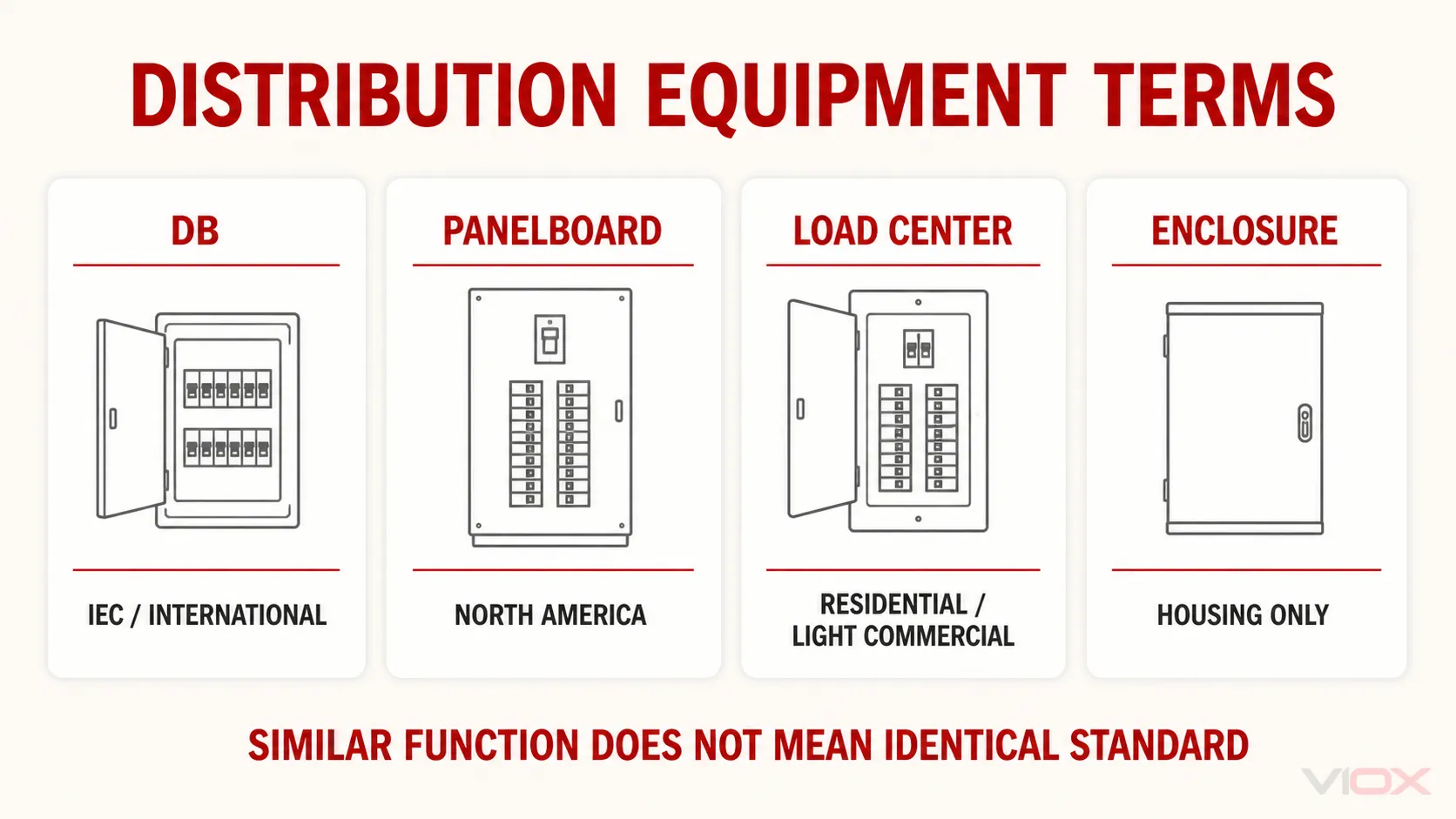
| مصطلح | الاستخدام النموذجي | الحدود الواجب تذكرها |
|---|---|---|
| لوحة التوزيع (DB) | مصطلح واسع وفقاً لمعايير اللجنة الكهروتقنية الدولية (IEC) والمعايير الدولية | يختلف نطاق التجميع من الدوائر النهائية إلى التوزيع الأكبر |
| صندوق التوزيع | غالباً ما تكون معدات توزيع مغلقة وأصغر حجماً | يمكن استخدامها بشكل غير دقيق في التسويق؛ تحقق دائماً من تصنيفات التجميع |
| اللوحة | مصطلح شائع في أمريكا الشمالية | يختلف إطار عمل المنتج والتركيب عن مصطلحات لوحات التوزيع وفقاً لمعايير اللجنة الكهروتقنية الدولية (IEC) |
| مركز التحميل | منتج شائع للاستخدام السكني/التجاري الخفيف في أمريكا الشمالية | ليس مرادفاً عالمياً لكل لوحة توزيع (DB) |
| وحدة استهلاك | مصطلح بريطاني لنوع معين من لوحات التوزيع المنزلية | تصميم ومتطلبات خاصة بالسوق |
| صندوق كهربائي (حاوية كهربائية) | هيكل فارغ أو مجهز | الحاوية وحدها لا تعتبر لوحة توزيع |
انظر حاوية الكهرباء مقابل صندوق التوزيع مقابل لوحة التوزيع لمقارنة مصطلحات مركزة، و مركز التحميل مقابل لوحة التوزيع للحدود الفاصلة بين معايير NEMA و IEC.
ما هو المعيار المطبق على لوحة التوزيع؟
يعتمد المعيار الصحيح على السوق، والمستخدمين، والجهد، والتيار، وفئة التجميع.
في أسواق IEC،, IEC 61439-1 يوفر القواعد العامة لتجميعات مفاتيح الجهد المنخفض ومعدات التحكم، ويُستخدم جنباً إلى جنب مع جزء التجميع المعمول به. IEC 61439-3:2024 تحدد متطلبات خاصة للوحات التوزيع المخصصة للتشغيل من قبل الأشخاص العاديين (DBO) ضمن نطاقها المعلن. بينما قد تندرج مجموعات مفاتيح القوى وأجهزة التحكم الصناعية تحت معايير أخرى. معيار IEC 61439-2.
لذلك، فإن القول بأن المنتج “متوافق مع معيار IEC 61439” دون تسمية الجزء المعمول به، ومسؤولية التجميع، وأدلة التحقق، وتكوين المنتج، يعد قولاً غير مكتمل.
قد تستخدم المعدات في أمريكا الشمالية مصطلحات UL و NEC مثل لوحة التوزيع (panelboard) ومركز الأحمال (load center). لا تقم بنقل وصف منتج IEC مباشرة إلى مواصفات أمريكا الشمالية دون التحقق من قواعد المنتج والتركيب المعمول بها.
كيفية اختيار لوحة التوزيع
1. تحديد مصدر التغذية
سجل نوع التيار (متردد أو مستمر)، والجهد الاسمي، والتردد، وعدد الأطوار، وترتيب المحايد، ونظام التأريض، وجهاز الدخل.
2. حساب الأحمال ومعامل التنوع
حدد تيار التصميم، والحمل المتزامن، والدوائر المستقبلية، وتوازن الأطوار. إن التصنيف الحالي للوحة لا يغني عن حسابات الموصلات والدوائر.
تحديد قدرة تحمل الأعطال
تحديد تيار القصر المحتمل عند اللوحة. التحقق من التجميعة والأجهزة المثبتة باستخدام خصائص تيار القصر المقدرة وطريقة التنسيق المعمول بها.
تحديد هيكلية الحماية
اختيار الحماية من التيار الزائد والتيار المتبقي بناءً على نوع الدائرة، والكابل، والحمل، ومتطلبات الفصل، والقواعد المطبقة. تجنب إضافة الأجهزة بناءً على العادة فقط.
اختيار الصندوق (اللوحة)
مراعاة الموقع الداخلي/الخارجي، والغبار، والمياه، والتآكل، والصدمات، ودرجة الحرارة، والتكثيف، وسهولة الوصول.
التحقق من المساحة والحرارة
مراعاة انحناء الموصلات، والأطراف، والمخارج الاحتياطية، وتجميع الأجهزة، وفقدان الطاقة، والتهوية، والوصول للصيانة. اللوحة الأكبر حجماً قد تكون أكثر أماناً وأسهل في الصيانة من اللوحة المكتظة.
تحقق من التجميع الكامل
تأكد من توافق الشركة المصنعة، والتيار المقنن، والتحقق من ارتفاع درجة الحرارة، والخصائص العازلة، ومقاومة قصر الدائرة، واستمرارية دائرة الحماية، والخلوص، ومسافات الزحف، والعلامات حسب الاقتضاء.
الأخطاء الشائعة في لوحات التوزيع
الاختيار بناءً على عدد المسارات فقط
لا يتم تحديد اللوحة ذات الـ 12 مساراً بعدد الدوائر فقط. بل يجب مراعاة التيار، ومستوى الخطأ، وشكل الجهاز، والأطوار، والهيكل، والمعايير.
خلط عائلات الأجهزة دون موافقة
الملاءمة الميكانيكية على سكة DIN لا تثبت توافق قضيب التوزيع، أو محاذاة الأطراف، أو الأداء الحراري، أو التحقق من التجميع.
ربط المحايد والأرضي في المكان الخطأ
يعتمد الربط بين المحايد والأرضي على ترتيب التغذية والتأريض. يمكن أن يؤدي الربط غير الصحيح في اتجاه التيار إلى مسارات تيار خطرة وفصل قواطع التيار المتبقي (RCCB).
تجاهل توازن الأطوار
يجب توزيع الأحمال أحادية الطور عبر الأطوار وفقاً للتصميم. التوازن الضعيف يمكن أن يزيد من تيار المحايد وعدم توازن الجهد.
التعامل مع ملصق الباب كأنه التصنيف الفعلي
تصنيف لوحة التوزيع يخص تكوين تجميع محدد. استبدال الأجهزة أو تغيير التوصيلات لاحقاً قد يبطل الافتراضات التصميمية.
الأسئلة الشائعة
ما هو الاختصار الكامل لـ DB في الكهرباء؟
يرمز DB إلى لوحة التوزيع (Distribution Board).
ما هي وظيفة لوحة التوزيع؟
تستقبل لوحة التوزيع دائرة كهربائية واحدة أو أكثر وتقوم بتوزيع الطاقة على الدوائر الفرعية المحمية.
هل لوحة التوزيع (DB) هي نفسها صندوق المصهرات (Fuse box)؟
صندوق المصهرات هو شكل قديم أو يعتمد على المصهرات من معدات التوزيع. تستخدم لوحات التوزيع الحديثة غالباً قواطع الدائرة وأجهزة التيار المتبقي، لكن المصطلحات تختلف.
ما الفرق بين لوحة التوزيع الرئيسية (MDB) ولوحة التوزيع الفرعية (DB)؟
تعني MDB لوحة التوزيع الرئيسية وتحدد لوحة ذات مستوى أعلى تغذي لوحات أخرى أو أحمالاً كبيرة. أما DB فهو المصطلح الأعم.
هل لوحة التوزيع هي نفسها لوحة التحكم (Panelboard)؟
تؤدي كلاهما وظائف توزيع متشابهة، لكن مصطلح "Panelboard" هو مصطلح مستخدم بشكل أساسي في أمريكا الشمالية ويتبع إطاراً معيارياً مختلفاً.
ما هو معيار اللجنة الكهروتقنية الدولية (IEC) الذي يغطي لوحات التوزيع؟
يتم استخدام المعيار IEC 61439-1 مع الجزء الخاص بالتجميع المعني. ينطبق المعيار IEC 61439-3:2024 على لوحات التوزيع المخصصة للتشغيل من قبل الأشخاص العاديين ضمن نطاقها.