ブログ

ブログのカテゴリー

10 Differences between Nylon and Nickel-plated brass Cable Glands

10 ナイロン製とニッケルメッキ真鍮製ケーブル・グランドの違い

Cable glands play a crucial role in securing and protecting electrical connections, with nylon and nickel-plated brass options offering distinct advantages for different applications. As reported by industry sources, nickel-plated brass cable glands are favored for their superior durability, corrosion resistance, and performance in harsh environments compared to their nylon counterparts. 1. Material Nickel-plated brass cable glands are composed of a brass base alloy, typically copper and zinc, enhanced with a nickel coating for superior protection. This combination offers excellent mechanical properties and corrosion resistance, making it ideal for harsh environments. The brass core provides strength and conductivity, while the nickel plating significantly boosts resistance to moisture, chemicals, and saltwater. […]

10 ナイロン製とニッケルメッキ真鍮製ケーブル・グランドの違い 続きを読む »
8 Differences: Aluminum vs. Steel DIN Rails

8つの違い:アルミニウムとスチールのDINレール

DIN rails, widely used for mounting industrial control equipment, come in both aluminum and steel variants, each offering distinct advantages and trade-offs in terms of strength, weight, corrosion resistance, and cost-effectiveness for different applications. 1. Weight Aluminum DIN rails offer a significant weight advantage over their steel counterparts, typically weighing about 2.5 times less. This weight difference can be crucial in applications where overall system weight is a concern. For example, a 1-meter length of steel DIN rail (35mm x 7.5mm) weighs approximately 324 grams, while an aluminum rail of similar dimensions would weigh around 130 grams. The lighter weight of aluminum rails makes them easier to handle and install,

8つの違い:アルミニウムとスチールのDINレール 続きを読む »

10 Differences Between Copper and Aluminum Busbars

銅バスバーとアルミバスバーの10の違い

Copper and aluminum busbars, essential components in electrical distribution systems, offer distinct advantages and trade-offs in terms of conductivity, cost, and physical properties, making the choice between them dependent on specific application requirements and project constraints. Copper Copper stands out as an exceptional material for busbars due to its superior electrical and thermal properties. With 100% conductivity in IACS units, copper offers unparalleled efficiency in electrical transmission. Its low electrical resistivity of 0.0171 Ω per mm² for every meter ensures minimal energy loss, making it ideal for high-performance applications. Copper’s excellent thermal conductivity, about 60% greater than aluminum, allows for efficient heat dissipation, crucial in compact electronic designs. Additionally, copper’s

銅バスバーとアルミバスバーの10の違い 続きを読む »

What Is a Busbar Insulator

バスバー絶縁体とは何か?機能、種類、材質、および選定方法

What Is a Busbar Insulator and Why Does It Matter? A busbar insulator is a non-conductive support component that holds copper or aluminum busbars in position while electrically isolating them from grounded enclosures, mounting plates, and adjacent phases. It maintains creepage and clearance distance, supports mechanical load, and helps prevent flashover, phase-to-phase faults, and busbar movement inside electrical panels and switchgear. A busbar insulator looks simple from the outside, but it is not just a plastic spacer. In a real electrical assembly, it performs two safety-critical jobs at the same time: it insulates a live conductor and physically supports that conductor under heat, vibration, installation stress, and possible short-circuit forces.

バスバー絶縁体とは何か?機能、種類、材質、および選定方法 続きを読む »

How to Choose Wire Nuts

ワイヤーナットの選び方

Wire nuts also called screw on wire connector are crucial for ensuring safe and dependable electrical connections. Their proper selection depends on key factors such as wire size, voltage requirements, and environmental conditions. To choose the correct wire nut, it is important to ensure it completely covers all exposed copper wiring, leaving no bare wire visible at the base of the connector. Wire Nut Components Wire nuts consist of two main components: an outer insulating shell and an inner conductive spring. The outer shell is typically made of durable plastic, providing electrical insulation and protection against accidental contact. Inside, a conical metal spring, usually made of copper or aluminum, serves

ワイヤーナットの選び方 続きを読む »

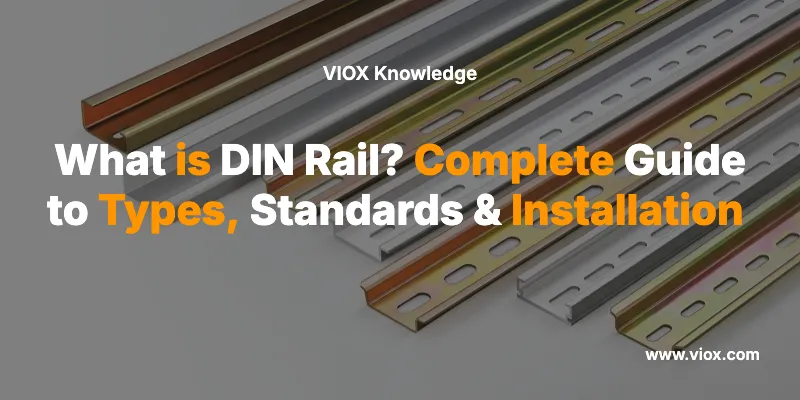
What is DIN Rail? Complete Guide to Types, Standards & Installation

DINレールとは?種類、規格、設置に関する完全ガイド(2026年)

Key Takeaways Global Standard: DIN rail is the universal industry standard (IEC 60715) for mounting electrical components in control panels, ensuring cross-brand compatibility. Primary Types: The most common profile is the TS35 (Top Hat) rail, followed by TS15 (Miniature) and TS32 (G-Section) for specific applications. Material Matters: Standard rails are zinc-plated steel for strength, while aluminum offers lightweight options and stainless steel provides corrosion resistance. Efficiency: DIN rail systems reduce installation time by up to 50% compared to panel mounting, offering high-density organization and modular flexibility. Critical Specs: Selection depends on load capacity, environmental conditions, and the specific depth requirements (7.5mm vs. 15mm) of your components. Introduction In the world

DINレールとは?種類、規格、設置に関する完全ガイド(2026年) 続きを読む »

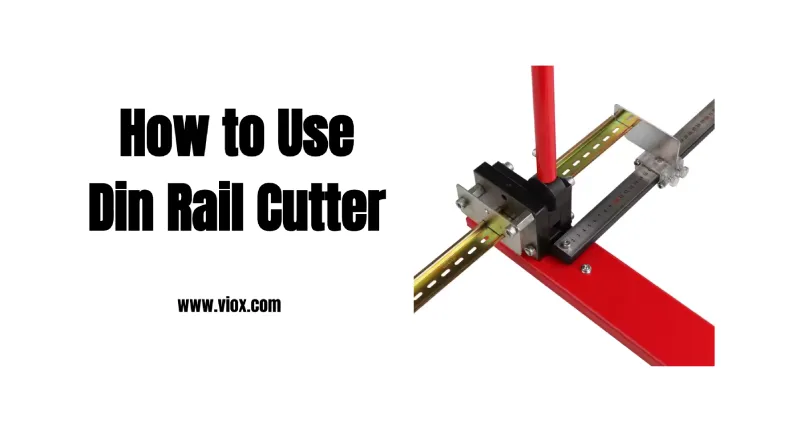
How to Use Din Rail Cutter

ディンレールカッターの使い方

DIN rail cutters are specialized tools designed to provide clean, precise cuts for various types of DIN rails used in electrical and control panel installations. These bench-mounted devices offer a safe and efficient alternative to manual cutting methods, ensuring accurate measurements and burr-free edges for professional results. DIN Rail Cutter Setup To set up a DIN rail cutter, securely mount it to a solid workbench using appropriate screws. Drill four holes 9-10mm (3/8″) in diameter and use 8mm (5/16″) machine screws for optimal stability. Install the handle by screwing it into place, then attach the measuring rail and guide system. Ensure ample space around the machine for comfortable operation. Some

ディンレールカッターの使い方 続きを読む »

alimentation 24v rail din​

24VレールDIN電源

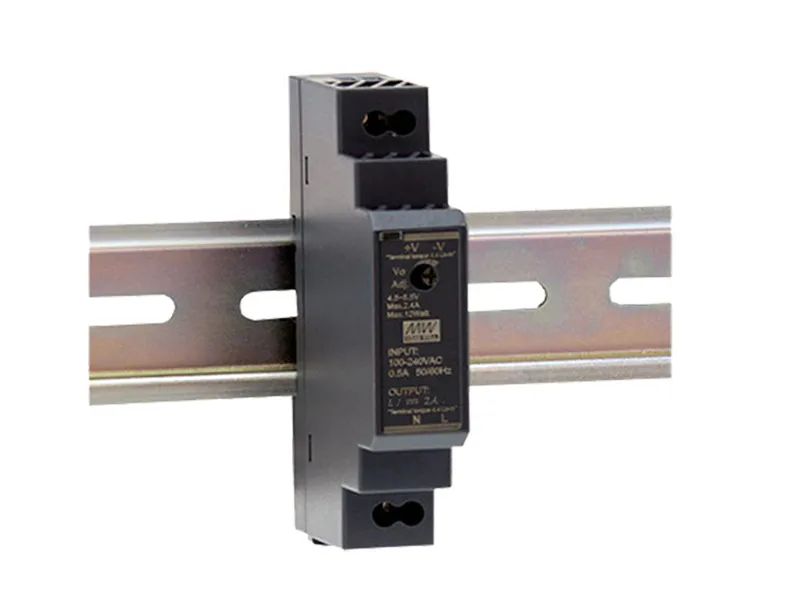
DIN Rail Power Basics A 24V rail DIN alimentation, also known as a 24V DIN rail power supply, is a specialized electrical device designed to convert AC mains voltage into a stable 24V DC output for industrial and automation applications. These power supplies are characterized by their ability to mount directly onto standardized 35mm DIN rails, which are commonly used in electrical control cabinets and industrial settings. Key features of 24V rail DIN power supplies include: Compact design for efficient use of cabinet space. High efficiency, often reaching up to 95.6% to minimize heat generation and energy costs. Robust construction to withstand harsh industrial environments. Wide input voltage ranges to

24VレールDIN電源 続きを読む »

IPC Book Mount DIN Rail

IPCブックマウントDINレール

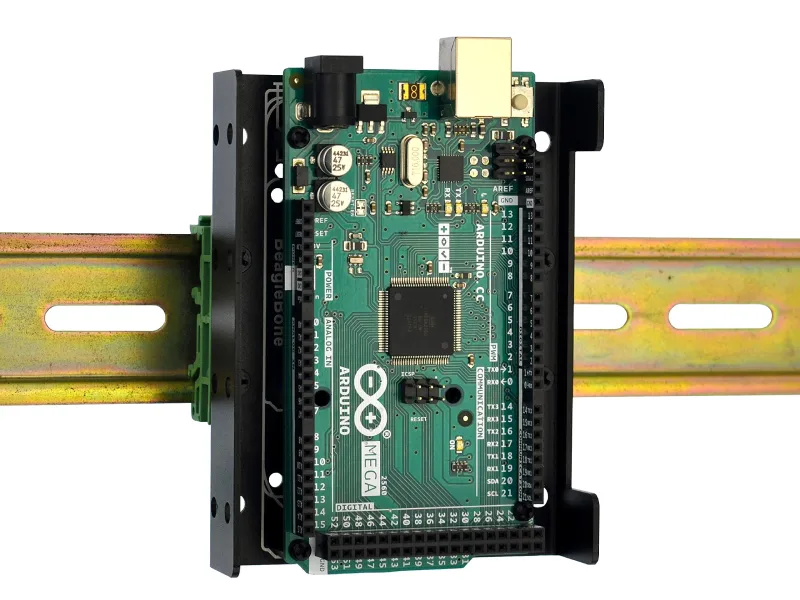
Industrial PCs (IPCs) offer versatile mounting options, with book mounting and DIN-rail mounting being two popular methods that provide efficient space utilization and easy installation in control cabinets and industrial settings. Book Mounting Overview Book mounting for Industrial PCs requires a specialized adapter and allows for vertical installation, similar to placing a book on a shelf. This method offers specific orientation requirements: Interface side must face downward when mounting on the side. Power connector should be positioned at the top when mounting on top. Installation involves securing the adapter with four screws, tightened to 1.5 N•m torque. The compact format of book mount IPCs makes them ideal for use in

IPCブックマウントDINレール 続きを読む »

端子付き電気接続箱

Junction boxes with terminals are essential electrical enclosures designed to safely connect and protect wiring connections, featuring various configurations of terminals, protection ratings, and material options to suit different applications and installation requirements. Terminal Configurations Explained Terminal configurations in junction boxes play a crucial role in connecting and distributing electrical circuits. Typically, these boxes feature 3-6 terminals, allowing for the joining of multiple cable cores. The number of terminals directly impacts the box’s versatility, with more terminals enabling connections between a greater number of cables within a single enclosure. Main terminal blocks are designed to accommodate various cable cross-sections, such as 2 x 25 mm² + 2 x 16 mm²

端子付き電気接続箱 続きを読む »

今すぐ見積もりを依頼する