

In questa pagina
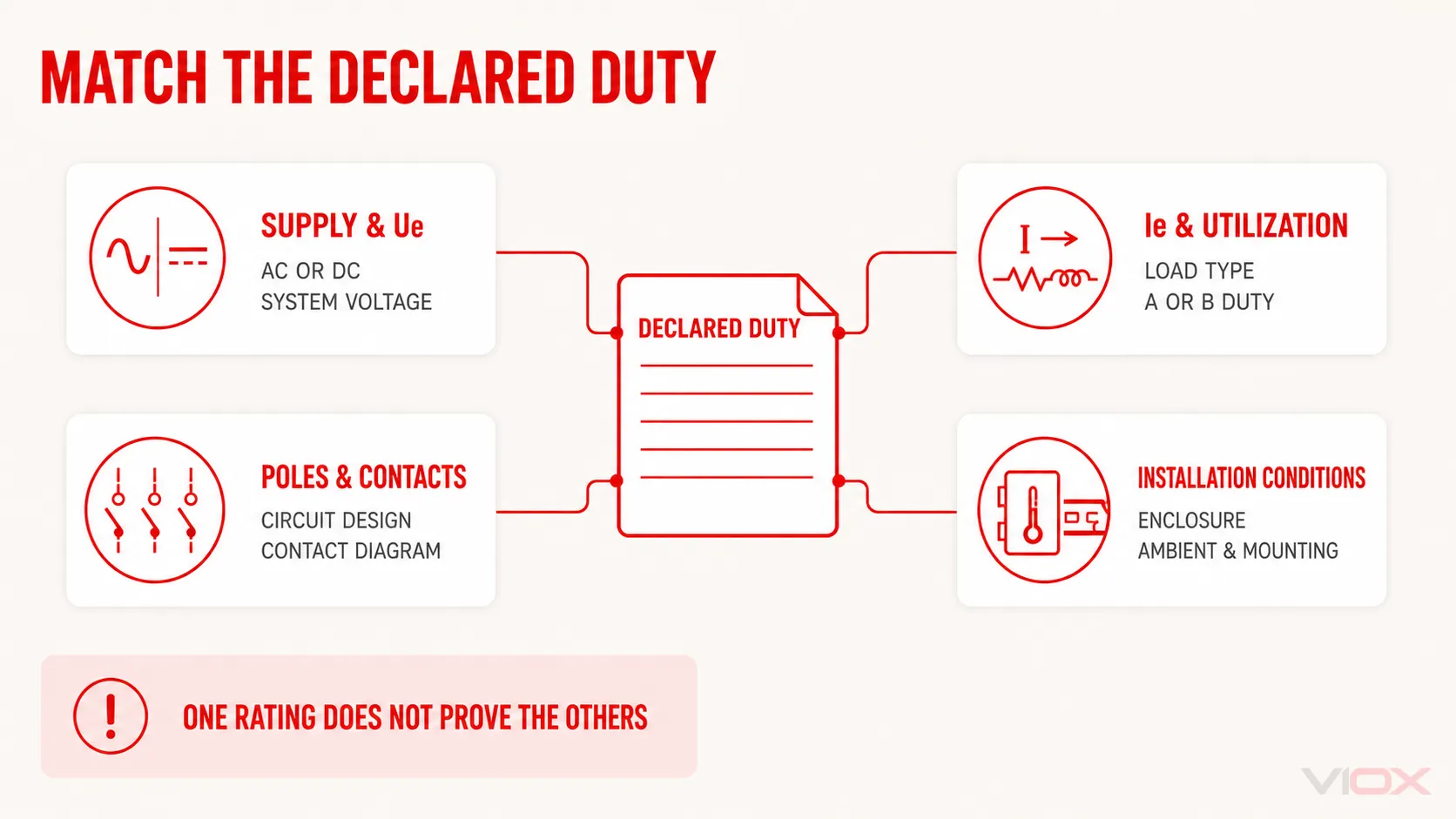
Per scegliere un sezionatore, definire innanzitutto cosa deve fare il dispositivo: fornire solo isolamento, inserire e disinserire la corrente di carico normale, oppure combinare la commutazione con la protezione tramite fusibili. Verificare quindi la tensione di alimentazione e la tensione nominale di impiego (Ue), la corrente nominale di impiego (Ie) secondo la categoria di utilizzo e le condizioni di installazione corrette, la disposizione dei poli/contatti, il coordinamento contro il cortocircuito, la costruzione, l'involucro e la documentazione per il mercato di destinazione.
Non effettuare la selezione basandosi solo sul valore in ampere. Un dispositivo contrassegnato con 63 A può avere valori nominali utilizzabili differenti per un carico resistivo, un carico motore, un'installazione in involucro o una tensione diversa. Potrebbe inoltre trattarsi di un sezionatore piuttosto che di un dispositivo di commutazione sotto carico. Se non si è ancora certi della funzione necessaria, iniziare da cosa fa un sezionatore.
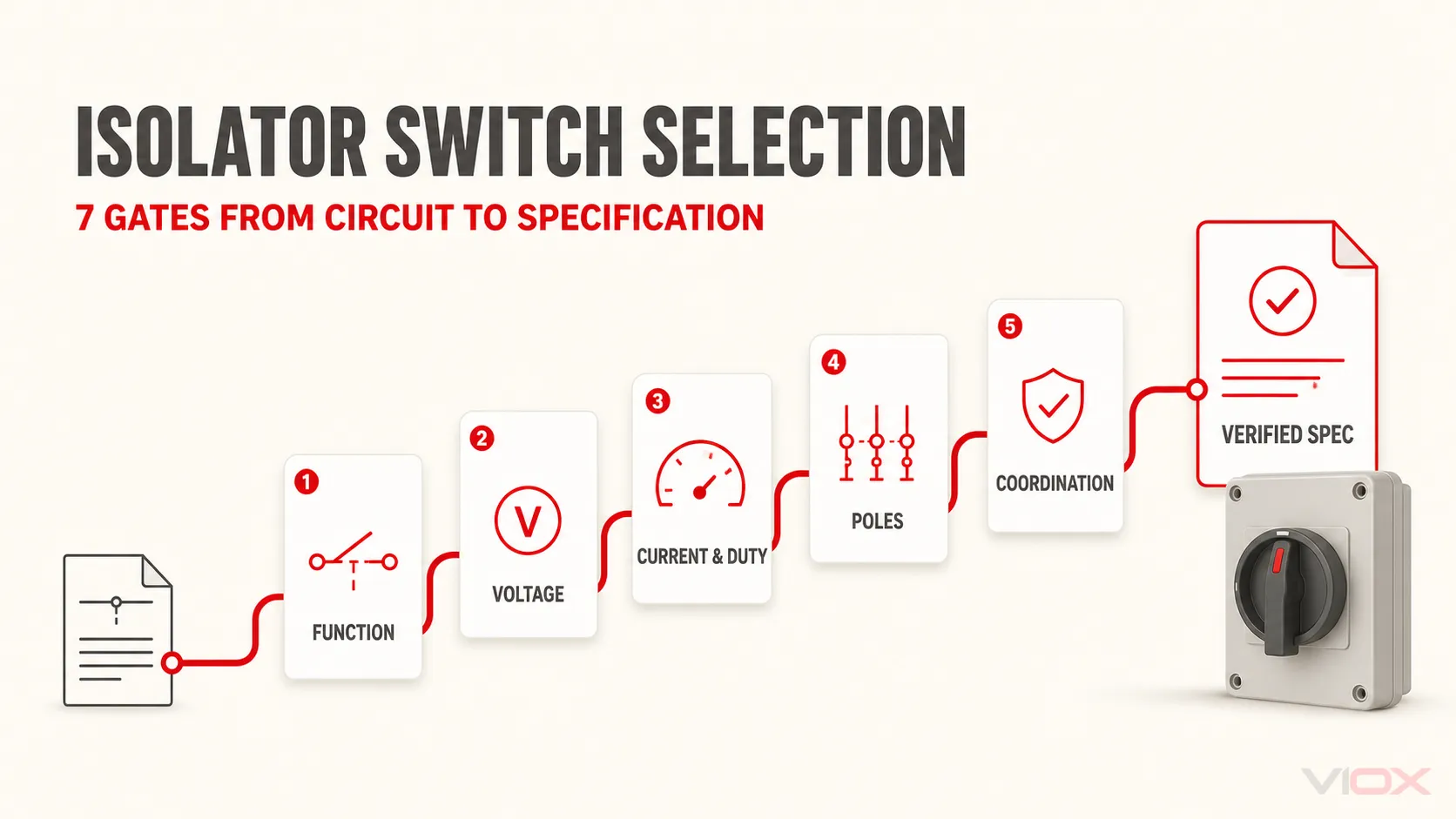
Foglio di lavoro per la selezione del sezionatore a sette porte
Trattare ogni riga come una porta. Un prodotto procede solo quando la sua scheda tecnica, la marcatura, lo schema e la documentazione di supporto soddisfano esattamente il requisito.
| Gate | Dati di ingresso necessari | Cosa deve dimostrare il dispositivo selezionato | Rifiutare o sospendere quando |
|---|---|---|---|
| 1. Funzione | Solo isolamento, commutazione di carico normale o commutazione con protezione tramite fusibile | Funzione dichiarata di sezionatore, interruttore-sezionatore o interruttore-sezionatore sottocarico con fusibili | Il nome commerciale è l'unica prova del servizio |
| 2. Alimentazione e tensione | AC o DC, tensione di sistema, frequenza e relativo ambiente transitorio | Ue e il valore nominale del tipo di alimentazione corrispondono al circuito; altre tensioni nominali sono interpretate correttamente | Solo Ui, Uimp o una tensione nominale AC vengono utilizzati come prova di idoneità operativa |
| 3. Corrente e servizio di carico | Corrente di carico nominale, tipo di carico, frequenza di commutazione, condizioni ambientali e involucro | Ie è adeguata alla tensione e alla categoria di utilizzo richieste nelle condizioni dichiarate | La selezione si basa sulla corrente nominale o su un margine percentuale universale |
| 4. Poli e contatti | Conduttori da sezionare e comportamento richiesto del neutro | Il numero di poli e lo schema dei contatti corrispondono al progetto del circuito | Un'etichetta come 3P+N o 4P è accettata senza verificare lo schema |
| 5. Coordinamento contro il cortocircuito | Corrente di cortocircuito presunta e dispositivo di protezione contro il cortocircuito (SCPD) a monte | Icw, Icm, dati di cortocircuito condizionato e la disposizione SCPD specificata sono adeguati ove applicabile | Si presume che l'interruttore elimini un guasto come un interruttore automatico |
| 6. Costruzione e involucro | Montaggio, maniglia, albero, bloccabilità, interblocco, accesso, polvere, acqua, temperatura e posizione | L'intero assemblaggio, non solo l'interruttore interno, soddisfa i requisiti meccanici e ambientali | Si presume che la classificazione del dispositivo interno si applichi all'involucro finito |
| 7. Evidenze di mercato | Paese di destinazione, categoria dell'apparecchiatura, norma di prodotto e documentazione di progetto | Il modello esatto dispone dell'approvazione, del certificato, delle istruzioni e della compatibilità degli accessori richiesti | Una brochure di famiglia o un logo vengono sostituiti alla prova a livello di modello |
L'ordine è importante. Un prodotto che non supera il gate funzionale non può essere salvato da una corrente nominale superiore, e un prodotto che non supera il coordinamento contro il cortocircuito non può essere salvato da un involucro più robusto.
Gate 1: Scegliere la funzione prima della taglia
Il termine “sezionatore” viene utilizzato in modo generico nei cataloghi e negli approvvigionamenti. Convertirlo in uno dei tre requisiti funzionali prima di confrontare i prodotti.
| Funzione di sistema richiesta | Percorso del dispositivo da valutare | Limite chiave |
|---|---|---|
| Stabilire una funzione di sezionamento in posizione di apertura | Sezionatore | Non dare per scontato che possa interrompere la normale corrente di carico |
| Stabilire il sezionamento ed effettuare l'apertura/chiusura del circuito in servizio normale | Interruttore-sezionatore | Verificare la categoria di utilizzazione dichiarata e la classificazione operativa |
| Stabilire la commutazione/sezionamento e integrare i fusibili | Sezionatore sottocarico con fusibili | Verificare sia il servizio di commutazione che l'esatta disposizione di coordinamento dei fusibili |
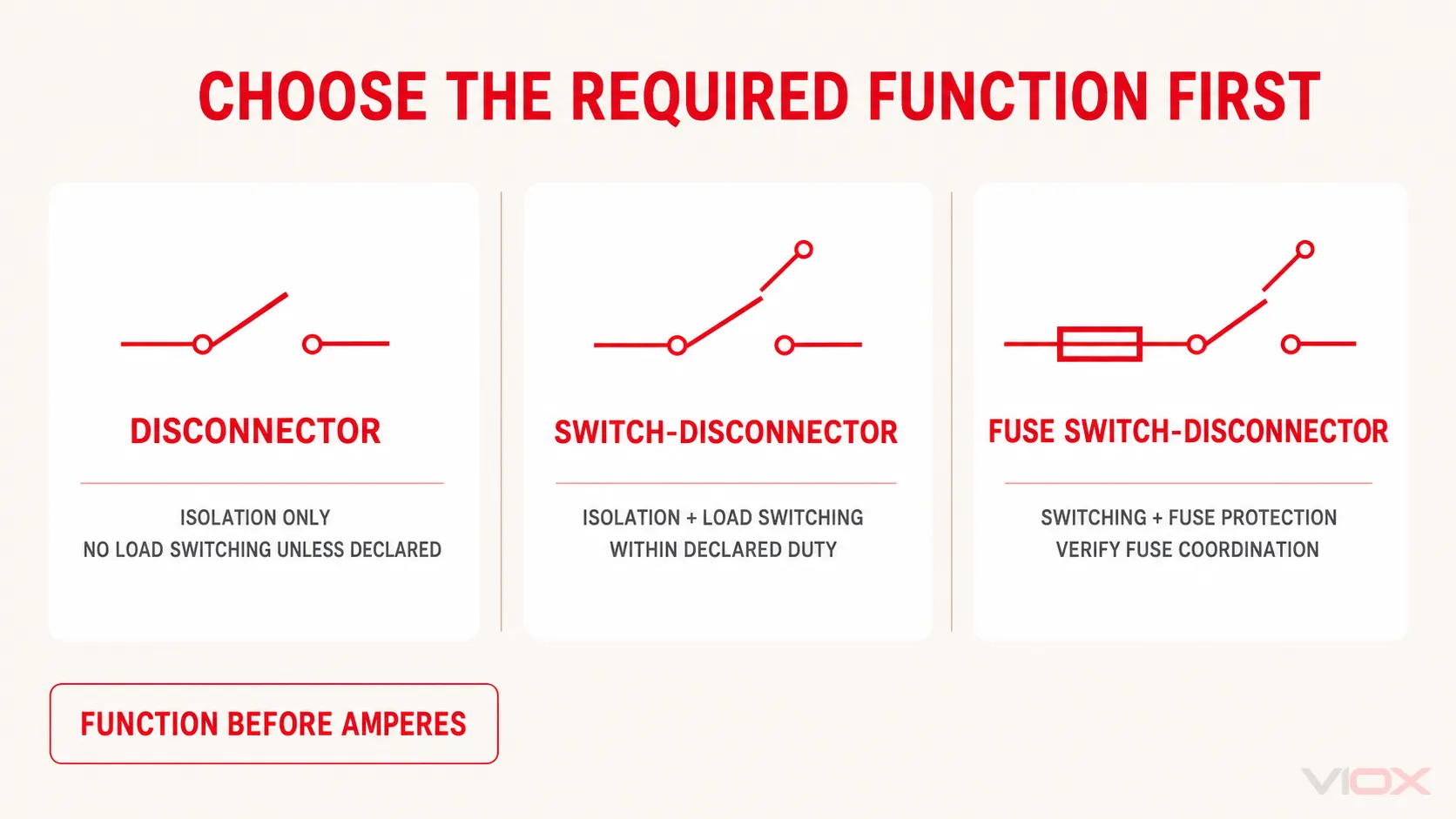
Un interruttore-sezionatore può aprire o chiudere la sua corrente nominale nelle condizioni dichiarate, ma non rileva automaticamente un sovraccarico o un cortocircuito. Normalmente dipende da un dispositivo di protezione coordinato a monte o integrato. La terminologia completa è trattata in sezionatore vs disconnettore vs interruttore-sezionatore.
Se la vera domanda è se il sistema elettrico necessiti di un sezionatore o di un interruttore automatico di protezione, utilizzare il separato confronto tra interruttore automatico e sezionatore. Non risolvere tale decisione architetturale scegliendo un sezionatore più grande.
Gate 2: Corrispondenza tra alimentazione e tensione operativa
Partire dal circuito, non dall'etichetta del prodotto:
- L'alimentazione è AC o DC?
- Qual è la tensione operativa massima a cui sarà sottoposto il dispositivo?
- Per AC, qual è la frequenza del sistema elettrico?
- Il progetto richiede un particolare livello di isolamento o di tenuta all'impulso?
- Il produttore richiede una specifica disposizione dei poli per ottenere una tensione DC dichiarata?
La tensione operativa nominale Ue è il valore di tensione primario per il servizio operativo previsto. Altri valori su una scheda tecnica hanno scopi diversi:
| Marcatura | Cosa stabilisce | Ciò che non stabilisce di per sé |
|---|---|---|
| Ue — tensione nominale di impiego | La tensione alla quale vengono dichiarate le prestazioni operative con il relativo servizio | Idoneità per ogni corrente, categoria di utilizzo o tipo di alimentazione |
| Ui — tensione nominale di isolamento | Il riferimento di tensione utilizzato per il coordinamento e le prove relative all'isolamento | Autorizzazione al funzionamento continuo del dispositivo a Ui |
| Uimp — tensione nominale di tenuta a impulso | La capacità dichiarata di resistere a sollecitazioni impulsive specificate | Capacità di commutazione del carico normale o di interruzione del cortocircuito |
Non trasferire mai per presunzione una specifica AC a un circuito DC. La selezione DC può richiedere calcoli di tensione specifici per la sorgente, regole di polarità e poli collegati in serie; questi appartengono alla guida alla selezione degli isolatori DC e al separato lettore di specifiche DC.
Gate 3: Corrispondenza tra Ie e il ciclo di carico effettivo
La corrente rilevante non è semplicemente il valore di ampere più alto presente nella pagina. Verificare la corrente operativa nominale Ie alla Ue richiesta e alla categoria di utilizzo, quindi controllare le condizioni associate a tale valore nominale.
I cataloghi dei produttori possono mostrare anche la corrente termica convenzionale in aria libera (Ith), la corrente termica in custodia (Ithe) o un altro valore termico. Questi possono aiutare a spiegare i limiti di sovratemperatura, ma non sono sostituti automatici della Ie per il ciclo di commutazione richiesto.
Utilizzare la categoria di utilizzo, non un'etichetta di carico generica
Per gli interruttori-sezionatori AC orientati alla norma IEC, il carico determina la categoria di utilizzo. Le categorie sottostanti costituiscono una mappa di selezione, non un sostituto della tabella specifica del prodotto.
| Famiglia di utilizzo IEC | Servizio generale rappresentato | Implicazioni per la selezione |
|---|---|---|
| AC-20 | Il collegamento e lo scollegamento in assenza di condizioni di carico | Appropriato solo quando la configurazione operativa dichiarata non richiede la commutazione del carico |
| AC-21 | Carichi resistivi, inclusi sovraccarichi moderati | Verificare Ie alla tensione di progetto e al suffisso di servizio A/B richiesto |
| AC-22 | Carichi misti resistivi e induttivi, inclusi sovraccarichi moderati | Non selezionare in base al valore di corrente AC-21 |
| AC-23 | Carichi motore o altri carichi altamente induttivi | Verificare la tabella della corrente o della potenza AC-23 del produttore alla tensione effettiva |
Nella notazione delle categorie di utilizzo IEC, un Un suffisso identifica il funzionamento frequente e B identifica il funzionamento infrequente. Un dispositivo può quindi avere diverse dichiarazioni come AC-23A e AC-23B. La guida ufficiale di Schneider Electric per sezionatori illustra perché la categoria deve essere letta insieme alla Ie piuttosto che trattata come una specifica accessoria.
Controllare inoltre se la corrente pubblicata presuppone il montaggio all'aria aperta, in un involucro, una temperatura ambiente massima, una particolare disposizione dei morsetti/conduttori o un'altra condizione di installazione. Applicare solo il declassamento supportato dal produttore. Non esiste una regola universale difendibile secondo cui ogni sezionatore debba essere selezionato alla corrente di carico più il 25%.
Gate 4: Verifica dei poli e comportamento dei contatti
La selezione dei poli inizia con la progettazione del circuito: identificare ogni conduttore per il quale è richiesta la funzione di sezionamento e cosa deve accadere al neutro, se presente. Successivamente, verificare lo schema dei contatti del prodotto.
Non considerare le etichette sottostanti come globalmente intercambiabili:
- 3P indica solitamente tre poli azionati, ma non chiarisce se esista un neutro altrove nel sistema elettrico.
- 3P+N può indicare un percorso del neutro con un comportamento che differisce dai poli di fase; lo schema esatto determina se e come commuta.
- 4P indica quattro poli, ma non prova di per sé una sequenza richiesta, la portata del neutro o il comportamento di chiusura anticipata/apertura ritardata (first-make/last-break).
La disposizione corretta dipende dal sistema di messa a terra, dalla configurazione della sorgente, dai percorsi di trasferimento o in parallelo, dalle norme di installazione locali e dall'apparecchiatura da sezionare. Per la questione più approfondita sul sistema elettrico, utilizzare il Guida all'interruttore sezionatore trifase e lo schema di cablaggio/contatti del produttore. Questa pagina di selezione non fornisce una risposta universale 3P contro 4P.
Gate 5: Verifica del coordinamento contro il cortocircuito
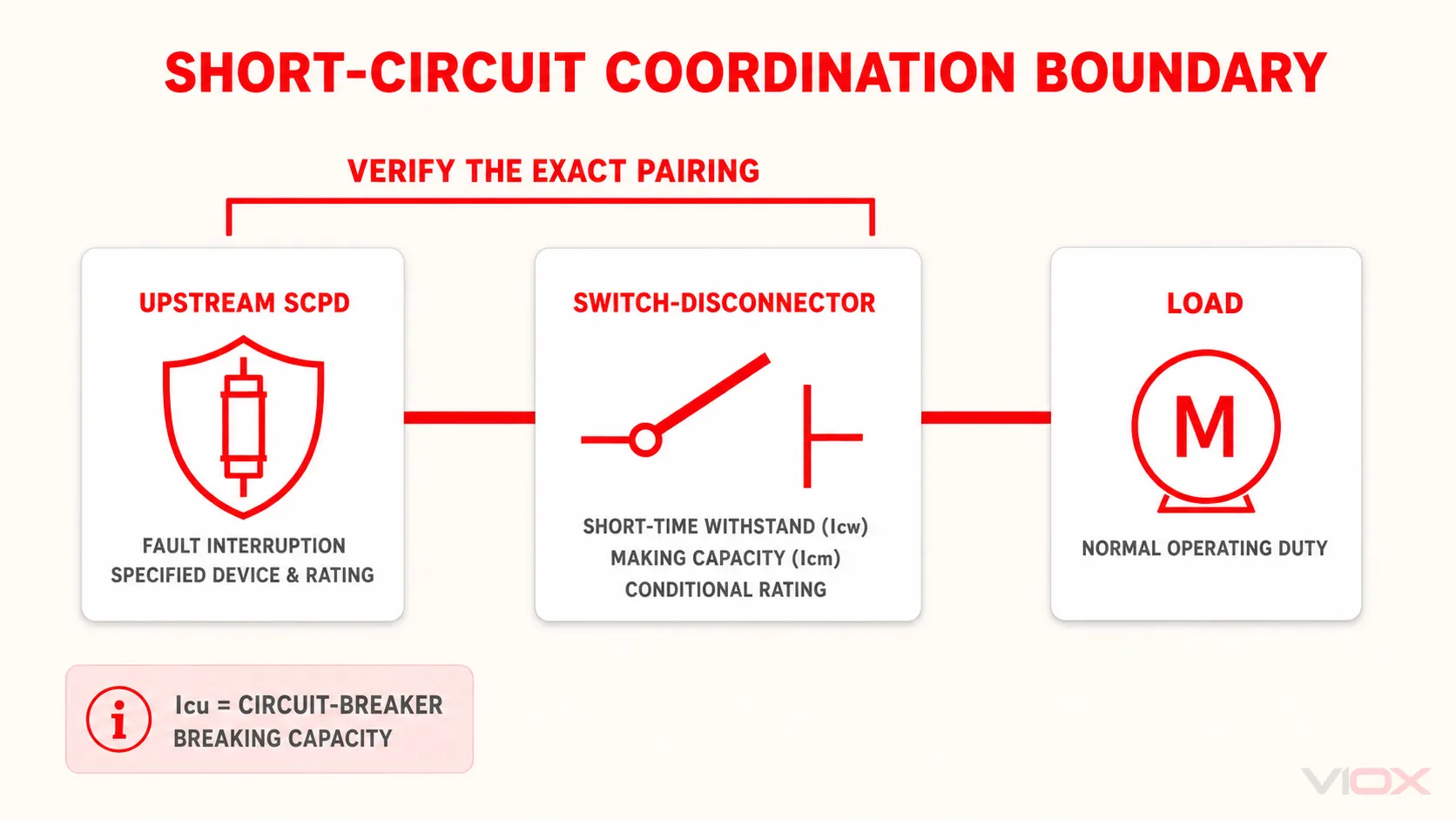
Un sezionatore non è un interruttore automatico. Può avere capacità dichiarate di tenuta e chiusura in cortocircuito, ma non viene selezionato presupponendo che interrompa automaticamente la corrente di guasto presunta.
| Parametro o dichiarazione | Significato della selezione | Interpretazione errata comune |
|---|---|---|
| Icw — corrente nominale di breve durata ammissibile | Corrente che il dispositivo può sopportare per la durata dichiarata in condizioni specificate | Trattare la tenuta come un'interruzione automatica del guasto |
| Icm — potere nominale di chiusura in cortocircuito | Corrente di picco che il dispositivo può stabilire in condizioni di cortocircuito dichiarate | Trattare il potere di chiusura come potere di interruzione |
| Corrente di cortocircuito condizionata | Corrente presunta che il dispositivo può sopportare quando protetto da un SCPD e da una configurazione specificati | Utilizzo del valore senza il dispositivo di protezione indicato o le condizioni specificate |
| Icu — potere di interruzione ultimo in cortocircuito | Un parametro di interruzione dell'interruttore automatico | Applicazione di un campo di interruttori come requisito universale di sezionamento |
Schneider Electric specifica esplicitamente che un interruttore di manovra-sezionatore può avere Icw e Icm, ma non ha Icu secondo il quadro normativo IEC per gli interruttori di manovra-sezionatori citato. La sua chiarificazione tecnica è un utile riscontro rispetto ai moduli di approvvigionamento che richiedono per ogni dispositivo di manovra la stessa “potere di interruzione”.”
Completare questa fase registrando:
- la corrente di cortocircuito presunta nel punto di installazione;
- l'esatto fusibile o interruttore automatico a monte;
- le dichiarazioni di tenuta/chiusura autonome dell'interruttore di manovra-sezionatore;
- qualsiasi valore nominale condizionato e l'esatto SCPD, valore nominale e configurazione da cui dipende; e
- se l'assemblaggio finito richieda una verifica separata.
IEC 60947-3:2020+AMD1:2025 copre interruttori, sezionatori, interruttori-sezionatori e unità di combinazione fusibili entro il suo ambito di bassa tensione dichiarato. La pagina IEC identifica inoltre i requisiti di valore nominale di cortocircuito condizionato per i dispositivi protetti da interruttori automatici come un cambiamento tecnico significativo. Tale ambito dello standard di prodotto non sostituisce la progettazione dell'installazione o la valutazione dell'assemblaggio.
Fase 6: Selezionare la costruzione, l'operatore e l'involucro
Una volta superato il carico elettrico, abbinare l'implementazione fisica all'apparecchiatura.
| Voce di selezione | Domande da risolvere |
|---|---|
| Formato di montaggio | Guida DIN, montaggio su base/pannello, accoppiamento a porta o assemblaggio completamente chiuso? |
| Operatore | Maniglia diretta o maniglia esterna con prolunga? La lunghezza della prolunga è compatibile con la profondità dell'involucro? |
| Indicazione di posizione e isolamento | Quale marcatura o meccanismo comprova la posizione dei contatti dichiarata e la funzione di sezionamento? |
| Bloccaggio e interblocco | È richiesto il lucchettaggio? La porta dell'involucro deve rimanere interbloccata mentre l'interruttore è chiuso? Quale metodo di esclusione, se presente, è documentato? |
| Terminazioni | Il tipo di conduttore, la sezione, l'occhiello, l'orientamento del morsetto e l'accesso corrispondono alle istruzioni del modello esatto? |
| Accessori | I contatti ausiliari, i moduli neutri, i portafusibili, le protezioni dei morsetti o le maniglie sono approvati per la taglia selezionata? |
| Ambiente | Quale grado di protezione IP o NEMA dell'intero assemblaggio, intervallo di temperatura ambiente, condizioni di inquinamento, altitudine, resistenza alla corrosione o resistenza ai raggi UV è richiesto? |
Un codice IP appartiene alla configurazione dell'involucro testata o dichiarata. Un meccanismo di interruttore montato all'interno di una scatola non conferisce automaticamente all'assemblaggio finito il livello di protezione dichiarato della scatola, specialmente dopo l'aggiunta di maniglie, alberi, ingressi cavi, scarichi o altre penetrazioni. Utilizzare la dettagliata guida agli interruttori sezionatori per interni ed esterni quando la decisione ambientale richiede un'analisi IP completa.
Gate 7: Verificare l'evidenza del mercato di destinazione
Gli standard e i nomi delle categorie non sono intercambiabili tra i vari mercati. Per un progetto orientato alla IEC, la famiglia di prodotti pertinente viene comunemente valutata secondo la norma IEC 60947-3. L'ambito ufficiale IEC copre i circuiti di distribuzione e motore fino ai limiti indicati nella sua pagina di pubblicazione; ciò non prova che un particolare modello VIOX o di terze parti detenga uno specifico certificato.
I progetti nordamericani possono distinguere i sezionatori valutati secondo UL 98 da alcuni controllori motore manuali valutati secondo UL 508 o altre categorie applicabili. UL Solutions fornisce un esempio concreto relativo ai macchinari: laddove un interruttore per circuiti motore non fusibile con potenza nominale in cavalli venga utilizzato nel contesto di alimentazione/sezionamento indicato, è richiesto un sezionatore non fusibile UL 98 anziché un controllore motore manuale UL 508. Vedere la guida ufficiale guida UL sui circuiti di alimentazione delle macchine e sui mezzi di sezionamento.
Per il modello esatto, richiedere i documenti effettivamente necessari al mercato di destinazione e al progetto:
- scheda tecnica corrente e istruzioni di installazione;
- informazioni sullo standard di prodotto e sull'approvazione legate al modello esatto;
- tabella delle categorie di utilizzo alla tensione richiesta;
- diagramma dei poli/contatti e comportamento del neutro;
- dati di tenuta al cortocircuito, potere di chiusura e coordinamento condizionato;
- maniglie, alberi, cartucce fusibili, morsetti e accessori compatibili; e
- dichiarazioni ambientali per l'involucro completo, ove applicabile.
Non dedurre l'approvazione del modello da una pagina di famiglia, da un logo di test o da un altro prodotto della stessa serie.
Converti i Seven Gates in una specifica RFQ
Utilizza il seguente record prima di confrontare i codici prodotto. Sostituisci ogni elemento tra parentesi con le informazioni di progetto o contrassegnalo come richiedente conferma tecnica.
| Campo RFQ | Voce di progetto |
|---|---|
| Funzione richiesta | [Sezionatore / interruttore-sezionatore / interruttore-sezionatore sottocarico con fusibili] |
| Alimentazione | [AC o DC], [frequenza se AC] |
| Tensione operativa nominale | Ue ≥ [requisito di progetto], in [condizioni di esercizio applicabili] |
| Carico | [carico resistivo / misto / motore o altamente induttivo / altro carico definito] |
| Corrente o potenza operativa nominale | Ie ≥ [valore richiesto] a [Ue] e [categoria di utilizzo] |
| Servizio di funzionamento | [categoria A/B richiesta o frequenza operativa documentata] |
| Poli e contatti | [numero di poli], [comportamento contatto/neutro], schema richiesto |
| Coordinamento contro il cortocircuito | [corrente presunta], [SCPD a monte], [dichiarazione Icw/Icm/condizionale richiesta] |
| Montaggio e operatore | [guida DIN / pannello / accoppiato a porta / in custodia], [maniglia/albero/interblocco] |
| Ambiente | [condizioni interne/esterne], [IP/NEMA richiesto per l'assemblaggio completo], [condizioni ambientali/altitudine/corrosione] |
| Evidenze di mercato | [paese di destinazione], [standard/approvazione richiesti], documenti a livello di modello richiesti |
| Accessori e morsetti | [esigenze conduttore/morsetto], [ausiliari], [elenco accessori approvati] |
Esempio delimitato: Sezionamento locale per un carico motore AC
Supponiamo che un costruttore di quadri necessiti di un dispositivo locale in grado di commutare regolarmente un carico motore AC e fornire una funzione di sezionamento. Il gate della funzione punta a un sezionatore-interruttore, non a un sezionatore di solo isolamento. Il gate del carico richiede quindi i dati di utilizzo motore/altamente induttivo del produttore, tipicamente la dichiarazione AC-23 appropriata, alla tensione effettiva del sistema elettrico. Il progettista deve comunque stabilire la Ie o la potenza nominale del motore applicabile, i poli richiesti e il comportamento del neutro, la corrente di cortocircuito presunta, il coordinamento con il SCPD a monte, la disposizione dell'operatore e del quadro, e l'approvazione per il mercato di destinazione.
Tale affermazione non costituisce una raccomandazione di codice prodotto. Mostra come la descrizione del carico modifichi la specifica prima che vengano confrontati corrente, poli o quadro.
Passare dalla specifica alla valutazione del prodotto
Dopo che ogni gate ha ricevuto una risposta, confrontare i modelli documentati nel VIOX categoria sezionatore e categoria interruttore-sezionatore. Per una richiesta tecnica, inviare il record RFQ completato, la quantità richiesta e il mercato di destinazione a [email protected]. VIOX dovrebbe confermare le caratteristiche nominali a livello di modello e la documentazione rispetto al requisito fornito, anziché selezionare basandosi solo sul valore di ampere.
Fonti tecniche
- IEC 60947-3:2020+AMD1:2025 — interruttori, sezionatori, interruttori-sezionatori e unità di combinazione con fusibili
- Schneider Electric — categorie di utilizzo degli interruttori-sezionatori
- Schneider Electric — Icw, Icm e Icu per interruttori-sezionatori
- Schneider Electric — guida alla selezione degli interruttori di manovra-sezionatori
- UL Solutions — circuito di alimentazione macchina e mezzi di sezionamento