⎯⎯ Solar PV DC Protection · 600V / 1000V
Combiner Box for Solar PV Systems
VIOX combiner box products are designed for solar PV systems that need safe string collection, organized DC protection, and practical field installation. The current range covers solar combiner box, PV combiner box, and DC combiner box configurations across 600V and 1000V systems, with integrated fuse, SPD, and isolator layouts.
600V/1000V
System Voltage Classes
1-8
Current String Range
Fuse+SPD
Integrated Protection Logic
- PV String Collection
- Fuse + SPD + Isolator
- Plastic and Metal Direction
- IP65 Outdoor Layout
- Global Delivery
⎯⎯ About the Product
What Is a Combiner Box?
A combiner box is the enclosure that collects the output of multiple PV strings and combines them into one output or a smaller number of outputs before the inverter or downstream DC equipment. In a modern solar combiner box, this enclosure also organizes internal protection devices and cable routing in one serviceable assembly.
In practical project buying, most users compare a PV combiner box or DC combiner box by voltage class, string count, enclosure rating, protection stack, and installation fit. The current product range is organized around real model groups, system configuration, and protection logic for faster selection.
String Consolidation
Bring multiple PV string outputs into one organized enclosure before routing power to the inverter side.
Protection Integration
Integrate string fuse protection, DC SPD, and DC isolator functions inside the same combiner box layout.
Outdoor Installation Fit
Match enclosure material, ingress protection, cable entry, and service access to real rooftop and field-side conditions.

⎯⎯ Product Range
Combiner Box Models and Categories
Explore real combiner box, solar combiner box, and DC combiner box model groups by voltage class, string configuration, enclosure direction, and internal protection layout.
600V DC

- Model : VOPV600-1/1
- Configuration : 1 Input / 1 Output
- Enclosure: PC+ABS
- Voltage Class: 600V DC
- Ingress: IP65
600V DC
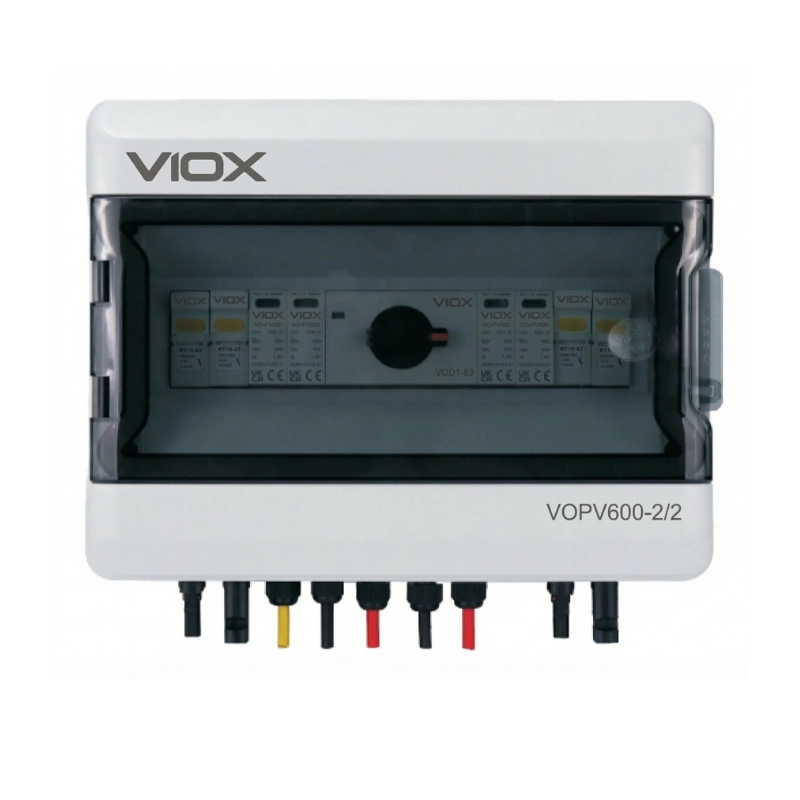
- Model : VOPV600-2/2
- Configuration : 2 Input / 2 Output
- Enclosure: PC+ABS
- Voltage Class: 600V DC
- Ingress: IP65
1000V DC

- Model : VOPV1000-1/1
- Configuration : 1 Input / 1 Output
- Enclosure: PC+ABS
- Voltage Class: 1000V DC
- Ingress: IP65
1000V DC
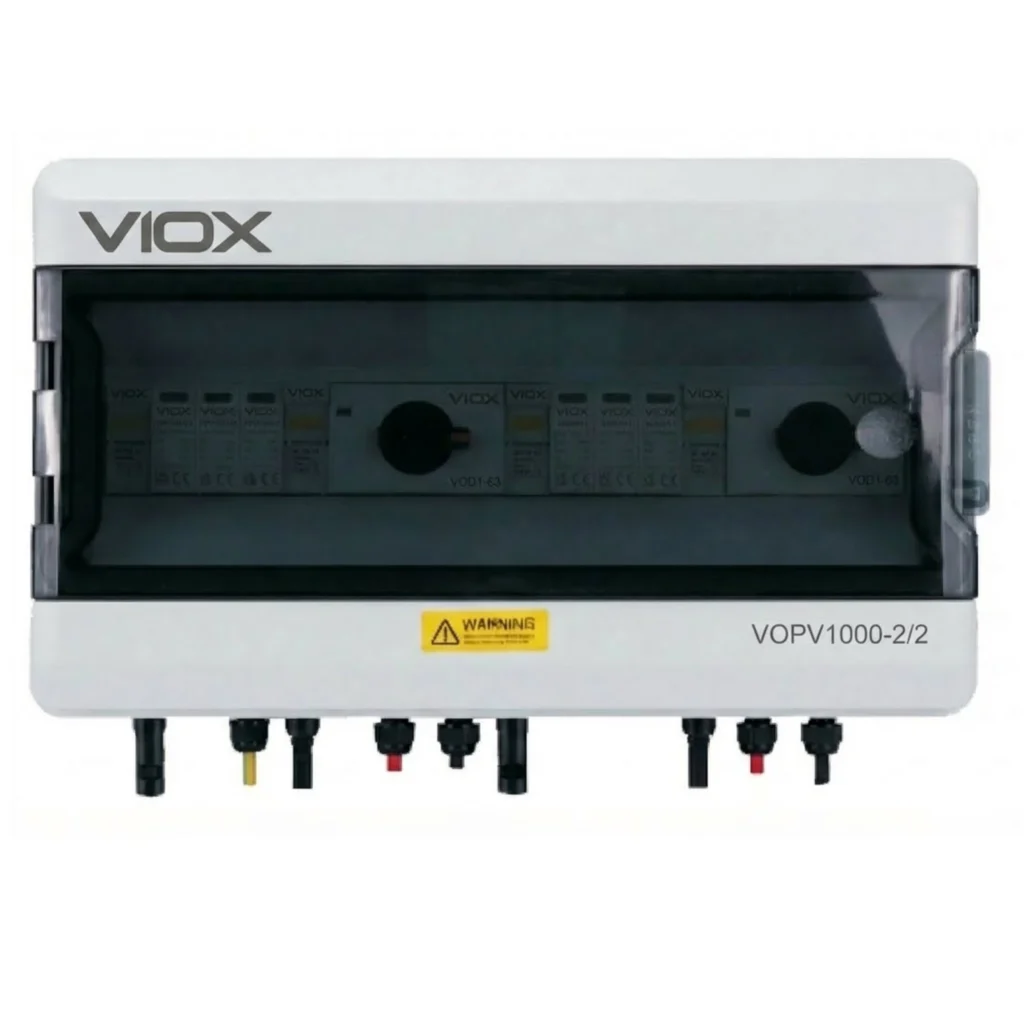
- Model : VOPV1000-2/2
- Configuration : 2 Input / 2 Output
- Enclosure: PC+ABS
- Voltage Class: 1000V DC
- Ingress: IP65
1000V DC
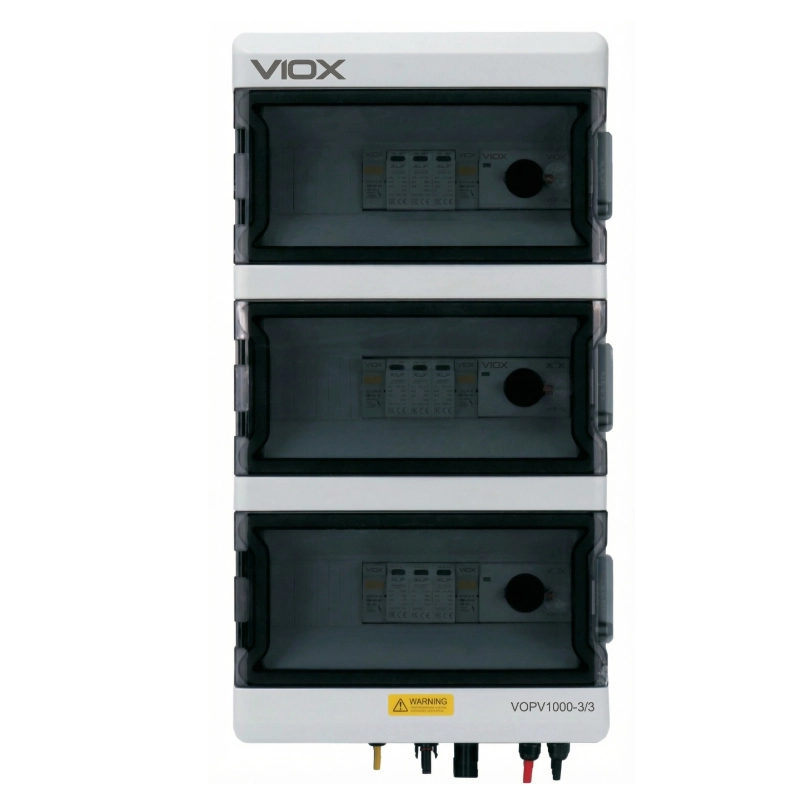
- Model : VOPV1000-3/1
- Configuration : 3 Input / 1 Output
- Enclosure: PC+ABS
- Voltage Class: 1000V DC
- Ingress: IP65
Custom

Custom Combiner Box and OEM Support
If your project needs a specific string layout, device stack, cable entry arrangement, enclosure material, or branding direction, VIOX can also support OEM-oriented combiner box matching.
⎯⎯ Technical Data
Selection Factors
Compare combiner box models by the project factors that matter most in solar PV selection: voltage class, string count, enclosure type, protection devices, cable entry, and installation environment.
In practical project buying, most users compare a PV combiner box or DC combiner box by voltage class, string count, enclosure rating, protection stack, and installation fit. The current product range is organized around real model groups, system configuration, and protection logic for faster selection.
Combiner Box Selection Checklist
| Parameter | What to Confirm |
|---|---|
| System Voltage | Match the combiner box to 600V or 1000V PV system architecture. |
| String Count | Choose the input and output layout needed for 1, 2, or 3 string collection in the current plastic series. |
| Protection Devices | Confirm if string fuse, DC SPD, and DC isolator are required inside the enclosure. |
| Enclosure Type | Confirm the plastic PC+ABS enclosure direction for rooftop and outdoor installation needs. |
| Ingress Rating | Check if the project needs outdoor-ready sealing such as IP65. |
| Mounting Method | Confirm wall-mounted installation method, cable entry direction, and field access space. |
| Cable Entry | Review input-output path, gland arrangement, and field wiring access. |
| Service Access | Make sure internal layout supports maintenance and replacement of protection devices. |
| Application Side | Identify rooftop, commercial, industrial, or field PV application fit. |
| Quantity and Branding | For OEM projects, confirm quantity, marking, and packaging requirements early. |
Configuration Priorities
String Count
1 to 3 input direction
600V / 1000V
Voltage class matching
IP65
Outdoor enclosure fit
Fuse
String protection
SPD
DC surge protection
Isolator
DC switching support
Configuration Priorities
- Plastic enclosure direction — PC+ABS outdoor-ready product logic
- Bill-of-material style layout — clearer internal device arrangement and component review
- Integrated device stack — fuse, SPD, and switch disconnector logic
- Current model depth — multiple live configurations for residential, commercial, and project supply
⎯⎯ Applications
Where a Combiner Box Is Used
Combiner box selection depends on how the enclosure, voltage class, string layout, and protection stack match the actual solar PV installation environment.
Residential Rooftop PV
Compact combiner box layouts are often used where rooftop string collection and compact outdoor installation are important.
Commercial Rooftop Solar
Commercial projects often compare string count, enclosure sealing, and service access when selecting a solar combiner box.
Industrial Rooftop Systems
Industrial rooftop arrays need DC collection boxes that can integrate protection devices and keep field wiring organized.
Ground-Mount Solar
Plastic multi-string combiner box products are useful for field installations that need a higher input count in one outdoor-ready enclosure.
Inverter-Side String Collection
A PV combiner box is commonly selected based on how it matches inverter-side DC architecture and output routing.
DC Protection Layouts
Projects that need fuse, SPD, and isolator coordination inside one enclosure often begin with combiner box selection.
Remote Outdoor Installations
IP65 enclosure direction is especially relevant when the combiner box is exposed to rooftop or field-side weather conditions.
OEM and Project Supply
Importers and project buyers often need model matching, enclosure direction, and internal device alignment before placing orders.
⎯⎯ Why VIOX
Why Choose VIOX for Combiner Box Supply?
Combiner box selection depends on how the enclosure, voltage class, string layout, and protection stack match the actual solar PV installation environment.
Current Product Coverage
VIOX offers multiple current plastic combiner box configurations across 600V and 1000V models for rooftop, field, and project-side DC collection.
600V and 1000V Direction
The current range covers two important PV voltage classes, which helps buyers quickly narrow down the correct combiner box architecture.
Plastic Enclosure Series
The catalog direction focuses on compact plastic outdoor boxes with PC+ABS enclosure construction and practical wall-mounted installation fit.
Integrated Device Logic
String count, fuse protection, SPD, isolator arrangement, and voltage class are presented together so the product direction is easier to compare.
Better RFQ Readiness
Clear model groups and selection points help buyers move from early comparison to quotation with less back-and-forth.
OEM and Project Matching
When standard models are close but not exact, VIOX can support project-side configuration matching, marking, and OEM discussion.
⎯⎯ FAQ
Frequently Asked Questions
What is a combiner box in a solar PV system?
What is the difference between a 600V and a 1000V combiner box?
What protection devices are usually installed inside a combiner box?
How do I choose the right string configuration?
What are the advantages of a plastic combiner box design?
Why choose a combiner box with fuse and SPD?
Where is a PV combiner box typically installed?
What information should I send for combiner box quotation?
⎯⎯ Request Quote
Get a Quote for Combiner Box
- Fast response within 24 hours
- Model matching for 600V and 1000V systems
- Fuse, SPD, and isolator configuration review
- OEM and project support
- Global export delivery