2025년

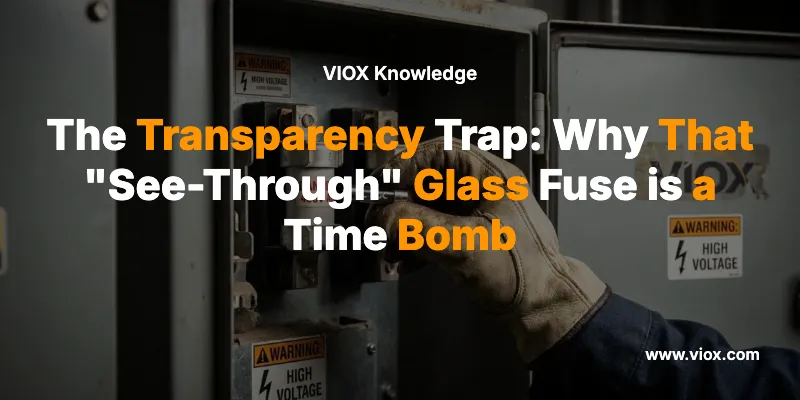
The Transparency Trap: Why That "See-Through" Glass Fuse is a Time Bomb

투명성의 함정: “속이 보이는” 유리 퓨즈가 시한폭탄인 이유

Why that transparent fuse you can “see through” might be the most dangerous component in your electrical panel. The Fatal Convenience It starts innocently enough. You open an industrial control panel. A fuse has blown. You check the spare parts drawer and find a glass fuse. It’s 6.3 × 32mm—the exact same physical size. The […]

투명성의 함정: “속이 보이는” 유리 퓨즈가 시한폭탄인 이유 더 읽기"
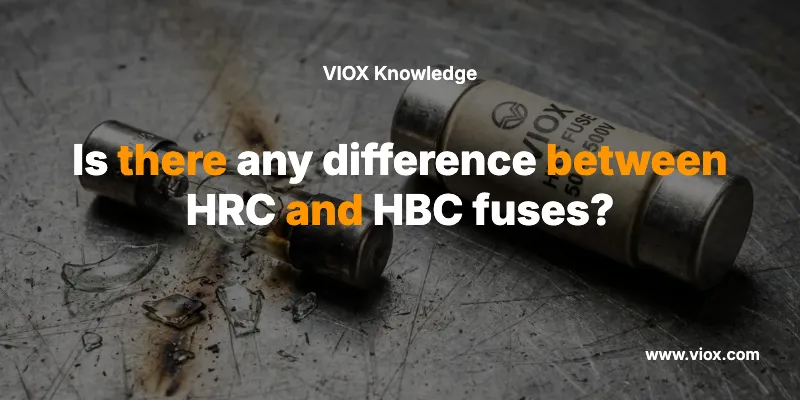
Is there any difference between HRC and HBC fuses?

HRC 퓨즈와 HBC 퓨즈 사이에 차이점이 있습니까?

The Old Blueprint Dilemma Picture this scenario: You’re the lead procurement engineer for a facility modernization project. The electrical drawings from 1995 explicitly specify HRC Fuses for the main distribution panel. You open your supplier’s latest catalog—perhaps even VIOX Electric’s current product line—and suddenly, you can’t find “HRC” anywhere. Every specification sheet shows HBC Fuses

HRC 퓨즈와 HBC 퓨즈 사이에 차이점이 있습니까? 더 읽기"

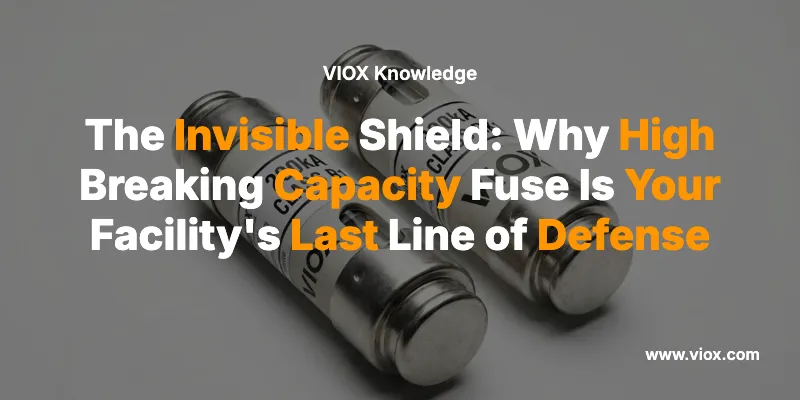
The Invisible Shield: Why High Breaking Capacity Fuse Is Your Facility's Last Line of Defense

보이지 않는 방패: 고차단 퓨즈가 시설의 마지막 방어선인 이유

The Industry’s Silent Upgrade: Why Major Manufacturers Are Raising the Bar Recently, a procurement manager raised a sharp question on a technical forum: “Why are major brands like Mersen, Littelfuse, and Bussmann quietly relabeling their Class R fuses from 200kA to 300kA interrupting ratings? Is this just a marketing gimmick, or a genuine safety advancement?”

보이지 않는 방패: 고차단 퓨즈가 시설의 마지막 방어선인 이유 더 읽기"

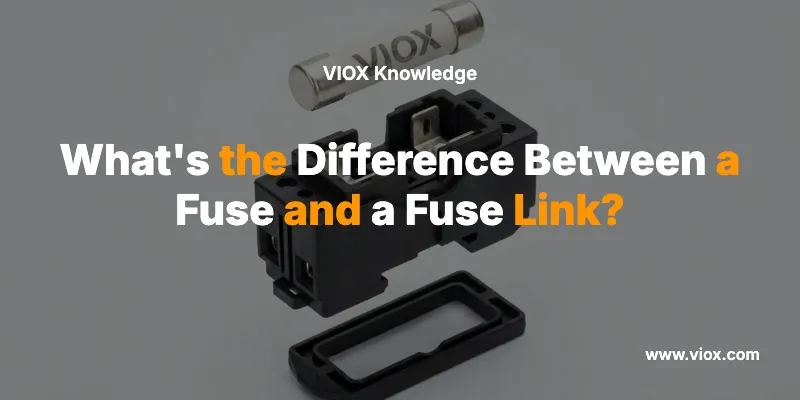
What's the Difference Between a Fuse and a Fuse Link?

퓨즈와 퓨즈 링크의 차이점은 무엇입니까?

Understanding the Critical Distinction in Electrical Protection Walk into a hardware store and ask for a “fuse,” and you’ll receive a small glass or ceramic tube. Walk into an industrial switchgear facility and request a “fuse,” and you’ll face a critical question: “Do you need the complete assembly or just the replaceable link?” This distinction

퓨즈와 퓨즈 링크의 차이점은 무엇입니까? 더 읽기"

How to Handle Abandoned Electrical Outlets During Home Renovation: Code-Compliant Solutions

가정 리모델링 중 방치된 전기 콘센트 처리 방법: 규정 준수 솔루션 (2026)

The Hidden Danger Behind Your Renovation Dream It usually happens on “Demo Day.” You’ve ripped down those greasy old kitchen cabinets. The space looks open, clean, and ready for your modern design vision. But there, staring back at you from the middle of what should be a smooth wall, sits a dusty, beige electrical outlet.

가정 리모델링 중 방치된 전기 콘센트 처리 방법: 규정 준수 솔루션 (2026) 더 읽기"

Enclosure Manufacturing: The Complete Guide to Industrial-Grade Electrical Enclosures

인클로저 제조: 산업용 등급 전기 인클로저 완벽 가이드 (2026)

What Makes Industrial Enclosure Manufacturing Different? Run your fingernail across a hardware store junction box. It feels like painted metal and clangs when tapped. Now touch a premium industrial enclosure from manufacturers like VIOX, Rittal, or Hoffman. The surface feels ceramic-smooth, and tapping produces a solid, dampened thud. This tangible difference reveals a fundamental truth:

인클로저 제조: 산업용 등급 전기 인클로저 완벽 가이드 (2026) 더 읽기"

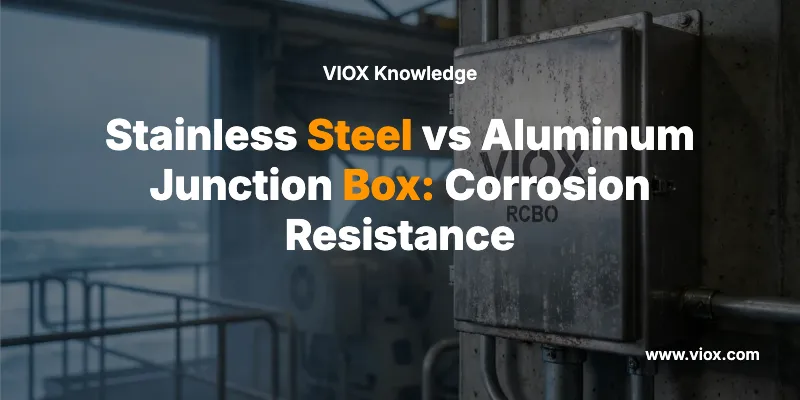
Stainless Steel vs Aluminum Junction Box: Corrosion Resistance

스테인리스 스틸 대 알루미늄 정션 박스: 부식 저항성

Introduction: Material Selection Determines Junction Box Longevity When specifying electrical enclosures for challenging environments, the junction box material choice directly impacts system reliability, maintenance costs, and operational safety. For procurement managers and electrical engineers, understanding the corrosion resistance differences between stainless steel and aluminum junction boxes is critical for long-term asset protection. VIOX Electric, a

스테인리스 스틸 대 알루미늄 정션 박스: 부식 저항성 더 읽기"

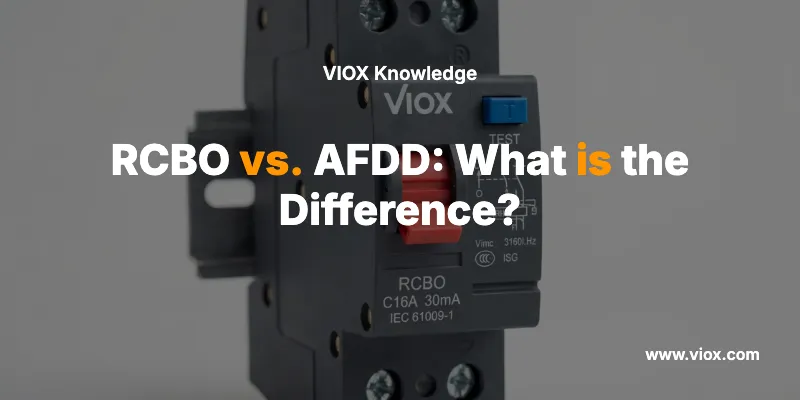
RCBO vs. AFDD: What is the Difference?

RCBO 대 AFDD: 차이점은 무엇입니까?

In modern electrical installations, safety is paramount. As electrical systems become increasingly complex and the demand for power grows, protecting against electrical hazards has never been more critical. Two essential devices—Residual Current Circuit Breakers with Overcurrent Protection (RCBO) and Arc Fault Detection Devices (AFDD)—play distinct yet complementary roles in safeguarding lives and property. For B2B

RCBO 대 AFDD: 차이점은 무엇입니까? 더 읽기"

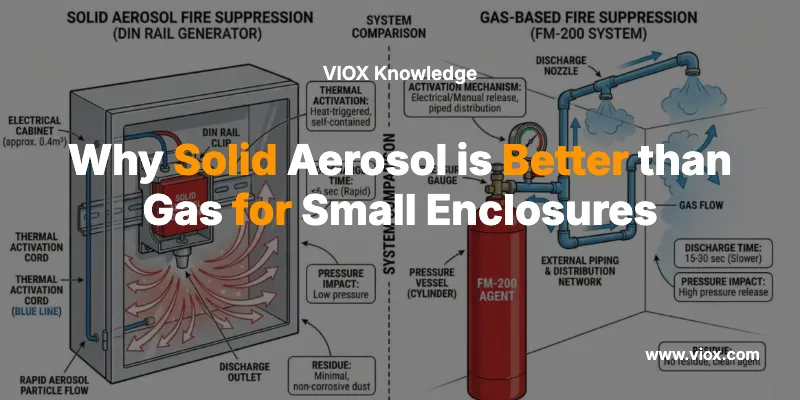
Why Solid Aerosol is Better than Gas for Small Enclosures

소형 인클로저에 솔리드 에어로졸이 가스보다 나은 이유

Introduction: The Small Enclosure Challenge Electrical control panels and server cabinets face a critical vulnerability: fire. In confined spaces—where circuit breakers, terminals, and transformers operate at high density—a single fault can trigger thermal runaway within seconds. Traditional fire suppression solutions present a paradox for facility managers: gas-based systems like FM-200 struggle in micro-volumes due to

소형 인클로저에 솔리드 에어로졸이 가스보다 나은 이유 더 읽기"

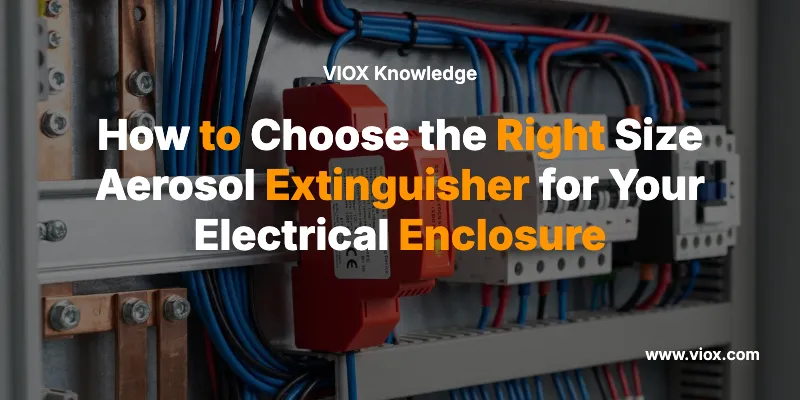
How to Choose the Right Size Aerosol Extinguisher for Your Electrical Enclosure

전기 인클로저에 적합한 크기의 에어로졸 소화기 선택 방법

Why Electrical Enclosure Fire Protection Matters Electrical fires account for approximately 25,000 residential and commercial incidents annually, with distribution panels and control cabinets representing critical fire hazards in industrial facilities. Unlike open-space fires, electrical enclosure fires present unique challenges: confined spaces amplify thermal buildup, energized components complicate suppression efforts, and traditional extinguishing methods often cause

전기 인클로저에 적합한 크기의 에어로졸 소화기 선택 방법 더 읽기"

지금 견적 요청하기