


Types de prises et de fiches électriques dans le monde
Compare the 15 plug and socket systems used around the world, including pin layout, grounding, current rating, voltage range and common regions.

Find a plug type
Select a letter to jump directly to its reference card. Region codes indicate common use, not an exhaustive country list.
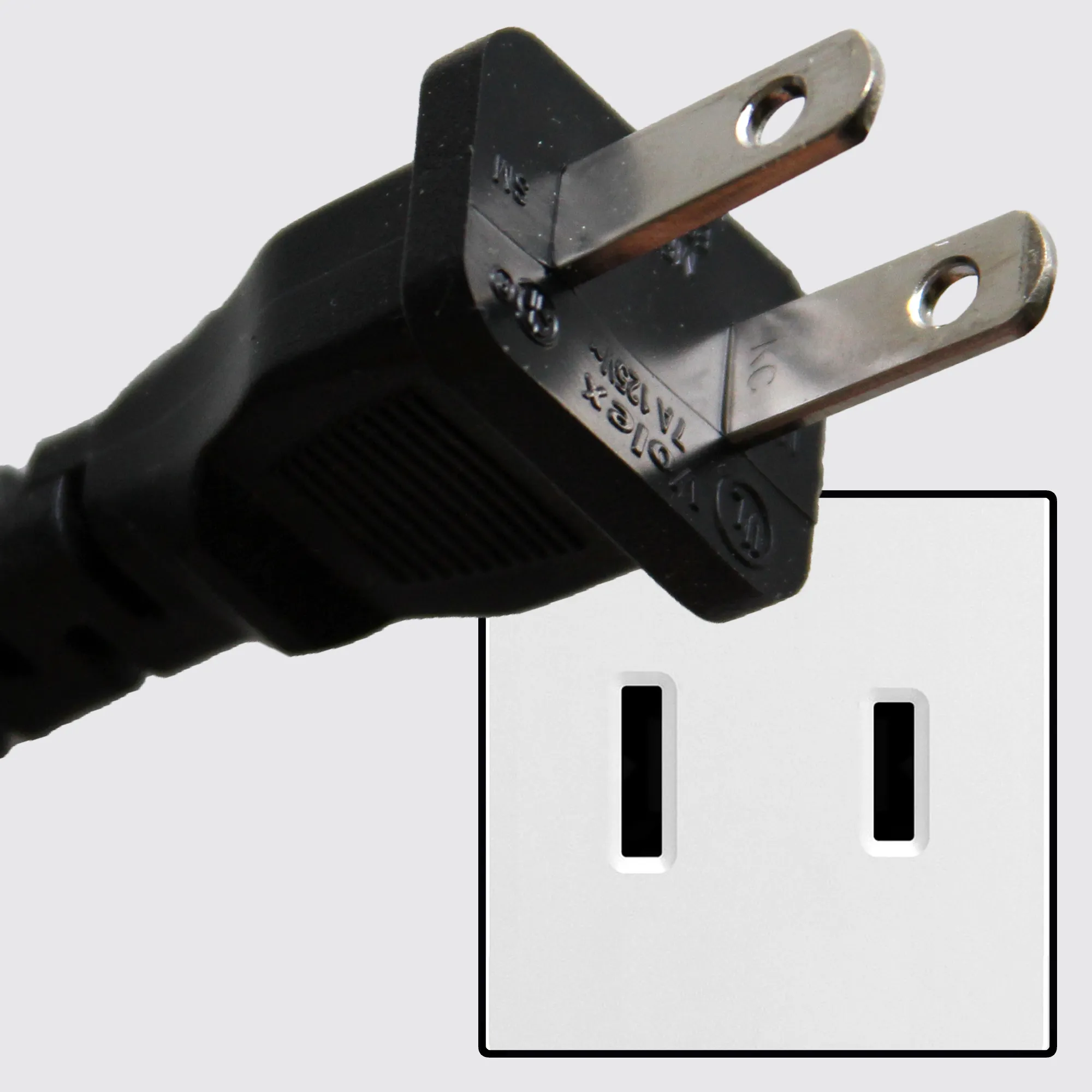
Type A
ÉTATS-UNISCAMX
- Pins
- 2 épingles
- Mise à la terre
- Pas de mise à la terre
- Actuel
- 15 A
- Tension typique
- 100–127 V
- Socket compatibility
- Type A
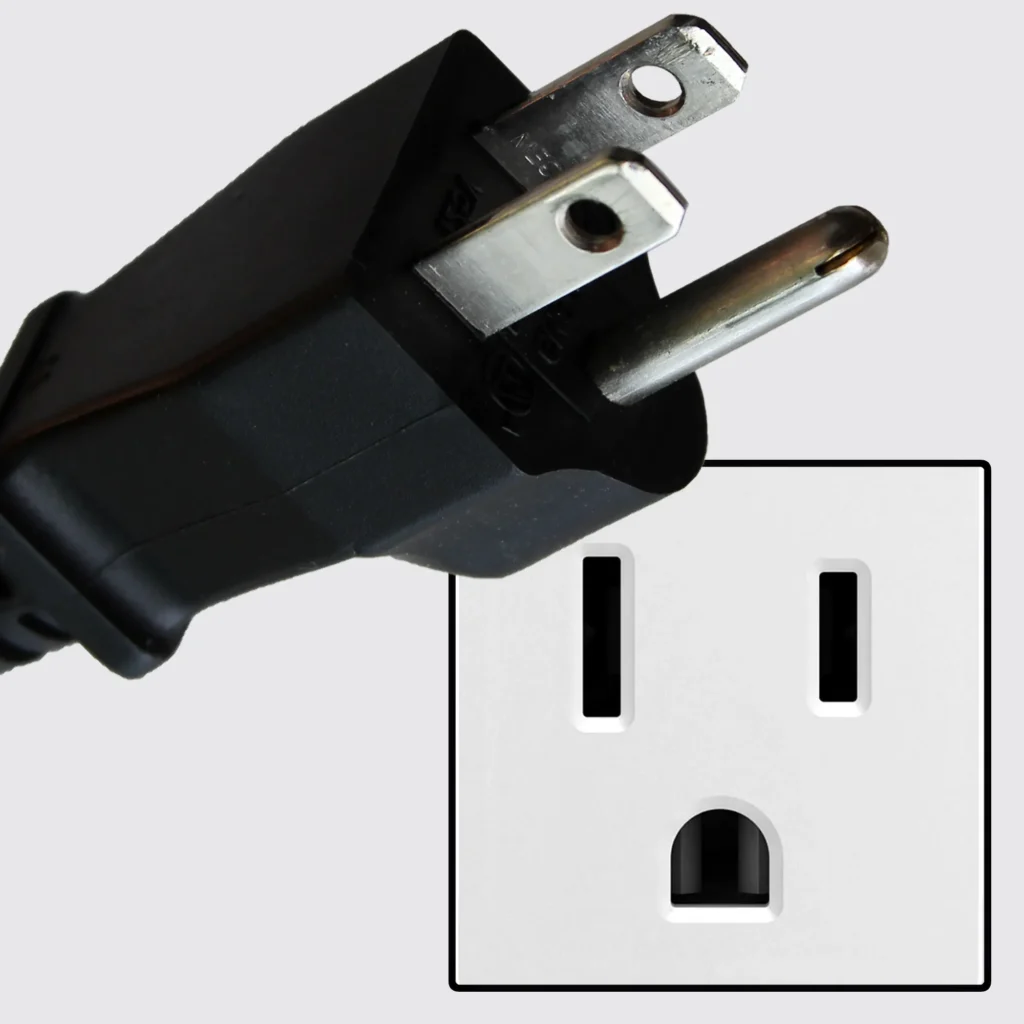
Type B
ÉTATS-UNISCAMX
- Pins
- 3 épingles
- Mise à la terre
- Enraciné
- Actuel
- 15 A
- Tension typique
- 100–127 V
- Socket compatibility
- Types A and B
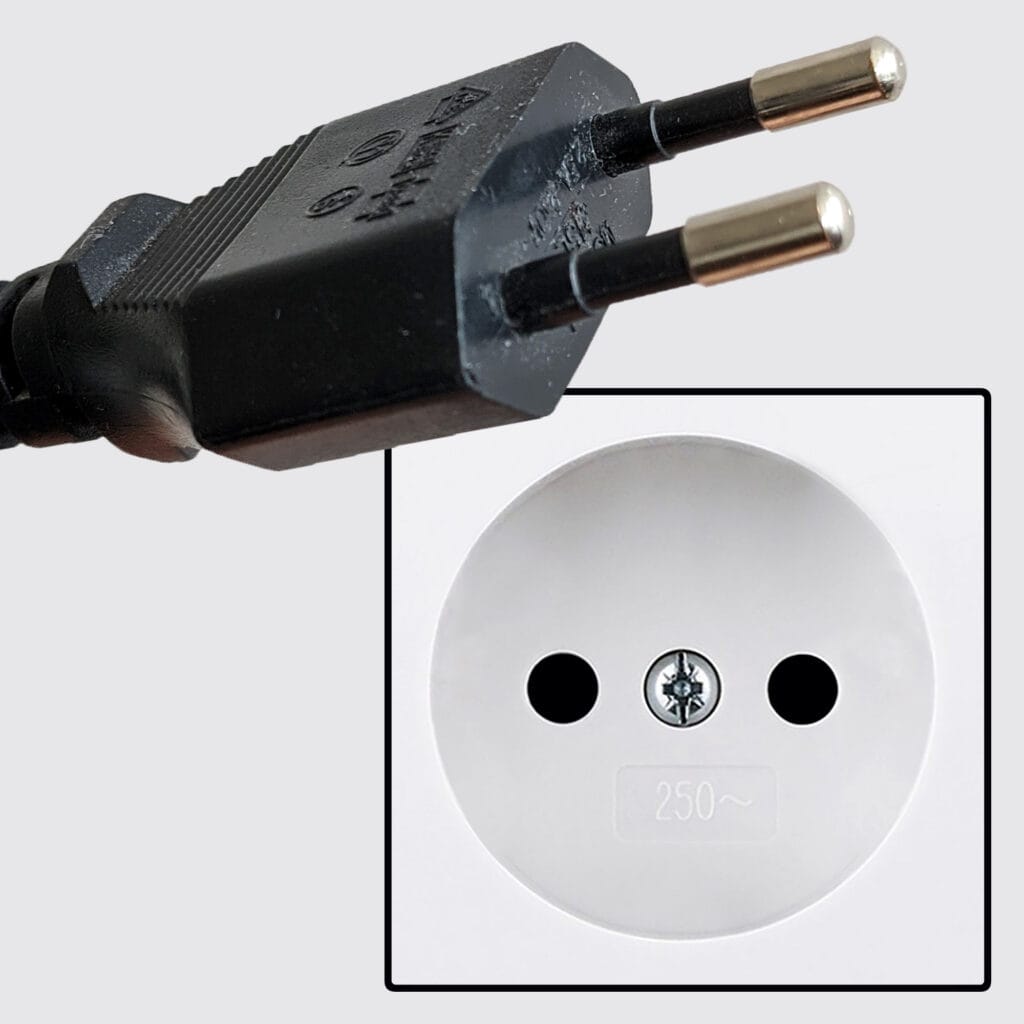
Type C
L'UE
- Pins
- 2 épingles
- Mise à la terre
- Pas de mise à la terre
- Actuel
- 2.5, 10 or 16 A
- Tension typique
- 220–240 V
- Socket compatibility
- Type C

Type D
IN
- Pins
- 3 épingles
- Mise à la terre
- Enraciné
- Actuel
- 6 A
- Tension typique
- 220–240 V
- Socket compatibility
- Type D

Type E
FRBEPLCZ
- Pins
- 2 épingles
- Mise à la terre
- Enraciné
- Actuel
- 16 A
- Tension typique
- 220–240 V
- Socket compatibility
- Types C, E and F

Type F
L'UERU
- Pins
- 2 épingles
- Mise à la terre
- Enraciné
- Actuel
- 16 A
- Tension typique
- 220–240 V
- Socket compatibility
- Types C, E and F

Type G
GBIEMONSG
- Pins
- 3 épingles
- Mise à la terre
- Enraciné
- Actuel
- 13 A
- Tension typique
- 220–250 V
- Socket compatibility
- Type G

Type H
IL
- Pins
- 3 épingles
- Mise à la terre
- Enraciné
- Actuel
- 16 A
- Tension typique
- 220–240 V
- Socket compatibility
- Types C and H

Type I
AUNZCNAR
- Pins
- 2 ou 3 broches
- Mise à la terre
- Grounded with 3 pins
- Actuel
- 10 A
- Tension typique
- 220–240 V
- Socket compatibility
- Type I

Type J
CHLI
- Pins
- 3 épingles
- Mise à la terre
- Enraciné
- Actuel
- 10 A
- Tension typique
- 220–240 V
- Socket compatibility
- Types C and J
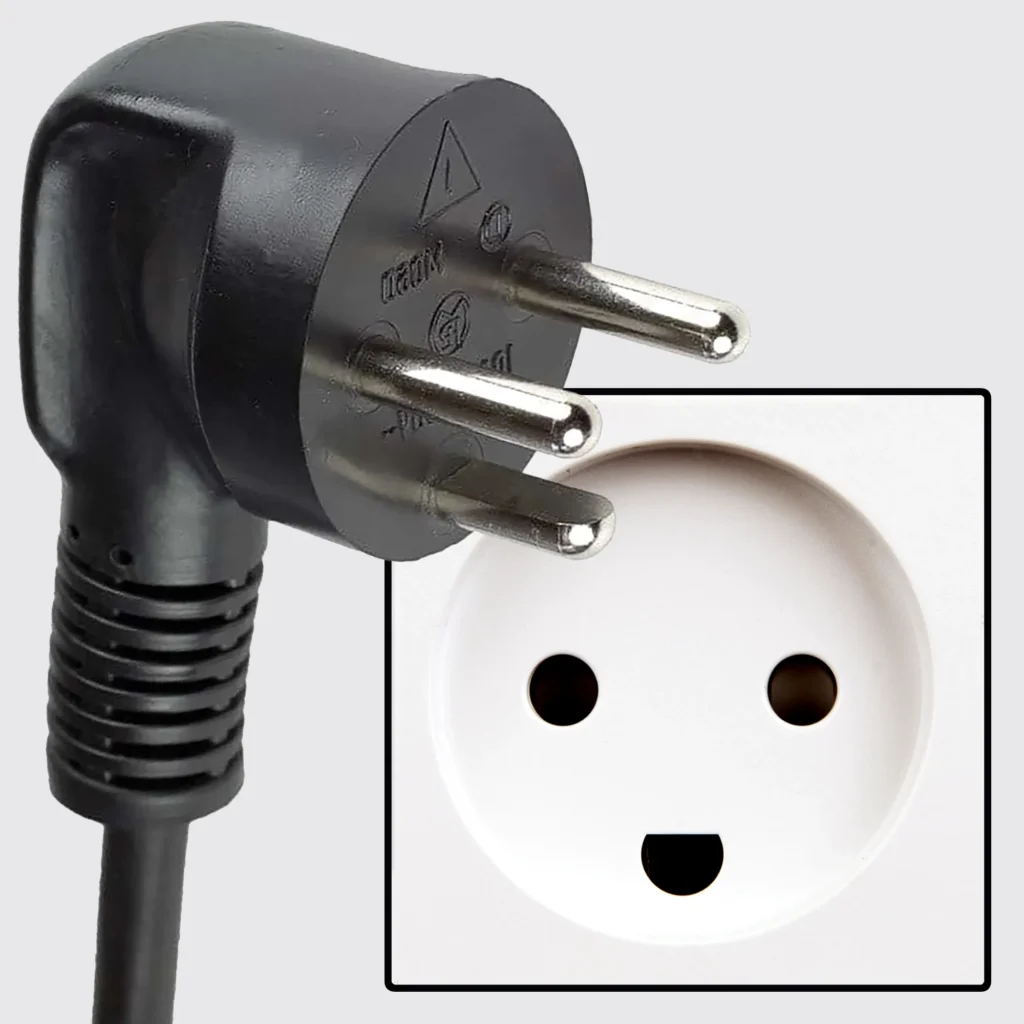
Type K
DKGL
- Pins
- 3 épingles
- Mise à la terre
- Enraciné
- Actuel
- 16 A
- Tension typique
- 220–240 V
- Socket compatibility
- Types C and K

Type L
ITCL
- Pins
- 3 épingles
- Mise à la terre
- Enraciné
- Actuel
- 10 or 16 A
- Tension typique
- 220–240 V
- Socket compatibility
- Types C and L

Type M
ZA
- Pins
- 3 épingles
- Mise à la terre
- Enraciné
- Actuel
- 16 A
- Tension typique
- 220–240 V
- Socket compatibility
- Type M

Type N
BRZA
- Pins
- 3 épingles
- Mise à la terre
- Enraciné
- Actuel
- 10, 16 or 20 A
- Tension typique
- 220–240 V
- Socket compatibility
- Types C and N

Type O
TH
- Pins
- 3 épingles
- Mise à la terre
- Enraciné
- Actuel
- 16 A
- Tension typique
- 220–240 V
- Socket compatibility
- Types C and O
Before connecting equipment abroad
An adapter changes the physical connection. It does not automatically convert voltage or frequency.
- Identify the socket.Match the physical outlet with the Type A–O reference above.
- Read the input label.Confirm the appliance accepts the local voltage and frequency.
- Preserve grounding.Use an adapter or converter suitable for the equipment and its protective-earth requirements.
Reference scope: household and similar plug-and-socket systems. For formal national system details, consult IEC TR 60083 and current local requirements.