

Σε αυτή τη σελίδα
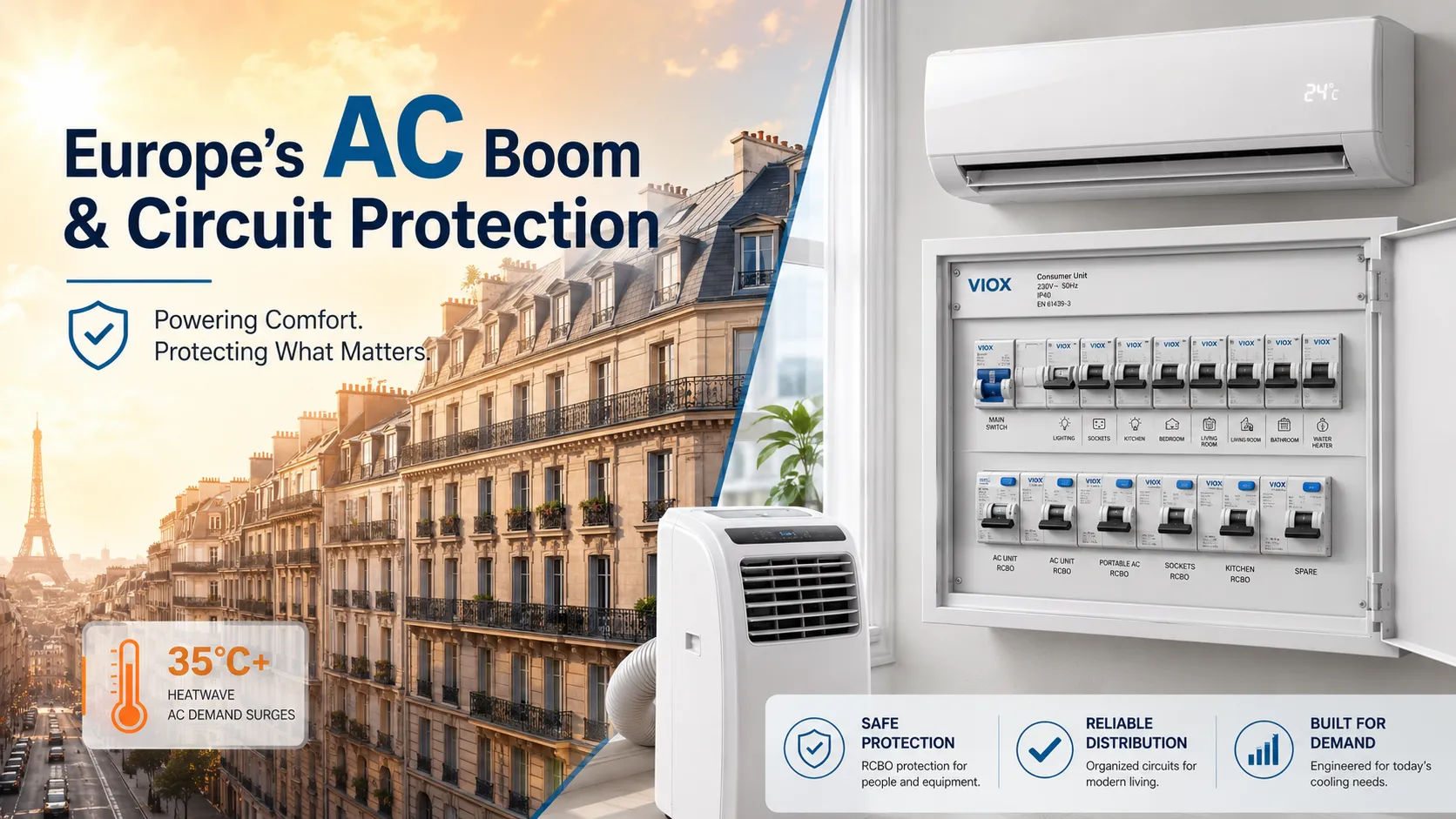
Η Ευρώπη εισέρχεται σε μια περίεργη φάση ψύξης: οι καύσωνες γίνονται όλο και πιο δύσκολο να αγνοηθούν, αλλά η διείσδυση των οικιακών κλιματιστικών παραμένει χαμηλή σε σύγκριση με τις Ηνωμένες Πολιτείες. Πρόσφατες αναφορές τοποθετούν συνήθως την ιδιοκτησία κλιματιστικών περίπου στο 20% των ευρωπαϊκών νοικοκυριών, σε σύγκριση με περίπου 90% των νοικοκυριών στις ΗΠΑ, με μεγάλες διαφορές μεταξύ Ιταλίας, Ισπανίας, Γαλλίας, Γερμανίας, Ηνωμένου Βασιλείου και Βόρειας Ευρώπης.
Αυτό το χάσμα μετατρέπεται τώρα σε επείγουσα ζήτηση. Κατά τη διάρκεια ενός καύσωνα, οι άνθρωποι δεν αναβαθμίζουν τα κτίρια αργά· αγοράζουν φορητά κλιματιστικά, εγκαθιστούν μονάδες split, θέτουν σε λειτουργία αντλίες θερμότητας σε λειτουργία ψύξης και συνδέουν φορτία ψύξης σε κυκλώματα που ενδέχεται να μην είχαν σχεδιαστεί ποτέ για μακροχρόνια λειτουργία συμπιεστή.
Αυτός είναι ο λόγος για τον οποίο η έκρηξη του κλιματισμού στην Ευρώπη δεν είναι μόνο μια τάση στις συσκευές. Είναι ένα πρόβλημα προστασίας κυκλωμάτων.
Πολλά ευρωπαϊκά σπίτια κατασκευάστηκαν για φωτισμό, οικιακές συσκευές κουζίνας, ελέγχους θέρμανσης και κοινά φορτία πριζών, και όχι για να υποστηρίζουν πολλά δωμάτια που λειτουργούν συστήματα ψύξης με συμπιεστή για ώρες κατά τη διάρκεια ενός καύσωνα. Ένα φορητό κλιματιστικό ή ένα κλιματιστικό τύπου split μπορεί να απορροφά ένα μέτριο ρεύμα λειτουργίας στα 230V, αλλά μπορεί να προκαλέσει προβλήματα λόγω του ρεύματος εκκίνησης του συμπιεστή, της συνεχούς λειτουργίας, των κοινόχρηστων κυκλωμάτων πριζών, των καλωδίων επέκτασης, του ρεύματος διαρροής, της παλαιάς καλωδίωσης και των ξεπερασμένων πινάκων διανομής.
Το ερώτημα για την ασφάλεια δεν είναι απλώς “Τι μέγεθος ασφάλειας χρειάζομαι για ένα κλιματιστικό;”. Το καλύτερο ερώτημα είναι:
Μπορούν το κύκλωμα, το καλώδιο, η καμπύλη του μικροαυτόματου (MCB), το RCD ή το RCBO, ο πίνακας διανομής και η παροχή να υποστηρίξουν με ασφάλεια αυτό το φορτίο κλιματισμού κατά τη διάρκεια της μέγιστης ζέστης;
Γιατί αυτό το θέμα είναι σημαντικό τώρα
Η Ευρώπη αντιμετωπίζει συχνότερους και εντονότερους καύσωνες το καλοκαίρι, ενώ το μεγαλύτερο μέρος του οικιστικού αποθέματός της εξακολουθεί να βασίζεται σε μια παλαιότερη παραδοχή: τα καλοκαίρια ήταν άβολα, αλλά όχι πάντα γεγονότα που απαιτούσαν ειδικό ηλεκτρολογικό σχεδιασμό. Στα τέλη Ιουνίου και στις αρχές Ιουλίου 2026, αναφορές περιέγραψαν θερμοκρασίες ρεκόρ σε αρκετές ευρωπαϊκές χώρες, συμπεριλαμβανομένου του Ηνωμένου Βασιλείου, της Γερμανίας, της Ολλανδίας, της Ουγγαρίας και της Γαλλίας. Η εφημερίδα The Guardian ανέφερε ότι το Ηνωμένο Βασίλειο έφτασε σε ρεκόρ Ιουνίου 37,7°C στο Νόρφολκ, η Γερμανία κατέγραψε 41,7°C στο Κόσεν, η Ολλανδία έφτασε τους 39,4°C, η Ουγγαρία τους 42°C και τμήματα της Γαλλίας ξεπέρασαν τους 40°C κατά την ίδια περίοδο καύσωνα.
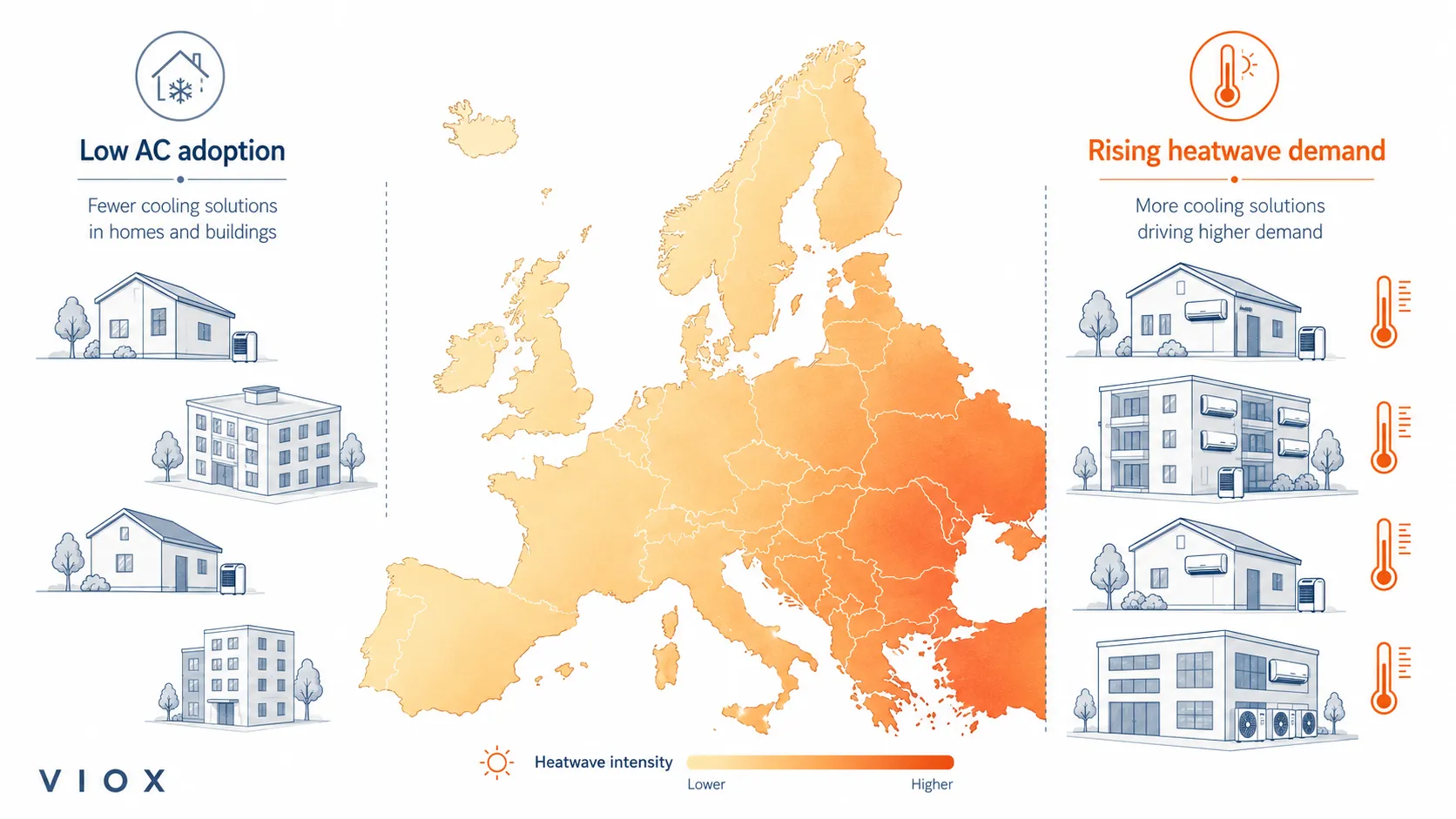
Αυτού του είδους ο καιρός αλλάζει τον τρόπο με τον οποίο οι άνθρωποι χρησιμοποιούν την ηλεκτρική ενέργεια. Σε περιοχές όπου ο οικιακός κλιματισμός ήταν ιστορικά ασυνήθιστος, οι ιδιοκτήτες και οι ενοικιαστές προσθέτουν ξαφνικά:
- φορητά κλιματιστικά
- φορητές κλιματιστικές μονάδες τύπου split
- επιτοίχια συστήματα κλιματισμού τύπου split
- λειτουργίες ψύξης με αντλία θερμότητας
- πρόσθετοι ανεμιστήρες και αφυγραντήρες
- μεγαλύτερη διάρκεια καθημερινής λειτουργίας ψύξης
Μία συσκευή μπορεί να είναι διαχειρίσιμη. Χιλιάδες διαμερίσματα που προσθέτουν φορτίο ψύξης την ίδια απογευματινή ώρα αιχμής δημιουργούν ένα διαφορετικό προφίλ ηλεκτρικού φορτίου.
Βασικά συμπεράσματα
- Ένα φορητό κλιματιστικό δεν είναι απλώς ένα ακόμα φορτίο που συνδέεται στην πρίζα. Πρόκειται συνήθως για φορτίο συμπιεστή με ρεύμα εκκίνησης και πολλές ώρες συνεχούς λειτουργίας.
- Στα 230V, η ένταση του ρεύματος μπορεί να φαίνεται μέτρια, αλλά η καταπόνηση του κυκλώματος παραμένει σημαντική. Οι κοινόχρηστες πρίζες, τα καλώδια προέκτασης, οι παλαιοί ακροδέκτες και η άνοδος της θερμοκρασίας στον πίνακα διανομής μπορούν να αποτελέσουν τα αδύναμα σημεία.
- Οι αυτόματοι διακόπτες (MCB) καμπύλης B και καμπύλης C συμπεριφέρονται διαφορετικά. Οι διακόπτες καμπύλης C αντέχουν υψηλότερα ρεύματα εκκίνησης κινητήρων, αλλά απαιτούν επαλήθευση της σύνθετης αντίστασης βρόχου σφάλματος και του χρόνου απόζευξης.
- Η προστασία με RCBO αποτελεί συχνά την πιο καθαρή λύση αναβάθμισης. Συνδυάζει προστασία από υπερένταση και υπολειπόμενο ρεύμα ανά κύκλωμα, μειώνοντας τον αντίκτυπο των ανεπιθύμητων ενεργοποιήσεων σε άσχετα κυκλώματα.
- Μην εγκαθιστάτε απλώς έναν μεγαλύτερο διακόπτη. Το καλώδιο, η πρίζα, ο αποζεύκτης, ο πίνακας διανομής και το αναμενόμενο ρεύμα σφάλματος πρέπει να είναι όλα συμβατά μεταξύ τους.
- Οι παλιοί ηλεκτρικοί πίνακες αποτελούν ένα κρυφό σημείο συμφόρησης. Το τελικό κύκλωμα μπορεί να είναι αποδεκτό, ενώ ο πίνακας, η ζυγοστάθμιση, η ουδετερογραμμή ή η ανιούσα στήλη τροφοδοσίας όχι.
Καύσωνας στην Ευρώπη + Χαμηλή διείσδυση κλιματιστικών = Καταπόνηση καλωδιώσεων.
Τα ευρωπαϊκά κτίρια δεν σχεδιάστηκαν όλα με βάση τα φορτία ψύξης. Σε τμήματα της νότιας Ευρώπης, ο κλιματισμός είναι κοινός. Στο Ηνωμένο Βασίλειο, τη βόρεια Γαλλία, την Ολλανδία, τη Γερμανία, το Βέλγιο και στα παλαιότερα αστικά διαμερίσματα, η εγκατάσταση κλιματιστικών ήταν ιστορικά χαμηλότερη σε σχέση με τις θερμότερες αγορές.
Το αποτέλεσμα είναι μια αναντιστοιχία:
| Τι άλλαξε | Ηλεκτρολογική επίπτωση |
|---|---|
| Περισσότερες φορητές κλιματιστικές μονάδες | Μεγαλύτερη διάρκεια φορτίων στις πρίζες |
| Περισσότερες προσθήκες κλιματιστικών (split AC) | Ανάγκη για περισσότερα αποκλειστικά κυκλώματα |
| Ταυτόχρονη λειτουργία ψύξης σε περισσότερα διαμερίσματα | Υψηλότερη ταυτόχρονη ζήτηση σε κατακόρυφες στήλες και υποπίνακες |
| Παλαιότεροι ηλεκτρικοί πίνακες | Περιορισμένες εφεδρικές θέσεις, παλαιά διάταξη RCD, αύξηση θερμοκρασίας, ελλιπής σήμανση |
| Χρήση μπαλαντέζας (καλωδίων επέκτασης) | Πτώση τάσης, υπερθέρμανση, κακή πίεση επαφής |
| Φορτία συμπιεστή | Ρεύμα εκκίνησης και πιθανή ανεπιθύμητη ενεργοποίηση (πτώση) της ασφάλειας |
Η συσκευή είναι μόνο ένα μέρος του προβλήματος. Το σύστημα προστασίας πίσω από αυτήν καθορίζει εάν η εγκατάσταση παραμένει ασφαλής κατά την επαναλαμβανόμενη λειτουργία το καλοκαίρι.
Τι απαιτεί πραγματικά ένα κλιματιστικό από ένα κύκλωμα
Ένα μικρό οικιακό κλιματιστικό έχει συνήθως τρεις σημαντικές ηλεκτρικές τιμές:
- Ονομαστική ισχύς εισόδου σε watt ή kilowatt.
- Ονομαστικό ρεύμα λειτουργίας σε αμπέρ.
- Ρεύμα εκκίνησης ή ρεύμα αιχμής από τον συμπιεστή και το μοτέρ του ανεμιστήρα.
Στα 230V, το ρεύμα λειτουργίας μπορεί να φαίνεται μικρό εάν υπολογιστεί μόνο από την πραγματική ισχύ:
| Ονομαστική ισχύς AC | Ωμικό ισοδύναμο ρεύμα στα 230V | Πρακτικό σχόλιο |
|---|---|---|
| 700W | 3.0A | Κοινό για μικρές φορητές μονάδες |
| 1.000W | 4.3A | Τυπικό φορτίο ψύξης για ένα δωμάτιο |
| 1.500W | 6.5A | Μεγαλύτερη φορητή ή μικρή διαιρούμενη μονάδα (split unit) |
| 2.500W | 10,9A | Μεγαλύτερη μονάδα δωματίου ή λειτουργία αντλίας θερμότητας |
| 3.500W | 15,2A | Συνήθως απαιτείται αποκλειστικό κύκλωμα |
Αυτός ο πίνακας αποτελεί μόνο μια κατά προσέγγιση εκτίμηση ωμικού ισοδυνάμου:
Ένταση (A) = Ισχύς (W) / Τάση (V)
Για συμπιεστή AC ή κινητήρα ανεμιστήρα, η ακριβέστερη σχέση ρεύματος λειτουργίας μονοφασικού συστήματος περιλαμβάνει τον συντελεστή ισχύος:
I = P / (V x cos phi)
Εάν ένα κλιματιστικό 1.500W λειτουργεί στα 230V με συντελεστή ισχύος 0,90, το ρεύμα λειτουργίας είναι περίπου 7,2A και όχι 6,5A. Πολλά σύγχρονα κλιματιστικά τεχνολογίας inverter λειτουργούν με συντελεστή ισχύος στο εύρος 0,85-0,95, αλλά η σωστή τιμή πρέπει να προέρχεται από την πινακίδα της συσκευής ή τα δεδομένα του κατασκευαστή. Το ρεύμα εκκίνησης, ο τρόπος λειτουργίας, η θερμοκρασία περιβάλλοντος, το μήκος του καλωδίου και η πτώση τάσης απαιτούν ξεχωριστό έλεγχο.
Το πραγματικό πρόβλημα: Ρεύμα εκκίνησης και συνεχής λειτουργία
Ένας συμπιεστής κλιματιστικού μπορεί να απορροφήσει ένα σύντομο ρεύμα εκκίνησης υψηλότερο από το ρεύμα λειτουργίας του. Τα παλαιότερα σχέδια συμπιεστών σταθερών στροφών έχουν συχνά μια πιο έντονη αιχμή εκκίνησης. Οι μονάδες με inverter μπορεί να ξεκινούν πιο ομαλά, αλλά εισάγουν τις δικές τους παραμέτρους, συμπεριλαμβανομένων των ηλεκτρονικών, των φίλτρων και του ρεύματος διαρροής.
Για τον αυτόματο διακόπτη (MCB), δύο ερωτήματα είναι σημαντικά:
- Θα προκληθεί ανεπιθύμητη απόζευξη του διακόπτη κατά την εκκίνηση του συμπιεστή;
- Θα υπερθερμανθεί το κύκλωμα όταν η μονάδα λειτουργεί για αρκετές ώρες;
Κατά τη διάρκεια ενός καύσωνα, μια μονάδα κλιματισμού μπορεί να λειτουργεί το μεγαλύτερο μέρος του απογεύματος ή της νύχτας. Αυτό την καθιστά πιο κοντά σε συνεχές φορτίο παρά σε συσκευή σύντομης χρήσης. Ένας βραστήρας μπορεί να απορροφά περισσότερο ρεύμα, αλλά μόνο για λίγα λεπτά. Μια μονάδα ψύξης μπορεί να απορροφά λιγότερο ρεύμα, αλλά για ώρες.
Καμπύλη B έναντι Καμπύλης C για αυτόματους διακόπτες (MCB) σε κυκλώματα κλιματιστικών
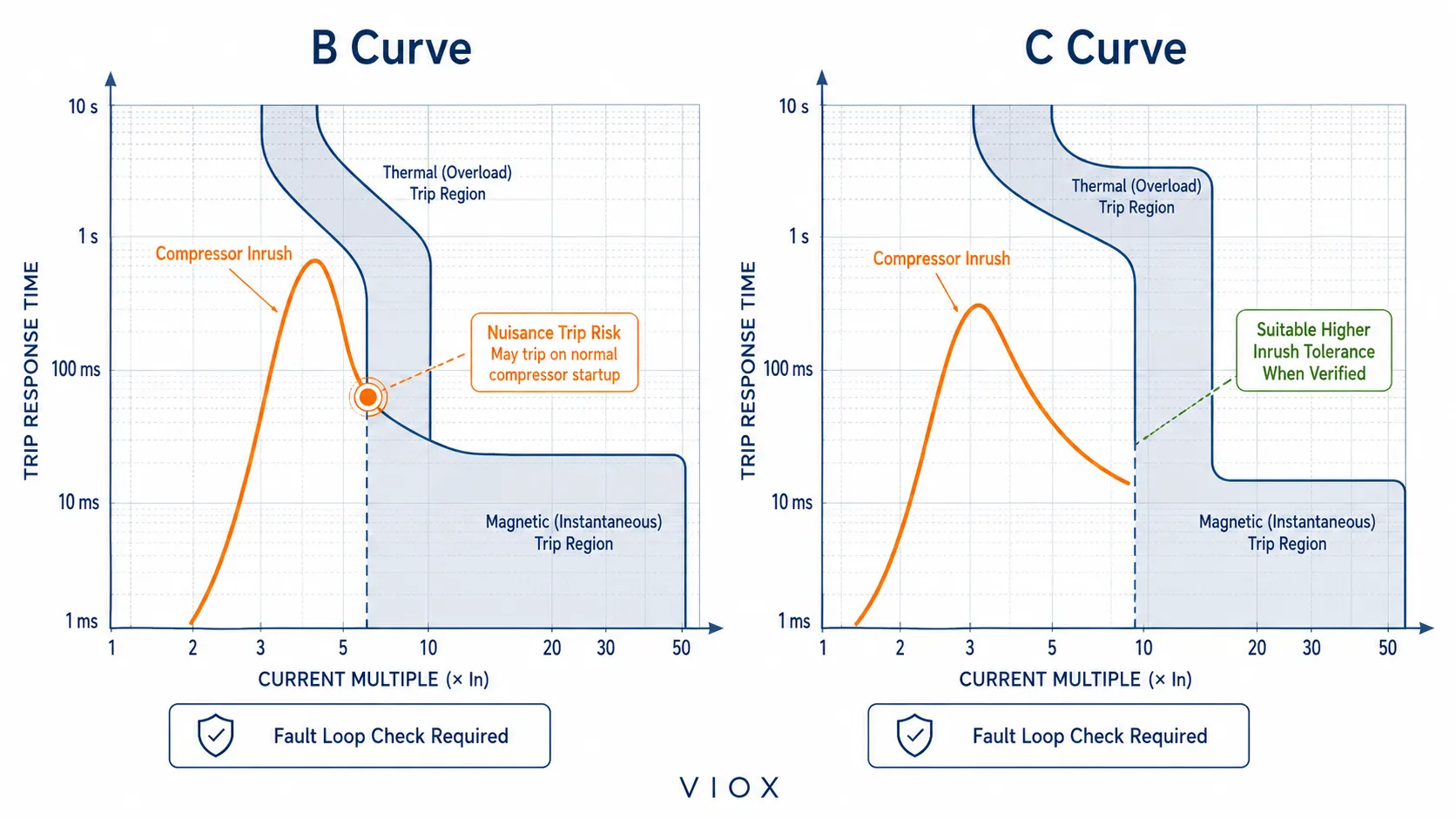
Οι μικροαυτόματοι (MCB) διαθέτουν διαφορετικές καμπύλες μαγνητικής απόζευξης. Η καμπύλη επηρεάζει τον τρόπο αντίδρασης του διακόπτη σε σύντομες υπερτάσεις εκκίνησης.
| Καμπύλη MCB | Τυπικό εύρος μαγνητικής απόζευξης | Κοινή χρήση | Σημείωση για κυκλώματα AC |
|---|---|---|---|
| Καμπύλη B | 3-5 x In | φωτισμός, ωμικά φορτία, γενικά οικιακά κυκλώματα | Πιθανή ανεπιθύμητη ενεργοποίηση λόγω ρεύματος εκκίνησης συμπιεστή |
| Καμπύλη C | 5-10 x In | μικροί κινητήρες, αντλίες, ανεμιστήρες, συμπιεστές | Συχνά προτείνεται για κυκλώματα κλιματιστικών |
| Καμπύλη D | 10-20 x In | εξοπλισμός με υψηλό ρεύμα εκκίνησης, μετασχηματιστές | Συνήθως δεν προορίζεται για κοινές οικιακές εγκαταστάσεις AC, εκτός εάν έχει μελετηθεί ειδικά. |
Ένας μικροαυτόματος (MCB) καμπύλης C μπορεί να είναι καταλληλότερος για φορτία συμπιεστών, αλλά αυτό δεν αποτελεί άδεια για την αντικατάσταση κάθε ασφάλειας B16 με C16.
Σημαντικό: Η καμπύλη C απαιτεί επαλήθευση του βρόχου σφάλματος.
Ένας αυτόματος διακόπτης καμπύλης C επιτρέπει υψηλότερο ρεύμα εισόδου πριν από τη μαγνητική απόζευξη. Αυτό σημαίνει επίσης ότι η εγκατάσταση πρέπει να διαθέτει επαρκές αναμενόμενο ρεύμα βραχυκύκλωσης για την ταχεία απόζευξη του διακόπτη υπό συνθήκες σφάλματος.
Πριν από την αλλαγή ενός διακόπτη καμπύλης B σε καμπύλη C, ένας εξειδικευμένος ηλεκτρολόγος πρέπει να επαληθεύσει:
- τη διατομή του καλωδίου και τη μέθοδο εγκατάστασης
- το μήκος του κυκλώματος και την πτώση τάσης
- την αντίσταση του βρόχου σφάλματος γείωσης
- τον χρόνο απόζευξης που απαιτείται από τους τοπικούς κανονισμούς
- προοπτικό ρεύμα βραχυκυκλώματος
- συμβατότητα με τον πίνακα διανομής
- συντονισμός RCD ή RCBO
Εδώ είναι που πολλές γρήγορες προτάσεις για “αναβάθμιση ασφαλειοδιακόπτη” καθίστανται μη ασφαλείς. Ο σωστός ασφαλειοδιακόπτης δεν είναι μόνο αυτός που σταματά τις ενοχλητικές πτώσεις. Πρέπει επίσης να εκτονώνει τα σφάλματα με ασφάλεια.
Αποκλειστικό κύκλωμα έναντι κοινού κυκλώματος πριζών
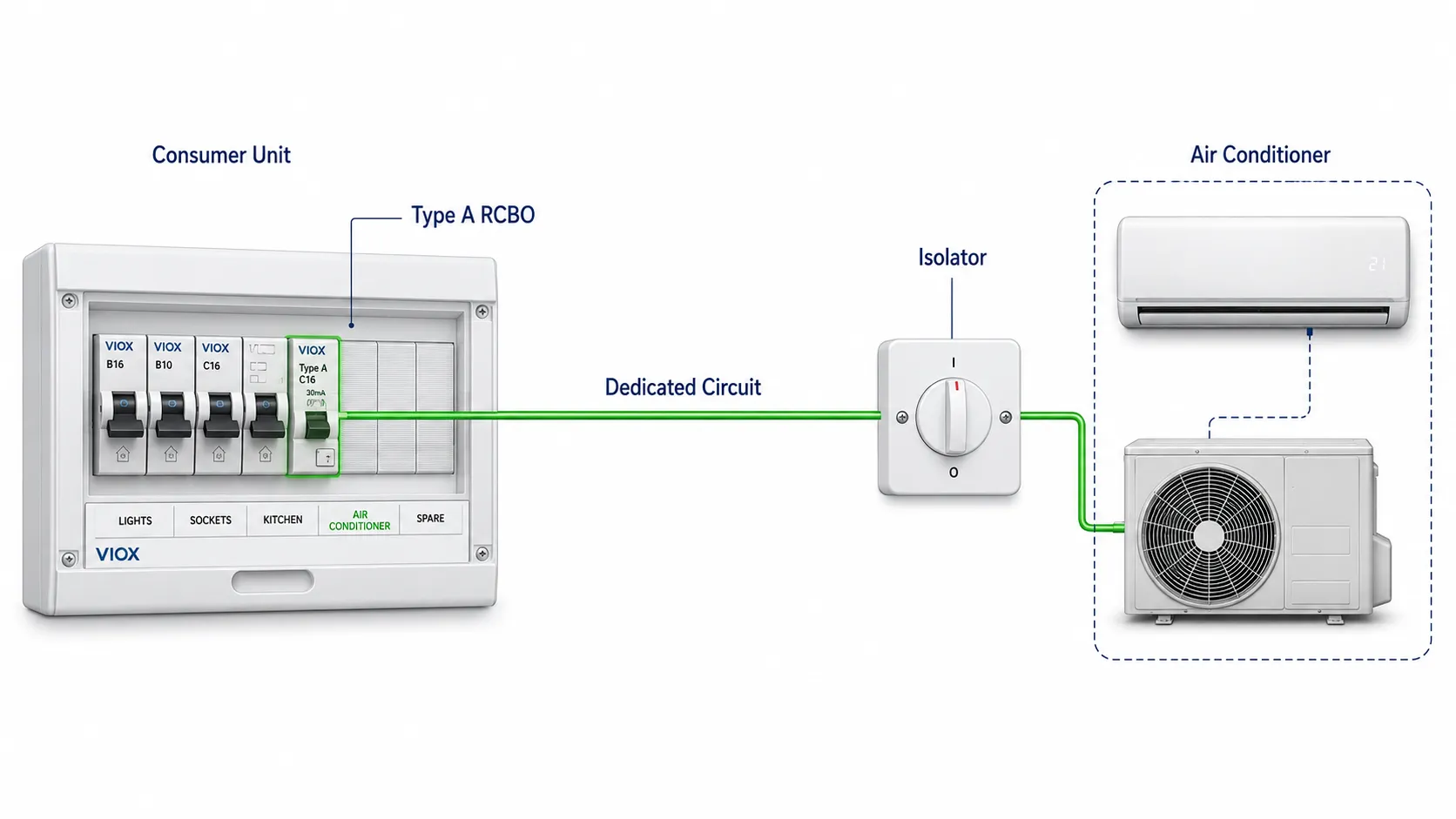
Για μια μικρή φορητή μονάδα, ένα τυπικό κύκλωμα πριζών μπορεί να λειτουργήσει εάν το κύκλωμα είναι σε καλή κατάσταση και δεν είναι υπερφορτωμένο. Ο κίνδυνος αυξάνεται όταν το κλιματιστικό μοιράζεται το ίδιο κύκλωμα με άλλες συσκευές υψηλής κατανάλωσης.
Αποφύγετε τη λειτουργία κλιματιστικού στο ίδιο κύκλωμα με:
- βραστήρα
- φούρνος μικροκυμάτων
- ηλεκτρικό θερμαντικό σώμα
- φούρνος ή εστία μαγειρέματος
- πλυντήριο ρούχων
- στεγνωτήριο
- πλυντήριο πιάτων
- πολλαπλά ψυγεία ή καταψύκτες
- μακριές μπαλαντέζες ή πολύπριζα
Για μόνιμα κλιματιστικά split, ένα αποκλειστικό κύκλωμα αποτελεί συνήθως την ασφαλέστερη και καθαρότερη σχεδιαστική λύση. Παρέχει στον εγκαταστάτη καλύτερο έλεγχο όσον αφορά τη διατομή του καλωδίου, την καμπύλη του μικροαυτόματου (MCB), την απομόνωση, την προστασία RCD/RCBO, τη σήμανση και τη συντήρηση.
Για μια πιο εμπεριστατωμένη και διαχρονική επεξήγηση, δείτε τον οδηγό της VIOX σχετικά με γιατί ένα κλιματιστικό χρειάζεται αποκλειστικό κύκλωμα.
MCB, RCD ή RCBO: Τι πρέπει να προστατεύει ένα κύκλωμα κλιματισμού;
Ο μικροαυτόματος προστατεύει από υπερφόρτωση και βραχυκύκλωμα. Η προστασία διαρροής ρεύματος προστατεύει από διαρροή προς τη γη. Ένα κύκλωμα κλιματιστικού ενδέχεται να χρειάζεται και τα δύο.
| Συσκευή | Από τι προστατεύει | Πρακτικός ρόλος του κυκλώματος κλιματισμού |
|---|---|---|
| MCB | υπερφόρτωση και βραχυκύκλωμα | προστατεύει το καλώδιο και το κύκλωμα από υπερένταση |
| RCD/RCCB | υπολειπόμενο ρεύμα / διαρροή προς τη γη | προστατεύει πολλαπλά κυκλώματα από σφάλματα διαρροής, ανάλογα με τον σχεδιασμό του πίνακα |
| RCBO | υπερφόρτωση, βραχυκύκλωμα και υπολειπόμενο ρεύμα σε μία συσκευή | συχνά η καλύτερη επιλογή για αποκλειστικά κυκλώματα κλιματισμού, καθώς ένα σφάλμα απενεργοποιεί μόνο το συγκεκριμένο κύκλωμα |
Ένας RCBO μπορεί να είναι ιδιαίτερα χρήσιμος όταν προστίθεται ένα νέο κύκλωμα κλιματιστικού σε έναν παλαιότερο πίνακα διανομής, διότι αποφεύγεται η σύνδεση πολλών άσχετων κυκλωμάτων πίσω από ένα κοινό RCD. Εάν το κύκλωμα του κλιματιστικού παρουσιάσει διαρροή ή ανεπιθύμητη ενεργοποίηση, είναι ευκολότερο να απομονωθεί το πρόβλημα χωρίς να απενεργοποιηθεί το μισό σπίτι.
Για τη δρομολόγηση της ομάδας προϊόντων VIOX, αυτό το θέμα συνδέεται φυσικά με:
RCBO τύπου Α και κλιματιστικά τεχνολογίας Inverter
Πολλά σύγχρονα κλιματιστικά χρησιμοποιούν οδηγούς inverter. Αυτές οι μονάδες μπορεί να περιλαμβάνουν ηλεκτρονική μετατροπή ισχύος και φίλτρα που παράγουν χαρακτηριστικά ρεύματος διαρροής διαφορετικά από τα απλά ωμικά φορτία.
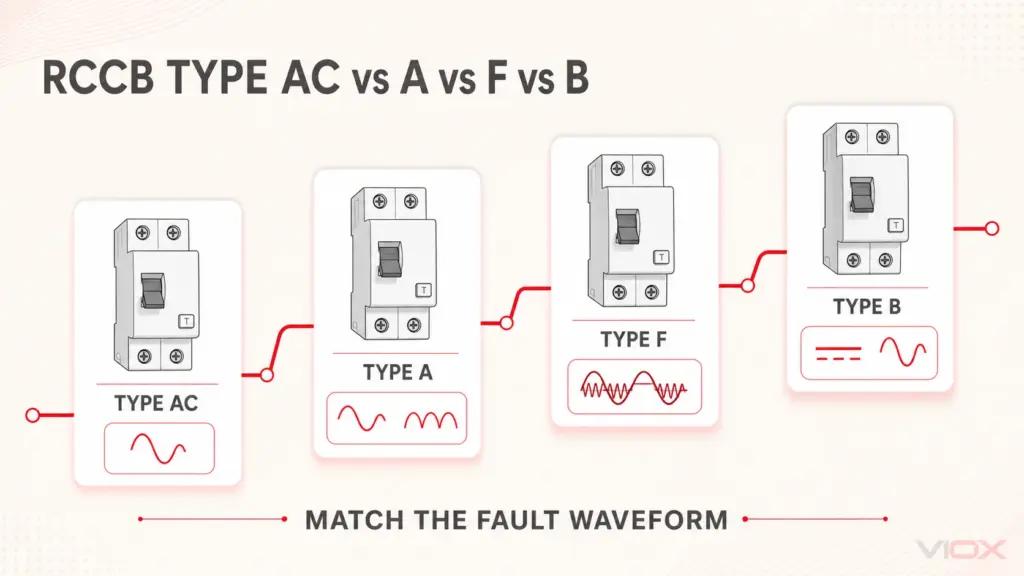
Σε πολλά ευρωπαϊκά οικιακά και ελαφρά επαγγελματικά περιβάλλοντα, Προστασία από ρεύμα διαρροής τύπου Α καθορίζεται συνήθως για κυκλώματα με ηλεκτρονικό εξοπλισμό που μπορεί να δημιουργήσει παλμικά στοιχεία συνεχούς ρεύματος διαρροής (DC). Ο ακριβής τύπος RCD ή RCBO πρέπει να ακολουθεί τις οδηγίες του κατασκευαστή του εξοπλισμού και τους τοπικούς κανονισμούς ηλεκτρικών εγκαταστάσεων.
Μην υποθέτετε ότι ένα παλαιού τύπου AC RCD είναι κατάλληλο για κάθε σύγχρονη συσκευή με τεχνολογία inverter.
Οι παλιοί πίνακες διανομής αποτελούν το κρυφό αδύναμο σημείο
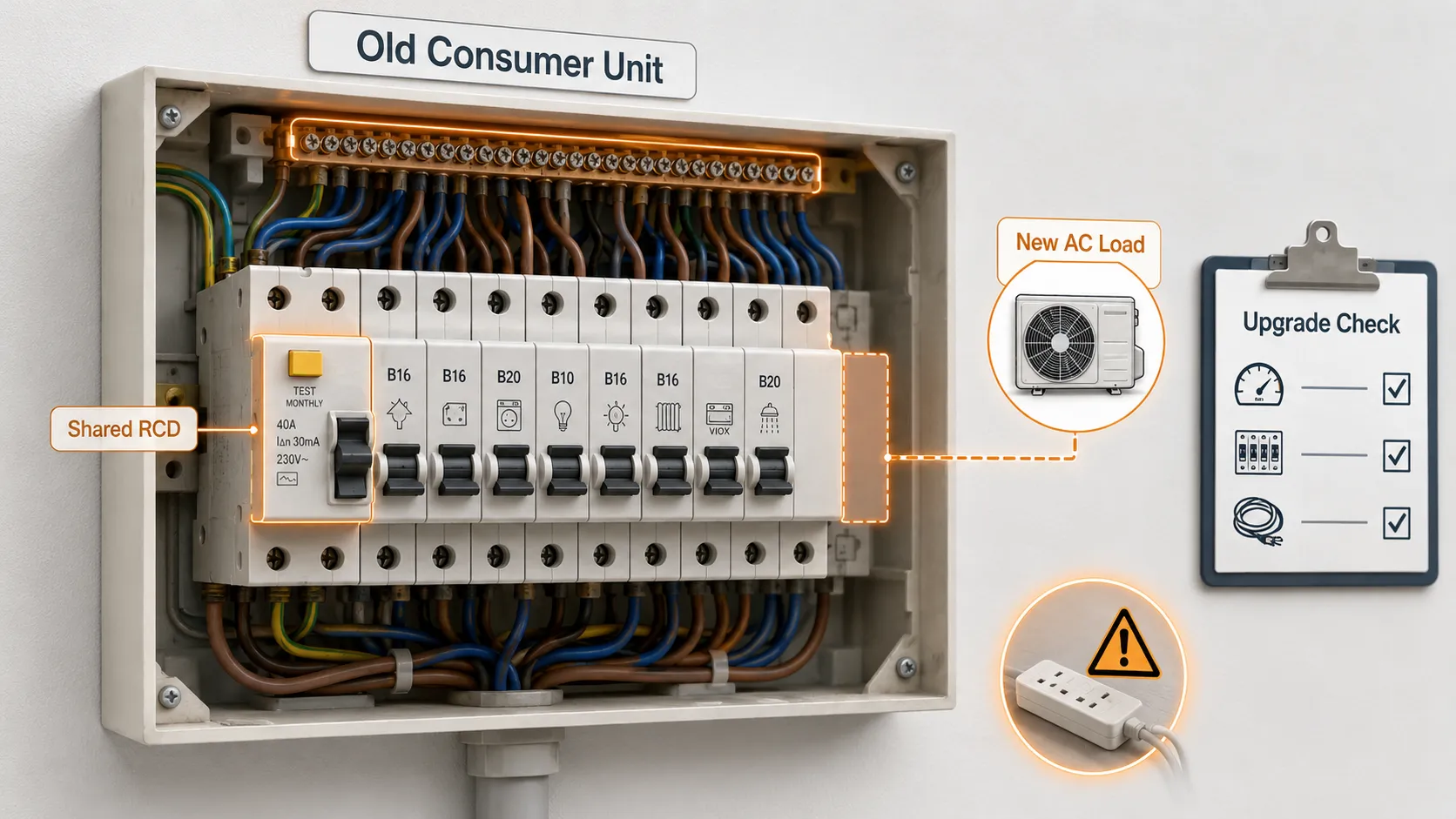
Το πιο εμφανές μέρος της εγκατάστασης είναι η πρίζα ή η εσωτερική μονάδα κλιματισμού. Το πραγματικό αδύναμο σημείο είναι συχνά ο ηλεκτρικός πίνακας ή η ανάντη διανομή.
Οι παλαιότεροι ηλεκτρικοί πίνακες ενδέχεται να έχουν:
- έλλειψη εφεδρικών θέσεων για αποκλειστικά κυκλώματα
- κοινή προστασία RCD για πολλά κυκλώματα
- παλαιούς ή κακώς επισημασμένους μικροαυτόματους (MCBs)
- χαλαρούς ακροδέκτες ουδετέρου ή γείωσης
- υπερθερμασμένες συνδέσεις ζυγοστάθμιων
- διατάξεις χαμηλής ικανότητας διακοπής
- περιορισμένος χώρος ερμαρίου και κακή απαγωγή θερμότητας
- ανάμειξη εμπορικών σημάτων διακοπτών ή ασύμβατα εξαρτήματα
Όταν αρκετοί ένοικοι σε ένα κτίριο προσθέτουν φορητές κλιματιστικές μονάδες, κάθε κύκλωμα διαμερίσματος μπορεί να φαίνεται αποδεκτό από μόνο του. Ωστόσο, η κοινόχρηστη κατακόρυφη στήλη, το υποκεντρικό καλώδιο, το δωμάτιο μετρητών ή ο πίνακας διανομής ενδέχεται να υπερφορτωθούν κατά τη διάρκεια του ίδιου θερμού απογεύματος.
Αυτό είναι το μέρος που ένας οδηγός για φορητές συσκευές δεν μπορεί να εντοπίσει.
Οδηγός γρήγορου υπολογισμού μεγέθους για κυκλώματα κλιματιστικών
Αυτός ο πίνακας αποτελεί ένα απλοποιημένο σημείο εκκίνησης για μηχανικούς. Να χρησιμοποιείτε πάντα την πινακίδα χαρακτηριστικών της συσκευής και τον τοπικό ηλεκτρολογικό κανονισμό.
| Κατάσταση φορτίου κλιματισμού | Τυπική κατεύθυνση προστασίας | Τι να Ελέγξετε |
|---|---|---|
| Μικρό φορητό κλιματιστικό κάτω του 1kW | Το υφιστάμενο κύκλωμα πρίζας μπορεί να είναι αποδεκτό εάν το φορτίο είναι χαμηλό | Κατάσταση πρίζας, αποφυγή καλωδίων επέκτασης, φορτίο κυκλώματος |
| Φορητό κλιματιστικό περίπου 1-1.5kW | Προτιμάται αποκλειστικό κύκλωμα πρίζας σε παλαιότερα κτίρια | Καμπύλη B έναντι C, διατομή καλωδίου, RCBO, κατάσταση πίνακα διανομής |
| Μεγαλύτερο φορητό ή διαιρούμενο (split) κλιματιστικό | Συνήθως απαιτείται αποκλειστικό κύκλωμα | ονομαστικό ρεύμα πινακίδας, ρεύμα εκκίνησης, αποζεύκτης, όδευση καλωδίου, τύπος RCD/RCBO |
| Multi-split ή αντλία θερμότητας | Απαιτείται μελετημένος σχεδιασμός κυκλώματος | δεδομένα κατασκευαστή, μέγιστο ρεύμα, αποζεύκτης εξωτερικής μονάδας, καμπύλη ασφάλειας |
| Πολλαπλά διαμερίσματα με προσθήκη κλιματιστικών | Απαιτείται έλεγχος φορτίου σε επίπεδο πίνακα | χωρητικότητα κατακόρυφης στήλης/υποπίνακα, συντελεστής ταυτότητας, άνοδος θερμοκρασίας ζυγών, ονομαστική τιμή MCCB |
Τι να ελέγξετε πριν από την εγκατάσταση ή τη σύνδεση μιας μονάδας κλιματισμού
| Στοιχείο ελέγχου | Γιατί έχει σημασία |
|---|---|
| Ονομαστικό ρεύμα πινακίδας συσκευής | Ο υπολογισμός του μεγέθους του ασφαλειοδιακόπτη ξεκινά από την πραγματική μονάδα και όχι μόνο από τα BTU ή την ψυκτική ισχύ |
| Ρεύμα εκκίνησης συμπιεστή | Καθορίζει εάν η καμπύλη B μπορεί να προκαλέσει ανεπιθύμητη απόζευξη |
| Διατομή καλωδίου | Ο ασφαλειοδιακόπτης πρέπει να προστατεύει το καλώδιο και όχι απλώς να αντιστοιχεί στη συσκευή |
| Κατάσταση πρίζας | Οι χαλαρές επαφές δημιουργούν θερμότητα υπό συνεχή φορτίο |
| Χρήση καλωδίου επέκτασης (μπαλαντέζας) | Τα μακριά ή υποδιαστασιολογημένα καλώδια αυξάνουν την πτώση τάσης και τον κίνδυνο υπερθέρμανσης |
| Καμπύλη MCB | Οι καμπύλες B και C αντιδρούν διαφορετικά κατά την εκκίνηση κινητήρων |
| Τύπος RCD/RCBO | Οι σύγχρονες συσκευές με μετατροπείς (inverter) ενδέχεται να απαιτούν κατάλληλη προστασία από διαρροή ρεύματος |
| Παλαιότητα ηλεκτρικού πίνακα | Οι παλιοί πίνακες ενδέχεται να μην υποστηρίζουν την ασφαλή επέκταση αποκλειστικών κυκλωμάτων |
| Πιθανό ρεύμα σφάλματος | Καθορίζει εάν ο αυτόματος διακόπτης μπορεί να διακόψει με ασφάλεια τα σφάλματα |
| Χωρητικότητα τροφοδοσίας ανάντη | Τα πολυώροφα κτίρια ενδέχεται να υπερφορτώσουν την κοινόχρηστη υποδομή |
Συνηθισμένα λάθη κατά τη διάρκεια της έξαρσης χρήσης κλιματιστικών στην Ευρώπη
Λάθος 1: Αντικατάσταση του αυτόματου διακόπτη με μεγαλύτερο
Εάν ένας αυτόματος διακόπτης πέσει, η αιτία δεν είναι αυτόματα ένας διακόπτης μικρότερης ονομαστικής έντασης. Το κύκλωμα μπορεί να είναι υπερφορτωμένο, το καλώδιο μπορεί να είναι πολύ μικρής διατομής, η πρίζα μπορεί να έχει υποστεί ζημιά ή η συσκευή μπορεί να παρουσιάζει βλάβη.
Ένας μεγαλύτερος αυτόματος διακόπτης στο ίδιο καλώδιο μπορεί να μετατρέψει τις ενοχλητικές διακοπές λειτουργίας σε υπερθέρμανση.
Λάθος 2: Αντιμετώπιση ενός φορητού κλιματιστικού σαν φορτιστή τηλεφώνου
Οι φορητές κλιματιστικές μονάδες συνδέονται συχνά στην πλησιέστερη διαθέσιμη πρίζα. Αυτή η πρίζα μπορεί ήδη να μοιράζεται το ίδιο κύκλωμα με οικιακές συσκευές κουζίνας, ένα πλυντήριο ρούχων ή παλιά καλώδια προέκτασης.
Το φις ταιριάζει. Αυτό δεν σημαίνει ότι το κύκλωμα είναι κατάλληλο.
Λάθος 3: Η υπόθεση ότι η καμπύλη C είναι πάντα η λύση
Οι μικροαυτόματοι (MCB) καμπύλης C αντέχουν υψηλότερα ρεύματα εισόδου. Απαιτούν επίσης επαλήθευση ότι το ρεύμα σφάλματος είναι αρκετά υψηλό ώστε να τους ενεργοποιήσει εντός του απαιτούμενου χρόνου. Εάν η σύνθετη αντίσταση του βρόχου είναι πολύ υψηλή, η αντικατάσταση με καμπύλη C μπορεί να μειώσει την απόδοση της προστασίας από σφάλματα.
Λάθος 4: Η αγνόηση της διάταξης των RCBO
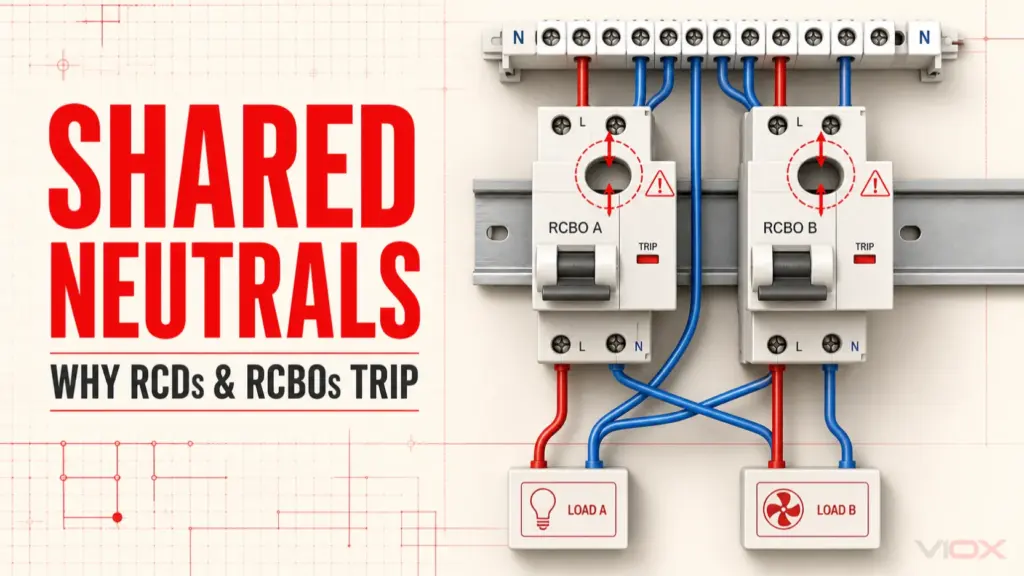
Εάν ένας RCD προστατεύει πολλά κυκλώματα, ένα πρόβλημα διαρροής από μία συσκευή μπορεί να απενεργοποιήσει άσχετα δωμάτια. Ένα αποκλειστικό κύκλωμα RCBO είναι συχνά πιο καθαρή λύση για πρόσθετα φορτία ψύξης.
Λάθος 5: Η παράβλεψη ολόκληρου του κτιρίου
Σε πολυκατοικίες, κάθε διαμέρισμα μπορεί να προσθέσει μία φορητή μονάδα κλιματισμού. Η κατακόρυφη στήλη (riser) και ο κεντρικός πίνακας διανομής του κτιρίου ενδέχεται να μην έχουν υπολογιστεί για αυτό το ταυτόχρονο καλοκαιρινό φορτίο.
Από τη ζήτηση των ιδιοκτητών στην παροχή αναβάθμισης (retrofit)
Για τους ιδιοκτήτες κατοικιών, το προφανές ερώτημα είναι απλό: “Μπορώ να λειτουργήσω αυτό το κλιματιστικό με ασφάλεια;” Για τους ηλεκτρολόγους, τους κατασκευαστές πινάκων και τους διανομείς, η πραγματική εργασία είναι ευρύτερη: να παρέχουν ένα πακέτο αναβάθμισης που βελτιώνει την προστασία χωρίς να ενθαρρύνει την ανασφαλή αντικατάσταση των μικροαυτομάτων.
Αυτή είναι η πιο ομαλή εμπορική ευκαιρία στην αγορά κλιματιστικών της Ευρώπης, η οποία καθοδηγείται από τους καύσωνες. Δεν πρόκειται μόνο για το “να πουλήσουμε περισσότερους μικροαυτόματους”. Πρόκειται για το να καταστήσουμε τα αποκλειστικά κυκλώματα κλιματισμού, τις αναβαθμίσεις σε RCBO, την επέκταση των πινάκων διανομής και τα εξαρτήματα ασφαλούς διανομής ευκολότερα στον προσδιορισμό και την εγκατάσταση.
Οι χρήσιμες ομάδες προϊόντων περιλαμβάνουν:
- Μικροαυτόματους (MCB) καμπύλης B και C για διαφορετικά τελικά κυκλώματα
- RCBO τύπου A για αποκλειστικά κυκλώματα συσκευών
- σύγχρονους πίνακες διανομής με επαρκείς εφεδρικές θέσεις
- γενικούς διακόπτες και διακόπτες απομόνωσης
- κουτιά διανομής για μικρούς πίνακες αναβάθμισης
- εξαρτήματα ζυγών και ακροδεκτών
- αντικεραυνική προστασία όπου απαιτείται από τη μελέτη της εγκατάστασης
- σαφείς ετικέτες κυκλωμάτων και προειδοποιητικές πινακίδες
Για τη VIOX, το θέμα αυτό συνδέει φυσικά τη ζήτηση για κλιματισμό σε επίπεδο καταναλωτή με την προμήθεια εξοπλισμού προστασίας κυκλωμάτων B2B: μικροαυτόματοι (MCB), διακόπτες RCBO, πίνακες καταναλωτή, κουτιά διανομής, ζυγοί, ακροδέκτες και εξαρτήματα πινάκων.
ΣΥΧΝΈΣ ΕΡΩΤΉΣΕΙΣ
Τι μέγεθος αυτόματης ασφάλειας χρειάζεται ένα κλιματιστικό στην Ευρώπη;
Δεν υπάρχει καθολικό μέγεθος. Πολλές μικρές φορητές μονάδες AC στα 230V καταναλώνουν μόνο 3-7A κατά τη λειτουργία, αλλά η ασφάλεια πρέπει να αντιστοιχεί στην πινακίδα τύπου της συσκευής, τη διατομή του καλωδίου, τη διάταξη του κυκλώματος, το ρεύμα εκκίνησης και τους τοπικούς κανονισμούς καλωδίωσης. Οι μόνιμες εγκαταστάσεις κλιματιστικών συχνά απαιτούν αποκλειστικό κύκλωμα.
Είναι μια ασφάλεια καμπύλης C καλύτερη για ένα κλιματιστικό;
Ένας μικροαυτόματος (MCB) καμπύλης C είναι συχνά καλύτερος για φορτία συμπιεστών, επειδή αντέχει υψηλότερο ρεύμα εκκίνησης σε σχέση με μια ασφάλεια καμπύλης B. Ωστόσο, πρέπει να χρησιμοποιείται μόνο μετά την επαλήθευση της διατομής του καλωδίου, της σύνθετης αντίστασης βρόχου, του χρόνου αποσύνδεσης και της συμβατότητας με τον πίνακα καταναλωτή.
Μπορώ να συνδέσω ένα φορητό κλιματιστικό σε μια κανονική ευρωπαϊκή πρίζα;
Μερικές φορές ναι, εάν το κύκλωμα είναι σε καλή κατάσταση, δεν είναι υπερφορτωμένο και η ένταση ρεύματος της συσκευής είναι εντός των ορίων του κυκλώματος. Αποφύγετε μπαλαντέζες, πολύπριζα και κυκλώματα που μοιράζονται με συσκευές υψηλής κατανάλωσης.
Χρειάζεται το κλιματιστικό έναν αυτόματο διακόπτη διαρροής (RCBO);
Ένας RCBO είναι συχνά μια καλή επιλογή για ένα αποκλειστικό κύκλωμα κλιματιστικού, επειδή παρέχει προστασία τόσο από υπερένταση όσο και από διαρροή ρεύματος για το συγκεκριμένο κύκλωμα. Ο τύπος της διάταξης προστασίας από διαρροή ρεύματος πρέπει να ακολουθεί τους τοπικούς κανονισμούς και τις οδηγίες του κατασκευαστή του κλιματιστικού.
Γιατί πέφτει η ασφάλεια όταν ξεκινάει το κλιματιστικό;
Οι πιο συνηθισμένοι λόγοι είναι το ρεύμα εκκίνησης του συμπιεστή, η υπερφόρτωση κοινόχρηστου κυκλώματος, η λανθασμένη καμπύλη του μικροαυτόματου (MCB), η εξασθενημένη ασφάλεια, η πτώση τάσης, κάποια βλάβη στη συσκευή ή κακή σύνδεση στην πρίζα/ακροδέκτη. Μην επιλύετε τις επαναλαμβανόμενες πτώσεις της ασφάλειας εγκαθιστώντας απλώς μια μεγαλύτερη ασφάλεια.
Είναι το πρόβλημα χειρότερο στα παλιά ευρωπαϊκά διαμερίσματα;
Ναι. Τα παλαιότερα διαμερίσματα ενδέχεται να έχουν περιορισμένο χώρο στον πίνακα διανομής, παλαιότερα κυκλώματα πριζών, κοινόχρηστα ρελέ διαρροής (RCD), μεγάλες διαδρομές καλωδίων και κεντρικές γραμμές που δεν είχαν σχεδιαστεί για πολλά διαμερίσματα που λειτουργούν κλιματιστικά ταυτόχρονα.
Συμπέρασμα
Οι καύσωνες στην Ευρώπη μετατρέπουν τον κλιματισμό από μια σπάνια συσκευή άνεσης σε μια πρακτική ανάγκη για το καλοκαίρι. Ωστόσο, η προσθήκη φορτίου ψύξης σε παλαιότερα κτίρια δεν είναι απλώς μια απόφαση αγοράς. Είναι μια απόφαση ηλεκτρολογικής προστασίας.
Για ένα κλιματιστικό, ελέγξτε το ρεύμα της πινακίδας, το ρεύμα εκκίνησης, το καλώδιο, την πρίζα, την καμπύλη του μικροαυτόματου (MCB) και την προστασία από διαρροή (RCD/RCBO).
Για ένα ολόκληρο κτίριο, ελέγξτε τον πίνακα καταναλωτή, την κεντρική στήλη, την υποκεντρική παροχή, τον πίνακα διανομής, τον ζυγοστάτη (busbar) και την ανάντη προστασία.
Η ασφαλέστερη αναβάθμιση δεν είναι ένας “μεγαλύτερος ασφαλειοδιακόπτης”. Είναι ένα σωστά προστατευμένο κύκλωμα σχεδιασμένο με βάση το πραγματικό φορτίο.