2025

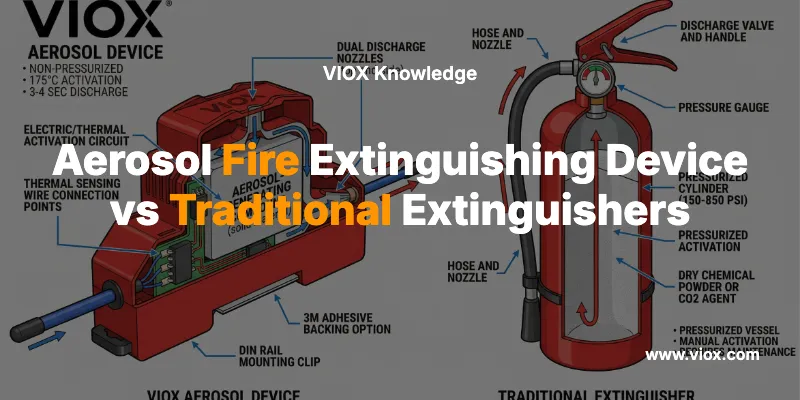
Aerosol Fire Extinguishing Device vs Traditional Extinguishers

Aerosolové hasicí zařízení vs. tradiční hasicí přístroje

When electrical fires erupt inside distribution cabinets or control panels, every second counts—and so does every cubic centimeter of space. Facility managers and safety engineers face a critical dilemma: traditional fire extinguishers offer proven reliability but often at the cost of collateral damage, maintenance overhead, and installation complexity. Aerosol fire extinguishing devices promise a compact, […]

Aerosolové hasicí zařízení vs. tradiční hasicí přístroje Číst více »
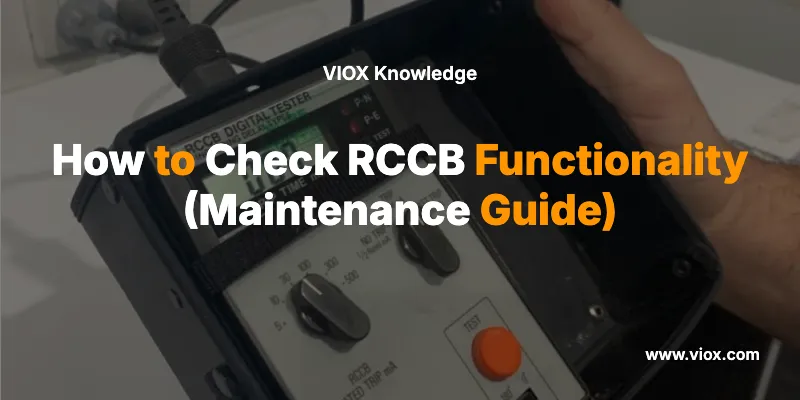
How to Check RCCB Functionality (Maintenance Guide)

Jak zkontrolovat funkčnost proudového chrániče (Průvodce údržbou)

A faulty RCCB (Residual Current Circuit Breaker) won’t protect you when it matters most. During a ground fault, a malfunctioning RCCB fails silently—the contacts don’t trip, current continues flowing through the fault path, and the risk of electric shock or fire remains unmitigated. The sobering reality: many RCCBs sit in distribution boards for years without

Jak zkontrolovat funkčnost proudového chrániče (Průvodce údržbou) Číst více »

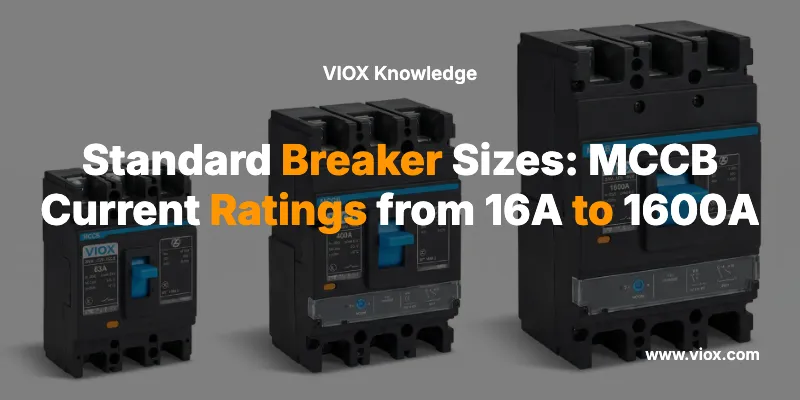
Standardní velikosti jističů: Jmenovité proudy MCCB od 16A do 1600A

Selecting the right molded case circuit breaker (MCCB) starts with understanding standard breaker sizes. Unlike miniature circuit breakers (MCBs) that protect final circuits, MCCBs cover a much wider current range—from 16A branch feeders to 1600A main incomers—and choosing the correct rating directly impacts system safety, coordination, and project costs. This guide maps the complete IEC

Standardní velikosti jističů: Jmenovité proudy MCCB od 16A do 1600A Číst více »

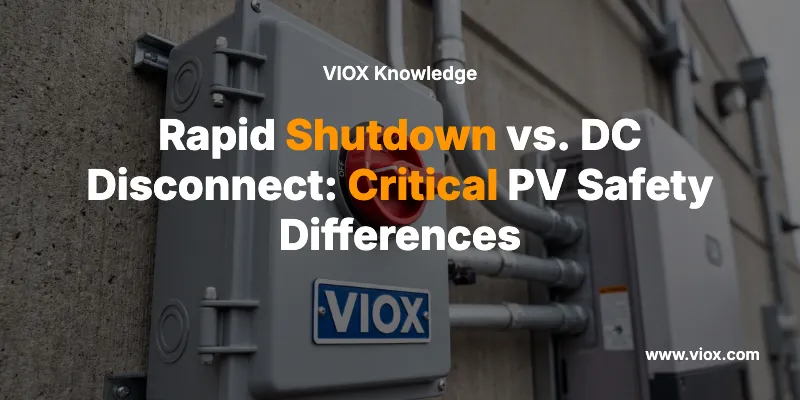
Rapid Shutdown vs. DC Disconnect: Critical PV Safety Differences

Rychlé vypnutí vs. DC odpojovač: Zásadní rozdíly v bezpečnosti FV systémů

Understanding the Critical Difference: Life Safety vs. Maintenance Safety In photovoltaic (PV) system design, few topics generate as much confusion as the relationship between rapid shutdown systems and DC disconnect switches. Even experienced electrical contractors often ask: “If I’ve already installed a DC disconnect switch next to the inverter, do I still need a rapid

Rychlé vypnutí vs. DC odpojovač: Zásadní rozdíly v bezpečnosti FV systémů Číst více »

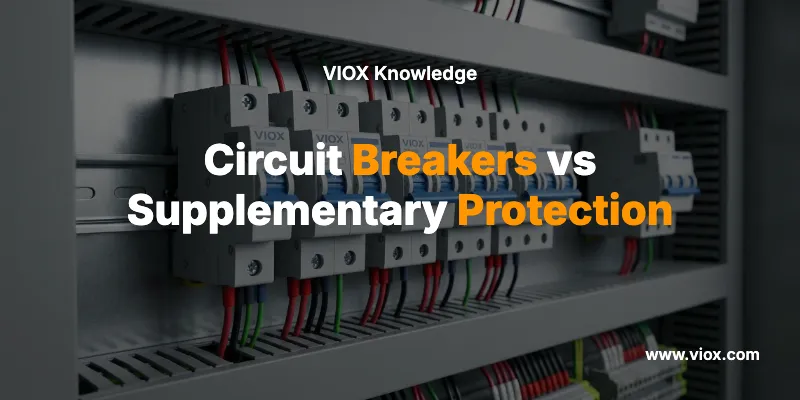
Circuit Breakers vs Supplementary Protection

Jističe vs. Doplňková ochrana

In electrical control panels, you might encounter two nearly identical DIN rail devices: same form factor, same amperage, same toggle. One costs $50. The other? Just $15. The difference isn’t marketing—it’s regulation. This pricing gap marks a critical regulatory divide. Panel shops, OEM manufacturers, and electrical contractors need to understand the distinction between UL 489

Jističe vs. Doplňková ochrana Číst více »

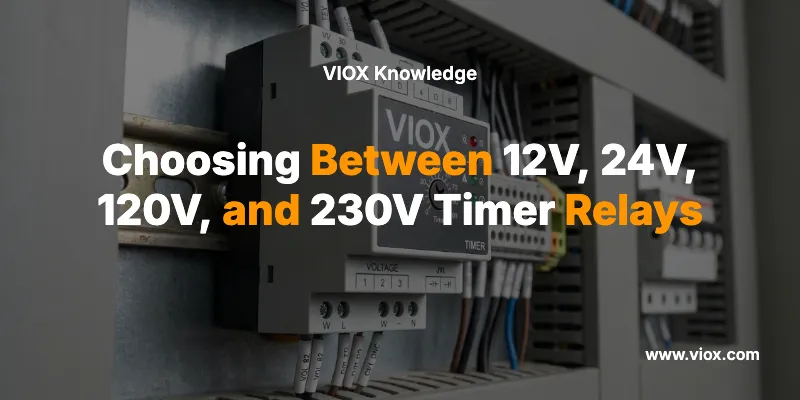
Choosing Between 12V, 24V, 120V, and 230V Timer Relays

Volba mezi časovými relé 12 V, 24 V, 120 V a 230 V

Choosing the right control voltage for your timer relay—12V, 24V, 120V, or 230V—directly impacts system safety, compatibility, and reliability. While 24V DC has become the modern standard for industrial automation due to its safety advantages and PLC compatibility, 12V suits mobile and battery-powered applications, and 120V/230V AC options remain essential for high-power equipment and regional

Volba mezi časovými relé 12 V, 24 V, 120 V a 230 V Číst více »

How to Calculate the Correct Time Range for Your Timer Relay

Jak vypočítat správný časový rozsah pro vaše časové relé

To calculate the correct time range for your timer relay, follow these four essential steps: identify your actual process timing requirements, select the appropriate timing mode (on-delay, off-delay, interval, or cyclic), apply safety factors to account for tolerance and environmental conditions, and match your calculated requirements to available commercial time ranges. This systematic approach helps

Jak vypočítat správný časový rozsah pro vaše časové relé Číst více »

Grounding vs. GFCI (RCD) vs. Surge Protection

Tři pilíře elektrické bezpečnosti: Uzemnění vs. GFCI (RCD) vs. Přepěťová ochrana

Introduction Electrical safety in industrial and commercial installations isn’t about choosing between protection methods—it’s about understanding how they work together. Many facility managers and contractors face a common question: “Don’t these devices do the same thing?” The answer reveals a fundamental truth about electrical protection. Grounding, GFCI (Ground Fault Circuit Interrupter) or RCD (Residual Current

Tři pilíře elektrické bezpečnosti: Uzemnění vs. GFCI (RCD) vs. Přepěťová ochrana Číst více »

The Ultimate Guide to Terminal Blocks: Types, Uses, and Functions

Průvodce světem svorkovnic: Typy, použití a funkce

Specifying terminal blocks for an industrial panel should be straightforward. But when procurement emails ask whether to use screw terminals or spring-clamp, or when specifications list “barrier blocks” without context, clarity becomes critical. Electrical engineers need precise selection criteria. Contractors need assurance they’re ordering the right hardware. Facility managers want terminations that stay secure through

Průvodce světem svorkovnic: Typy, použití a funkce Číst více »

Marshalling Panel vs Junction Box vs System Cabinet: What Are the Differences?

Rozvaděč svorkovnic vs. Propojovací krabice vs. Systémový rozvaděč: Jaké jsou rozdíly?

When specifying electrical infrastructure for industrial facilities, three terms come up repeatedly: junction box, marshalling panel, and system cabinet. While they may look similar at first glance—metal enclosures housing electrical connections—they serve distinctly different purposes in the electrical distribution hierarchy. Confusing these terms can lead to incorrect equipment selection, project delays, and cost overruns. A

Rozvaděč svorkovnic vs. Propojovací krabice vs. Systémový rozvaděč: Jaké jsou rozdíly? Číst více »

Požádejte o cenovou nabídku nyní