2025

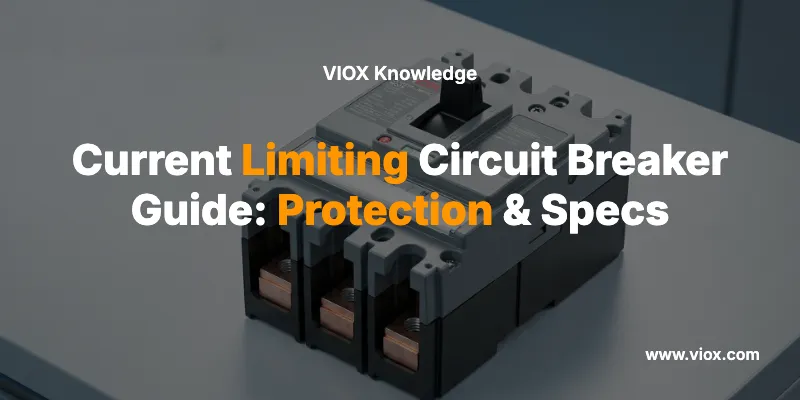
Current Limiting Circuit Breaker Guide: Protection & Specs

Průvodce proudově omezeným jističem: Ochrana a specifikace

Figure 1: Current limiting circuit breakers protect electrical systems by interrupting fault currents before they reach destructive peak values. VIOX Electric manufactures current-limiting MCCBs engineered to IEC 60947-2 and UL 489 standards.   In modern electrical systems, short-circuit faults can release devastating amounts of energy in milliseconds. A prospective fault current of 50,000 amperes generates […]

Průvodce proudově omezeným jističem: Ochrana a specifikace Číst více »
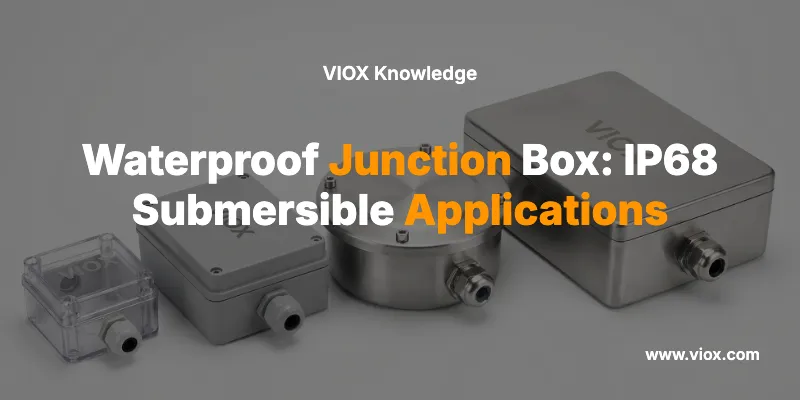
Waterproof Junction Box: IP68 Submersible Applications

Vodotěsná spojovací skříň: IP68 aplikace pro ponoření

In underwater lighting, pool equipment, and marine engineering applications, electrical connection points must withstand continuous submersion environments. Standard splash-proof junction boxes cannot meet these demanding requirements—only IP68 waterproof junction boxes provide true submersible protection. However, the “IP68” label has become ubiquitous in the market, and many procurement managers and engineers misunderstand its true meaning. IP68

Vodotěsná spojovací skříň: IP68 aplikace pro ponoření Číst více »

Single-Break vs. Double-Break MCCB: Performance & Selection Guide

Jednoduché vs. dvojité přerušení u MCCB: Průvodce výkonem a výběrem

When specifying molded case circuit breakers (MCCBs) for industrial or commercial installations, you’ll encounter two fundamental contact design approaches: single-break and double-break configurations. The distinction isn’t merely technical jargon—it affects how the breaker interrupts fault currents, influences breaking capacity ratings, and determines which applications each design serves best. Both technologies comply with IEC 60947-2 standards

Jednoduché vs. dvojité přerušení u MCCB: Průvodce výkonem a výběrem Číst více »

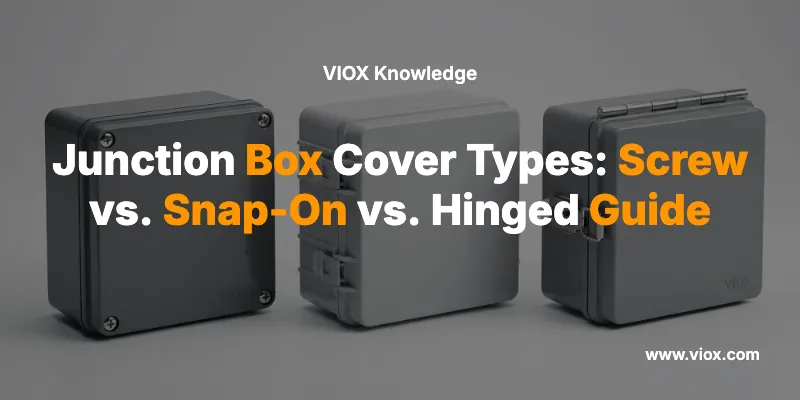
Junction Box Cover Types: Screw vs. Snap-On vs. Hinged Guide

Typy krytů spojovacích skříní: Průvodce šroubovacími, nasouvacími a otočnými variantami

The 60-Second Decision That Affects Every Maintenance Call You’re standing in the electrical aisle, comparing two junction boxes with identical specs—same IP rating, same dimensions, same price point. The only difference? One has a screw-on cover, the other a snap-on lid. You grab the screw version, figuring “more secure is better.” Six months later, your

Typy krytů spojovacích skříní: Průvodce šroubovacími, nasouvacími a otočnými variantami Číst více »

Combiner Box Supplier: How to Choose a Reliable Manufacturer

Dodavatel slučovacích skříní: Jak si vybrat spolehlivého výrobce

Introduction: When Your Supplier Becomes Your Biggest Project Risk A utility-scale solar developer in Texas learned a costly lesson in 2023. Six months into a 50MW project, their combiner boxes started failing—fuses blowing prematurely, terminals overheating, and enclosure seals letting in moisture. The root cause? A supplier who claimed UL 1741 certification but couldn’t provide

Dodavatel slučovacích skříní: Jak si vybrat spolehlivého výrobce Číst více »

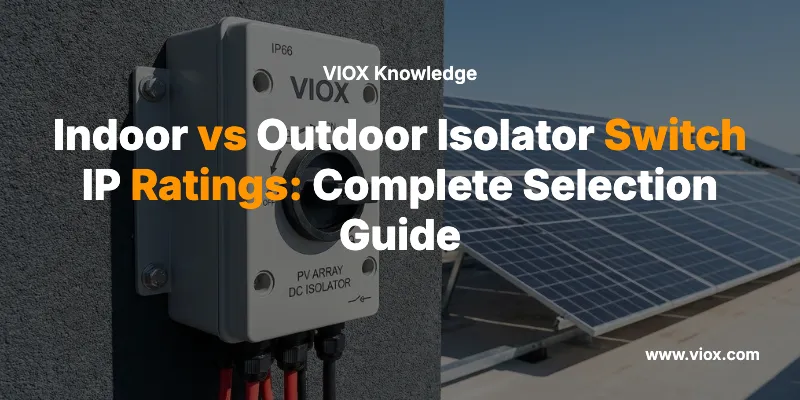
Indoor vs Outdoor Isolator Switch IP Ratings

Vnitřní vs. venkovní odpojovač: Požadavky na krytí IP

Introduction: When IP Rating Matters A solar contractor in Arizona learned an expensive lesson last summer. Three months after commissioning a 500kW commercial rooftop array, the owner called with a problem: half the DC isolator switches had corroded contacts and wouldn’t open. The contractor had specified IP40-rated indoor switches enclosed in NEMA 3R boxes, assuming

Vnitřní vs. venkovní odpojovač: Požadavky na krytí IP Číst více »

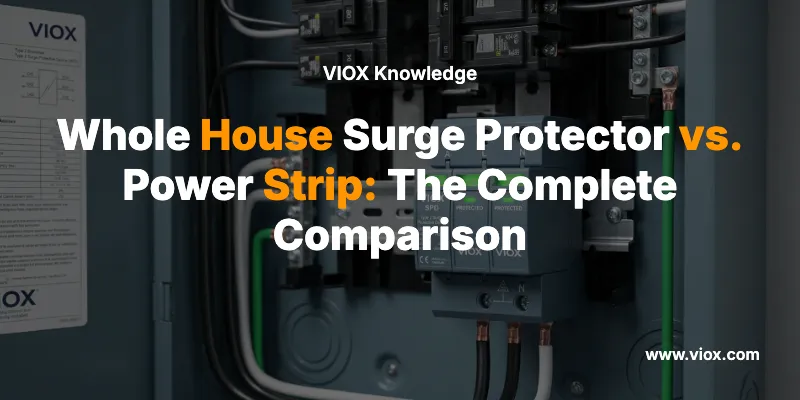
Whole House Surge Protector vs. Power Strip: The Complete Comparison

Přepěťová ochrana pro celý dům vs. prodlužovací kabel: Kompletní srovnání

Your HVAC died last summer. The pool pump burned out two months later. Then your smart home hub wouldn’t boot. Three repairs, $4,200 out of pocket, and the electrician finally said what you’d been missing: “You need surge protection at the panel, not just those power strips.” Most homeowners assume that $30 surge protector strip

Přepěťová ochrana pro celý dům vs. prodlužovací kabel: Kompletní srovnání Číst více »

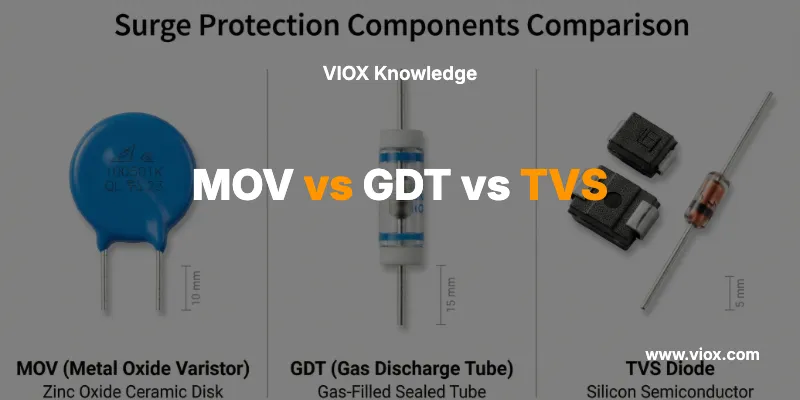
MOV vs GDT vs TVS

Přepěťová ochrana MOV vs. GDT vs. TVS: Srovnání technologií

Introduction When specifying surge protection for electrical systems, engineers face a fundamental choice among three core technologies: Metal Oxide Varistor (MOV), Gas Discharge Tube (GDT), and Transient Voltage Suppressor (TVS) diode. Each technology offers distinct performance characteristics rooted in different physical principles—MOVs harness nonlinear ceramic resistance, GDTs exploit gas ionization, and TVS diodes leverage semiconductor

Přepěťová ochrana MOV vs. GDT vs. TVS: Srovnání technologií Číst více »

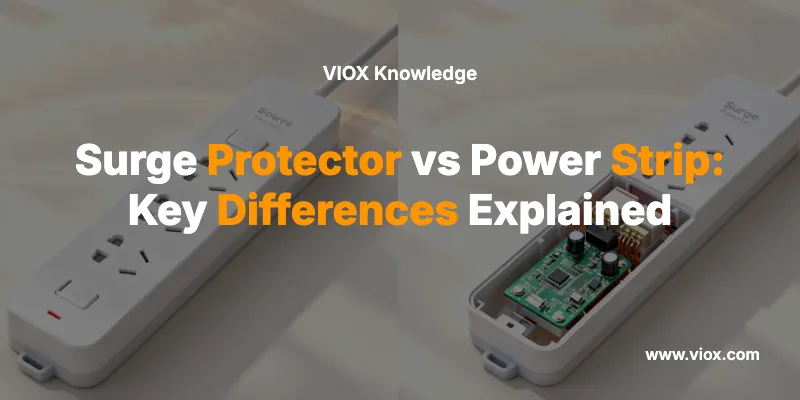
Surge Protector vs Power Strip: Key Differences Explained

Přepěťová ochrana vs. prodlužovací kabel: Vysvětlení klíčových rozdílů

Walk into any electronics store and you’ll see dozens of six-outlet strips. Half say “surge protector” on the box. The other half don’t. The price difference? Maybe $10. The protection difference? Everything. That $15 power strip from the drugstore—the one your $2,400 computer is plugged into—offers zero protection against voltage spikes. And that “surge protector”

Přepěťová ochrana vs. prodlužovací kabel: Vysvětlení klíčových rozdílů Číst více »

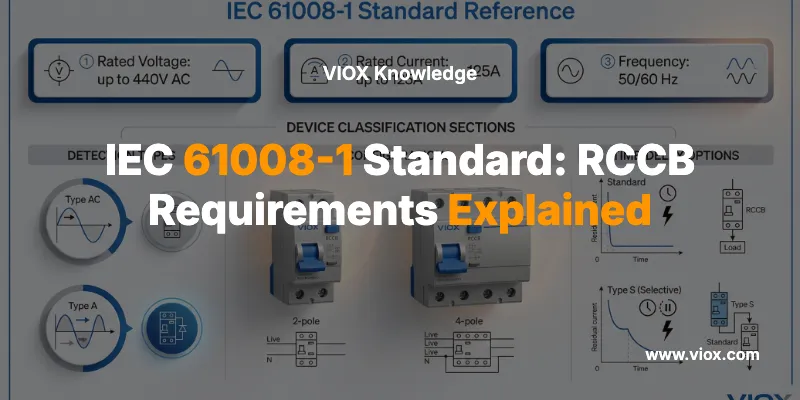
IEC 61008-1 Standard: RCCB Requirements Explained (2025 Guide)

Norma IEC 61008-1: Vysvětlení požadavků na proudové chrániče (průvodce 2025)

When an electrical engineer stamps a drawing with “IEC 61008-1 compliant RCCBs required,” that single line triggers a chain of technical decisions—rated voltages, sensitivity thresholds, short-circuit coordination, test protocols. For manufacturers submitting devices to certification bodies, IEC 61008-1 represents months of design validation and hundreds of test cycles. For procurement managers evaluating supplier claims, it’s

Norma IEC 61008-1: Vysvětlení požadavků na proudové chrániče (průvodce 2025) Číst více »

Požádejte o cenovou nabídku nyní