

اس صفحے پر
فوری جواب: کون سی ایس پی ڈی (SPD) ریٹنگز سب سے زیادہ اہمیت رکھتی ہیں؟
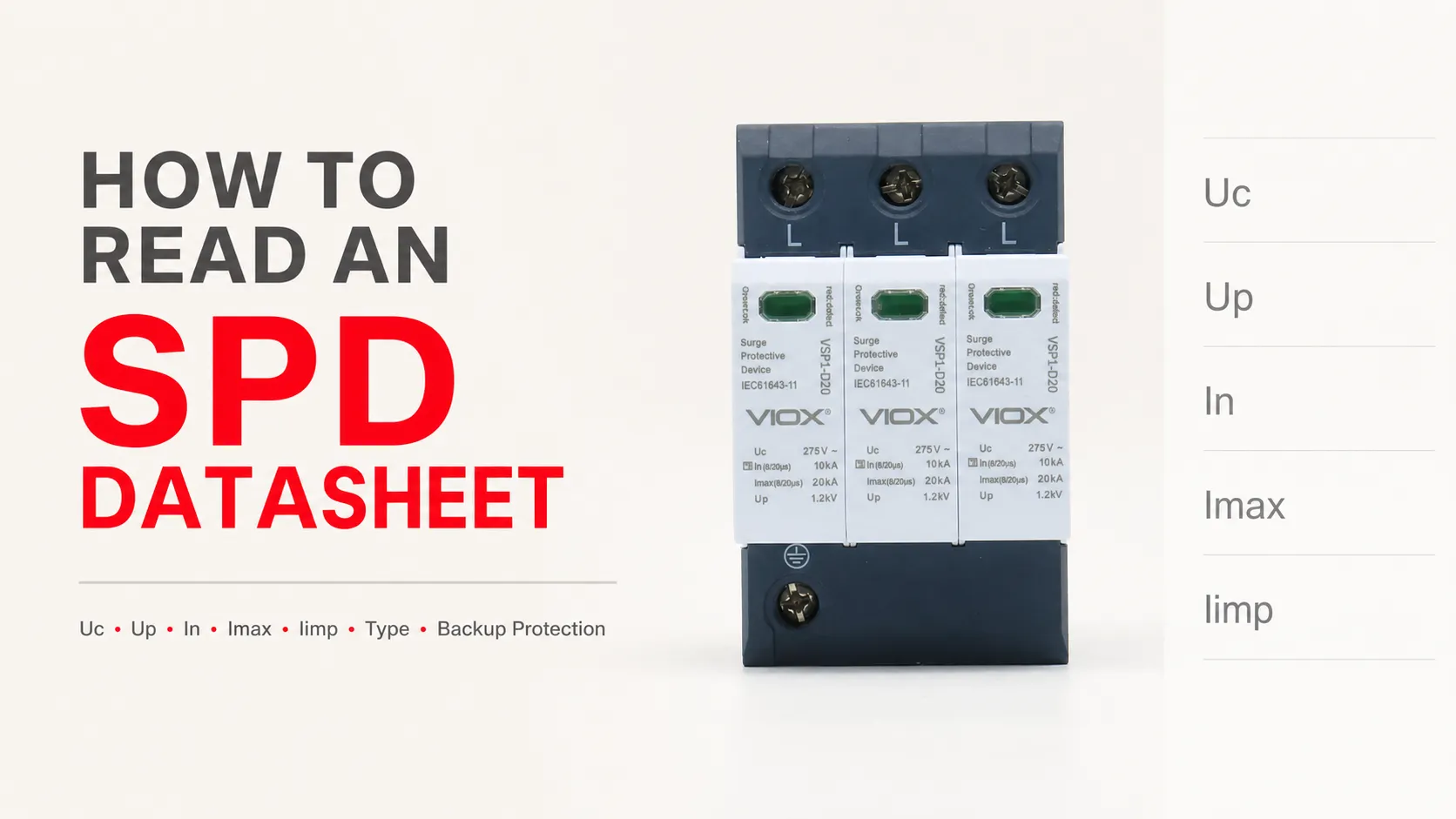
جب آپ سرج پروٹیکٹو ڈیوائس (SPD) کی ڈیٹا شیٹ کھولتے ہیں، تو سب سے پہلے آپ کو اعداد کا ایک انبار نظر آتا ہے: Uc 275 V, Up ≤ 1.5 kV, In 20 kA, Imax 40 kA, Iimp 12.5 kA, قسم 1, قسم 2, بیک اپ فیوز, اور کبھی کبھی ایس سی سی آر, Isccr، یا VPR. غلطی یہ فرض کرنا ہے کہ ایک نمبر پوری کہانی بیان کرتا ہے۔ ایسا نہیں ہے۔.
ایس پی ڈی (SPD) ڈیٹا شیٹ پڑھتے وقت، شروعات یہاں سے کریں سسٹم وولٹیج اور پروٹیکشن کی قسم, ، پھر تصدیق کریں یو سی / ایم سی او وی (Uc/MCOV), اوپر, میں, Imax, آئی ایم پی, ٹائپ 1/2/3, اے سی یا ڈی سی ریٹنگ، اور بیک اپ فیوز یا بریکر کی ضرورت. صرف سب سے بڑے kA نمبر کی بنیاد پر سرج پروٹیکٹو ڈیوائس (SPD) کا انتخاب نہ کریں۔ ایک درست SPD کو سسٹم کے اصل وولٹیج، ارتھنگ سسٹم، تنصیب کی جگہ، سرج کے خطرے، معیارات کے فریم ورک اور اپ اسٹریم پروٹیکشن سے مطابقت رکھنی چاہیے۔.
ڈیوائس کے عمومی جائزے کے لیے پہلے ملاحظہ کریں سرج پروٹیکٹیو ڈیوائس (SPD) کیا ہے؟. یہ گائیڈ خاص طور پر ایک خریدار، پینل بلڈر، یا الیکٹریکل انجینئر کی طرح ڈیٹا شیٹس اور نیم پلیٹس کو پڑھنے پر مرکوز ہے۔.
SPD ڈیٹا شیٹ پڑھنے کی ترتیب
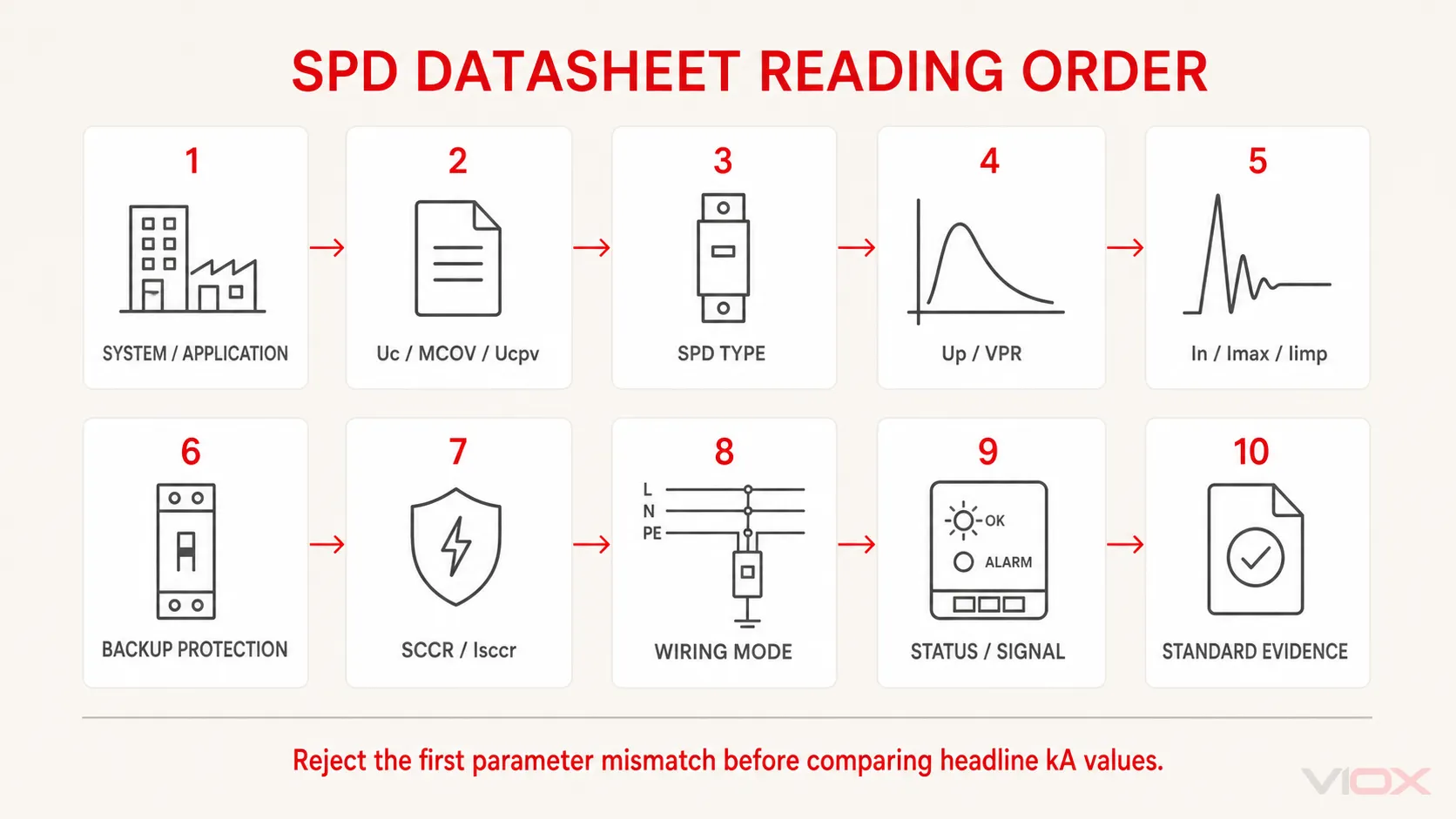
SPD ڈیٹا شیٹ پڑھنے کا سب سے محفوظ طریقہ اوپر سے نیچے کی طرف نہیں ہے۔ اسے اس ترتیب سے پڑھیں جو غلط مصنوعات کو تیزی سے مسترد کر سکے۔.
| قدم | کیا چیک کرنا ہے | اس کی اہمیت |
|---|---|---|
| 1 | سسٹم کی قسم: AC، DC، PV، سگنل، TN-S، TN-C-S، TT، IT | ایس پی ڈی (SPD) کی وائرنگ اور وولٹیج موڈ سسٹم پر منحصر ہوتے ہیں۔ |
| 2 | Uc / MCOV / Ucpv | مسلسل آپریٹنگ وولٹیج کے لیے کافی زیادہ ہونا چاہیے۔ |
| 3 | ایس پی ڈی کی اقسام: ٹائپ 1، ٹائپ 2، ٹائپ 3، ٹائپ 1+2 | تنصیب کے مقام اور سرج کے خطرے کے مطابق ہونا چاہیے۔ |
| 4 | اپ (Up) / وی پی آر (VPR) | قابل اطلاق ٹیسٹ فریم ورک کے تحت وولٹیج کو محدود کرنے والی کارکردگی کی خصوصیت |
| 5 | In, Imax, Iimp | مختلف ٹیسٹ ویوفارمز کے تحت سرج ڈسچارج کی صلاحیت کو ظاہر کرتا ہے۔ |
| 6 | بیک اپ تحفظ | فیوز یا بریکر کوآرڈینیشن کی ضرورت ہو سکتی ہے |
| 7 | SCCR یا قابل اطلاق شارٹ سرکٹ برداشت کرنے کی صلاحیت/کرنٹ کا اعلان، جیسے کہ Isccr | متوقع شارٹ سرکٹ کرنٹ اور اپ اسٹریم تحفظ کے ساتھ مطابقت لازمی ہے۔ |
| 8 | وائرنگ موڈ اور پول کنفیگریشن | ایل-این (L-N)، ایل-پی ای (L-PE)، این-پی ای (N-PE)، 3+1، 4+0، ڈی سی+/ڈی سی- (DC+/DC-)، ڈی سی ٹو پی ای (DC-to-PE) |
| 9 | اسٹیٹس انڈیکیشن اور ریموٹ سگنلنگ | دیکھ بھال اور نگرانی کے لیے ضروری |
| 10 | معیار اور سرٹیفیکیشن کی بنیاد | IEC, UL, GB, EN، یا پروجیکٹ کے مخصوص تقاضے |
یہ ترتیب ایک عام غلطی سے بچاتی ہے: پہلے سب سے زیادہ Imax والا SPD منتخب کرنا، اور بعد میں یہ معلوم ہونا کہ مسلسل وولٹیج، بیک اپ فیوز، یا تنصیب کی قسم غلط ہے۔.
SPD نیم پلیٹ / ڈیٹا شیٹ کی مثال
ایک عام لو-وولٹیج پاور SPD لیبل میں درج ذیل نشانات شامل ہو سکتے ہیں:
Type 2, Uc 275 VAC, Up ≤ 1.5 kV, In 20 kA, Imax 40 kA, 8/20 μs, IEC 61643-11, max backup fuse 125 A gG, remote contact optionalاسے پڑھنے کا طریقہ یہ ہے:
| نشان | یہ آپ کو کیا بتاتا ہے | کیا تصدیق کرنا ہے |
|---|---|---|
| قسم 2 | ڈسٹری بیوشن لیول سرج پروٹیکشن کے لیے SPD کلاس | کیا Type 2 تنصیب کے مقام کے لیے موزوں ہے؟ |
| Uc 275 VAC | زیادہ سے زیادہ مسلسل آپریٹنگ وولٹیج | کیا یہ سسٹم وولٹیج اور ارتھنگ کے انتظام سے مطابقت رکھتا ہے؟ |
| Up ≤ 1.5 kV | معیاری ٹیسٹ کے حالات کے تحت وولٹیج پروٹیکشن لیول | کیا ڈاؤن اسٹریم آلات مناسب طریقے سے محفوظ ہیں؟ |
| In 20 kA | برائے نام ڈسچارج کرنٹ، عام طور پر ٹائپ 2 کے لیے 8/20 μs | کیا بار بار آنے والے سرج کے لیے سائٹ کی صلاحیت کافی ہے؟ |
| Imax 40 kA | 8/20 μs ٹیسٹ ویوفارم کے تحت زیادہ سے زیادہ ڈسچارج کرنٹ | اسے معمول کی بار بار آنے والی صلاحیت نہ سمجھیں |
| IEC 61643-11 | لو وولٹیج AC پاور SPDs کے لیے پروڈکٹ اسٹینڈرڈ مارکنگ | ایڈیشن، سرٹیفکیٹ کا دائرہ کار، ماڈل، اور معاون ٹیسٹ دستاویزات کی تصدیق کریں |
| زیادہ سے زیادہ بیک اپ فیوز 125 ایمپیئر gG | بیان کردہ SPD کنفیگریشن کے لیے مینوفیکچرر کا اعلان کردہ زیادہ سے زیادہ قابل اجازت اوور کرنٹ تحفظ | سسٹم کی جانب موجود ڈیوائس کا مینوفیکچرر کی ہدایات کے ساتھ موازنہ کریں اور تعین کریں کہ آیا وقف برانچ پروٹیکشن کی ضرورت ہے |
| ریموٹ کانٹیکٹ | بی ایم ایس (BMS)/پی ایل سی (PLC)/الارم سرکٹ کو اسٹیٹس سگنل بھیجنے کی سہولت | کانٹیکٹ ریٹنگ اور فیل انڈیکیشن لاجک کو چیک کریں |
اوپر دی گئی اقدار ایک مثالی فارمیٹ ہیں، نہ کہ کوئی عالمی سفارش۔ ہمیشہ درست ڈیٹا شیٹ اور مقامی الیکٹریکل کوڈ کی پیروی کریں۔.
آپ کو کس IEC معیار کے ایڈیشن کی تصدیق کرنی چاہیے؟
موجودہ لو-ولٹیج AC پاور SPD کے لیے،, IEC 61643-01:2024 میں SPD کے لیے عمومی تقاضے شامل ہیں، جبکہ آئی ای سی 61643-11:2025 میں AC سے متعلق مخصوص تقاضے موجود ہیں اور اسے IEC 61643-01 کے ساتھ لاگو کیا جاتا ہے۔ صرف “IEC 61643-11” لکھا ہوا لیبل ایڈیشن، سرٹیفکیٹ کے دائرہ کار، یا یہ تصدیق کرنے کے لیے کافی نہیں ہے کہ آیا بھیجا گیا ماڈل ٹیسٹ شدہ ساخت کے مطابق ہے۔.
دیگر ایپلی کیشنز اس سیریز کے مختلف حصوں کا استعمال کرتی ہیں۔ مثال کے طور پر، PV SPD کا احاطہ IEC 61643-31, کے ذریعے کیا جاتا ہے، جبکہ ٹیلی کمیونیکیشن اور سگنلنگ-نیٹ ورک SPD کا احاطہ IEC 61643-21:2025, کے ذریعے کیا جاتا ہے، جسے IEC 61643-01:2024 کے ساتھ بھی استعمال کیا جاتا ہے۔ معیارات کے درمیان درجہ بندی کا موازنہ کرنے سے پہلے پروڈکٹ کی کیٹیگری کی تصدیق کریں۔.
Uc / MCOV: زیادہ سے زیادہ مسلسل آپریٹنگ وولٹیج
یو سی زیادہ سے زیادہ مسلسل آپریٹنگ وولٹیج کے لیے IEC کی اصطلاح ہے۔ شمالی امریکہ کی اصطلاحات میں،, MCOV کا مطلب زیادہ سے زیادہ مسلسل آپریٹنگ وولٹیج ہے۔ PV DC SPDs کے لیے، ڈیٹا شیٹ استعمال کر سکتی ہے Ucpv.
یہ عام طور پر چیک کرنے کے لیے پہلی ریٹنگ ہوتی ہے کیونکہ اگر کوئی SPD اپنی مسلسل ریٹنگ سے زیادہ وولٹیج سے منسلک ہو جائے تو وہ زیادہ گرم ہو سکتا ہے، تیزی سے خراب ہو سکتا ہے، یا وقت سے پہلے ناکام ہو سکتا ہے۔.
خریدار کی عام غلطی
Uc کا انتخاب برائے نام وولٹیج (nominal voltage) کے بہت قریب کرنا۔.
مثال کے طور پر، 230/400 V AC سسٹم کا انتخاب صرف کیٹلاگ سے "230 V" پڑھ کر نہیں کیا جاتا۔ درست Uc کا انحصار لائن ٹو نیوٹرل یا لائن ٹو ارتھ کنکشن موڈ، ارتھنگ سسٹم، وولٹیج ٹولرنس، اور مینوفیکچرر کی مطلوبہ وائرنگ اسکیم پر ہوتا ہے۔.
مزید تفصیلی گائیڈ کے لیے، ملاحظہ کریں ایس پی ڈی (SPD) پر Uc اور Up کا کیا مطلب ہے؟ اور MCOV SPD زیادہ سے زیادہ مسلسل آپریٹنگ وولٹیج گائیڈ.
اوپر: وولٹیج پروٹیکشن لیول
اوپر قابل اطلاق معیاری ٹیسٹوں کے تحت قائم کردہ اعلان کردہ وولٹیج پروٹیکشن لیول ہے۔ یہ SPD کی وولٹیج کو محدود کرنے والی کارکردگی کی وضاحت کرتا ہے، لیکن اسے اس درست وولٹیج کے طور پر نہیں سمجھا جانا چاہیے جو انسٹال شدہ سسٹم میں ہر ڈاؤن اسٹریم ڈیوائس کو درپیش ہوگا۔.
عام طور پر کم Up کو بہتر سمجھا جاتا ہے کیونکہ اس کا مطلب ہے کہ ڈاؤن اسٹریم آلات تک کم سرج وولٹیج پہنچتا ہے۔ لیکن کم Up صرف تب ہی مفید ہے جب Uc، ٹائپ، کوآرڈینیشن، لیڈ کی لمبائی اور سسٹم کی مطابقت درست ہو۔ بہت کم Up والا ایس پی ڈی، اگر اس کا Uc غلط ہو، ٹائپ غلط ہو، کوآرڈینیشن ناقص ہو، یا بیک اپ پروٹیکشن غیر موزوں ہو، تو وہ پھر بھی غلط پروڈکٹ ہے۔.
پروکیورمنٹ (خریداری) کو کن چیزوں کی جانچ کرنی چاہیے
- تحفظ کے متعلقہ موڈ کے لیے Up کی قدر
- اپ اسٹریم اور ڈاؤن اسٹریم ایس پی ڈی کے ساتھ کوآرڈینیشن
- محفوظ کیے جانے والے آلات تک کا فاصلہ
- لیڈ کی لمبائی اور تنصیب کا معیار
- آلات کی امپلس ود اسٹینڈ لیول (impulse withstand level)
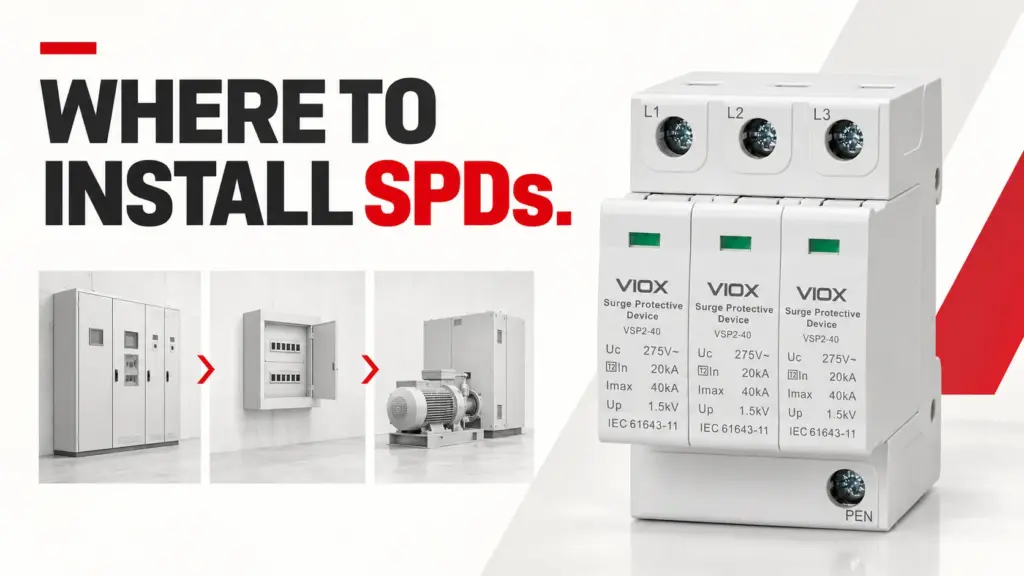
تنصیب اہمیت رکھتی ہے۔ ایس پی ڈی (SPD) کی لمبی لیڈز مؤثر لیٹ تھرو وولٹیج (let-through voltage) میں اضافہ کرتی ہیں، چاہے ڈیٹا شیٹ میں Up کی قدر اچھی ہی کیوں نہ ہو۔ اگر تنصیب کی جگہ کے بارے میں سوال ہو تو ملاحظہ کریں SPDs کہاں لگائیں: الیکٹریکل پینل گائیڈ.
لیڈ کی لمبائی کیوں حقیقی Up کو ڈیٹا شیٹ میں دی گئی Up سے بدتر بنا سکتی ہے
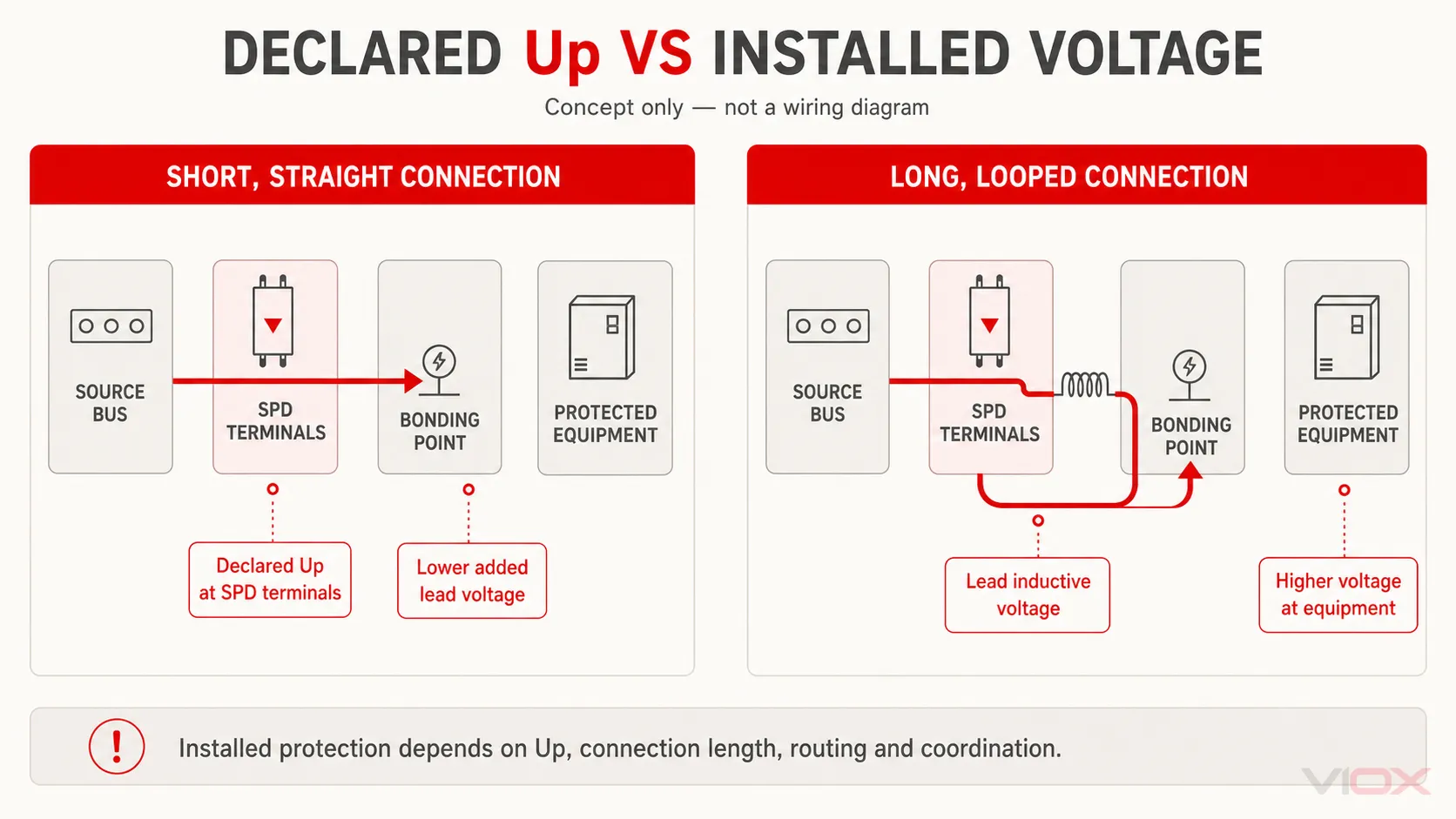
اعلان کردہ Up کو SPD ٹرمینلز پر معیاری ٹیسٹوں سے قائم کیا جاتا ہے۔ ایک حقیقی پینل میں، کنیکٹنگ کنڈکٹرز تیز سرج کرنٹ کے دوران انڈکٹیو وولٹیج ڈراپ کا اضافہ کرتے ہیں۔ لہذا محفوظ شدہ آلات پر ظاہر ہونے والا وولٹیج پرنٹ شدہ Up ویلیو سے زیادہ ہو سکتا ہے۔.
یہی وجہ ہے کہ SPD انسٹالیشن گائیڈز اس بات پر زور دیتے ہیں کہ چھوٹے اور سیدھے کنڈکٹرز اور حفاظتی ارتھ یا بانڈنگ پوائنٹ تک کم رکاوٹ (low-impedance) والا راستہ۔ دو SPD جن کی اعلان کردہ Up ویلیوز موازنہ کے قابل ہوں، انسٹالیشن کی لمبائی اور روٹنگ مختلف ہونے پر مختلف تحفظ فراہم کر سکتے ہیں۔.
انجینئرنگ کا اصول سادہ ہے: ڈیٹا شیٹ پر Up (وولٹیج پروٹیکشن لیول) کو پڑھیں، لیکن تحفظ کا اندازہ نصب شدہ سرکٹ پاتھ کی بنیاد پر لگائیں۔.
کرنٹ ریٹنگز کی وضاحت: In، Imax، اور Iimp
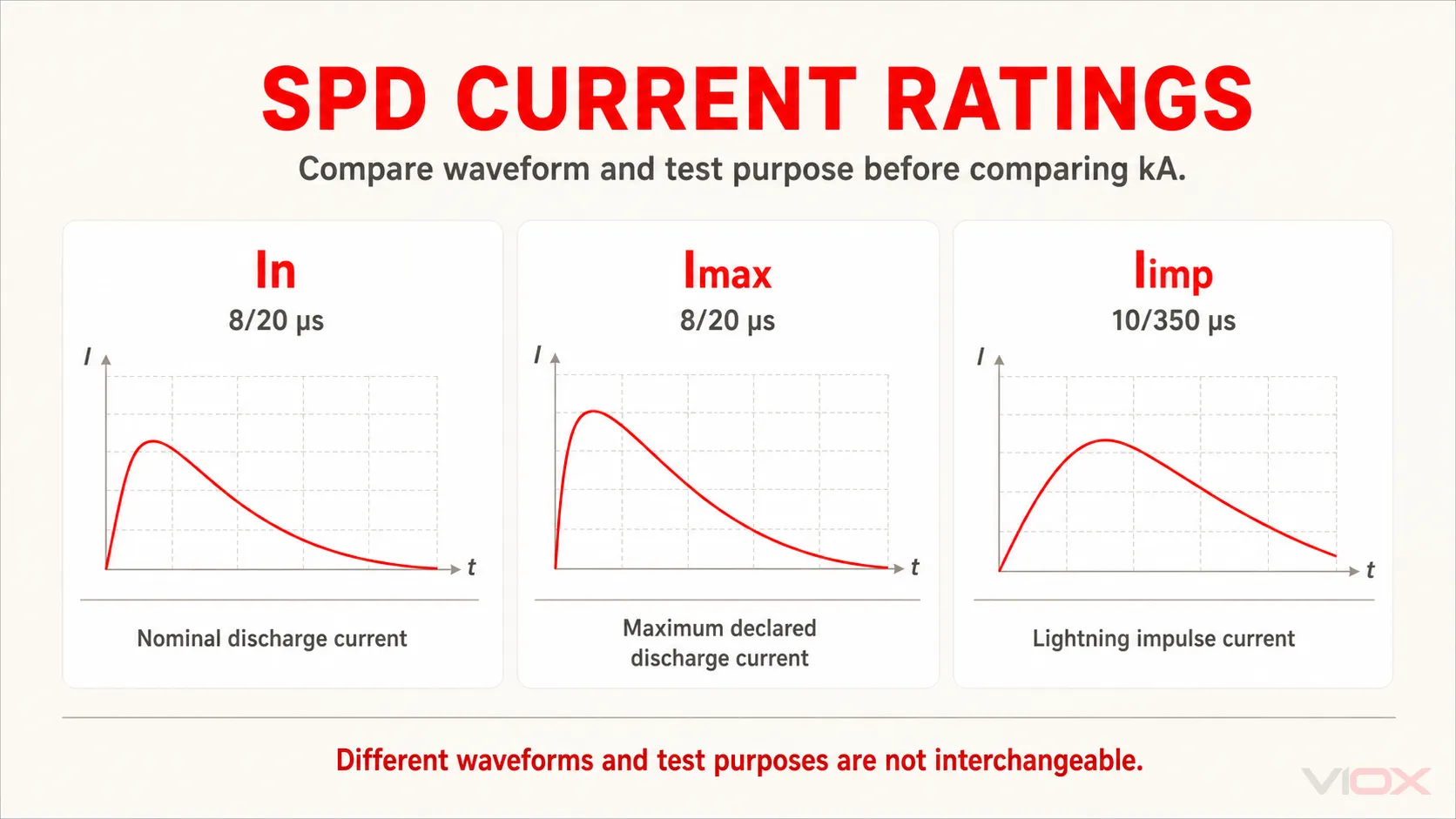
ایس پی ڈی (SPD) کی کرنٹ ریٹنگز سب ایک جیسی kA نمبر نہیں ہوتیں۔ وہ مختلف ویوفارمز استعمال کرتی ہیں اور خریداری کے مختلف سوالات کے جواب دیتی ہیں۔.
| درجہ بندی | عام ویوفارم | یہ کیا ٹیسٹ کرتا ہے | عام سیاق و سباق | خریداری میں غلطی |
|---|---|---|---|---|
| میں | 8/20 مائیکرو سیکنڈ | برائے نام ڈسچارج کرنٹ اور بار بار سرج ڈیوٹی | ٹائپ 2 ایس پی ڈی (SPD) کی جانچ | پائیداری کو نظر انداز کرنا اور صرف آئی میکس (Imax) کی بنیاد پر خریداری |
| Imax | 8/20 مائیکرو سیکنڈ | ٹیسٹ کے حالات کے تحت زیادہ سے زیادہ ڈکلیئرڈ ڈسچارج کرنٹ | ٹائپ 2 ایس پی ڈی (SPD) کی بنیادی صلاحیت | اسے معمول کی تکراری صلاحیت کے طور پر لینا |
| آئی ایم پی | 10/350 مائیکرو سیکنڈ | آسمانی بجلی کے امپلس کرنٹ کی صلاحیت | ٹائپ 1 یا ٹائپ 1+2 ایس پی ڈی | اس کا براہ راست Imax کے ساتھ موازنہ کرنا |
خریداری کے لیے،, ایک ہی ٹیسٹ فریم ورک کے اندر برائے نام ڈسچارج-کرنٹ ڈیوٹی کا موازنہ کرتے وقت In عام طور پر Imax سے زیادہ معلوماتی ہوتا ہے۔جبکہ جب پروجیکٹ کو لائٹننگ-کرنٹ امپلس کی صلاحیت درکار ہو تو Iimp اہم ترین اعلان کردہ پیرامیٹر ہے۔. کیٹلاگ کے صفحے پر ایک بڑی Imax متاثر کن لگ سکتی ہے، لیکن یہ غلط Uc، زیادہ Up، بیک اپ پروٹیکشن کی کمی، یا غلط SPD ٹائپ کی تلافی نہیں کر سکتی۔.
In بمقابلہ Imax: برائے نام بمقابلہ زیادہ سے زیادہ ڈسچارج کرنٹ
میں برائے نام ڈسچارج کرنٹ ہے، جو عام طور پر بہت سی ٹائپ 2 SPDs کے لیے 8/20 μs ویوفارم کے تحت بار بار ہونے والے سرج ڈیوٹی سے منسلک ہوتا ہے۔.
Imax زیادہ سے زیادہ ڈسچارج کرنٹ ہے، جو عام طور پر ٹائپ 2 SPDs کے لیے 8/20 μs ویوفارم پر مبنی ہوتا ہے۔ یہ ٹیسٹ کے حالات میں ایک اعلیٰ اعلانیہ سرج لیول کی نمائندگی کرتا ہے، لیکن اسے وہ کرنٹ نہیں سمجھا جانا چاہیے جسے SPD عام سروس میں بار بار برداشت کر سکے۔.
| درجہ بندی | مطلب | خریدار کی غلطی |
|---|---|---|
| میں | برائے نام ڈسچارج کرنٹ؛ بار بار ہونے والی سرج ڈیوٹی کی نشاندہی کرنے میں مدد کرتا ہے | اسے نظر انداز کرنا اور صرف Imax کو دیکھنا |
| Imax | اعلانیہ ویوفارم کے تحت زیادہ سے زیادہ ڈسچارج کرنٹ | اسے معمول کی آپریٹنگ صلاحیت کے طور پر لینا |
| 8/20 مائیکرو سیکنڈ | ٹائپ 2 ٹیسٹنگ کے لیے عام طور پر استعمال ہونے والی سرج کرنٹ ویوفارم | ویوفارم کو چیک کیے بغیر kA اقدار کا موازنہ کرنا |
تفصیلی موازنہ کے لیے، ملاحظہ کریں Imax بمقابلہ ریٹنگز برائے سرج پروٹیکشن ڈیوائسز اور SPD kA ریٹنگ سائزنگ گائیڈ.
Iimp: ٹائپ 1 ایس پی ڈی (SPDs) امپلس کرنٹ کا استعمال کیوں کرتے ہیں
آئی ایم پی کا مطلب امپلس کرنٹ ہے۔ یہ عام طور پر ٹائپ 1 ایس پی ڈی اور 10/350 مائیکرو سیکنڈ ویوفارم۔ ایک ہی پیک کرنٹ پر، یہ ٹیسٹ امپلس 8/20 μs امپلس کی نسبت نمایاں طور پر زیادہ چارج اور مخصوص توانائی کی ڈیوٹی کی نمائندگی کرتی ہے، لہذا دونوں kA اقدار آپس میں قابل تبادلہ نہیں ہیں۔.
یہ وہ جگہ ہے جہاں خریداری میں بہت سی غلطیاں ہوتی ہیں۔ 25 kA کی قدر خود بخود 40 kA کی قدر سے بہتر یا بدتر نہیں ہوتی جب تک کہ ویوفارم اور ایس پی ڈی کی قسم ایک جیسی نہ ہو۔.
| پیرامیٹر | عام ویوفارم | عام ایس پی ڈی (SPD) کا سیاق و سباق | یہ کیا ظاہر کرتا ہے |
|---|---|---|---|
| میں | 8/20 مائیکرو سیکنڈ | قسم 2 | برائے نام سرج ڈسچارج ڈیوٹی |
| Imax | 8/20 مائیکرو سیکنڈ | قسم 2 | زیادہ سے زیادہ اعلانیہ ڈسچارج کرنٹ |
| آئی ایم پی | 10/350 مائیکرو سیکنڈ | قسم 1 | آسمانی بجلی کے امپلس کرنٹ کی صلاحیت |
اگر عمارت میں بیرونی بجلی سے تحفظ کا نظام، اوور ہیڈ سروس ایکسپوزر، یا بجلی کے کرنٹ کو خارج کرنے کے پروجیکٹ کے تقاضے موجود ہوں، تو ٹائپ 1 یا ٹائپ 1+2 ایس پی ڈی (SPD) کا انتخاب ضروری ہو سکتا ہے۔ ٹائپ 1 کے Iimp تقاضے کے لیے ٹائپ 2 کی Imax قدر کو متبادل کے طور پر استعمال نہ کریں۔.
ٹائپ 1 بمقابلہ ٹائپ 2 بمقابلہ ٹائپ 3 ایس پی ڈی (SPD)
ایس پی ڈی (SPD) کی قسم یہ بتاتی ہے کہ ڈیوائس کو کہاں اور کیسے استعمال کیا جانا ہے۔ آئی ای سی (IEC) ٹائپ 1/2/3 اور یو ایل (UL) ٹائپ 1/2/3 متعلقہ تصورات تو ہیں لیکن ایک جیسے سسٹمز نہیں ہیں، لہذا قابل اطلاق معیار کو چیک کیے بغیر ان کا موازنہ نہ کریں۔.
| IEC SPD ٹائپ | عام IEC اطلاق کا سیاق و سباق | اہم ریٹنگ پر توجہ |
|---|---|---|
| قسم 1 | تنصیب کا نقطہ آغاز یا LPZ کی حد جہاں جزوی آسمانی بجلی کا کرنٹ متوقع ہو سکتا ہے | Iimp، جہاں لاگو ہو وہاں فالو-کرنٹ کا رویہ، اور اپ اسٹریم کوآرڈینیشن |
| قسم 2 | مین ڈسٹری بیوشن بورڈ یا سب ڈسٹری بیوشن بورڈ | In, Imax, Up, Uc |
| قسم 3 | حساس آلات کے قریب اور اپ اسٹریم تحفظ کے ساتھ مربوط | Uoc یا قابل اطلاق کمبی نیشن-ویو ڈیٹا، وولٹیج پروٹیکشن لیول، کوآرڈینیشن |
| 1+2 ٹائپ کریں۔ | لائٹننگ کرنٹ اور سرج پروٹیکشن کا امتزاج | Iimp جمع ٹائپ 2 کارکردگی کے پیرامیٹرز |
یہ عام IEC اطلاق کے سیاق و سباق ہیں، نہ کہ عالمی لوکیشن لیبلز۔ UL ٹائپ کے عہدے UL 1449 فریم ورک کی پیروی کرتے ہیں اور ان کی تشریح متعلقہ UL پروڈکٹ دستاویزات سے کی جانی چاہیے نہ کہ براہ راست IEC ٹیبل سے۔.
مکمل موازنہ کے لیے، ملاحظہ کریں سرج پروٹیکٹو ڈیوائس ٹائپ 1 بمقابلہ ٹائپ 2 بمقابلہ ٹائپ 3.
AC SPD بمقابلہ DC / PV SPD ریٹنگز
AC اور DC SPDs ایک دوسرے کی جگہ استعمال نہیں ہو سکتے جب تک کہ ڈیٹا شیٹ واضح طور پر اس ایپلی کیشن کی حمایت نہ کرے۔.
AC پاور سسٹمز کے لیے، درج ذیل پڑھیں:
- Uc / MCOV (زیادہ سے زیادہ مسلسل آپریٹنگ وولٹیج)
- نظام وولٹیج
- ارتھنگ سسٹم
- ٹائپ 1/2/3
- پول کی ترتیب
- بیک اپ فیوز یا بریکر
- SCCR یا قابل اطلاق شارٹ سرکٹ برداشت/کرنٹ کا اعلان، جیسا کہ Isccr
PV DC یا BESS DC ایپلی کیشنز کے لیے، درج ذیل بھی پڑھیں:
- Ucpv یا ریٹیڈ DC آپریٹنگ وولٹیج
- زیادہ سے زیادہ PV سٹرنگ اوپن سرکٹ وولٹیج
- پولرٹی اور وائرنگ موڈ
- DC+/DC-، DC-to-PE پروٹیکشن موڈز
- IEC 61643-31 یا متعلقہ DC/PV SPD معیار کی بنیاد
- بیک اپ پروٹیکشن اور DC شارٹ سرکٹ کا رویہ
DC سے متعلق مخصوص ایپلی کیشنز کے لیے، ملاحظہ کریں DC سرج پروٹیکشن ڈیوائسز: PV، EV چارجنگ، BESS، اور انڈسٹریل DC SPD سلیکشن گائیڈ اور بی ای ایس ایس (BESS) سرج پروٹیکشن گائیڈ.
بیک اپ فیوز یا بیک اپ بریکر کی ضرورت
بیک اپ فیوز یا بیک اپ بریکر لائن مینوفیکچرر کی تنصیبی حد ہے، نہ کہ کوئی آرائشی تفصیل۔ یہ بیان کردہ SPD کنفیگریشن کے لیے منظور شدہ اوور کرنٹ پروٹیکشن کے انتظام کی نشاندہی کرتی ہے اور اسے سسٹم کی جانب موجود حفاظتی ڈیوائس، متوقع شارٹ سرکٹ کرنٹ، کنڈکٹر کی ترتیب، اور مینوفیکچرر کی ہدایات کے ساتھ مل کر سمجھا جانا چاہیے۔.
SPD کے ڈیزائن اور تنصیب کے لحاظ سے، بیک اپ پروٹیکشن کی ضرورت درج ذیل کے لیے ہو سکتی ہے:
- لائف سائیکل ختم ہونے پر ناکامی کے بعد SPD کو محفوظ طریقے سے منقطع کرنا
- دستیاب شارٹ سرکٹ کرنٹ کے ساتھ ہم آہنگ کریں
- اپ اسٹریم پروٹیکشن کو ٹیسٹ شدہ شرائط سے تجاوز کرنے سے روکیں
- مینوفیکچرر کی تنصیب کی ہدایات پر عمل کریں
- مقامی کوڈ یا پینل کے معیاری تقاضوں کو پورا کریں
کیا چیک کرنا ہے
| ڈیٹا شیٹ لائن | اس کی اہمیت |
|---|---|
| زیادہ سے زیادہ بیک اپ فیوز | سسٹم کی جانب موجود پروٹیکشن کا موازنہ بتائی گئی زیادہ سے زیادہ حد سے کریں؛ جب اپ اسٹریم ڈیوائس اس حد سے تجاوز کر جائے تو ایک مخصوص SPD برانچ فیوز کی ضرورت ہو سکتی ہے۔ |
| بیک اپ بریکر کا اختیار | اگر اجازت ہو تو بریکر کرو، ریٹنگ، اور بریکنگ کیپیسٹی کی تصدیق کریں۔ |
| SCCR / Isccr / قابل اطلاق شارٹ سرکٹ ڈیکلریشن | عین مطابق اسٹینڈرڈ، وولٹیج، پروٹیکشن کے امتزاج، اور متوقع فالٹ کرنٹ کی حالت کی تصدیق کریں۔ |
| انٹیگریٹڈ ڈس کنیکٹر۔ | یہ ہمیشہ اپ اسٹریم پروٹیکشن کی ضرورت کو ختم نہیں کرتا۔ |
| فیوز کی قسم | gG، gL، کلاس، یا مینوفیکچرر کی مخصوص ضروریات پر عمل کرنا لازمی ہے۔ |
اگر ڈیٹا شیٹ میں بیک اپ پروٹیکشن کی ضرورت درج ہو، تو اسے نظر انداز نہ کریں کیونکہ SPD میں پہلے سے انڈیکیٹر یا تھرمل ڈس کنیکٹر موجود ہوتا ہے۔.
“max backup fuse 125 A gG” کی تشریح کیسے کی جائے”
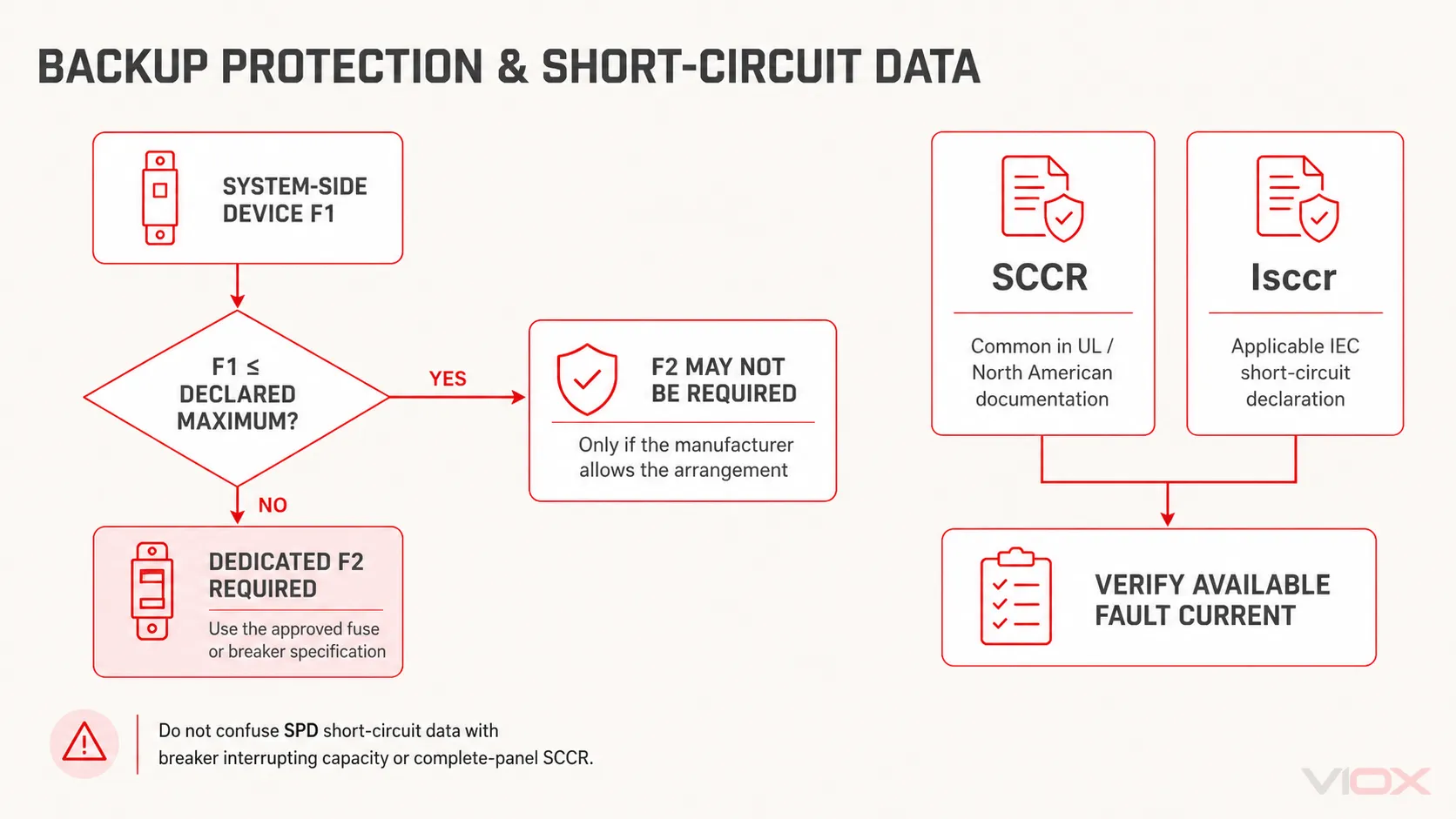
اس مارکنگ کو خود بخود یہ نہ سمجھیں کہ “پوری تنصیب میں 125 A سے بڑا اپ اسٹریم فیوز نہیں ہو سکتا۔” برانچ سے منسلک SPD کے لیے، مینوفیکچرر کی کوآرڈینیشن ہدایات کا استعمال کریں:
- اگر سسٹم کی جانب موجود حفاظتی ڈیوائس F1 برابر ہے یا اس سے کم ہے اجازت شدہ قدر، ایک الگ SPD برانچ فیوز ہو سکتا ہے کہ F2 کی ضرورت نہ ہو, ، بشرطیکہ مینوفیکچرر اس انتظام کی اجازت دے۔.
- اگر F1 تجاوز کر جائے اعلان کردہ زیادہ سے زیادہ حد سے، تو عام طور پر ایک وقف شدہ برانچ فیوز یا دیگر منظور شدہ اوور کرنٹ حفاظتی ڈیوائس کی ضرورت ہوتی ہے۔.
- اگر gG فیوز کے بجائے سرکٹ بریکر کی اجازت ہے، تو اس کی ریٹنگ، ٹرپ کی خصوصیت، انٹرپٹنگ کیپیسٹی، اور مینوفیکچرر کی بیان کردہ مساوات کی تصدیق کریں۔ یہ فرض نہ کریں کہ ایک جیسی ایمپیئر ریٹنگ قابل تبادلہ ہیں۔.
- منتخب کردہ بیک اپ ڈیوائس کی امپلس ودسٹینڈ کو چیک کریں تاکہ یہ مطلوبہ ڈیوٹی کے دوران سرج کے وقت SPD کو منقطع نہ کرے۔.
شارٹ سرکٹ کی اصطلاحات کا انحصار معیارات کے فریم ورک پر بھی ہوتا ہے۔. ایس سی سی آر شمالی امریکہ اور UL کی دستاویزات میں عام ہے۔ IEC ڈیٹا شیٹ اس کے بجائے شارٹ سرکٹ برداشت کرنے کی صلاحیت/کرنٹ کی قدر ظاہر کر سکتی ہیں جیسے کہ Isccr. کسی بھی قدر کو اپ اسٹریم سرکٹ بریکر کی انٹرپٹنگ ریٹنگ یا مکمل پینل کی SCCR کے ساتھ خلط ملط نہیں کرنا چاہیے۔.
تنصیب کی غلطیوں کے لیے، ملاحظہ کریں SPD کی تنصیب کی غلطیوں کو درست کرنے کی گائیڈ اور ایس پی ڈی (SPD) کی تنصیب کے تقاضے: کوڈ اور حفاظتی معیارات.
ریموٹ سگنلنگ، فیلیر انڈیکیٹر، اور تبدیل ہونے والا ماڈیول
ایس پی ڈی (SPD) کی حالت کا اشارہ اہم ہے کیونکہ بار بار سرج کے اثر سے ایس پی ڈی اپنی مدتِ حیات مکمل کر سکتا ہے۔ اگر کوئی انڈیکیٹر کو چیک نہ کرے، تو پینل بظاہر محفوظ نظر آ سکتا ہے جبکہ ایس پی ڈی ماڈیول کام کرنا چھوڑ چکا ہوتا ہے۔.
عام اسٹیٹس فیچرز میں شامل ہیں:
- بصری سبز/سرخ ونڈو
- پلگ ان ریپلیسیبل (تبدیل ہونے والا) ماڈیول
- ریموٹ سگنلنگ کانٹیکٹ
- بی ایم ایس (BMS)، پی ایل سی (PLC)، سکاڈا (SCADA)، یا پینل لیمپ کے لیے الارم آؤٹ پٹ
- غلط تبدیلی کو روکنے کے لیے کارتوس کی کیئنگ (cartridge keying)
ڈیٹا شیٹ پڑھتے وقت، تصدیق کریں کہ آیا ریموٹ کانٹیکٹ مطلوبہ الارم لاجک میں نارملی اوپن (normally open)، نارملی کلوزڈ (normally closed)، چینج اوور (changeover)، یا فیل سیف (fail-safe) ہے۔ الارم سرکٹ میں وائرنگ کرنے سے پہلے کانٹیکٹ ریٹنگ کو بھی چیک کریں۔.
ایس پی ڈی (SPD) کی ریٹنگز آپ کو کیا نہیں بتاتی ہیں
دو ایس پی ڈی ایک جیسی ہیڈ لائن ریٹنگز دکھا سکتے ہیں: ٹائپ 2، Uc 275 VAC، Up ≤ 1.5 kV، In 20 kA، Imax 40 kA۔ اس کا خود بخود یہ مطلب نہیں ہے کہ وہ ایک ہی طریقے سے پرانے ہوں گے، منقطع ہوں گے، خرابی ظاہر کریں گے، یا مستقل کارکردگی کا مظاہرہ کریں گے۔.
ڈیٹا شیٹس آپ کو اعلان کردہ ٹیسٹ ریٹنگز بتاتی ہیں۔ وہ ان ریٹنگز کے پیچھے کارفرما مینوفیکچرنگ کے نظم و ضبط کو مکمل طور پر ظاہر نہیں کرتیں۔.
ایم او وی (MOV) کا معیار اور مستقل مزاجی
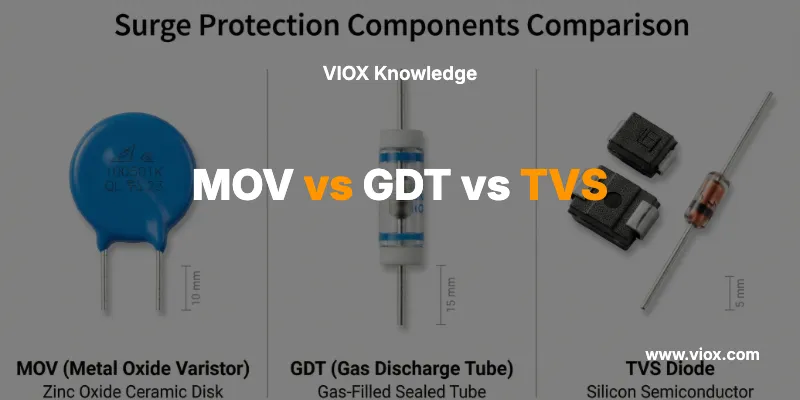
بہت سے لو-وولٹیج پاور ایس پی ڈی وولٹیج کو محدود کرنے والے اہم جزو کے طور پر میٹل آکسائیڈ ویریسٹرز (MOVs) کا استعمال کرتے ہیں۔ ایم او وی کی خصوصیات کلیمپنگ کے رویے، لیکیج کرنٹ، عمر بڑھنے، تھرمل تناؤ، اور حفاظتی راستوں کے درمیان کرنٹ کی تقسیم کو متاثر کرتی ہیں۔.
خریداری کے لیے، درج ذیل سوالات پوچھیں:
- کیا MOV کی ریٹنگز اعلان کردہ Uc اور سرج ڈیوٹی کے لیے موزوں ہیں؟
- کیا تمام پولز یا ماڈیولز میں MOV کو مستقل طور پر میچ کیا گیا ہے؟
- کیا اہم سرج اجزاء کے لیے بیچ ٹریس ایبلٹی (batch traceability) موجود ہے؟
- کیا مینوفیکچرر آنے والے اجزاء کے معائنے کو کنٹرول کرتا ہے؟
اس کا مطلب یہ نہیں ہے کہ ہر خریدار کو MOV کی پیداوار کا آڈٹ کرنے کی ضرورت ہے۔ اس کا مطلب یہ ہے کہ ایک سنجیدہ سپلائر کو SPD ریٹنگ کے پیچھے موجود اجزاء کے کوالٹی کنٹرولز کی وضاحت کرنے کے قابل ہونا چاہیے۔.
تھرمل ڈس کنیکٹر کا ڈیزائن
ایک SPD سے توقع کی جاتی ہے کہ وہ اپنی لائف ختم ہونے پر محفوظ طریقے سے فیل ہو۔ MOV پر مبنی SPDs کے لیے، تھرمل ڈس کنیکٹر ایک اہم حفاظتی فیچر ہے۔ جب زیادہ گرمی یا تنزلی (degradation) غیر محفوظ صورتحال پیدا کرتی ہے، تو یہ MOV کو سرکٹ سے الگ کر دیتا ہے۔.
مصنوعات کا موازنہ کرتے وقت، درج ذیل چیزیں چیک کریں:
- آیا ایس پی ڈی (SPD) میں اندرونی ڈس کنیکٹر موجود ہے
- ناکامی کا اشارہ (failure indication) ڈس کنکشن کے طریقہ کار سے کس طرح منسلک ہے
- آیا ماڈیول میں اسٹیٹس انڈیکیشن (status indication) واضح طور پر نظر آتی ہے
- آیا بیرونی بیک اپ پروٹیکشن کی اب بھی ضرورت ہے
- آیا ڈیٹا شیٹ میں لائف ختم ہونے (end-of-life) کے رویے کی وضاحت واضح طور پر دی گئی ہے
یہ فرض نہ کریں کہ صرف سبز/سرخ ونڈو اس بات کا ثبوت ہے کہ ڈس کنکشن کا ڈیزائن مضبوط ہے۔ انڈیکیٹر تب ہی مفید ہے اگر وہ اندرونی پروٹیکشن کی حالت کو درست طریقے سے ظاہر کرے۔.
ہاؤسنگ، آرک کنٹرول، اور شعلوں کے خلاف رویہ (flame behavior)
ایس پی ڈی (SPD) ہاؤسنگ کا مواد اور اندرونی ترتیب بہت اہمیت رکھتی ہے کیونکہ سرج کے اجزاء تھرمل اور برقی دباؤ کا شکار ہو سکتے ہیں۔ ڈیٹا شیٹ میں فلیم ریٹنگ، انسولیشن ڈیٹا، یا معیارات کی تعمیل درج ہو سکتی ہے، لیکن خریدار کو پھر بھی یہ چیک کرنا چاہیے کہ آیا پروڈکٹ پینل کے ماحول اور متوقع فالٹ لیول کے لیے موزوں ہے۔.
اہم جائزہ پوائنٹس درج ذیل ہیں:
- ہاؤسنگ کی فلیم ریٹارڈنٹ (آگ سے بچاؤ کی) ریٹنگ جہاں درج ہو۔
- اسپیسنگ (فاصلہ) اور انسولیشن ڈیزائن۔
- لائیو پارٹس (بجلی کے حصوں) کی اندرونی علیحدگی۔
- ماڈیول لاکنگ اور تبدیلی کا ڈیزائن۔
- ٹرمینل کی مضبوطی اور کنڈکٹر کی مطابقت۔
صرف سامنے والے لیبل کو دیکھ کر فیصلہ کرنے سے گریز کریں۔ اندرونی ڈس کنیکٹر اور انکلوژر ڈیزائن کا معیار ہی اصل ایس پی ڈی (SPD) سیفٹی کا حصہ ہے۔.
سرٹیفیکیشن اور پیداواری تسلسل
سرٹیفکیٹ یا معیاری حوالہ اہم ہے، لیکن اس کا خریدا جانے والا اصل ماڈل کے مطابق ہونا ضروری ہے۔ OEMs، ڈسٹری بیوٹرز اور پینل بلڈرز کے لیے عملی سوال صرف یہ نہیں ہے کہ "کیا نمونے کا تجربہ کیا گیا تھا؟" بلکہ یہ بھی ہے کہ "کیا پیداوار تجربہ شدہ ڈیزائن کے مطابق برقرار ہے؟"
درج ذیل کا مطالبہ کریں:
- ڈیٹا شیٹ، سرٹیفکیٹ اور پروڈکٹ لیبل کے درمیان ماڈل نمبر کا ہو بہو مماثل ہونا
- قابل اطلاق معیار اور ٹیسٹ رپورٹ کا دائرہ کار
- پروڈکشن بیچ کی ٹریس ایبلٹی (سراغ رسانی)
- اجزاء میں تبدیلی کا کنٹرول
- تنصیب کی ہدایات جو بھیجی گئی پروڈکٹ سے مطابقت رکھتی ہوں
- بیک اپ فیوز یا بریکر کی واضح ہدایات
یہ وہ سیکشن ہے جہاں سنجیدہ پروکیورمنٹ ٹیمیں حقیقی تفصیلات (specification) اور کیٹلاگ کے دعووں میں فرق کرتی ہیں۔.
پروکیورمنٹ کی عام غلطیاں
1. صرف Imax کی بنیاد پر خریداری کرنا
ایک بڑا Imax نمبر پرکشش لگتا ہے، لیکن یہ ثابت نہیں کرتا کہ SPD موزوں ہے۔ Uc، Up، ٹائپ، ویوفارم، بیک اپ پروٹیکشن، اور انسٹالیشن پوائنٹ سب اہمیت رکھتے ہیں۔.
2. ٹائپ 1 Iimp کا ٹائپ 2 Imax کے ساتھ موازنہ کرنا
یہ اقدار مختلف ویوفارمز اور ٹیسٹ کے مقاصد پر مبنی ہیں۔ ان کا موازنہ اس طرح نہ کریں جیسے وہ ایک ہی قسم کی kA ریٹنگ ہوں۔.
3. Uc / MCOV کو نظر انداز کرنا
بہت کم مسلسل آپریٹنگ وولٹیج والا ایس پی ڈی (SPD) وقت سے پہلے ناکام ہو سکتا ہے۔ بہت زیادہ وولٹیج ریٹنگ والا ایس پی ڈی وولٹیج کو محدود کرنے میں کم مؤثر ثابت ہو سکتا ہے۔ سسٹم کی اصل ضروریات کے مطابق انتخاب کریں۔.
4. کم Up کو ہمیشہ بہتر سمجھنا
کم Up صرف تب مفید ہے جب ایس پی ڈی کو درست طریقے سے مربوط اور انسٹال کیا گیا ہو۔ لیڈ کی لمبائی، گراؤنڈنگ کا راستہ، اپ اسٹریم ایس پی ڈی کوآرڈینیشن، اور سسٹم وولٹیج اب بھی اہمیت رکھتے ہیں۔.
5. پی وی (PV) ڈی سی سرکٹس پر اے سی ایس پی ڈی کا استعمال
ڈی سی/پی وی سسٹمز کے لیے مناسب Ucpv اور وائرنگ موڈ والے ڈی سی ریٹیڈ ایس پی ڈی کی ضرورت ہوتی ہے۔ پی وی/ڈی سی ریٹنگز کے متبادل کے طور پر اے سی مارکنگز کا استعمال نہ کریں۔.
6. بیک اپ پروٹیکشن کا نہ ہونا
اگر ایس پی ڈی ڈیٹا شیٹ میں زیادہ سے زیادہ بیک اپ فیوز یا بریکر کی وضاحت کی گئی ہے، تو پینل ڈیزائن میں اس پر غور کرنا لازمی ہے۔.
7. پروڈکٹ اسٹینڈرڈز میں الجھن کا شکار ہونا
IEC 61643-01:2024، IEC 61643-11:2025، IEC 61643-31، IEC 61643-21:2025، UL 1449، اور GB/T 18802 سب ایک ہی پروڈکٹ کیٹیگری یا سرٹیفیکیشن فریم ورک کے لیے نہیں ہیں۔ AC IEC پروڈکٹ کے لیے، IEC 61643-11:2025 کو IEC 61643-01:2024 کے ساتھ پڑھیں؛ دیگر ایپلی کیشنز کے لیے، قابل اطلاق حصے اور ایڈیشن کی تصدیق کریں۔.
معیاری موازنہ کے لیے، ملاحظہ کریں سرج پروٹیکشن کے معیارات: IEC 61643 بمقابلہ UL 1449 بمقابلہ GB 18802.
ایس پی ڈی (SPD) تفصیلات کی چیک لسٹ
کسی ایس پی ڈی (SPD) کو خریداری یا پینل اسمبلی کے لیے منظور کرنے سے پہلے اس چیک لسٹ کا استعمال کریں۔.
| جانچ کا آئٹم | پاس / فیل سوال |
|---|---|
| سسٹم کی قسم | کیا یہ اے سی (AC)، پی وی ڈی سی (PV DC)، بی ای ایس ایس ڈی سی (BESS DC)، ای وی چارجنگ، سگنل، یا ڈیٹا لائن ہے؟ |
| وولٹیج | کیا Uc / MCOV / Ucpv اصل سسٹم وولٹیج اور ٹولرنس سے مطابقت رکھتا ہے؟ |
| تنصیب پوائنٹ | کیا ایس پی ڈی (SPD) کی قسم سروس انٹری، ڈسٹری بیوشن بورڈ، یا آلات کی سائیڈ پر استعمال کے لیے موزوں ہے؟ |
| ارتھنگ سسٹم | کیا ایس پی ڈی (SPD) کی وائرنگ TN-S، TN-C-S، TT، IT یا پروجیکٹ کے مخصوص گراؤنڈنگ سسٹم کے مطابق ہے؟ |
| تحفظ کی سطح | کیا Up ڈاؤن اسٹریم آلات اور کوآرڈینیشن کے لیے موزوں ہے؟ |
| سرج ڈیوٹی (Surge duty) | کیا In، Imax، یا Iimp ایکسپوزر لیول کے لحاظ سے مناسب ہیں؟ |
| ویوفارم | کیا آپ 8/20 μs کا موازنہ 8/20 μs سے اور 10/350 μs کا موازنہ 10/350 μs سے کر رہے ہیں؟ |
| بیک اپ تحفظ | کیا پینل ڈیزائن میں فیوز/بریکر کی ضرورت شامل ہے؟ |
| شارٹ سرکٹ ڈیٹا | کیا قابل اطلاق SCCR، Isccr، یا کوئی اور ظاہر کردہ شارٹ سرکٹ ویلیو دستیاب فالٹ کرنٹ اور اپ اسٹریم پروٹیکشن کے ساتھ مطابقت رکھتی ہے؟ |
| ماڈیول کی حیثیت | کیا بصری اشارے (visual indication) یا ریموٹ سگنلنگ کی ضرورت ہے؟ |
| معیاری | کیا معیار مارکیٹ اور ایپلی کیشن سے مطابقت رکھتا ہے؟ |
| دستاویزی | کیا ڈیٹا شیٹ، وائرنگ ڈایاگرام، سرٹیفکیٹ اور ماڈل نمبر ایک دوسرے سے مطابقت رکھتے ہیں؟ |
اکثر پوچھے گئے سوالات
سب سے اہم SPD ریٹنگ کون سی ہے؟
کوئی ایک ریٹنگ سب سے اہم نہیں ہے۔ Uc/MCOV پہلے آتی ہے کیونکہ SPD کو نارمل سسٹم وولٹیج پر برقرار رہنا چاہیے۔ اس کے بعد، ٹائپ، Up، In، Imax، Iimp، بیک اپ پروٹیکشن، اور معیاری بنیاد کو چیک کریں۔.
کیا Imax، In سے زیادہ اہم ہے؟
نہیں۔ Imax ٹیسٹ کے حالات کے تحت زیادہ سے زیادہ ڈسچارج کرنٹ کو ظاہر کرتا ہے، جو عام طور پر 8/20 مائیکرو سیکنڈ ویوفارم والے ٹائپ 2 SPDs کے لیے ہوتا ہے۔ In بار بار ہونے والے سرج ڈیوٹی کو سمجھنے کے لیے زیادہ مفید ہے۔ دونوں کو ایک ساتھ پڑھنا ضروری ہے۔.
Uc اور Up میں کیا فرق ہے؟
Uc بیان کردہ موڈ اور حالات کے لیے زیادہ سے زیادہ مسلسل آپریٹنگ وولٹیج ہے۔ Up قابل اطلاق معیاری ٹیسٹوں کے تحت قائم کردہ وولٹیج پروٹیکشن لیول ہے۔ Uc کا تعلق مسلسل برقی نظام کے وولٹیج کے ساتھ مطابقت سے ہے؛ Up سرج وولٹیج کی حدود کو ظاہر کرتا ہے، جبکہ محفوظ کردہ آلات پر وولٹیج کا انحصار انسٹال کردہ کنکشن پاتھ اور کوآرڈینیشن پر بھی ہوتا ہے۔.
SPD پر Iimp کا کیا مطلب ہے؟
Iimp کا مطلب امپلس کرنٹ ہے۔ یہ عام طور پر ٹائپ 1 SPDs اور بجلی کے کرنٹ کے امپلس ٹیسٹنگ کے لیے استعمال ہونے والے 10/350 مائیکرو سیکنڈ ویوفارم سے منسلک ہوتا ہے۔.
کیا میں 40 kA Imax کا موازنہ 25 kA Iimp سے کر سکتا ہوں؟
براہ راست نہیں۔ Imax اور Iimp مختلف ویوفارمز اور ٹیسٹ کے مقاصد استعمال کرتے ہیں۔ ایک ہی پیک کرنٹ پر، 10/350 μs ٹیسٹ امپلس 8/20 μs امپلس کے مقابلے میں کافی زیادہ چارج اور مخصوص توانائی کی ڈیوٹی کی نمائندگی کرتی ہے۔.
کیا ہر ایس پی ڈی (SPD) کو بیک اپ فیوز کی ضرورت ہوتی ہے؟
ہمیشہ ایک ہی طرح سے نہیں، لیکن ڈیٹا شیٹ پر عمل کرنا ضروری ہے۔ کچھ ایس پی ڈی کو مخصوص اپ اسٹریم فیوز یا فالٹ کرنٹ کے حالات میں بیرونی بیک اپ پروٹیکشن کی ضرورت ہوتی ہے۔ دیگر میں اندرونی منقطع کرنے والے آلات شامل ہو سکتے ہیں لیکن پھر بھی ان کی تنصیب کی حدود ہوتی ہیں۔.
ایس پی ڈی پر ریموٹ سگنلنگ کا کیا مطلب ہے؟
ریموٹ سگنلنگ کا مطلب ہے کہ ایس پی ڈی میں ایک معاون رابطہ (auxiliary contact) ہوتا ہے جو پینل لیمپ، بی ایم ایس (BMS)، پی ایل سی (PLC)، سکاڈا (SCADA)، یا الارم سرکٹ کو اسٹیٹس رپورٹ کرتا ہے۔ وائرنگ سے پہلے رابطے کی قسم اور ریٹنگ کو چیک کریں۔.
کیا اے سی (AC) ایس پی ڈی کو ڈی سی (DC) یا پی وی (PV) سسٹمز میں استعمال کیا جا سکتا ہے؟
صرف تب جب ڈیٹا شیٹ واضح طور پر اس ایس پی ڈی کو اس ڈی سی یا پی وی ایپلی کیشن کے لیے ریٹ کرتی ہو۔ پی وی/ڈی سی سسٹمز کے لیے درست Ucpv، وائرنگ موڈ، جہاں لاگو ہو پولرٹی، اور ڈی سی/پی وی معیاری بنیاد کی ضرورت ہوتی ہے۔.
خلاصہ
ایس پی ڈی ڈیٹا شیٹ کو صحیح طریقے سے پڑھنا زیادہ تر ترتیب اور سیاق و سباق کے بارے میں ہے۔ سسٹم وولٹیج اور ایپلی کیشن کی قسم سے شروع کریں، پھر Uc/MCOV، Up، ٹائپ، In، Imax، Iimp، بیک اپ پروٹیکشن، وائرنگ موڈ، اسٹیٹس انڈیکیشن، اور معیاری بنیاد کی تصدیق کریں۔.
خریداری کی سب سے مضبوط عادت سادہ ہے: کبھی بھی کسی ایس پی ڈی کو صرف ایک کے اے (kA) نمبر سے منظور نہ کریں۔ ایک مناسب ایس پی ڈی وہ ہے جس کی مکمل ریٹنگ سیٹ حقیقی الیکٹریکل سسٹم، تنصیب کے مقام، سرج کے خطرے، اور پینل پروٹیکشن ڈیزائن سے مطابقت رکھتی ہو۔.
پروڈکٹ کے جائزے کے لیے، VIOX ملاحظہ کریں۔ SPD پروڈکٹ کا صفحہ, ، یا انفرادی پیرامیٹرز کا مزید تفصیل سے موازنہ کرنے کے لیے اوپر دی گئی متعلقہ گائیڈز کا استعمال کریں۔.
استعمال شدہ ذرائع
- IEC 61643-01:2024: SPDs کے لیے عمومی تقاضے اور ٹیسٹ کے طریقے
- IEC 61643-11:2025: AC لو وولٹیج پاور سسٹمز سے منسلک SPD
- IEC 61643-21:2025: ٹیلی کمیونیکیشن اور سگنلنگ نیٹ ورکس کے لیے SPD
- Phoenix Contact: سرج پروٹیکٹو ڈیوائسز کے لیے درست بیک اپ فیوز
- VIOX: سرج پروٹیکٹو ڈیوائس (SPD) کیا ہے؟
- VIOX: SPD پر Uc اور Up کا کیا مطلب ہے؟
- VIOX: SPDs کے لیے Imax بمقابلہ In ریٹنگز
- VIOX: سرج پروٹیکشن کے معیارات IEC 61643 بمقابلہ UL 1449 بمقابلہ GB 18802