

ในหน้านี้
คำตอบโดยตรง
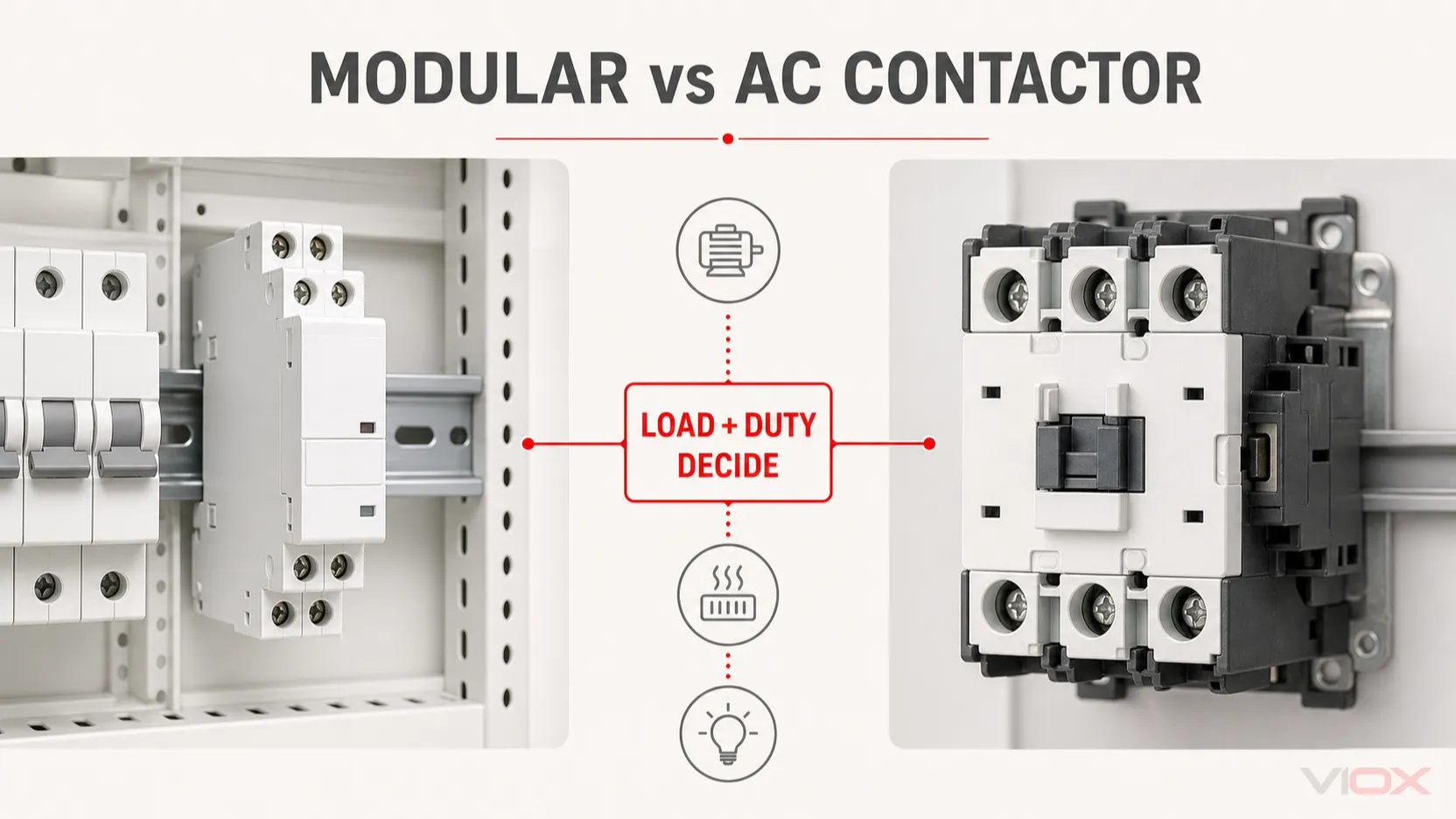
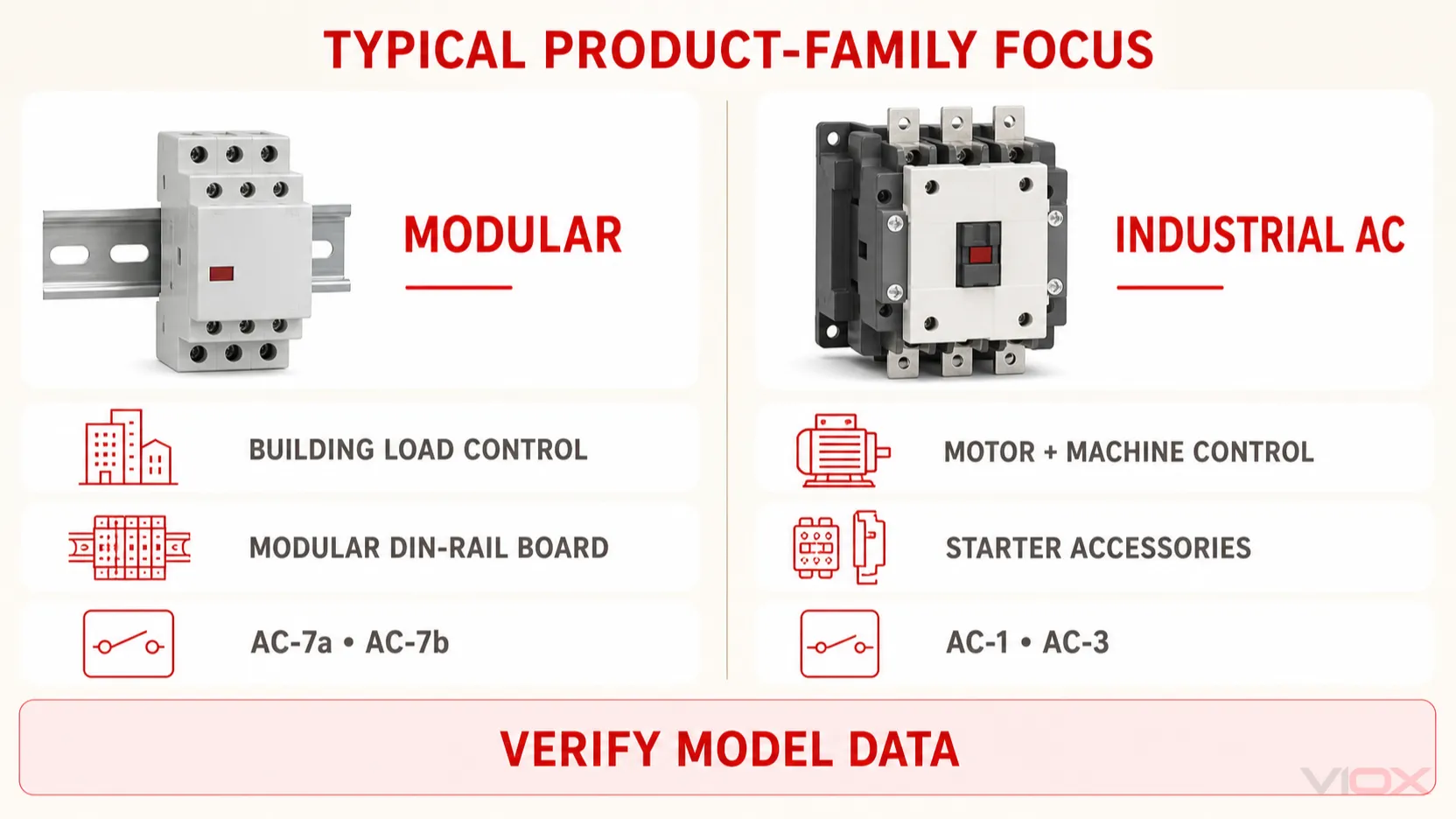
ความแตกต่างหลักระหว่างโมดูลาร์คอนแทคเตอร์และคอนแทคเตอร์ไฟฟ้ากระแสสลับสำหรับงานอุตสาหกรรมแบบดั้งเดิม ไม่ได้อยู่ที่ขนาดหรือกระแสไฟฟ้าสูงสุดเพียงอย่างเดียว แต่อยู่ที่การใช้งานและหน้าที่ในการสลับวงจรที่ผลิตภัณฑ์แต่ละกลุ่มถูกออกแบบมาให้รองรับ. โมดูลาร์คอนแทคเตอร์มักถูกติดตั้งในตู้คอนซูเมอร์ยูนิตหรือตู้ควบคุมบนราง DIN เพื่อควบคุมระบบแสงสว่าง ระบบทำความร้อน ระบบระบายอากาศ และโหลดในงานบริการอาคาร ส่วนคอนแทคเตอร์ไฟฟ้ากระแสสลับแบบดั้งเดิมสำหรับงานอุตสาหกรรม มักถูกเลือกใช้สำหรับสตาร์ทเตอร์มอเตอร์ เครื่องจักร และระบบควบคุมที่ต้องการพิกัดการใช้งานในระดับอุตสาหกรรม การติดตั้งร่วมกับโอเวอร์โหลดรีเลย์ หรือระบบอุปกรณ์เสริมที่หลากหลายกว่า.
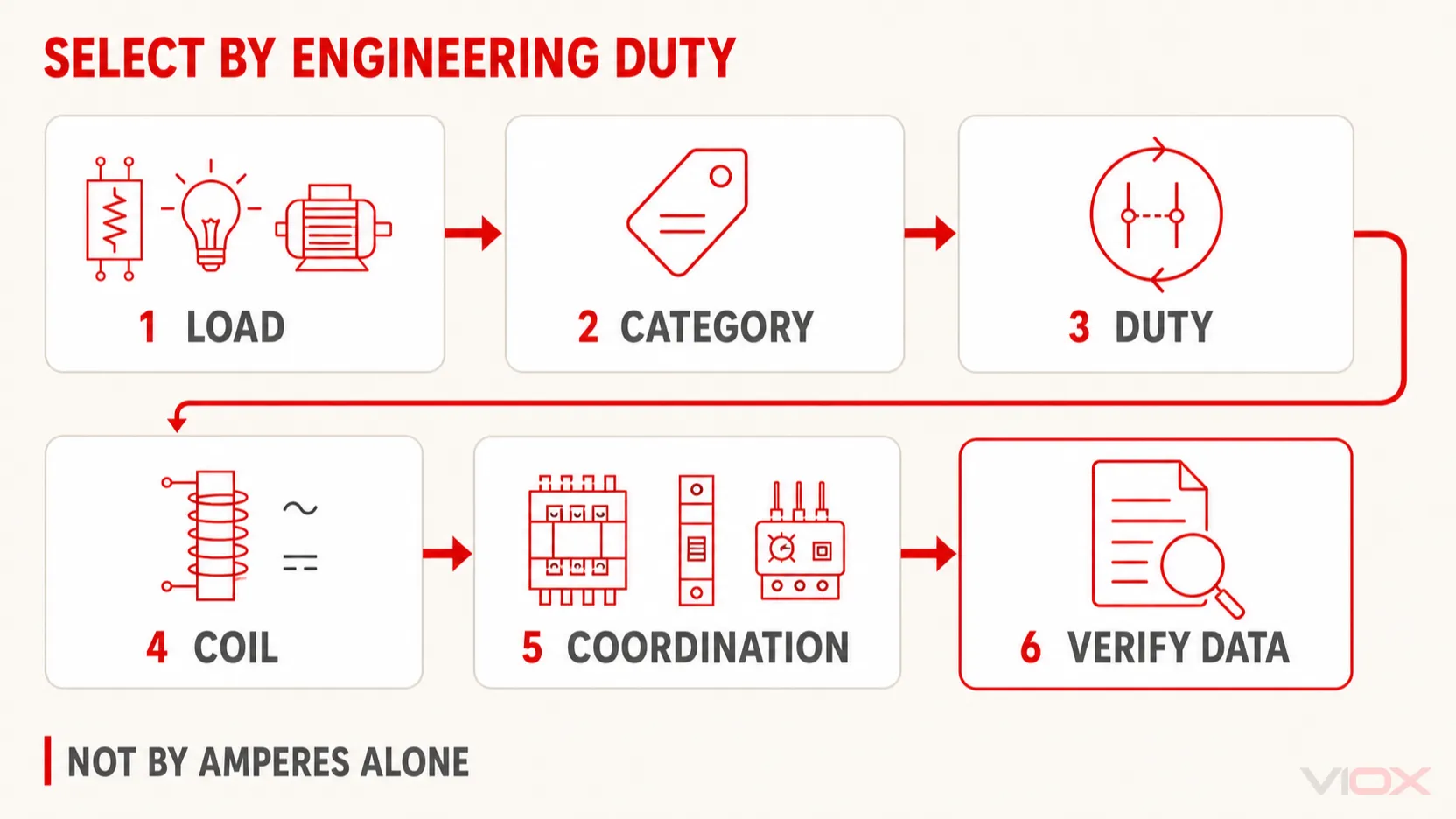
การเลือกใช้งานระหว่างอุปกรณ์ทั้งสองประเภท ให้พิจารณาจากประเภทของโหลด, ประเภทการใช้งาน (Utilization Category), กระแสไฟฟ้าขณะทำงาน, ความถี่ในการสลับวงจร, การจัดวางขั้ว (Pole), แหล่งจ่ายไฟคอยล์, สภาพของตู้ควบคุม และการประสานงานของอุปกรณ์ป้องกัน อย่าใช้กฎเกณฑ์ทั่วไปอย่างเช่น “กระแสต่ำกว่าค่าหนึ่งใช้โมดูลาร์ กระแสสูงกว่านั้นใช้แบบดั้งเดิม” เพราะตัวเลขกระแสไฟฟ้าที่เท่ากันอาจแสดงถึงความสามารถในการสลับวงจรที่แตกต่างกันอย่างมากภายใต้ประเภทโหลดที่ต่างกัน.
สรุปความแตกต่างระหว่างโมดูลาร์คอนแทคเตอร์และคอนแทคเตอร์ไฟฟ้ากระแสสลับแบบดั้งเดิม
| ปัจจัยการเลือก | Modular contactor | คอนแทคเตอร์ไฟฟ้ากระแสสลับสำหรับงานอุตสาหกรรมแบบดั้งเดิม |
|---|---|---|
| บทบาททั่วไป | การควบคุมโหลดในอาคารและตู้จ่ายไฟฟ้า | การควบคุมมอเตอร์และเครื่องจักรในงานอุตสาหกรรม |
| การติดตั้งทั่วไป | แผงควบคุมแบบโมดูลาร์บนราง DIN หรือตู้ควบคุมขนาดกะทัดรัด | ศูนย์ควบคุมมอเตอร์ (MCC), แผงควบคุมเครื่องจักร หรือตู้ไฟฟ้าอุตสาหกรรม |
| จุดรวมโหลดทั่วไป | ระบบแสงสว่าง, ระบบทำความร้อน, ระบบระบายอากาศ และโหลดประเภทอินดักทีฟขนาดเล็กที่เหมาะสม | มอเตอร์, ปั๊ม, คอมเพรสเซอร์, สายพานลำเลียง และโหลดในงานอุตสาหกรรม |
| ประเภทการใช้งานที่สำคัญ | มักเป็น AC-7a, AC-7b หรือประเภทอื่นๆ ตามรุ่นเฉพาะของอุปกรณ์ | มักเป็นประเภท AC-1, AC-3, AC-3e, AC-4 หรือหมวดหมู่อื่นๆ ตามรุ่นเฉพาะ |
| รูปแบบการจัดวางหน้าสัมผัส | มักเป็นรูปแบบการควบคุมอาคารแบบหลายขั้ว (Multi-pole) โปรดตรวจสอบสถานะ NO/NC | มักประกอบด้วยขั้วหลักสามขั้วพร้อมหน้าสัมผัสช่วยที่ปรับตั้งค่าได้ โดยจะแตกต่างกันไปตามรุ่น |
| ลำดับความสำคัญของคอยล์และเสียงรบกวน | การควบคุมที่กะทัดรัดและการทำงานที่มีเสียงรบกวนต่ำอาจเป็นลำดับความสำคัญในการออกแบบ | ความเข้ากันได้ในการควบคุม หน้าที่การทำงาน และการใช้งานในภาคอุตสาหกรรมมักเป็นปัจจัยหลัก |
| เครื่องประดับ | มักเป็นกลุ่มอุปกรณ์เสริมแบบโมดูลาร์ที่เน้นการใช้งานเฉพาะด้าน | มักมีตัวเลือกที่กว้างกว่าสำหรับอุปกรณ์เสริม อินเตอร์ล็อก และโอเวอร์โหลดรีเลย์ |
| การให้คะแนน | ต้องอ่านค่าสำหรับประเภทโหลดและการใช้งานจริง | ต้องอ่านค่าสำหรับประเภทโหลดและการใช้งานจริง |
| เป็นตัวเลือกที่ดีที่สุดเมื่อ | ข้อมูลผลิตภัณฑ์ตรงกับโหลดของอาคารหรือตู้ควบคุมแบบโมดูลาร์ | การใช้งานต้องการการทำงานสำหรับมอเตอร์อุตสาหกรรม การประสานการทำงานของสตาร์ทเตอร์ หรืออุปกรณ์เสริม |
ตารางแสดงแนวโน้มของกลุ่มผลิตภัณฑ์ รุ่นของผลิตภัณฑ์อาจแตกต่างกัน ดังนั้นเอกสารข้อมูล เครื่องหมาย และใบรับรองจึงถือเป็นเกณฑ์ตัดสินที่สำคัญที่สุด.
ขั้นแรก ให้ทำความเข้าใจคำศัพท์ให้ชัดเจน
คำที่ใช้ในการค้นหาออนไลน์ไม่ใช่คำตรงข้ามทางเทคนิคที่แม่นยำ:
- เป็ 模块化接触器, บางครั้งเรียกว่าคอนแทคเตอร์สำหรับงานติดตั้งหรือใช้ในครัวเรือน โดยปกติจะใช้รูปแบบโมดูลาร์ขนาดกะทัดรัดสำหรับติดตั้งบนราง DIN.
- หนึ่ง คอนแทคเตอร์ไฟฟ้ากระแสสลับ คือคอนแทคเตอร์ใดๆ ที่ออกแบบมาเพื่อสลับวงจรไฟฟ้ากระแสสลับ (AC) ดังนั้นทั้งอุปกรณ์แบบโมดูลาร์และแบบอุตสาหกรรมจึงสามารถเป็นคอนแทคเตอร์ AC ได้.
- เป็ แมกเนติกคอนแทคเตอร์ อธิบายถึงหลักการทำงานด้วยแม่เหล็กไฟฟ้า ไม่ได้ระบุถึงรูปแบบตัวเรือนหรือประเภทการใช้งานอย่างใดอย่างหนึ่ง.
- เป็ แบบดั้งเดิม, ปกติ หรือ คอนแทคเตอร์มาตรฐาน ในการเปรียบเทียบนี้ มักหมายถึงคอนแทคเตอร์สไตล์อุตสาหกรรม โดยเฉพาะอย่างยิ่งที่ใช้สำหรับการควบคุมมอเตอร์.
การติดตั้งบนราง DIN เพียงอย่างเดียวไม่ได้พิสูจน์ว่าอุปกรณ์นั้นเป็นคอนแทคเตอร์แบบโมดูลาร์สำหรับงานติดตั้ง คอนแทคเตอร์อุตสาหกรรมบางรุ่นก็รองรับการติดตั้งบนราง DIN เช่นกัน ให้ระบุผลิตภัณฑ์จากประเภทการใช้งาน หมวดหมู่การใช้งาน และอุปกรณ์เสริมที่ระบุไว้ ไม่ใช่ดูจากคลิปยึดเพียงอย่างเดียว.
สำหรับข้อมูลพื้นฐานโดยไม่ต้องกล่าวซ้ำในที่นี้ โปรดอ่าน คอนแทคเตอร์คืออะไร? หรือแบบเฉพาะทาง คู่มือการเลือกและการเดินสายคอนแทคเตอร์แบบโมดูลาร์.
9 ข้อแตกต่างที่สำคัญ
1. สภาพแวดล้อมการใช้งาน
คอนแทคเตอร์แบบโมดูลาร์เหมาะสำหรับการติดตั้งในตู้คอนซูเมอร์ยูนิตและตู้ควบคุมอาคารขนาดกะทัดรัด สำหรับระบบแสงสว่างตามเวลา ระบบทำความร้อน ระบบระบายอากาศ และวงจรเสริมต่างๆ ในขณะที่คอนแทคเตอร์สำหรับงานอุตสาหกรรมแบบดั้งเดิมจะพบได้บ่อยในตู้ควบคุมเครื่องจักรและศูนย์ควบคุมมอเตอร์ที่ต้องการการติดตั้งร่วมกับโอเวอร์โหลดรีเลย์ ระบบอินเตอร์ล็อก หรือการจัดวางระบบควบคุมมอเตอร์ สภาพแวดล้อมการใช้งานเป็นเพียงตัวคัดกรองเบื้องต้นเท่านั้น แต่ภาระโหลดจริงและลักษณะการทำงานยังคงเป็นปัจจัยตัดสินใจที่สำคัญ.
2. ประเภทของโหลดและหมวดหมู่การใช้งาน
หมวดหมู่การใช้งานจะให้ข้อมูลที่มากกว่าแค่ค่ากระแสไฟฟ้าที่ระบุไว้ โหลดประเภทความร้อนแบบต้านทาน, หลอดไฟแบบดิสชาร์จ, ไดรเวอร์ LED และมอเตอร์ มีสภาวะการตัดและต่อวงจรที่แตกต่างกัน คอนแทคเตอร์สองตัวที่มีค่ากระแสไฟฟ้าเท่ากันอาจมีพิกัดการทำงานสำหรับโหลดเหล่านั้นที่แตกต่างกัน.
สำหรับการใช้งานในครัวเรือนและงานที่คล้ายคลึงกัน มาตรฐาน AC-7a ครอบคลุมโหลดที่มีความเหนี่ยวนำเล็กน้อย และ AC-7b ครอบคลุมโหลดมอเตอร์ในครัวเรือน มาตรฐาน IEC 61095 ฉบับปี 2023 ยังได้รวมข้อกำหนด AC-7d สำหรับการควบคุมหลอดไฟ LED ไว้ด้วย การเลือกคอนแทคเตอร์สำหรับควบคุมมอเตอร์ในงานอุตสาหกรรมมักเกี่ยวข้องกับหมวดหมู่ เช่น AC-1 สำหรับโหลดที่ไม่มีความเหนี่ยวนำหรือมีความเหนี่ยวนำเล็กน้อย และ AC-3 หรือ AC-3e สำหรับงานควบคุมมอเตอร์ ควรตรวจสอบหมวดหมู่และสภาวะการทำงานที่ระบุไว้สำหรับรุ่นนั้นๆ เสมอ.
คู่มือ VIOX สำหรับ หมวดการใช้งานคอนแทคเตอร์ AC-1, AC-3, AC-4 และหมวดอื่นๆ อธิบายเหตุผลว่าทำไมพิกัดเฉพาะหมวดการใช้งานจึงไม่สามารถใช้แทนกันได้.
3. รูปแบบโครงสร้างและการติดตั้ง
คอนแทคเตอร์แบบโมดูลาร์ใช้ตัวเรือนขนาดแคบที่ออกแบบมาสำหรับรางตู้คอนซูเมอร์ยูนิต คอนแทคเตอร์สำหรับงานอุตสาหกรรมอาจใช้การติดตั้งบนราง DIN หรือการยึดด้วยสกรู และมักรองรับอุปกรณ์เสริมที่ติดตั้งด้านหน้าหรือด้านข้าง ควรเปรียบเทียบขนาดจริง การเข้าถึงขั้วต่อ พื้นที่สำหรับการดัดสายไฟ และชุดประกอบโดยรวม แทนที่จะสันนิษฐานว่าผลิตภัณฑ์ตระกูลใดตระกูลหนึ่งจะใช้พื้นที่ในตู้ควบคุมน้อยกว่าเสมอไป.
4. จำนวนขั้วและการจัดวางหน้าสัมผัส
วงจรควบคุมอาคารอาจต้องการขั้วสองหรือสี่ขั้ว และอาจใช้การผสมผสานระหว่างหน้าสัมผัสแบบปกติเปิด (NO) และปกติปิด (NC) วงจรมอเตอร์อุตสาหกรรมโดยทั่วไปจะสลับสามเฟสผ่านขั้วกำลังหลักสามขั้ว โดยมีหน้าสัมผัสช่วยแยกต่างหากสำหรับการทำวงจรล็อค (Sealing) การส่งสัญญาณ และการอินเตอร์ล็อค.
รูปแบบเหล่านี้ไม่มีมาตรฐานตายตัว ก่อนทำการสั่งซื้อ ให้ระบุตัวนำที่ต้องการสลับและหน้าสัมผัสควบคุมทุกจุดให้ครบถ้วน ตรวจสอบให้แน่ใจว่าเอกสารข้อมูลระบุว่าเป็นขั้วหลักหรือหน้าสัมผัสช่วย เนื่องจากพิกัดและหน้าที่การใช้งานอาจแตกต่างกัน.
5. การจ่ายไฟเข้าคอยล์และเสียงรบกวนขณะทำงาน
อุปกรณ์ทั้งสองกลุ่มใช้ระบบการทำงานแบบคอยล์หรือแบบควบคุมด้วยอิเล็กทรอนิกส์ ซึ่งคอยล์จะต้องตรงกับแหล่งจ่ายไฟควบคุมจริง ให้ตรวจสอบประเภท AC หรือ DC แรงดันไฟฟ้าที่กำหนด ความถี่ (ถ้ามี) พฤติกรรมการทำงานของช่วง Pickup และ Dropout รวมถึงอัตราการใช้พลังงาน หากคอยล์เป็นแบบ DC ให้ตรวจสอบว่ามีผลเรื่องขั้วไฟฟ้าหรือไม่ คอยล์อิเล็กทรอนิกส์และอุปกรณ์ป้องกันไฟกระชากในตัวอาจมีข้อกำหนดเพิ่มเติมเกี่ยวกับขั้วไฟฟ้า กระแสรั่วไหล หรือความเข้ากันได้กับเอาต์พุตควบคุม.
ผลิตภัณฑ์แบบโมดูลาร์หลายรุ่นได้รับการออกแบบมาเพื่อใช้ในอาคารพักอาศัย จึงอาจมีคุณสมบัติการทำงานที่เงียบหรือลดเสียงฮัม แต่ไม่ได้หมายความว่าคอนแทคเตอร์แบบโมดูลาร์ทุกรุ่นจะเงียบ หรือคอนแทคเตอร์สำหรับงานอุตสาหกรรมทุกรุ่นจะมีเสียงดัง หากระดับเสียงมีความสำคัญ ให้เรียกดูข้อมูลผลิตภัณฑ์ด้านเสียงหรือผลิตภัณฑ์ที่ออกแบบมาให้มีเสียงรบกวนต่ำจากผู้ผลิต แทนการตัดสินจากรูปแบบของตัวเรือน.
6. ความถี่ในการสับเปลี่ยนและการใช้งานที่ยาวนาน
อายุการใช้งานของคอนแทคเตอร์ไม่ได้ขึ้นอยู่กับการทำงานทางกลเพียงอย่างเดียว ความทนทานทางไฟฟ้าจะเปลี่ยนแปลงไปตามโหลด กระแสไฟฟ้า แรงดันไฟฟ้าขณะทำงาน ประเภทการใช้งาน และอัตราการสับเปลี่ยน การสตาร์ทมอเตอร์ กระแสกระชากของหลอดไฟ และการทำงานของเทอร์โมสตัทที่บ่อยครั้งอาจส่งผลต่อหน้าสัมผัสในรูปแบบที่แตกต่างกัน.
อย่าประเมินความทนทานจากขนาดทางกายภาพ ให้เปรียบเทียบข้อมูลความทนทานทางไฟฟ้าของผู้ผลิตภายใต้สภาวะที่ใกล้เคียงกับการใช้งานจริง และตรวจสอบขีดจำกัดความถี่ในการทำงานที่อนุญาต หากกระบวนการมีการสับเปลี่ยนอย่างรวดเร็ว จำเป็นต้องตรวจสอบความร้อนที่หน้าสัมผัสและรอบการทำงานของคอยล์อย่างละเอียด.
7. อุปกรณ์เสริมและการรวมชุดสตาร์ทมอเตอร์
กลุ่มผลิตภัณฑ์คอนแทคเตอร์สำหรับงานอุตสาหกรรมมักมีอุปกรณ์เสริมที่สอดคล้องกัน เช่น โอเวอร์โหลดรีเลย์ บล็อกหน้าสัมผัสช่วย อินเตอร์ล็อกทางกล ชุดกลับทางหมุน และอุปกรณ์เสริมสำหรับชุดสตาร์ทอื่นๆ ซึ่งทำให้คอนแทคเตอร์เหล่านี้เป็นพื้นฐานที่เหมาะสมกว่าสำหรับการใช้งานในระบบจ่ายไฟมอเตอร์หรือฟังก์ชันควบคุมเครื่องจักร.
อุปกรณ์เสริมสำหรับโมดูลาร์คอนแทคเตอร์มักเน้นไปที่การควบคุมในตู้จ่ายไฟ โดยอุปกรณ์เสริม สเปเซอร์ ตัวลดสัญญาณรบกวน และฟังก์ชันการควบคุมด้วยมือที่มีให้เลือกจะแตกต่างกันไปตามแต่ละซีรีส์ หากวงจรต้องการการป้องกันการใช้งานเกินกำลัง (Overload) อย่าเข้าใจผิดว่าคอนแทคเตอร์สามารถทำหน้าที่นี้ได้ คอนแทคเตอร์เป็นเพียงอุปกรณ์สวิตชิ่งเท่านั้น การป้องกันไฟฟ้าลัดวงจรและการใช้งานเกินกำลังจะต้องได้รับการออกแบบแยกต่างหาก หรือผ่านการทดสอบการทำงานร่วมกันตามที่กำหนด.
8. การเดินสายไฟในตู้ ความร้อน และการบำรุงรักษา
อุปกรณ์แบบโมดูลาร์สามารถจัดเรียงได้อย่างเป็นระเบียบในตู้ขนาดกะทัดรัด แต่การจัดวางที่หนาแน่นเกินไปจะทำให้เกิดการสะสมของความร้อน สำหรับอุปกรณ์ทั้งสองประเภท ควรตรวจสอบอุณหภูมิโดยรอบ การระบายอากาศ คำแนะนำในการจัดกลุ่ม ขนาดสายไฟ แรงบิดของขั้วต่อ และพื้นที่สำหรับการตรวจสอบ ระยะเวลาในการติดตั้งขึ้นอยู่กับการประกอบจริง ดังนั้นอย่าใช้เปอร์เซ็นต์การประหยัดเวลาแบบเหมารวม.
9. มาตรฐานและการประสานการป้องกัน
IEC 61095:2023 ครอบคลุมถึงคอนแทคเตอร์แบบแม่เหล็กไฟฟ้าสำหรับการใช้งานในครัวเรือนและวัตถุประสงค์ที่คล้ายคลึงกันภายในขอบเขตที่ระบุไว้. IEC 60947-4-1:2023 ครอบคลุมถึงคอนแทคเตอร์แบบแม่เหล็กไฟฟ้า สตาร์ทเตอร์มอเตอร์ และอุปกรณ์ที่เกี่ยวข้องสำหรับการใช้งานในภาคอุตสาหกรรมภายในขอบเขตแรงดันไฟฟ้าที่ระบุไว้ มาตรฐานเหล่านี้มีเนื้อหาที่คาบเกี่ยวกัน แต่ใช้ในบริบทการใช้งานและระบบพิกัดที่แตกต่างกัน.
อย่าตัดสินมาตรฐานจากรูปลักษณ์ภายนอก ให้ตรวจสอบมาตรฐาน ฉบับที่พิมพ์ ประเภทการใช้งาน และการรับรองที่ระบุไว้ในเอกสารของรุ่นนั้นๆ อย่างละเอียด นอกจากนี้ ให้ตรวจสอบการประสานงานของอุปกรณ์ป้องกันไฟฟ้าลัดวงจรและรีเลย์ป้องกันการใช้งานเกินกำลังที่จำเป็น โดยใช้ตารางการทดสอบของผู้ผลิต การที่คอนแทคเตอร์ผ่านการรับรองมาตรฐานไม่ได้หมายความว่าตู้ควบคุมทั้งหมดจะผ่านการรับรองตามมาตรฐานไปด้วย.
เมทริกซ์การตัดสินใจแอปพลิเคชัน
| โปรแกรม | จุดเริ่มต้นที่เป็นไปได้ | ปัจจัยในการตัดสินใจเลือกขั้นสุดท้าย |
|---|---|---|
| การทำความร้อนแบบต้านทานตามกำหนดเวลา | Modular contactor | พิกัด AC-7a หรือพิกัดอื่นที่เกี่ยวข้อง การจัดวางขั้ว จำนวนรอบการทำงาน และอุณหภูมิภายในตู้ |
| วงจรแสงสว่างหรือ LED | Modular contactor | กระแสกระชากของหลอดไฟ/ไดรเวอร์ ข้อมูล AC-7a หรือ AC-7d (หากมีการเผยแพร่) และความถี่ในการสลับการทำงาน |
| พัดลมระบายอากาศในอาคารหรือปั๊มขนาดเล็ก | เปรียบเทียบทั้งสองกรณี | กระแสสตาร์ทมอเตอร์ พิกัด AC-7b หรือ AC-3 การทำงานแบบเป็นรอบ และการป้องกันที่จำเป็น |
| สตาร์ทเตอร์มอเตอร์อุตสาหกรรมแบบต่อตรง (Direct-on-line) | คอนแทคเตอร์ไฟฟ้ากระแสสลับสำหรับงานอุตสาหกรรม | ข้อมูลมอเตอร์ พิกัด AC-3/AC-3e รีเลย์โอเวอร์โหลด และการประสานการทำงานเพื่อป้องกันไฟฟ้าลัดวงจร |
| การควบคุมมอเตอร์แบบกลับทางหมุนหรือแบบสตาร์-เดลต้า | คอนแทคเตอร์ไฟฟ้ากระแสสลับสำหรับงานอุตสาหกรรม | อินเตอร์ล็อก อุปกรณ์เสริม อุปกรณ์ตั้งเวลา และข้อมูลสตาร์ทเตอร์ที่ประสานการทำงานร่วมกัน |
| โหลดเสริมสำหรับตู้ควบคุมขนาดกะทัดรัด | คอนแทคเตอร์แบบโมดูลาร์ที่สามารถติดตั้งร่วมกันได้ | ภาระงานจริง ความเข้ากันได้ของคอยล์/การควบคุม และการจัดวางทางความร้อน |
| การทดแทนรุ่นเดิม | ให้ตรงตามข้อกำหนดที่ผ่านการตรวจสอบแล้ว | พิกัดประเภท คอยล์ หน้าสัมผัส ขนาด อุปกรณ์เสริม และการประสานงาน ไม่ใช่แค่รูปลักษณ์ของรุ่น |
ตารางนี้ช่วยจำกัดกลุ่มผลิตภัณฑ์ให้แคบลง แต่ไม่สามารถใช้แทนการตรวจสอบเฉพาะรุ่นได้.
สามารถแทนที่กันได้หรือไม่?
ทำได้ในบางกรณี แต่ต้องผ่านการตรวจสอบข้อกำหนดอย่างครบถ้วนเท่านั้น ตัวเลขกระแสใช้งานที่เท่ากันไม่ได้พิสูจน์ว่าสามารถใช้แทนกันได้ และคอนแทคเตอร์สำหรับงานอุตสาหกรรมที่มีขนาดใหญ่กว่าไม่ได้ดีกว่าเสมอไป หากทำให้เกิดความไม่เข้ากันของคอยล์ หน้าสัมผัส ตู้ควบคุม หรือการประสานงาน.
ก่อนที่จะเปลี่ยนทดแทนผลิตภัณฑ์ทั้งสองกลุ่ม ให้ตรวจสอบดังนี้:
- ประเภทของโหลดและประเภทการใช้งาน (Utilization category).
- กระแสใช้งานที่แรงดันไฟฟ้าและภาระงานจริง.
- ความสามารถในการตัดต่อกระแสไฟฟ้า กระแสกระชาก และข้อกำหนดในการสตาร์ทมอเตอร์.
- จำนวนขั้วหลักและสถานะปกติของหน้าสัมผัส.
- ประเภทของคอยล์ แรงดันไฟฟ้า ความถี่ และขั้วไฟฟ้ากระแสตรง (ถ้ามี).
- ความเข้ากันได้ของเอาต์พุตควบคุม รวมถึงคอยล์อิเล็กทรอนิกส์และอุปกรณ์ลดสัญญาณรบกวน.
- ความถี่ในการสลับการทำงานและข้อมูลความทนทานทางไฟฟ้า.
- การติดตั้ง ขนาด ความสามารถในการรองรับของขั้วต่อ และอุณหภูมิของตู้ควบคุม.
- หน้าสัมผัสช่วย ระบบอินเตอร์ล็อก และข้อกำหนดของรีเลย์ป้องกันโอเวอร์โหลด.
- การป้องกันไฟฟ้าลัดวงจรและตารางการประสานงานที่ผ่านการทดสอบแล้ว.
- มาตรฐาน การอนุมัติ และใบรับรองที่จำเป็นสำหรับตลาดเป้าหมาย.
ข้อผิดพลาดในการเลือกทั่วไป
- การเปรียบเทียบเฉพาะค่ากระแสที่พิมพ์ไว้ที่ด้านหน้าเท่านั้น. การใช้พิกัดการทำงานสำหรับประเภทการใช้งานที่เกี่ยวข้อง.
- การอนุมานว่าคอนแทคเตอร์แบบราง DIN ทุกตัวเป็นคอนแทคเตอร์แบบโมดูลาร์. การตรวจสอบการใช้งานและข้อมูลมาตรฐานของผลิตภัณฑ์.
- การละเลยกระแสกระชากของโหลด. ไดรเวอร์ LED หม้อแปลง และมอเตอร์ อาจมีความต้องการประสิทธิภาพในการตัดต่อกระแสไฟฟ้าที่แตกต่างกันมาก.
- การใช้คอนแทคเตอร์เป็นอุปกรณ์ป้องกัน. การกำหนดการป้องกันไฟฟ้าลัดวงจรและการป้องกันกระแสเกินแยกจากกัน.
- การใช้เกณฑ์มาตรฐานเดียวสำหรับกระแสไฟฟ้า แรงม้า ต้นทุน หรือเวลาในการติดตั้ง. ทางลัดเหล่านั้นไม่สามารถนำไปใช้กับผลิตภัณฑ์รุ่นอื่นหรือสภาวะการทำงานที่แตกต่างกันได้.
- การละเลยส่วนของวงจรควบคุม. หน้าสัมผัสกำลังที่ถูกต้องไม่สามารถทดแทนคอยล์ที่ผิดประเภทหรือเอาต์พุตของตัวควบคุมที่ไม่รองรับได้.
รายการตรวจสอบการเลือกเชิงปฏิบัติ
เริ่มต้นจากวงจรไฟฟ้า:
- การกำหนดประเภทโหลด: ความร้อน, แสงสว่าง, มอเตอร์, หม้อแปลง หรือประเภทอื่นๆ.
- บันทึกแรงดันไฟฟ้าขณะทำงาน กระแสไฟฟ้าเต็มโหลด พฤติกรรมการกระชากหรือการสตาร์ท และความถี่ในการสับเปลี่ยน.
- ระบุประเภทการใช้งาน (Utilization Category) ที่เกี่ยวข้อง.
- เลือกจำนวนขั้ว (Poles) และการจัดวางหน้าสัมผัสแบบ NO/NC ที่ต้องการ.
- เลือกคอยล์ให้เหมาะสมกับแหล่งจ่ายไฟควบคุมและอุปกรณ์เอาต์พุต.
- ตัดสินใจว่าจำเป็นต้องมีการรวมรีเลย์โอเวอร์โหลด ระบบอินเตอร์ล็อก หรือหน้าสัมผัสช่วยหรือไม่.
- ตรวจสอบอุณหภูมิของตู้ควบคุม ขนาด การระบายอากาศ และข้อกำหนดของตัวนำไฟฟ้า.
- ตรวจสอบการประสานงานด้านการป้องกัน (Protection Coordination) และเอกสารมาตรฐานเฉพาะรุ่น.
- เปรียบเทียบความเหมาะสมในการประกอบโดยรวมและความสามารถในการบำรุงรักษา จากนั้นจึงประเมินราคา.
เมื่อทราบความต้องการเหล่านี้แล้ว ให้เปรียบเทียบ VIOX กลุ่มผลิตภัณฑ์คอนแทคเตอร์แบบโมดูลาร์ กับ VIOX กลุ่มผลิตภัณฑ์คอนแทคเตอร์ไฟฟ้ากระแสสลับสำหรับงานอุตสาหกรรม. สำหรับการขอใบเสนอราคาหรือตรวจสอบรุ่น โปรดส่งข้อมูลประเภทโหลด หมวดหมู่การใช้งาน กระแสไฟฟ้าขณะทำงาน แรงดันไฟฟ้า แหล่งจ่ายไฟคอยล์ จำนวนขั้ว ความถี่ในการสลับ ตลาดเป้าหมาย และจำนวนที่ต้องการให้กับ VIOX.
คำถามที่ถูกถามบ่อย
คอนแทคเตอร์แบบโมดูลาร์เหมือนกับคอนแทคเตอร์ไฟฟ้ากระแสสลับหรือไม่?
คอนแทคเตอร์แบบโมดูลาร์สามารถเป็นคอนแทคเตอร์ไฟฟ้ากระแสสลับได้เมื่อทำหน้าที่สลับโหลดไฟฟ้ากระแสสลับ คำว่า “โมดูลาร์” อธิบายถึงรูปแบบและบริบทการติดตั้งทั่วไป ในขณะที่ “ไฟฟ้ากระแสสลับ” อธิบายถึงวงจรที่สลับ คอนแทคเตอร์สำหรับงานอุตสาหกรรมก็สามารถเป็นคอนแทคเตอร์ไฟฟ้ากระแสสลับได้เช่นกัน.
คอนแทคเตอร์แบบโมดูลาร์เหมือนกับคอนแทคเตอร์แบบแม่เหล็กหรือไม่?
ไม่เชิงครับ แมกเนติกคอนแทคเตอร์ทำงานด้วยระบบแม่เหล็กไฟฟ้า คอนแทคเตอร์แบบโมดูลาร์และแบบอุตสาหกรรมหลายรุ่นก็ใช้หลักการเดียวกัน ดังนั้นคำว่า “แมกเนติก” จึงไม่ใช่ตัวแบ่งแยกผลิตภัณฑ์ทั้งสองกลุ่มนี้ออกจากกัน.
โมดูลาร์คอนแทคเตอร์สามารถควบคุมมอเตอร์ได้หรือไม่?
ได้ หากรุ่นนั้นมีพิกัดการทำงานที่เหมาะสมกับโหลดมอเตอร์ สภาวะการสตาร์ท และหน้าที่การสลับวงจร ให้ตรวจสอบค่า AC-7b, AC-3 หรือข้อมูลอื่นที่เกี่ยวข้องที่เผยแพร่ไว้ และจัดเตรียมอุปกรณ์ป้องกันการโอเวอร์โหลดและป้องกันไฟฟ้าลัดวงจรตามที่กำหนด.
คอนแทคเตอร์ AC แบบอุตสาหกรรมสามารถนำมาใช้แทนคอนแทคเตอร์แบบโมดูลาร์ได้หรือไม่?
สามารถทำได้ในบางการออกแบบ แต่คอยล์, ขั้วไฟฟ้า, สถานะหน้าสัมผัส, ขนาด, เสียงรบกวน, อุปกรณ์เสริม และการประสานงานด้านการป้องกันจะต้องตรงกันทั้งหมด พิกัดที่ระบุไว้สูงกว่าเพียงอย่างเดียวไม่สามารถยืนยันความเข้ากันได้.
คอนแทคเตอร์รุ่นไหนทำงานเงียบกว่ากัน?
คอนแทคเตอร์แบบโมดูลาร์บางรุ่นได้รับการออกแบบมาเพื่อการใช้งานในอาคารที่ต้องการเสียงรบกวนต่ำ แต่ระดับเสียงจะแตกต่างกันไปตามรุ่น สภาพของคอยล์ คุณภาพของแหล่งจ่ายไฟ และการติดตั้ง โปรดใช้ข้อมูลจากผู้ผลิตเมื่อประสิทธิภาพด้านเสียงเป็นข้อกำหนดสำคัญ.
มาตรฐานใดที่ใช้กับคอนแทคเตอร์แบบโมดูลาร์และแบบอุตสาหกรรม?
IEC 61095 เกี่ยวข้องกับคอนแทคเตอร์สำหรับใช้ในครัวเรือนและวัตถุประสงค์ที่คล้ายคลึงกันภายในขอบเขตของมาตรฐาน ในขณะที่ IEC 60947-4-1 ครอบคลุมถึงคอนแทคเตอร์แบบแม่เหล็กไฟฟ้าและสตาร์ทเตอร์มอเตอร์สำหรับงานอุตสาหกรรมภายในขอบเขตของมาตรฐานนั้นๆ เอกสารผลิตภัณฑ์จะเป็นตัวกำหนดว่ามาตรฐานและฉบับใดที่ใช้กับรุ่นนั้นๆ.
ค่าพิกัดกระแสที่สูงกว่าหมายถึงคอนแทคเตอร์ที่ดีกว่าเสมอไปหรือไม่?
ไม่ใช่ ค่าพิกัดต้องสอดคล้องกับประเภทของโหลด แรงดันไฟฟ้า หน้าที่การสลับ และสภาพแวดล้อม อุปกรณ์ที่มีค่าพิกัดต่ำกว่าแต่เลือกประเภทได้ถูกต้องอาจเหมาะสมกว่าอุปกรณ์ขนาดใหญ่ที่ระบุค่าพิกัดไว้สำหรับโหลดประเภทอื่น.