သော့ထုတ်ယူမှုများ
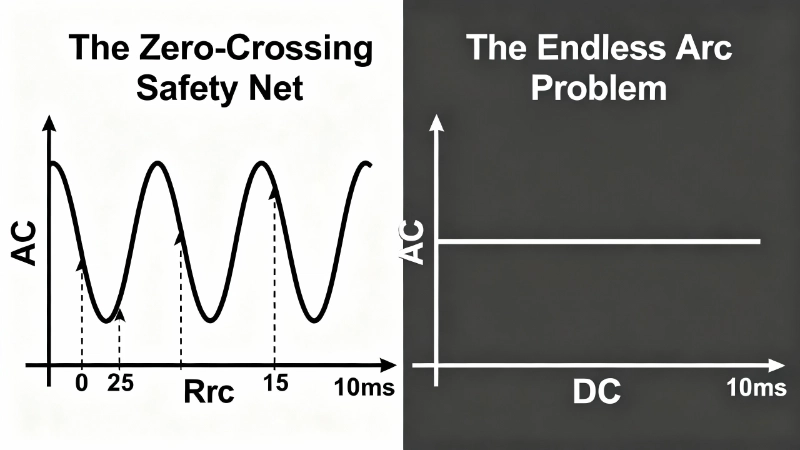
- သုညဖြတ်ကျော်အချက် (Zero-Crossing Factor): အေစီလျှပ်စီးကြောင်းသည် သုညဖြတ်ကျော်မှတ်များတွင် လျှပ်စစ်မီးပွားများကို သဘာဝအလျောက် ငြိမ်းသတ်စေသည် (တစ်စက္ကန့်လျှင် ၁၀၀-၁၂၀ ကြိမ်)၊ ဒီစီလျှပ်စီးကြောင်းသည် လျှပ်စစ်မီးပွားများကို အဆက်မပြတ် ထိန်းထားသည်။.
- ဒီဇိုင်း ကွဲပြားခြားနားမှုများ (Design Differences): ဒီစီ အိုင်ဆိုလေတာများသည် သံလိုက်မှုတ်ထုတ်ကွိုင်များနှင့် နက်ရှိုင်းသော မီးပွားလမ်းကြောင်းများ လိုအပ်သောကြောင့် အေစီဗားရှင်းများထက် ရုပ်ပိုင်းဆိုင်ရာအရ ပိုကြီးပြီး ဈေးပိုကြီးသည်။.
- ဗို့အားလျှော့ချခြင်း: ဒီစီအသုံးချမှုများအတွက် အေစီအိုင်ဆိုလေတာကို အသုံးပြုခြင်းသည် ဗို့အားပမာဏ သိသိသာသာ ကျဆင်းသွားစေသည် (ဥပမာ- 690V AC → ~220V DC)။.
- ဘေးကင်းရေး စည်းမျဉ်း (Safety Rule): မီးဘေးအန္တရာယ်များနှင့် ထိတွေ့ဆက်စပ်မှုများ မဖြစ်စေရန်အတွက် ဆိုလာ PV သို့မဟုတ် ဘက်ထရီသိုလှောင်မှုကဲ့သို့သော ဒီစီစနစ်များအတွက် အေစီအဆင့်သတ်မှတ်ထားသော အိုင်ဆိုလေတာကို ဘယ်တော့မှ မသုံးပါနှင့်။.
The maintenance technician flips the isolator switch open. 600 volts, 32 amps. Routine lockout procedure for a rooftop solar array.
Except the switch wasn’t rated for DC.
Inside the housing, an arc forms between the separating contacts—a brilliant, sustained plasma bridge conducting 600V DC through ionized air. In an AC system, this arc would extinguish naturally within 10 milliseconds, snuffed out at the next current zero-crossing. But DC current has no zero-crossings. The arc sustains. The contacts begin to erode. Temperature climbs. Within seconds, the isolator that was supposed to provide safe disconnection has become a continuous high-voltage conductor, exactly when you need it isolated most.
ဒါက “The Zero-Crossing Safety Net”—AC has it, DC doesn’t. And it changes everything about how isolator switches must be designed, rated, and selected.

Isolator Switches ဆိုတာ ဘာလဲ
တစ်ခု isolator ခလုတ် (အဆက်ဖြတ်ခလုတ် သို့မဟုတ် ခလုတ်-အဆက်ဖြတ်ကိရိယာဟုလည်း ခေါ်သည်) သည် လျှပ်စစ်ဆားကစ်ကို ၎င်း၏ ပါဝါအရင်းအမြစ်မှ ခွဲထုတ်ရန် ဒီဇိုင်းထုတ်ထားသော စက်ပိုင်းဆိုင်ရာ ခလုတ်ပြောင်းကိရိယာဖြစ်ပြီး ဘေးကင်းသော ပြုပြင်ထိန်းသိမ်းမှုနှင့် ပြုပြင်ခြင်းကို သေချာစေသည်။ အုပ်ချုပ်သည် IEC ၆၀၉၄၇-၃:၂၀၂၀ ဗို့အားနိမ့် ခလုတ်ဂီယာအတွက် (1000V AC နှင့် 1500V DC အထိ)၊ အိုင်ဆိုလေတာခလုတ်များသည် တိုက်ရိုက်လျှပ်ကူးပစ္စည်းများနှင့် အောက်ပိုင်းရှိပစ္စည်းများကြားတွင် မြင်နိုင်သော အဆက်ပြတ်ခြင်း—သင်မြင်နိုင် သို့မဟုတ် အတည်ပြုနိုင်သော ရုပ်ပိုင်းဆိုင်ရာကွာဟချက်ကို ပေးပါသည်။.
Unlike ဆားကစ်မိျ, isolators are not designed to interrupt fault currents under load. They’re maintenance disconnects. You open them when the circuit is de-energized or carrying minimal load, creating a safe isolation point for work downstream. Most isolators include a lockout mechanism (padlock hasp or lockable handle) for LOTO (Lockout/Tagout) compliance.
Here’s what makes isolator selection critical: the physics of arc interruption—what happens in the microseconds after you open the switch—is fundamentally different for AC vs DC. An isolator adequate for AC service may be completely inadequate (and dangerous) for DC service, even at lower voltage. The rating plate might say “690V,” but that’s 690V AC. Use it on a 600V DC solar string? You’ve just created a potential arc flash hazard.
This isn’t a minor technical detail or a conservative safety margin. It’s physics. And understanding why requires looking at what happens inside every switch when contacts separate under voltage.
-အစွန်အဖျား#၁: Never use an AC-rated isolator for DC applications unless it has explicit DC voltage/current ratings on its datasheet. An isolator rated 690V AC typically has DC capacity of only 220-250V DC—less than a 4-panel solar string at open circuit.
The Arc Extinction Problem: Why DC Is Different

When you open any switch under voltage, an arc forms. It’s unavoidable. As the contacts separate, the gap between them is still small enough—micrometers, then millimeters—that voltage ionizes the air, creating a conducting plasma channel. Current continues to flow through this arc even though the mechanical contacts are no longer touching.
For the switch to truly isolate the circuit, this arc must be extinguished. And here’s where AC and DC diverge completely.
AC: The Natural Zero-Crossing
Alternating current, as its name suggests, alternates. A 50 Hz AC system crosses zero voltage/current 100 times per second. A 60 Hz system crosses zero 120 times per second. Every 8.33 milliseconds (60 Hz) or 10 milliseconds (50 Hz), the current flow reverses direction—and passes through zero.
At current zero-crossing, there’s no energy sustaining the arc. The plasma de-ionizes. The arc extinguishes. If the contacts have separated far enough by the next half-cycle, the gap’s dielectric strength (its ability to withstand voltage without re-ignition) exceeds the system voltage. The arc doesn’t re-strike. Isolation is achieved.
ဤသည် “The Zero-Crossing Safety Net.” AC isolators can rely on this natural interruption. Their contact design, gap distance, and arc chamber geometry only need to ensure the arc doesn’t re-strike after the next zero-crossing. It’s a relatively forgiving design problem.
DC: The Endless Arc Problem
Direct current has no zero-crossings. Ever. A 600V DC solar string delivers 600 volts continuously. When the isolator contacts separate and an arc forms, that arc is sustained by continuous energy. There’s no natural interruption point. The arc will continue indefinitely until one of three things happens:
- The contact gap becomes large enough that even the arc can’t bridge it (requiring much larger physical separation than AC)
- The arc is mechanically stretched, cooled, and blown out using magnetic fields and arc chutes
- The contacts weld together from sustained heating, defeating the entire purpose of isolation
Option 3 is what happens when you use an AC-rated isolator in DC service. The contact separation speed and gap distance that work fine for AC—because the next zero-crossing arrives in 10 milliseconds—are insufficient for DC. The arc sustains. Contact erosion accelerates. In the worst case, contacts weld, and you lose isolation entirely.
-အစွန်အဖျား#၂: AC current crosses zero 100 times per second (50 Hz) or 120 times (60 Hz)—each zero-crossing is an opportunity for the arc to extinguish naturally. DC current never crosses zero. This isn’t a minor difference—it’s why DC isolators need magnetic blow-out coils and deep arc chutes that AC isolators don’t.
DC Isolator Design: The Arc Chamber Warrior
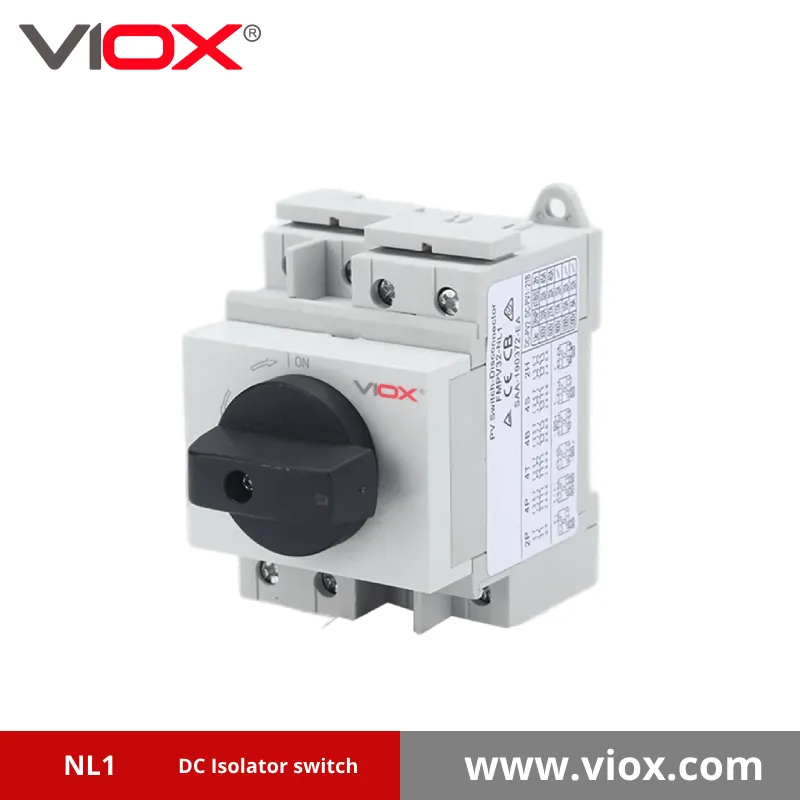
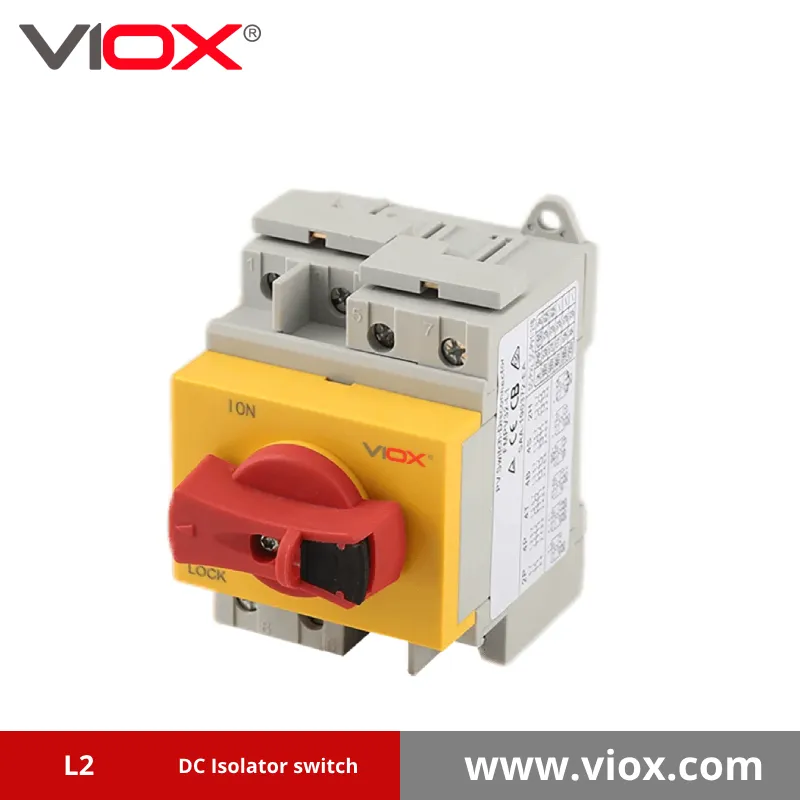
Because DC arcs won’t self-extinguish, DC isolators must force extinction through aggressive mechanical means. This is “The Arc Chamber Warrior”—a DC isolator is designed for battle.
Magnetic Blow-Out Coils
Most DC isolators incorporate magnetic blow-out coils or permanent magnets positioned near the contacts. When an arc forms, the magnetic field interacts with the arc current (which is a moving charge), producing a Lorentz force that pushes the arc away from the contacts and into the arc extinction chamber.
Think of it as a magnetic hand that physically shoves the arc away from where it wants to stay. The faster and further you move the arc, the more it cools and stretches, until it can no longer sustain itself.
Arc Chutes (Splitter Plates)
Once the arc is blown into the arc chamber, it encounters arc chutes—arrays of metal plates (often copper) that split the arc into multiple shorter segments. Each segment has its own voltage drop. When the total voltage drop across all segments exceeds the system voltage, the arc can no longer sustain. It collapses.
DC isolators use deeper, more aggressive arc chute designs than AC isolators because they can’t rely on current zero-crossings. The arc must be forcibly extinguished at full current, every time.
High-Silver Contact Materials
DC arcs are brutal on contacts. Sustained arcing at full voltage causes rapid erosion and heating. To withstand this, DC isolators use contact materials with higher silver content (often silver-tungsten or silver-nickel alloys) that resist welding and erosion better than the copper or brass contacts common in AC isolators.
The result? A DC isolator rated for 1000V DC at 32A is physically larger, heavier, more complex, and costs 2-3× more than a similarly rated AC isolator. This isn’t arbitrary pricing—it’s the engineering cost of forcing arc extinction without a zero-crossing.
-အစွန်အဖျား#၃: ဓာတ်အားဗို့အားစနစ်များအတွက်၊ အိုင်ဆိုလေတာ၏ ဒီစီဗို့အားအဆင့်သတ်မှတ်ချက်သည် သင်၏ကြိုး၏ အမြင့်ဆုံးပွင့်လင်းဆားကစ်ဗို့အား (Voc) ကို အနိမ့်ဆုံးမျှော်မှန်းထားသည့် အပူချိန်တွင် ကျော်လွန်ကြောင်း အမြဲစစ်ဆေးပါ။ 400W မော်ဂျူး ၁၀ ခုပါသော ကြိုးတစ်ချောင်းသည် -10°C တွင် 500-600V DC အထိ ရောက်ရှိနိုင်သည်—“ဒီစီသုံးနိုင်သော” အိုင်ဆိုလေတာများစွာထက် ကျော်လွန်ပါသည်။ ထို့အပြင် ကျွန်ုပ်တို့၏ လမ်းညွှန်ကိုလည်း ကိုးကားပါ။ ဒီစီ အိုင်ဆိုလေတာများ ချိတ်ဆက်ခြင်း (Connection of DC Isolators) ဘေးကင်းသော ဝါယာကြိုးတပ်ဆင်ခြင်း အလေ့အကျင့်များအတွက်။.

AC Isolator Design: Riding the Zero-Crossing
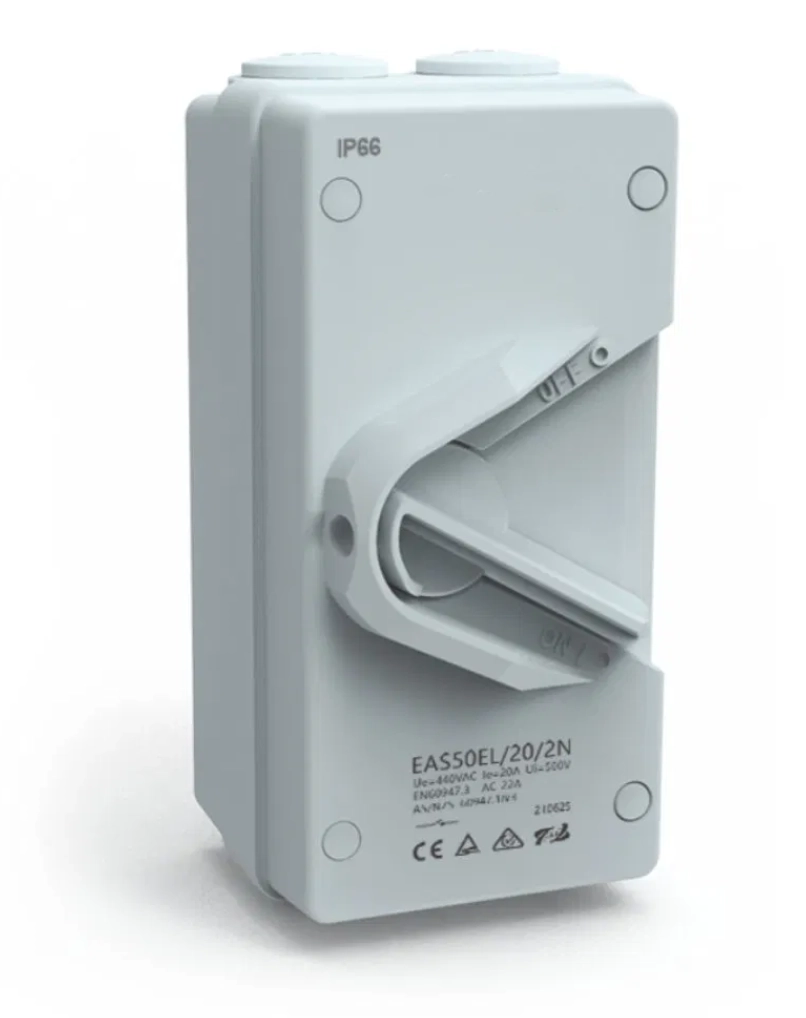
AC isolators are, by comparison, simple. They don’t need magnetic blow-out coils (though some include them for faster interruption). They don’t need deep arc chutes. They don’t need exotic contact materials.
Why? Because the zero-crossing does most of the work. The AC isolator’s job isn’t to forcibly extinguish the arc—it’s to ensure the arc doesn’t re-strike after the natural zero-crossing interruption.
- Sufficient gap distance: Typically 3-6mm for low-voltage AC, depending on voltage and pollution degree
- Basic arc containment: မျက်နှာပြင်များပေါ်တွင် လျှပ်စစ်မီးပွားလမ်းကြောင်းများ ကာကွယ်ရန် ရိုးရှင်းသော လျှပ်ကာ အတားအဆီးများ
ဒါပါပဲ။ အေစီ အိုင်ဆိုလေတာများသည် လှိုင်းပုံစံပေါ်တွင် မူတည်၍ အလေးအပင်ကို မြှင့်တင်ပေးသည်။ စက်ပိုင်းဆိုင်ရာ ဒီဇိုင်းသည် လိုက်လျောညီထွေဖြစ်ရန်သာ လိုအပ်သည်။ 3-အဆင့် မော်တာများကဲ့သို့သော သီးခြားအသုံးချမှုများအတွက် ကျွန်ုပ်တို့၏ 3-အဆင့် အိုင်ဆိုလေတာ ခလုတ်အတွက် ပြီးပြည့်စုံသော လမ်းညွှန် (Complete Guide to 3-Phase Isolator Switch).
ဗို့အားလျှော့ချခြင်း အပြစ်ဒဏ်
အင်ဂျင်နီယာများစွာကို အံ့အားသင့်စေမည့် အရာတစ်ခုမှာ- 根据 DC အတွက် AC-rated isolator ကို အသုံးပြုပါက (မသုံးသင့်သော်လည်း သီအိုရီအရ) ၎င်း၏ DC ဗို့အားပမာဏသည် AC rating ထက် သိသိသာသာ နည်းပါးသည်။ ဤသည်မှာ “ဗို့အားလျှော့ချခြင်း အပြစ်ဒဏ်” ဖြစ်သည်။”
ပုံမှန်ပုံစံ-
- 690V AC rated → ခန့်မှန်းခြေ 220-250V DC ပမာဏ
- 400V AC rated → ခန့်မှန်းခြေ 150-180V DC ပမာဏ
- 230V AC rated → ခန့်မှန်းခြေ 80-110V DC ပမာဏ
အဘယ်ကြောင့် ဤမျှပြင်းထန်စွာ လျှော့ချရသနည်း။ အဘယ်ကြောင့်ဆိုသော် DC လျှပ်စစ်မီးပွားဗို့အားသည် AC လျှပ်စစ်မီးပွားဗို့အားနှင့် အခြေခံအားဖြင့် ကွဲပြားသောကြောင့်ဖြစ်သည်။ ထုတ်လုပ်သူများသည် DC ဗို့အား rating ကို သိသိသာသာ လျှော့ချခြင်းဖြင့် ဤအချက်ကို ထည့်သွင်းစဉ်းစားကြသည်။.
ဆိုလာ PV အသုံးချမှုများအတွက်၊ ဤသည်မှာ “PV ကြိုးထောင်ချောက်” ဖြစ်သည်။” အသုံးများသော 400W ဆိုလာပြားတစ်ခုတွင် STC တွင် ခန့်မှန်းခြေ 48-50V ၏ open-circuit ဗို့အား (Voc) ရှိသည်။ ပြား ၁၀ ပြားကို ကြိုးဆက်ပါ- 480-500V။ သို့သော် Voc သည် အပူချိန်နိမ့်သောအခါတွင် တိုးလာသည်။ 180V DC rating ပါသော 400V AC isolator လား။ လုံးဝ မလုံလောက်ပါ။.
-အစွန်အဖျား#၄: အိုင်ဆိုလေတာများသည် ဝန်မရှိသော သို့မဟုတ် အနည်းဆုံးဝန်ရှိသော ခလုတ်ပြောင်းခြင်းအတွက် ဒီဇိုင်းထုတ်ထားသည်—၎င်းတို့သည် ပြုပြင်ထိန်းသိမ်းမှု အဆက်ဖြတ်ကိရိယာများဖြစ်ပြီး အလွန်အကျွံကာကွယ်မှုမဟုတ်ပါ။ ရာသီဥတုဒဏ်ခံနိုင်သော ပတ်ဝန်းကျင်များအတွက် သင်နားလည်ကြောင်း သေချာပါစေ။ အိုင်ဆိုလေတာ ခလုတ်များအတွက် IP အဆင့်သတ်မှတ်ချက်များ (IP ratings for isolator switches).

DC နှင့် AC Isolator- အဓိက သတ်မှတ်ချက်များ နှိုင်းယှဉ်ခြင်း
| အင္တာနက္စာမ်က္ႏွာ | AC Isolator | DC Isolator |
|---|---|---|
| Arc ငြိမ်းသတ်ခြင်း ယန္တရား | သဘာဝလျှပ်စီးကြောင်း သုညဖြတ်ကျော်ခြင်း (100-120 ကြိမ်/စက္ကန့်) | အတင်းအကျပ် စက်ပိုင်းဆိုင်ရာ ငြိမ်းသတ်ခြင်း (သံလိုက်မှုတ်ထုတ်ခြင်း + လျှပ်စစ်မီးပွားလမ်းကြောင်းများ) |
| လိုအပ်သော Contact Gap | 3-6mm (ဗို့အားအလိုက် ကွဲပြားသည်) | 8-15mm (တူညီသောဗို့အားအတွက် ပိုကြီးသော gap) |
| လျှပ်စစ်မီးပွားလမ်းကြောင်း ဒီဇိုင်း | အနည်းဆုံး သို့မဟုတ် မရှိ | နက်ရှိုင်းသော splitter plates များ၊ ပြင်းထန်သော ဂျီဩမေတြီ |
| သံလိုက်မှုတ်ထုတ်ခြင်း | ရွေးချယ်နိုင်သည် (မြန်ဆန်သော ဖြတ်တောက်မှုအတွက်) | မဖြစ်မနေ (အမြဲတမ်းသံလိုက်များ သို့မဟုတ် ကွိုင်များ) |
| ဆက်သွယ်ရန်ပစ္စည်း | ကြေးနီ၊ ကြေးဝါ၊ စံအလွိုင်းများ | ငွေပါဝင်မှု မြင့်မားခြင်း (Ag-W, Ag-Ni အလွိုင်းများ) |
| ဗို့အား Rating ဥပမာ | 690V AC | 1000V DC သို့မဟုတ် 1500V DC |
| လျှပ်စီးကြောင်း Rating ဥပမာ | 32A, 63A, 125A ပုံမှန် | 16A-1600A (PV/ESS အတွက် ပိုကျယ်ပြန့်သော အပိုင်းအခြား) |
| ပံုမွန္အသံုးခ်ျခင္း | မော်တာထိန်းချုပ်ခြင်း၊ HVAC၊ စက်မှု AC ဖြန့်ဖြူးခြင်း | ဆိုလာ PV၊ ဘက်ထရီသိုလှောင်မှု၊ EV အားသွင်းခြင်း၊ DC microgrids |
| စံနှုန်းများ | IEC 60947-3:2020 (AC အသုံးပြုမှု အမျိုးအစားများ) | IEC 60947-3:2020 (DC အသုံးပြုမှု အမျိုးအစားများ- DC-21B, DC-PV2) |
| အရွယ်အ&အလေးချိန် | ကျစ်လျစ်သိပ်သည်းပြီး ပေါ့ပါးသည်။ | ပိုကြီးပြီး ပိုလေးသည် (တူညီသော လျှပ်စီးကြောင်း rating အတွက် 2-3× အရွယ်အစား) |
| ကုန်ကျစရိတ် | နိမ့်သည် (အခြေခံ) | 2-3× ပိုစျေးကြီးသည် |
| ဖွင့်ချိန်တွင် လျှပ်စစ်မီးပွား ကြာချိန် | <10ms (နောက် သုညဖြတ်ကျော်သည်အထိ) | စက်ပိုင်းဆိုင်ရာအရ ငြိမ်းသတ်သည်အထိ ဆက်တိုက် |
သော့ယူသွားခြင်း- DC isolator များအတွက် “2-3× ကုန်ကျစရိတ် အပြစ်ဒဏ်” သည် ဈေးနှုန်းမြှင့်တင်ခြင်းမဟုတ်ပါ—သုညဖြတ်ကျော်ခြင်းမရှိဘဲ လျှပ်စစ်မီးပွားများကို ငြိမ်းသတ်ခြင်း၏ အခြေခံ ရူပဗေဒအခွန်ကို ထင်ဟပ်စေသည်။.
DC နှင့် AC Isolator များကို အသုံးပြုရမည့်အချိန်
ဆုံးဖြတ်ချက်သည် နှစ်သက်မှု သို့မဟုတ် ကုန်ကျစရိတ် အကောင်းဆုံးဖြစ်အောင် လုပ်ဆောင်ခြင်းအကြောင်း မဟုတ်ပါ—၎င်းသည် သင်၏စနစ်၏ လျှပ်စီးကြောင်း အမျိုးအစားနှင့် isolator ၏ လျှပ်စစ်မီးပွား ငြိမ်းသတ်နိုင်စွမ်းကို ကိုက်ညီစေခြင်းအကြောင်းဖြစ်သည်။.
DC Isolator များကို အောက်ပါတို့အတွက် အသုံးပြုပါ-
1. ဆိုလာ Photovoltaic (PV) စနစ်များ
ဆိုလာအစုအဝေး ဒီစီကြိုးတိုင်းသည် အစုအဝေးနှင့် အင်ဗာတာကြားတွင် ခွဲထုတ်ရန် လိုအပ်သည်။ ကြိုးဗို့အားများသည် 600-1000V DC သို့ ရောက်ရှိလေ့ရှိသည်။ PV ခလုတ်ပြောင်းခြင်းအတွက် အထူးဒီဇိုင်းထုတ်ထားသော IEC 60947-3 DC-PV2 အသုံးပြုမှုအမျိုးအစားကို ရှာဖွေပါ။ ကျွန်ုပ်တို့၏ လမ်းညွှန်ကို ကိုးကားပါ။ ကျွန်ုပ်တို့၏ for more details.
2. ဘက်ထရီစွမ်းအင် သိုလှောင်မှုစနစ်များ (ESS)
ဘက်ထရီအစုအဝေးများသည် 48V မှ 800V+ အထိ DC ဗို့အားများတွင် လည်ပတ်သည်။ ဘက်ထရီ module များနှင့် inverter များအကြားတွင် isolation လိုအပ်သည်။.
3. EV အားသွင်း အခြေခံအဆောက်အအုံ
DC အမြန်အားသွင်းစက်များသည် 400-800V DC ကို ယာဉ်ဘက်ထရီများသို့ တိုက်ရိုက်ပို့ဆောင်ပေးသည်။.
4. DC Microgrids နှင့် Data Centers
Data center များသည် ပြောင်းလဲခြင်း ဆုံးရှုံးမှုကို လျှော့ချရန်အတွက် 380V DC ဖြန့်ဖြူးမှုကို တိုးမြှင့်အသုံးပြုလာကြသည်။.
5. ရေကြောင်းနှင့် ရထား DC ဖြန့်ဖြူးခြင်း
သင်္ဘောများနှင့် ရထားများသည် ဆယ်စုနှစ်များစွာကြာအောင် DC ဖြန့်ဖြူးခြင်း (24V, 48V, 110V, 750V) ကို အသုံးပြုခဲ့ကြသည်။.
AC Isolator များကို အောက်ပါတို့အတွက် အသုံးပြုပါ-
1. မော်တာထိန်းချုပ် ဆားကစ်များ
AC induction မော်တာများ၊ HVAC စနစ်များနှင့် ပန့်များအတွက် Isolation။.
2. Building AC Distribution
Isolation for lighting panels and general building loads.
3. Industrial AC Control Panels
Machine control cabinets with AC contactors များ and PLCs.
The Critical Rule
If your system voltage is DC—even 48V DC—use a DC-rated isolator. The arc physics don’t care about voltage level; they care about waveform type. A 48V DC arc can still sustain and cause contact welding in an AC-only switch.

Selection Guide: 4-Step Method for DC Isolators
Step 1: Calculate Maximum System Voltage
အဘို့ Solar PV: Calculate string Voc at lowest expected ambient temperature. Voc increases approximately 0.3-0.4% per °C below 25°C.
- Example: 10-panel string, Voc = 49V/panel at STC. At -10°C: 49V × 1.14 (temp factor) × 10 panels = 559V DC minimum isolator rating
-အစွန်အဖျား: Always spec isolator voltage rating at least 20% above calculated maximum system voltage for safety margin.
Step 2: Determine Current Rating
အဘို့ Solar PV: Use string short-circuit current (Isc) × 1.25 safety factor.
Step 3: Verify Utilization Category
Check the datasheet for IEC 60947-3 utilization category: DC-21B for general DC circuits, DC-PV2 specifically for photovoltaic DC switching.
Step 4: Confirm Short-Circuit Rating (If Applicable)
အိုင်ဆိုလေတာအများစုကို ဝန်မရှိသော သို့မဟုတ် အနည်းဆုံးဝန်ရှိသော ခလုတ်ပြောင်းခြင်းအတွက် ဒီဇိုင်းထုတ်ထားသည်။ ပုံမှန်ဝန်ပြောင်းခြင်း သို့မဟုတ် ချို့ယွင်းချက်အနှောင့်အယှက်အတွက်၊ DC circuit breaker instead.
-အစွန်အဖျား#၅: DC isolators cost 2-3× more than equivalent AC isolators because they require fundamentally different contact materials, magnetic blow-out systems, and deep arc extinction chambers.
မကြာခဏမေးမေးခွန်းများ
DC အပလီကေးရှင်းများအတွက် AC isolator ကို သုံးနိုင်ပါသလား။
မရပါ၊ ယေဘုယျအားဖြင့် မရပါ။ အေစီ အိုင်ဆိုလေတာများသည် လျှပ်စစ်မီးပွားများကို ငြိမ်းသတ်ရန်အတွက် လျှပ်စီးကြောင်းပြောင်း၏ “သုညဖြတ်ကျော်ခြင်း” ကို အားကိုးသည်။ ဒီစီလျှပ်စီးကြောင်းတွင် သုညဖြတ်ကျော်ခြင်း မရှိပါ၊ ဆိုလိုသည်မှာ မီးပွားများသည် အေစီခလုတ်တွင် အကန့်အသတ်မရှိ ဆက်လက်တည်ရှိနိုင်ပြီး အပူလွန်ကဲခြင်း၊ မီးလောင်ခြင်းနှင့် ထိတွေ့ဆက်စပ်မှုများ ဖြစ်ပေါ်စေနိုင်သည်။.
ဒီစီ အိုင်ဆိုလေတာများသည် အေစီ အိုင်ဆိုလေတာများထက် အဘယ်ကြောင့် ပိုကြီးသနည်း။
ဒီစီ အိုင်ဆိုလေတာများသည် သံလိုက်မှုတ်ထုတ်ကွိုင်များနှင့် ပိုနက်ရှိုင်းသော မီးပွားလမ်းကြောင်းများ (ခွဲခြမ်းပြားများ) ကဲ့သို့သော အတွင်းပိုင်းအစိတ်အပိုင်းများ ပိုကြီးရန် လိုအပ်ပြီး မီးပွားကို စက်ပိုင်းဆိုင်ရာအရ ငြိမ်းသတ်ရန် လိုအပ်သည်။ မီးပွား ပြန်လည်မဖြစ်ပေါ်စေရန်အတွက် ၎င်းတို့သည် ပိုကျယ်သော ထိတွေ့ကွာဟချက်များလည်း လိုအပ်သည်။.
ဒီစီ အိုင်ဆိုလေတာနှင့် ဒီစီ ဆားကစ်ဘရိတ်ကာကြား ကွာခြားချက်ကား အဘယ်နည်း။
ဒီစီ အိုင်ဆိုလေတာကို ပြုပြင်ထိန်းသိမ်းမှု အဆက်ဖြတ်ခြင်း (ဆားကစ်ကို ခွဲထုတ်ခြင်း) အတွက် အဓိက ဒီဇိုင်းထုတ်ထားပြီး ဝန်မရှိဘဲ လုပ်ဆောင်လေ့ရှိသည်။ DC circuit breaker သည် ဝန်ပိုများနှင့် ဝါယာရှော့များမှ အလိုအလျောက် ကာကွယ်ပေးပြီး ဝန်အောက်တွင် ချို့ယွင်းချက် လျှပ်စီးကြောင်းများကို နှောင့်ယှက်ရန် ဒီဇိုင်းထုတ်ထားသည်။.
Conclusion: Physics Isn’t Optional
The difference between DC and AC isolator switches isn’t a matter of ratings, cost, or preference. It’s physics.
AC isolators rely on “The Zero-Crossing Safety Net”. DC isolators face “The Endless Arc Problem”. The arc will sustain indefinitely unless the switch forces extinction through magnetic blow-out coils and deep arc chutes.
When you spec an isolator for a solar PV string or battery storage, you’re selecting an arc extinction system. Use the wrong one, and you risk sustained arcing and fire. The rule is simple: If your voltage is DC, use a DC-rated isolator.
Physics isn’t negotiable. Choose accordingly.
Need help selecting DC isolators for your solar PV or battery storage project? Contact our application engineering team for technical guidance on IEC 60947-3 compliant DC switching solutions.