ສິ່ງທີ່ທ່ານຈຳເປັນຕ້ອງຮູ້ກ່ຽວກັບແຜງຄວບຄຸມໄຟຟ້າ
ແຜງຄວບຄຸມໄຟຟ້າແມ່ນລະບົບປະສາດສ່ວນກາງຂອງການດຳເນີນງານອຸດສາຫະກຳ, ເປັນບ່ອນເກັບຮັກສາອົງປະກອບທີ່ສຳຄັນທີ່ແຈກຢາຍພະລັງງານ, ປົກປ້ອງອຸປະກອນ, ແລະເຮັດໃຫ້ຂະບວນການເປັນອັດຕະໂນມັດ. ຈາກສູນຄວບຄຸມມໍເຕີ (MCCs) ທີ່ຈັດການມໍເຕີຫຼາຍສິບໜ່ວຍໄປຈົນເຖິງຕູ້ PLC ທີ່ຊັບຊ້ອນທີ່ຈັດລຽງລຳດັບອັດຕະໂນມັດທີ່ສັບສົນ, ການເລືອກປະເພດແຜງທີ່ຖືກຕ້ອງສົ່ງຜົນກະທົບໂດຍກົງຕໍ່ປະສິດທິພາບການດຳເນີນງານ, ການປະຕິບັດຕາມຄວາມປອດໄພ, ແລະຄ່າໃຊ້ຈ່າຍໃນການບຳລຸງຮັກສາໃນໄລຍະຍາວ. ຄູ່ມືນີ້ກວດກາເບິ່ງເຈັດປະເພດແຜງຄວບຄຸມທີ່ສຳຄັນ—MCC, PCC, PLC, VFD, ແຜງແຈກຢາຍ, ແຜງຄວບຄຸມແບບກຳນົດເອງ, ແລະລະບົບປະສົມປະສານອັດສະລິຍະ—ພ້ອມດ້ວຍຂໍ້ກຳນົດທາງເທັກນິກ, ເງື່ອນໄຂການນຳໃຊ້, ແລະກອບການຄັດເລືອກໂດຍອີງໃສ່ມາດຕະຖານ IEC 60947, UL 508A, ແລະ NEC Article 409.
Key Takeaways
- ສູນຄວບຄຸມມໍເຕີ (MCCs) ສູນກາງການຄວບຄຸມຂອງມໍເຕີຫຼາຍໜ່ວຍຜ່ານການອອກແບບຖັງແບບໂມດູນ, ເໝາະສຳລັບສະຖານທີ່ທີ່ມີມໍເຕີ 10+ ໜ່ວຍທີ່ຕ້ອງການການດຳເນີນງານທີ່ປະສານງານກັນ
- ສູນຄວບຄຸມພະລັງງານ (PCCs) ຈັດການການແຈກຢາຍກະແສໄຟຟ້າສູງ (800A-6300A) ແລະເຮັດໜ້າທີ່ເປັນສ່ວນຕິດຕໍ່ພະລັງງານຫຼັກລະຫວ່າງການສະໜອງໄຟຟ້າ ແລະການໂຫຼດຂອງສະຖານທີ່
- PLC Control Panels ເປັນບ່ອນເກັບຮັກສາຕົວຄວບຄຸມຕາມເຫດຜົນທີ່ສາມາດຂຽນໂປຣແກຣມໄດ້ ແລະໂມດູນ I/O ສຳລັບການເຮັດໃຫ້ຂະບວນການເປັນອັດຕະໂນມັດ, ຕ້ອງການການພິຈາລະນາຢ່າງລະມັດລະວັງກ່ຽວກັບລະດັບສິ່ງແວດລ້ອມ ແລະໂປຣໂຕຄໍການສື່ສານ
- ແຜງ VFD ໃຫ້ການຄວບຄຸມຄວາມໄວຂອງມໍເຕີທີ່ມີປະສິດທິພາບດ້ານພະລັງງານ ໂດຍມີທ່າແຮງໃນການປະຢັດພະລັງງານ 20-50% ໃນການນຳໃຊ້ແຮງບິດທີ່ປ່ຽນແປງໄດ້
- ເງື່ອນໄຂການຄັດເລືອກ ຕ້ອງດຸ່ນດ່ຽງຂໍ້ກຳນົດທາງໄຟຟ້າ (ແຮງດັນ, ກະແສໄຟຟ້າ, SCCR), ປັດໃຈດ້ານສິ່ງແວດລ້ອມ (ລະດັບ IP, ອຸນຫະພູມ), ຄວາມຕ້ອງການອັດຕະໂນມັດ, ແລະການປະຕິບັດຕາມມາດຕະຖານ UL 508A ຫຼື IEC 61439
- ແຜງຄວບຄຸມອັດສະລິຍະ ປະສົມປະສານການເຊື່ອມຕໍ່ IoT ແລະຄວາມສາມາດໃນການບຳລຸງຮັກສາແບບຄາດຄະເນ, ເປັນຕົວແທນໃຫ້ແກ່ການພັດທະນາໄປສູ່ສະພາບແວດລ້ອມການຜະລິດ Industry 4.0
ຄວາມເຂົ້າໃຈກ່ຽວກັບພື້ນຖານຂອງແຜງຄວບຄຸມໄຟຟ້າ
ແຜງຄວບຄຸມໄຟຟ້າແມ່ນການປະກອບທີ່ຖືກອອກແບບມາເຊິ່ງເປັນບ່ອນເກັບຮັກສາອົງປະກອບໄຟຟ້າ—ເຄື່ອງຕັດວົງຈອນ, contactors, ຣີເລ, PLCs, ແລະອຸປະກອນຕິດຕາມກວດກາ—ພາຍໃນຕູ້ປ້ອງກັນ. ແຜງເຫຼົ່ານີ້ໃຫ້ບໍລິການສາມໜ້າທີ່ຫຼັກ: ການແຈກຢາຍພະລັງງານໃຫ້ແກ່ການໂຫຼດທີ່ເຊື່ອມຕໍ່, ການປົກປ້ອງອຸປະກອນຜ່ານການກວດຈັບກະແສໄຟຟ້າເກີນ ແລະຄວາມຜິດພາດ, ແລະການຄວບຄຸມຂະບວນການຜ່ານເຫດຜົນການປ່ຽນດ້ວຍມື ຫຼືອັດຕະໂນມັດ.
ໂດຍປົກກະຕິແລ້ວສະຖານທີ່ອຸດສາຫະກຳທີ່ທັນສະໄໝຈະນຳໃຊ້ແຜງຫຼາຍປະເພດໃນສະຖາປັດຕະຍະກຳແບບລຳດັບຊັ້ນ. ສູນຄວບຄຸມພະລັງງານໄດ້ຮັບພະລັງງານໄຟຟ້າ ແລະແຈກຢາຍມັນໄປຫາສູນຄວບຄຸມມໍເຕີທີ່ຢູ່ປາຍທາງ, ເຊິ່ງໃນທາງກັບກັນຈະປ້ອນເຄື່ອງຈັກແຕ່ລະເຄື່ອງ ຫຼືພື້ນທີ່ຂະບວນການ. ແຜງ PLC ເຊື່ອມຕໍ່ກັບລະບົບພະລັງງານເຫຼົ່ານີ້ເພື່ອໃຫ້ຄວາມສາມາດໃນການຄວບຄຸມການເບິ່ງແຍງ ແລະການເກັບກຳຂໍ້ມູນ (SCADA). ການອ້າງອີງ
ຄວາມແຕກຕ່າງລະຫວ່າງປະເພດແຜງມັກຈະມົວໃນການປະຕິບັດຕົວຈິງ. ຕູ້ດຽວອາດຈະລວມເອົາການເຮັດວຽກຂອງ MCC ກັບ VFDs ປະສົມປະສານ ແລະການຄວບຄຸມ PLC, ສ້າງລະບົບປະສົມທີ່ຖືກປັບປຸງໃຫ້ເໝາະສົມກັບການນຳໃຊ້ສະເພາະ. ຄວາມເຂົ້າໃຈກ່ຽວກັບຄຸນລັກສະນະຫຼັກຂອງແຕ່ລະປະເພດແຜງຊ່ວຍໃຫ້ວິສະວະກອນສາມາດລະບຸລະບົບທີ່ດຸ່ນດ່ຽງການເຮັດວຽກ, ຄ່າໃຊ້ຈ່າຍ, ແລະຄວາມສາມາດໃນການຂະຫຍາຍໃນອະນາຄົດ.
ສູນຄວບຄຸມມໍເຕີ (MCC): ການຈັດການມໍເຕີແບບສູນກາງ
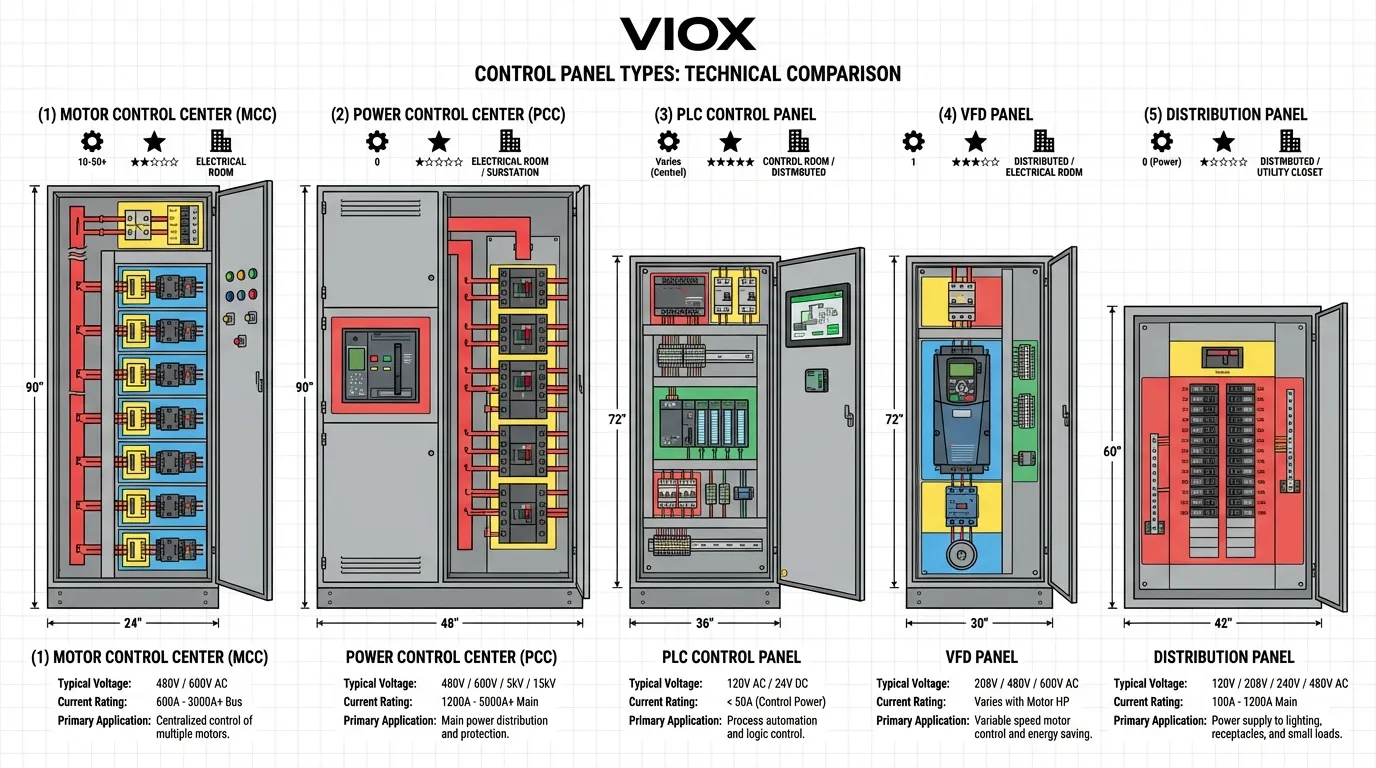
ສູນຄວບຄຸມມໍເຕີເປັນຕົວແທນໃຫ້ແກ່ການແກ້ໄຂທົ່ວໄປທີ່ສຸດສຳລັບສະຖານທີ່ທີ່ດຳເນີນການມໍເຕີໄຟຟ້າຫຼາຍໜ່ວຍ. MCC ປະກອບດ້ວຍການປະກອບແນວຕັ້ງທີ່ມີລົດເມພະລັງງານແນວນອນທົ່ວໄປທີ່ປ້ອນຫົວໜ່ວຍຄວບຄຸມມໍເຕີແຕ່ລະໜ່ວຍທີ່ເກັບໄວ້ໃນ “ຖັງ” ທີ່ຖອດອອກໄດ້ ຫຼືຊ່ອງໃສ່ຄົງທີ່. ສະຖາປັດຕະຍະກຳໂມດູນນີ້ອະນຸຍາດໃຫ້ມີການຄວບຄຸມ, ການປົກປ້ອງ, ແລະການແຍກວົງຈອນມໍເຕີແຕ່ລະອັນເປັນເອກະລາດ ໃນຂະນະທີ່ຮັກສາການແຈກຢາຍພະລັງງານແບບສູນກາງ.
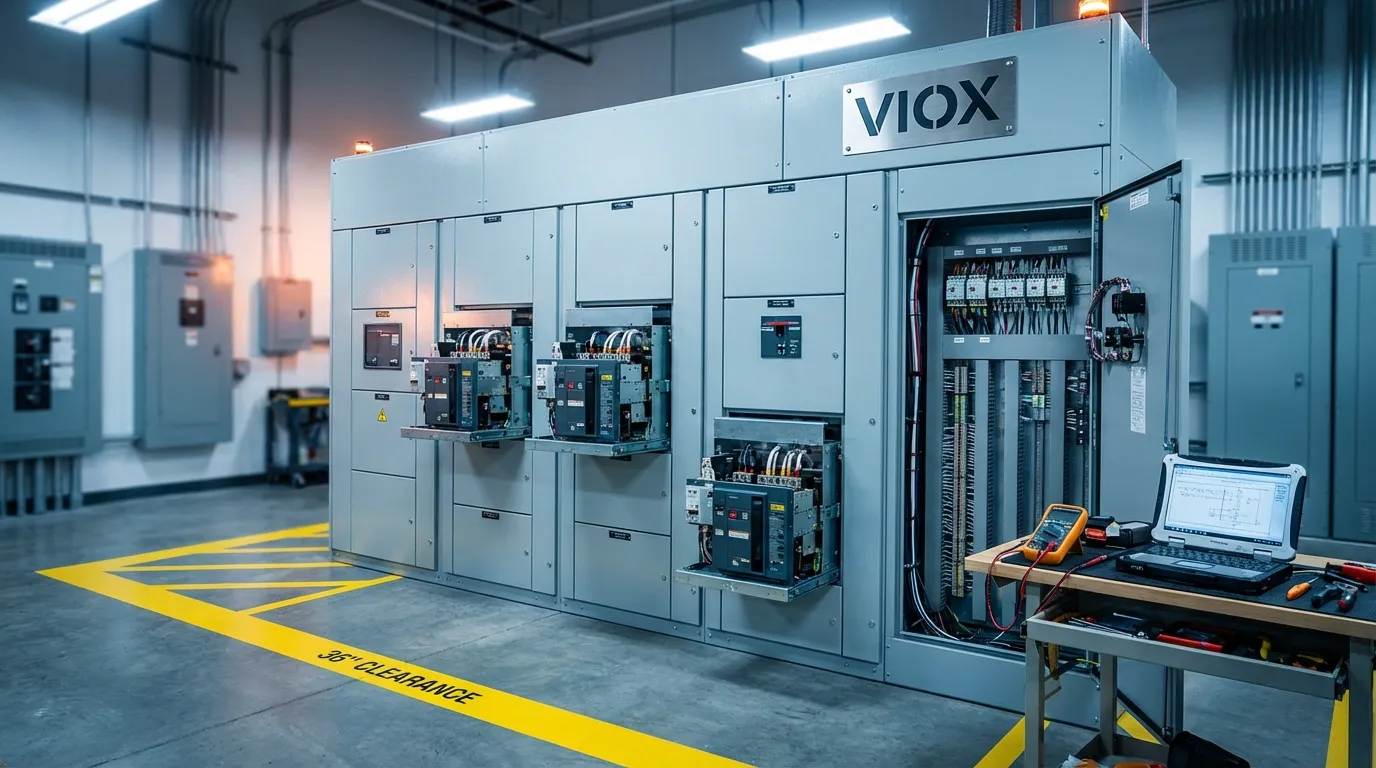
ສະຖາປັດຕະຍະກຳ ແລະອົງປະກອບຂອງ MCC
ໂຄງສ້າງ MCC ປົກກະຕິປະກອບມີລົດເມພະລັງງານແນວຕັ້ງທີ່ມີລະດັບຈາກ 600A ຫາ 6000A, ໂດຍມີລົດເມແຕະອອກແນວນອນທີ່ປ້ອນເຄື່ອງເລີ່ມຕົ້ນມໍເຕີແຕ່ລະອັນ. ແຕ່ລະຫົວໜ່ວຍຄວບຄຸມມໍເຕີປະກອບດ້ວຍການປະກອບເຄື່ອງເລີ່ມຕົ້ນແບບປະສົມປະສານ: a contactor ສຳລັບການປ່ຽນ, ເຄື່ອງສົ່ງຕໍ່ການໂຫຼດເກີນຄວາມຮ້ອນສຳລັບການປົກປ້ອງມໍເຕີ, ວິທີການຕັດການເຊື່ອມຕໍ່ສຳລັບການແຍກ, ແລະວົງຈອນຄວບຄຸມສຳລັບການດຳເນີນງານໃນທ້ອງຖິ່ນ ຫຼືທາງໄກ. MCCs ທີ່ທັນສະໄໝໂດຍທົ່ວໄປແລ້ວຈະປະສົມປະສານໄດຣຟ໌ຄວາມຖີ່ປ່ຽນແປງໄດ້, ເຄື່ອງເລີ່ມຕົ້ນອ່ອນ, ແລະເຄື່ອງສົ່ງຕໍ່ການປົກປ້ອງມໍເຕີແບບສະຖານະແຂງພາຍໃນໂຄງສ້າງຖັງດຽວກັນ.
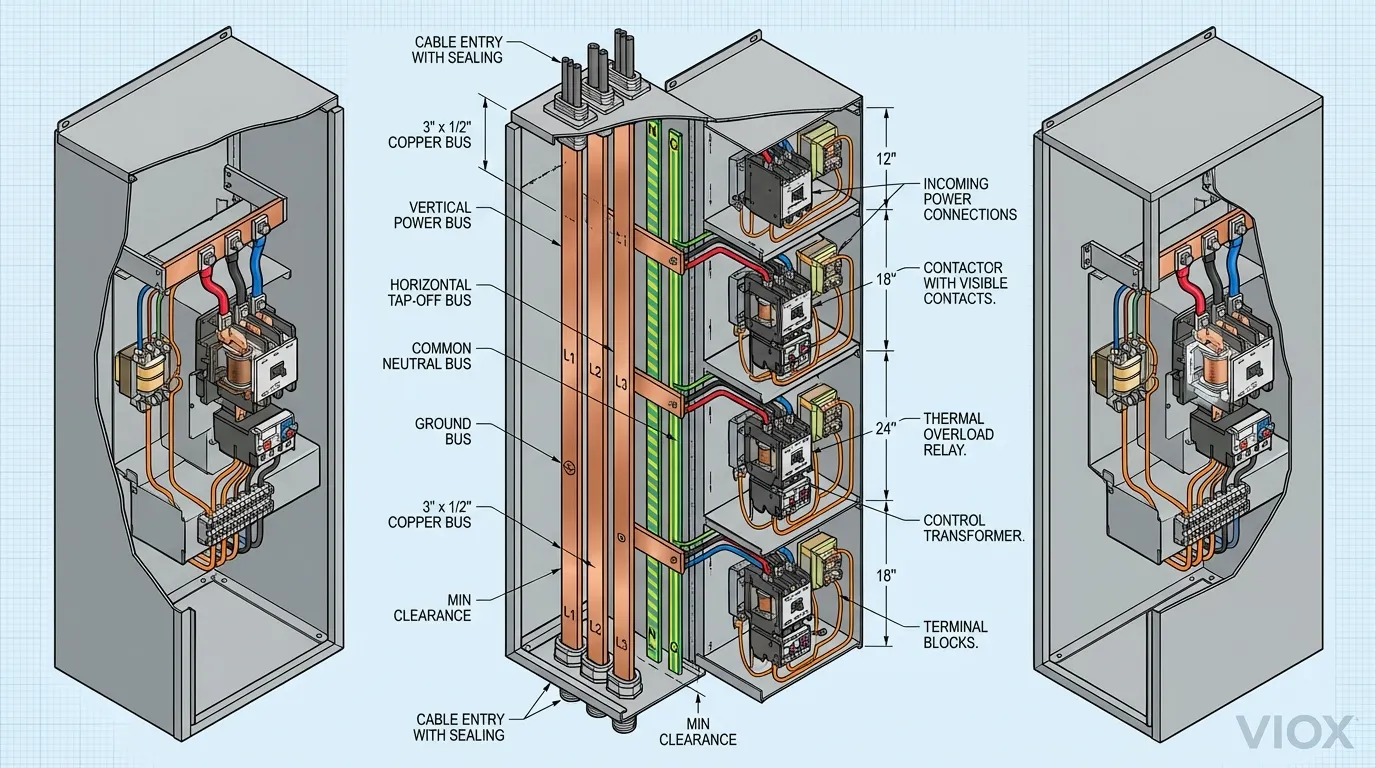
ການອອກແບບ MCC ປະຕິບັດຕາມມາດຕະຖານ IEC 61439 ຫຼື UL 845 ຂຶ້ນຢູ່ກັບຂໍ້ກຳນົດຂອງພາກພື້ນ. ທາງເລືອກລະຫວ່າງການອອກແບບຖັງແບບຕິດຄົງທີ່ ແລະແບບດຶງອອກສົ່ງຜົນກະທົບຕໍ່ການເຂົ້າເຖິງການບຳລຸງຮັກສາ ແລະຄ່າໃຊ້ຈ່າຍໃນການປ່ຽນແທນ. ການອອກແບບແບບດຶງອອກອະນຸຍາດໃຫ້ປ່ຽນຫົວໜ່ວຍຄວບຄຸມມໍເຕີແບບຮ້ອນໄດ້ໂດຍບໍ່ຕ້ອງຕັດວົງຈອນທີ່ຢູ່ຕິດກັນ, ແຕ່ມີລາຄາສູງກວ່າການຕິດຕັ້ງແບບຄົງທີ່ 30-40%.
ເງື່ອນໄຂການນຳໃຊ້ MCC
MCCs ເກັ່ງໃນການນຳໃຊ້ທີ່ຕ້ອງການການຄວບຄຸມແບບສູນກາງຂອງມໍເຕີ 10 ໜ່ວຍຂຶ້ນໄປ, ໂດຍສະເພາະຢ່າງຍິ່ງເມື່ອມໍເຕີດຳເນີນການເປັນເອກະລາດແທນທີ່ຈະເປັນລຳດັບເຄື່ອງຈັກທີ່ປະສານງານກັນ. ການຕິດຕັ້ງປົກກະຕິປະກອບມີໂຮງງານບຳບັດນ້ຳທີ່ມີມໍເຕີສູບຫຼາຍໜ່ວຍ, ລະບົບ HVAC ທີ່ໃຫ້ບໍລິການອາຄານການຄ້າຂະໜາດໃຫຍ່, ລະບົບການຈັດການວັດສະດຸທີ່ມີໄດຣຟ໌ສາຍພານກະຈາຍ, ແລະສະຖານທີ່ຜະລິດທີ່ມີເຄື່ອງຈັກຂະບວນການຈຳນວນຫຼາຍ.
ການຕັດສິນໃຈລະບຸ MCC ທຽບກັບແຜງຄວບຄຸມມໍເຕີແຕ່ລະອັນແມ່ນຂຶ້ນກັບຫຼາຍປັດໃຈ. MCCs ໃຫ້ປະສິດທິພາບດ້ານພື້ນທີ່ທີ່ດີກວ່າ—ພາກສ່ວນສູງ 90 ນິ້ວດຽວສາມາດເກັບຮັກສາເຄື່ອງເລີ່ມຕົ້ນມໍເຕີ 6-12 ໜ່ວຍເມື່ອທຽບກັບແຜງແຕ່ລະອັນທີ່ຕິດຝາທຽບເທົ່າ. ການຕິດຕັ້ງແບບສູນກາງເຮັດໃຫ້ການແຈກຢາຍພະລັງງານງ່າຍຂຶ້ນ ແລະຫຼຸດຜ່ອນແຮງງານໃນການຕິດຕັ້ງລົງ 40-60% ເມື່ອທຽບກັບແຜງກະຈາຍ. ຢ່າງໃດກໍຕາມ, MCCs ຕ້ອງການຫ້ອງໄຟຟ້າສະເພາະທີ່ມີໄລຍະຫ່າງທີ່ເໝາະສົມຕໍ່ NEC 110.26, ເຮັດໃຫ້ພວກມັນບໍ່ເໝາະສົມກັບສະຖານທີ່ທີ່ມີຮູບແບບອຸປະກອນກະຈາຍ.
ຂໍ້ກຳນົດການຄັດເລືອກ MCC
| ຂໍ້ມູນຈໍາເພາະ | ຂອບເຂດປົກກະຕິ | ເງື່ອນໄຂການຄັດເລືອກ |
|---|---|---|
| ລະດັບລົດເມ | 600A – 6000A | ຂະໜາດໂດຍອີງໃສ່ຜົນລວມຂອງ FLAs ຂອງມໍເຕີບວກກັບຂອບເຂດການເຕີບໂຕ 25% |
| ແຮງດັດ | 208V – 690V AC | ກົງກັບແຮງດັນການແຈກຢາຍຂອງສະຖານທີ່ |
| ລະດັບວົງຈອນສັ້ນ | 35kA – 100kA | ຕ້ອງເກີນກະແສໄຟຟ້າລັດວົງຈອນທີ່ມີຢູ່ຈຸດຕິດຕັ້ງ |
| ຂະໜາດຖັງ | NEMA ຂະໜາດ 1-5 | ກຳນົດໂດຍເຄື່ອງເລີ່ມຕົ້ນມໍເຕີທີ່ໃຫຍ່ທີ່ສຸດທີ່ຕ້ອງການ |
| ປະເພດຕູ້ | NEMA 1, 3R, 12 | ອີງໃສ່ສະພາບແວດລ້ອມ |
| ຄວບຄຸມແຮງດັນ | 120V AC, 24V DC | ເຮັດໃຫ້ເປັນມາດຕະຖານໃນທົ່ວສະຖານທີ່ເພື່ອປະສິດທິພາບໃນການບຳລຸງຮັກສາ |
ເມື່ອລະບຸ MCCs, ວິສະວະກອນຕ້ອງຄຳນວນລະດັບກະແສໄຟຟ້າວົງຈອນສັ້ນ (SCCR) ໂດຍໃຊ້ມາດຕະຖານທີ່ຈັດອັນດັບເປັນຊຸດ ຫຼືຄົບຖ້ວນ. SCCR ເປັນຕົວແທນໃຫ້ແກ່ກະແສໄຟຟ້າຜິດພາດສູງສຸດທີ່ MCC ສາມາດຂັດຂວາງໄດ້ຢ່າງປອດໄພໂດຍບໍ່ມີຄວາມລົ້ມເຫຼວທີ່ຮ້າຍແຮງ. ການປະເມີນ SCCR ຕໍ່າເກີນໄປສ້າງອັນຕະລາຍຕໍ່ຄວາມປອດໄພໃນຊີວິດ ແລະລະເມີດຂໍ້ກຳນົດ NEC Article 409. ການອ້າງອີງ
ສູນຄວບຄຸມພະລັງງານ (PCC): ສູນກາງການແຈກຢາຍກະແສໄຟຟ້າສູງ
ສູນຄວບຄຸມພະລັງງານເຮັດໜ້າທີ່ເປັນສ່ວນຕິດຕໍ່ການແຈກຢາຍພະລັງງານຫຼັກລະຫວ່າງການສະໜອງໄຟຟ້າ ແລະລະບົບໄຟຟ້າຂອງສະຖານທີ່. ໃນຂະນະທີ່ MCCs ສຸມໃສ່ການຄວບຄຸມມໍເຕີ, PCCs ເນັ້ນໜັກໃສ່ການແຈກຢາຍພະລັງງານ, ການວັດແທກ, ແລະການປົກປ້ອງວົງຈອນຫຼັກ. PCC ປົກກະຕິໄດ້ຮັບພະລັງງານຈາກໝໍ້ແປງໄຟຟ້າ ຫຼືແຫຼ່ງຜະລິດໃນສະຖານທີ່ ແລະແຈກຢາຍມັນໄປຫາແຜງປາຍທາງຫຼາຍອັນ—MCCs, ກະດານແຈກຢາຍ, ແລະການໂຫຼດແຕ່ລະອັນຂະໜາດໃຫຍ່.
ຄຸນລັກສະນະການອອກແບບ PCC
ໂດຍປົກກະຕິແລ້ວ PCCs ມີລະດັບລົດເມຈາກ 800A ຫາ 6300A ໂດຍມີເຄື່ອງຕັດວົງຈອນຫຼັກ ຫຼືສະວິດຕັດການເຊື່ອມຕໍ່ແບບຟິວທີ່ໃຫ້ການປົກປ້ອງກະແສໄຟຟ້າເກີນ. ສະຖາປັດຕະຍະກຳພາຍໃນປະກອບມີພາກສ່ວນການວັດແທກທີ່ມີໝໍ້ແປງກະແສໄຟຟ້າ ແລະໝໍ້ແປງທ່າແຮງສຳລັບການຕິດຕາມກວດກາພະລັງງານ, ພາກສ່ວນການແຈກຢາຍຫຼັກທີ່ມີເຄື່ອງຕັດຄວາມຈຸສູງ, ແລະພາກສ່ວນປ້ອນທີ່ແຈກຢາຍພະລັງງານໃຫ້ແກ່ແຜງປາຍທາງ.
PCCs ທີ່ທັນສະໄໝນັບມື້ນັບລວມເອົາການຕິດຕາມກວດກາຄຸນນະພາບພະລັງງານ, ການກັ່ນຕອງຮາໂມນິກ, ແລະອຸປະກອນແກ້ໄຂປັດໄຈພະລັງງານ. ລະບົບປະສົມປະສານເຫຼົ່ານີ້ແກ້ໄຂບັນຫາຄຸນນະພາບພະລັງງານຢູ່ທີ່ແຫຼ່ງແທນທີ່ຈະຕ້ອງການອຸປະກອນແກ້ໄຂແບບກະຈາຍໄປທົ່ວສະຖານທີ່. PCCs ຂັ້ນສູງອາດຈະປະກອບມີການເຮັດວຽກຂອງສະວິດໂອນອັດຕະໂນມັດ (ATS) ສຳລັບສະຖານທີ່ທີ່ມີການຜະລິດສຳຮອງ, ໂອນການໂຫຼດລະຫວ່າງໄຟຟ້າ ແລະແຫຼ່ງພະລັງງານຂອງເຄື່ອງກຳເນີດໄຟຟ້າຢ່າງບໍ່ຢຸດຢັ້ງ. ການອ້າງອີງ
PCC ທຽບກັບ MCC: ຄວາມແຕກຕ່າງດ້ານການເຮັດວຽກ
ຄວາມແຕກຕ່າງຫຼັກລະຫວ່າງ PCCs ແລະ MCCs ແມ່ນຢູ່ໃນຈຸດປະສົງການເຮັດວຽກ ແລະອົງປະກອບພາຍໃນຂອງພວກມັນ. PCCs ແຈກຢາຍພະລັງງານຈຳນວນຫຼາຍ ແລະໃຫ້ການປົກປ້ອງວົງຈອນຫຼັກ ແຕ່ໂດຍປົກກະຕິແລ້ວບໍ່ປະກອບມີອຸປະກອນຄວບຄຸມມໍເຕີແຕ່ລະອັນ. MCCs ໄດ້ຮັບພະລັງງານຈາກ PCCs ແລະໃຫ້ການເລີ່ມຕົ້ນ ແລະການປົກປ້ອງມໍເຕີທີ່ອຸທິດຕົນສຳລັບມໍເຕີຫຼາຍໜ່ວຍ. ສະຖານທີ່ອາດຈະມີ PCC ໜຶ່ງ ຫຼືສອງໜ່ວຍທີ່ປ້ອນ MCC ຫ້າຫາສິບໜ່ວຍທີ່ແຈກຢາຍໄປທົ່ວໂຮງງານ.
| ຄຸນສົມບັດ | ສູນຄວບຄຸມພະລັງງານ (PCC) | ສູນຄວບຄຸມມໍເຕີ (MCC) |
|---|---|---|
| ຟັງຊັນປະຖົມ | ການແຈກຢາຍພະລັງງານ ແລະການວັດແທກ | ການຄວບຄຸມແລະການປ້ອງກັນມໍເຕີ |
| ລະດັບລົດເມ | 800A – 6300A | 600A – 6000A |
| ອົງປະກອບຫຼັກ | ເຄື່ອງຕັດຫຼັກ, ຕົວປ້ອນ, ການວັດແທກ | ເຄື່ອງເລີ່ມຕົ້ນມໍເຕີ, ຄອນແທັກເຕີ, ການໂຫຼດເກີນ |
| ພາກສ່ວນປົກກະຕິ | 2-6 ພາກສ່ວນແນວຕັ້ງ | 4-20 ພາກສ່ວນແນວຕັ້ງ |
| ການໂຫຼດປາຍທາງ | MCCs, ແຜງແຈກຢາຍ, ອຸປະກອນຂະໜາດໃຫຍ່ | ມໍເຕີແຕ່ລະອັນ (0.5-500 HP) |
| ຄວາມສັບສົນຂອງການຄວບຄຸມ | ໜ້ອຍສຸດ (ສະຫຼັບເທົ່ານັ້ນ) | ປານກາງຫາສູງ (ເຫດຜົນເລີ່ມ/ຢຸດ) |
ແຜງຄວບຄຸມ PLC: ສະໝອງຂອງລະບົບອັດຕະໂນມັດ
ແຜງຄວບຄຸມ Programmable Logic Controller (PLC) ບັນຈຸຄອມພິວເຕີອຸດສາຫະກໍາທີ່ປະຕິບັດເຫດຜົນອັດຕະໂນມັດ, ປະມວນຜົນການປ້ອນຂໍ້ມູນເຊັນເຊີ, ແລະອຸປະກອນຜົນຜະລິດຄໍາສັ່ງ. ບໍ່ເຫມືອນກັບ MCCs ທີ່ສະຫນອງການສະຫຼັບພະລັງງານສໍາລັບມໍເຕີ, ແຜງ PLC ສຸມໃສ່ເຫດຜົນການຄວບຄຸມ, ການປະມວນຜົນຂໍ້ມູນ, ແລະການສື່ສານກັບອຸປະກອນພາກສະຫນາມແລະລະບົບການຊີ້ນໍາ.
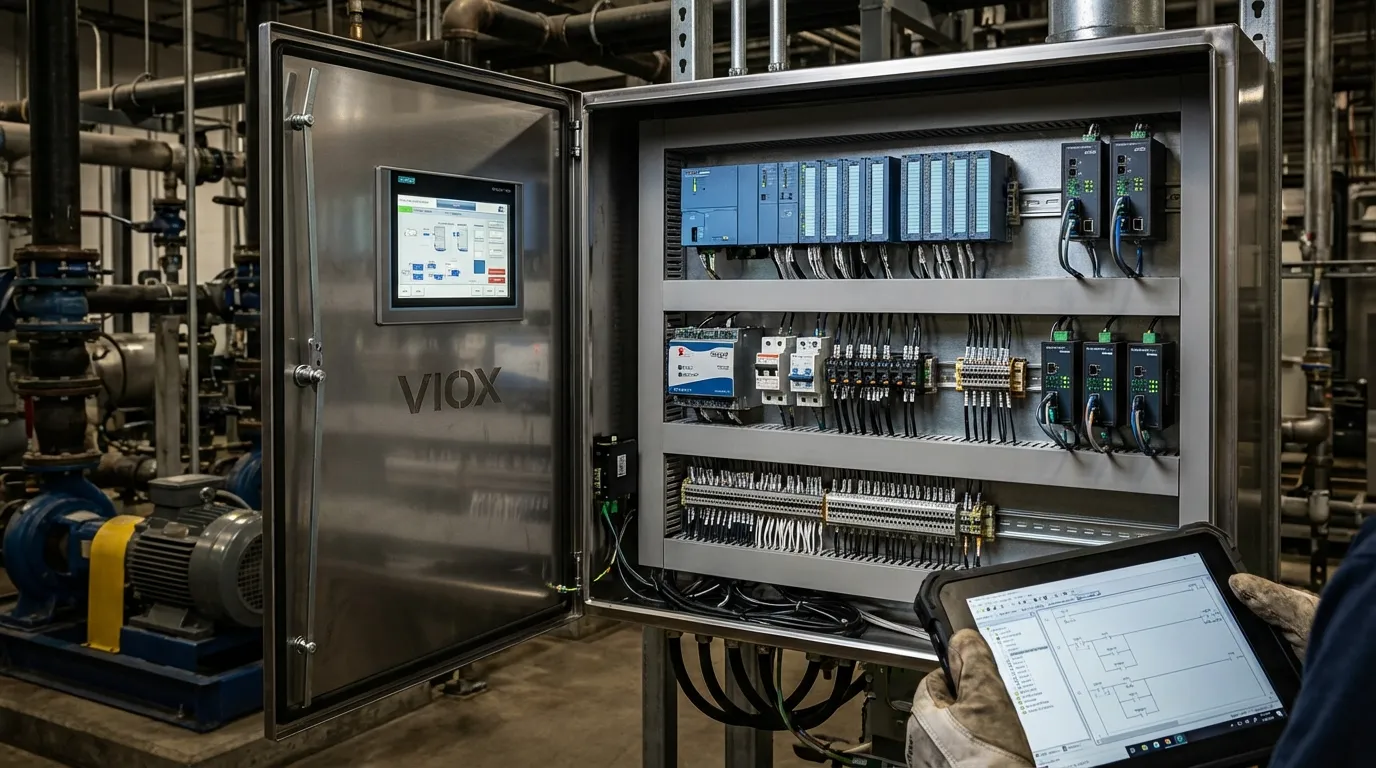
ສະຖາປັດຕະຍະກໍາແຜງ PLC
ແຜງ PLC ປົກກະຕິປະກອບດ້ວຍໂມດູນໂປເຊດເຊີ PLC, ໂມດູນ input/output (I/O) ສໍາລັບການໂຕ້ຕອບກັບອຸປະກອນພາກສະຫນາມ, ການສະຫນອງພະລັງງານທີ່ສະຫນອງພະລັງງານຄວບຄຸມ 24V DC, ໂມດູນການສື່ສານສໍາລັບເຄືອຂ່າຍ, ແລະການໂຕ້ຕອບລະຫວ່າງມະນຸດກັບເຄື່ອງຈັກ (HMI) ສໍາລັບການໂຕ້ຕອບຂອງຜູ້ປະຕິບັດງານ. ແຜງດັ່ງກ່າວຍັງປະກອບມີການປ້ອງກັນວົງຈອນສໍາລັບລະບົບ PLC, ໂດຍປົກກະຕິແລ້ວ ເຄື່ອງຕັດວົງຈອນ miniature ໃຫ້ຄະແນນ 2-10A, ແລະ ອຸປະກອນປ້ອງກັນກະແສໄຟຟ້າ ເພື່ອປ້ອງກັນແຮງດັນເກີນຊົ່ວຄາວ.
ແຜງ PLC ທີ່ທັນສະໄຫມນັບມື້ນັບລວມເອົາສະຖາປັດຕະຍະກໍາ I/O ແບບກະຈາຍໂດຍໃຊ້ໂປໂຕຄອນ Ethernet ອຸດສາຫະກໍາ—EtherNet/IP, PROFINET, ຫຼື Modbus TCP. ວິທີການນີ້ຫຼຸດຜ່ອນຄວາມສັບສົນຂອງສາຍໄຟແຜງໂດຍການຊອກຫາໂມດູນ I/O ຢູ່ໃກ້ອຸປະກອນພາກສະຫນາມແທນທີ່ຈະເປັນສູນກາງ I/O ທັງຫມົດໃນແຜງຄວບຄຸມຕົ້ນຕໍ. ແຜງ PLC ຫຼັງຈາກນັ້ນໃຫ້ບໍລິການຕົ້ນຕໍເປັນໂປເຊດເຊີແລະສູນກາງການສື່ສານແທນທີ່ຈະເປັນຈຸດຢຸດສາຍໄຟ.
ການເຊື່ອມໂຍງແຜງ PLC ທຽບກັບ MCC
ແຜງ PLC ແລະ MCCs ໃຫ້ບໍລິການຫນ້າທີ່ເສີມໃນລະບົບອັດຕະໂນມັດອຸດສາຫະກໍາ. ແຜງ PLC ປະກອບດ້ວຍຄວາມສະຫຼາດ—ການປະຕິບັດໂຄງການເຫດຜົນ ladder ທີ່ກໍານົດເວລາທີ່ມໍເຕີຄວນເລີ່ມຕົ້ນຫຼືຢຸດໂດຍອີງໃສ່ເງື່ອນໄຂຂອງຂະບວນການ. MCC ສະຫນອງຄວາມສາມາດໃນການສະຫຼັບພະລັງງານ—ຕົວຕິດຕໍ່ແລະຕົວເລີ່ມຕົ້ນມໍເຕີທີ່ຕົວຈິງແລ້ວເຮັດໃຫ້ມໍເຕີມີພະລັງງານ. ສອງລະບົບເຊື່ອມຕໍ່ກັນຜ່ານສາຍໄຟຄວບຄຸມ, ໂດຍ PLC ສະຫນອງຄໍາສັ່ງເລີ່ມ/ຢຸດໃຫ້ກັບ MCC motor starters ແລະໄດ້ຮັບຄໍາຄຶດຄໍາເຫັນສະຖານະ (ແລ່ນ, ເດີນທາງ, ສະພາບຄວາມຜິດ).
ການຕິດຕັ້ງທີ່ທັນສະໄຫມຫຼາຍຢ່າງລວມເອົາຫນ້າທີ່ PLC ໂດຍກົງເຂົ້າໄປໃນໂຄງສ້າງ MCC, ສ້າງ “MCCs ອັດສະລິຍະ” ທີ່ລວມເອົາການແຈກຢາຍພະລັງງານແລະເຫດຜົນການຄວບຄຸມໃນການປະກອບດຽວ. ການເຊື່ອມໂຍງນີ້ຫຼຸດຜ່ອນຄ່າໃຊ້ຈ່າຍໃນການຕິດຕັ້ງແລະປັບປຸງເວລາຕອບສະຫນອງໂດຍການກໍາຈັດສາຍໄຟຄວບຄຸມລະຫວ່າງແຜງແຍກຕ່າງຫາກ. ຢ່າງໃດກໍຕາມ, ມັນຍັງເພີ່ມຄວາມສັບສົນແລະອາດຈະເຮັດໃຫ້ການແກ້ໄຂບັນຫາສັບສົນເມື່ອບັນຫາໄຟຟ້າແລະການຄວບຄຸມເກີດຂື້ນພ້ອມໆກັນ.
ມາດຕະຖານການອອກແບບແຜງ PLC
ແຜງ PLC ຕ້ອງປະຕິບັດຕາມມາດຕະຖານ UL 508A (ອາເມລິກາເຫນືອ) ຫຼື IEC 61439-1 (ສາກົນ) ສໍາລັບແຜງຄວບຄຸມອຸດສາຫະກໍາ. ມາດຕະຖານເຫຼົ່ານີ້ກໍານົດຂໍ້ກໍານົດສໍາລັບການຂະຫນາດຕົວນໍາ, ການປ້ອງກັນ overcurrent, grounding, ແລະການຈັດອັນດັບສິ່ງແວດລ້ອມ. ນອກຈາກນັ້ນ, ແຜງ PLC ມັກຈະຕ້ອງຕອບສະຫນອງມາດຕະຖານຄວາມປອດໄພໃນການເຮັດວຽກ—IEC 61508 ຫຼື ISO 13849—ເມື່ອຄວບຄຸມຂະບວນການທີ່ສໍາຄັນຕໍ່ຄວາມປອດໄພ.
ການຈັດອັນດັບສິ່ງແວດລ້ອມມີຜົນກະທົບຢ່າງຫຼວງຫຼາຍຕໍ່ການອອກແບບແຜງ PLC. ມາດຕະຖານ NEMA 1 ຫຼື IP20 enclosures ພຽງພໍສໍາລັບຫ້ອງໄຟຟ້າທີ່ຄວບຄຸມສະພາບອາກາດ. ສະພາບແວດລ້ອມທີ່ຮຸນແຮງຕ້ອງການ NEMA 4X ຫຼື IP66 enclosures ທີ່ມີການປະທັບຕາສາຍເຄເບີ້ນ, ການຄວບຄຸມສະພາບອາກາດພາຍໃນ, ແລະວັດສະດຸທີ່ທົນທານຕໍ່ການກັດກ່ອນ. ອົງປະກອບ PLC ຕົວຂອງມັນເອງໂດຍທົ່ວໄປແລ້ວເຮັດວຽກພາຍໃນອຸນຫະພູມອາກາດລ້ອມຮອບ 0-55°C, ເຊິ່ງຮຽກຮ້ອງໃຫ້ມີການເຮັດຄວາມເຢັນຢ່າງຫ້າວຫັນໃນສະພາບແວດລ້ອມທີ່ຮ້ອນຫຼື enclosures ຄວາມຮ້ອນໃນສະພາບອາກາດເຢັນ.
ແຜງ Variable Frequency Drive (VFD): ການຄວບຄຸມມໍເຕີປະສິດທິພາບດ້ານພະລັງງານ
ແຜງ Variable Frequency Drive ບັນຈຸເອເລັກໂຕຣນິກພະລັງງານທີ່ຄວບຄຸມຄວາມໄວຂອງມໍເຕີ AC ໂດຍການປ່ຽນແປງຄວາມຖີ່ແລະແຮງດັນທີ່ສະຫນອງໃຫ້ກັບມໍເຕີ. VFDs ເປີດໃຊ້ການຄວບຄຸມຄວາມໄວທີ່ຊັດເຈນ, ການເລີ່ມຕົ້ນອ່ອນໆເພື່ອຫຼຸດຜ່ອນຄວາມກົດດັນກົນຈັກ, ແລະການປະຫຍັດພະລັງງານຢ່າງຫຼວງຫຼາຍໃນຄໍາຮ້ອງສະຫມັກແຮງບິດຕົວປ່ຽນແປງເຊັ່ນ: ປັ໊ມແລະພັດລົມ.
ອົງປະກອບແລະຂໍ້ຄວນພິຈາລະນາຂອງແຜງ VFD
ແຜງ VFD ປະກອບດ້ວຍ VFD ຕົວມັນເອງ (rectifier, DC bus, ແລະພາກສ່ວນ inverter), ການປ້ອງກັນວົງຈອນ input (ເຄື່ອງຕັດວົງຈອນ ຫຼື fuses), output contactors ສໍາລັບການແຍກມໍເຕີ, ແລະ EMI/RFI filtering ເພື່ອຫຼຸດຜ່ອນການລົບກວນ electromagnetic. VFDs ສ້າງຄວາມຮ້ອນຢ່າງຫຼວງຫຼາຍ—ໂດຍປົກກະຕິແລ້ວ 3-5% ຂອງພະລັງງານທີ່ໃຫ້ຄະແນນຈະລະລາຍເປັນຄວາມຮ້ອນພາຍໃນໄດຣຟ໌—ຮຽກຮ້ອງໃຫ້ມີການຄຸ້ມຄອງຄວາມຮ້ອນຢ່າງລະມັດລະວັງໂດຍຜ່ານການລະບາຍອາກາດ, heat sinks, ຫຼືການເຮັດຄວາມເຢັນຢ່າງຫ້າວຫັນ.
ການຕິດຕັ້ງ VFD ຕ້ອງແກ້ໄຂການບິດເບືອນ harmonic ທີ່ນໍາສະເຫນີເຂົ້າໄປໃນລະບົບໄຟຟ້າ. Six-pulse VFDs (ປະເພດທົ່ວໄປທີ່ສຸດ) ສ້າງກະແສ harmonic ທີ 5 ແລະ 7 ທີ່ສໍາຄັນທີ່ສາມາດເຮັດໃຫ້ເກີດຄວາມຮ້ອນເກີນຂອງ transformer, ການໂຫຼດເກີນຂອງຕົວນໍາທີ່ເປັນກາງ, ແລະການລົບກວນອຸປະກອນເອເລັກໂຕຣນິກທີ່ລະອຽດອ່ອນ. ວິທີແກ້ໄຂປະກອບມີ line reactors, DC bus choke coils, ຫຼື active harmonic filters. ສະຖານທີ່ທີ່ມີ VFDs ຫຼາຍຄວນດໍາເນີນການວິເຄາະ harmonic ເພື່ອຮັບປະກັນວ່າການບິດເບືອນ harmonic ທັງຫມົດຍັງຄົງຕໍ່າກວ່າ 5% ຕໍ່ຄໍາແນະນໍາຂອງ IEEE 519.
ຜົນປະໂຫຍດຂອງການນໍາໃຊ້ແຜງ VFD
VFDs ໃຫ້ຜົນປະໂຫຍດທີ່ຫນ້າສົນໃຈໃນຄໍາຮ້ອງສະຫມັກທີ່ເຫມາະສົມ. ປັ໊ມ centrifugal ແລະພັດລົມສະແດງໃຫ້ເຫັນຄວາມສໍາພັນ cubic ລະຫວ່າງຄວາມໄວແລະການບໍລິໂພກພະລັງງານ—ການຫຼຸດຜ່ອນຄວາມໄວລົງ 20% ຫຼຸດຜ່ອນການບໍລິໂພກພະລັງງານປະມານ 50%. ຄຸນລັກສະນະນີ້ຊ່ວຍໃຫ້ການປະຫຍັດພະລັງງານຢ່າງຫຼວງຫຼາຍໃນຄໍາຮ້ອງສະຫມັກການໄຫຼຕົວປ່ຽນແປງ. ນອກຈາກນັ້ນ, VFDs ກໍາຈັດຄວາມກົດດັນໃນການເລີ່ມຕົ້ນກົນຈັກ, ຂະຫຍາຍມໍເຕີແລະອາຍຸຂອງອຸປະກອນທີ່ຂັບເຄື່ອນໂດຍ 30-50% ເມື່ອທຽບກັບການເລີ່ມຕົ້ນຂ້າມເສັ້ນ.
ຢ່າງໃດກໍຕາມ, VFDs ບໍ່ໄດ້ເປັນປະໂຫຍດທົ່ວໄປ. ຄໍາຮ້ອງສະຫມັກຄວາມໄວຄົງທີ່ບໍ່ໄດ້ຮັບການປະຫຍັດພະລັງງານຈາກການຄວບຄຸມ VFD. VFD ຕົວມັນເອງບໍລິໂພກ 2-3% ຂອງພະລັງງານທີ່ໃຫ້ຄະແນນເຖິງແມ່ນວ່າຢູ່ໃນຄວາມໄວເຕັມທີ່, ສ້າງການສູນເສຍພະລັງງານສຸດທິເມື່ອທຽບກັບການເຊື່ອມຕໍ່ມໍເຕີໂດຍກົງ. VFDs ຍັງແນະນໍາກະແສແບກມໍເຕີທີ່ສາມາດເຮັດໃຫ້ເກີດຄວາມລົ້ມເຫຼວຂອງແບກກ່ອນໄວອັນຄວນເວັ້ນເສຍແຕ່ວ່າຫຼຸດຜ່ອນໂດຍຜ່ານການ insulated bearings, shaft grounding, ຫຼື filtered output reactors. ການອ້າງອີງ
| ຄໍາຮ້ອງເພດ | ຜົນປະໂຫຍດ VFD | ທ່າແຮງການປະຫຍັດພະລັງງານ |
|---|---|---|
| Variable-torque (ປັ໊ມ, ພັດລົມ) | ສູງ | 20-50% ປົກກະຕິ |
| Constant-torque (ສາຍພານລໍາລຽງ, extruders) | ປານກາງ | 5-15% ປົກກະຕິ |
| Constant-speed (ຂະບວນການຄວາມໄວຄົງທີ່) | ຕໍ່າ | 0-5% (ອາດຈະເປັນລົບ) |
| High-inertia loads (flywheels, crushers) | ປານກາງ | 10-25% ປົກກະຕິ |
ແຜງແຈກຢາຍ: ການແຈກຢາຍພະລັງງານໃນລະດັບວົງຈອນ
ແຜງແຈກຢາຍ—ເອີ້ນກັນວ່າ panelboards ຫຼື load centers—ສະຫນອງລະດັບສຸດທ້າຍຂອງການແຈກຢາຍພະລັງງານ, ແບ່ງພະລັງງານ bulk ເຂົ້າໄປໃນວົງຈອນສາຂາສ່ວນບຸກຄົນທີ່ໃຫ້ແສງສະຫວ່າງ, receptacles, ແລະອຸປະກອນຂະຫນາດນ້ອຍ. ໃນຂະນະທີ່ MCCs ແລະ PCCs ຈັດການການແຈກຢາຍພະລັງງານສູງ, ແຜງແຈກຢາຍສຸມໃສ່ການປ້ອງກັນໃນລະດັບວົງຈອນແລະການແຈກຢາຍສໍາລັບການໂຫຼດພະລັງງານຕ່ໍາ.
ໂຄງສ້າງແຜງແຈກຢາຍ
ແຜງແຈກຢາຍປົກກະຕິປະກອບດ້ວຍ circuit breaker ຕົ້ນຕໍ (ຫຼື main lugs ສໍາລັບຄໍາຮ້ອງສະຫມັກ feed-through), bus bar ແຈກຢາຍພະລັງງານໃຫ້ກັບຕໍາແຫນ່ງສາຂາ, ແລະ circuit breakers ສາຂາປົກປ້ອງວົງຈອນສ່ວນບຸກຄົນ. ການຈັດອັນດັບແຜງຕັ້ງແຕ່ 100A ຫາ 600A, ໂດຍມີການຕັ້ງຄ່າສາມເຟດ 120/208V ຫຼື 277/480V ທົ່ວໄປທີ່ສຸດໃນຄໍາຮ້ອງສະຫມັກທາງການຄ້າແລະອຸດສາຫະກໍາ.
ແຜງແຈກຢາຍທີ່ທັນສະໄຫມນັບມື້ນັບລວມເອົາ ອຸປະກອນປ້ອງກັນກະແສໄຟຟ້າ ເພື່ອປ້ອງກັນແຮງດັນເກີນຊົ່ວຄາວຈາກຟ້າຜ່າຫຼືເຫດການສະຫຼັບ. Type 2 SPDs ຕິດຕັ້ງຢູ່ແຜງແຈກຢາຍໃຫ້ການປົກປ້ອງຂັ້ນສອງສໍາລັບການໂຫຼດເອເລັກໂຕຣນິກທີ່ລະອຽດອ່ອນ, ເສີມ ປະເພດ 1 SPDs ຕິດຕັ້ງຢູ່ອຸປະກອນທາງເຂົ້າບໍລິການ.
ແຜງແຈກຢາຍທຽບກັບຄໍາຮ້ອງສະຫມັກ MCC
ແຜງແຈກຢາຍແລະ MCCs ໃຫ້ບໍລິການໂປຣໄຟລ໌ການໂຫຼດທີ່ແຕກຕ່າງກັນ. MCCs ເກັ່ງໃນການຄວບຄຸມມໍເຕີ—ການເລີ່ມຕົ້ນ, ການຢຸດ, ແລະການປົກປ້ອງມໍເຕີຈາກການໂຫຼດເກີນແລະສະພາບຄວາມຜິດ. ແຜງແຈກຢາຍສຸມໃສ່ແສງສະຫວ່າງ, receptacles, ມໍເຕີຂະຫນາດນ້ອຍ (ພາຍໃຕ້ 2 HP), ແລະອຸປະກອນເອເລັກໂຕຣນິກ. ສະຖານທີ່ໂດຍທົ່ວໄປແລ້ວມີແຜງແຈກຢາຍຫຼາຍກວ່າ MCCs, ໂດຍມີແຜງແຈກຢາຍຕັ້ງຢູ່ທົ່ວອາຄານໃກ້ກັບການໂຫຼດທີ່ພວກເຂົາໃຫ້ບໍລິການ.
ການເລືອກລະຫວ່າງແຜງແຈກຢາຍແລະ MCC ສໍາລັບການໂຫຼດມໍເຕີແມ່ນຂຶ້ນກັບຂະຫນາດມໍເຕີແລະຄວາມຕ້ອງການຄວບຄຸມ. ມໍເຕີພາຍໃຕ້ 2 HP ໂດຍທົ່ວໄປແລ້ວເຊື່ອມຕໍ່ກັບວົງຈອນສາຂາແຜງແຈກຢາຍກັບ manual motor starters. ມໍເຕີຈາກ 2-10 HP ອາດຈະໃຊ້ວິທີການໃດຫນຶ່ງຂຶ້ນຢູ່ກັບຄວາມສັບສົນຂອງການຄວບຄຸມ. ມໍເຕີຂ້າງເທິງ 10 HP ເກືອບສະເຫມີໄປຮັບປະກັນການຕິດຕັ້ງ MCC ເນື່ອງຈາກຄວາມຕ້ອງການໃນປະຈຸບັນທີ່ສູງຂຶ້ນແລະຄວາມຕ້ອງການສໍາລັບການຄວບຄຸມປະສານງານກັບອຸປະກອນອື່ນໆ. ການອ້າງອີງ
ແຜງຄວບຄຸມທີ່ກໍາຫນົດເອງ: ວິທີແກ້ໄຂສະເພາະຄໍາຮ້ອງສະຫມັກ
ແຜງຄວບຄຸມທີ່ກໍາຫນົດເອງແກ້ໄຂຄວາມຕ້ອງການທີ່ເປັນເອກະລັກທີ່ມາດຕະຖານ MCC, PLC, ຫຼືການຕັ້ງຄ່າແຜງແຈກຢາຍບໍ່ສາມາດຮອງຮັບໄດ້ຢ່າງມີປະສິດທິພາບ. ການປະກອບວິສະວະກໍາເຫຼົ່ານີ້ລວມເອົາການແຈກຢາຍພະລັງງານ, ການຄວບຄຸມມໍເຕີ, ເຫດຜົນ PLC, ການໂຕ້ຕອບຂອງຜູ້ປະຕິບັດງານ, ແລະອຸປະກອນພິເສດເຂົ້າໄປໃນ enclosures ທີ່ສ້າງຂຶ້ນເພື່ອຈຸດປະສົງທີ່ເຫມາະສົມສໍາລັບເຄື່ອງຈັກຫຼືຂະບວນການສະເພາະ.
ໄດເວີການອອກແບບແຜງທີ່ກໍາຫນົດເອງ
ຫຼາຍປັດໃຈຂັບລົດສະເພາະແຜງທີ່ກໍາຫນົດເອງ. ຜູ້ສ້າງເຄື່ອງຈັກມັກຈະຕ້ອງການແຜງຄວບຄຸມປະສົມປະສານທີ່ລວມເອົາການຄວບຄຸມມໍເຕີ, ເຫດຜົນ PLC, ວົງຈອນຄວາມປອດໄພ, ແລະການໂຕ້ຕອບຂອງຜູ້ປະຕິບັດງານໃນ enclosure ຫນາແຫນ້ນທີ່ຕິດໂດຍກົງໃສ່ເຄື່ອງຈັກ. ອຸດສາຫະກໍາຂະບວນການອາດຈະຕ້ອງການແຜງກັນລະເບີດທີ່ຕອບສະຫນອງມາດຕະຖານ NFPA 496 ຫຼື IEC 60079 ສໍາລັບສະຖານທີ່ອັນຕະລາຍ. ຄໍາຮ້ອງສະຫມັກ Retrofit ອາດຈະຕ້ອງການແຜງທີ່ກໍາຫນົດເອງທີ່ກົງກັບການໂຕ້ຕອບອຸປະກອນທີ່ມີຢູ່ແລະ footprints.
ແຜງທີ່ກໍາຫນົດເອງສະເຫນີຄວາມຍືດຫຍຸ່ນສູງສຸດແຕ່ຕ້ອງການວິສະວະກໍາຢ່າງລະມັດລະວັງເພື່ອຮັບປະກັນການປະຕິບັດຕາມມາດຕະຖານ UL 508A ຫຼື IEC 61439. ຜູ້ອອກແບບແຜງຕ້ອງຄິດໄລ່ SCCR, ກວດສອບ ampacity ຕົວນໍາ, ປະສານງານການປ້ອງກັນ overcurrent, ແລະເອກະສານການອອກແບບໂດຍຜ່ານ schematics ໄຟຟ້າທີ່ສົມບູນແບບ. ຫຼາຍເຂດອໍານາດສານຮຽກຮ້ອງໃຫ້ມີການຢັ້ງຢືນຂອງພາກສ່ວນທີສາມ (UL, ETL, CSA) ສໍາລັບແຜງຄວບຄຸມທີ່ກໍາຫນົດເອງ, ເພີ່ມຄ່າໃຊ້ຈ່າຍແລະເວລານໍາເມື່ອທຽບກັບຜະລິດຕະພັນ MCC ຫຼືແຜງແຈກຢາຍມາດຕະຖານ.
ແຜງທີ່ກໍາຫນົດເອງທຽບກັບເສດຖະກິດ MCC ມາດຕະຖານ
ຈຸດແບ່ງແຍກທາງດ້ານເສດຖະກິດລະຫວ່າງແຜງທີ່ກໍາຫນົດເອງແລະ MCCs ມາດຕະຖານເກີດຂື້ນປະມານ 6-8 ວົງຈອນຄວບຄຸມມໍເຕີ. ຕ່ໍາກວ່າຂອບເຂດນີ້, ແຜງທີ່ກໍາຫນົດເອງມັກຈະພິສູດໄດ້ວ່າປະຫຍັດຄ່າໃຊ້ຈ່າຍຫຼາຍກວ່າເນື່ອງຈາກການຫຼຸດຜ່ອນ footprint ແລະການກໍາຈັດຕໍາແຫນ່ງ MCC bucket ທີ່ບໍ່ໄດ້ໃຊ້. ຂ້າງເທິງຂອບເຂດນີ້, MCC modularity ແລະອົງປະກອບມາດຕະຖານໂດຍທົ່ວໄປສະເຫນີມູນຄ່າທີ່ດີກວ່າ.
ຢ່າງໃດກໍຕາມ, ເສດຖະກິດຢ່າງດຽວບໍ່ຄວນຂັບລົດການຕັດສິນໃຈ. ແຜງທີ່ກໍາຫນົດເອງເກັ່ງໃນເວລາທີ່ການເຊື່ອມໂຍງທີ່ແຫນ້ນຫນາລະຫວ່າງການຄວບຄຸມແລະອົງປະກອບພະລັງງານແມ່ນສໍາຄັນ, ເມື່ອຂໍ້ຈໍາກັດພື້ນທີ່ຫ້າມຂະຫນາດ MCC ມາດຕະຖານ, ຫຼືເມື່ອຄວາມຕ້ອງການດ້ານສິ່ງແວດລ້ອມພິເສດ (wash-down, corrosive atmospheres, ອຸນຫະພູມທີ່ຮຸນແຮງ) ຮຽກຮ້ອງໃຫ້ມີການອອກແບບ enclosure ທີ່ກໍາຫນົດເອງ.
ແຜງຄວບຄຸມອັດສະລິຍະ: ການເຊື່ອມໂຍງອຸດສາຫະກໍາ 4.0
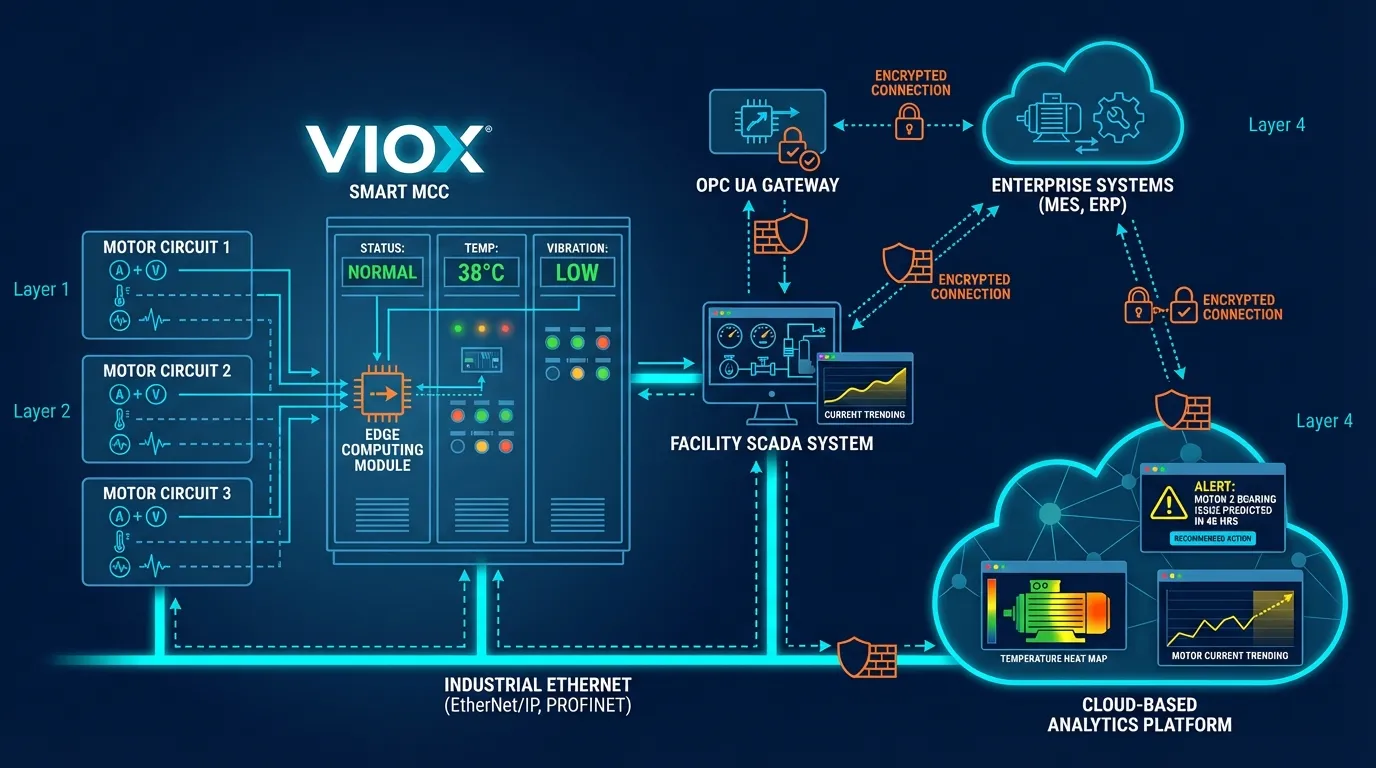
ແຜງຄວບຄຸມອັດສະລິຍະເປັນຕົວແທນຂອງການວິວັດທະນາການຂອງລະບົບຄວບຄຸມແບບດັ້ງເດີມໄປສູ່ການເຊື່ອມຕໍ່ອຸດສາຫະກໍາ 4.0 ແລະການບໍາລຸງຮັກສາການຄາດຄະເນ. ແຜງຂັ້ນສູງເຫຼົ່ານີ້ລວມເອົາເຊັນເຊີ IoT, ການຄອມພິວເຕີ້ຂອບ, ແລະການເຊື່ອມຕໍ່ຄລາວເພື່ອສະຫນອງການຕິດຕາມກວດກາປະສິດທິພາບໃນເວລາຈິງ, ການວິເຄາະຄວາມລົ້ມເຫຼວຂອງການຄາດຄະເນ, ແລະການວິນິດໄສຫ່າງໄກສອກຫຼີກ.
ຄວາມສາມາດຂອງແຜງອັດສະລິຍະ
MCCs ອັດສະລິຍະທີ່ທັນສະໄຫມແລະແຜງຄວບຄຸມລວມເອົາການຕິດຕາມກວດກາປະຈຸບັນແລະແຮງດັນໄຟຟ້າຢູ່ໃນວົງຈອນມໍເຕີສ່ວນບຸກຄົນ, ການຕິດຕາມກວດກາຄວາມຮ້ອນຂອງອົງປະກອບທີ່ສໍາຄັນ, ແລະການວິເຄາະການສັ່ນສະເທືອນສໍາລັບອຸປະກອນຫມູນວຽນ. ຂໍ້ມູນນີ້ປ້ອນເຂົ້າໄປໃນເວທີການວິເຄາະທີ່ກວດພົບຄວາມຜິດປົກກະຕິທີ່ຊີ້ບອກເຖິງຄວາມລົ້ມເຫຼວທີ່ຈະເກີດຂື້ນ—ການສວມໃສ່, ການເສື່ອມສະພາບຂອງ insulation, ຫຼືການ misalignment ກົນຈັກ—ເຮັດໃຫ້ການບໍາລຸງຮັກສາຕາມເງື່ອນໄຂແທນທີ່ຈະເປັນຕາຕະລາງການບໍາລຸງຮັກສາປ້ອງກັນຕາມເວລາ.
ໂປໂຕຄອນການສື່ສານປະກອບເປັນກະດູກສັນຫຼັງຂອງຫນ້າທີ່ແຜງອັດສະລິຍະ. ມາດຕະຖານ Ethernet ອຸດສາຫະກໍາ (EtherNet/IP, PROFINET, Modbus TCP) ສະຫນອງການສື່ສານຄວາມໄວສູງ, deterministic ລະຫວ່າງອົງປະກອບແຜງແລະລະບົບການຊີ້ນໍາ. OPC UA (Open Platform Communications Unified Architecture) ເປີດໃຊ້ການແລກປ່ຽນຂໍ້ມູນທີ່ປອດໄພ, ມາດຕະຖານລະຫວ່າງລະບົບຄວບຄຸມແລະລະບົບ IT ຂອງວິສາຫະກິດ, bridging ເຕັກໂນໂລຢີການດໍາເນີນງານແບບດັ້ງເດີມ (OT) ແລະການແບ່ງແຍກເຕັກໂນໂລຢີຂໍ້ມູນຂ່າວສານ (IT).
ຂໍ້ຄວນພິຈາລະນາໃນການປະຕິບັດແຜງອັດສະລິຍະ
ການປະຕິບັດແຜງຄວບຄຸມອັດສະລິຍະຮຽກຮ້ອງໃຫ້ມີການວາງແຜນຄວາມປອດໄພທາງອິນເຕີເນັດຢ່າງລະມັດລະວັງ. ແຜງທີ່ເຊື່ອມຕໍ່ສ້າງ vectors ການໂຈມຕີທີ່ອາດມີສໍາລັບນັກສະແດງທີ່ເປັນອັນຕະລາຍທີ່ຊອກຫາທີ່ຈະລົບກວນການດໍາເນີນງານຫຼືລັກຊັບສິນທາງປັນຍາ. ຍຸດທະສາດການປ້ອງກັນໃນຄວາມເລິກ—ການແບ່ງສ່ວນເຄືອຂ່າຍ, ການກວດສອບຄວາມຖືກຕ້ອງ, ການເຂົ້າລະຫັດ, ແລະການກວດສອບການບຸກລຸກ—ແມ່ນສິ່ງຈໍາເປັນສໍາລັບການປົກປ້ອງລະບົບຄວບຄຸມອຸດສາຫະກໍາຈາກໄພຂົ່ມຂູ່ທາງອິນເຕີເນັດ.
ປະລິມານຂໍ້ມູນທີ່ສ້າງຂຶ້ນໂດຍແຜງອັດສະລິຍະສາມາດລົ້ນເຫຼືອລະບົບຄວບຄຸມແບບດັ້ງເດີມ. MCC ອັດສະລິຍະດຽວທີ່ຕິດຕາມກວດກາ 50 ມໍເຕີອາດຈະສ້າງ 100,000 ຈຸດຂໍ້ມູນຕໍ່ນາທີ. ການຄອມພິວເຕີ້ຂອບ—ການປະມວນຜົນຂໍ້ມູນຢູ່ໃນທ້ອງຖິ່ນພາຍໃນແຜງແທນທີ່ຈະສົ່ງທຸກສິ່ງທຸກຢ່າງໄປຫາເຄື່ອງແມ່ຂ່າຍສູນກາງ—ຫຼຸດຜ່ອນຄວາມຕ້ອງການແບນວິດເຄືອຂ່າຍແລະເປີດໃຊ້ການຕອບສະຫນອງໃນເວລາຈິງຕໍ່ສະພາບທີ່ສໍາຄັນ.
ກອບການຄັດເລືອກແຜງຄວບຄຸມ
ການເລືອກປະເພດແຜງຄວບຄຸມທີ່ເຫມາະສົມຮຽກຮ້ອງໃຫ້ມີການປະເມີນຜົນຢ່າງເປັນລະບົບກ່ຽວກັບຄວາມຕ້ອງການໄຟຟ້າ, ສະພາບແວດລ້ອມ, ຄວາມສັບສົນຂອງການຄວບຄຸມ, ແລະຄວາມຕ້ອງການຂະຫຍາຍຕົວໃນອະນາຄົດ. ກອບຕໍ່ໄປນີ້ຊີ້ ນຳ ຂະບວນການຕັດສິນໃຈນີ້.
ການວິເຄາະສະເພາະໄຟຟ້າ
ເລີ່ມຕົ້ນໂດຍການບັນທຶກການໂຫຼດໄຟຟ້າທັງໝົດທີ່ແຜງຕ້ອງໃຫ້ບໍລິການ: ແຮງມ້າ ແລະ ແຮງດັນໄຟຟ້າຂອງມໍເຕີ, ການໂຫຼດໄຟ ແລະ ເຕົ້າສຽບ, ຄວາມຕ້ອງການພະລັງງານຄວບຄຸມ, ແລະ ອຸປະກອນພິເສດໃດໆ. ຄຳນວນການໂຫຼດທີ່ເຊື່ອມຕໍ່ທັງໝົດ, ປັດໄຈຄວາມຕ້ອງການຕໍ່ NEC Article 220, ແລະ ຄວາມສາມາດໃນການບັນຈຸລົດເມທີ່ຕ້ອງການດ້ວຍຂອບເຂດການຂະຫຍາຍຕົວ 25%. ກຳນົດກະແສໄຟຟ້າຜິດປົກກະຕິທີ່ມີຢູ່ຈຸດຕິດຕັ້ງເພື່ອກຳນົດລະດັບ SCCR ທີ່ເໝາະສົມ. ການອ້າງອີງ
ການປະເມີນສິ່ງແວດລ້ອມ
ປະເມີນສະພາບແວດລ້ອມການຕິດຕັ້ງທຽບກັບຄວາມຕ້ອງການລະດັບ NEMA ຫຼື IP. ຫ້ອງໄຟຟ້າພາຍໃນ, ຄວບຄຸມອຸນຫະພູມໂດຍທົ່ວໄປແລ້ວຕ້ອງການພຽງແຕ່ NEMA 1 (IP20). ການຕິດຕັ້ງກາງແຈ້ງຕ້ອງການ NEMA 3R (IP24) ຂັ້ນຕ່ຳສຳລັບການປ້ອງກັນສະພາບອາກາດ. ພື້ນທີ່ລ້າງ, ບັນຍາກາດທີ່ກັດກ່ອນ, ຫຼືສະພາບແວດລ້ອມທີ່ມີຝຸ່ນອາດຈະຕ້ອງການ NEMA 4X (IP66) ຕູ້ສະແຕນເລດທີ່ມີສາຍເຄເບີ້ນທີ່ຜະນຶກເຂົ້າກັນ ແລະ ການຄວບຄຸມອຸນຫະພູມພາຍໃນ. ການອ້າງອີງ
ການປະເມີນຄວາມສັບສົນຂອງການຄວບຄຸມ
ປະເມີນຄວາມຕ້ອງການຄວບຄຸມຕາມລະດັບຈາກການປ່ຽນຄູ່ມືແບບງ່າຍດາຍໄປສູ່ລຳດັບອັດຕະໂນມັດທີ່ສັບສົນ. ການຄວບຄຸມມໍເຕີດ້ວຍມືດ້ວຍສະຖານີເລີ່ມຕົ້ນ/ຢຸດທ້ອງຖິ່ນຊີ້ໃຫ້ເຫັນແຜງຄວບຄຸມມໍເຕີສ່ວນບຸກຄົນ ຫຼື ການຕິດຕັ້ງ MCC ພື້ນຖານ. ລຳດັບຫຼາຍມໍເຕີທີ່ປະສານງານກັນດ້ວຍການເຊື່ອມຕໍ່ກັນ ແລະ ຂໍ້ຄິດເຫັນຂອງຂະບວນການຊີ້ໃຫ້ເຫັນຄວາມຕ້ອງການແຜງຄວບຄຸມ PLC. ແອັບພລິເຄຊັນທີ່ສຳຄັນຕໍ່ຄວາມປອດໄພທີ່ຕ້ອງການລະບົບຄວບຄຸມທີ່ຊ້ຳຊ້ອນ ແລະ ໜ້າທີ່ຄວາມປອດໄພທີ່ໄດ້ຮັບການຢັ້ງຢືນຕ້ອງການແຜງ PLC ຄວາມປອດໄພພິເສດທີ່ຕອບສະໜອງລະດັບ IEC 61508 SIL.
Matrix ການເລືອກປະເພດແຜງ
| ໂປຣໄຟລ໌ການໂຫຼດ | ຄວາມສັບສົນຂອງການຄວບຄຸມ | ປະເພດແຜງທີ່ແນະນຳ | ສໍາຄັນພິຈາລະ |
|---|---|---|---|
| 10+ ມໍເຕີ, ການດຳເນີນງານທີ່ເປັນເອກະລາດ | ຄູ່ມືເຖິງປານກາງ | ສູນຄວບຄຸມມໍເຕີ (MCC) | ສະຖານທີ່ສູນກາງ, ຕ້ອງການຫ້ອງໄຟຟ້າສະເພາະ |
| ການແຈກຢາຍກະແສໄຟຟ້າສູງ (>800A) | ໜ້ອຍທີ່ສຸດ | ສູນຄວບຄຸມພະລັງງານ (PCC) | ສະຖານທີ່ທາງເຂົ້າບໍລິການ, ການປະສານງານຜົນປະໂຫຍດ |
| ອັດຕະໂນມັດຂະບວນການ, ຫຼາຍ I/O | ສູງ | ແຜງຄວບຄຸມ PLC | ສະຖາປັດຕະຍະກຳເຄືອຂ່າຍ, ຄວາມຕ້ອງການ HMI |
| ມໍເຕີປ່ຽນຄວາມໄວ | ປານກາງ | ແຜງ VFD | ການຫຼຸດຜ່ອນຄວາມກົມກຽວ, ການຈັດການຄວາມຮ້ອນ |
| ໄຟ, ເຕົ້າສຽບ, ມໍເຕີຂະໜາດນ້ອຍ | ຕໍ່າ | ແຜງແຈກຢາຍ | ສະຖານທີ່ແຈກຢາຍ, ການປ້ອງກັນກະແສໄຟຟ້າ |
| ການເຊື່ອມໂຍງສະເພາະເຄື່ອງຈັກ | ຕົວແປ | ແຜງຄວບຄຸມແບບກຳນົດເອງ | ຂໍ້ຈຳກັດດ້ານພື້ນທີ່, ຄວາມຕ້ອງການພິເສດ |
| ການບຳລຸງຮັກສາການຄາດຄະເນ, ການຕິດຕາມກວດກາທາງໄກ | ສູງ | ແຜງຄວບຄຸມອັດສະລິຍະ | ຄວາມປອດໄພທາງໄຊເບີ, ໂຄງສ້າງພື້ນຖານຂໍ້ມູນ |
ມາດຕະຖານແລະຂໍ້ກໍານົດການປະຕິບັດຕາມ
ການອອກແບບ ແລະ ການຕິດຕັ້ງແຜງຄວບຄຸມຕ້ອງປະຕິບັດຕາມມາດຕະຖານທີ່ຊ້ອນກັນຫຼາຍອັນ ຂຶ້ນກັບຂອບເຂດອຳນາດ, ແອັບພລິເຄຊັນ, ແລະ ຄວາມຕ້ອງການຂອງຜູ້ໃຊ້ສຸດທ້າຍ. ການເຂົ້າໃຈມາດຕະຖານເຫຼົ່ານີ້ແມ່ນສິ່ງຈຳເປັນສຳລັບການກຳນົດລະບົບທີ່ສອດຄ່ອງ.
ມາດຕະຖານອາເມລິກາເຫນືອ
UL 508A—ມາດຕະຖານສຳລັບແຜງຄວບຄຸມອຸດສາຫະກຳ—ຄວບຄຸມການກໍ່ສ້າງແຜງຄວບຄຸມໃນສະຫະລັດ ແລະ ການາດາ. ມາດຕະຖານນີ້ກຳນົດຄວາມຕ້ອງການສຳລັບການຂະໜາດຕົວນຳ, ການປ້ອງກັນກະແສໄຟຟ້າເກີນ, ການຕໍ່ສາຍດິນ, ອັດຕາການຈັດອັນດັບກະແສໄຟຟ້າລັດວົງຈອນ, ແລະ ຄວາມສົມບູນຂອງຕູ້. ແຜງທີ່ມີລາຍຊື່ UL 508A ໄດ້ຖືກປະເມີນໂດຍ Underwriters Laboratories ແລະ ຕອບສະໜອງຄວາມຕ້ອງການເຫຼົ່ານີ້.
NEC Article 409—ແຜງຄວບຄຸມອຸດສາຫະກຳ—ສ້າງຕັ້ງຄວາມຕ້ອງການໃນການຕິດຕັ້ງ ລວມທັງການເກັບກູ້ການເຮັດວຽກ, ວິທີການຕັດການເຊື່ອມຕໍ່, ແລະ ຄວາມຕ້ອງການເຄື່ອງໝາຍ. Article 430 ກວມເອົາວົງຈອນຄວບຄຸມມໍເຕີ, ໃນຂະນະທີ່ Article 440 ກ່າວເຖິງອຸປະກອນເຄື່ອງປັບອາກາດ ແລະ ເຄື່ອງເຮັດຄວາມເຢັນ. ການປະຕິບັດຕາມ NEC ແມ່ນບັງຄັບໃຊ້ໂດຍອຳນາດການປົກຄອງທ້ອງຖິ່ນທີ່ມີສິດອຳນາດ (AHJs) ຜ່ານຂະບວນການອະນຸຍາດ ແລະ ກວດກາ.
ມາດຕະຖານສາກົນ
IEC 61439-1 ແລະ -2 ສ້າງຕັ້ງຄວາມຕ້ອງການສຳລັບສະວິດເກຍແຮງດັນໄຟຟ້າຕ່ຳ ແລະ ການປະກອບເກຍຄວບຄຸມໃນຕະຫຼາດສາກົນ. ມາດຕະຖານເຫຼົ່ານີ້ກຳນົດການປະກອບທີ່ໄດ້ຮັບການທົດສອບປະເພດ (ທົດສອບຢ່າງເຕັມສ່ວນໂດຍຜູ້ຜະລິດເດີມ) ແລະ ການປະກອບທີ່ໄດ້ຮັບການທົດສອບປະເພດບາງສ່ວນ (ການນຳໃຊ້ສ່ວນປະກອບທີ່ໄດ້ຮັບການທົດສອບໃນການຕັ້ງຄ່າໃໝ່). ມາດຕະຖານຊຸດ IEC 60947 ກວມເອົາສ່ວນປະກອບສ່ວນບຸກຄົນ—ເຄື່ອງຕັດວົງຈອນ, contactors, ແລະ motor starters—ທີ່ໃຊ້ພາຍໃນແຜງຄວບຄຸມ.
IEC 60204-1—ຄວາມປອດໄພຂອງເຄື່ອງຈັກ: ອຸປະກອນໄຟຟ້າຂອງເຄື່ອງຈັກ—ນຳໃຊ້ສະເພາະກັບແຜງຄວບຄຸມທີ່ປະສົມປະສານກັບເຄື່ອງຈັກ. ມາດຕະຖານນີ້ກ່າວເຖິງວົງຈອນຢຸດສຸກເສີນ, ການອອກແບບວົງຈອນຄວບຄຸມ, ແລະ ຄວາມຕ້ອງການຂອງສ່ວນຕິດຕໍ່ຜູ້ປະຕິບັດງານເພື່ອຮັບປະກັນຄວາມປອດໄພຂອງເຄື່ອງຈັກ.
ການປະສານງານ ແລະ ການປ່ຽນແປງ
ຄວາມພະຍາຍາມທີ່ຜ່ານມາໄດ້ປະສານງານມາດຕະຖານອາເມລິກາເໜືອ ແລະ ສາກົນ. UL 60947-4-1 ແທນທີ່ມາດຕະຖານ UL 508 ເກົ່າສຳລັບ motor starters ແລະ contactors, ສອດຄ່ອງກັບ IEC 60947-4-1. ການປະສານງານນີ້ເຮັດໃຫ້ການພັດທະນາຜະລິດຕະພັນທົ່ວໂລກງ່າຍຂຶ້ນ ແລະ ຫຼຸດຜ່ອນຄວາມຕ້ອງການໃນການທົດສອບສຳລັບຜູ້ຜະລິດທີ່ໃຫ້ບໍລິການທັງສອງຕະຫຼາດ. ຢ່າງໃດກໍຕາມ, ຄວາມແຕກຕ່າງຍັງຄົງຢູ່ໃນການປະຕິບັດການຕິດຕັ້ງ, ໂດຍມາດຕະຖານ NEC ແລະ IEC ໃຊ້ວິທີການທີ່ແຕກຕ່າງກັນໃນການຂະໜາດຕົວນຳ, ການປະສານງານການປ້ອງກັນກະແສໄຟຟ້າເກີນ, ແລະ ການຈັດອັນດັບຕູ້.
ຖາມເລື້ອຍໆ
ຄວາມແຕກຕ່າງຕົ້ນຕໍລະຫວ່າງ MCC ແລະແຜງຄວບຄຸມ PLC ແມ່ນຫຍັງ?
MCC (ສູນຄວບຄຸມມໍເຕີ) ສະໜອງການປ່ຽນໄຟຟ້າ ແລະ ການປ້ອງກັນສຳລັບມໍເຕີຫຼາຍໜ່ວຍຜ່ານຄອນແທັກເຕີ ແລະ ສະຕາດເຕີມໍເຕີ, ໃນຂະນະທີ່ແຜງຄວບຄຸມ PLC ບັນຈຸຕົວຄວບຄຸມໂລຈິກທີ່ສາມາດຂຽນໂປຣແກຣມໄດ້ ເຊິ່ງປະຕິບັດຕາມໂລຈິກອັດຕະໂນມັດ ແລະ ສັ່ງໃຫ້ MCC ເລີ່ມ ຫຼື ຢຸດມໍເຕີ. MCCs ຈັດການການແຈກຢາຍພະລັງງານ; PLCs ຈັດການໂລຈິກຄວບຄຸມ. ຫຼາຍການຕິດຕັ້ງທີ່ທັນສະໄໝລວມເອົາທັງສອງໜ້າທີ່ເຂົ້າໃນ MCCs ອັດສະລິຍະທີ່ລວມພະລັງງານ ແລະ ການຄວບຄຸມເຂົ້າກັນໃນອຸປະກອນດຽວ.
ຂ້ອຍຈະກໍານົດຄ່າ SCCR ທີ່ຖືກຕ້ອງສໍາລັບແຜງຄວບຄຸມຂອງຂ້ອຍໄດ້ແນວໃດ?
ອັດຕາການຕັດກະແສໄຟຟ້າລັດວົງຈອນ (SCCR) ຕ້ອງເທົ່າກັບ ຫຼື ເກີນກວ່າກະແສໄຟຟ້າຜິດປົກກະຕິທີ່ມີຢູ່ຈຸດຕິດຕັ້ງແຜງໄຟຟ້າ. ຄຳນວນກະແສໄຟຟ້າຜິດປົກກະຕິທີ່ມີຢູ່ໂດຍນຳໃຊ້ຂໍ້ມູນ impedance ຂອງໝໍ້ແປງໄຟຟ້າ ແລະ impedance ຂອງສາຍສົ່ງຈາກໝໍ້ແປງໄຟຟ້າໄປຫາແຜງໄຟຟ້າ. SCCR ສາມາດກຳນົດໄດ້ໂດຍຜ່ານການປະສົມປະສານອັດຕາຊຸດ (ໂດຍນຳໃຊ້ການປະສົມປະສານທີ່ໄດ້ຮັບການທົດສອບຂອງອຸປະກອນປ້ອງກັນຂັ້ນເທິງ ແລະ ຂັ້ນລຸ່ມ) ຫຼື ວິທີການອັດຕາເຕັມ (ບ່ອນທີ່ແຕ່ລະອຸປະກອນສາມາດຕັດກະແສໄຟຟ້າຜິດປົກກະຕິເຕັມທີ່). ວິສະວະກອນໄຟຟ້າທີ່ມີຄຸນວຸດທິຄວນດຳເນີນການຄຳນວນເຫຼົ່ານີ້ ເນື່ອງຈາກຄວາມຜິດພາດສ້າງອັນຕະລາຍຕໍ່ຄວາມປອດໄພໃນຊີວິດ. ການອ້າງອີງ
ຂ້ອຍຄວນເລືອກແຜງ VFD ແທນເຄື່ອງເລີ່ມມໍເຕີ MCC ມາດຕະຖານເມື່ອໃດ?
ເລືອກແຜງ VFD ສໍາລັບການນໍາໃຊ້ທີ່ຕ້ອງການການຄວບຄຸມຄວາມໄວປ່ຽນແປງໄດ້ ຫຼືບ່ອນທີ່ມໍເຕີເຮັດວຽກດ້ວຍຄວາມໄວຫຼຸດລົງເປັນໄລຍະເວລາດົນນານ. ໂຫຼດແຮງບິດປ່ຽນແປງໄດ້ (ປັ໊ມ, ພັດລົມ) ໃຫ້ປະຢັດພະລັງງານສູງສຸດ—ໂດຍທົ່ວໄປ 20-50% ໃນການນໍາໃຊ້ການໄຫຼປ່ຽນແປງໄດ້. ການນໍາໃຊ້ຄວາມໄວຄົງທີ່ບໍ່ໄດ້ຮັບຜົນປະໂຫຍດດ້ານພະລັງງານຈາກ VFDs ແລະອາດຈະປະສົບການສູນເສຍພະລັງງານສຸດທິເນື່ອງຈາກການສູນເສຍການປ່ຽນແປງຂອງ VFD. ພິຈາລະນາ VFDs ສໍາລັບການເລີ່ມຕົ້ນອ່ອນໆຂອງໂຫຼດ inertia ສູງເພື່ອຫຼຸດຜ່ອນຄວາມກົດດັນກົນຈັກແລະຍືດອາຍຸອຸປະກອນ.
ແຜງຄວບຄຸມຂອງຂ້ອຍຕ້ອງການລະດັບການຈັດອັນດັບສະພາບແວດລ້ອມ (NEMA/IP) ແບບໃດ?
ຫ້ອງໄຟຟ້າພາຍໃນທີ່ມີການຄວບຄຸມສະພາບອາກາດໂດຍທົ່ວໄປແລ້ວຕ້ອງການແຜງ NEMA 1 (IP20). ການຕິດຕັ້ງກາງແຈ້ງຕ້ອງການຂັ້ນຕ່ຳ NEMA 3R (IP24) ເພື່ອປ້ອງກັນສະພາບອາກາດ. ພື້ນທີ່ລ້າງຕ້ອງການ NEMA 4X (IP66) ທີ່ມີຊ່ອງສຽບສາຍເຄເບີ້ນທີ່ຜະນຶກເຂົ້າກັນ. ສະຖານທີ່ອັນຕະລາຍຕ້ອງການເຄື່ອງຫຸ້ມຫໍ່ກັນລະເບີດ (Class I Division 1) ຫຼື ຫຸ້ມຫໍ່ທີ່ກຳຈັດ/ອັດແໜ້ນຕາມ NFPA 496. ສະພາບແວດລ້ອມທີ່ກັດກ່ອນອາດຈະຕ້ອງການໂຄງສ້າງສະແຕນເລດໂດຍບໍ່ຄໍານຶງເຖິງລະດັບ NEMA. ປຶກສາກັບການດໍາເນີນງານຂອງສະຖານທີ່ເພື່ອເຂົ້າໃຈຂັ້ນຕອນການທໍາຄວາມສະອາດ, ສະພາບແວດລ້ອມອ້ອມຂ້າງ, ແລະສານເຄມີທີ່ອາດຈະເກີດຂື້ນ.
ຂ້າພະເຈົ້າສາມາດປະສົມສ່ວນປະກອບ IEC ແລະ NEMA ຢູ່ໃນແຜງຄວບຄຸມດຽວກັນໄດ້ບໍ?
ແມ່ນແລ້ວ, ແຕ່ຕ້ອງເອົາໃຈໃສ່ຢ່າງລະມັດລະວັງຕໍ່ລະດັບການຈັດອັນດັບ ແລະ ການປະສານງານ. ອົງປະກອບ IEC ແລະ NEMA ໃຊ້ວິທີການຈັດອັນດັບທີ່ແຕກຕ່າງກັນ—ປະເພດການນໍາໃຊ້ IEC (AC-3, AC-4) ທຽບກັບຂະໜາດ NEMA (1, 2, 3). ຮັບປະກັນວ່າອົງປະກອບທັງໝົດຕອບສະໜອງໄດ້ລະດັບໄຟຟ້າທີ່ກໍານົດໄວ້ສໍາລັບການນໍາໃຊ້ຂອງທ່ານ. ສໍາລັບແຜງທີ່ລະບຸໄວ້ໃນ UL 508A, ອົງປະກອບທັງໝົດຕ້ອງໄດ້ຮັບການຮັບຮູ້ ຫຼື ລະບຸໄວ້ໃນ UL. ຜູ້ອອກແບບແຜງຕ້ອງກວດສອບການປະສານງານທີ່ເໝາະສົມລະຫວ່າງອຸປະກອນປ້ອງກັນໂດຍບໍ່ຄໍານຶງເຖິງມາດຕະຖານການຈັດອັນດັບ. ປັດຈຸບັນຜູ້ຜະລິດຈໍານວນຫຼາຍສະເໜີຜະລິດຕະພັນທີ່ໄດ້ຮັບການຈັດອັນດັບຕາມມາດຕະຖານ IEC ແລະ NEMA, ເຊິ່ງຊ່ວຍໃຫ້ການກໍານົດສະເພາະງ່າຍຂຶ້ນ.
ຂ້ອຍຄວນຈັດສັນພື້ນທີ່ເທົ່າໃດສຳລັບສູນຄວບຄຸມມໍເຕີ?
ຂະໜາດທາງກາຍະພາບຂອງ MCC ແຕກຕ່າງກັນໄປຕາມຜູ້ຜະລິດ ແຕ່ໂດຍທົ່ວໄປແລ້ວ ຈະມີຄວາມເລິກ 20-30 ນິ້ວ, ສູງ 90 ນິ້ວ, ແລະ ກວ້າງ 20-24 ນິ້ວຕໍ່ໜຶ່ງສ່ວນຕັ້ງ. ການຕິດຕັ້ງແບບທົ່ວໄປອາດຈະຕ້ອງການ 4-8 ສ່ວນ (ກວ້າງ 80-192 ນິ້ວ). ເພີ່ມພື້ນທີ່ຫວ່າງທີ່ຕ້ອງການຂອງ NEC: ຕ່ຳສຸດ 36 ນິ້ວຢູ່ທາງໜ້າ MCC, ກວ້າງ 30 ນິ້ວຢູ່ໃຈກາງອຸປະກອນ, ແລະ ສູງ 78 ນິ້ວ. ສຳລັບ MCC ທີ່ເກີນ 600V, ພື້ນທີ່ຫວ່າງຈະເພີ່ມຂຶ້ນໂດຍອີງຕາມແຮງດັນໄຟຟ້າ ແລະ ກະແສໄຟຟ້າຜິດປົກກະຕິທີ່ມີຢູ່ ຕາມຕາຕະລາງ NEC 110.26(A)(1).
ຄວາມແຕກຕ່າງລະຫວ່າງ PCC ແລະ ແຜງແຈກຢາຍແມ່ນຫຍັງ?
ສູນຄວບຄຸມພະລັງງານ (PCCs) ຈັດການການແຈກຢາຍກະແສໄຟຟ້າສູງ (800A-6300A) ໃນລະດັບສະຖານທີ່, ຮັບພະລັງງານຈາກໝໍ້ແປງໄຟຟ້າຂອງຜູ້ໃຫ້ບໍລິການ ແລະ ແຈກຢາຍໄປຫາແຜງຍ່ອຍຫຼາຍແຜງ. ແຜງແຈກຢາຍໃຫ້ການແຈກຢາຍໃນລະດັບວົງຈອນ (100A-600A) ສໍາລັບໄຟສ່ອງແສງ, ເຕົ້າສຽບ, ແລະ ອຸປະກອນຂະໜາດນ້ອຍ. ໂດຍທົ່ວໄປ PCCs ປະກອບມີການວັດແທກຢ່າງກວ້າງຂວາງ ແລະ ການປ້ອງກັນວົງຈອນຫຼັກ; ແຜງແຈກຢາຍສຸມໃສ່ການປ້ອງກັນວົງຈອນສາຂາ. ໃຫ້ຄິດວ່າ PCCs ເປັນການແຈກຢາຍຂັ້ນຕົ້ນ ແລະ ແຜງແຈກຢາຍເປັນການແຈກຢາຍຂັ້ນສອງໃນລະບົບໄຟຟ້າ.
ຂ້ອຍຕ້ອງການແຜງຄວບຄຸມແບບກຳນົດເອງ ຫຼື MCC ມາດຕະຖານຈະໃຊ້ໄດ້?
MCC ມາດຕະຖານເຮັດວຽກໄດ້ດີສຳລັບສະຖານທີ່ທີ່ມີມໍເຕີຫຼາຍເຄື່ອງທີ່ຕ້ອງການການຄວບຄຸມເອກະລາດ, ບ່ອນທີ່ການຕິດຕັ້ງແບບລວມສູນຢູ່ໃນຫ້ອງໄຟຟ້າເປັນໄປໄດ້. ເລືອກແຜງແບບກຳນົດເອງເມື່ອ: (1) ຂໍ້ຈຳກັດດ້ານພື້ນທີ່ຫ້າມຂະໜາດ MCC ມາດຕະຖານ, (2) ການເຊື່ອມໂຍງທີ່ແໜ້ນແຟ້ນລະຫວ່າງພະລັງງານ ແລະ ອົງປະກອບຄວບຄຸມແມ່ນສຳຄັນ, (3) ຄວາມຕ້ອງການດ້ານສິ່ງແວດລ້ອມພິເສດເກີນກວ່າລະດັບ NEMA ມາດຕະຖານ, ຫຼື (4) ແອັບພລິເຄຊັນຕ້ອງການວົງຈອນຄວບຄຸມມໍເຕີໜ້ອຍກວ່າ 6-8 ບ່ອນທີ່ແຜງແບບກຳນົດເອງພິສູດໄດ້ວ່າປະຢັດກວ່າ MCC ທີ່ເຕັມບາງສ່ວນ.
ກະດານຄວບຄຸມຕ້ອງການການບຳລຸງຮັກສາແບບໃດ?
ການບຳລຸງຮັກສາປະຈຳປີຄວນປະກອບມີ: ການກວດກາດ້ວຍສາຍຕາສຳລັບການເຊື່ອມຕໍ່ທີ່ວ່າງ ແລະ ສັນຍານຂອງຄວາມຮ້ອນເກີນໄປ, ການຖ່າຍພາບຄວາມຮ້ອນ ເພື່ອກວດຫາຈຸດຮ້ອນທີ່ຊີ້ບອກເຖິງການເຊື່ອມຕໍ່ຄວາມຕ້ານທານສູງ, ການກວດສອບການລະບາຍອາກາດທີ່ເໝາະສົມ ແລະ ການດຳເນີນງານຂອງລະບົບເຮັດຄວາມເຢັນ, ການທົດສອບວົງຈອນຢຸດສຸກເສີນ ແລະ ການເຊື່ອມຕໍ່ຄວາມປອດໄພ, ແລະ ການທຳຄວາມສະອາດຝຸ່ນ ແລະ ສິ່ງເສດເຫຼືອ. ການກວດກາປະຈຳໄຕມາດແມ່ນພຽງພໍສຳລັບລະບົບທີ່ສຳຄັນ. ບັນທຶກກິດຈະກຳການບຳລຸງຮັກສາທັງໝົດ ແລະ ຂໍ້ມູນແນວໂນ້ມເພື່ອເຮັດໃຫ້ການບຳລຸງຮັກສາການຄາດຄະເນເປັນໄປໄດ້. ປ່ຽນສ່ວນປະກອບທີ່ສະແດງອາການເສື່ອມກ່ອນທີ່ຈະເກີດຄວາມລົ້ມເຫຼວ.
ແຜງຄວບຄຸມອັດສະລິຍະປັບປຸງການດຳເນີນງານໄດ້ແນວໃດ?
ກະດານອັດສະລິຍະໃຫ້ການຕິດຕາມກວດກາແບບທັນທີກ່ຽວກັບກະແສໄຟຟ້າ, ແຮງດັນໄຟຟ້າ, ພະລັງງານ, ແລະຕົວກໍານົດສຸຂະພາບຂອງອຸປະກອນ. ຂໍ້ມູນນີ້ຊ່ວຍໃຫ້ການບໍາລຸງຮັກສາຄາດຄະເນໄດ້ — ກວດພົບການສວມໃສ່ຂອງລູກປືນ, ການເສື່ອມສະພາບຂອງ insulation, ຫຼືບັນຫາກົນຈັກກ່ອນທີ່ຈະເກີດຄວາມລົ້ມເຫຼວຢ່າງຮ້າຍແຮງ. ການວິນິດໄສທາງໄກຊ່ວຍຫຼຸດຜ່ອນເວລາແກ້ໄຂບັນຫາໄດ້ 40-60% ເມື່ອທຽບກັບກະດານແບບດັ້ງເດີມ. ການຕິດຕາມກວດກາພະລັງງານກໍານົດອຸປະກອນທີ່ບໍ່ມີປະສິດທິພາບແລະຢັ້ງຢືນຂໍ້ລິເລີ່ມການປະຫຍັດພະລັງງານ. ຢ່າງໃດກໍ່ຕາມ, ກະດານອັດສະລິຍະຮຽກຮ້ອງໃຫ້ມີມາດຕະການຄວາມປອດໄພທາງໄຊເບີທີ່ເຂັ້ມແຂງແລະໂຄງສ້າງພື້ນຖານຂໍ້ມູນເພື່ອຮັບຮູ້ຜົນປະໂຫຍດເຫຼົ່ານີ້ໂດຍບໍ່ສ້າງຄວາມສ່ຽງຕໍ່ການດໍາເນີນງານ.