

Trên trang này
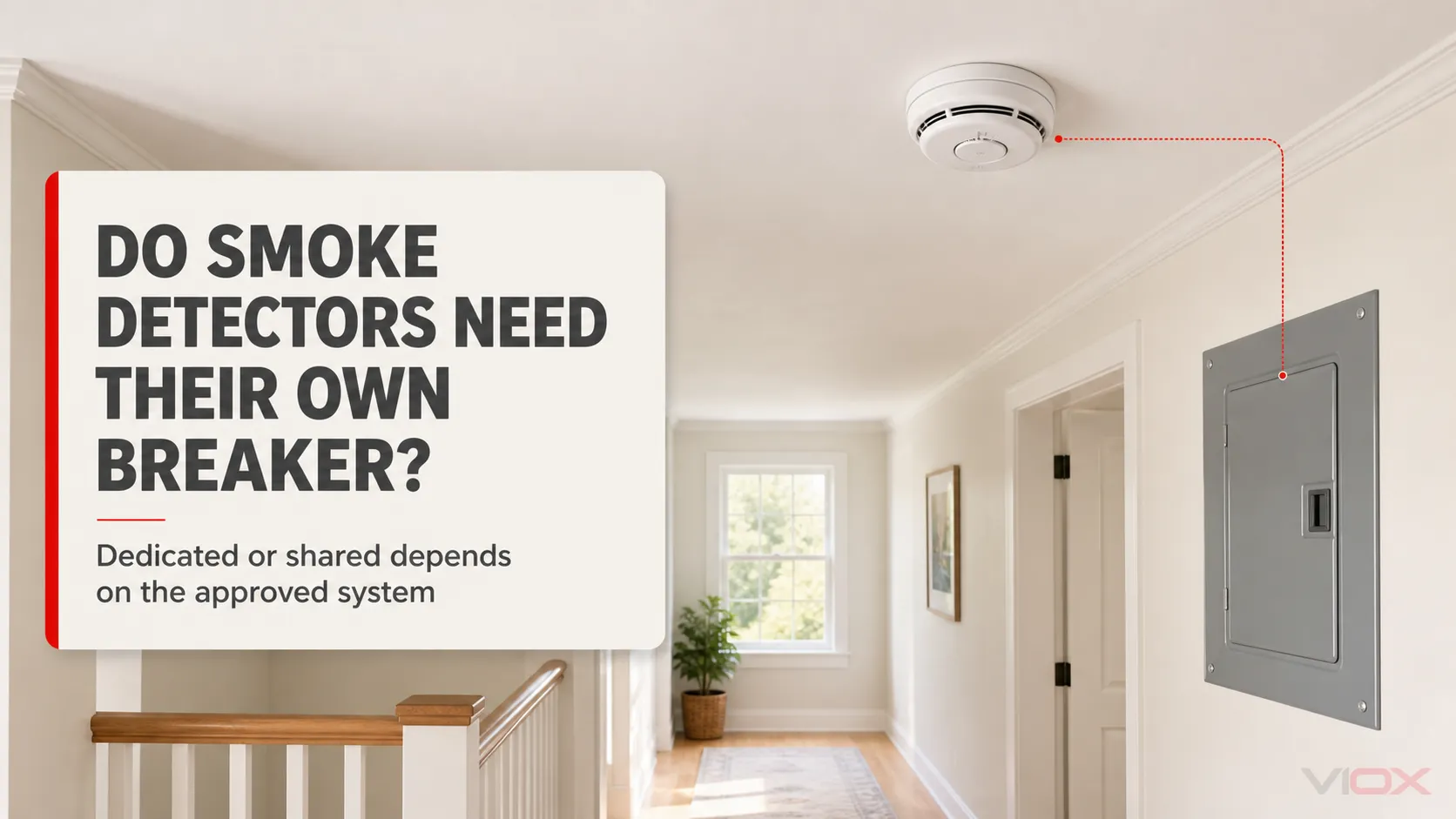
Thông thường, thiết bị báo khói gia đình đấu nối cứng được cấp nguồn bởi một máy cắt điện, nhưng không phải lúc nào nó cũng có máy cắt điện chuyên dụng riêng. Tùy thuộc vào các quy chuẩn điện và phòng cháy chữa cháy được áp dụng, cơ quan có thẩm quyền (AHJ), thiết kế tòa nhà và hướng dẫn của nhà sản xuất thiết bị báo động, các thiết bị báo động có thể sử dụng:
- một mạch chuyên dụng luôn được cấp điện liên tục; hoặc
- một mạch nhánh dùng chung, không qua công tắc, thường được chọn để có thể nhận biết khi mất điện.
Thiết bị báo khói chỉ dùng pin thì không có máy cắt điện. Thiết bị dò khói kết nối với hệ thống báo cháy tòa nhà lại khác: nó thường được cấp nguồn và giám sát thông qua bộ điều khiển báo cháy thay vì trực tiếp từ một mạch nhánh gia đình thông thường.
Do đó, quy tắc thực tế không phải là “thiết bị dò khói luôn cần máy cắt điện riêng”. Trước tiên hãy xác định loại thiết bị, sau đó xác minh phương án cấp nguồn đã được phê duyệt cho hệ thống lắp đặt đó.
Trước tiên hãy xác định loại thiết bị bạn đang có
Mọi người thường sử dụng thiết bị dò khói và thiết bị báo khói có thể thay thế cho nhau, nhưng đường dẫn nguồn điện có thể khác nhau.
| Loại thiết bị | Nguồn điện bình thường | Có máy cắt điện gia dụng không? | Manh mối quan trọng |
|---|---|---|---|
| Thiết bị báo khói chỉ dùng pin | Pin có thể thay thế hoặc pin kín | Không có | Không có đầu nối AC hoặc đèn báo nguồn AC |
| Thiết bị báo khói gia đình đấu nối trực tiếp | Nguồn điện AC của tòa nhà, thường có nguồn dự phòng | Yes | Thường được lắp trên hộp điện và có đèn báo nguồn AC theo quy định của nhà sản xuất |
| Thiết bị báo động kết nối không dây | Pin hoặc AC, tùy thuộc vào từng model | Có thể | Việc kết nối với nhau không tự chứng minh rằng thiết bị báo động được cấp nguồn AC |
| Đầu báo khói hệ thống báo cháy | Tủ điều khiển báo cháy hoặc mạch hệ thống được liệt kê | Thường không phải là kết nối nhánh trực tiếp trong gia đình | Đầu báo gửi tín hiệu về tủ điều khiển và có thể không tích hợp bộ phát âm thanh tại chỗ |
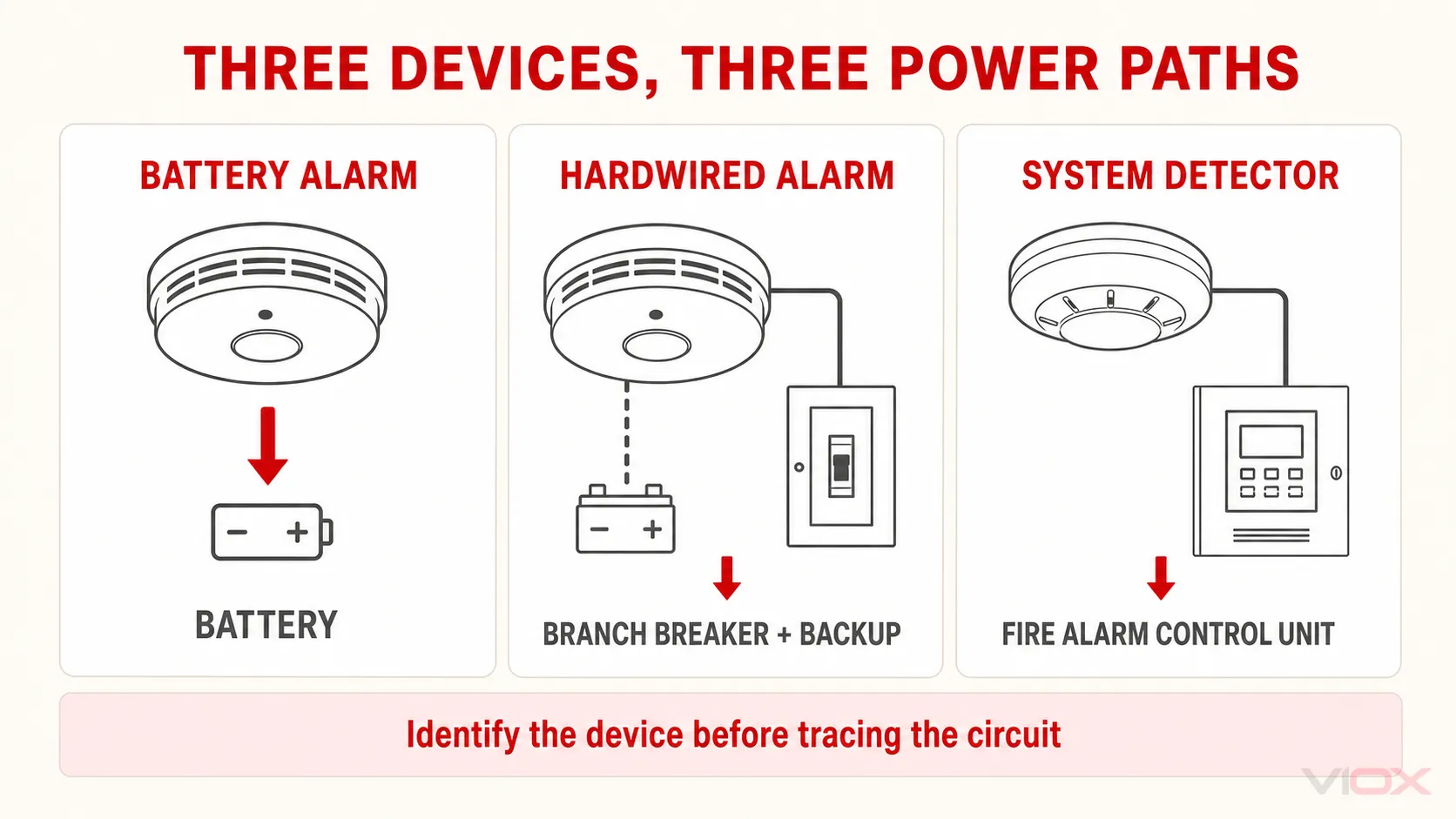
Cơ quan Quản lý Cứu hỏa Hoa Kỳ phân biệt thiết bị báo cháy dùng pin với thiết bị báo cháy được cấp nguồn từ hệ thống điện của ngôi nhà và lưu ý rằng các thiết bị báo cháy đi dây cứng thường có nguồn dự phòng. Cơ quan này cũng khuyến nghị các thiết bị báo cháy đi dây cứng nên được lắp đặt bởi thợ điện có chuyên môn. Xem hướng dẫn về thiết bị báo khói của USFA.
Thiết bị báo khói đi dây cứng có cần mạch điện riêng không?
Không phải là quy tắc chung. Cả hai phương án đi mạch riêng và mạch dùng chung đều tồn tại.
Một mạch điện chuyên dụng có thể giúp dễ dàng nhận diện nguồn cấp cho thiết bị báo động và tách biệt nó khỏi các nhiễu loạn do các tải khác gây ra. Một số hướng dẫn của nhà sản xuất khuyến nghị sử dụng một mạch điện riêng biệt được cấp điện liên tục cho các sản phẩm hoặc hệ thống cụ thể.
Một mạch điện dùng chung có thể giúp dễ nhận biết sự cố mất điện AC hơn vì một tải quen thuộc khác, chẳng hạn như hệ thống chiếu sáng, sẽ ngừng hoạt động cùng lúc. Tuy nhiên, mạch điện dùng chung phải phù hợp với hệ thống báo động, không được điều khiển bằng công tắc gắn tường thông thường và phải tuân thủ các quy định được áp dụng cũng như hướng dẫn của hệ thống báo động.
Quyết định cuối cùng có thể phụ thuộc vào:
- kiểu loại thiết bị báo động và danh mục liệt kê của nó;
- phiên bản áp dụng của các quy chuẩn về điện, xây dựng, nhà ở và phòng cháy chữa cháy;
- các sửa đổi tại địa phương và cách giải thích của cơ quan có thẩm quyền (AHJ);
- việc các thiết bị báo động có được kết nối với nhau hay không;
- yêu cầu bảo vệ mạch điện, bao gồm bất kỳ quy định AFCI hoặc GFCI nào tại khu vực đó;
- cho dù đó là hệ thống báo động nhà ở hay hệ thống báo cháy có giám sát.
Tại Hoa Kỳ, các yêu cầu về thiết bị báo khói liên quan đến nhiều tài liệu. Ủy ban An toàn Sản phẩm Tiêu dùng Hoa Kỳ xác định NFPA 72, NFPA 101 và UL 217 nằm trong số các quy chuẩn và tiêu chuẩn mẫu có liên quan. Khung tiêu chuẩn đó không nên bị đơn giản hóa thành khẳng định rằng một cách bố trí mạch điện là bắt buộc ở mọi nơi. Xem Tổng quan về tiêu chuẩn thiết bị báo khói của CPSC.
Mạch chuyên dụng so với Mạch dùng chung không qua công tắc
Bảng dưới đây là khung đánh giá, không phải là sự cho phép thay đổi mạch điện hiện có.
| Câu Hỏi | Mạch điện chuyên dụng | Mạch dùng chung không qua công tắc |
|---|---|---|
| Việc mất nguồn AC của thiết bị báo động có dễ dàng liên kết với máy cắt điện không? | Thường dễ truy vết hơn | Có thể cần kiểm tra xem những tải nào khác dùng chung mạch điện này |
| Liệu một tải khác bị hỏng có cảnh báo cho người sử dụng về sự cố mất điện không? | Không nhất thiết | Có thể, nếu một tải dễ nhận biết bị mất điện |
| Các tải được kết nối khác có thể gây ra nhiễu không? | Ít tương tác giữa các tải dùng chung hơn | Phụ thuộc vào các tải và hạn chế của nhà sản xuất |
| Cách bố trí này có bắt buộc áp dụng cho mọi trường hợp không? | Không có | Không có |
| Yếu tố nào kiểm soát việc lựa chọn? | Các quy định được áp dụng, AHJ, danh mục, hướng dẫn và thiết kế hệ thống | Năm bước kiểm tra tương tự cũng được áp dụng |
Không được di chuyển các thiết bị báo động hiện có sang một mạch điện khác chỉ vì một cách bố trí có vẻ ưu việt hơn. Việc thay đổi có thể ảnh hưởng đến khả năng kết nối, yêu cầu bảo vệ, phê duyệt kiểm tra và độ tin cậy của hệ thống an toàn tính mạng.
Thiết bị báo khói có thể dùng chung mạch điện chiếu sáng không?
Đôi khi có thể, nhưng đây không phải là quy tắc chung cho mọi trường hợp.
Ở những nơi cho phép dùng chung mạch điện chiếu sáng, lý do thường là để người sử dụng nhận biết được khi mạch điện bị mất nguồn. Nguồn cấp cho thiết bị báo động phải luôn được duy trì và không được phép ngắt cùng với đèn chiếu sáng trong phòng. Cách bố trí mạch điện chính xác và các yêu cầu về thiết bị bảo vệ vẫn phụ thuộc vào các quy định tại địa phương và hướng dẫn của thiết bị báo động.
Các yêu cầu của nhà sản xuất cũng có thể khác nhau. Ví dụ, hướng dẫn lắp đặt cho một dòng thiết bị báo động Kidde UK cụ thể khuyến nghị sử dụng một mạch điện riêng biệt được bảo vệ độc lập, trong khi các hệ thống lắp đặt được phê duyệt khác lại sử dụng nguồn cấp dùng chung luôn được duy trì. Đây là lý do tại sao nguồn thông tin chính xác cho một hệ thống lắp đặt cụ thể chính là tài liệu hướng dẫn của model đó kết hợp với các quy định được thực thi bởi AHJ tại địa phương—chứ không phải là sơ đồ đấu dây chung chung trên mạng.
Cách xác định máy cắt điện nào cấp nguồn cho thiết bị báo khói đấu dây cứng
Pin dự phòng khiến nhiệm vụ này không rõ ràng như vẻ ngoài của nó. Một thiết bị báo động đấu nối cứng có thể vẫn tiếp tục kêu khi được kiểm tra ngay cả sau khi nguồn AC đã bị ngắt.
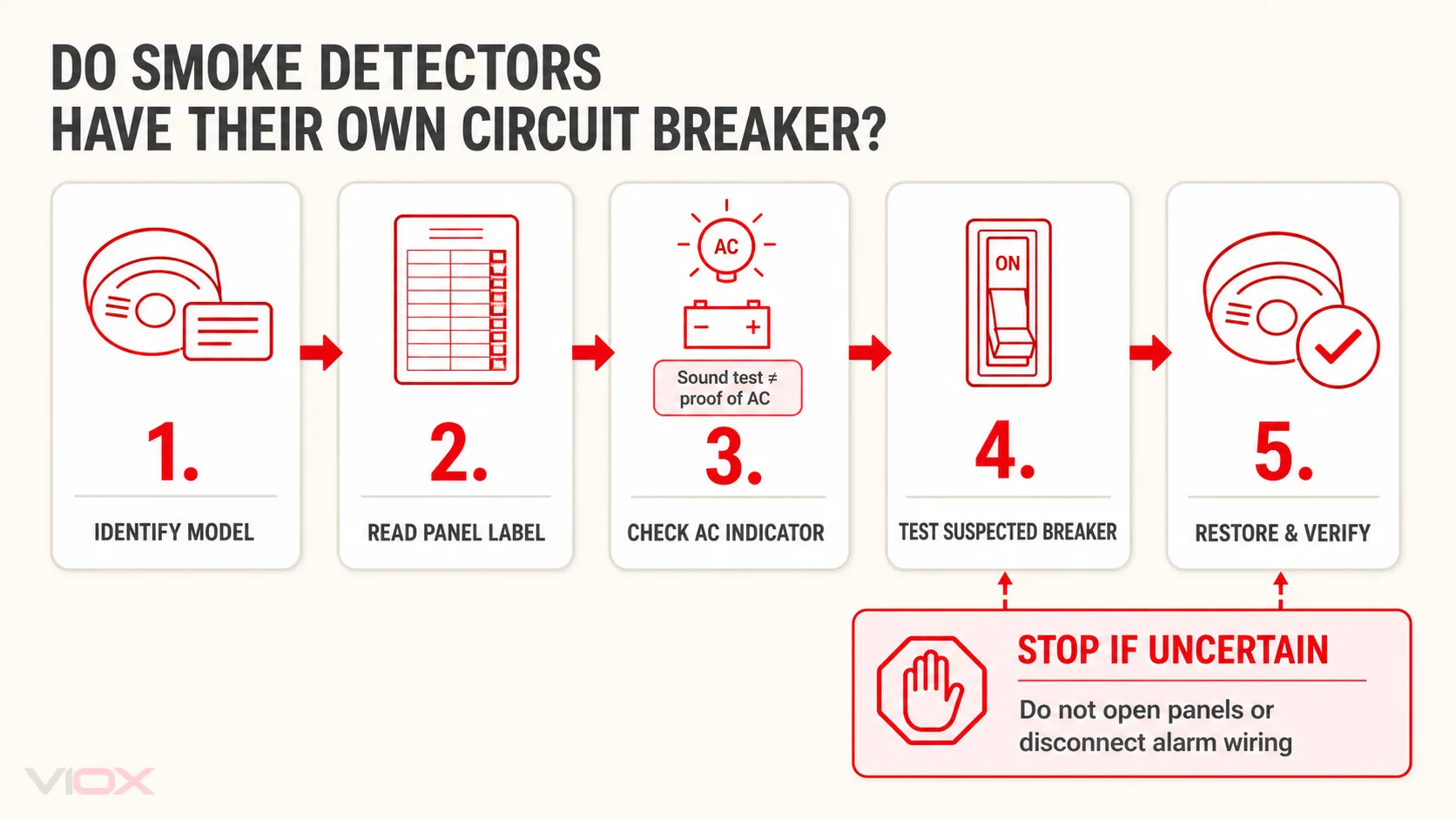
Sử dụng trình tự không xâm lấn này:
- Xác nhận rằng thiết bị báo động được cấp nguồn AC. Kiểm tra số model, hướng dẫn sử dụng, đầu nối nguồn có thể nhìn thấy và chỉ báo trạng thái AC của nhà sản xuất.
- Đọc bảng danh mục tủ điện. Tìm các nhãn như thiết bị báo khói, thiết bị báo cháy, phòng ngủ, đèn hành lang, chiếu sáng hoặc khu vực nhà ở được đặt tên.
- Kiểm tra chỉ báo AC bình thường. Sử dụng đúng hướng dẫn sử dụng vì màu sắc và hoạt động của chỉ báo thay đổi tùy theo từng model.
- Nếu an toàn và được phép, chỉ ngắt máy cắt điện của nhánh nghi ngờ. Không tháo nắp bảng điện, không chạm vào các đầu nối đang có điện hoặc ngắt kết nối dây báo động.
- Quan sát chỉ báo AC—không chỉ dựa vào âm thanh kiểm tra. Nguồn điện dự phòng có thể duy trì hoạt động của thiết bị báo động sau khi mạch nhánh đã ngắt.
- Đóng lại máy cắt điện ngay lập tức. Xác nhận chỉ báo AC đã trở lại, sau đó thực hiện kiểm tra báo động theo quy định của nhà sản xuất.
- Dừng lại nếu không thể xác định mạch điện một cách chắc chắn. Một thợ điện có chuyên môn có thể dò tìm mạch mà không làm ảnh hưởng đến các thiết bị báo động.
Ví dụ, các hướng dẫn gần đây của Kidde yêu cầu người lắp đặt xác nhận chỉ báo nguồn AC của thiết bị sau khi khôi phục nguồn điện. Đây là một nguyên tắc xác minh hữu ích, nhưng hành vi của chỉ báo phải luôn được lấy từ chính xác tài liệu hướng dẫn của thiết bị báo động.
Dừng lại và gọi cho thợ điện có chuyên môn khi:
- bảng danh mục tủ điện bị thiếu hoặc không đáng tin cậy;
- có vẻ như có nhiều hơn một máy cắt điện ảnh hưởng đến hệ thống báo động;
- thiết bị báo động không hiển thị nguồn AC sau khi máy cắt điện được khôi phục;
- mạch điện bị nhảy lại;
- cần phải mở hệ thống dây dẫn, hộp đấu nối hoặc tủ điện;
- công trình sử dụng tủ điều khiển báo cháy trung tâm;
- các quy định tại địa phương yêu cầu công việc phải được thực hiện bởi người có giấy phép hoặc được cấp phép.
Không được để thiết bị báo khói mất nguồn cấp bình thường trong khi xử lý sự cố. Nếu máy cắt điện không duy trì trạng thái đóng, hãy coi đó là lỗi hệ thống điện thay vì cố gắng đóng lại nhiều lần.
Điều gì xảy ra nếu máy cắt điện của thiết bị báo khói bị nhảy?
Một thiết bị báo khói đi dây cứng có nguồn dự phòng hoạt động có thể tiếp tục vận hành, phát tiếng kêu hoặc phản hồi với nút kiểm tra sau khi máy cắt điện bị nhảy. Điều đó không không có nghĩa là mạch AC vẫn bình thường.
Tùy thuộc vào từng kiểu máy, việc mất nguồn AC có thể gây ra:
- sự thay đổi ở đèn báo nguồn;
- tín hiệu cảnh báo bằng âm thanh hoặc hình ảnh;
- tiếp tục vận hành tại chỗ từ nguồn điện dự phòng;
- mất hoặc thay đổi các chức năng kết nối hoặc truyền thông;
- mất khả năng bảo vệ khi năng lượng dự phòng cạn kiệt.
Tham khảo tài liệu hướng dẫn chính xác và khôi phục nguồn cấp bình thường ngay lập tức. Việc máy cắt điện bị nhảy liên tục đòi hỏi phải chẩn đoán mạch nhánh và thiết bị được kết nối; mạch báo động không nên chỉ đơn giản là chuyển sang máy cắt điện lớn hơn.
Thiết bị báo khói làm tăng bao nhiêu tải điện?
Không sử dụng giá trị công suất chung để chọn máy cắt điện. Dòng điện báo động thay đổi tùy theo công nghệ và kiểu máy, và tài liệu hướng dẫn có thể cung cấp các giá trị riêng biệt cho chế độ chờ, báo động, kết nối, rơ le hoặc phụ kiện.
Đối với một mạch điện hiện có, sự phù hợp của máy cắt điện được xác định bởi thiết kế mạch nhánh hoàn chỉnh—không chỉ dựa trên công suất của thiết bị báo động. Các thông số đầu vào liên quan bao gồm:
- định mức của dây dẫn và cáp;
- thiết bị bảo vệ đã lắp đặt;
- tất cả các tải được kết nối khác;
- điện áp mạch và sơ đồ cấp nguồn;
- số lượng thiết bị báo động và giới hạn kết nối của nhà sản xuất;
- các yêu cầu quy chuẩn tại địa phương;
- bất kỳ thiết bị AFCI, GFCI hoặc thiết bị bảo vệ nào khác được yêu cầu.
Sử dụng nhãn thiết bị báo động và hướng dẫn lắp đặt để biết dữ liệu về dòng điện và kết nối cụ thể cho từng kiểu máy. Không được tăng kích thước máy cắt điện để giải quyết vấn đề nhảy áp mà không kiểm tra dây dẫn và toàn bộ mạch điện.
Thiết bị báo khói dân dụng so với đầu báo trong hệ thống báo cháy
Thiết bị báo khói gia đình thường chứa các chức năng cảm biến và cảnh báo bằng âm thanh riêng. Các thiết bị báo khói gia đình được kết nối với nhau có thể liên lạc với nhau để nhiều thiết bị cùng phát âm thanh báo động.
Thiết bị dò khói trong hệ thống thường là một thành phần của hệ thống báo cháy đã được kiểm định. Nó liên lạc và nhận nguồn điện thông qua bộ điều khiển báo cháy hoặc một mạch hệ thống đã được kiểm định. Máy cắt điện của tòa nhà có thể cấp nguồn cho thiết bị điều khiển, nhưng việc mô tả mỗi thiết bị dò khói riêng lẻ là “đang dùng máy cắt điện riêng” là gây hiểu lầm.”
Các hệ thống thương mại và hệ thống có giám sát có thêm các yêu cầu về thiết kế, giám sát, xử lý sự cố, kiểm tra và bảo trì. Các mạch điện của chúng cần được truy vết và bảo trì bằng cách sử dụng tài liệu hệ thống bởi nhân viên báo cháy có chuyên môn.
Những Câu Hỏi Thường
Các thiết bị dò khói đi dây cứng có được kết nối với máy cắt điện không?
Các thiết bị báo khói gia đình đi dây cứng thường được cấp nguồn bởi một mạch nhánh được bảo vệ bởi máy cắt điện hoặc thiết bị bảo vệ quá dòng được phê duyệt khác. Chúng có thể dùng chung một mạch điện không qua công tắc hoặc sử dụng một mạch điện chuyên dụng, tùy thuộc vào thiết kế đã được phê duyệt.
Thiết bị dò khói có cần mạch điện chuyên dụng không?
Không phải trường hợp nào cũng vậy. Hãy kiểm tra hướng dẫn cụ thể của thiết bị báo động, quy chuẩn được áp dụng, các sửa đổi tại địa phương và các yêu cầu của cơ quan có thẩm quyền (AHJ). Đừng cho rằng các thực tiễn từ quốc gia khác hoặc kiểu thiết bị báo động khác sẽ áp dụng cho việc lắp đặt của bạn.
Tại sao thiết bị báo khói của tôi vẫn hoạt động khi máy cắt điện đã tắt?
Nhiều thiết bị báo động đấu nối cứng bao gồm nguồn dự phòng. Hãy sử dụng chỉ báo nguồn AC của nhà sản xuất để xác định xem nguồn cấp AC bình thường có đang hiện diện hay không; chỉ riêng việc kiểm tra âm thanh thành công không chứng minh được mạch nhánh đang được cấp điện.
Các thiết bị báo khói thường nằm trên mạch điện nào?
Không có cách bố trí chung duy nhất nào. Chúng có thể nằm trên một mạch điện chuyên dụng được dán nhãn hoặc dùng chung một mạch điện được cấp điện liên tục như mạch chiếu sáng đã được phê duyệt. Hệ thống báo cháy trung tâm sử dụng một kiến trúc nguồn điện khác.
Các thiết bị báo khói nên sử dụng máy cắt điện kích thước bao nhiêu?
Kích thước máy cắt điện được xác định bởi thiết kế mạch hoàn chỉnh, định mức dây dẫn, các tải được kết nối, các quy định áp dụng và hướng dẫn của nhà sản xuất. Không nên chọn kích thước này dựa trên ước tính công suất chung của thiết bị báo khói.
Tôi có thể tắt máy cắt điện để dừng các báo động gây phiền toái không?
Không. Không được vô hiệu hóa thiết bị an toàn tính mạng để làm im lặng các báo động không mong muốn. Hãy tuân theo hướng dẫn của nhà sản xuất về chế độ im lặng, vệ sinh, lỗi, thay thế và vị trí lắp đặt, hoặc tìm kiếm dịch vụ chuyên môn.
Nguồn tham khảo
- Cơ quan Quản lý Cứu hỏa Hoa Kỳ: Thiết bị báo khói
- Ủy ban An toàn Sản phẩm Tiêu dùng Hoa Kỳ: Các tiêu chuẩn về thiết bị báo khói
- Các hình ảnh minh họa an toàn về thiết bị báo khói của USFA
- Hướng dẫn sử dụng thiết bị báo khói đấu dây trực tiếp của Kidde
- Hướng dẫn lắp đặt thiết bị báo khói của Kidde tại Vương quốc Anh