بلاگ

آپ کا بلاگ زمرہ

The Differences Between Low, Medium & High Voltages

کم، درمیانے اور ہائی وولٹیجز کے درمیان فرق

Understanding voltage classifications is fundamental to electrical engineering, power distribution, and equipment selection. Whether you’re designing a residential circuit, managing an industrial facility, or planning a power transmission network, knowing the differences between low, medium, and high voltage is essential for safety, efficiency, and compliance with international standards. This comprehensive guide explores the technical distinctions, […]

کم، درمیانے اور ہائی وولٹیجز کے درمیان فرق مزید پڑھیں »
Silver vs. Copper Dependence: A Sensitivity Ranking for Contactors, Breakers, Relays, and Fuses

چاندی بمقابلہ تانبا کا انحصار: کنٹیکٹرز، بریکرز، ریلے اور فیوز کے لیے حساسیت کی درجہ بندی

Key Takeaways Contactors are the most silver-sensitive devices, with silver costs representing 25-55% of total material costs depending on current rating Silver prices surged 147% in 2025, reaching $72/oz from $29/oz, creating unprecedented cost pressure on electrical equipment manufacturers AgSnO₂ (silver tin oxide) has replaced toxic AgCdO as the industry-standard contact material, containing 88-95% silver

چاندی بمقابلہ تانبا کا انحصار: کنٹیکٹرز، بریکرز، ریلے اور فیوز کے لیے حساسیت کی درجہ بندی مزید پڑھیں »

Surge Protection Standards Around the World: IEC vs UL vs GB Differences and Mutual Recognition

دنیا بھر میں سرج پروٹیکشن کے معیارات: آئی ای سی بمقابلہ یو ایل بمقابلہ جی بی اختلافات اور باہمی شناخت

When specifying surge protective devices (SPDs) for international projects, engineers face a maze of conflicting standards, test protocols, and certification requirements. A single specification error can result in non-compliant installations, failed inspections, or—worse—inadequate protection during critical surge events. This comprehensive guide decodes the three dominant surge protection standards worldwide: IEC 61643, UL 1449, and GB

دنیا بھر میں سرج پروٹیکشن کے معیارات: آئی ای سی بمقابلہ یو ایل بمقابلہ جی بی اختلافات اور باہمی شناخت مزید پڑھیں »

AC-7a vs. AC-7b: Why Your Modular Contactors Are Failing on Inductive Loads

اے سی-7اے بمقابلہ اے سی-7بی: آپ کے ماڈیولر کنٹیکٹرز انڈکٹیو بوجھ پر کیوں ناکام ہو رہے ہیں؟

When modular contactors fail prematurely in household and light commercial applications, the root cause often traces back to a critical specification error: using an AC-7a rated contactor for an AC-7b application. This seemingly minor distinction—defined by IEC 61095 standards—represents the difference between reliable operation and catastrophic failure when controlling inductive loads like motors, fans, and

اے سی-7اے بمقابلہ اے سی-7بی: آپ کے ماڈیولر کنٹیکٹرز انڈکٹیو بوجھ پر کیوں ناکام ہو رہے ہیں؟ مزید پڑھیں »

IEC 61095 vs. IEC 60947-4-1: The Difference Between Household and Industrial Contactor Standards

آئی ای سی 61095 بمقابلہ آئی ای سی 60947-4-1: گھریلو اور صنعتی کانٹیکٹر معیارات کے درمیان فرق

When specifying contactors for electrical systems, understanding the difference between IEC 61095 and IEC 60947-4-1 standards is critical for ensuring safety, performance, and compliance. These two International Electrotechnical Commission (IEC) standards govern contactor design and application—but they serve distinctly different markets. IEC 61095 addresses household and similar applications, while IEC 60947-4-1 covers industrial motor control

آئی ای سی 61095 بمقابلہ آئی ای سی 60947-4-1: گھریلو اور صنعتی کانٹیکٹر معیارات کے درمیان فرق مزید پڑھیں »

Understanding 80% Vs. 100% Rated Circuit Breakers

80% اور 100% ریٹیڈ سرکٹ بریکرز کو سمجھنا

For electrical contractors, panel builders, and facility managers working with commercial and industrial installations, understanding the difference between 80% and 100% rated circuit breakers is critical for safety, code compliance, and cost optimization. Despite their widespread use, these ratings remain one of the most misunderstood aspects of electrical panel design. This comprehensive guide clarifies the

80% اور 100% ریٹیڈ سرکٹ بریکرز کو سمجھنا مزید پڑھیں »

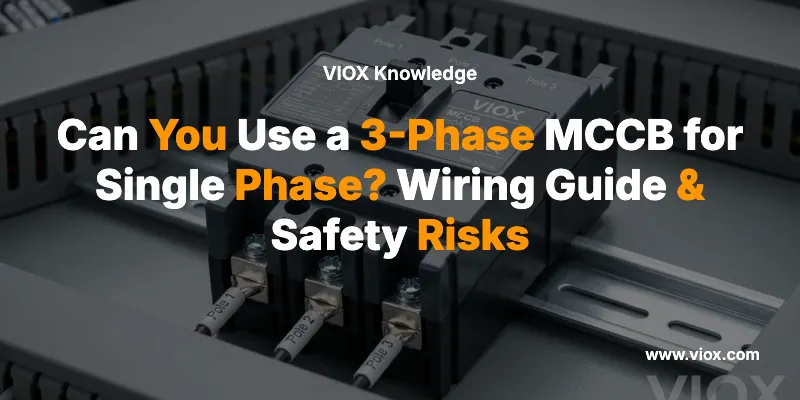
Can You Use a 3-Phase MCCB for Single Phase? Wiring Guide & Safety Risks

کیا آپ سنگل فیز کے لیے 3-فیز MCCB استعمال کر سکتے ہیں؟ وائرنگ گائیڈ اور حفاظتی خطرات

Introduction: The Compatibility Question Figure 1: Industrial 3-pole MCCB equipment mounted on a DIN rail, a common sight in spare parts bins. You’re specifying protection for a 50kW single-phase industrial heater at a new manufacturing facility. Your distributor quotes a standard single-pole MCB at $120—or you could repurpose a 3-pole MCCB from your spare parts

کیا آپ سنگل فیز کے لیے 3-فیز MCCB استعمال کر سکتے ہیں؟ وائرنگ گائیڈ اور حفاظتی خطرات مزید پڑھیں »

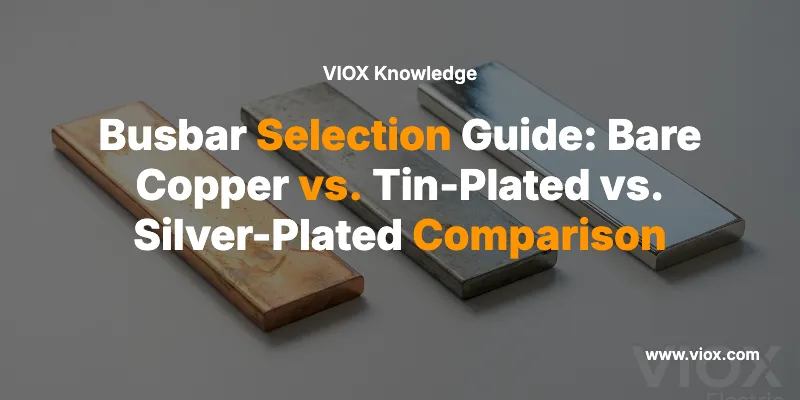
Busbar Selection Guide: Bare Copper vs. Tin-Plated vs. Silver-Plated Comparison

بس بار سلیکشن گائیڈ: ننگی تانبے بمقابلہ ٹن پلیٹڈ بمقابلہ سلور پلیٹڈ موازنہ

You’ve just ordered new busbars for your switchgear panel. The supplier offers three options: bare copper (the cheapest), tin-plated (mid-range), or silver-plated (premium). All carry the same rated current. All meet IEC standards. So why would you ever pay more? Three months after installation, you get a call: a connection joint is running hot. The

بس بار سلیکشن گائیڈ: ننگی تانبے بمقابلہ ٹن پلیٹڈ بمقابلہ سلور پلیٹڈ موازنہ مزید پڑھیں »

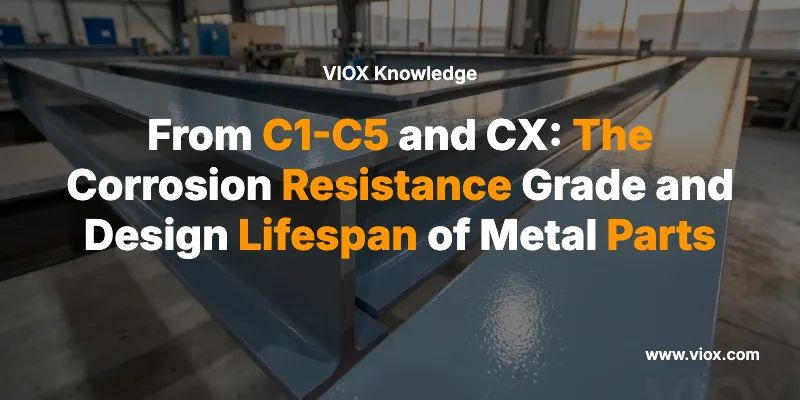
From C1-C5 and CX: The Corrosion Resistance Grade and Design Lifespan of Metal Parts

C1-C5 اور CX سے: دھاتی حصوں کی زنگ سے بچاؤ کی درجہ بندی اور ڈیزائن کی متوقع عمر

Figure 1: The impact of environmental stress — a rusted electrical cabinet showing coating failure after 3-4 years in a C4 coastal zone. Introduction Metal components in electrical systems are under siege. Humidity creeps in. Salt spray corrodes. Industrial atmospheres accelerate degradation. Without proper protection, corrosion transforms reliable equipment into costly failures. This is where

C1-C5 اور CX سے: دھاتی حصوں کی زنگ سے بچاؤ کی درجہ بندی اور ڈیزائن کی متوقع عمر مزید پڑھیں »

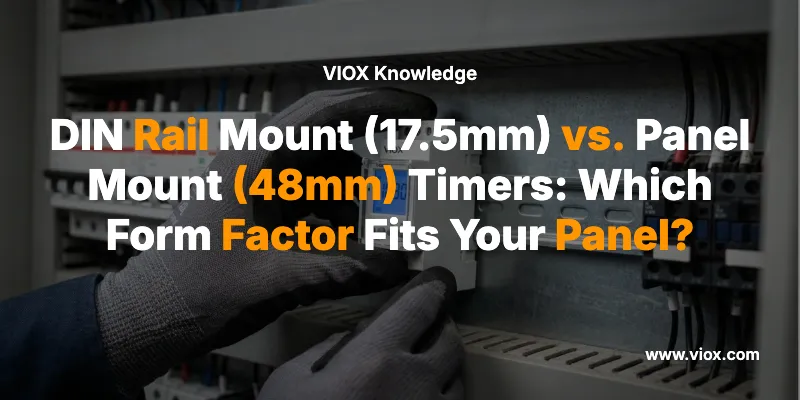
DIN Rail Mount (17.5mm) vs. Panel Mount (48mm) Timers: Which Form Factor Fits Your Panel?

ڈی آئی این ریل ماؤنٹ (17.5 ملی میٹر) بمقابلہ پینل ماؤنٹ (48 ملی میٹر) ٹائمر: آپ کے پینل کے لیے کون سا فارم فیکٹر موزوں ہے؟

Figure 1: VIOX 17.5mm DIN rail mount timer being installed on 35mm DIN rail in industrial control panel. When designing control panels for industrial automation, HVAC systems, or manufacturing equipment, selecting the right timer form factor can significantly impact installation efficiency, space utilization, and long-term maintenance costs. The choice between DIN rail mount (17.5mm) and

ڈی آئی این ریل ماؤنٹ (17.5 ملی میٹر) بمقابلہ پینل ماؤنٹ (48 ملی میٹر) ٹائمر: آپ کے پینل کے لیے کون سا فارم فیکٹر موزوں ہے؟ مزید پڑھیں »

کے لئے دعا گو اقتباس اب