Key Takeaways
- ຄວາມສາມາດໃນການຕັດວົງຈອນ (Icn/Icu) ສະແດງເຖິງກະແສໄຟຟ້າລັດວົງຈອນສູງສຸດທີ່ MCB ສາມາດຕັດໄດ້ຢ່າງປອດໄພ ໂດຍບໍ່ມີຄວາມເສຍຫາຍ ຫຼື ຄວາມລົ້ມເຫຼວ, ວັດແທກເປັນກິໂລແອມແປ (kA).
- MCB ຂະໜາດ 6kA ໂດຍທົ່ວໄປແມ່ນພຽງພໍສຳລັບການຕິດຕັ້ງຢູ່ອາຄານບ້ານເຮືອນ ບ່ອນທີ່ກະແສໄຟຟ້າລັດວົງຈອນທີ່ຄາດໄວ້ (PSCC) ຍັງຕໍ່າກວ່າ 5kA, ໂດຍສະເພາະໃນສະຖານທີ່ທີ່ຢູ່ຫ່າງໄກຈາກໝໍ້ແປງໄຟຟ້າ.
- MCB ຂະໜາດ 10kA ແມ່ນແນະນຳສຳລັບການນຳໃຊ້ທາງການຄ້າ, ການຕິດຕັ້ງໃນຕົວເມືອງ, ແລະສະຖານທີ່ໃກ້ກັບໝໍ້ແປງໄຟຟ້າ ບ່ອນທີ່ກະແສໄຟຟ້າລັດວົງຈອນເກີນ 6kA ຫຼື ຄາດວ່າຈະມີການຂະຫຍາຍໃນອະນາຄົດ.
- ການເລືອກທີ່ເໝາະສົມຮຽກຮ້ອງໃຫ້ມີການຄຳນວນ PSCC ຢູ່ຈຸດຕິດຕັ້ງ ໂດຍນຳໃຊ້ແຮງດັນໄຟຟ້າຂອງລະບົບ, ອິມພີແດນສ໌ທັງໝົດ, ແລະສະເພາະຂອງໝໍ້ແປງໄຟຟ້າ.
- IEC 60898-1 ຄວບຄຸມມາດຕະຖານ MCB ສຳລັບອາຄານບ້ານເຮືອນ ໃນຂະນະທີ່ IEC 60947-2 ນຳໃຊ້ກັບການນຳໃຊ້ທາງອຸດສາຫະກຳ, ໂດຍມີຂໍ້ກຳນົດການທົດສອບ ແລະ ເງື່ອນໄຂການປະຕິບັດທີ່ແຕກຕ່າງກັນ.
- ການຫຼຸດຂະໜາດຄວາມສາມາດໃນການຕັດວົງຈອນສ້າງຄວາມສ່ຽງດ້ານຄວາມປອດໄພທີ່ຮ້າຍແຮງ ລວມທັງເຫດການໄຟຟ້າອາຣ໌ກ, ຄວາມເສຍຫາຍຂອງອຸປະກອນ, ແລະຄວາມສ່ຽງຕໍ່ການເກີດໄຟໄໝ້.
- ຄວາມແຕກຕ່າງຂອງຄ່າໃຊ້ຈ່າຍລະຫວ່າງ MCB ຂະໜາດ 6kA ແລະ 10kA ແມ່ນໜ້ອຍທີ່ສຸດ ເມື່ອທຽບກັບຜົນປະໂຫຍດດ້ານຄວາມປອດໄພ ແລະ ຂໍ້ໄດ້ປຽບດ້ານການປະຕິບັດຕາມລະຫັດຂອງການເລືອກທີ່ເໝາະສົມ.
ເຂົ້າໃຈຄວາມສາມາດໃນການຕັດວົງຈອນຂອງ MCB: ພື້ນຖານຂອງການປ້ອງກັນວົງຈອນ
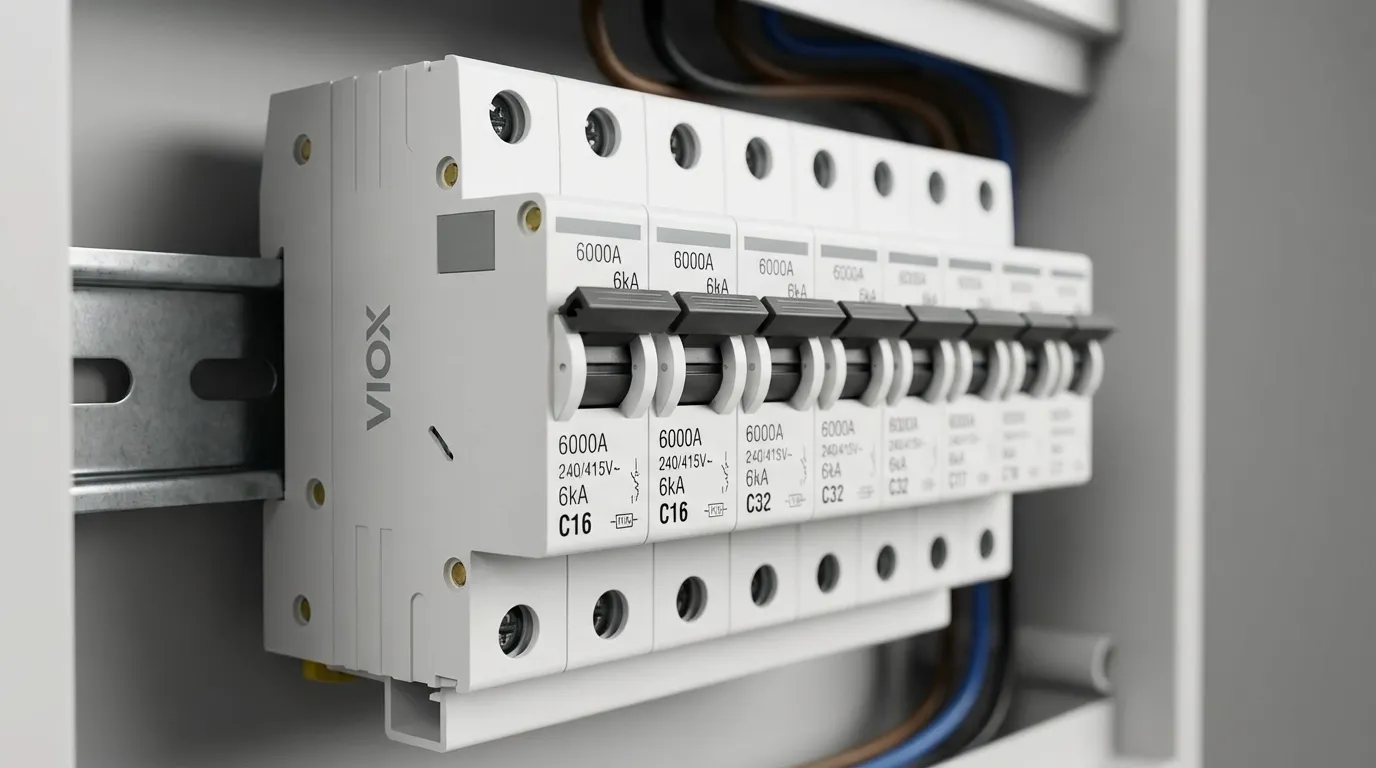
ຄວາມສາມາດໃນການຕັດວົງຈອນ, ເຊິ່ງເອີ້ນກັນວ່າຄວາມສາມາດໃນການຕັດວົງຈອນລັດ, ສະແດງເຖິງກະແສໄຟຟ້າລັດວົງຈອນທີ່ຄາດໄວ້ສູງສຸດທີ່ ເຄື່ອງຕັດວົງຈອນຂະໜາດນ້ອຍ (MCB) ສາມາດຕັດໄດ້ຢ່າງປອດໄພໃນແຮງດັນໄຟຟ້າທີ່ກຳນົດໄວ້. ເມື່ອເກີດການລັດວົງຈອນ, ກະແສໄຟຟ້າລັດວົງຈອນສາມາດບັນລຸຫຼາຍຮ້ອຍເທົ່າຂອງກະແສໄຟຟ້າທີ່ໃຊ້ງານປົກກະຕິພາຍໃນ milliseconds. MCB ຕ້ອງຕັດກະແສໄຟຟ້ານີ້ກ່ອນທີ່ມັນຈະເຮັດໃຫ້ເກີດຄວາມເສຍຫາຍຮ້າຍແຮງຕໍ່ສາຍໄຟ, ອຸປະກອນ, ຫຼືສ້າງຄວາມສ່ຽງຕໍ່ການເກີດໄຟໄໝ້.
ຄ່າຄວາມສາມາດໃນການຕັດວົງຈອນປາກົດຢູ່ໃນແຜ່ນປ້າຍຊື່ຂອງ MCB ທຸກອັນ, ໂດຍປົກກະຕິສະແດງເປັນ Icn (ຄວາມສາມາດໃນການລັດວົງຈອນທີ່ກຳນົດໄວ້ຕໍ່ IEC 60898-1) ຫຼື Icu (ຄວາມສາມາດໃນການຕັດວົງຈອນລັດສູງສຸດຕໍ່ IEC 60947-2). ເຂົ້າໃຈ ຄ່າເຫຼົ່ານີ້ ແມ່ນພື້ນຖານຂອງການອອກແບບລະບົບໄຟຟ້າທີ່ປອດໄພ.
ເປັນຫຍັງການເລືອກຄວາມສາມາດໃນການຕັດວົງຈອນຈຶ່ງສຳຄັນ
ການເລືອກ MCB ທີ່ມີຄວາມສາມາດໃນການຕັດວົງຈອນບໍ່ພຽງພໍສ້າງຮູບແບບຄວາມລົ້ມເຫຼວຫຼາຍຢ່າງ:
- ການເຊື່ອມຕິດຂອງໜ້າສຳຜັດ: ກະແສໄຟຟ້າລັດວົງຈອນທີ່ເກີນຄ່າທີ່ກຳນົດໄວ້ຂອງ MCB ສາມາດເຊື່ອມຕໍ່ໜ້າສຳຜັດ, ປ້ອງກັນບໍ່ໃຫ້ເບຣກເກີຕັດວົງຈອນ.
- ຄວາມສ່ຽງຕໍ່ໄຟຟ້າອາຣ໌ກ: ຄວາມສາມາດໃນການຕັດວົງຈອນບໍ່ພຽງພໍອາດຈະເຮັດໃຫ້ເກີດການເກີດໄຟຟ້າອາຣ໌ກຢ່າງຕໍ່ເນື່ອງ, ສ້າງສະພາບໄຟຟ້າອາຣ໌ກທີ່ອັນຕະລາຍ.
- ການແຕກຂອງກ່ອງຫຸ້ມ: ກະແສໄຟຟ້າລັດວົງຈອນທີ່ຮຸນແຮງສາມາດເຮັດໃຫ້ເກີດຄວາມເສຍຫາຍທາງກາຍະພາບຕໍ່ກ່ອງຫຸ້ມ MCB, ປ່ອຍອາຍຮ້ອນ ແລະ ໂລຫະທີ່ຫລອມເຫລວ.
- ຄວາມເສຍຫາຍຂອງອຸປະກອນປາຍທາງ: ການປ້ອງກັນທີ່ລົ້ມເຫຼວອະນຸຍາດໃຫ້ກະແສໄຟຟ້າລັດວົງຈອນທຳລາຍອຸປະກອນ ແລະ ສາຍໄຟທີ່ເຊື່ອມຕໍ່.
ກົດລະບຽບຄວາມປອດໄພທີ່ສຳຄັນ: ຄວາມສາມາດໃນການຕັດວົງຈອນຂອງ MCB ຕ້ອງເກີນກະແສໄຟຟ້າລັດວົງຈອນທີ່ຄາດໄວ້ (PSCC) ຢູ່ຈຸດຕິດຕັ້ງສະເໝີ, ໂດຍມີຂອບເຂດຄວາມປອດໄພທີ່ເໝາະສົມ.
6kA ທຽບກັບ 10kA: ການປຽບທຽບສະເພາະດ້ານເຕັກນິກ
ຕາຕະລາງຕໍ່ໄປນີ້ປຽບທຽບສະເພາະທີ່ສຳຄັນ ແລະ ຄຸນລັກສະນະການປະຕິບັດຂອງ MCB ທີ່ມີຂະໜາດ 6kA ແລະ 10kA:
| ຂໍ້ມູນຈໍາເພາະ | MCB ຂະໜາດ 6kA | MCB ຂະໜາດ 10kA |
|---|---|---|
| ຄວາມອາດສາມາດແຕກຫັກ (Icn) | 6,000 ແອມແປ | 10,000 ແອມແປ |
| ຄໍາຮ້ອງສະຫມັກທົ່ວໄປ | ທີ່ຢູ່ອາໄສ, ການຄ້າແສງສະຫວ່າງ | ການຄ້າ, ອຸດສາຫະກຳ, ທີ່ຢູ່ອາໄສໃນຕົວເມືອງ |
| ມາດຕະຖານ IEC | IEC 60898-1 | IEC 60898-1 / IEC 60947-2 |
| ໄລຍະຫ່າງຈາກໝໍ້ແປງໄຟຟ້າ | >50m ໂດຍທົ່ວໄປ | <50m ຫຼື ລະບົບທີ່ມີຄວາມຈຸສູງ |
| ແຮງດັນຂອງລະບົບ | 230V ເຟດດຽວ | 230V-400V ເຟດດຽວ/ສາມເຟດ |
| ການຈຳກັດພະລັງງານອາຣ໌ກ | ລະດັບ 3 | ລະດັບ 3 |
| ຄ່າໃຊ້ຈ່າຍເພີ່ມເຕີມ | 基线 | +10-20% |
| ການຕິດຕັ້ງປົກກະຕິ | ແຜງຍ່ອຍ, ວົງຈອນສາຂາ | ແຜງຫຼັກ, ຟີດເດີ້, ກະດານການຄ້າ |
| ຄຳແນະນຳກ່ຽວກັບຂອບເຂດຄວາມປອດໄພ | ໃຊ້ເມື່ອ PSCC <5kA | ໃຊ້ເມື່ອ PSCC 5-9kA |
| ຄວາມສາມາດໃນການຂະຫຍາຍໃນອະນາຄົດ | ຈຳກັດ | ການຮອງຮັບທີ່ດີກວ່າ |
ເມື່ອໃດຄວນໃຊ້ MCB ຂະໜາດ 6kA: ການນຳໃຊ້ໃນອາຄານບ້ານເຮືອນ ແລະ ການຄ້າຂະໜາດນ້ອຍ
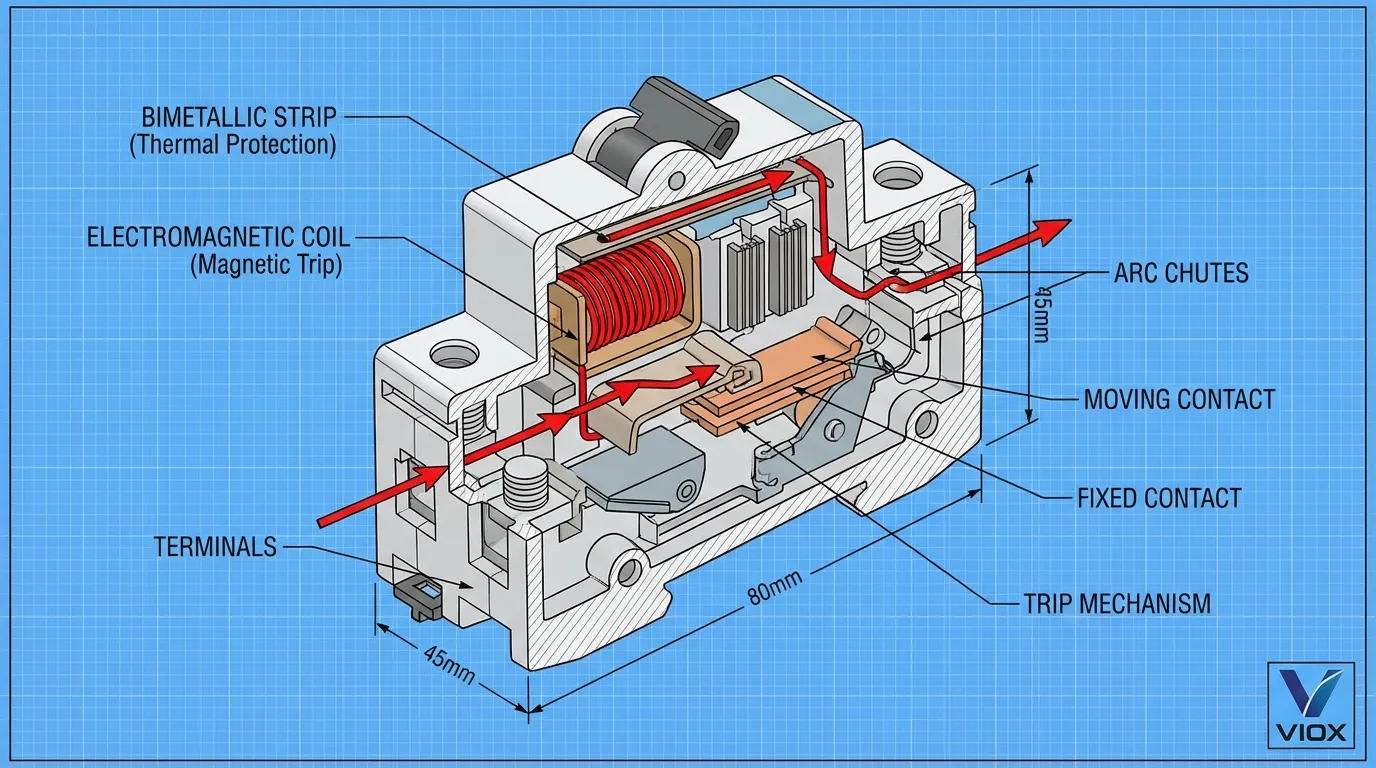
MCB ທີ່ມີຄວາມສາມາດໃນການຕັດວົງຈອນ 6kA ສະແດງເຖິງທາງເລືອກມາດຕະຖານສຳລັບການຕິດຕັ້ງໄຟຟ້າໃນອາຄານບ້ານເຮືອນ ແລະ ການນຳໃຊ້ທາງການຄ້າຂະໜາດນ້ອຍບ່ອນທີ່ລະດັບກະແສໄຟຟ້າລັດວົງຈອນຍັງຢູ່ໃນລະດັບປານກາງ. ການເຂົ້າໃຈວ່າການປ້ອງກັນ 6kA ພຽງພໍເມື່ອໃດຮຽກຮ້ອງໃຫ້ມີການວິເຄາະປັດໃຈລະບົບຫຼາຍຢ່າງ.
ການນຳໃຊ້ທີ່ເໝາະສົມສຳລັບ MCB ຂະໜາດ 6kA
ການຕິດຕັ້ງທີ່ຢູ່ອາໄສ: ເຮືອນຄອບຄົວດຽວ, ອາພາດເມັນ, ແລະສະຖານທີ່ຢູ່ອາໄສໂດຍທົ່ວໄປມີຄ່າ PSCC ລະຫວ່າງ 1kA ແລະ 4kA, ຢູ່ໃນຂອບເຂດຄວາມສາມາດໃນການຕັດວົງຈອນ 6kA ຢ່າງດີ. ການປະສົມປະສານຂອງໄລຍະຫ່າງຂອງໝໍ້ແປງໄຟຟ້າ, ຄວາມຍາວຂອງສາຍໄຟ, ແລະຄວາມຈຸຂອງການບໍລິການທີ່ຈຳກັດໂດຍທຳມະຊາດຈຳກັດລະດັບກະແສໄຟຟ້າລັດວົງຈອນ.
ແຜງຍ່ອຍທີ່ຢູ່ຫ່າງໄກ: ແຜງຈ່າຍໄຟຟ້າທີ່ຕັ້ງຢູ່ຫ່າງຈາກທາງເຂົ້າບໍລິການຫຼັກຫຼາຍກວ່າ 50 ແມັດໄດ້ຮັບຜົນປະໂຫຍດຈາກອິມພີແດນສ໌ຂອງສາຍໄຟທີ່ຍາວ, ເຊິ່ງຊ່ວຍຫຼຸດຜ່ອນກະແສໄຟຟ້າລັດວົງຈອນທີ່ມີຢູ່. ສະຖານທີ່ເຫຼົ່ານີ້ບໍ່ຄ່ອຍຕ້ອງການຄວາມສາມາດໃນການຕັດວົງຈອນທີ່ເກີນ 6kA.
ອາຄານການຄ້າຂະໜາດນ້ອຍພື້ນທີ່ຂາຍຍ່ອຍຂະໜາດນ້ອຍ, ຫ້ອງການ, ແລະ ການຕິດຕັ້ງທີ່ຄ້າຍຄືກັນທີ່ມີການບໍລິການເຟດດຽວ 230V ແລະ ໂຫຼດທີ່ເຊື່ອມຕໍ່ຈຳກັດ ໂດຍທົ່ວໄປແລ້ວຈະເຮັດວຽກໄດ້ຢ່າງປອດໄພດ້ວຍ MCB 6kA, ໂດຍມີເງື່ອນໄຂວ່າການຄຳນວນ PSCC ທີ່ເໝາະສົມຢືນຢັນການປ້ອງກັນທີ່ພຽງພໍ.
ປັດໃຈຈຳກັດກະແສໄຟຟ້າລັດວົງຈອນໃນບ້ານເຮືອນ
ຄຸນລັກສະນະທີ່ສຳຄັນຫຼາຍຢ່າງຂອງລະບົບໄຟຟ້າໃນບ້ານເຮືອນໂດຍທຳມະຊາດຈຳກັດກະແສໄຟຟ້າລັດວົງຈອນທີ່ຄາດໄວ້:
- ຄວາມສາມາດຂອງໝໍ້ແປງໄຟຟ້າໝໍ້ແປງໄຟຟ້າແຈກຢາຍໃນບ້ານເຮືອນໂດຍທົ່ວໄປມີຂະໜາດຕັ້ງແຕ່ 25kVA ຫາ 100kVA, ຈຳກັດກະແສໄຟຟ້າລັດວົງຈອນສູງສຸດທີ່ມີຢູ່.
- ຄວາມຍາວຂອງສາຍໄຟເຂົ້າເຮືອນອິມພີແດນສ໌ຂອງສາຍໄຟເຂົ້າເຮືອນ (ໂດຍທົ່ວໄປ 10-30 ແມັດ) ຫຼຸດຜ່ອນກະແສໄຟຟ້າລັດວົງຈອນຢ່າງຫຼວງຫຼາຍ.
- ອິມພີແດນສ໌ຂອງແຫຼ່ງຈ່າຍໄຟຟ້າອິມພີແດນສ໌ຂອງເຄືອຂ່າຍແຫຼ່ງຈ່າຍໄຟຟ້າປະກອບສ່ວນເຂົ້າໃນອິມພີແດນສ໌ຂອງລະບົບໂດຍລວມ, ເຊິ່ງຈຳກັດກະແສໄຟຟ້າລັດວົງຈອນຕື່ມອີກ.
- ການຕັ້ງຄ່າເຟດດຽວການຕິດຕັ້ງໃນບ້ານເຮືອນສ່ວນໃຫຍ່ໃຊ້ບໍລິການເຟດດຽວ 230V, ເຊິ່ງໂດຍທຳມະຊາດແລ້ວສ້າງກະແສໄຟຟ້າລັດວົງຈອນຕ່ຳກວ່າລະບົບສາມເຟດ.
ການຄຳນວນ PSCC ສຳລັບການເລືອກ 6kA
ເພື່ອຢືນຢັນວ່າຄວາມສາມາດໃນການຕັດວົງຈອນ 6kA ພຽງພໍ, ໃຫ້ຄຳນວນກະແສໄຟຟ້າລັດວົງຈອນທີ່ຄາດໄວ້ໂດຍໃຊ້ສູດ:
PSCC = V / Z_total
ບ່ອນທີ່:
- V = ແຮງດັນໄຟຟ້າຂອງລະບົບ (230V ສຳລັບບ້ານເຮືອນເຟດດຽວ)
- Z_total = ອິມພີແດນສ໌ຂອງລະບົບທັງໝົດຈາກແຫຼ່ງຈ່າຍໄປຫາຈຸດທີ່ເກີດຄວາມຜິດພາດ
ສຳລັບຂັ້ນຕອນການຄຳນວນລະອຽດ, ໃຫ້ອ້າງອີງເຖິງຄູ່ມືທີ່ສົມບູນແບບຂອງພວກເຮົາກ່ຽວກັບ ວິທີການຄຳນວນກະແສໄຟຟ້າລັດວົງຈອນສຳລັບ MCB.
ຕົວຢ່າງການຄິດໄລ່ການຕິດຕັ້ງໃນບ້ານເຮືອນທີ່ມີແຫຼ່ງຈ່າຍ 230V, ອິມພີແດນສ໌ຂອງໝໍ້ແປງໄຟຟ້າ 0.02Ω, ແລະ ອິມພີແດນສ໌ຂອງສາຍໄຟ 0.025Ω:
Z_total = 0.02 + 0.025 = 0.045Ω
PSCC = 230V / 0.045Ω = 5,111A ≈ 5.1kA
ໃນສະຖານະການນີ້, MCB 6kA ໃຫ້ການປ້ອງກັນທີ່ພຽງພໍດ້ວຍຂອບເຂດຄວາມປອດໄພ. ຢ່າງໃດກໍຕາມ, ຖ້າ PSCC ເຂົ້າໃກ້ ຫຼື ເກີນ 5kA, ແນະນຳໃຫ້ປ່ຽນເປັນ MCB 10kA.
ເມື່ອໃດຄວນໃຊ້ MCB 10kA: ການນຳໃຊ້ທາງການຄ້າ ແລະ ຄວາມສາມາດສູງ
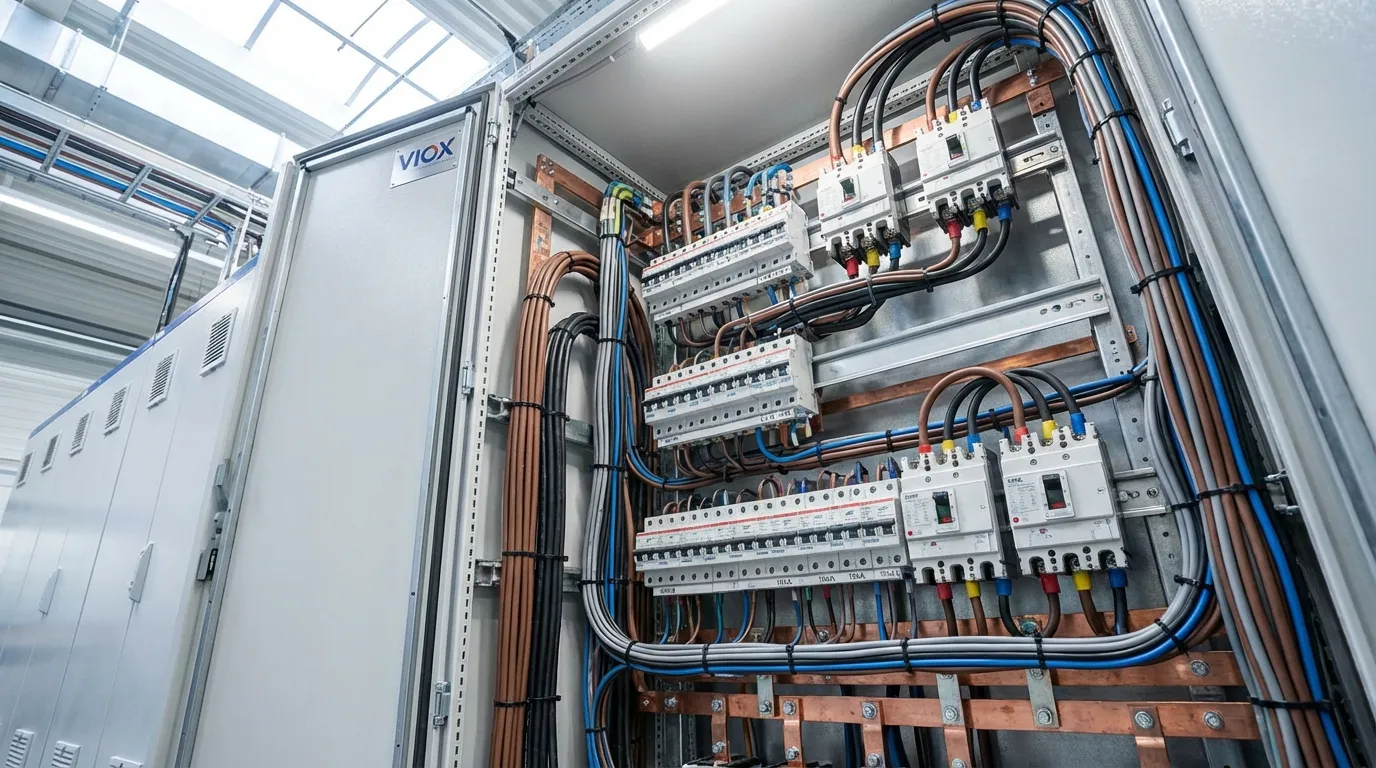
MCB ທີ່ມີຄວາມສາມາດໃນການຕັດວົງຈອນ 10kA ກາຍເປັນສິ່ງຈຳເປັນເມື່ອກະແສໄຟຟ້າລັດວົງຈອນທີ່ຄາດໄວ້ເກີນຂອບເຂດການເຮັດວຽກທີ່ປອດໄພຂອງອຸປະກອນ 6kA. ການຕິດຕັ້ງທາງການຄ້າ, ສະພາບແວດລ້ອມໃນຕົວເມືອງ, ແລະ ສະຖານທີ່ໃກ້ກັບໝໍ້ແປງໄຟຟ້າແຫຼ່ງຈ່າຍ ມັກຈະຕ້ອງການລະດັບທີ່ສູງກວ່ານີ້.
ການນຳໃຊ້ທີ່ສຳຄັນທີ່ຕ້ອງການ MCB 10kA
ອາຄານພານິດອາຄານຫ້ອງການ, ສູນການຄ້າຂາຍຍ່ອຍ, ແລະ ສະຖານທີ່ທາງການຄ້າໂດຍທົ່ວໄປແລ້ວຕ້ອງການ MCB 10kA ເນື່ອງຈາກ:
- ການບໍລິການໄຟຟ້າສາມເຟດ 400V ທີ່ມີຄວາມສາມາດໃນການຮັບກະແສໄຟຟ້າລັດວົງຈອນທີ່ສູງກວ່າ
- ຄວາມໃກ້ຊິດກັບໝໍ້ແປງໄຟຟ້າແຈກຢາຍຂະໜາດໃຫຍ່ກວ່າ (100kVA ຫາ 500kVA)
- ຫຼາຍເສັ້ນທາງແຫຼ່ງຈ່າຍຂະໜານກັນຫຼຸດຜ່ອນອິມພີແດນສ໌ຂອງລະບົບໂດຍລວມ
- ສະຖານທີ່ໃນຕົວເມືອງທີ່ມີໂຄງສ້າງພື້ນຖານໄຟຟ້າທີ່ເຂັ້ມແຂງ
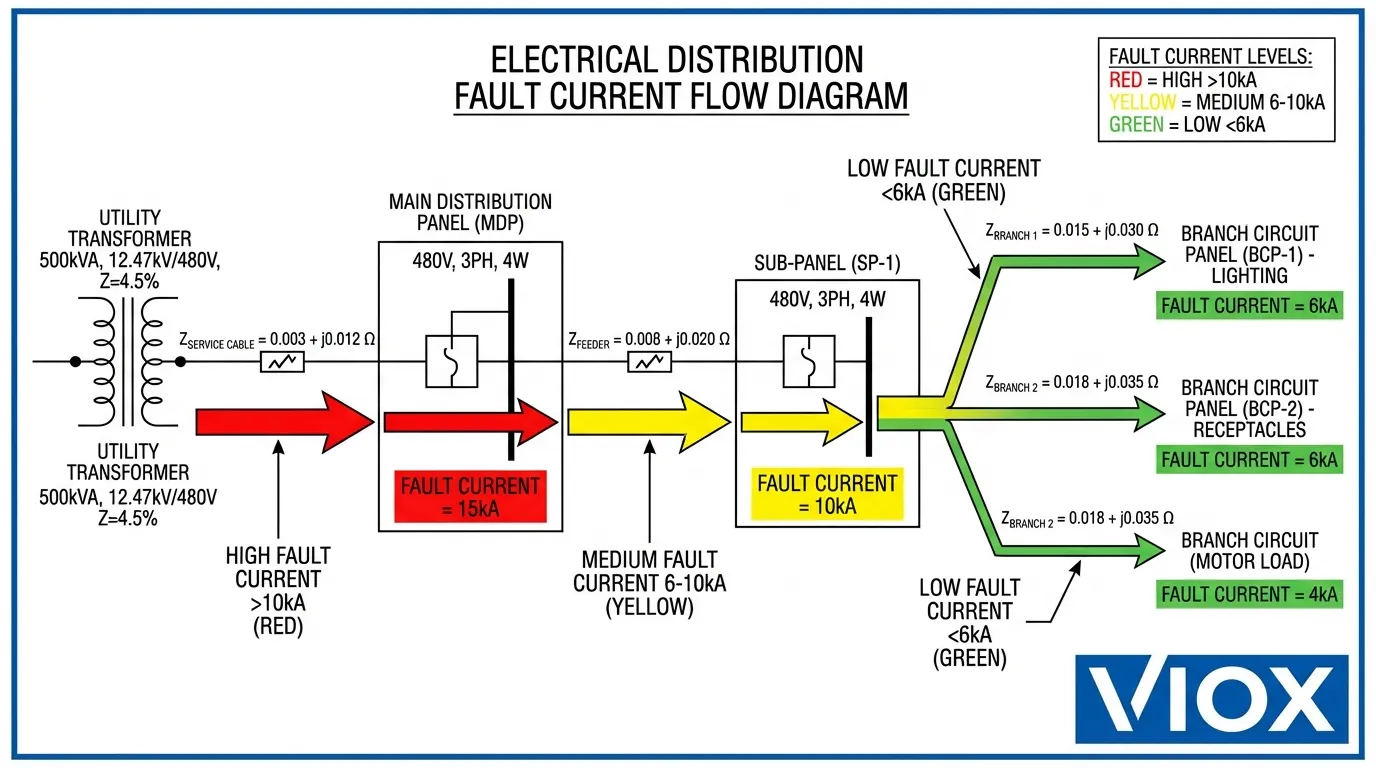
ແຜງແຈກຢາຍຫຼັກແຜງໄຟຟ້າຫຼັກໃນການຕິດຕັ້ງໃດໆກໍຕາມປະສົບກັບລະດັບກະແສໄຟຟ້າລັດວົງຈອນສູງສຸດເນື່ອງຈາກຄວາມໃກ້ຊິດກັບທາງເຂົ້າບໍລິການ. ເຖິງແມ່ນວ່າໃນການນຳໃຊ້ໃນບ້ານເຮືອນ, ແຜງຫຼັກມັກຈະໄດ້ຮັບຜົນປະໂຫຍດຈາກ MCB 10kA ເພື່ອຂອບເຂດຄວາມປອດໄພທີ່ເພີ່ມຂຶ້ນ.
ການຕິດຕັ້ງໃນຕົວເມືອງອາຄານໃນໃຈກາງເມືອງໂດຍທົ່ວໄປແລ້ວເຊື່ອມຕໍ່ກັບເຄືອຂ່າຍແຫຼ່ງຈ່າຍໄຟຟ້າທີ່ມີຄວາມສາມາດສູງທີ່ມີອິມພີແດນສ໌ແຫຼ່ງຕ່ຳ, ສົ່ງຜົນໃຫ້ລະດັບກະແສໄຟຟ້າລັດວົງຈອນສູງຂຶ້ນທີ່ເກີນລະດັບ 6kA.
ສິ່ງອໍານວຍຄວາມສະດວກດ້ານອຸດສາຫະກໍາໂຮງງານຜະລິດ, ສາງສິນຄ້າ, ແລະ ສະຖານທີ່ອຸດສາຫະກຳຕ້ອງການຄວາມສາມາດໃນການຕັດວົງຈອນ 10kA ຫຼື ສູງກວ່ານັ້ນເນື່ອງຈາກໂຫຼດທີ່ເຊື່ອມຕໍ່ຂະໜາດໃຫຍ່, ໝໍ້ແປງໄຟຟ້າຫຼາຍໜ່ວຍ, ແລະ ໂຄງສ້າງພື້ນຖານໄຟຟ້າທີ່ເຂັ້ມແຂງ.
ລະບົບສາມເຟດ ແລະ ການເພີ່ມຂຶ້ນຂອງກະແສໄຟຟ້າລັດວົງຈອນ
ລະບົບໄຟຟ້າສາມເຟດໂດຍທຳມະຊາດແລ້ວສ້າງກະແສໄຟຟ້າລັດວົງຈອນທີ່ສູງກວ່າລະບົບເຟດດຽວເນື່ອງຈາກ:
- ແຮງດັນໄຟຟ້າຂອງລະບົບທີ່ສູງກວ່າ (400V ລະຫວ່າງສາຍຕໍ່ສາຍທຽບກັບ 230V ລະຫວ່າງສາຍຕໍ່ກາງ)
- ຫຼາຍເສັ້ນທາງກະແສໄຟຟ້າ ໃນລະຫວ່າງການເກີດຄວາມຜິດພາດສາມເຟດ
- ອິມພີແດນສ໌ຕ່ຳກວ່າ ໃນຂົດລວດໝໍ້ແປງໄຟຟ້າສາມເຟດ
- ຄວາມສາມາດຂອງໝໍ້ແປງໄຟຟ້າທີ່ເພີ່ມຂຶ້ນ ປົກກະຕິໃນການຕິດຕັ້ງທາງການຄ້າ
ສຳລັບລະບົບສາມເຟດ, ການຄຳນວນກະແສໄຟຟ້າລັດວົງຈອນກາຍເປັນ:
PSCC = V_LL / (√3 × Z_total)
ບ່ອນທີ່ V_LL ແມ່ນແຮງດັນໄຟຟ້າລະຫວ່າງສາຍຕໍ່ສາຍ (ໂດຍທົ່ວໄປ 400V ໃນເອີຣົບ, 480V ໃນອາເມລິກາເໜືອ).
ຄວາມໃກ້ຊິດກັບໝໍ້ແປງໄຟຟ້າ: ປັດໃຈໄລຍະຫ່າງ
ໄລຍະຫ່າງລະຫວ່າງໝໍ້ແປງໄຟຟ້າແຫຼ່ງຈ່າຍ ແລະ ຈຸດຕິດຕັ້ງ MCB ສົ່ງຜົນກະທົບຢ່າງສຳຄັນຕໍ່ລະດັບກະແສໄຟຟ້າລັດວົງຈອນ. ຕາມຄຳແນະນຳທົ່ວໄປ:
| ໄລຍະຫ່າງຈາກໝໍ້ແປງໄຟຟ້າ | ຊ່ວງ PSCC ປົກກະຕິ | ຂະໜາດ MCB ທີ່ແນະນຳ |
|---|---|---|
| 0-20 ແມັດ | 8-15kA | 10kA ຂັ້ນຕ່ຳ (ພິຈາລະນາ 15kA) |
| 20-50 ແມັດ | 5-10kA | ແນະນຳ 10kA |
| 50-100 ແມັດ | 3-6kA | 6kA ຫຼື 10kA ອີງຕາມການຄຳນວນ |
| >100 ແມັດ | 1-4kA | ໂດຍທົ່ວໄປແລ້ວ 6kA ພຽງພໍ |
ຫມາຍເຫດຄ່າເຫຼົ່ານີ້ແມ່ນຄ່າປະມານ ແລະ ຂຶ້ນກັບຄວາມສາມາດຂອງໝໍ້ແປງໄຟຟ້າ, ຂະໜາດສາຍໄຟ, ແລະ ການຕັ້ງຄ່າລະບົບ. ດຳເນີນການຄຳນວນລະອຽດສະເໝີສຳລັບການຕິດຕັ້ງທີ່ສຳຄັນ.
ຄູ່ມືການເລືອກແອັບພລິເຄຊັນ: ການຈັບຄູ່ຄວາມສາມາດໃນການຕັດວົງຈອນກັບປະເພດການຕິດຕັ້ງ
ຕາຕະລາງຕໍ່ໄປນີ້ໃຫ້ຄໍາແນະນໍາທີ່ເປັນປະໂຫຍດສໍາລັບການເລືອກຄວາມສາມາດໃນການຕັດວົງຈອນ MCB ທີ່ເຫມາະສົມໂດຍອີງໃສ່ລັກສະນະການຕິດຕັ້ງ:
| ປະເພດການຕິດຕັ້ງ | ການຕັ້ງຄ່າລະບົບ | ຄວາມໃກ້ຊິດຂອງຫມໍ້ແປງໄຟຟ້າ | ຄວາມສາມາດໃນການຕັດວົງຈອນທີ່ແນະນໍາ | ເຫດຜົນ |
|---|---|---|---|---|
| ເຮືອນຄອບຄົວດຽວ | ໄຟຟ້າເຟດດຽວ 230V, ບໍລິການ <100A | >30m | 6kA | PSCC ຕ່ໍາ, ຂອບຄວາມປອດໄພທີ່ພຽງພໍ |
| ອາຄານອາພາດເມັນ | ໄຟຟ້າເຟດດຽວ 230V, ຫຼາຍຫ້ອງ | 20-50m | 6kA (ສາຂາ), 10kA (ຫຼັກ) | ແຜງຫຼັກຕ້ອງການລະດັບທີ່ສູງກວ່າ |
| ຮ້ານຂາຍຍ່ອຍ/ຫ້ອງການຂະໜາດນ້ອຍ | ໄຟຟ້າເຟດດຽວ 230V, <200A | ຕົວແປ | 10kA | ຂໍ້ກໍານົດລະຫັດການຄ້າ |
| ອາຄານການຄ້າຂະຫນາດໃຫຍ່ | ໄຟຟ້າສາມເຟດ 400V, >200A | <30m | ຕ່ຳສຸດ 10kA | ກະແສໄຟຟ້າຜິດພາດສູງ, ການປະຕິບັດຕາມລະຫັດ |
| ສະຖານທີ່ອຸດສາຫະກໍາ | ໄຟຟ້າສາມເຟດ 400V, >400A | <20m | 10kA-25kA | PSCC ສູງຫຼາຍ, ການປ້ອງກັນພິເສດ |
| ອາຄານສູງໃນຕົວເມືອງ | ໄຟຟ້າສາມເຟດ 400V, ຫຼາຍບໍລິການ | <10m | 10kA-15kA | ເຄືອຂ່າຍສາທາລະນູປະໂພກທີ່ເຂັ້ມແຂງ, ຄວາມສາມາດສູງ |
| ການຕິດຕັ້ງໃນຊົນນະບົດ | ໄຟຟ້າເຟດດຽວ 230V, ສາຍບໍລິການຍາວ | >100m | 6kA | impedance ສູງຈໍາກັດກະແສໄຟຟ້າຜິດພາດ |
| ລະບົບແສງຕາເວັນ PV | ວົງຈອນ DC, ປ່ຽນແປງໄດ້ | ບໍ່ມີ | ຈັດອັນດັບສໍາລັບການຕັດວົງຈອນ DC | ຕ້ອງການ MCB ທີ່ໄດ້ຮັບການຈັດອັນດັບ DC ພິເສດ |
ການປະຕິບັດຕາມມາດຕະຖານ IEC: ເຂົ້າໃຈ 60898-1 ທຽບກັບ 60947-2
ການເລືອກ MCB ທີ່ເຫມາະສົມຮຽກຮ້ອງໃຫ້ມີຄວາມເຂົ້າໃຈກ່ຽວກັບມາດຕະຖານສາກົນທີ່ກ່ຽວຂ້ອງແລະຂໍ້ກໍານົດຂອງພວກເຂົາ. ສອງມາດຕະຖານຕົ້ນຕໍທີ່ຄວບຄຸມຄວາມສາມາດໃນການຕັດວົງຈອນ MCB ແມ່ນ IEC 60898-1 ແລະ IEC 60947-2, ແຕ່ລະມາດຕະຖານກວມເອົາຂອບເຂດການນໍາໃຊ້ທີ່ແຕກຕ່າງກັນ.
IEC 60898-1: ການຕິດຕັ້ງທີ່ຢູ່ອາໄສແລະຄ້າຍຄືກັນ
IEC 60898-1 ໂດຍສະເພາະແມ່ນຄວບຄຸມເຄື່ອງຕັດວົງຈອນຂະຫນາດນ້ອຍສໍາລັບຄົວເຮືອນແລະການຕິດຕັ້ງທີ່ຄ້າຍຄືກັນ, ລວມທັງ:
- ແຮງດັດ: ສູງສຸດ 440V AC
- ການຈັດອັນດັບປັດຈຸບັນ: ສູງສຸດ 125A
- ຄວາມອາດສາມາດແຕກຫັກ (Icn): ໂດຍປົກກະຕິ 3kA, 6kA, 10kA, ຫຼື 15kA
- ອຸນຫະພູມອ້າງອີງ: ອຸນຫະພູມອາກາດລ້ອມຮອບ 30°C
- ເສັ້ນໂຄ້ງການເດີນທາງ: ຄຸນລັກສະນະ B, C, ແລະ D
- ຄໍາຮ້ອງສະຫມັກ: ທີ່ຢູ່ອາໄສ, ຫ້ອງການ, ໂຮງຮຽນ, ການຄ້າເບົາ
ມາດຕະຖານກໍານົດ Icn (ຄວາມສາມາດໃນການຕັດວົງຈອນສັ້ນທີ່ໄດ້ຮັບການຈັດອັນດັບ) ເປັນຄວາມສາມາດໃນການຕັດວົງຈອນຕາມລໍາດັບການທົດສອບທີ່ກໍານົດ. ສໍາລັບ MCB 6kA ແລະ 10kA ພາຍໃຕ້ IEC 60898-1:
- ລະດັບ 6kA: ຕ້ອງຕັດກະແສໄຟຟ້າຜິດພາດ 6,000A ໄດ້ສໍາເລັດຜົນໃນແຮງດັນທີ່ໄດ້ຮັບການຈັດອັນດັບ
- ລະດັບ 10kA: ຕ້ອງຕັດກະແສໄຟຟ້າຜິດພາດ 10,000A ໄດ້ສໍາເລັດຜົນໃນແຮງດັນທີ່ໄດ້ຮັບການຈັດອັນດັບ
IEC 60947-2: ການນໍາໃຊ້ທາງອຸດສາຫະກໍາແລະການຄ້າ
IEC 60947-2 ກວມເອົາເຄື່ອງຕັດວົງຈອນແບບ molded case (MCCBs) ແລະ MCB ອຸດສາຫະກໍາສໍາລັບການນໍາໃຊ້ທີ່ຕ້ອງການຫຼາຍກວ່າ:
- ແຮງດັດ: ສູງສຸດ 1,000V AC
- ການຈັດອັນດັບປັດຈຸບັນ: 16A ຫາ 6,300A
- Breaking Capacity (Icu): 10kA ຫາ 150kA ຂຶ້ນກັບຂະຫນາດກອບ
- ອຸນຫະພູມອ້າງອີງ: ອຸນຫະພູມອາກາດລ້ອມຮອບ 40°C
- ການຕັ້ງຄ່າທີ່ສາມາດປັບໄດ້: ການປັບຄວາມຮ້ອນແລະການຕັດແມ່ເຫຼັກ
- ຄໍາຮ້ອງສະຫມັກ: ອຸດສາຫະກໍາ, ການຄ້າຫນັກ, ລະບົບການແຈກຢາຍ
ມາດຕະຖານກໍານົດທັງ Icu (ຄວາມສາມາດໃນການຕັດວົງຈອນສູງສຸດ) ແລະ Ics (ຄວາມສາມາດໃນການຕັດວົງຈອນການບໍລິການ), ບ່ອນທີ່ Ics ເປັນຕົວແທນຂອງກະແສທີ່ເຄື່ອງຕັດວົງຈອນສາມາດຕັດໄດ້ຫຼາຍຄັ້ງໃນຂະນະທີ່ຮັກສາການເຮັດວຽກ.
ສໍາລັບການປຽບທຽບລາຍລະອຽດຂອງມາດຕະຖານເຫຼົ່ານີ້, ເບິ່ງຄູ່ມືຂອງພວກເຮົາກ່ຽວກັບ IEC 60898-1 ທຽບກັບ IEC 60947-2.
ຕາຕະລາງປຽບທຽບມາດຕະຖານ
| ພາລາມິເຕີ | IEC 60898-1 (MCB ທີ່ຢູ່ອາໄສ) | IEC 60947-2 (MCCB ອຸດສາຫະກຳ) |
|---|---|---|
| ຄໍາຮ້ອງສະຫມັກຂັ້ນຕົ້ນ | ເຮືອນ, ການຄ້າຂະໜາດນ້ອຍ | ອຸດສາຫະກຳ, ການຄ້າໜັກ |
| ແຮງດັນໄຟຟ້າສູງສຸດ | 440V AC | 1,000V AC |
| ຊ່ວງປັດຈຸບັນ | ສູງເຖິງ 125A | 16A ຫາ 6,300A |
| ການກຳນົດຄວາມສາມາດໃນການຕັດວົງຈອນ | Icn (ຄວາມສາມາດທີ່ກຳນົດ) | Icu (ສູງສຸດ), Ics (ການບໍລິການ) |
| ອາກາດລ້ອມຮອບອ້າງອີງ | 30°C | 40°C |
| ເສັ້ນໂຄ້ງການເດີນທາງ | ຄົງທີ່ (B, C, D) | ປັບໄດ້ ຄວາມຮ້ອນ/ແມ່ເຫຼັກ |
| ການນຳໃຊ້ທົ່ວໄປ 6kA/10kA | ວົງຈອນສາຂາທີ່ຢູ່ອາໄສ | ຕົວປ້ອນການຄ້າ, ການແຈກຢາຍ |
| ຄວາມຕ້ອງການການທົດສອບ | ລຳດັບການທົດສອບແບບງ່າຍ | ລຳດັບການທົດສອບທີ່ສົມບູນ |
| ການປະສານງານການເລືອກ | ພື້ນຖານ | ຕາຕະລາງການປະສານງານຂັ້ນສູງ |
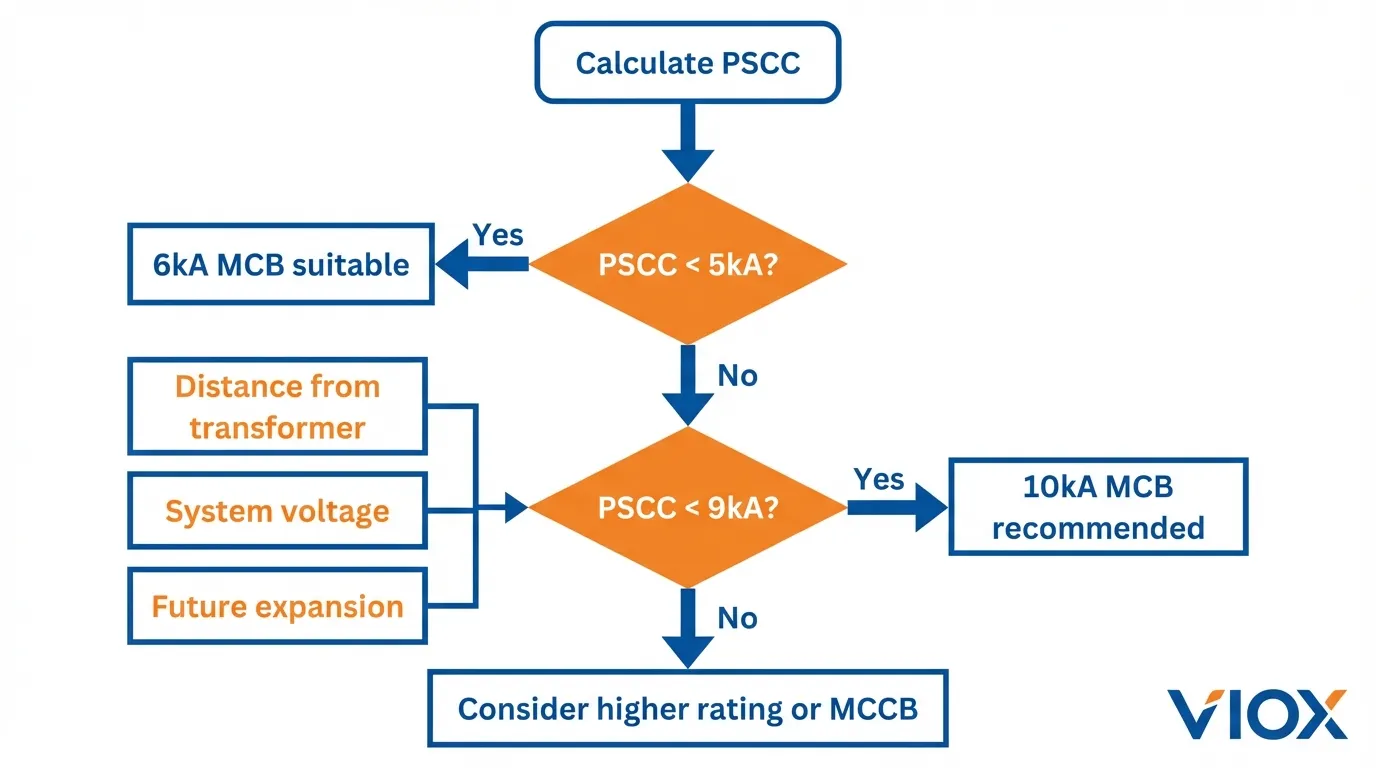
ກອບການຕັດສິນໃຈ: ການເລືອກຄວາມສາມາດໃນການຕັດວົງຈອນທີ່ຖືກຕ້ອງ
ການເລືອກລະຫວ່າງ MCB 6kA ແລະ 10kA ຮຽກຮ້ອງໃຫ້ມີການວິເຄາະຢ່າງເປັນລະບົບກ່ຽວກັບຫຼາຍປັດໃຈ. ປະຕິບັດຕາມກອບການຕັດສິນໃຈນີ້ເພື່ອຮັບປະກັນການຄັດເລືອກທີ່ເໝາະສົມ:
ຂັ້ນຕອນທີ 1: ຄຳນວນກະແສໄຟຟ້າລັດວົງຈອນທີ່ຄາດໄວ້ (PSCC)
ກຳນົດກະແສໄຟຟ້າຜິດປົກກະຕິສູງສຸດຢູ່ຈຸດຕິດຕັ້ງ MCB ໂດຍໃຊ້ມ ໜຶ່ງ ໃນວິທີການເຫຼົ່ານີ້:
ວິທີ A: ຂໍ້ມູນສາທາລະນູປະໂພກ
ຕິດຕໍ່ບໍລິສັດສາທາລະນູປະໂພກເພື່ອໃຫ້ໄດ້ກະແສໄຟຟ້າຜິດປົກກະຕິທີ່ມີຢູ່ທີ່ທາງເຂົ້າບໍລິການ. ນີ້ສະຫນອງຈຸດເລີ່ມຕົ້ນທີ່ຖືກຕ້ອງທີ່ສຸດສໍາລັບການຄິດໄລ່.
ວິທີ B: ການຄິດໄລ່ຈາກຂໍ້ມູນໝໍ້ແປງໄຟຟ້າ
ໃຊ້ຂໍ້ມູນປ້າຍຊື່ໝໍ້ແປງໄຟຟ້າ ແລະ impedance ສາຍໄຟ:
- ຄຳນວນກະແສໄຟຟ້າຂັ້ນສອງຂອງໝໍ້ແປງໄຟຟ້າ: I_transformer = S_kVA / (√3 × V)
- ກຳນົດ impedance ໝໍ້ແປງໄຟຟ້າ: Z_transformer = (V² × %Z) / (S_kVA × 100)
- ຄຳນວນ impedance ສາຍໄຟ: Z_cable = (ρ × L) / A
- ຄຳນວນ impedance ທັງໝົດ: Z_total = Z_transformer + Z_cable
- ຄຳນວນ PSCC: PSCC = V / Z_total
ວິທີ C: ການທົດສອບ
ໃຊ້ເຄື່ອງທົດສອບກະແສໄຟຟ້າລັດວົງຈອນທີ່ຄາດໄວ້ເພື່ອວັດແທກກະແສໄຟຟ້າຜິດປົກກະຕິຕົວຈິງຢູ່ຈຸດຕິດຕັ້ງ. ວິທີການນີ້ໃຫ້ຜົນໄດ້ຮັບທີ່ຖືກຕ້ອງທີ່ສຸດແຕ່ຕ້ອງການອຸປະກອນພິເສດ.
ຂັ້ນຕອນທີ 2: ນຳໃຊ້ຂອບເຂດຄວາມປອດໄພ
ຢ່າເລືອກ MCB ທີ່ມີຄວາມສາມາດໃນການຕັດວົງຈອນເທົ່າກັບ PSCC ທີ່ຄຳນວນໄດ້. ນຳໃຊ້ຂອບເຂດຄວາມປອດໄພທີ່ເໝາະສົມ:
- ຂອບເຂດຕໍ່າສຸດ: 20% ຂ້າງເທິງ PSCC ທີ່ຄຳນວນໄດ້
- ຂອບເຂດທີ່ແນະນຳ: 50% ຂ້າງເທິງ PSCC ທີ່ຄຳນວນໄດ້ສຳລັບການນຳໃຊ້ທີ່ສຳຄັນ
- ການຂະຫຍາຍຕົວໃນອະນາຄົດ: ພິຈາລະນາການເພີ່ມຂຶ້ນທີ່ອາດເກີດຂຶ້ນໃນກະແສໄຟຟ້າຜິດປົກກະຕິຈາກການຍົກລະດັບສາທາລະນູປະໂພກ ຫຼື ການດັດແກ້ລະບົບ
ຕົວຢ່າງ: ຖ້າ PSCC ທີ່ຄຳນວນໄດ້ = 5.5kA, ເລືອກ MCB 10kA (ບໍ່ແມ່ນ 6kA) ເພື່ອໃຫ້ມີຂອບເຂດຄວາມປອດໄພທີ່ພຽງພໍ.
ຂັ້ນຕອນທີ 3: ພິຈາລະນາຄຸນລັກສະນະການຕິດຕັ້ງ
ປະເມີນປັດໃຈເຫຼົ່ານີ້ເມື່ອເຮັດການເລືອກສຸດທ້າຍ:
ຄວາມໃກ້ຊິດກັບແຫຼ່ງ: ການຕິດຕັ້ງພາຍໃນ 50 ແມັດຂອງໝໍ້ແປງໄຟຟ້າໂດຍທົ່ວໄປແລ້ວຕ້ອງການລະດັບ 10kA ເນື່ອງຈາກ impedance ຕ່ຳ ແລະ ກະແສໄຟຟ້າຜິດປົກກະຕິສູງ.
ແຮງດັນຂອງລະບົບ: ລະບົບສາມເຟດ 400V ໂດຍທົ່ວໄປແລ້ວຕ້ອງການຄວາມສາມາດໃນການຕັດວົງຈອນທີ່ສູງກວ່າລະບົບເຟດດຽວ 230V.
ປະເພດອາຄານ: ການຕິດຕັ້ງທາງການຄ້າຄວນເລີ່ມຕົ້ນດ້ວຍ MCB 10kA ເວັ້ນເສຍແຕ່ວ່າການຄິດໄລ່ພິສູດຢ່າງແນ່ນອນວ່າ 6kA ແມ່ນພຽງພໍ.
ຂໍ້ກໍານົດລະຫັດ: ລະຫັດໄຟຟ້າທ້ອງຖິ່ນອາດຈະກຳນົດຄວາມສາມາດໃນການຕັດວົງຈອນຂັ້ນຕ່ຳສຳລັບປະເພດການຕິດຕັ້ງສະເພາະ. ກວດສອບສະເໝີວ່າສອດຄ່ອງກັບກົດລະບຽບທີ່ນຳໃຊ້.
ການຂະຫຍາຍຕົວໃນອະນາຄົດ: ຖ້າຄາດວ່າຈະມີການຂະຫຍາຍລະບົບ, ເລືອກຄວາມສາມາດໃນການຕັດວົງຈອນທີ່ສູງກວ່າເພື່ອຮອງຮັບກະແສໄຟຟ້າຜິດປົກກະຕິທີ່ເພີ່ມຂຶ້ນຈາກໝໍ້ແປງໄຟຟ້າເພີ່ມເຕີມ ຫຼື ການຍົກລະດັບສາທາລະນູປະໂພກ.
ຂັ້ນຕອນທີ 4: ກວດສອບການປະສານງານ ແລະ ການເລືອກ
ຮັບປະກັນການປະສານງານທີ່ເໝາະສົມລະຫວ່າງອຸປະກອນປ້ອງກັນຂັ້ນເທິງ ແລະ ຂັ້ນລຸ່ມ. ຄວາມສາມາດໃນການຕັດວົງຈອນ MCB ຕ້ອງຮອງຮັບການຕັດວົງຈອນແບບເລືອກໄດ້ເພື່ອແຍກຄວາມຜິດປົກກະຕິໃນລະດັບຕ່ຳສຸດທີ່ເປັນໄປໄດ້ໂດຍບໍ່ມີຜົນກະທົບຕໍ່ວົງຈອນຂັ້ນເທິງ.
ສຳລັບຄຳແນະນຳທີ່ສົມບູນແບບກ່ຽວກັບ ການເລືອກ MCB ທີ່ຖືກຕ້ອງ, ລວມທັງການພິຈາລະນາການປະສານງານ, ອ້າງອີງເຖິງຄູ່ມືການເລືອກລາຍລະອຽດຂອງພວກເຮົາ.
ສະຖານະການການນຳໃຊ້ໃນໂລກຕົວຈິງ
ສະຖານະການທີ 1: ການປັບປຸງເຮືອນຢູ່ອາໄສ
ສະຖານະການ: ເຈົ້າຂອງເຮືອນກຳລັງຍົກລະດັບແຜງໄຟຟ້າໃນເຮືອນຄອບຄົວດຽວທີ່ສ້າງຂຶ້ນໃນປີ 1985. ເຮືອນຕັ້ງຢູ່ຫ່າງຈາກໝໍ້ແປງໄຟຟ້າແຈກຢາຍ 50kVA 75 ແມັດ, ໂດຍມີການບໍລິການເຟດດຽວ 230V 100A.
ການວິເຄາະ:
- ໄລຍະຫ່າງໄກຈາກໝໍ້ແປງໄຟຟ້າ (75m) ເພີ່ມ impedance
- ລະບົບເຟດດຽວ 230V ຈຳກັດກະແສໄຟຟ້າຜິດປົກກະຕິ
- ຄວາມສາມາດຂອງໝໍ້ແປງໄຟຟ້າຂະໜາດນ້ອຍ (50kVA)
- PSCC ທີ່ຄຳນວນໄດ້ ≈ 3.2kA
ການຕັດສິນໃຈ: MCB 6kA ແມ່ນພຽງພໍສຳລັບວົງຈອນສາຂາທັງໝົດ. ຢ່າງໃດກໍຕາມ, ເບກເກີຫຼັກຄວນເປັນ 10kA ເພື່ອໃຫ້ມີຂອບເຂດຄວາມປອດໄພເພີ່ມເຕີມ ແລະ ຮອງຮັບການຍົກລະດັບສາທາລະນູປະໂພກໃນອະນາຄົດທີ່ອາດເກີດຂຶ້ນ.
ສະຖານະການທີ 2: ອາຄານຫ້ອງການການຄ້າ
ສະຖານະການ: ອາຄານຫ້ອງການໃໝ່ 5 ຊັ້ນໃນເຂດຕົວເມືອງທີ່ມີລະບົບສາມເຟດ 400V, ໝໍ້ແປງໄຟຟ້າ 630kVA ຕັ້ງຢູ່ໃນຊັ້ນໃຕ້ດິນ, ແຜງໄຟຫຼັກຫ່າງຈາກໝໍ້ແປງໄຟຟ້າ 15 ແມັດ.
ການວິເຄາະ:
- ລະບົບສາມເຟດ 400V ເພີ່ມກະແສໄຟຟ້າລັດວົງຈອນ
- ຄວາມຈຸຂອງໝໍ້ແປງໄຟຟ້າຂະໜາດໃຫຍ່ (630kVA)
- ໄລຍະຫ່າງສັ້ນຈາກໝໍ້ແປງໄຟຟ້າ (15m)
- ສະຖານທີ່ໃນຕົວເມືອງທີ່ມີເຄືອຂ່າຍໄຟຟ້າທີ່ເຂັ້ມແຂງ
- ຄ່າ PSCC ທີ່ຄຳນວນໄດ້ ≈ 12kA ທີ່ແຜງໄຟຫຼັກ
ການຕັດສິນໃຈ: MCB ຂະໜາດ 10kA ບໍ່ພຽງພໍສຳລັບແຜງໄຟຫຼັກ—ຍົກລະດັບເປັນ MCCB ຂະໜາດ 15kA ຫຼື 25kA. ແຜງໄຟຍ່ອຍຢູ່ຊັ້ນເທິງສາມາດໃຊ້ MCB ຂະໜາດ 10kA ໄດ້ເນື່ອງຈາກຄວາມຕ້ານທານເພີ່ມຂຶ້ນຈາກສາຍໄຟ.
ສະຖານະການທີ 3: ການຂະຫຍາຍໂຮງງານອຸດສາຫະກຳ
ສະຖານະການ: ໂຮງງານຜະລິດທີ່ມີຢູ່ແລ້ວແມ່ນເພີ່ມສາຍການຜະລິດໃໝ່ທີ່ຕ້ອງການແຜງໄຟສາມເຟດເພີ່ມເຕີມ 200A. ແຜງໄຟໃໝ່ຈະຕັ້ງຢູ່ຫ່າງຈາກກະດານແຈກຢາຍໄຟຫຼັກທີ່ມີຢູ່ແລ້ວ 40 ແມັດ.
ການວິເຄາະ:
- ລະບົບອຸດສາຫະກຳສາມເຟດ 400V
- ໄລຍະຫ່າງປານກາງຈາກແຫຼ່ງກຳເນີດ (40m)
- ແຜງໄຟຫຼັກທີ່ມີຢູ່ແລ້ວມີກະແສໄຟຟ້າລັດວົງຈອນ 25kA
- ຄວາມຕ້ານທານຂອງສາຍໄຟຫຼຸດຜ່ອນກະແສໄຟຟ້າລັດວົງຈອນຢູ່ແຜງໄຟໃໝ່
- ຄ່າ PSCC ທີ່ຄຳນວນໄດ້ ≈ 8.5kA ຢູ່ຈຸດທີ່ຕັ້ງຂອງແຜງໄຟໃໝ່
ການຕັດສິນໃຈ: MCB ຂະໜາດ 10kA ແມ່ນເໝາະສົມສຳລັບແຜງໄຟໃໝ່, ໂດຍມີການປະສານງານທີ່ເໝາະສົມກັບການປ້ອງກັນກະແສໄຟຟ້າຂະໜາດ 25kA ຢູ່ເທິງ. ບັນທຶກການຄຳນວນກະແສໄຟຟ້າລັດວົງຈອນ ແລະ ຮັກສາບັນທຶກໄວ້ສຳລັບການຂະຫຍາຍໃນອະນາຄົດ.
ທົ່ຜິດພາດເພື່ອຫຼີກເວັ້ນ
ຄວາມຜິດພາດທີ 1: ການສົມມຸດວ່າ 6kA ແມ່ນພຽງພໍສະເໝີສຳລັບທີ່ຢູ່ອາໄສ
ຊ່າງໄຟຟ້າຫຼາຍຄົນເລືອກໃຊ້ MCB ຂະໜາດ 6kA ສຳລັບການຕິດຕັ້ງທີ່ຢູ່ອາໄສທັງໝົດໂດຍບໍ່ໄດ້ຄຳນວນຄ່າ PSCC ຕົວຈິງ. ຂໍ້ສົມມຸດຕິຖານນີ້ລົ້ມເຫຼວໃນ:
- ເຂດຕົວເມືອງທີ່ມີເຄືອຂ່າຍໄຟຟ້າຄວາມຈຸສູງ
- ເຮືອນທີ່ຢູ່ໃກ້ກັບໝໍ້ແປງໄຟຟ້າແຈກຢາຍ
- ແຜງໄຟຫຼັກທີ່ມີສາຍໄຟເຂົ້າອາຄານສັ້ນ
- ການປັບປຸງໃໝ່ບ່ອນທີ່ພື້ນຖານໂຄງລ່າງໄຟຟ້າໄດ້ຮັບການຍົກລະດັບ
ການແກ້ໄຂ: ຄວນຄຳນວນ ຫຼື ວັດແທກຄ່າ PSCC ສະເໝີ, ໂດຍສະເພາະສຳລັບແຜງໄຟຫຼັກ ແລະ ການຕິດຕັ້ງໃນຕົວເມືອງ.
ຄວາມຜິດພາດທີ 2: ການລະເລີຍການຄູນກະແສໄຟຟ້າລັດວົງຈອນສາມເຟດ
ການຄຳນວນກະແສໄຟຟ້າລັດວົງຈອນເຟດດຽວບໍ່ສາມາດນຳໃຊ້ກັບລະບົບສາມເຟດໄດ້. ປັດໄຈ √3 ແລະ ແຮງດັນໄຟຟ້າລະຫວ່າງສາຍເພີ່ມກະແສໄຟຟ້າລັດວົງຈອນທີ່ມີຢູ່ຢ່າງຫຼວງຫຼາຍ.
ການແກ້ໄຂ: ໃຊ້ສູດການຄຳນວນກະແສໄຟຟ້າລັດວົງຈອນສາມເຟດທີ່ເໝາະສົມ ແລະ ພິຈາລະນາປະເພດການລັດວົງຈອນທັງໝົດ (ສາມເຟດ, ລະຫວ່າງສາຍ, ລະຫວ່າງສາຍຫາສາຍດິນ).
ຄວາມຜິດພາດທີ 3: ການບໍ່ພິຈາລະນາການຂະຫຍາຍໃນອະນາຄົດ
ລະບົບໄຟຟ້າພັດທະນາໄປຕາມການເວລາ. ການຍົກລະດັບໄຟຟ້າ, ໝໍ້ແປງໄຟຟ້າເພີ່ມເຕີມ, ຫຼື ການດັດແກ້ລະບົບສາມາດເພີ່ມກະແສໄຟຟ້າລັດວົງຈອນທີ່ມີຢູ່ເກີນກວ່າການຄຳນວນເບື້ອງຕົ້ນ.
ການແກ້ໄຂ: ສ້າງຂອບເຂດຄວາມປອດໄພ ແລະ ພິຈາລະນາເລືອກລະດັບຄວາມສາມາດໃນການຕັດວົງຈອນທີ່ສູງກວ່າເມື່ອຄ່າ PSCC ເຂົ້າໃກ້ຂີດຈຳກັດຂອງລະດັບຕ່ຳກວ່າ.
ຄວາມຜິດພາດທີ 4: ການປະສົມມາດຕະຖານທີ່ບໍ່ເໝາະສົມ
ການໃຊ້ MCB ທີ່ຢູ່ອາໄສຕາມມາດຕະຖານ IEC 60898-1 ໃນການນຳໃຊ້ທາງອຸດສາຫະກຳທີ່ຄຸ້ມຄອງໂດຍ IEC 60947-2 ສ້າງບັນຫາດ້ານຄວາມສອດຄ່ອງ ແລະ ຄວາມປອດໄພ.
ການແກ້ໄຂ: ເຂົ້າໃຈວ່າມາດຕະຖານໃດນຳໃຊ້ກັບການຕິດຕັ້ງຂອງທ່ານ ແລະ ເລືອກອຸປະກອນທີ່ມີລະດັບທີ່ເໝາະສົມ. ສຳລັບຂໍ້ມູນເພີ່ມເຕີມກ່ຽວກັບ ປະເພດຂອງເຄື່ອງຕັດວົງຈອນທີ່ແຕກຕ່າງກັນ ແລະ ການນຳໃຊ້ຂອງມັນ, ໃຫ້ປຶກສາຄູ່ມືທີ່ສົມບູນແບບຂອງພວກເຮົາ.
ການວິເຄາະຕົ້ນທຶນ-ຜົນປະໂຫຍດ: ການລົງທຶນລະຫວ່າງ 6kA ແລະ 10kA
ຄວາມແຕກຕ່າງຂອງລາຄາລະຫວ່າງ MCB ຂະໜາດ 6kA ແລະ 10kA ໂດຍທົ່ວໄປແມ່ນ 10-20%, ເຊິ່ງເປັນການລົງທຶນໜ້ອຍທີ່ສຸດເມື່ອທຽບກັບຜົນສະທ້ອນຂອງການປ້ອງກັນທີ່ບໍ່ພຽງພໍ. ພິຈາລະນາປັດໃຈເຫຼົ່ານີ້:
ຄ່າໃຊ້ຈ່າຍໂດຍກົງ:
- MCB ຂະໜາດ 6kA: ລາຄາພື້ນຖານ
- MCB ຂະໜາດ 10kA: ຄ່າພິເສດ +10-20%
- ຄ່າແຮງງານໃນການຕິດຕັ້ງ: ຄືກັນສຳລັບທັງສອງລະດັບ
ຄ່າໃຊ້ຈ່າຍຄວາມສ່ຽງຂອງການເລືອກຂະໜາດນ້ອຍເກີນໄປ:
- ອຸປະກອນເສຍຫາຍຈາກການປ້ອງກັນກະແສໄຟຟ້າລັດວົງຈອນທີ່ບໍ່ພຽງພໍ
- ຄວາມເສຍຫາຍຈາກໄຟໄໝ້ ແລະ ຄວາມຮັບຜິດຊອບ
- ຄ່າປັບໄໝການລະເມີດລະຫັດ
- ຜົນສະທ້ອນຂອງການປະກັນໄພ
- ການຢຸດເຮັດວຽກ ແລະ ການຂັດຂວາງທຸລະກິດ
- ຄ່າໃຊ້ຈ່າຍໃນການປ່ຽນແທນຫຼັງຈາກຄວາມລົ້ມເຫຼວ
ມູນຄ່າໃນໄລຍະຍາວຂອງການເລືອກຂະໜາດທີ່ເໝາະສົມ:
- ປັບປຸງຂອບຄວາມປອດໄພ
- ການຮອງຮັບການຂະຫຍາຍລະບົບໃນອະນາຄົດ
- ຫຼຸດຜ່ອນຄວາມສ່ຽງຕໍ່ຄວາມຮັບຜິດຊອບ
- ອັດຕາປະກັນໄພທີ່ດີຂຶ້ນ
- ຄວາມໝັ້ນໃຈໃນການປະຕິບັດຕາມລະຫັດ
- ອາຍຸການໃຊ້ງານຂອງອຸປະກອນທີ່ຍາວນານຂຶ້ນ
ຄໍາແນະນໍາດ້ານວິຊາຊີບ: ເມື່ອການຄຳນວນຄ່າ PSCC ຕົກຢູ່ໃນຂອບເຂດ 1kA ຂອງຂີດຈຳກັດຂອງລະດັບຕ່ຳກວ່າ, ໃຫ້ເລືອກຄວາມສາມາດໃນການຕັດວົງຈອນທີ່ສູງກວ່າສະເໝີ. ຄວາມແຕກຕ່າງຂອງຄ່າໃຊ້ຈ່າຍໜ້ອຍທີ່ສຸດໃຫ້ຜົນປະໂຫຍດດ້ານຄວາມປອດໄພ ແລະ ຄວາມໜ້າເຊື່ອຖືຢ່າງຫຼວງຫຼາຍ.
FAQ
ຈະເກີດຫຍັງຂຶ້ນຖ້າຂ້ອຍຕິດຕັ້ງ MCB 6kA ບ່ອນທີ່ຕ້ອງການ 10kA?
ການຕິດຕັ້ງ MCB ທີ່ມີຄວາມສາມາດໃນການຕັດວົງຈອນບໍ່ພຽງພໍສ້າງອັນຕະລາຍດ້ານຄວາມປອດໄພທີ່ຮ້າຍແຮງ. ໃນລະຫວ່າງສະພາບການລັດວົງຈອນທີ່ເກີນລະດັບຂອງ MCB, ອຸປະກອນອາດຈະບໍ່ສາມາດຕັດກະແສໄຟຟ້າໄດ້, ເຊິ່ງນຳໄປສູ່ການເຊື່ອມໂລຫະຂອງໜ້າສຳຜັດ, ເຫດການໄຟຟ້າແຮງສູງ, ການແຕກຂອງກ່ອງຫຸ້ມ, ຫຼື ໄຟໄໝ້. ຄວາມສາມາດໃນການຕັດວົງຈອນຂອງ MCB ຕ້ອງເກີນກະແສໄຟຟ້າລັດວົງຈອນທີ່ຄາດໄວ້ຢູ່ຈຸດຕິດຕັ້ງຂອງມັນສະເໝີ ໂດຍມີຂອບເຂດຄວາມປອດໄພທີ່ເໝາະສົມ.
ຂ້ອຍສາມາດໃຊ້ MCB 10kA ໃນການຕິດຕັ້ງທີ່ຢູ່ອາໄສທັງໝົດເພື່ອຄວາມປອດໄພເພີ່ມເຕີມໄດ້ບໍ?
ແມ່ນແລ້ວ, ການນໍາໃຊ້ MCB ຂະໜາດ 10kA ໃນການຕິດຕັ້ງທີ່ຢູ່ອາໄສບ່ອນທີ່ 6kA ພຽງພໍຈະສະໜອງຂອບເຂດຄວາມປອດໄພເພີ່ມເຕີມ ແລະ ປ້ອງກັນການຕິດຕັ້ງໃນອະນາຄົດຕໍ່ກັບການຍົກລະດັບອຸປະກອນ ຫຼື ການດັດແກ້ລະບົບ. ຄ່າໃຊ້ຈ່າຍເພີ່ມເຕີມແມ່ນໜ້ອຍທີ່ສຸດ (10-20%) ແລະ ໃຫ້ຜົນປະໂຫຍດອັນໃຫຍ່ຫຼວງ. ຢ່າງໃດກໍ່ຕາມ, ການຄິດໄລ່ PSCC ທີ່ຖືກຕ້ອງຍັງຄົງມີຄວາມຈໍາເປັນເພື່ອຮັບປະກັນວ່າເຖິງແມ່ນ 10kA ກໍ່ພຽງພໍສໍາລັບສະຖານທີ່ທີ່ໃກ້ຊິດກັບໝໍ້ແປງໄຟຟ້າ.
ຂ້ອຍຈະຄຳນວນກະແສໄຟຟ້າລັດວົງຈອນທີ່ຄາດໄວ້ (PSCC) ສໍາລັບການຕິດຕັ້ງຂອງຂ້ອຍໄດ້ແນວໃດ?
ຄຳນວນຄ່າ PSCC ໂດຍໃຊ້ສູດ: PSCC = V / Z_total, ບ່ອນທີ່ V ແມ່ນແຮງດັນໄຟຟ້າຂອງລະບົບ ແລະ Z_total ແມ່ນຄວາມຕ້ານທານທັງໝົດຈາກແຫຼ່ງກຳເນີດໄປຫາຈຸດລັດວົງຈອນ. ສຳລັບຂັ້ນຕອນການຄຳນວນລະອຽດ, ລວມທັງຄວາມຕ້ານທານຂອງໝໍ້ແປງໄຟຟ້າ, ຄວາມຕ້ານທານຂອງສາຍໄຟ, ແລະ ຄວາມຕ້ານທານຂອງແຫຼ່ງກຳເນີດໄຟຟ້າ, ໃຫ້ອ້າງອີງໃສ່ຄູ່ມືທີ່ສົມບູນແບບຂອງພວກເຮົາກ່ຽວກັບ ການຄຳນວນກະແສໄຟຟ້າລັດວົງຈອນສຳລັບການເລືອກ MCB.
ອັນໃດຄືຄວາມແຕກຕ່າງລະຫວ່າງຄ່າ Icn ແລະ Icu?
Icn (ຄວາມສາມາດໃນການຕັດວົງຈອນທີ່ໄດ້ຮັບການຈັດອັນດັບ) ໄດ້ຖືກລະບຸໄວ້ໃນ IEC 60898-1 ສຳລັບ MCB ທີ່ຢູ່ອາໄສ ແລະ ສະແດງເຖິງກະແສໄຟຟ້າສູງສຸດທີ່ອຸປະກອນສາມາດຕັດໄດ້ຕາມລຳດັບການທົດສອບຂອງມາດຕະຖານ. Icu (ຄວາມສາມາດໃນການຕັດວົງຈອນສູງສຸດ) ໄດ້ຖືກລະບຸໄວ້ໃນ IEC 60947-2 ສຳລັບ MCCB ອຸດສາຫະກຳ ແລະ ສະແດງເຖິງກະແສໄຟຟ້າລັດວົງຈອນສູງສຸດທີ່ອຸປະກອນສາມາດຕັດໄດ້, ເຖິງແມ່ນວ່າມັນອາດຈະບໍ່ສາມາດເຮັດວຽກໄດ້ຫຼັງຈາກນັ້ນ. ສຳລັບລາຍລະອຽດເພີ່ມເຕີມກ່ຽວກັບສິ່ງເຫຼົ່ານີ້ ແລະ ອື່ນໆ ການຈັດອັນດັບເຄື່ອງຕັດວົງຈອນ, ໃຫ້ປຶກສາຄູ່ມືດ້ານວິຊາການຂອງພວກເຮົາ.
ຂ້ອຍຕ້ອງການຄວາມສາມາດໃນການຕັດວົງຈອນສູງກວ່າສໍາລັບລະບົບສາມເຟດບໍ່?
ແມ່ນແລ້ວ, ລະບົບສາມເຟດໂດຍທົ່ວໄປແລ້ວຕ້ອງການ MCB ທີ່ມີຄວາມສາມາດໃນການຕັດວົງຈອນສູງກວ່າລະບົບເຟດດຽວເນື່ອງຈາກແຮງດັນໄຟຟ້າຂອງລະບົບສູງກວ່າ (400V ທຽບກັບ 230V), ມີເສັ້ນທາງກະແສໄຟຟ້າຫຼາຍເສັ້ນທາງໃນລະຫວ່າງເກີດຄວາມຜິດປົກກະຕິ, ແລະໂດຍທົ່ວໄປແລ້ວມີຄວາມສາມາດຂອງໝໍ້ແປງໄຟຟ້າຂະໜາດໃຫຍ່ກວ່າ. ການເກີດຄວາມຜິດປົກກະຕິແບບສາມເຟດສາມາດສ້າງກະແສໄຟຟ້າທີ່ສູງກວ່າຢ່າງຫຼວງຫຼາຍເມື່ອທຽບກັບການເກີດຄວາມຜິດປົກກະຕິແບບເຟດດຽວໃນລະບົບດຽວກັນ. ຄວນຄຳນວນ PSCC ສະເພາະສຳລັບການຕັ້ງຄ່າສາມເຟດໂດຍນຳໃຊ້ສູດທີ່ເໝາະສົມສະເໝີ.
ຂ້ອຍສາມາດໃຊ້ການປ້ອງກັນແບບ cascading ຫຼື backup ເພື່ອຫຼຸດຜ່ອນຄວາມຕ້ອງການ breaking capacity ໄດ້ບໍ?
ການຕໍ່ແບບຂັ້ນບັນໄດ (ເອີ້ນອີກຊື່ໜຶ່ງວ່າການປ້ອງກັນສຳຮອງ) ຊ່ວຍໃຫ້ MCB ທີ່ຢູ່ປາຍທາງລຸ່ມທີ່ມີຄວາມສາມາດໃນການຕັດວົງຈອນຕ່ຳກວ່າ ໄດ້ຮັບການປົກປ້ອງຈາກອຸປະກອນທີ່ຢູ່ຕົ້ນທາງເທິງທີ່ມີຄວາມສາມາດສູງກວ່າ. ເຕັກນິກນີ້ສາມາດຫຼຸດຜ່ອນຄ່າໃຊ້ຈ່າຍໃນການຕິດຕັ້ງຂະໜາດໃຫຍ່ໄດ້, ແຕ່ຕ້ອງໄດ້ຮັບການຢັ້ງຢືນ ແລະ ບັນທຶກຢ່າງຈະແຈ້ງໂດຍຜູ້ຜະລິດ. ຢ່າສົມມຸດວ່າການປ້ອງກັນແບບຂັ້ນບັນໄດໂດຍບໍ່ມີຕາຕະລາງການປະສານງານຈາກຜູ້ຜະລິດ. ສຳລັບການນຳໃຊ້ທີ່ສຳຄັນ, ຄວນເລືອກ MCB ທີ່ມີຄວາມສາມາດໃນການຕັດວົງຈອນທີ່ພຽງພໍສະເໝີ.
ຂ້ອຍຄວນກວດສອບຄວາມສາມາດໃນການຕັດວົງຈອນວ່າພຽງພໍຢູ່ເລື້ອຍປານໃດ?
ກວດສອບຄວາມພຽງພໍຂອງຄວາມສາມາດໃນການຕັດວົງຈອນທຸກຄັ້ງທີ່:
- ພື້ນຖານໂຄງລ່າງໄຟຟ້າໄດ້ຮັບການຍົກລະດັບ (ໝໍ້ແປງໄຟຟ້າໃໝ່, ການຍົກລະດັບການບໍລິການ)
- ລະບົບໄຟຟ້າຂອງອາຄານໄດ້ຮັບການຂະຫຍາຍ ຫຼື ດັດແກ້
- ໂຫຼດເພີ່ມເຕີມໄດ້ຖືກເຊື່ອມຕໍ່ທີ່ອາດຈະສົ່ງຜົນກະທົບຕໍ່ກະແສໄຟຟ້າລັດວົງຈອນ
- ລະຫັດໄຟຟ້າໄດ້ຖືກປັບປຸງດ້ວຍຂໍ້ກຳນົດໃໝ່
- ການປັບປຸງຄັ້ງໃຫຍ່ເກີດຂຶ້ນພາຍໃນ 50 ແມັດຂອງແຜງໄຟຟ້າ
- ເປັນສ່ວນໜຶ່ງຂອງການກວດກາຄວາມປອດໄພໄຟຟ້າເປັນປະຈຳ (ຢ່າງໜ້ອຍທຸກໆ 5-10 ປີ)
ຮັກສາເອກະສານການຄຳນວນ PSCC ແລະປັບປຸງເມື່ອມີການປ່ຽນແປງລະບົບ.