គន្លឹះយក
- ឧបករណ៍បំបែកសៀគ្វីដែលអាចលៃតម្រូវបាន អនុញ្ញាតឱ្យអ្នកប្រើកែប្រែការកំណត់ការដាច់ចរន្ត (ប៉ារ៉ាម៉ែត្រចរន្តនិងពេលវេលា) ឱ្យត្រូវនឹងតម្រូវការផ្ទុកជាក់លាក់ មិនដូចឧបករណ៍បំបែកសៀគ្វីដែលមានតម្លៃកំណត់ជាមុននោះទេ។
- ប្រភេទនៃការកែតម្រូវសំខាន់បី៖ ការកំណត់ការការពាររយៈពេលវែង (ការផ្ទុកលើសកម្ដៅ) រយៈពេលខ្លី (ចរន្តលើសបណ្ដោះអាសន្ន) និងការការពារភ្លាមៗ (សៀគ្វីខ្លី)
- កម្មវិធីចម្បង៖ ការគ្រប់គ្រងម៉ូទ័រឧស្សាហកម្ម បរិស្ថានផ្ទុកអថេរ ប្រព័ន្ធ HVAC ការដំឡើងថាមពលពន្លឺព្រះអាទិត្យ និងឧបករណ៍ដែលមានតម្រូវការថាមពលប្រែប្រួល
- ការចំណាយធៀបនឹងការបត់បែន៖ ឧបករណ៍បំបែកសៀគ្វីដែលអាចលៃតម្រូវបានមានតម្លៃថ្លៃជាងប្រភេទថេរ 30-50% ប៉ុន្តែលុបបំបាត់តម្រូវការសារពើភ័ណ្ឌឧបករណ៍បំបែកសៀគ្វីច្រើន
- ប្រភេទ A ធៀបនឹងការកំណត់ប្រភេទ B៖ ឧបករណ៍បំបែកសៀគ្វីប្រភេទ A អនុញ្ញាតឱ្យមានការកែតម្រូវនៅនឹងកន្លែងដោយគ្មានដែនកំណត់។ ឧបករណ៍បំបែកសៀគ្វីប្រភេទ B អាចត្រូវបានកែតម្រូវចុះក្រោមតែប៉ុណ្ណោះពីកម្រិតអតិបរមារបស់វា
- ឯកតាធ្វើដំណើរអេឡិចត្រូនិច ផ្ដល់នូវសមត្ថភាពកែតម្រូវច្បាស់លាស់បំផុត (ភាពត្រឹមត្រូវ ±5%) បើប្រៀបធៀបនឹងប្រភេទកម្ដៅម៉ាញ៉េទិក (ភាពអត់ធ្មត់ ±20%)
ឧបករណ៍បំបែកសៀគ្វីដែលអាចលៃតម្រូវបានគឺជាឧបករណ៍ការពារដែលអនុញ្ញាតឱ្យអ្នកប្រើកែប្រែការកំណត់ការដាច់ចរន្តរបស់វា រួមទាំងកម្រិតចរន្តនិងការពន្យាពេលផងដែរ ដើម្បីឱ្យត្រូវនឹងលក្ខណៈអគ្គិសនីនៃសៀគ្វីឬឧបករណ៍ដែលបានការពារយ៉ាងជាក់លាក់។ មិនដូចឧបករណ៍បំបែកសៀគ្វីដែលមានការកំណត់ជាមុនពីរោងចក្រនោះទេ ឧបករណ៍បំបែកសៀគ្វីដែលអាចលៃតម្រូវបានផ្ដល់នូវភាពបត់បែនក្នុងការកែតម្រូវប៉ារ៉ាម៉ែត្រការពារនៅនឹងកន្លែង ដែលធ្វើឱ្យវាមានសារៈសំខាន់សម្រាប់កម្មវិធីដែលលក្ខខណ្ឌផ្ទុកប្រែប្រួល ឬកន្លែងដែលតម្រូវឱ្យមានការសម្របសម្រួលច្បាស់លាស់ជាមួយឧបករណ៍ការពារផ្សេងទៀត។.
នៅក្នុងប្រព័ន្ធអគ្គិសនីឧស្សាហកម្មនិងពាណិជ្ជកម្ម ទំហំមួយកម្រនឹងសមនឹងអ្វីទាំងអស់។ ឧបករណ៍បំបែកសៀគ្វីដែលអាចលៃតម្រូវបានដោះស្រាយបញ្ហានេះដោយផ្តល់នូវការការពារតាមតម្រូវការដែលសម្របទៅនឹងតម្រូវការជាក់លាក់របស់អ្នក មិនថាអ្នកកំពុងការពារម៉ូទ័រដែលមានចរន្តចូលខ្ពស់ សម្របសម្រួលឧបករណ៍បំបែកសៀគ្វីច្រើនក្នុងប្រព័ន្ធចែកចាយដ៏ស្មុគស្មាញ ឬសម្របទៅនឹងការផ្លាស់ប្ដូរបន្ទុកនាពេលអនាគតដោយមិនចាំបាច់ជំនួសឧបករណ៍នោះទេ។.
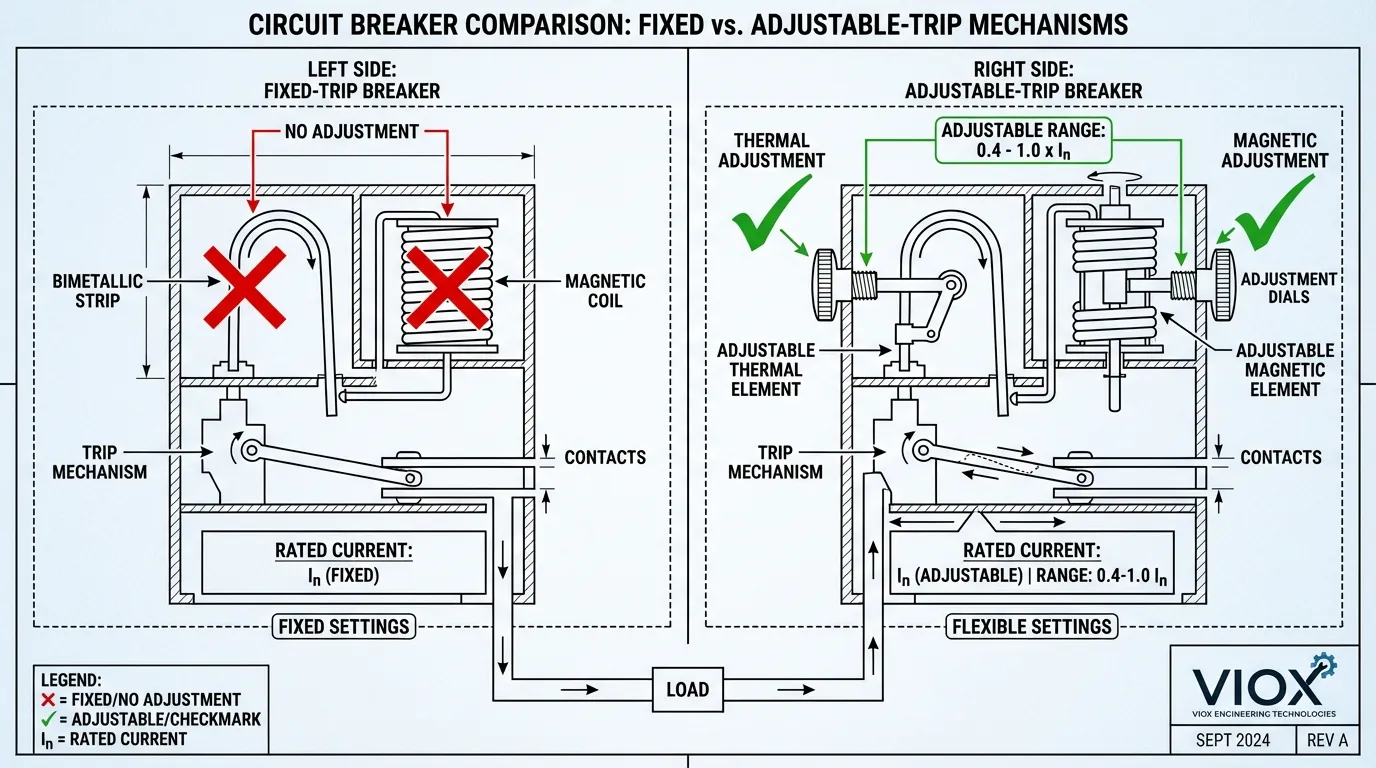
ការយល់ដឹងអំពីមូលដ្ឋានគ្រឹះ៖ ឧបករណ៍បំបែកសៀគ្វីថេរធៀបនឹងឧបករណ៍បំបែកសៀគ្វីដែលអាចលៃតម្រូវបាន
អ្វីដែលធ្វើឱ្យឧបករណ៍បំបែកសៀគ្វី “អាចលៃតម្រូវបាន”?
ពាក្យ “អាចលៃតម្រូវបាន” សំដៅលើសមត្ថភាពរបស់ឧបករណ៍បំបែកសៀគ្វីក្នុងការកែប្រែលក្ខណៈនៃការដាច់ចរន្តមួយឬច្រើនបន្ទាប់ពីការដំឡើង។ យោងតាមមាត្រា 100 នៃក្រមអគ្គិសនីជាតិ (NEC) ឧបករណ៍បំបែកសៀគ្វីដែលអាចលៃតម្រូវបានត្រូវបានកំណត់ថាជា “ពាក្យដែលមានលក្ខណៈសម្បត្តិគ្រប់គ្រាន់ដែលបង្ហាញថាឧបករណ៍បំបែកសៀគ្វីអាចត្រូវបានកំណត់ឱ្យដាច់ចរន្តនៅតម្លៃចរន្ត ពេលវេលា ឬទាំងពីរក្នុងជួរដែលបានកំណត់ទុកជាមុន”។”
ឧបករណ៍បំបែកសៀគ្វីដែលមានការកំណត់ថេរ មានប៉ារ៉ាម៉ែត្រការពាររបស់ពួកគេដែលបានកំណត់ជាអចិន្ត្រៃយ៍កំឡុងពេលផលិត។ ឧទាហរណ៍ 100A ស្តង់ដារ ឧបករណ៍ផ្តាច់សៀគ្វីខ្នាតតូច (MCB) នឹងដាច់ចរន្តនៅប្រហែល 100A សម្រាប់លក្ខខណ្ឌផ្ទុកលើសទម្ងន់ និងនៅពហុគុណថេរ (ជាធម្មតា 5-10x ចរន្តដែលបានវាយតម្លៃ) សម្រាប់សៀគ្វីខ្លី។ ការកំណត់ទាំងនេះមិនអាចផ្លាស់ប្ដូរបានទេបើគ្មានការជំនួសឧបករណ៍បំបែកសៀគ្វីទាំងមូល។.
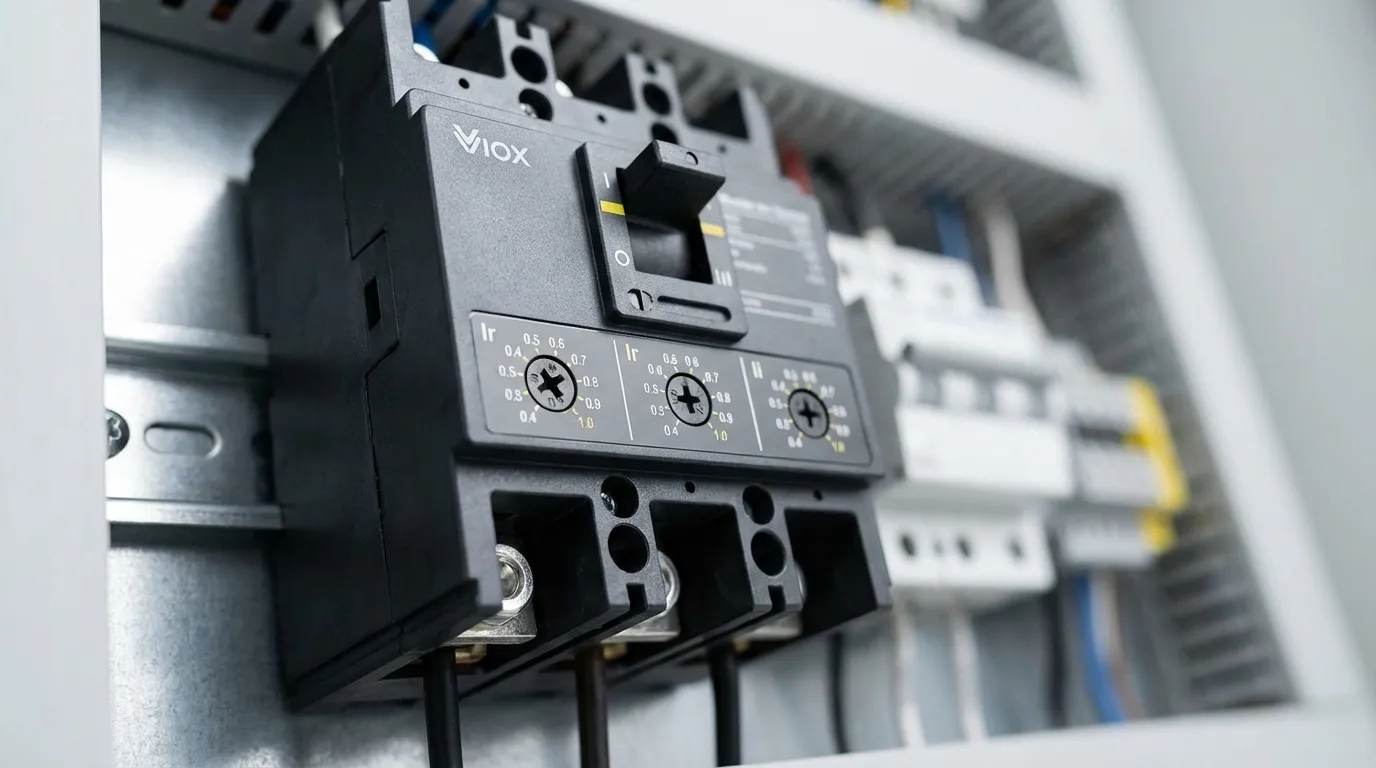
ឧបករណ៍បំបែកសៀគ្វីដែលមានការដាច់ចរន្តអាចលៃតម្រូវបាន, ដែលជាទូទៅត្រូវបានរកឃើញនៅក្នុង ឧបករណ៍បំលែងសៀគ្វីករណី (MCCBs) និងឧបករណ៍បំបែកសៀគ្វីខ្យល់ (ACBs) មានយន្តការ ទាំងការចុចមេកានិច ការគ្រប់គ្រងអេឡិចត្រូនិក ឬដោតវាយតម្លៃដែលអាចផ្លាស់ប្ដូរបាន ដែលអនុញ្ញាតឱ្យមានការកែប្រែកម្រិតនៃការដាច់ចរន្តនិងលក្ខណៈនៃពេលវេលា។ ភាពបត់បែននេះអនុញ្ញាតឱ្យទំហំស៊ុមឧបករណ៍បំបែកសៀគ្វីតែមួយបម្រើកម្មវិធីច្រើនជាមួយនឹងតម្រូវការការពារខុសគ្នា។.
ភាពខុសគ្នាដ៏សំខាន់មួយភ្លែត
| លក្ខណៈ | ឧបករណ៍បំបែកសៀគ្វីដែលមានការដាច់ចរន្តថេរ | ឧបករណ៍បំបែកសៀគ្វីដែលមានការដាច់ចរន្តអាចលៃតម្រូវបាន |
|---|---|---|
| ការធ្វើដំណើរបច្ចុប្បន្ន | កំណត់ដោយរោងចក្រ មិនអាចលៃតម្រូវបាន | អាចលៃតម្រូវបានក្នុងជួរដែលបានបញ្ជាក់ (ឧទាហរណ៍ 0.4-1.0 × In) |
| ការពន្យាពេល | ខ្សែកោងកម្ដៅថេរ | ការពន្យាពេលរយៈពេលវែងនិងរយៈពេលខ្លីអាចលៃតម្រូវបាន |
| ការដាច់ចរន្តភ្លាមៗ | កំណត់នៅ 5-10× ការវាយតម្លៃ | អាចលៃតម្រូវបានពី 2-40× ការវាយតម្លៃ (អាស្រ័យលើម៉ូដែល) |
| កម្មវិធីធម្មតា។ | សៀគ្វីលំនៅដ្ឋាន ភ្លើងបំភ្លឺ បន្ទុកសាមញ្ញ | ម៉ូទ័រ ឧបករណ៍ឧស្សាហកម្ម ប្រព័ន្ធដែលមានសារៈសំខាន់ក្នុងការសម្របសម្រួល |
| ការចំណាយ | ថ្លៃដើមទាប | ការចំណាយខ្ពស់ជាង 30-50% |
| ភាពបត់បែន | ទាមទារការជំនួសសម្រាប់ការកំណត់ផ្សេងៗ | ឧបករណ៍បំបែកសៀគ្វីមួយបម្រើកម្មវិធីច្រើន |
| ភាពស្មុគស្មាញ | ប្រតិបត្តិការសាមញ្ញ | តម្រូវឱ្យមានចំណេះដឹងបច្ចេកទេសសម្រាប់ការកែតម្រូវត្រឹមត្រូវ |
| ប្រភេទទូទៅ | MCB (6-125A) | MCCB (100-2500A), ACB (800-6300A) |
ប្រភេទនៃការកំណត់ដែលអាចលៃតម្រូវបាននៅក្នុងឧបករណ៍បំបែកសៀគ្វី
ឧបករណ៍បំបែកសៀគ្វីដែលអាចលៃតម្រូវបានទំនើបផ្តល់នូវមុខងារការពារចម្បងចំនួនបី ដែលមុខងារនីមួយៗមានសមត្ថភាពកែតម្រូវរៀងៗខ្លួន។ ការយល់ដឹងអំពីការកំណត់ទាំងនេះគឺមានសារៈសំខាន់សម្រាប់ការអនុវត្តនិងការសម្របសម្រួលប្រព័ន្ធត្រឹមត្រូវ។.
1. ការការពាររយៈពេលវែង (ការផ្ទុកលើសកម្ដៅ)
មុខងារ៖ ការពារប្រឆាំងនឹងលក្ខខណ្ឌចរន្តលើសដែលអាចធ្វើឱ្យខូចខាតខ្សែ កំណាត់ឡានក្រុង និងឧបករណ៍ដែលបានភ្ជាប់តាមរយៈកម្ដៅខ្លាំងពេក។.
ប៉ារ៉ាម៉ែត្រកែតម្រូវ:
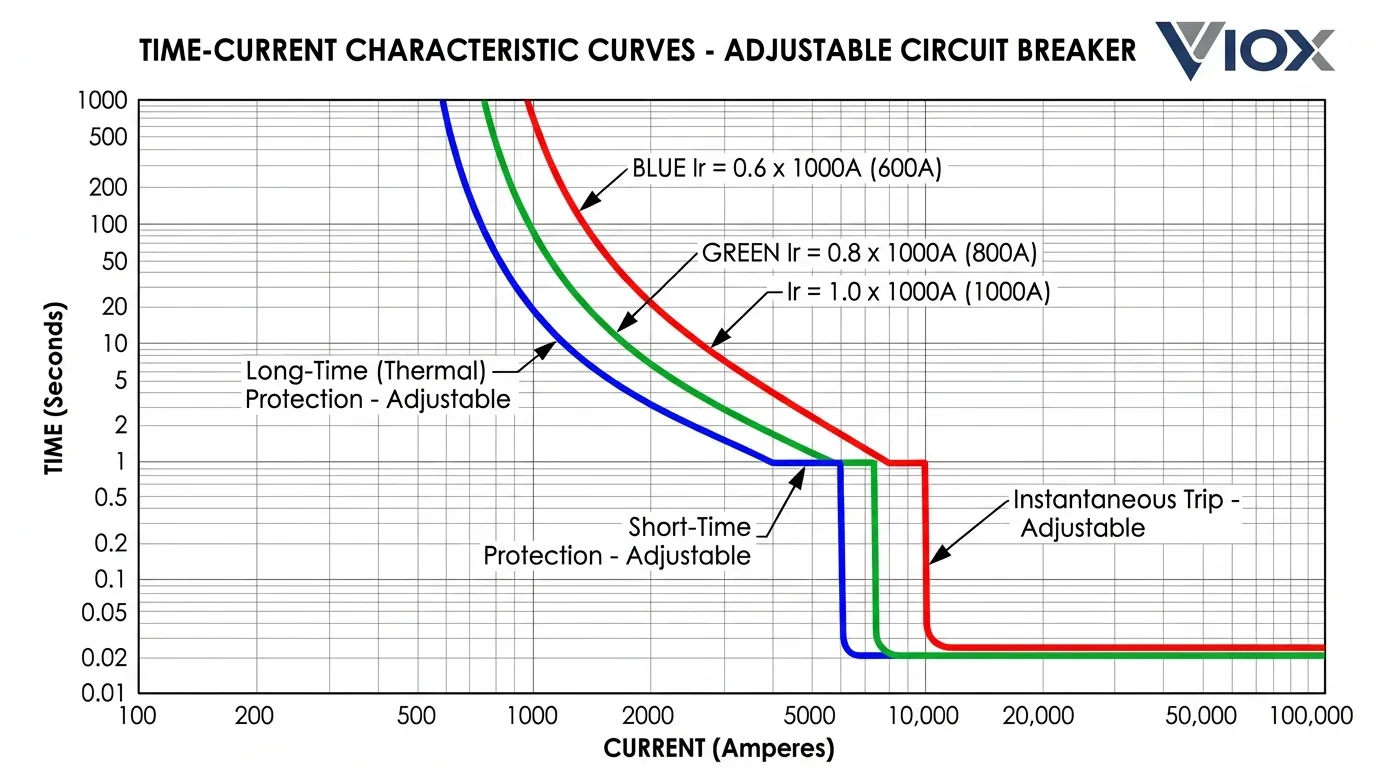
- ការកំណត់ចរន្ត (Ir)៖ ជាធម្មតាអាចលៃតម្រូវបានពី 0.4 ទៅ 1.0 ដងនៃការវាយតម្លៃបន្ទាប់បន្សំរបស់ឧបករណ៍បំបែកសៀគ្វី (In)
- ឧទាហរណ៍៖ ឧបករណ៍បំបែកសៀគ្វី 1000A អាចត្រូវបានកំណត់ពី 400A ទៅ 1000A
- អនុញ្ញាតឱ្យផ្គូផ្គងឧបករណ៍បំបែកសៀគ្វីទៅនឹងតម្រូវការផ្ទុកពិតប្រាកដ
- ការពន្យាពេល (tr)៖ អាចលៃតម្រូវបានពី 60 ទៅ 600 វិនាទី
- កំណត់ថាតើឧបករណ៍បំបែកសៀគ្វីទ្រាំទ្រនឹងចរន្តលើសបានយូរប៉ុណ្ណាមុនពេលដាច់ចរន្ត
- ប្រើលក្ខណៈបញ្ច្រាសពេលវេលា៖ ចរន្តលើសកាន់តែខ្ពស់ = ការដាច់ចរន្តកាន់តែលឿន
កម្មវិធីជាក់ស្តែង៖ ប្រសិនបើកន្លែងរបស់អ្នកមាន MCCB 1000A ប៉ុន្តែបន្ទុកដែលបានភ្ជាប់ពិតប្រាកដគឺត្រឹមតែ 600A នោះអ្នកអាចកែតម្រូវ Ir ទៅ 0.6 × 1000A = 600A។ នេះផ្តល់នូវការការពារដ៏ល្អបំផុតដោយមិនមានការដាច់ចរន្តដែលមិនចាំបាច់ ខណៈពេលដែលរក្សាបាននូវភាពបត់បែនក្នុងការបង្កើនការកំណត់ប្រសិនបើអ្នកបន្ថែមបន្ទុកបន្ថែមទៀតនៅពេលអនាគត។.
2. ការការពាររយៈពេលខ្លី (ចរន្តលើសបណ្ដោះអាសន្ន)
មុខងារ៖ ផ្តល់នូវការការពារប្រឆាំងនឹងលក្ខខណ្ឌចរន្តលើសបណ្ដោះអាសន្នដែលលើសពីកម្រិតប្រតិបត្តិការធម្មតា ប៉ុន្តែស្ថិតនៅក្រោមទំហំសៀគ្វីខ្លី។ ការកំណត់នេះគឺមានសារៈសំខាន់សម្រាប់ការសម្របសម្រួលជ្រើសរើស។.
ប៉ារ៉ាម៉ែត្រកែតម្រូវ:
- ការចាប់ផ្ដើមរយៈពេលខ្លី (Isd)៖ អាចលៃតម្រូវបានពី 1.5 ទៅ 10 ដង Ir
- ឧទាហរណ៍៖ ជាមួយ Ir = 600A ការចាប់ផ្ដើមរយៈពេលខ្លីអាចមានចាប់ពី 900A ដល់ 6000A
- Short-Time Delay (tsd)៖ មានពីររបៀប
- Fixed Time៖ ០.០៥ ទៅ ០.៥ វិនាទី
- I²t Ramp៖ ០.១៨ ទៅ ០.៤៥ វិនាទី (លក្ខណៈបញ្ច្រាសពេលវេលា)
ហេតុអ្វីបានជាវាសំខាន់៖ ការពន្យាពេលខ្លីអនុញ្ញាតឱ្យឧបករណ៍បំលែងសៀគ្វីនៅផ្នែកខាងក្រោម ជម្រះកំហុសជាមុនសិន ការពារការដាច់ចរន្តដែលមិនចាំបាច់នៅក្នុងផ្នែកដែលមិនរងផលប៉ះពាល់នៃកន្លែងរបស់អ្នក។ ឧទាហរណ៍ ប្រសិនបើមានកំហុសកើតឡើងនៅលើសៀគ្វីសាខា ការពន្យាពេលខ្លីនៅលើឧបករណ៍បំលែងមេ ផ្តល់ពេលវេលាដល់ឧបករណ៍បំលែងសាខាដើម្បីធ្វើដំណើរ ដោយរក្សាថាមពលទៅសៀគ្វីផ្សេងទៀត។.
3. Instantaneous (Short-Circuit) Protection
មុខងារ៖ ផ្តល់នូវការការពារភ្លាមៗប្រឆាំងនឹងចរន្តសៀគ្វីខ្លីធ្ងន់ធ្ងរ ដោយគ្មានការពន្យាពេលដោយចេតនា (ជាធម្មតា <50 មិល្លីវិនាទី)។.
ប៉ារ៉ាម៉ែត្រកែតម្រូវ:
- Instantaneous Pickup (Ii)៖ អាចលៃតម្រូវបានពី 2 ទៅ 40 ដង Ir (អាស្រ័យលើប្រភេទឧបករណ៍បំលែង)
- ឧបករណ៍បំលែងខ្លះមានការកំណត់ភ្លាមៗថេរ (ជារឿងធម្មតានៅក្នុង MCCB តូចជាង)
- ឧបករណ៍បំលែងធំជាងដែលមានអង្គភាពធ្វើដំណើរអេឡិចត្រូនិចផ្តល់នូវជួរលៃតម្រូវកាន់តែទូលំទូលាយ
ការពិចារណាដ៏សំខាន់៖ ការកំណត់ការធ្វើដំណើរភ្លាមៗទាបពេកអាចបណ្តាលឱ្យមានការរំខានដល់ការចាប់ផ្តើមម៉ូទ័រ ឬការហូរចូលរបស់ឧបករណ៍បំលែង។ ការកំណត់វាខ្ពស់ពេកអាចធ្វើឱ្យខូចដល់ការការពារ។ ការកំណត់ដ៏ល្អប្រសើរអាស្រ័យលើចរន្តកំហុសដែលមាននៅទីតាំងឧបករណ៍បំលែង និងតម្រូវការសម្របសម្រួលជាមួយឧបករណ៍ខាងលើ/ខាងក្រោម។.
4. Ground Fault Protection (លក្ខណៈពិសេសស្រេចចិត្ត)
មុខងារ៖ រកឃើញ និងរំខានដល់ចរន្តកំហុសដីដែលអាចបណ្តាលឱ្យមានអគ្គីភ័យ ឬការខូចខាតឧបករណ៍។.
ប៉ារ៉ាម៉ែត្រកែតម្រូវ:
- Ground Fault Pickup (Ig)៖ អាចលៃតម្រូវបានពី 20% ទៅ 70% នៃការវាយតម្លៃឧបករណ៍បំលែង
- Ground Fault Time Delay៖ ជាធម្មតា 0.1s, 0.2s, ឬ 0.4s
កម្មវិធី៖ សំខាន់សម្រាប់ប្រព័ន្ធដែលកំហុសដីប្រហែលជាមិនបង្កើតចរន្តគ្រប់គ្រាន់ដើម្បីបង្កឱ្យមានការការពារលើសចរន្តស្តង់ដារ ជាពិសេសនៅក្នុងប្រព័ន្ធដែលមានមូលដ្ឋានរឹងមាំ ឬកន្លែងដែលការកាត់បន្ថយគ្រោះថ្នាក់ធ្នូត្រូវបានទាមទារ។.
របៀបដែលឧបករណ៍បំលែងសៀគ្វីដែលអាចលៃតម្រូវបានដំណើរការ៖ បច្ចេកវិទ្យាអង្គភាពធ្វើដំណើរ
Thermal-Magnetic Trip Units (បែបប្រពៃណី)
ធាតុកំដៅ (Long-Time Protection):
- ប្រើបន្ទះ bimetallic ដែលឡើងកំដៅពីលំហូរចរន្ត
- នៅពេលដែលចរន្តកើនឡើង បន្ទះពត់ដោយសារតែការពង្រីកកំដៅខុសគ្នា
- នៅពេលដែលចរន្តលើសនៅតែបន្ត បន្ទះពត់គ្រប់គ្រាន់ដើម្បីបញ្ចេញយន្តការធ្វើដំណើរ
- ការកែតម្រូវជាធម្មតា តាមរយៈការចុចដែលផ្លាស់ប្តូរអានុភាពមេកានិច ឬភាពតានតឹងនិទាឃរដូវ
- ភាពត្រឹមត្រូវ៖ ±20% band អត់ធ្មត់ (ជាប់ទាក់ទងនឹងរូបវិទ្យាកម្ដៅ)
ធាតុម៉ាញ៉េទិច (Instantaneous Protection):
- ឧបករណ៏អេឡិចត្រូម៉ាញ៉េទិចបង្កើតកម្លាំងម៉ាញ៉េទិចសមាមាត្រទៅនឹងចរន្ត
- នៅពេលដែលចរន្តលើសកម្រិត កម្លាំងម៉ាញ៉េទិចយកឈ្នះលើភាពតានតឹងនិទាឃរដូវ
- បញ្ចេញយន្តការធ្វើដំណើរភ្លាមៗ
- ការកែតម្រូវតាមរយៈការផ្លាស់ប្តូរទីតាំងឧបករណ៏ គម្លាតខ្យល់ ឬភាពតានតឹងនិទាឃរដូវ
- ឆ្លើយតបពេលវេលា៖ <50 មិល្លីវិនាទី
ដែនកំណត់:
- អាស្រ័យលើសីតុណ្ហភាព (លក្ខខណ្ឌព័ទ្ធជុំវិញប៉ះពាល់ដល់ធាតុផ្សំកម្ដៅ)
- ភាពជាក់លាក់នៃការកែតម្រូវមានកំណត់
- មិនមានសមត្ថភាពពន្យាពេលខ្លីនៅក្នុងម៉ូដែលមូលដ្ឋាន
- មិនអាចផ្តល់មុខងារកម្រិតខ្ពស់ដូចជាការវាស់វែង ឬការទំនាក់ទំនង
Electronic Trip Units (ទំនើប)
គោលការណ៍ប្រតិបត្តិការ:
- Current transformers (CTs) វាស់ចរន្តនៅក្នុងដំណាក់កាលនីមួយៗ
- Microprocessor វិភាគជាបន្តបន្ទាប់នូវទម្រង់រលកចរន្ត
- ប្រៀបធៀបតម្លៃដែលបានវាស់វែងធៀបនឹងខ្សែកោងធ្វើដំណើរដែលបានសរសេរកម្មវិធី
- ធ្វើឱ្យសកម្មយន្តការធ្វើដំណើរនៅពេលដែលលក្ខខណ្ឌកំហុសត្រូវបានរកឃើញ
- ការកំណត់ដែលបានកំណត់រចនាសម្ព័ន្ធតាមរយៈចំណុចប្រទាក់ឌីជីថល កុងតាក់ DIP ឬកម្មវិធី
គុណសម្បត្តិ:
- ភាពជាក់លាក់ខ្ពស់។៖ ±5% ភាពត្រឹមត្រូវនៅទូទាំងជួរប្រតិបត្តិការទាំងមូល
- Temperature Independence៖ ការដំណើរការឌីជីថលលុបបំបាត់ការរសាត់កម្ដៅ
- ការការពារដ៏ទូលំទូលាយ៖ មុខងារ L-S-I-G (វែង ខ្លី ភ្លាមៗ ដី)
- លក្ខណៈពិសេសកម្រិតខ្ពស់៖ True RMS sensing, harmonic filtering, load monitoring
- ទំនាក់ទំនង៖ ជម្រើសនៃការតភ្ជាប់ Modbus, Profibus, ឬ Ethernet
- Data Logging៖ កត់ត្រាព្រឹត្តិការណ៍ធ្វើដំណើរ ទម្រង់ផ្ទុក និងទិន្នន័យគុណភាពថាមពល
Adjustment Methods:
- Rotary Dials៖ គ្រាប់ចុចរូបវន្តជាមួយនឹងការអ៊ិនកូដឌីជីថល
- DIP Switches៖ កុងតាក់គោលពីរសម្រាប់តម្លៃកំណត់ដាច់ដោយឡែក
- LCD Interface៖ អេក្រង់នៅលើយន្តហោះជាមួយនឹងការរុករកម៉ឺនុយ
- Software Configuration៖ ការសរសេរកម្មវិធីផ្អែកលើកុំព្យូទ័រ តាមរយៈការតភ្ជាប់ USB ឬបណ្តាញ
Type A vs. Type B Adjustable Breakers: Understanding UL Classifications
ស្តង់ដារ UL (Underwriters Laboratories) កំណត់ប្រភេទឧបករណ៍បំលែងសៀគ្វីដែលអាចលៃតម្រូវបានពីរប្រភេទ ដោយផ្អែកលើសមត្ថភាពកែតម្រូវវាលរបស់វា។ ការយល់ដឹងអំពីភាពខុសគ្នានេះគឺមានសារៈសំខាន់សម្រាប់ការអនុលោមតាម និងការអនុវត្តត្រឹមត្រូវ។.
ប្រភេទឧបករណ៍ទប់លំហូរដែលអាចកែតម្រូវបាន (Type A Adjustable Breakers)
និយមន័យ៖ អាចកែតម្រូវបានម្តងហើយម្តងទៀតនៅនឹងកន្លែងសម្រាប់លក្ខណៈដែលអាចផ្លាស់ប្តូរបានទាំងអស់ដោយគ្មានការរឹតត្បិត។.
លក្ខណៈសំខាន់ៗ:
- ការកែតម្រូវឡើងលើ ឬចុះក្រោមដោយគ្មានដែនកំណត់ក្នុងជួរដែលបានបញ្ជាក់
- សម្គាល់ដោយអត្រាកំណត់អំពែតែមួយ និងជួរកែតម្រូវ (ឧទាហរណ៍ “800A” ជាមួយ “0.5-1.0 × 800A”)
- ជាធម្មតាត្រូវបានរកឃើញនៅក្នុងឧបករណ៍ទប់លំហូរដែលមានអង្គភាពធ្វើដំណើរអេឡិចត្រូនិច
- តម្រូវឱ្យមានឧបករណ៍ និងការបណ្តុះបណ្តាលត្រឹមត្រូវសម្រាប់ការកែតម្រូវ
- ត្រូវតែត្រូវបានសម្គាល់ដើម្បីបង្ហាញពីលក្ខណៈដែលអាចកែតម្រូវបាន
ការសម្គាល់ធម្មតា៖ “800A ADJUSTABLE 400-800A”
ប្រើករណី:
- ទីតាំងឧស្សាហកម្មដែលមានទម្រង់ផ្ទុកបន្ទុកផ្លាស់ប្តូរ
- ឧបករណ៍ដែលត្រូវការការកំណត់រចនាសម្ព័ន្ធឡើងវិញជាញឹកញាប់
- កម្មវិធីដែលការបង្កើនប្រសិទ្ធភាពផ្ទុកបន្ទុកកំពុងដំណើរការ
- ប្រព័ន្ធដែលការពង្រីកនាពេលអនាគតត្រូវបានរំពឹងទុក
ប្រភេទឧបករណ៍ទប់លំហូរដែលអាចកែតម្រូវបាន (Type B Adjustable Breakers)
និយមន័យ៖ នៅពេលដែលបានកែតម្រូវទៅអត្រាកំណត់ចរន្តបន្តជាក់លាក់មួយ មិនអាចកែតម្រូវនៅនឹងកន្លែងទៅតម្លៃខ្ពស់ជាងនេះបានទេ (អាចកែតម្រូវបានតែចុះក្រោម ឬកំណត់ឡើងវិញទៅតម្លៃដើមប៉ុណ្ណោះ)។.
លក្ខណៈសំខាន់ៗ:
- ការកែតម្រូវមួយផ្លូវ (ចុះក្រោមតែប៉ុណ្ណោះពីការកំណត់អតិបរមា)
- ការពារការវាយតម្លៃលើសទម្ងន់ដោយអចេតនា
- ជាញឹកញាប់ប្រើប្រាស់ឧបករណ៍បញ្ឈប់មេកានិច ឬយន្តការរ៉ាឆែត
- អាចតម្រូវឱ្យមានការកំណត់ឡើងវិញពីរោងចក្រដើម្បីបង្កើនការកំណត់
- កាន់តែមានលក្ខណៈទូទៅនៅក្នុងអង្គភាពធ្វើដំណើរដោយកម្ដៅ-ម៉ាញ៉េទិច
ហេតុផលសុវត្ថិភាព៖ ការពារការកើនឡើងដោយគ្មានការអនុញ្ញាត ឬដោយចៃដន្យក្នុងការកំណត់ការធ្វើដំណើរដែលអាចធ្វើឱ្យខូចខាតដល់ការការពារចំហាយ ឬរំលោភលើក្រមអគ្គិសនី។.
ចំណាំសំខាន់៖ ខណៈពេលដែល UL កំណត់ប្រភេទទាំងនេះ ការកំណត់ “Type A” ឬ “Type B” មិនត្រូវបានតម្រូវឱ្យសម្គាល់នៅលើឧបករណ៍ទប់លំហូរដោយខ្លួនឯងនោះទេ — វាជាចំណាត់ថ្នាក់ដែលប្រើសម្រាប់គោលបំណងវាយតម្លៃ។ តែងតែពិគ្រោះជាមួយឯកសាររបស់អ្នកផលិតដើម្បីយល់ពីដែនកំណត់នៃការកែតម្រូវ។.
កម្មវិធី៖ ពេលណាត្រូវប្រើឧបករណ៍ទប់លំហូរដែលអាចកែតម្រូវបាន
1. ការការពារ និងការគ្រប់គ្រងម៉ូទ័រ
បញ្ហាប្រឈម៖ ម៉ូទ័រអេឡិចត្រិចទាញចរន្តពេញបន្ទុករបស់ពួកគេ 5-8 ដងកំឡុងពេលចាប់ផ្តើម (ចរន្តចូល) ដែលអាចបណ្តាលឱ្យឧបករណ៍ទប់លំហូរកំណត់ការធ្វើដំណើរថេរទៅជាការរំខាន។.
ដំណោះស្រាយ៖ ឧបករណ៍ទប់លំហូរដែលអាចកែតម្រូវបានអនុញ្ញាតឱ្យអ្នក៖
- កំណត់ការការពាររយៈពេលវែងនៅចរន្តពេញបន្ទុកម៉ូទ័រ (FLA)
- កែតម្រូវការធ្វើដំណើរភ្លាមៗខាងលើចរន្តរ៉ូទ័រចាក់សោម៉ូទ័រ (LRA)
- សម្របសម្រួលជាមួយបញ្ជូនតផ្ទុកលើសទម្ងន់ម៉ូទ័រសម្រាប់ការការពារដ៏ទូលំទូលាយ
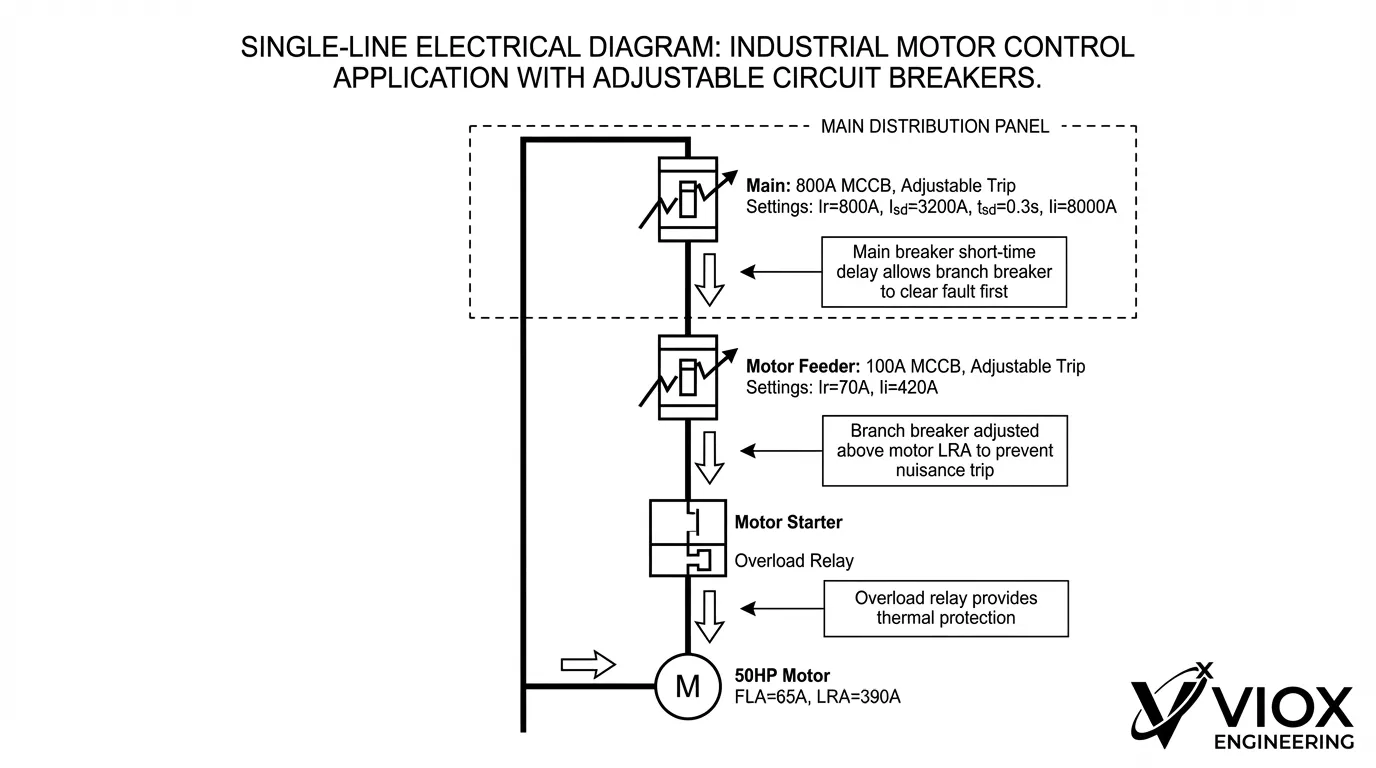
ឧទាហរណ៍ការកំណត់រចនាសម្ព័ន្ធ:
- ម៉ូទ័រ 50 HP, 480V, FLA = 65A, LRA = 390A
- ប្រើ MCCB ស៊ុម 100A ជាមួយនឹងការធ្វើដំណើរដែលអាចកែតម្រូវបាន
- កំណត់ Ir = 0.7 × 100A = 70A (ខ្ពស់ជាង FLA បន្តិច)
- កំណត់ Ii = 6 × 70A = 420A (ខាងលើ LRA ខាងក្រោមចរន្តកំហុស)
ការកំណត់រចនាសម្ព័ន្ធនេះការពារម៉ូទ័រ និងចំហាយ ខណៈពេលដែលអនុញ្ញាតឱ្យចាប់ផ្តើមដោយជោគជ័យដោយគ្មានការរំខាន។ យោងតាម NEC 430.52 ឧបករណ៍ទប់លំហូរពេលវេលាបញ្ច្រាសអាចត្រូវបានកំណត់ទំហំរហូតដល់ 250% នៃម៉ូទ័រ FLA នៅពេលប្រើជាមួយការការពារការផ្ទុកលើសទម្ងន់ដាច់ដោយឡែក។.
2. ការសម្របសម្រួលជ្រើសរើសនៅក្នុងប្រព័ន្ធចែកចាយ
បញ្ហាប្រឈម៖ នៅពេលដែលកំហុសកើតឡើង អ្នកចង់ឱ្យមានតែឧបករណ៍ទប់លំហូរដែលនៅជិតកំហុសបំផុតធ្វើដំណើរ មិនមែនឧបករណ៍ទប់លំហូរនៅខាងលើដែលបណ្តាលឱ្យដាច់ចរន្តយ៉ាងទូលំទូលាយនោះទេ។.
ដំណោះស្រាយ៖ ការកំណត់ការពន្យាពេលរយៈពេលខ្លីដែលអាចកែតម្រូវបានអាចឱ្យមានការសម្របសម្រួលជ្រើសរើស៖
- ឧបករណ៍ទប់លំហូរនៅខាងក្រោម៖ ការធ្វើដំណើរភ្លាមៗតែប៉ុណ្ណោះ (គ្មានការពន្យាពេល)
- ឧបករណ៍ទប់លំហូរកម្រិតមធ្យម៖ ការពន្យាពេលរយៈពេលខ្លី (0.1-0.3 វិនាទី)
- ឧបករណ៍ទប់លំហូរមេ៖ ការពន្យាពេលរយៈពេលខ្លីយូរជាង (0.3-0.5 វិនាទី)
ផលប៉ះពាល់ពិភពលោកពិត៖ នៅក្នុងទីតាំងផលិតកម្ម កំហុសនៅលើសៀគ្វីម៉ាស៊ីនតែមួយធ្វើឱ្យឧបករណ៍ទប់លំហូរសាខានោះធ្វើដំណើរ មិនមែនបន្ទះចែកចាយមេ ឬឧបករណ៍ទប់លំហូរច្រកចូលសេវាកម្មអគារនោះទេ។ ការផលិតបន្តនៅលើឧបករណ៍ផ្សេងទៀតទាំងអស់ កាត់បន្ថយពេលវេលារងចាំ និងការបាត់បង់ប្រាក់ចំណូល។.
3. ប្រព័ន្ធថាមពលពន្លឺព្រះអាទិត្យ PV និងថាមពលកកើតឡើងវិញ
បញ្ហាប្រឈម៖ ជួរថាមពលពន្លឺព្រះអាទិត្យជួបប្រទះការប្រែប្រួលចរន្តយ៉ាងសំខាន់ដោយផ្អែកលើកាំរស្មី ភាពកក់ក្តៅ និងការកំណត់រចនាសម្ព័ន្ធប្រព័ន្ធ។ ឧបករណ៍ទប់លំហូរថេរប្រហែលជាមិនអាចផ្ទុកទាំងប្រតិបត្តិការធម្មតា និងការការពារកំហុសបានល្អបំផុតនោះទេ។.
ដំណោះស្រាយ៖ ឧបករណ៍ទប់លំហូរ DC ដែលអាចកែតម្រូវបានអនុញ្ញាតឱ្យ៖
- ការកំណត់ច្បាស់លាស់ដើម្បីផ្គូផ្គងចរន្តខ្សែ (Isc × 1.56 ក្នុងមួយ NEC 690.8)
- ការសម្របសម្រួលជាមួយឧបករណ៍បញ្ចូលគ្នា និងឧបករណ៍បញ្ច្រាសនៅខាងលើ
- ការសម្របសម្រួលការពង្រីកប្រព័ន្ធដោយមិនចាំបាច់ជំនួសឧបករណ៍ទប់លំហូរ
កម្មវិធី៖ ប្រអប់បញ្ចូលថាមពលពន្លឺព្រះអាទិត្យដែលមានខ្សែ 8 ដែលខ្សែនីមួយៗផលិត 9A Isc តម្រូវឱ្យមានការការពារនៅ 9A × 1.56 = 14.04A ។ ឧបករណ៍ទប់លំហូរ DC ដែលអាចកែតម្រូវបានអាចត្រូវបានកំណត់យ៉ាងជាក់លាក់ទៅតម្លៃនេះ ខណៈពេលដែលឧបករណ៍ទប់លំហូរថេរនឹងតម្រូវឱ្យមានការវាយតម្លៃលើសទំហំទៅការវាយតម្លៃស្តង់ដារបន្ទាប់ (15A ឬ 20A) ដែលអាចធ្វើឱ្យខូចខាតដល់ការការពារ។.
4. HVAC និងប្រព័ន្ធអគារ
បញ្ហាប្រឈម៖ ប្រព័ន្ធកំដៅ ខ្យល់ចេញចូល និងម៉ាស៊ីនត្រជាក់មានបន្ទុកចម្រុះ — ម៉ាស៊ីនបង្ហាប់ដែលមានចរន្តចូលខ្ពស់ ម៉ាស៊ីនកង្ហារដែលមានប្រតិបត្តិការបន្ត និងសៀគ្វីគ្រប់គ្រងដែលមានចរន្តតិចតួចបំផុត។.
ដំណោះស្រាយ៖ ឧបករណ៍ទប់លំហូរដែលអាចកែតម្រូវបានអាចឱ្យ៖
- ប្រភេទឧបករណ៍ទប់លំហូរតែមួយសម្រាប់ការវាយតម្លៃឧបករណ៍ HVAC ច្រើន
- ការសម្របសម្រួលនៃការប្រែប្រួលបន្ទុកតាមរដូវ
- ការគ្រប់គ្រងសារពើភ័ណ្ឌសាមញ្ញសម្រាប់ក្រុមថែទាំ
អត្ថប្រយោជន៍នៃការចំណាយ៖ ជំនួសឱ្យការស្តុកទុកការវាយតម្លៃឧបករណ៍ទប់លំហូរថេរចំនួន 10 ផ្សេងគ្នា ទីតាំងអាចរក្សាសារពើភ័ណ្ឌនៃទំហំស៊ុមឧបករណ៍ទប់លំហូរដែលអាចកែតម្រូវបាន 3-4 ដែលកាត់បន្ថយការចំណាយលើគ្រឿងបន្លាស់ 40-60%។.
5. ឧបករណ៍ដំណើរការឧស្សាហកម្ម
បញ្ហាប្រឈម៖ ឧបករណ៍ផលិតជាញឹកញាប់ដំណើរការក្នុងរបៀបផ្សេងគ្នា (ការចាប់ផ្តើម ការផលិតធម្មតា ប្រតិបត្តិការល្បឿនលឿន) ជាមួយនឹងតម្រូវការចរន្តប្រែប្រួល។.
ដំណោះស្រាយ៖ ការកំណត់ដែលអាចកែតម្រូវបានអនុញ្ញាតឱ្យមានការបង្កើនប្រសិទ្ធភាពសម្រាប់៖
- កម្មវិធីដ្រាយប្រេកង់អថេរ (VFD) ជាមួយនឹងមាតិកាអាម៉ូនិក
- ឧបករណ៍ផ្សារដែលមានជីពចរចរន្តខ្លាំងមិនទៀងទាត់
- ដំណើរការបាច់ដែលមានលំនាំផ្ទុកតាមកាលកំណត់
វិធីកែតម្រូវការកំណត់ឧបករណ៍បំលែងសៀគ្វី: មគ្គុទ្ទេសក៍ជាជំហាន ៗ
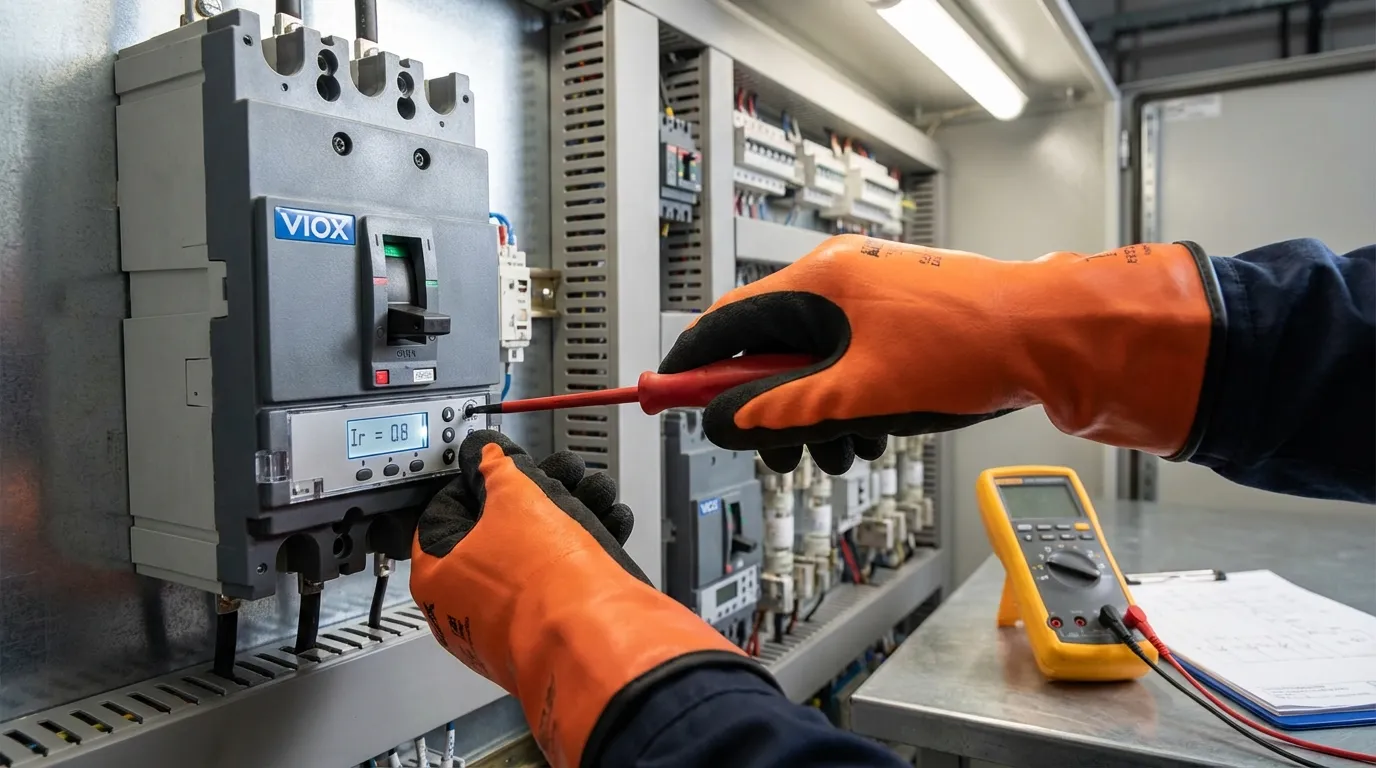
ការប្រុងប្រយ័ត្នសុវត្ថិភាព (សំខាន់)
⚠️ ការព្រមាន៖ ការកែតម្រូវការកំណត់ឧបករណ៍បំលែងសៀគ្វីតម្រូវឱ្យបុគ្គលិកអគ្គីសនីដែលមានសមត្ថភាព។ ការកំណត់មិនត្រឹមត្រូវអាចបណ្តាលឱ្យ:
- ការការពារមិនគ្រប់គ្រាន់នាំឱ្យមានអគ្គីភ័យឬការខូចខាតឧបករណ៍
- ការដាច់ចរន្តដែលបង្កឱ្យមានការរំខានដល់ប្រតិបត្តិការ
- ការរំលោភលើក្រមអគ្គិសនីនិងតម្រូវការធានារ៉ាប់រង
- របួសផ្ទាល់ខ្លួនពីពន្លឺអគ្គីសនីកំឡុងពេលធ្វើការដោយថាមពល
មុនពេលធ្វើការកែតម្រូវណាមួយ:
- អនុវត្តការវិភាគគ្រោះថ្នាក់ពន្លឺអគ្គីសនីនិងប្រើប្រាស់ PPE ដែលសមស្រប
- ទទួលបានការយល់ព្រមពីវិស្វករអគ្គីសនីនៃរោងចក្រឬអាជ្ញាធរដែលមានយុត្តាធិការ
- ពិនិត្យសៀវភៅណែនាំរបស់អ្នកផលិតសម្រាប់ម៉ូដែលឧបករណ៍បំលែងសៀគ្វីជាក់លាក់
- កត់ត្រាការកំណត់ដែលមានស្រាប់មុនពេលធ្វើការផ្លាស់ប្តូរ
- ផ្ទៀងផ្ទាត់ថាឧបករណ៍បំលែងសៀគ្វីត្រូវបានបិទថាមពលប្រសិនបើក្រុមហ៊ុនផលិតត្រូវការ (អង្គភាពអេឡិចត្រូនិចខ្លះអនុញ្ញាតឱ្យកែតម្រូវថាមពល)
នីតិវិធីកែតម្រូវសម្រាប់អង្គភាពធ្វើដំណើរកម្ដៅ-ម៉ាញ៉េទិច
ជំហានទី 1: កំណត់អត្តសញ្ញាណយន្តការកែតម្រូវ
- ការកែតម្រូវរយៈពេលវែង: ជាធម្មតាជាការចុចឬគ្រាប់រំកិលដែលមានសញ្ញា “Ir” ឬ “Thermal”
- ការកែតម្រូវភ្លាមៗ: ការចុចឬប៊ូតុងដែលមានសញ្ញា “Ii” ឬ “Magnetic”
- ការកំណត់ជាធម្មតាត្រូវបានសម្គាល់ជាមេគុណ (ឧទាហរណ៍ 0.5, 0.6, 0.7…1.0)
ជំហានទី 2: គណនាការកំណត់ដែលត្រូវការ
- រយៈពេលវែង (Ir)៖ កំណត់ទៅ 100-125% នៃការផ្ទុកបន្តបន្ទាប់អតិបរមាដែលរំពឹងទុក
- ឧទាហរណ៍: ការផ្ទុកបន្តបន្ទាប់ 480A → កំណត់ Ir = 500A អប្បបរមា
- ភ្លាមៗ (Ii)៖ កំណត់លើសពីចរន្តឆ្លងកាត់អតិបរមាប៉ុន្តែទាបជាងចរន្តកំហុសអប្បបរមា
- ត្រូវតែសម្របសម្រួលជាមួយឧបករណ៍ខាងក្រោម
- ជួរធម្មតា: 5-10 × Ir សម្រាប់កម្មវិធីភាគច្រើន
ជំហានទី 3: ធ្វើការកែតម្រូវ
- ប្រើឧបករណ៍សមស្រប (ទួណឺវីស គ្រាប់ចុចប្រាំមួយជ្រុង ឬឧបករណ៍កែតម្រូវ)
- បង្វិលការចុចទៅការកំណត់ដែលចង់បាន
- ធានាថាក្នុងចំណុចទាំងបីត្រូវបានកំណត់ដូចគ្នា (សម្រាប់ឧបករណ៍បំលែងសៀគ្វីពហុប៉ូល)
- ផ្ទៀងផ្ទាត់ថាការកំណត់អាចមើលឃើញយ៉ាងច្បាស់និងត្រូវនឹងការគណនា
ជំហានទី 4: កត់ត្រានិងដាក់ស្លាក
- កត់ត្រាការកំណត់នៅក្នុងឯកសារអគ្គីសនីរបស់រោងចក្រ
- ដាក់ស្លាកដែលប្រើបានយូរនៅជិតឧបករណ៍បំលែងសៀគ្វីដែលបង្ហាញ:
- កាលបរិច្ឆេទនៃការកែតម្រូវ
- ការកំណត់ (Ir, tsd, Ii)
- អក្សរកាត់របស់អ្នកដែលបានធ្វើការកែតម្រូវ
- ធ្វើបច្ចុប្បន្នភាពដ្យាក្រាមមួយជួរនិងការសិក្សាសម្របសម្រួល
នីតិវិធីកែតម្រូវសម្រាប់អង្គភាពធ្វើដំណើរអេឡិចត្រូនិច
ជំហានទី 1: ចូលប្រើចំណុចប្រទាក់កម្មវិធី
- ម៉ូដែលបង្ហាញ LCD: ប្រើប៊ូតុងរុករកដើម្បីចូលទៅកាន់ម៉ឺនុយការកំណត់
- ម៉ូដែលកុងតាក់ DIP: យោងលើតារាងកូដរបស់អ្នកផលិត
- កម្មវិធីដែលអាចសរសេរកម្មវិធីបាន: ភ្ជាប់កុំព្យូទ័រយួរដៃតាមរយៈ USB ឬខ្សែបណ្តាញ
ជំហានទី 2: កំណត់រចនាសម្ព័ន្ធមុខងារការពារ
- រយៈពេលវែង (L)៖ កំណត់ Ir (ចរន្ត) និង tr (ការពន្យាពេល)
- រយៈពេលខ្លី (S)៖ កំណត់ Isd (ចរន្ត) និង tsd (ការពន្យាពេល ឬខ្សែកោង I²t)
- ភ្លាមៗ (I)៖ កំណត់ Ii (កម្រិតចរន្ត)
- កំហុសដី (G)៖ កំណត់ Ig (ចរន្ត) និង tg (ការពន្យាពេល) ប្រសិនបើអាចអនុវត្តបាន
ជំហានទី 3: ផ្ទៀងផ្ទាត់ការកំណត់
- អង្គភាពអេឡិចត្រូនិចជាធម្មតាមាន “ពិនិត្យឡើងវិញ” ឬ “បង្ហាញ” របៀប
- រមូរតាមការកំណត់ទាំងអស់ដើម្បីបញ្ជាក់តម្លៃត្រឹមត្រូវ
- អង្គភាពខ្លះត្រូវការលេខសម្ងាត់ដើម្បីការពារការផ្លាស់ប្តូរដោយគ្មានការអនុញ្ញាត
ជំហានទី 4: សាកល្បង (បើចាំបាច់)
- ការធ្វើតេស្តចាក់បញ្ចូលបឋមផ្ទៀងផ្ទាត់ដំណើរការធ្វើដំណើរជាក់ស្តែង
- អនុវត្តដោយក្រុមហ៊ុនធ្វើតេស្តដែលមានសមត្ថភាពជាមួយឧបករណ៍ឯកទេស
- ត្រូវបានណែនាំបន្ទាប់ពីការដាក់ឱ្យដំណើរការដំបូងនិងរៀងរាល់ 3-5 ឆ្នាំម្តង
គុណសម្បត្តិ និង ដែនកំណត់នៃឧបករណ៍ផ្តាច់សៀគ្វីដែលអាចកែតម្រូវបាន
គុណសម្បត្តិ
1. ភាពបត់បែន និង ភាពធន់ទ្រាំទៅនឹងការផ្លាស់ប្តូរនាពេលអនាគត
- សម្របទៅនឹងការផ្លាស់ប្តូរបន្ទុកដោយមិនចាំបាច់ជំនួសឧបករណ៍
- ស៊ុមឧបករណ៍ផ្តាច់សៀគ្វីមួយ អាចប្រើប្រាស់បានច្រើនកម្មវិធី
- សម្របទៅនឹងការកែប្រែ ឬការពង្រីកប្រព័ន្ធ
- កាត់បន្ថយតម្រូវការឧបករណ៍ផ្តាច់សៀគ្វីដែលមានទំហំធំ “សម្រាប់ករណីចាំបាច់”
2. ធ្វើឱ្យប្រសើរឡើងនូវការសម្របសម្រួលប្រព័ន្ធ
- កែតម្រូវការកំណត់សម្រាប់ការជ្រើសរើសដ៏ល្អប្រសើរ
- កាត់បន្ថយការដាច់ចរន្តដែលមិនចាំបាច់
- សម្របសម្រួលជាមួយហ្វុយស៊ីប រីឡេ និងឧបករណ៍ផ្តាច់សៀគ្វីផ្សេងទៀត
- កាត់បន្ថយគ្រោះថ្នាក់ឆេះធ្នូអគ្គិសនី តាមរយៈការសម្របសម្រួលត្រឹមត្រូវ
3. ប្រសិទ្ធភាពចំណាយ (រយៈពេលវែង)
- កាត់បន្ថយសារពើភ័ណ្ឌគ្រឿងបន្លាស់ (ប្រភេទឧបករណ៍ផ្តាច់សៀគ្វីតិចជាងមុនសម្រាប់ស្តុកទុក)
- បន្ថយថ្លៃដើមនៃការជំនួសនៅពេលដែលបន្ទុកផ្លាស់ប្តូរ
- កាត់បន្ថយពេលវេលារងចាំដោយសារការការពារដែលត្រូវគ្នាប្រសើរជាងមុន
- នីតិវិធីថែទាំសាមញ្ញ
4. ការការពារកើនឡើង
- ការផ្គូផ្គងច្បាស់លាស់ទៅនឹងលក្ខណៈបន្ទុកជាក់ស្តែង
- ការការពារកាន់តែប្រសើរសម្រាប់ឧបករណ៍ដែលងាយរងគ្រោះ
- កាត់បន្ថយហានិភ័យនៃការឡើងកំដៅនៃខ្សែចម្លង
- តុល្យភាពដ៏ល្អប្រសើររវាងការការពារ និង ភាពអាចរកបាន
5. លក្ខណៈពិសេសកម្រិតខ្ពស់ (ប្រភេទអេឡិចត្រូនិច)
- ការត្រួតពិនិត្យ និងវាស់ស្ទង់បន្ទុកតាមពេលវេលាជាក់ស្តែង
- ការទំនាក់ទំនងជាមួយប្រព័ន្ធគ្រប់គ្រងអគារ
- ការថែទាំតាមការព្យាករណ៍ តាមរយៈការកត់ត្រាទិន្នន័យ
- សមត្ថភាពត្រួតពិនិត្យ និងត្រួតពិនិត្យពីចម្ងាយ
ដែនកំណត់
1. តម្លៃដំបូងខ្ពស់ជាង
- MCCB ដែលអាចកែតម្រូវបាន មានតម្លៃ 30-50% ថ្លៃជាងប្រភេទថេរ
- គ្រឿងអេឡិចត្រូនិចបន្ថែម 50-100% ទៅលើតម្លៃឧបករណ៍ផ្តាច់សៀគ្វី
- តម្រូវឱ្យមានការវិនិយោគលើឧបករណ៍ធ្វើតេស្តសម្រាប់ការផ្ទៀងផ្ទាត់
2. ភាពស្មុគស្មាញ
- តម្រូវឱ្យមានបុគ្គលិកដែលបានទទួលការបណ្តុះបណ្តាលសម្រាប់ការកែតម្រូវត្រឹមត្រូវ
- ហានិភ័យនៃការកំណត់មិនត្រឹមត្រូវ ប្រសិនបើមិនបានកំណត់រចនាសម្ព័ន្ធត្រឹមត្រូវ
- នីតិវិធីដោះស្រាយបញ្ហាស្មុគស្មាញជាង
- សក្តានុពលសម្រាប់ការផ្លាស់ប្តូរដោយគ្មានការអនុញ្ញាត ឬដោយចៃដន្យ
3. តម្រូវការថែទាំ
- ការកំណត់គួរតែត្រូវបានផ្ទៀងផ្ទាត់ជាទៀងទាត់ (រៀងរាល់ 3-5 ឆ្នាំ)
- គ្រឿងអេឡិចត្រូនិចអាចតម្រូវឱ្យមានការជំនួសថ្ម
- ការរសាត់ក្រិតតាមខ្នាតអាចកើតមាននៅក្នុងប្រភេទកម្ដៅ-ម៉ាញ៉េទិច
- ឯកសារត្រូវតែត្រូវបានថែរក្សា និងធ្វើបច្ចុប្បន្នភាព
4. ការពិចារណាលើបទប្បញ្ញត្តិ
- យុត្តាធិការមួយចំនួនរឹតបន្តឹងការកែតម្រូវនៅនឹងកន្លែង
- អាចតម្រូវឱ្យមានការយល់ព្រមពីវិស្វករអគ្គិសនីសម្រាប់ការផ្លាស់ប្តូរការកំណត់
- តម្រូវការធានារ៉ាប់រងអាចបញ្ជាឱ្យមានការកំណត់ជាក់លាក់
- ត្រូវតែផ្ទៀងផ្ទាត់ការអនុលោមតាមកូដ បន្ទាប់ពីការកែតម្រូវ
ឧទាហរណ៍ការវិភាគតម្លៃ-អត្ថប្រយោជន៍
សេណារីយ៉ូ៖ រោងចក្រឧស្សាហកម្មដែលមានសៀគ្វីម៉ូទ័រចំនួន 20 ដែលមានចាប់ពី 30A ដល់ 100A
ជម្រើសទី 1: ឧបករណ៍ផ្តាច់សៀគ្វី Trip ថេរ
- តម្លៃ: ឧបករណ៍ផ្តាច់សៀគ្វី 20 × $150 ជាមធ្យម = $3,000
- សារពើភ័ណ្ឌ: ត្រូវស្តុកទុក 5 កម្រិតផ្សេងគ្នាជាគ្រឿងបន្លាស់ = $750
- ការផ្លាស់ប្តូរនាពេលអនាគត: ជំនួសឧបករណ៍ផ្តាច់សៀគ្វី ប្រសិនបើម៉ូទ័រត្រូវបានផ្លាស់ប្តូរ = $150 ក្នុងមួយការផ្លាស់ប្តូរ
- តម្លៃសរុបរយៈពេល 5 ឆ្នាំ៖ $3,000 + $750 + (ការប៉ាន់ប្រមាណ 8 ការផ្លាស់ប្តូរ × $150) = $4,950
ជម្រើសទី 2: ឧបករណ៍ផ្តាច់សៀគ្វី Trip ដែលអាចកែតម្រូវបាន
- តម្លៃ: ឧបករណ៍ផ្តាច់សៀគ្វី 20 × $225 ជាមធ្យម = $4,500
- សារពើភ័ណ្ឌ: ស្តុកទំហំស៊ុម 2 ជាគ្រឿងបន្លាស់ = $450
- ការផ្លាស់ប្តូរនាពេលអនាគត: កែតម្រូវការកំណត់តែប៉ុណ្ណោះ = $0 ក្នុងមួយការផ្លាស់ប្តូរ
- តម្លៃសរុបរយៈពេល 5 ឆ្នាំ: $4,500 + $450 = $4,950
ចំណុច Break-Even៖ ប្រហែល 3 ការផ្លាស់ប្តូរបន្ទុកក្នុងរយៈពេល 5 ឆ្នាំ
អត្ថប្រយោជន៍បន្ថែមនៃការកែតម្រូវ (មិនបានកំណត់បរិមាណខាងលើ):
- កាត់បន្ថយពេលវេលារងចាំពីការសម្របសម្រួលកាន់តែប្រសើរ
- ការការពារឧបករណ៍ប្រសើរឡើង
- ភាពបត់បែនសម្រាប់ការផ្លាស់ប្តូរដែលមិនស្គាល់នាពេលអនាគត
ការជ្រើសរើសឧបករណ៍ផ្តាច់សៀគ្វីដែលអាចកែតម្រូវបានត្រឹមត្រូវ
លក្ខណៈវិនិច្ឆ័យជ្រើសរើសគន្លឹះ
1. ការវាយតម្លៃវ៉ុល
- ត្រូវតែលើសពីវ៉ុលប្រព័ន្ធអតិបរមា
- កម្រិតទូទៅ: 240V, 480V, 600V (AC); 250V, 500V, 1000V (DC)
- ពិចារណាលើវ៉ុលបណ្តោះអាសន្ន និងការដាក់ដីប្រព័ន្ធ
2. កម្រិតចរន្ត (ទំហំស៊ុម)
- ជ្រើសរើសទំហំស៊ុមដោយផ្អែកលើបន្ទុកអតិបរមាដែលរំពឹងទុក
- ទុកចន្លោះ 20-30% សម្រាប់ការរីកចម្រើននាពេលអនាគត
- ពិចារណាលើការកាត់បន្ថយសីតុណ្ហភាពព័ទ្ធជុំវិញ (ជាធម្មតាសីតុណ្ហភាពយោង 40°C)
សមត្ថភាពបំបែក (កម្រិតសៀគ្វីខ្លី)
- ត្រូវតែលើសពីចរន្តកំហុសដែលអាចប្រើបាននៅចំណុចដំឡើង
- កម្រិតទូទៅ: 10kA, 25kA, 35kA, 50kA, 65kA, 100kA
- ផ្ទៀងផ្ទាត់ជាមួយការសិក្សាសៀគ្វីខ្លី ឬទិន្នន័យឧបករណ៍ប្រើប្រាស់
- កម្រិតខ្ពស់ជាងនេះ ថ្លៃជាង ប៉ុន្តែផ្តល់នូវរឹមសុវត្ថិភាព
ប្រភេទអង្គភាពធ្វើដំណើរ
- កម្ដៅ-ម៉ាញ៉េទិច៖ តម្លៃទាប បច្ចេកវិទ្យាដែលបានបង្ហាញឱ្យឃើញ គ្រប់គ្រាន់សម្រាប់កម្មវិធីភាគច្រើន
- អេឡិចត្រូនិក៖ ភាពជាក់លាក់ខ្ពស់ លក្ខណៈពិសេសកម្រិតខ្ពស់ តម្រូវឱ្យមានការសម្របសម្រួលស្មុគស្មាញ
- ពិចារណាលើតម្រូវការនាពេលអនាគត៖ ការទំនាក់ទំនង ការវាស់ស្ទង់ ការថែទាំតាមការព្យាករណ៍
ជួរកែតម្រូវ
- ធានាថាជួរកែតម្រូវគ្របដណ្តប់លើសេណារីយ៉ូផ្ទុកដែលរំពឹងទុកទាំងអស់
- ជួរធម្មតា: 0.4-1.0 × កម្រិតស៊ុមសម្រាប់រយៈពេលវែង
- ជួរធំទូលាយ = ភាពបត់បែនកាន់តែច្រើន ប៉ុន្តែអាចធ្វើឱ្យការកំណត់ស្មុគស្មាញ
ការអនុលោមតាមស្តង់ដារ
- អាមេរិកខាងជើង៖ UL 489 (MCB/MCCB), UL 1066 (Power CB), CSA C22.2
- អន្តរជាតិ៖ IEC 60947-2 (MCCB), IEC 60947-1 (ទូទៅ)
- ផ្ទៀងផ្ទាត់ថាឧបករណ៍បំបែកសៀគ្វីត្រូវបានចុះបញ្ជី/បញ្ជាក់សម្រាប់ដែនសមត្ថកិច្ចរបស់អ្នក
កត្តាបរិស្ថាន
- ជួរសីតុណ្ហភាពព័ទ្ធជុំវិញ (ការកាត់បន្ថយអាចអនុវត្តបានលើសពី 40°C)
- កម្ពស់ (ការកាត់បន្ថយតម្រូវឱ្យលើសពី 2000m)
- សំណើម បរិយាកាសច្រេះ រំញ័រ
- ការដំឡើងក្នុងផ្ទះធៀបនឹងខាងក្រៅ (កម្រិត enclosure)
ការម៉ោន និងការដំឡើង
- ប្រភេទថេរធៀបនឹងទាញចេញ (អាចដកចេញបាន)
- តម្រូវការទំហំបន្ទះ
- ប្រភេទស្ថានីយ និងទំហំ
- ទំនាក់ទំនងជំនួយ និងភាពអាចរកបាននៃគ្រឿងបន្ថែម
ការប្រៀបធៀប: MCB vs. MCCB vs. ACB ភាពអាចលៃតម្រូវបាន
| លក្ខណៈ | MCB (ខ្នាតតូច) | MCCB (ករណីដែលបានដំឡើង) | ACB (សៀគ្វីខ្យល់) |
|---|---|---|---|
| ជួរបច្ចុប្បន្ន | 0.5-125A | 15-2500A | 800-6300A |
| ការលៃតម្រូវ | ការធ្វើដំណើរថេរតែប៉ុណ្ណោះ (ករណីលើកលែងកម្រ) | អាចលៃតម្រូវបានក្នុងទំហំធំជាង (>100A) | តែងតែអាចលៃតម្រូវបាន |
| ប្រភេទអង្គភាពធ្វើដំណើរ | កម្ដៅ-ម៉ាញ៉េទិច (ថេរ) | កំដៅ - ម៉ាញេទិកឬអេឡិចត្រូនិច | អេឡិចត្រូនិក (កម្រិតខ្ពស់) |
| ប៉ារ៉ាម៉ែត្រកែតម្រូវ | គ្មាន | Ir, tr, Ii (ម៉ូដែលខ្លះ: Isd, tsd) | L-S-I-G ពេញលេញ ជាមួយនឹងការគ្រប់គ្រងច្បាស់លាស់ |
| កម្មវិធីធម្មតា។ | លំនៅដ្ឋាន ពាណិជ្ជកម្មស្រាល | ពាណិជ្ជកម្ម ឧស្សាហកម្ម | ឧស្សាហកម្មធុនធ្ងន់ ឧបករណ៍ប្រើប្រាស់ មជ្ឈមណ្ឌលទិន្នន័យ |
| ចំណាយជួរ | $10-$100 | $100-$2,000 | $2,000-$20,000+ |
| ស្តង់ដារ | UL 489, IEC 60898 | UL 489, IEC 60947-2 | UL 1066, IEC 60947-2 |
កំហុសទូទៅដើម្បីជៀស
1. ការកំណត់ឧបករណ៍បំបែកដែលអាចលៃតម្រូវបានខ្ពស់ពេក
បញ្ហា៖ ការកែតម្រូវការកំណត់ការធ្វើដំណើរលើសពីសមត្ថភាពចរន្តអំពែររបស់ conductor ដើម្បីការពារការធ្វើដំណើររំខាន។.
ផលវិបាក៖ Conductors អាចឡើងកំដៅខ្លាំងដោយគ្មានការការពារឧបករណ៍បំបែកសៀគ្វី បង្កើតគ្រោះថ្នាក់ភ្លើង និងការរំលោភលើកូដ។.
ដំណោះស្រាយ៖ ប្រសិនបើឧបករណ៍បំបែកសៀគ្វីធ្វើដំណើរញឹកញាប់នៅការកំណត់ត្រឹមត្រូវ សូមស៊ើបអង្កេតមូលហេតុឫសគល់៖
- Conductors ដែលមានទំហំតូចពេកសម្រាប់ការផ្ទុកជាក់ស្តែង
- ការធ្លាក់ចុះវ៉ុលខ្លាំងពេក បណ្តាលឱ្យមានចរន្តខ្ពស់ជាង
- ដំណើរការខុសប្រក្រតី ឬការខ្សោះជីវជាតិនៃឧបករណ៍
- ការគណនាបន្ទុកមិនត្រឹមត្រូវ
តម្រូវការកូដ៖ NEC 240.4 តម្រូវឱ្យមានការការពារលើសចរន្តមិនឱ្យលើសពីសមត្ថភាពចរន្តអំពែររបស់ conductor (ជាមួយនឹងករណីលើកលែងជាក់លាក់)។.
2. ការមិនអើពើនឹងការសិក្សាសម្របសម្រួល
បញ្ហា៖ ការកែតម្រូវឧបករណ៍បំបែកសៀគ្វីមួយដោយមិនពិចារណាលើផលប៉ះពាល់លើការសម្របសម្រួលប្រព័ន្ធ។.
ផលវិបាក៖ ការបាត់បង់ការជ្រើសរើស—ឧបករណ៍បំបែកសៀគ្វីនៅផ្នែកខាងលើធ្វើដំណើរសម្រាប់កំហុសនៅផ្នែកខាងក្រោម បណ្តាលឱ្យមានការដាច់ចរន្តយ៉ាងទូលំទូលាយ។.
ដំណោះស្រាយ:
- អនុវត្តការសិក្សាសម្របសម្រួលដោយប្រើការវិភាគខ្សែកោងពេលវេលា-ចរន្ត
- កែតម្រូវការកំណត់ជាប្រព័ន្ធពីផ្នែកខាងក្រោមទៅផ្នែកខាងលើ
- រក្សាការបំបែកពេលវេលាគ្រប់គ្រាន់រវាងឧបករណ៍ (ជាធម្មតា 0.2-0.4 វិនាទី)
- ផ្ទៀងផ្ទាត់ការសម្របសម្រួលបន្ទាប់ពីការផ្លាស់ប្តូរការកំណត់ណាមួយ
3. ការកំណត់ពហុប៉ូលមិនស៊ីសង្វាក់គ្នា
បញ្ហា៖ ការកំណត់តម្លៃខុសគ្នានៅលើប៉ូលនីមួយៗនៃឧបករណ៍បំបែកសៀគ្វីបីដំណាក់កាល។.
ផលវិបាកឧបករណ៍កាត់សៀគ្វីអាចដាច់នៅលើខ្សែមួយ ខណៈពេលដែលខ្សែផ្សេងទៀតនៅតែបិទ ដែលបង្កើតលក្ខខណ្ឌដំណាក់កាលតែមួយដែលធ្វើឱ្យខូចម៉ូទ័រ និងឧបករណ៍បីហ្វាផ្សេងទៀត។.
ដំណោះស្រាយត្រូវកំណត់ប៉ូលទាំងអស់ឱ្យដូចគ្នា លើកលែងតែក្រុមហ៊ុនផលិតអនុញ្ញាតជាពិសេស និងកម្មវិធីតម្រូវឱ្យមានការកំណត់មិនស៊ីមេទ្រី (កម្រ)។.
ការខកខានមិនបានកត់ត្រាការផ្លាស់ប្តូរ
បញ្ហាការកែតម្រូវការកំណត់ដោយមិនធ្វើបច្ចុប្បន្នភាពឯកសារ ឬដាក់ស្លាក។.
ផលវិបាក:
- បុគ្គលិកថែទាំនាពេលអនាគតមិនដឹងពីការកំណត់មិនស្តង់ដារ
- ការសិក្សាសម្របសម្រួលក្លាយទៅជាមិនត្រឹមត្រូវ
- ការដោះស្រាយបញ្ហាកាន់តែពិបាក
- មិនអាចផ្ទៀងផ្ទាត់ការអនុលោមតាមកូដបានទេ
ដំណោះស្រាយត្រូវថែរក្សាឯកសារគ្រប់ជ្រុងជ្រោយ រួមមាន៖
- គំនូសដ្យាក្រាមខ្សែតែមួយដែលបានសាងសង់រួច ជាមួយនឹងការកំណត់ឧបករណ៍កាត់សៀគ្វី
- សន្លឹកកិច្ចការគណនាការកំណត់
- កាលបរិច្ឆេទ និងហេតុផលសម្រាប់ការកែតម្រូវនីមួយៗ
- អក្សរកាត់ឈ្មោះរបស់អ្នកដែលធ្វើការផ្លាស់ប្តូរ
- ស្លាកសញ្ញាប្រើប្រាស់បានយូរនៅឧបករណ៍
ការកែតម្រូវដោយគ្មានការបណ្តុះបណ្តាលត្រឹមត្រូវ
បញ្ហាបុគ្គលិកដែលគ្មានការបណ្តុះបណ្តាលព្យាយាមកែតម្រូវអង្គភាពធ្វើដំណើរអេឡិចត្រូនិកស្មុគស្មាញ។.
ផលវិបាកការកំណត់មិនត្រឹមត្រូវធ្វើឱ្យខូចការការពារ បំពានកូដ ចាត់ទុកជាមោឃៈនូវការធានា បង្កើតគ្រោះថ្នាក់សុវត្ថិភាព។.
ដំណោះស្រាយ:
- ត្រូវប្រាកដថាមានតែអ្នកជំនាញអគ្គិសនី ឬវិស្វករដែលមានលក្ខណៈសម្បត្តិគ្រប់គ្រាន់ប៉ុណ្ណោះដែលកែតម្រូវការកំណត់
- ផ្តល់ការបណ្តុះបណ្តាលពីក្រុមហ៊ុនផលិតសម្រាប់អង្គភាពអេឡិចត្រូនិកស្មុគស្មាញ
- បង្កើតនីតិវិធីជាលាយលក្ខណ៍អក្សរសម្រាប់ការផ្លាស់ប្តូរការកំណត់
- តម្រូវឱ្យមានការពិនិត្យឡើងវិញផ្នែកវិស្វកម្មសម្រាប់សៀគ្វីសំខាន់ៗ
ការធ្វេសប្រហែសផលប៉ះពាល់នៃសីតុណ្ហភាពព័ទ្ធជុំវិញ
បញ្ហាការកំណត់ឧបករណ៍កាត់សៀគ្វីកម្ដៅ-ម៉ាញ៉េទិច ដោយមិនគិតពីសីតុណ្ហភាពដំឡើងជាក់ស្តែង។.
ផលវិបាកឧបករណ៍កាត់សៀគ្វីនៅក្នុងបរិយាកាសក្តៅ (នៅជិតឡ នៅក្នុងពន្លឺថ្ងៃដោយផ្ទាល់ នៅក្នុងស្រោមដែលមានខ្យល់ចេញចូលមិនល្អ) អាចដាច់មុនអាយុកាល។.
ដំណោះស្រាយ:
- អនុវត្តកត្តាកាត់បន្ថយសីតុណ្ហភាព យោងតាមទិន្នន័យរបស់អ្នកផលិត
- ការកាត់បន្ថយធម្មតា៖ 1% ក្នុងមួយ °C លើសពីសីតុណ្ហភាពយោង 40°C
- ពិចារណាលើអង្គភាពធ្វើដំណើរអេឡិចត្រូនិកសម្រាប់កម្មវិធីសីតុណ្ហភាពខ្ពស់ (មិនសូវងាយនឹងសីតុណ្ហភាព)
- ធ្វើឱ្យប្រសើរឡើងនូវខ្យល់ចេញចូលនៃស្រោម ប្រសិនបើអាចធ្វើទៅបាន
ការកំណត់ការដាច់ចរន្តភ្លាមៗទាបពេក
បញ្ហាការកំណត់ការដាច់ចរន្តភ្លាមៗក្រោមចរន្តបញ្ចូលម៉ូទ័រ ឬចរន្តម៉ាញ៉េទិចរបស់ឧបករណ៍បំលែង។.
ផលវិបាកការដាច់ចរន្តរំខានកំឡុងពេលចាប់ផ្តើមឧបករណ៍ធម្មតា។.
ដំណោះស្រាយ:
- កម្មវិធីម៉ូទ័រ៖ កំណត់ Ii > 1.5 × ចរន្តរ៉ូទ័រជាប់គាំង
- កម្មវិធីឧបករណ៍បំលែង៖ កំណត់ Ii > 12 × ចរន្តដែលបានវាយតម្លៃរបស់ឧបករណ៍បំលែង
- ផ្ទៀងផ្ទាត់ជាមួយនឹងការវាស់វែងចរន្តបញ្ចូលជាក់ស្តែង ប្រសិនបើអាចធ្វើទៅបាន
- ប្រើការពន្យាពេលខ្លីជំនួសឱ្យការដាច់ចរន្តភ្លាមៗ ដើម្បីសម្របសម្រួលកាន់តែប្រសើរ
ការថែទាំ និងការធ្វើតេស្តឧបករណ៍កាត់សៀគ្វីដែលអាចកែតម្រូវបាន
ការត្រួតពិនិត្យជាប្រចាំ (ប្រចាំឆ្នាំ)
ការត្រួតពិនិត្យមើលដោយភ្នែក:
- ផ្ទៀងផ្ទាត់ការកំណត់មិនបានផ្លាស់ប្តូរ (ប្រៀបធៀបទៅនឹងឯកសារ)
- ពិនិត្យមើលការខូចខាតខាងរាងកាយ ការច្រេះ ឬសញ្ញានៃការឡើងកំដៅ
- ត្រូវប្រាកដថាយន្តការកែតម្រូវផ្លាស់ទីដោយសេរី (ប្រសិនបើអាចចូលបាន)
- ផ្ទៀងផ្ទាត់ស្លាកសញ្ញាអាចអានបាន និងត្រឹមត្រូវ
- ត្រួតពិនិត្យស្ថានីយសម្រាប់ភាពតឹងណែន និងការប្រែពណ៌
ការត្រួតពិនិត្យប្រតិបត្តិការ:
- ដំណើរការឧបករណ៍កាត់សៀគ្វីដោយដៃ ដើម្បីផ្ទៀងផ្ទាត់ប្រតិបត្តិការរលូន
- ពិនិត្យមើលយន្តការដាច់ដោយសេរី (ឧបករណ៍កាត់សៀគ្វីគួរតែដាច់ ទោះបីជាចំណុចទាញត្រូវបានសង្កត់ក៏ដោយ)
- សាកល្បងទំនាក់ទំនងជំនួយ និងគ្រឿងបន្ថែម ប្រសិនបើមាន
- ផ្ទៀងផ្ទាត់ភ្លើងសញ្ញា ឬអេក្រង់ដំណើរការបានត្រឹមត្រូវ
ការធ្វើតេស្តតាមកាលកំណត់ (3-5 ឆ្នាំ)
ការធ្វើតេស្តចាក់ចរន្តបឋម:
- ចាក់ចរន្តជាក់ស្តែងតាមរយៈឧបករណ៍កាត់សៀគ្វី ដើម្បីផ្ទៀងផ្ទាត់ដំណើរការដាច់ចរន្ត
- សាកល្បងមុខងារការពារនីមួយៗនៅកម្រិតចរន្តច្រើន
- ផ្ទៀងផ្ទាត់ពេលវេលាដាច់ចរន្តត្រូវនឹងលក្ខណៈបច្ចេកទេសរបស់អ្នកផលិត
- អនុវត្តដោយក្រុមហ៊ុនធ្វើតេស្តដែលមានសមត្ថភាពជាមួយឧបករណ៍ឯកទេស
ចំណុចធ្វើតេស្តធម្មតា:
- យូរ៖ 150%, 200%, 300% នៃការកំណត់ Ir
- ខ្លី៖ 100% នៃការកំណត់ Isd (ប្រសិនបើអាចអនុវត្តបាន)
- ភ្លាមៗ៖ 100% នៃការកំណត់ Ii
- កំហុសដី៖ 100% នៃការកំណត់ Ig (ប្រសិនបើអាចអនុវត្តបាន)
លក្ខណៈវិនិច្ឆ័យនៃការទទួលយក:
- ពេលវេលាដាច់ចរន្តស្ថិតនៅក្នុងក្រុមអត់ធ្មត់របស់អ្នកផលិត (ជាធម្មតា ±20% សម្រាប់កម្ដៅ-ម៉ាញ៉េទិច, ±5% សម្រាប់អេឡិចត្រូនិក)
- ប៉ូលទាំងអស់ដាច់ក្នុងពេលដំណាលគ្នា (ក្នុងរង្វង់ 1 វដ្ត)
- មិនមានការខូចខាតដែលអាចមើលឃើញ ឬឡើងកំដៅកំឡុងពេលធ្វើតេស្ត
ការធ្វើតេស្តចាក់ចរន្តបន្ទាប់បន្សំ (អង្គភាពធ្វើដំណើរអេឡិចត្រូនិក)៖
- សាកល្បងគ្រឿងអេឡិចត្រូនិចបញ្ជូនសញ្ញា ដោយមិនបញ្ជូនចរន្តខ្លាំងតាមឧបករណ៍កាត់
- ផ្ទៀងផ្ទាត់ភាពត្រឹមត្រូវនៃ CT និងតក្កវិជ្ជាគ្រឿងបញ្ជូនសញ្ញា
- អាចអនុវត្តបានញឹកញាប់ជាងការចាក់បញ្ចូលចរន្តបឋម
ការក្រិតតាមខ្នាត និងការកែតម្រូវ
ពេលណាត្រូវការក្រិតតាមខ្នាត:
- លទ្ធផលតេស្តនៅក្រៅកម្រិតអត់ធ្មត់
- ឧបករណ៍កាត់បានឆ្លងកាត់ចរន្តកំហុសខ្ពស់
- គ្រឿងម៉ាញ៉េទិចកម្ដៅបន្ទាប់ពីប្រើប្រាស់បាន 10+ ឆ្នាំ
- គ្រឿងអេឡិចត្រូនិច យោងតាមអនុសាសន៍របស់អ្នកផលិត (ជាទូទៅ 5-10 ឆ្នាំ)
ដំណើរការក្រិតតាមខ្នាត:
- គួរតែធ្វើឡើងដោយក្រុមហ៊ុនផលិត ឬមជ្ឈមណ្ឌលសេវាកម្មដែលមានការអនុញ្ញាត
- តម្រូវឱ្យមានឧបករណ៍ឯកទេស និងការបណ្តុះបណ្តាល
- វាអាចមានប្រសិទ្ធភាពជាងក្នុងការជំនួសឧបករណ៍កាត់ចាស់ៗ
- កត់ត្រាកាលបរិច្ឆេទក្រិតតាមខ្នាត និងលទ្ធផល
ការរក្សាទុកកំណត់ត្រា
រក្សាកំណត់ត្រានៃ:
- លទ្ធផលតេស្តនៃការដាក់ឱ្យដំណើរការដំបូង
- លទ្ធផលតេស្តតាមកាលកំណត់ទាំងអស់ ជាមួយនឹងកាលបរិច្ឆេទ និងអ្នកបច្ចេកទេស
- ការផ្លាស់ប្តូរការកំណត់ណាមួយ ជាមួយនឹងហេតុផល
- សកម្មភាពថែទាំ (ការសម្អាត ការរឹតបន្តឹង។ល។)
- ប្រតិបត្តិការកំហុស (កាលបរិច្ឆេទ ប្រភេទ តើឧបករណ៍កាត់បានជម្រះកំហុសដែរឬទេ)
ឯកសារដែលបានណែនាំ:
- សន្លឹកទិន្នន័យឧបករណ៍កាត់ ជាមួយនឹងលេខស៊េរី
- ខ្សែកោងពេលវេលា-ចរន្ត ជាមួយនឹងការកំណត់ដែលបានសម្គាល់
- របាយការណ៍តេស្តពីក្រុមហ៊ុនធ្វើតេស្តដែលមានលក្ខណៈសម្បត្តិគ្រប់គ្រាន់
- កំណត់ហេតុថែទាំសម្រាប់ឧបករណ៍កាត់នីមួយៗ
សំណួរដែលសួរញឹកញាប់ (FAQ)
សំណួរ៖ តើខ្ញុំអាចកែតម្រូវឧបករណ៍កាត់សៀគ្វី ខណៈពេលដែលវាមានថាមពលបានទេ?
ចម្លើយ៖ វាអាស្រ័យលើប្រភេទឧបករណ៍កាត់ និងលក្ខណៈបច្ចេកទេសរបស់អ្នកផលិត។ គ្រឿងអេឡិចត្រូនិចបញ្ជូនសញ្ញាជាច្រើនអនុញ្ញាតឱ្យកែតម្រូវការកំណត់ដោយថាមពល តាមរយៈចំណុចប្រទាក់របស់វា ព្រោះការកែតម្រូវគឺឌីជីថលសុទ្ធសាធ។ ទោះជាយ៉ាងណាក៏ដោយ ឧបករណ៍កាត់ម៉ាញ៉េទិចកម្ដៅជាធម្ម តម្រូវឱ្យគ្មានថាមពលសម្រាប់សុវត្ថិភាព ព្រោះការកែតម្រូវពាក់ព័ន្ធនឹងការផ្លាស់ទីសមាសធាតុមេកានិច។ តែងតែពិគ្រោះជាមួយសៀវភៅណែនាំរបស់អ្នកផលិត និងអនុវត្តតាមនីតិវិធីចាក់សោ/ដាក់ស្លាកឱ្យបានត្រឹមត្រូវ។ ការវិភាគគ្រោះថ្នាក់នៃផ្កាភ្លើងអគ្គិសនី និង PPE ដែលសមស្របគឺត្រូវបានទាមទារសម្រាប់ការងារណាមួយលើឧបករណ៍ដែលមានថាមពល។.
សំណួរ៖ តើខ្ញុំដឹងដោយរបៀបណាថាឧបករណ៍កាត់សៀគ្វីរបស់ខ្ញុំអាចកែតម្រូវបាន?
ចម្លើយ៖ រកមើលសូចនាករទាំងនេះ៖ (1) គ្រាប់ចុចកែតម្រូវ ប៊ូតុង ឬចំណុចប្រទាក់ឌីជីថលដែលអាចមើលឃើញនៅលើផ្នែកខាងមុខឧបករណ៍កាត់ ឬគ្រឿងបញ្ជូនសញ្ញា (2) សញ្ញាសម្គាល់ដូចជា “ADJUSTABLE” ឬជួរដូចជា “400-800A” នៅលើផ្លាកឈ្មោះ (3) លេខម៉ូដែលដែលបង្ហាញពីប្រភេទដែលអាចកែតម្រូវបាន (ពិគ្រោះជាមួយកាតាឡុករបស់អ្នកផលិត) (4) វត្តមាននៃគ្រឿងអេឡិចត្រូនិចបញ្ជូនសញ្ញា (ភាគច្រើនអាចកែតម្រូវបាន)។ ប្រសិនបើមិនប្រាកដ សូមពិនិត្យមើលសន្លឹកទិន្នន័យរបស់អ្នកផលិតសម្រាប់លេខម៉ូដែលជាក់លាក់របស់អ្នក។ សូមកត់សម្គាល់ថា MCB (ឧបករណ៍កាត់សៀគ្វីខ្នាតតូច) ភាគច្រើនក្រោម 100A គឺមានតែការបញ្ជូនសញ្ញាថេរតែប៉ុណ្ណោះ។.
សំណួរ៖ តើអ្វីជាភាពខុសគ្នារវាងការបញ្ជូនសញ្ញាដែលអាចកែតម្រូវបាន និងការបញ្ជូនសញ្ញាដែលអាចផ្លាស់ប្តូរបាន?
ក៖ ការបញ្ជូនសញ្ញាដែលអាចកែតម្រូវបាន មានន័យថាអ្នកអាចផ្លាស់ប្តូរការកំណត់បញ្ជូនសញ្ញា (តម្លៃចរន្ត និងពេលវេលា) នៅក្នុងជួរដែលបានបញ្ជាក់ ដោយប្រើគ្រាប់ចុច កុងតាក់ ឬកម្មវិធី។. ការបញ្ជូនសញ្ញាដែលអាចផ្លាស់ប្តូរបាន មានន័យថាអ្នកអាចដកចេញ និងជំនួសគ្រឿងបញ្ជូនសញ្ញាទាំងមូលដោយការវាយតម្លៃផ្សេងគ្នា។ គ្រឿងបញ្ជូនសញ្ញាដែលអាចផ្លាស់ប្តូរបានផ្តល់នូវភាពបត់បែនកាន់តែច្រើន—អ្នកអាចផ្លាស់ប្តូរពីគ្រឿងបញ្ជូនសញ្ញា 600A ទៅគ្រឿងបញ្ជូនសញ្ញា 800A នៅក្នុងស៊ុមឧបករណ៍កាត់ដូចគ្នា—ប៉ុន្តែវាមានតម្លៃថ្លៃជាង ហើយជាធម្មតាត្រូវបានរកឃើញតែនៅក្នុងឧបករណ៍កាត់សៀគ្វីថាមពលធំជាងប៉ុណ្ណោះ។ ឧបករណ៍កាត់ខ្លះផ្តល់នូវលក្ខណៈពិសេសទាំងពីរ៖ គ្រឿងបញ្ជូនសញ្ញាដែលអាចផ្លាស់ប្តូរបាន ដែលក៏អាចកែតម្រូវបានផងដែរ។.
សំណួរ៖ តើការកែតម្រូវឧបករណ៍កាត់សៀគ្វីរបស់ខ្ញុំនឹងចាត់ទុកជាមោឃៈនូវការធានា ឬបញ្ជី UL ដែរឬទេ?
ចម្លើយ៖ ទេ ប្រសិនបើធ្វើបានត្រឹមត្រូវ។ ឧបករណ៍កាត់សៀគ្វីដែលអាចកែតម្រូវបានត្រូវបានរចនាឡើង និងចុះបញ្ជី UL យ៉ាងជាក់លាក់ដើម្បីឱ្យអាចកែតម្រូវបាននៅនឹងកន្លែង នៅក្នុងជួរដែលបានបញ្ជាក់របស់វា។ បញ្ជី UL គ្របដណ្តប់លើជួរកែតម្រូវទាំងមូល។ ទោះជាយ៉ាងណាក៏ដោយ ការធានាអាចត្រូវបានចាត់ទុកជាមោឃៈ ប្រសិនបើ៖ (1) ការកំណត់ត្រូវបានកែតម្រូវដោយបុគ្គលិកដែលគ្មានលក្ខណៈសម្បត្តិគ្រប់គ្រាន់ (2) ការកែតម្រូវត្រូវបានធ្វើឡើងនៅខាងក្រៅជួរដែលបានបញ្ជាក់ (3) ការខូចខាតខាងរាងកាយកើតឡើងកំឡុងពេលកែតម្រូវ (4) ឧបករណ៍ត្រឹមត្រូវមិនត្រូវបានប្រើប្រាស់។ តែងតែធ្វើតាមការណែនាំរបស់អ្នកផលិត និងរក្សាឯកសារនៃការកែតម្រូវ។.
សំណួរ៖ តើខ្ញុំគួរផ្ទៀងផ្ទាត់ ឬក្រិតតាមខ្នាតការកំណត់ឧបករណ៍កាត់សៀគ្វីដែលអាចកែតម្រូវបានញឹកញាប់ប៉ុណ្ណា?
ក៖ ការផ្ទៀងផ្ទាត់ (ការត្រួតពិនិត្យថាការកំណត់ត្រូវគ្នានឹងឯកសារ)៖ ជារៀងរាល់ឆ្នាំកំឡុងពេលត្រួតពិនិត្យជាប្រចាំ។. ការធ្វើតេស្ត (ការផ្ទៀងផ្ទាត់ដំណើរការបញ្ជូនសញ្ញាជាក់ស្តែង)៖ រៀងរាល់ 3-5 ឆ្នាំម្តង តាមរយៈការធ្វើតេស្តចាក់បញ្ចូលចរន្តបឋម ឬបន្ទាប់ពីប្រតិបត្តិការចរន្តកំហុសខ្ពស់ណាមួយ។. ការក្រិតតាមខ្នាតឡើងវិញ (ការកែតម្រូវសមាសធាតុខាងក្នុង ដើម្បីស្តារភាពត្រឹមត្រូវ)៖ លុះត្រាតែលទ្ធផលតេស្តធ្លាក់នៅខាងក្រៅកម្រិតអត់ធ្មត់ ជាធម្មតាបន្ទាប់ពី 10+ ឆ្នាំសម្រាប់ប្រភេទម៉ាញ៉េទិចកម្ដៅ ឬយោងតាមកាលវិភាគរបស់អ្នកផលិតសម្រាប់ប្រភេទអេឡិចត្រូនិច។ កម្មវិធីសំខាន់ៗ (មន្ទីរពេទ្យ មជ្ឈមណ្ឌលទិន្នន័យ ប្រព័ន្ធសុវត្ថិភាពអាយុជីវិត) អាចតម្រូវឱ្យមានការធ្វើតេស្តញឹកញាប់ជាងមុន យោងតាម NFPA 70B ឬតម្រូវការធានារ៉ាប់រង។.
សំណួរ៖ តើខ្ញុំអាចប្រើឧបករណ៍កាត់សៀគ្វីដែលអាចកែតម្រូវបាននៅក្នុងបន្ទះលំនៅដ្ឋានបានទេ?
ចម្លើយ៖ ជាទូទៅ ទេ។ បន្ទះលំនៅដ្ឋាន (មជ្ឈមណ្ឌលផ្ទុក) ត្រូវបានរចនាឡើងសម្រាប់ឧបករណ៍កាត់សៀគ្វីខ្នាតតូច (MCB) ដែលស្ទើរតែតែងតែជាប្រភេទបញ្ជូនសញ្ញាថេរ ដែលមានអត្រា 15-125A។ ឧបករណ៍កាត់សៀគ្វីដែលអាចកែតម្រូវបានជាធម្មតាជាប្រភេទប្រអប់ (MCCB) ឬឧបករណ៍កាត់សៀគ្វីខ្យល់ (ACB) ជាមួយនឹងការដំឡើងដោយប៊ូឡុង ដែលប្រើនៅក្នុងបន្ទះពាណិជ្ជកម្ម និងឧស្សាហកម្ម។ មានករណីលើកលែងដ៏កម្រ—កម្មវិធីលំនៅដ្ឋានកម្រិតខ្ពស់មួយចំនួនប្រើ MCCB ដែលអាចកែតម្រូវបានតូចៗ—ប៉ុន្តែបន្ទះលំនៅដ្ឋានស្តង់ដារមិនអាចផ្ទុកពួកវាបានទេ។ លើសពីនេះ NEC និងកូដក្នុងស្រុកអាចដាក់កំហិតលើឧបករណ៍កាត់ដែលអាចកែតម្រូវបាននៅក្នុងកម្មវិធីលំនៅដ្ឋាន ដោយសារតែសក្តានុពលនៃការកែតម្រូវមិនត្រឹមត្រូវដោយអ្នកដែលគ្មានលក្ខណៈសម្បត្តិគ្រប់គ្រាន់។.
សំណួរ៖ តើមានអ្វីកើតឡើងប្រសិនបើខ្ញុំកំណត់ឧបករណ៍កាត់ដែលអាចកែតម្រូវបានទាបពេក?
ចម្លើយ៖ ការកំណត់ចរន្តបញ្ជូនសញ្ញាទាបពេក នឹងបណ្តាលឱ្យមានការបញ្ជូនសញ្ញារំខានកំឡុងពេលប្រតិបត្តិការធម្មតា។ ឧបករណ៍កាត់នឹងរំខានដល់ថាមពលដោយមិនចាំបាច់ នៅពេលដែលបន្ទុកឈានដល់កម្រិតប្រតិបត្តិការធម្មតា ដែលបណ្តាលឱ្យមានការបិទឧបករណ៍ និងការរំខានដល់ប្រតិបត្តិការ។ ឧទាហរណ៍ ប្រសិនបើអ្នកកំណត់ឧបករណ៍កាត់ទៅ 50A ប៉ុន្តែបន្ទុកដែលបានភ្ជាប់ទាញ 60A ជាប្រចាំកំឡុងពេលប្រតិបត្តិការធម្មតា ឧបករណ៍កាត់នឹងបញ្ជូនសញ្ញាដដែលៗ។ ដំណោះស្រាយគឺគណនាឡើងវិញនូវការកំណត់ត្រឹមត្រូវដោយផ្អែកលើតម្រូវការបន្ទុកជាក់ស្តែង (ជាធម្មតា 100-125% នៃបន្ទុកបន្តអតិបរមា) ផ្ទៀងផ្ទាត់ថាសមត្ថភាពចរន្តនៃខ្សែចម្លងគឺគ្រប់គ្រាន់ ហើយកែតម្រូវតាមនោះ។.
សំណួរ៖ តើឧបករណ៍កាត់សៀគ្វីដែលអាចកែតម្រូវបានតម្រូវឱ្យមាននីតិវិធីដំឡើងពិសេសដែរឬទេ?
ចម្លើយ៖ ការដំឡើងរាងកាយគឺដូចគ្នានឹងឧបករណ៍កាត់បញ្ជូនសញ្ញាថេរនៃប្រភេទដូចគ្នា—ការដំឡើងត្រឹមត្រូវ លក្ខណៈបច្ចេកទេសកម្លាំងបង្វិលសម្រាប់ស្ថានីយ និងតម្រូវការចន្លោះ។ ទោះជាយ៉ាងណាក៏ដោយ ឧបករណ៍កាត់ដែលអាចកែតម្រូវបានតម្រូវឱ្យមានជំហានបន្ថែម៖ (1) ការកំណត់រចនាសម្ព័ន្ធដំបូង៖ ការកំណត់ត្រូវតែត្រូវបានគណនា និងកែតម្រូវមុនពេលផ្តល់ថាមពល (2) ឯកសារ៖ ការកំណត់ត្រូវតែត្រូវបានកត់ត្រា និងដាក់ស្លាក (3) ការផ្ទៀងផ្ទាត់ការសម្របសម្រួល៖ ការកំណត់ត្រូវតែត្រូវបានផ្ទៀងផ្ទាត់ប្រឆាំងនឹងការសិក្សាសម្របសម្រួលប្រព័ន្ធ (4) ការធ្វើតេស្តដាក់ឱ្យដំណើរការ៖ លក្ខណៈបច្ចេកទេសជាច្រើនតម្រូវឱ្យមានការធ្វើតេស្តបញ្ជូនសញ្ញាដំបូង ដើម្បីផ្ទៀងផ្ទាត់ប្រតិបត្តិការត្រឹមត្រូវ។ យុត្តាធិការមួយចំនួនតម្រូវឱ្យមានការយល់ព្រមពីវិស្វករអគ្គិសនីលើការកំណត់ មុនពេលផ្តល់ថាមពល។.
សំណួរ៖ តើឧបករណ៍កាត់សៀគ្វីដែលអាចកែតម្រូវបានអាចជួយកាត់បន្ថយគ្រោះថ្នាក់នៃផ្កាភ្លើងអគ្គិសនីបានទេ?
ចម្លើយ៖ បាទ នៅពេលអនុវត្តបានត្រឹមត្រូវ។ ឧបករណ៍កាត់ដែលអាចកែតម្រូវបាន ជាមួយនឹងការកំណត់ការពន្យាពេលរយៈពេលខ្លី អាចត្រូវបានកំណត់រចនាសម្ព័ន្ធសម្រាប់ “របៀបថែទាំ” កំឡុងពេលការងារសេវាកម្ម—កាត់បន្ថយជាបណ្តោះអាសន្ននូវការពន្យាពេលរយៈពេលខ្លីទៅសូន្យ (ការបញ្ជូនសញ្ញាភ្លាមៗតែប៉ុណ្ណោះ) ដែលកាត់បន្ថយថាមពលឧប្បត្តិហេតុនៃផ្កាភ្លើងអគ្គិសនីយ៉ាងខ្លាំង។ គ្រឿងអេឡិចត្រូនិចបញ្ជូនសញ្ញាខ្លះមានកុងតាក់ “របៀបថែទាំ” ពិសេស។ លើសពីនេះ ការសម្របសម្រួលត្រឹមត្រូវដោយប្រើការកំណត់ដែលអាចកែតម្រូវបាន អាចកាត់បន្ថយពេលវេលាជម្រះកំហុស ដែលកាត់បន្ថយថាមពលផ្កាភ្លើងអគ្គិសនីដោយផ្ទាល់ (E = P × t)។ ទោះជាយ៉ាងណាក៏ដោយ ការកាត់បន្ថយផ្កាភ្លើងអគ្គិសនីតម្រូវឱ្យមានការវិភាគដ៏ទូលំទូលាយ ហើយគួរតែត្រូវបានអនុវត្តដោយវិស្វករដែលមានលក្ខណៈសម្បត្តិគ្រប់គ្រាន់ ដោយអនុវត្តតាមគោលការណ៍ណែនាំ NFPA 70E និង IEEE 1584។.
សេចក្តីសន្និដ្ឋាន៖ ការជ្រើសរើសត្រឹមត្រូវសម្រាប់កម្មវិធីរបស់អ្នក។
ឧបករណ៍កាត់សៀគ្វីដែលអាចកែតម្រូវបានតំណាងឱ្យការរីកចម្រើនដ៏សំខាន់មួយនៅក្នុងបច្ចេកវិទ្យាការពារអគ្គិសនី ដែលផ្តល់នូវភាពបត់បែន ភាពជាក់លាក់ និងប្រសិទ្ធភាពនៃការចំណាយ ដែលឧបករណ៍កាត់បញ្ជូនសញ្ញាថេរមិនអាចផ្គូផ្គងបាន។ ទោះជាយ៉ាងណាក៏ដោយ ពួកវាមិនមែនជាជម្រើសត្រឹមត្រូវសម្រាប់កម្មវិធីទាំងអស់នោះទេ។.
ជ្រើសរើសឧបករណ៍កាត់សៀគ្វីដែលអាចកែតម្រូវបាន នៅពេលដែល:
- លក្ខខណ្ឌផ្ទុកប្រែប្រួល ឬត្រូវបានរំពឹងថានឹងផ្លាស់ប្តូរ
- ការសម្របសម្រួលច្បាស់លាស់ជាមួយនឹងឧបករណ៍ការពារផ្សេងទៀតគឺត្រូវបានទាមទារ
- ចរន្តបញ្ចូលម៉ូទ័រ ឬឧបករណ៍បណ្តាលឱ្យមានការបញ្ជូនសញ្ញារំខានជាមួយនឹងឧបករណ៍កាត់ថេរ
- ការពង្រីកប្រព័ន្ធនាពេលអនាគតត្រូវបានរំពឹងទុក
- លក្ខណៈពិសេសកម្រិតខ្ពស់ (ការវាស់វែង ការទំនាក់ទំនង) គឺត្រូវបានទាមទារ
- ការបង្រួបបង្រួមសារពើភ័ណ្ឌ និងការធ្វើឱ្យសាមញ្ញនៃការថែទាំ គឺជាអាទិភាព
ប្រើឧបករណ៍បំលែងសៀគ្វីដែលមានទំហំកំណត់ជាមុន នៅពេលដែល:
- បន្ទុកមានស្ថេរភាព និងកំណត់បានច្បាស់លាស់
- កម្មវិធីលំនៅដ្ឋានសាមញ្ញ ឬពាណិជ្ជកម្មខ្នាតតូច
- ឧបសគ្គថវិកាមានសារៈសំខាន់ណាស់។
- មិនមានបុគ្គលិកដែលមានសមត្ថភាពសម្រាប់ការកែតម្រូវ
- លក្ខខណ្ឌតម្រូវនៃកូដ ឬការធានារ៉ាប់រងតម្រូវឱ្យមានការការពារថេរ
គន្លឹះក្នុងការប្រើប្រាស់ឧបករណ៍បំលែងសៀគ្វីដែលអាចកែតម្រូវបានដោយជោគជ័យ គឺស្ថិតនៅលើការជ្រើសរើសត្រឹមត្រូវ ការកំណត់រចនាសម្ព័ន្ធដំបូងត្រឹមត្រូវ ឯកសារពេញលេញ និងការផ្ទៀងផ្ទាត់ជាប្រចាំ។ នៅពេលដែលធាតុទាំងនេះមាននៅនឹងកន្លែង ឧបករណ៍បំលែងសៀគ្វីដែលអាចកែតម្រូវបានផ្តល់នូវការការពារល្អប្រសើរ ភាពបត់បែនក្នុងការប្រតិបត្តិការ និងតម្លៃរយៈពេលវែង។.
នៅ VIOX អគ្គិសនី, យើងផលិតឧបករណ៍ការពារសៀគ្វីជាច្រើនប្រភេទ រួមទាំង MCCB ដែលអាចកែតម្រូវបាន ជាមួយនឹងអង្គភាពធ្វើដំណើរតាមកម្ដៅ-ម៉ាញ៉េទិច និងអេឡិចត្រូនិក។ ក្រុមវិស្វកម្មរបស់យើងអាចជួយក្នុងការជ្រើសរើសត្រឹមត្រូវ ការសិក្សាអំពីការសម្របសម្រួល និងការគាំទ្រផ្នែកបច្ចេកទេស ដើម្បីធានាថាក្រុមហ៊ុនរបស់អ្នក ផ្តល់នូវការការពារ និងភាពជឿជាក់ល្អបំផុត។.
សម្រាប់ព័ត៌មានបន្ថែមអំពីការជ្រើសរើស និងការប្រើប្រាស់ឧបករណ៍បំលែងសៀគ្វី សូមស្វែងយល់ពីធនធានដែលទាក់ទងទាំងនេះ៖
- តើអ្វីជា Molded Case Circuit Breaker (MCCB)?
- ប្រភេទឧបករណ៍បំបែកសៀគ្វី
- របៀបជ្រើសរើស MCCB សម្រាប់បន្ទះ
- Circuit Breaker Ratings: ICU, ICS, ICW, ICM
- ការយល់ដឹងអំពីខ្សែកោងធ្វើដំណើរនៃឧបករណ៍បំលែងសៀគ្វី
- MCB vs MCCB: ស្វែងយល់ពីភាពខុសគ្នាដ៏សំខាន់
- ក្របខ័ណ្ឌជ្រើសរើសការការពារសៀគ្វី៖ មគ្គុទ្ទេសក៍ 5 ជំហាន
- របៀបអានផ្លាកឈ្មោះ MCCB ដើម្បីសុវត្ថិភាពអគ្គិសនី
- ឧបករណ៍ទំនាក់ទំនងទល់នឹងឧបករណ៍ចាប់ផ្តើមម៉ូទ័រ
- តើអ្វីទៅជាឧបករណ៍បញ្ជូនកំដៅលើសទម្ងន់?