

Ezen az oldalon
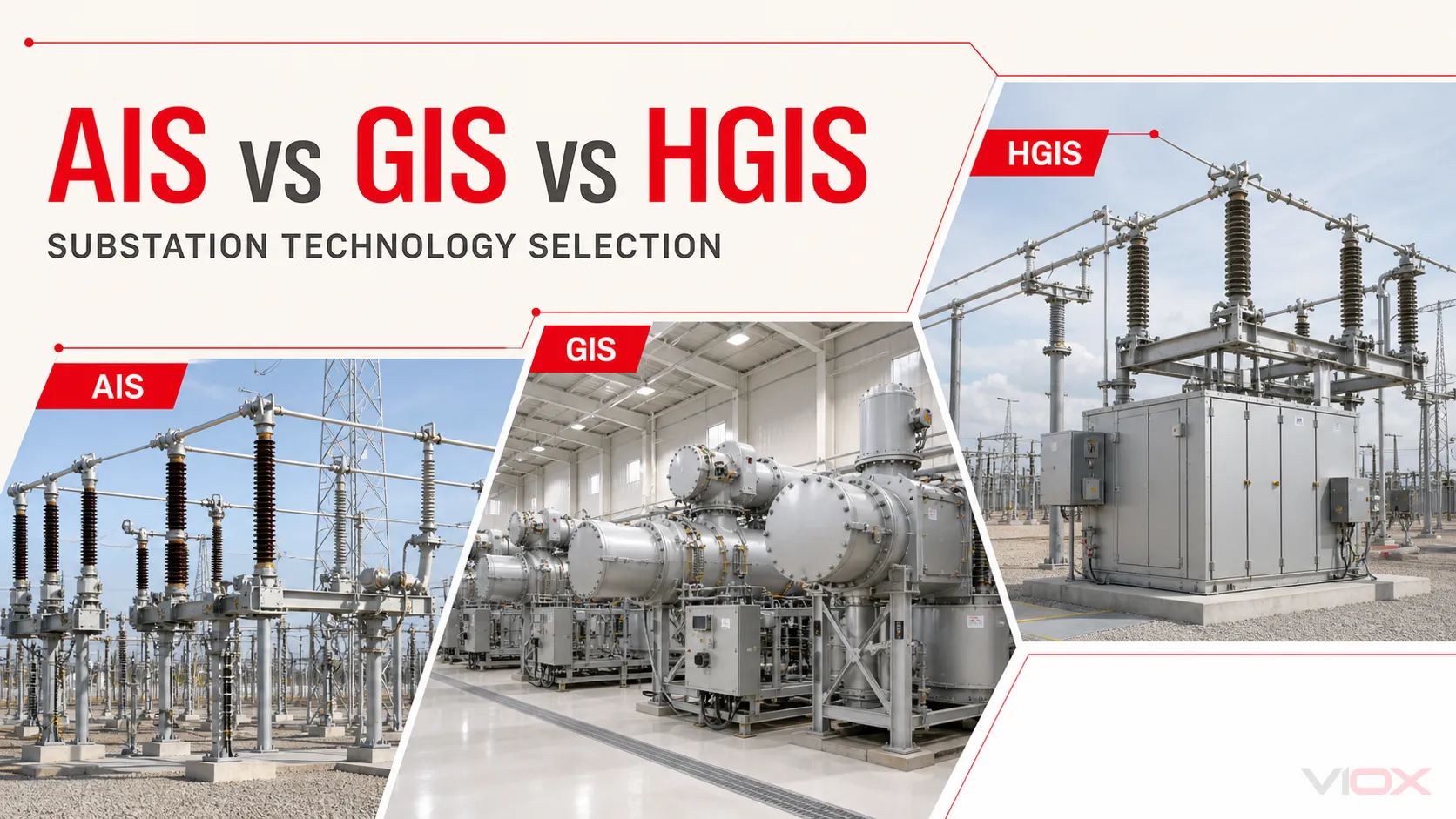
A levegőszigetelésű kapcsolóberendezés (AIS) általában a legrugalmasabb és leggazdaságosabb választás, ha rendelkezésre áll a megfelelő terület. A gázszigetelésű kapcsolóberendezés (GIS) akkor részesítendő előnyben, ha a helytakarékosság, a szennyeződésekkel szembeni ellenállás vagy a zárt kialakítás fontosabb, mint a kezdeti beruházási költség. A hibrid gázszigetelésű kapcsolóberendezés (HGIS) a kettő között helyezkedik el: a fő mező funkcióit egy kompakt gázszigetelésű modulba integrálja, miközben megtartja a levegőszigetelésű gyűjtősíneket vagy külső csatlakozásokat.
A helyes választást nem kizárólag a feszültségszint határozza meg. A mérnököknek össze kell hasonlítaniuk a teljes alállomási elrendezést, beleértve a földterület és az épület költségeit, a környezeti kitettséget, az üzemkiesési stratégiát, a jövőbeli bővíthetőséget, a karbantartási képességet, a szigetelőközegre vonatkozó előírásokat, valamint a kieső áramkör költségeit.
Ez az útmutató strukturált módszert kínál az AIS, GIS és HGIS összehasonlításához anélkül, hogy feltételeznénk, bármelyik technológia univerzálisan felsőbbrendű lenne.
AIS vs GIS vs HGIS: Gyors összehasonlítás
| Kiválasztási tényező | AIS | GIS | Hibrid kapcsolóberendezés (HGIS) |
|---|---|---|---|
| Teljes név | Levegőszigetelésű kapcsolóberendezés | Gázszigetelésű kapcsolóberendezés | Hibrid gázszigetelésű kapcsolóberendezés |
| Elsődleges szigetelési elrendezés | A környezeti levegő és a fizikai távolságok biztosítják a külső szigetelést | A fő feszültség alatt álló alkatrészek szigetelőgázt vagy gázkeveréket tartalmazó, földelt fémrekeszekben vannak elhelyezve | A fő mezőfunkciók gázszigetelésűek és zártak; a gyűjtősínek vagy a külső csatlakozások levegőszigetelésűek maradnak |
| Tipikus fizikai helyigény | Legnagyobb | Legkisebb | AIS és GIS között; általában sokkal kisebb, mint egy hasonló AIS mező |
| Kezdeti berendezésköltség | Általában a legalacsonyabb | Általában a legmagasabb | Általában az AIS és a GIS között van, de projektspecifikus |
| Pornak, sónak, páratartalomnak és élővilágnak való kitettség | Legmagasabb | Legalacsonyabb a zárt primer részeknél | Alacsonyabb, mint az AIS-nél a zárt funkciók esetében, de a levegőszigetelésű csatlakozási pontok továbbra is ki vannak téve a környezeti hatásoknak |
| Rutinszerű vizuális hozzáférés | Közvetlen és egyértelmű | Korlátozott, mivel az elsődleges alkatrészek zártak | Vegyes: zárt modul és hozzáférhető külső csatlakozások |
| Karbantartási jelleg | Több szabadon álló alkatrész az ellenőrzéshez és tisztításhoz | Kisebb kitettség, de a gázrendszer és a burkolat munkálatai speciális eljárásokat igényelnek | Csökkentett kitett berendezések, kisebb gázszigetelt hatókörrel, mint a teljes GIS esetében |
| Helyszíni összeszerelés | Több egyedi berendezés és összeköttetés | Gyárilag összeszerelt mezők vagy szállítóegységek, majd helyszíni összeszerelés és gáz/interfész munkálatok | A magasan integrált, gyárilag tesztelt mezőmodulok csökkenthetik a helyszíni munkát |
| Jövőbeli bővítés | Általában a legegyszerűbb | A GIS interfészek, a gyártói tervezés és az üzemszüneti követelmények figyelembevételével kell megtervezni | Gyakran hasznos meglévő AIS alállomások bővítéséhez vagy tömörítéséhez |
| Optimális környezet | Megfelelő területtel és kezelhető szennyezettséggel rendelkező helyszínek | Városi, földalatti, beltéri, tengerparti, ipari vagy egyéb helyszűkés területek | Barnaövezeti bővítések, korlátozott kültéri helyszínek, tengeri alkalmazások és gyorsabb mezőtelepítést igénylő projektek |
| Fő tervezési kompromisszum | Nagyobb területigény és környezeti kitettség | Magasabb tőkebefektetési komplexitás és erősebb függőség a zárt rendszerű kialakítástól | Kompromisszum a kompaktság és a hagyományos AIS interfészek között |
Ezek mérnöki tendenciák, nem garantált értékek. Az érdemi összehasonlításhoz ugyanazt az egyvonalas kapcsolási rajzot, névleges feszültséget, zárlati teljesítményt, gyűjtősín-elrendezést, redundancia-követelményt, helyszíni adottságot és projektélettartamot kell alapul venni.
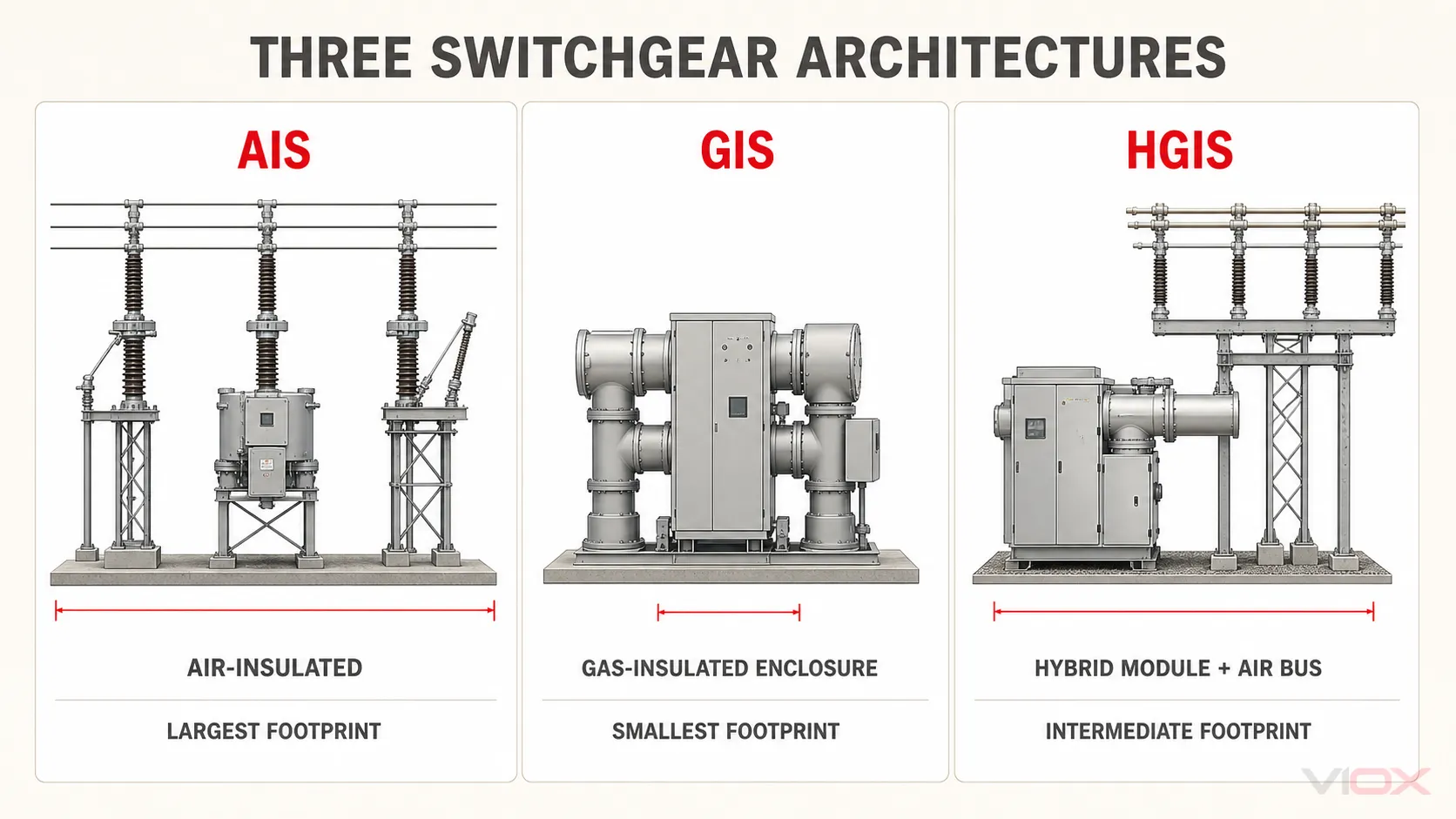
Mik azok az AIS, GIS és HGIS berendezések?
Mi az a levegőszigetelésű kapcsolóberendezés (AIS)?
A levegőszigetelésű kapcsolóberendezés légköri levegőt és meghatározott védőtávolságokat használ a feszültség alatt álló vezetőknek a földelt szerkezetektől és más fázisoktól való elszigetelésére. Egy nagyfeszültségű AIS alállomásban a megszakítók, szakaszolók, földelőkapcsolók, mérőtranszformátorok, túlfeszültség-levezetők és gyűjtősínek általában különálló berendezésekként vannak telepítve, amelyeket szabadon vezetett vezetők kötnek össze.
Az AIS nem egyenlő a nyitott, védelem nélküli telepítéssel. A berendezés továbbra is használ szigetelőket, földelt szerkezeteket, reteszeléseket, kerítéseket, védelmi reléket és meghatározott villamos védőtávolságokat. A meghatározó jellemzője az, hogy a főbb feszültség alatt álló részek közötti külső szigetelést elsősorban a levegő biztosítja, nem pedig egy zárt, gázszigetelésű fémburkolat.
Az AIS azért marad vonzó, mert moduláris, vizuálisan ellenőrizhető, viszonylag könnyen bővíthető, és széles beszállítói és szervizháttér támogatja. Fő hátránya a helyigény. A szükséges fázis-fázis és fázis-föld védőtávolságok a névleges feszültséggel és a szigetelési koordinációs követelményekkel együtt nőnek, így az alállomás alapterülete jelentőssé válhat.
Mi az a gázszigetelésű kapcsolóberendezés (GIS)?
A gázszigetelésű kapcsolóberendezés a főbb nagyfeszültségű funkciókat földelt fémburkolatokon belül helyezi el. A szigetelést legalább részben túlnyomásos szigetelőgáz vagy gázkeverék biztosítja, nem kizárólag a légköri levegő.
A GIS mező egyetlen kompakt egységbe integrálhatja a megszakítót, a szakaszolókat, a földelőkapcsolókat, az áram- és feszültségmérést, a gyűjtősín-szakaszokat, valamint a kábel- vagy vezetékcsatlakozásokat. A földelt tokozás korlátozza a feszültség alatt álló részek kitettségét a porral, sóval, nedvességgel, élővilággal és a véletlen érintéssel szemben. Ez teszi a GIS-t különösen hasznossá olyan helyeken, ahol a földterület drága, az alállomást épületen belül vagy föld alatt kell elhelyezni, vagy ahol a környezeti szennyeződés miatt a szabadlevegős szigetelés karbantartása nehézkes lenne.
A GIS-t nem szabad automatikusan az SF6-os kapcsolóberendezések szinonimájaként kezelni. A kén-hexafluorid történelmileg meghatározó szigetelő- és megszakítóközeg volt számos GIS-kialakításban, de a gyártók ma már vákuumos megszakítást, valamint tiszta levegőn vagy egyéb gázkeverékeken alapuló alternatív szigetelőrendszereket is kínálnak. A javasolt berendezés esetében ellenőrizni kell a pontos közeget, a globális felmelegedési potenciált, a szivárgási követelményeket, a visszanyerési folyamatot és a regionális megfelelőségi státuszt.
Mi az a hibrid gázszigetelésű kapcsolóberendezés?
A hibrid gázszigetelésű kapcsolóberendezés (HGIS) az AIS és a GIS elemeit ötvözi egy alállomási mezőn belül. A megszakító, a szakaszoló és földelő funkciók, valamint esetenként a mérőtranszformátorok egy földelt, gázszigetelésű modulba vannak integrálva. A modul ezt követően csatlakozik a hagyományos, levegőszigetelésű gyűjtősínekhez, transzformátorokhoz, vezetékekhez vagy egyéb kültéri berendezésekhez.
Ez az architektúra csökkenti a különálló tartószerkezetek, alapozások, vezetők és a helyszínen összeszerelt csatlakozások számát anélkül, hogy a teljes gyűjtősínrendszert tokozni kellene, mint egy teljes GIS-telepítésnél. Ezáltal csökkentheti egy AIS-mező helyigényét, miközben megőrzi a megszokott, levegőszigetelésű alállomási csatlakozásokat.
A HGIS különösen akkor releváns, ha egy meglévő AIS-telephelyen további mezőre van szükség, de a terület nem biztosítja a hagyományos AIS-bővítéshez szükséges védőtávolságokat. Akkor is hasznos, ha az építési idő, a szállítható, gyárilag tesztelt modulok vagy a szabadon álló kapcsolóelemek számának csökkentése jelentős projektértékkel bír.
Hol helyezkedik el a PASS?
A PASS nem egy univerzális IEC kapcsolóberendezés-kategória. Ez a Hitachi Energy hibrid kapcsolóberendezés-családjának neve, amelynek feloldása: Plug and Switch System (dugaszolható kapcsolórendszer). A PASS a HGIS gyakorlati példája: a nagyfeszültségű mező funkciói gázszigetelésű házban helyezkednek el, míg a modult levegőszigetelésű gyűjtősínek kötik össze az alállomás többi részével.
Ez a megkülönböztetés fontos a specifikációkban. A pályázatnak meg kell határoznia a szükséges funkciókat, névleges értékeket, interfészeket, szigetelőközget, szabványokat, üzemi körülményeket és teljesítményt. Nem használhat védett termékcsaládnevet úgy, mintha az az összes hibrid kapcsolóberendezés általános meghatározása lenne.
Az általános hierarchia a következő:
- AIS: levegőszigetelésű alállomás-architektúra.
- GIS: gázszigetelésű, fémburkolatú kapcsolóberendezés-architektúra.
- HGIS vagy hibrid kapcsolóberendezés: integrált gázszigetelésű mezőfunkciók, levegőszigetelésű külső csatlakozásokkal kombinálva.
- PASS: egy gyártó hibrid kapcsolóberendezés-megvalósítása.
A mérnöki különbségek, amelyek számítanak
1. Alapterület és építési munkák
Az AIS (levegőszigetelésű kapcsolóberendezés) szabad levegőn történő elektromos védőtávolságokat igényel, ezért általában a legnagyobb területet foglalja el. Emellett több egyedi alapozást, tartószerkezetet, kábelárkot és a helyszínen telepített összeköttetést igényelhet.
A GIS a kapcsolási és gyűjtősín-funkciókat fémburkolatú rekeszekbe sűríti. Általában ez biztosítja a legkisebb kapcsolóberendezés-helyigényt, és lehetővé teszi beltéri, földalatti vagy városi alállomások műszaki megvalósítását. A kapcsolóberendezés helyigénye azonban nem azonos a teljes alállomás helyigényével. A transzformátorok, reaktorok, kábellezáró végelzárók, hozzáférési útvonalak, tűzgátló elválasztások, szellőztetés és segédrendszerek továbbra is helyet igényelnek.
A HGIS csökkenti az egyes mezők helyigényét, de általában nem éri el a teljesen gázszigetelt gyűjtősínrendszer kompaktságát. Építészeti előnye gyakran az AIS-bővítéseknél a legszembetűnőbb, ahol egy teljes GIS-épület aránytalan lenne, de egy hagyományos AIS-mező már nem férne el.
Döntési szabály: A teljes telephely-elrendezéseket hasonlítsa össze, ne a katalógus szerinti mezőméreteket.
2. Környezeti kitettség
Az AIS-szigetelők és a feszültség alatt álló csatlakozások ki vannak téve a környezeti hatásoknak. A sópermet, az ipari szennyeződés, a por, a páratartalom, a jég, a madarak és a kisállatok növelhetik az ellenőrzési és tisztítási igényeket, vagy befolyásolhatják a szigeteléstervezést. A nagyobb tengerszint feletti magasság szintén megváltoztatja a külső légszigetelés dielektromos teljesítményét, és korrigált védőtávolságokat igényelhet.
A GIS a primer alkatrészeket földelt burkolatokon belül védi, így azok dielektromos teljesítménye kevésbé függ a külső szennyeződésektől. A külső átvezetők, végelzárók és segédberendezések továbbra is környezeti értékelést igényelnek, de a főáramkör lényegében el van szigetelve a környezeti feltételektől.
A HGIS védi az integrált kapcsolási funkciókat, miközben a levegőszigetelésű gyűjtősíneket és a berendezés-interfészeket szabadon hagyja. Ezáltal javítja a környezeti ellenállóképességet a teljesen szabadon álló AIS-mezőkhöz képest, de nem teszi feleslegessé a külső szigetelés vizsgálatát.
Döntési szabály: A GIS értéke a szennyeződés mértékének, az időjárási kitettségnek, a magassági korlátoknak vagy a külső átívelés következményeinek növekedésével arányosan nő.
3. Ellenőrzés, karbantartás és javítás
Az AIS közvetlen vizuális hozzáférést biztosít a karbantartó csapatoknak a legtöbb primer berendezéshez. Az alkatrészek gyakran egyedileg ellenőrizhetők, tesztelhetők, tisztíthatók vagy cserélhetők. A kompromisszum az, hogy a szabadon álló szigetelések, mechanizmusok, csatlakozások és szerkezetek több rutinszerű figyelmet igényelhetnek.
A GIS csökkenti a primer alkatrészek környezeti kitettségét és a rutinszerű tisztítási igényt. Ugyanakkor a belső hibák, gázriasztások, a tokozáson végzett munkák és a nagyobb javítások speciális eljárásokat, képzett személyzetet, kompatibilis kezelőberendezéseket és a szigetelőközeg gondos ellenőrzését követelik meg. A javítási hozzáférés és az üzemszünet hatása nagymértékben függ a rekeszes kialakítástól és a szolgáltatásfolytonossági tervezéstől.
A HGIS csökkenti a szabadon álló kapcsolókészülékek számát, miközben korlátozza a tokozott, gázszigetelésű berendezések mennyiségét. A karbantartás vegyes jellegű marad: a technikusoknak szükségük van mind a hagyományos kültéri alállomási képességekre, mind az integrált modulra vonatkozó termékspecifikus ismeretekre.
Döntési szabály: A karbantartási terhet és a javítási helyreállítást külön kell értékelni. Az alacsony rutinszerű karbantartási igény nem jelenti automatikusan az egyszerű hibajavítást.
4. Megbízhatóság és rendelkezésre állás
A megbízhatóság nem rendelhető hozzá kizárólag a szigetelési technológiához. Függ az egyvonalas elrendezéstől, az alkatrészek kialakításától, a telepítés minőségétől, a környezeti feltételektől, a rekeszhatároktól, a védelmi rendszertől, a karbantartási programtól, a pótalkatrész-stratégiától és a kezelői kompetenciától.
A GIS csökkentheti a szennyeződés és a véletlen érintkezés okozta meghibásodásokat, mivel a főáramkör tokozott. Az AIS megkönnyítheti a hibák megfigyelését, valamint az egyes alkatrészek leválasztását vagy cseréjét. A HGIS csökkenti a mezőn belüli külső interfészek számát, de továbbra is alkalmaz szabadon álló alállomási csatlakozásokat.
Egy kritikus projekt esetében tegye fel azokat a kérdéseket, amelyek közvetlenül befolyásolják a rendelkezésre állást:
- Leválasztható-e egy gyűjtősín-szakasz, mező vagy gázszigetelt rekesz a szomszédos áramkörök leállítása nélkül?
- Mennyi a javítási idő egy meghibásodott megszakító, szakaszoló, átvezető vagy gázszigetelt rekesz esetén?
- Helyben rendelkezésre állnak-e a tartalék modulok, mechanizmusok, tömítések, sűrűségmérők és szakemberek?
- Folytathatja-e a működést az alállomás bővítés vagy karbantartás közben?
- Biztosítja-e a gyűjtősín-elrendezés a szükséges üzemi redundanciát?
Döntési szabály: Határozza meg a szükséges szolgáltatás-folytonosságot és az átlagos helyreállítási időt, ne csak annyit, hogy “nagy megbízhatóság”.”
5. Telepítés és üzembe helyezés
Az AIS-építés magában foglalja az egyes elemek telepítését és beállítását, a tartószerkezetek felállítását, a vezetői csatlakozások kialakítását, valamint a helyszíni védőtávolságok ellenőrzését. Ez egy jól ismert munkafolyamat, de a helyszíni összeszerelés mennyisége jelentős lehet.
A GIS-berendezéseket gyárilag tesztelt mezőkben vagy szállítóegységekben szállítják, de a helyszíni illesztések, gázterek, kábelcsatlakozások, védelmi vezetékezés, tokozás-földelés és a nagyfeszültségű vizsgálatok továbbra is ellenőrzött eljárásokat igényelnek. Az építési tűréshatárok és a szállítási korlátok befolyásolhatják a modulméretet és a telepítési sorrendet.
A HGIS-modulok több, gyárilag összeszerelt és tesztelt mezőfunkcióval érkezhetnek. Ez lerövidítheti a helyszíni munkát és csökkentheti a szabadban összeszerelt nagyfeszültségű csatlakozások számát. Ez az előny értékes a meglévő állomások bővítése (brownfield), távoli helyszínek és korlátozott kivitelezési időablakkal rendelkező projektek esetében.
Döntési szabály: Hasonlítsa össze a teljes telepítési ütemtervet, beleértve a polgári mérnöki készültséget, a szállítást, az összeszerelést, a tesztelést, a leállásokat és a feszültség alá helyezést, ne csak a gyári átfutási időt.
6. Bővíthetőség és technológiai függőség
Az AIS általában a legkönnyebben bővíthető architektúra, mivel fizikai interfészei láthatóak és hagyományosak. Amennyiben a terület, a védőtávolságok, a gyűjtősín-terhelhetőség, a védelmi zónák és a leállási megállapodások lehetővé teszik, a különböző projektekből származó berendezések gyakran rugalmasabban integrálhatók.
A GIS-bővítések részletes egyeztetést igényelnek a már telepített kialakítással. A gázrekesz-illesztések, a tokozás méretei, a gyűjtősín-elrendezés, a vezérlőrendszerek, a típusvizsgált határok és az elavulás növelhetik az eredeti gyártótól vagy egy kompatibilis utódplatformtól való függőséget.
A HGIS hatékony híd lehet az AIS bővítéséhez, mivel hagyományos külső csatlakozásokat használ, miközben az új mezőt kompakt méretűre csökkenti. Ennek ellenére az integrált modul maga termékspecifikus marad.
Döntési szabály: Tartsa fenn a fizikai helyet és határozza meg a jövőbeli interfész-követelményeket az eredeti projekt során, technológiától függetlenül.
7. Beruházási költség és életciklus-költség
Az AIS (levegőszigetelésű kapcsolóberendezés) berendezésköltsége általában a legalacsonyabb, de nagyobb területet és kiterjedtebb építési munkálatokat igényelhet. A GIS (gázszigetelésű kapcsolóberendezés) berendezés- és szakértői telepítési költségei rendszerint magasabbak, ugyanakkor elkerülhetővé teheti a drága földterület-vásárlást, vagy lehetővé teheti kompakt városi projektek megvalósítását. A HGIS (hibrid gázszigetelésű kapcsolóberendezés) gyakran a kettő között helyezkedik el, különösen akkor, ha elkerülhető vele a jelentős területbővítés vagy csökkenthető a kiesési idő.
Az életciklus-összehasonlításnak tartalmaznia kell:
- Kapcsolóberendezések és védelmi eszközök.
- Földterület, épület, alapozások, szerkezetek és kábelnyomvonalak.
- Szállítás, szerelés, helyszíni tesztelés és üzembe helyezés.
- Szigetelőközeg-kezelés és szabályozási kötelezettségek.
- Ütemezett ellenőrzés, tisztítás, tesztelés és szakértői karbantartás.
- Pótalkatrészek, képzés, szerszámok és gyártói támogatás.
- Bővítési és utólagos felszerelési rendelkezések.
- Várható kiesési költség és helyreállítási idő.
- Üzemen kívül helyezés, gázvisszanyerés, újrahasznosítás és ártalmatlanítás.
Döntési szabály: Számítsa ki a teljes beépített és életciklus-költséget ugyanazon funkcionális specifikáció alapján. A beszerzési ár összehasonlítása önmagában nem teljes körű.
Környezetvédelmi és SF6-tal kapcsolatos szempontok
A hagyományos GIS és egyes hibrid berendezések dielektromos és ívoltási tulajdonságaik miatt használják az SF6 gázt. A környezetvédelmi hátránya a magas globális felmelegedési potenciálja. A szabályozások, a beszerzési irányelvek, a jelentéstételi kötelezettségek és az életciklus végi követelmények következésképpen megváltoztatják az SF6-alapú kialakítások gazdaságosságát és elfogadhatóságát.
Az IEC 62271-203:2022 szabvány immár az 52 kV feletti GIS berendezések esetében az SF6 gáz mellett az alternatív gázokra is kiterjed, és a tömítettségi követelményeket a gáz globális felmelegedési potenciálja alapján különbözteti meg. Az Európai Unióban az (EU) 2024/573 rendelet fokozatos korlátozásokat vezet be a fluorozott üvegházhatású gázokat használó elektromos kapcsolóberendezésekre vonatkozóan, amelyek hatálya és határideje a feszültségszinttől és a műszaki feltételektől függ.
Minden GIS vagy HGIS pályázat esetén ellenőrizze az alábbiakat:
- Az egyes rekeszekben használt szigetelő- és megszakítóközeg.
- A gáz globális felmelegedési potenciálja és a teljes beépített tömeg.
- A szivárgásellenőrzésre és riasztásra vonatkozó követelmények.
- A töltési, visszanyerési, újrahasznosítási és szakember-tanúsítási eljárások.
- A termék elérhetősége a telepítés időpontjában hatályos szabályozások szerint.
- A tartalék gázra és az életciklus végére vonatkozó stratégia a berendezés várható élettartama alatt.
Döntési szabály: Ne használja a “GIS” kifejezést általános környezeti feltételezésekkel. Határozza meg és értékelje a tényleges szigetelési technológiát.
AIS, GIS vagy HGIS: melyiket válassza?
| Projektfeltételek | Előnyben részesített kiindulópont | Miért érdemes elsőként értékelni |
|---|---|---|
| Zöldmezős vidéki alállomás megfelelő területkínálattal | AIS | Alacsony berendezésköltség, ismert karbantartás és egyszerű jövőbeli bővíthetőség |
| Sűrűn beépített városi vagy földalatti alállomás | GIS | Minimális kapcsolóberendezés-helyigény és zárt primer berendezések |
| Tengerparti, sivatagi, bányászati vagy erősen szennyezett környezet | GIS vagy HGIS | A kritikus kapcsolási funkciók csökkentett kitettsége a szennyeződéseknek |
| Meglévő AIS alállomás egy további mezővel történő bővítése | HGIS | A kompakt mező csatlakoztatható a meglévő levegőszigetelésű gyűjtősínhez anélkül, hogy a teljes telephelyet GIS-re kellene átalakítani |
| A projekt nagyon rövid tervezett üzemszünettel rendelkezik | HGIS vagy moduláris GIS | A gyárilag integrált szerelvények csökkenthetik a helyszíni csatlakozások számát és a telepítési időt |
| Az alállomást épületen belül kell telepíteni | GIS; beltéri AIS, ahol a hely engedélyezi | A GIS minimalizálja az elektromos távolságokhoz szükséges épülettérfogatot |
| A legalacsonyabb kezdeti költség a meghatározó korlátozó tényező | AIS | Általában a legalacsonyabb berendezésköltség, ha a telek és a helyszíni adottságok kedvezőek |
| Jövőbeli többlépcsős bővítés valószínűsíthető | AIS vagy kifejezetten bővíthetőre tervezett GIS | Az AIS általában rugalmasabb; a GIS fegyelmezett interfész- és üzemszünet-tervezést igényel |
| Tengeri vagy erősen korlátozott megújuló energiaforrás-csatlakozás | GIS vagy alkalmazásspecifikus HGIS | A kompaktság, a környezetvédelem és a moduláris szállítás ellensúlyozhatja a beruházási költségeket |
| Szigorú korlátozások a fluorozott gázokra vonatkozóan | SF6-mentes GIS, SF6-mentes hibrid megoldás vagy AIS | A technológiát a tényleges szigetelőközeg és a helyi szabályozási ütemterv alapján kell kiválasztani |
Ez a táblázat kiindulópontként szolgál, nem helyettesíti a rendszerszintű vizsgálatokat. A névleges feszültség, a tartós áram, a rövid idejű határáram, a szigetelési szint, a gyűjtősín-kialakítás, a szeizmikus terhelés, a környezeti feltételek, a belső ív elleni követelmények és a hálózati megbízhatósági kritériumok módosíthatják az eredményt.
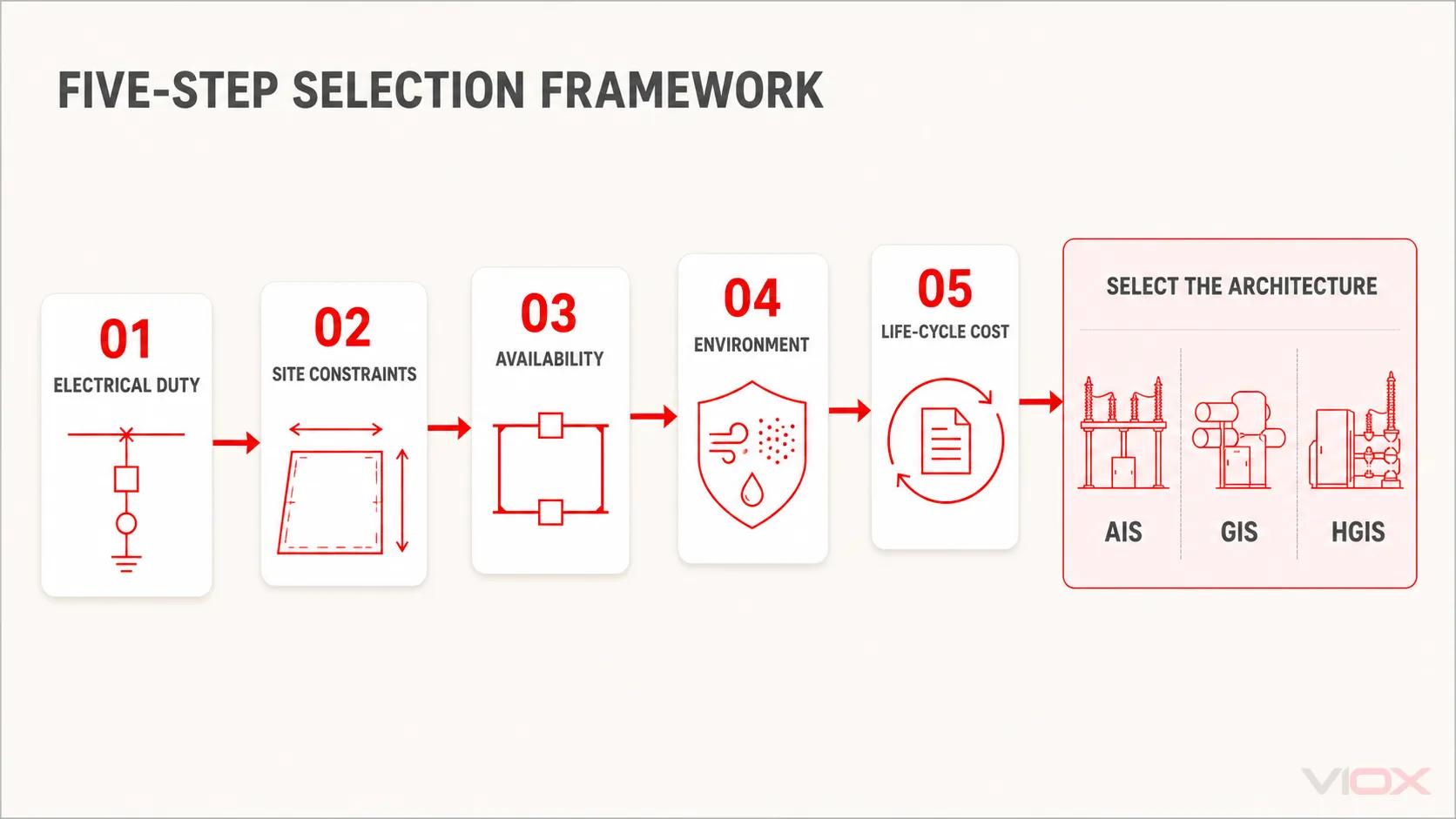
Ötlépéses kiválasztási keretrendszer
1. lépés: Az elektromos követelmények rögzítése
Határozza meg az egyvonalas kapcsolási rajzot, a névleges feszültséget és frekvenciát, a névleges áramot, a zárlati áramot és annak időtartamát, a szigetelési szinteket, a kapcsolási feladatokat, a gyűjtősín-elrendezést, a mérőtranszformátorokra vonatkozó követelményeket, a védelmi zónákat és a földelési koncepciót. A különböző elektromos hatókörök összehasonlítása félrevezető technológiai döntéshez vezethet.
2. lépés: A helyszíni korlátok számszerűsítése
Készítsen előzetes AIS, GIS és HGIS elrendezési terveket. Vegye figyelembe a biztonsági távolságokat, a hozzáférést, a transzformátorokat, a kábelvégződéseket, a vezérlőtermeket, a tűzvédelmi zónákat, az utakat, az emelési útvonalakat és a jövőbeli mezőket. A terület- és épületbeli különbségeket váltsa át projektköltségre, ahelyett, hogy a “kompakt” jelzőt elvont előnyként kezelné.
3. lépés: A rendelkezésre állási követelmények meghatározása
Határozza meg a megengedett kiesési időt, a tervezett karbantartási ablakokat, az N-1 üzemeltetési követelményeket, a szolgáltatás folytonosságával kapcsolatos elvárásokat, a rekeszelszigetelési igényeket és a helyreállítási célokat. Ellenőrizze, hogy a javasolt gyűjtősín-elrendezés és berendezés-szegmentálás megfelel-e ezeknek a céloknak.
4. lépés: Környezeti és szabályozási kockázatok szűrése
Jegyezze fel a tengerszint feletti magasságot, a szennyezettségi fokot, a sótartalmat, a páratartalmat, a hőmérsékletet, a jegesedést, a szélviszonyokat, a szeizmikus körülményeket, az árvízszintet, valamint a beltéri vagy kültéri telepítés tényét. Gázszigetelésű berendezések esetében értékelje a szigetelőközeg állapotát, a szivárgáskezelést, az alkalmazandó F-gáz szabályozásokat, a technikusok kompetenciáját és az élettartam végi visszanyerést.
5. lépés: Életciklus-költség és szállíthatóság összehasonlítása
Kérjen összehasonlítható ajánlatokat a szállítóktól, és értékelje azokat a berendezés költsége, a mélyépítési munkák, az ütemterv, a karbantartás, a pótalkatrészek, a képzés, a bővíthetőség, az üzemkiesési kockázat, a szabályozási kitettség és az üzemen kívül helyezés szempontjából. Rögzítse a feltételezéseket, hogy az alacsonyabb ajánlat ne nyerhessen alapvető interfészek vagy jövőbeli munkálatok kihagyásával.
Szabványok és specifikációs határok
Az IEC 62271 sorozat biztosítja a fő nemzetközi keretrendszert a közép- és nagyfeszültségű váltakozó áramú kapcsolóberendezések és vezérlőberendezések számára:
- IEC 62271-1:2017 az 1. módosítással: 2021 közös specifikációkat biztosít az 1 kV feletti váltakozó áramú kapcsolóberendezések és vezérlőberendezések számára.
- IEC 62271-200:2021 az 1:2024 módosítással 1 kV feletti és 52 kV-ig terjedő (beleértve az 52 kV-ot is) előre gyártott, fémburkolatú váltakozó áramú kapcsolóberendezésekre vonatkozik. Tartalmazhat levegő- és folyadékszigetelésű rekeszeket.
- IEC 62271-203:2022 52 kV feletti, gázszigetelésű, fémburkolatú váltakozó áramú kapcsolóberendezésekre vonatkozik.
- IEC 62271-100 Kiterjed a váltakozó áramú megszakítókra.
- IEC 62271-102 Kiterjed a váltakozó áramú szakaszolókra és földelőkapcsolókra.
A pontos szabványlista a feszültségszinttől, az alkatrészektől, a telepítés típusától, a regionális előírásoktól és a vásárlói specifikációtól függ. A hibrid gázszigetelésű kapcsolóberendezések (HGIS) nem mentesülnek az alkatrészekre vagy az összeszerelésre vonatkozó követelmények alól csak azért, mert különböző technológiákat ötvöznek. Minden integrált funkciót és a teljes elrendezést az alkalmazandó szabvány hatályán belül kell meghatározni és ellenőrizni.
Ez a cikk elsősorban az alállomási technológia kiválasztására összpontosít. Nem tévesztendő össze az IEC 61439 szerinti kisfeszültségű berendezések kiválasztásával. Ez utóbbi külön témakörével kapcsolatban lásd a VIOX anyagát. IEC 61439 kisfeszültségű kapcsolóberendezések tervezési útmutatója. Ha a terminológiai határvonal nem egyértelmű, kezdje ezzel Kapcsolótábla vs. Kapcsolóberendezés.
Gyakori Specifikációs Hibák
A PASS kezelése a HGIS általános megnevezéseként
A PASS egy termékcsalád, míg a HGIS vagy hibrid kapcsolóberendezés az általános technológiai leírás. A versenytárgyalási specifikációkban funkcionális és teljesítménykövetelményeket alkalmazzon.
A berendezés árának összehasonlítása a beépített költség helyett
A GIS drágának tűnhet, amíg a telek, az épületméret, a mélyépítési munkák és az üzemszüneti korlátozások nincsenek figyelembe véve. Ezzel szemben egy kompakt helyszín nem indokolja automatikusan a GIS használatát, ha az AIS is megfelel és a szennyeződés kezelhető.
Annak feltételezése, hogy a GIS mindig SF6-ot jelent
A piac ma már alternatív gázalapú és tiszta levegős megoldásokat is kínál. Egyértelműen határozza meg az engedélyezett szigetelőközegeket és a környezetvédelmi kritériumokat.
Annak feltételezése, hogy a zárt berendezések nem igényelnek karbantartást
A GIS csökkenti a kitettséget és a rutintisztítás szükségességét, de a felügyelet, a működtető mechanizmusok, a segédáramkörök, a gázrendszerek és a termékspecifikus ellenőrzések továbbra is szükségesek.
A jövőbeli bővítés figyelmen kívül hagyása
A mai igényeknek megfelelő alállomás bővítése nehézkessé válhat, ha a jövőbeli gyűjtősín-csatlakozásokat, a helyigényt, a védelmi zónákat és a lekapcsolási sorrendeket nem tervezik meg.
A technológia meghatározása a rendelkezésre állási követelmények előtt
A gyűjtősín-elrendezés, a rekeszek határai, a javítási stratégia és a pótalkatrész-terv gyakran közvetlenebb hatással van az üzemfolytonosságra, mint az AIS/GIS besorolás.
Végső kiválasztási összefoglaló
Válasszon AIS Amikor rendelkezésre áll a terület, a környezeti hatások kezelhetők, a hagyományos karbantartási hozzáférés előnyben részesített, és a jövőbeli bővíthetőség rugalmassága fontos szempont.
Válasszon GIS amikor a hely szűkös, az elsődleges berendezéseket védeni kell a szennyeződéstől, vagy ha beltéri, földalatti vagy városi telepítés indokolja a magasabb szintű tokozást és rendszerintegrációt.
Válasszon HGIS amikor egy projektnek szüksége van a GIS kompaktságára és gyári integrációjára, de előnyt jelent a levegőszigetelésű gyűjtősín és a hagyományos alállomási interfész. Gyakran kiváló választás AIS bővítésekhez, korlátozott kültéri helyszínekhez és rövid kivitelezési határidőkhöz.
A végső döntést egy közös villamos műszaki tartalomra, valamint a teljes bekerülési költség, a rendelkezésre állás, a környezeti feltételek, a bővítési stratégia, a szabályozási kitettség és az életciklus-támogatás dokumentált összehasonlítására kell alapozni.
GYIK
Mi a fő különbség az AIS és a GIS között?
Az AIS légköri levegőt és fizikai távolságokat használ fő külső szigetelésként a feszültség alatt álló részek között. A GIS a főbb feszültség alatt álló alkatrészeket földelt fémházakba zárja, amelyek szigetelőgázt vagy gázkeveréket tartalmaznak. Ez kompaktabbá teszi a GIS-t és kevésbé teszi ki a szennyeződésnek, míg az AIS általában könnyebben ellenőrizhető, módosítható és bővíthető.
A HGIS ugyanaz, mint a GIS?
Nem. A teljes GIS általában a kapcsolási funkciókat és a gyűjtősínrendszert is gázszigetelésű fémházakba zárja. A HGIS több mezőfunkciót foglal egy integrált modulba, de levegőszigetelésű gyűjtősíneket vagy külső csatlakozásokat használ az alállomás többi részéhez.
Mit jelent a PASS a kapcsolóberendezéseknél?
A PASS a Plug and Switch System (csatlakozó és kapcsoló rendszer) rövidítése. Ez a Hitachi Energy hibrid nagyfeszültségű kapcsolóberendezéseinek termékcsaládneve. A PASS egy példa a HGIS-re, nem pedig az összes hibrid kapcsolóberendezés-kialakítás általános elnevezése.
A GIS mindig megbízhatóbb, mint az AIS?
Nem feltétlenül. A GIS kevésbé van kitéve a szennyeződésnek és az időjárásnak, de az általános megbízhatóság függ a berendezés kialakításától, a telepítés minőségétől, a rekeszeléstől, a gyűjtősín elrendezésétől, a karbantartástól, a pótalkatrész-ellátottságtól és a javítási képességektől is. A megbízhatóságot és a helyreállítási időt külön kell értékelni.
Melyik kerül többe, az AIS vagy a GIS?
Az AIS kezdeti berendezésköltsége általában alacsonyabb. A GIS berendezésként gyakran többe kerül, de csökkentheti a földterület-, az épület- és bizonyos építési igényeket. A helyes összehasonlítás az azonos alállomási funkcióra vonatkozó teljes beépített és életciklus-költségen alapul.
Minden gázszigetelésű kapcsolóberendezés SF6-ot használ?
Nem. Az SF6-ot széles körben alkalmazták, de a modern GIS alternatív gázkeverékeket, tiszta levegőt és vákuumos kapcsolási technológiákat is használhat. A tényleges szigetelő- és megszakítóközeg a gyártó műszaki dokumentációjában ellenőrizendő.
Melyik kapcsolóberendezés bővíthető könnyebben?
Az AIS általában könnyebben bővíthető a hagyományos és hozzáférhető csatlakozási felületei miatt. A GIS is bővíthető, de az interfész-kompatibilitást, a gázrekeszeket, a gyártói kialakítást, a védelmi módosításokat és a szükséges üzemszüneteket gondosan meg kell tervezni. A HGIS hasznos lehet, ha egy kompakt mezővel bővítenek egy meglévő AIS alállomást.
Melyik IEC szabvány vonatkozik a GIS-re?
52 kV feletti váltakozó áramú (AC) GIS esetében az elsődleges összeszerelési szabvány az IEC 62271-203:2022. Az 1 kV feletti és 52 kV-ig terjedő fémburkolatú AC kapcsolóberendezések az IEC 62271-200:2021 szabvány, valamint annak 1. módosítása (Amendment 1:2024) hatálya alá tartoznak. Az IEC 62271-1 tartalmazza az általános előírásokat, míg az egyes komponenseket az IEC 62271 sorozat egyéb részei szabályozzák.