

На этой странице
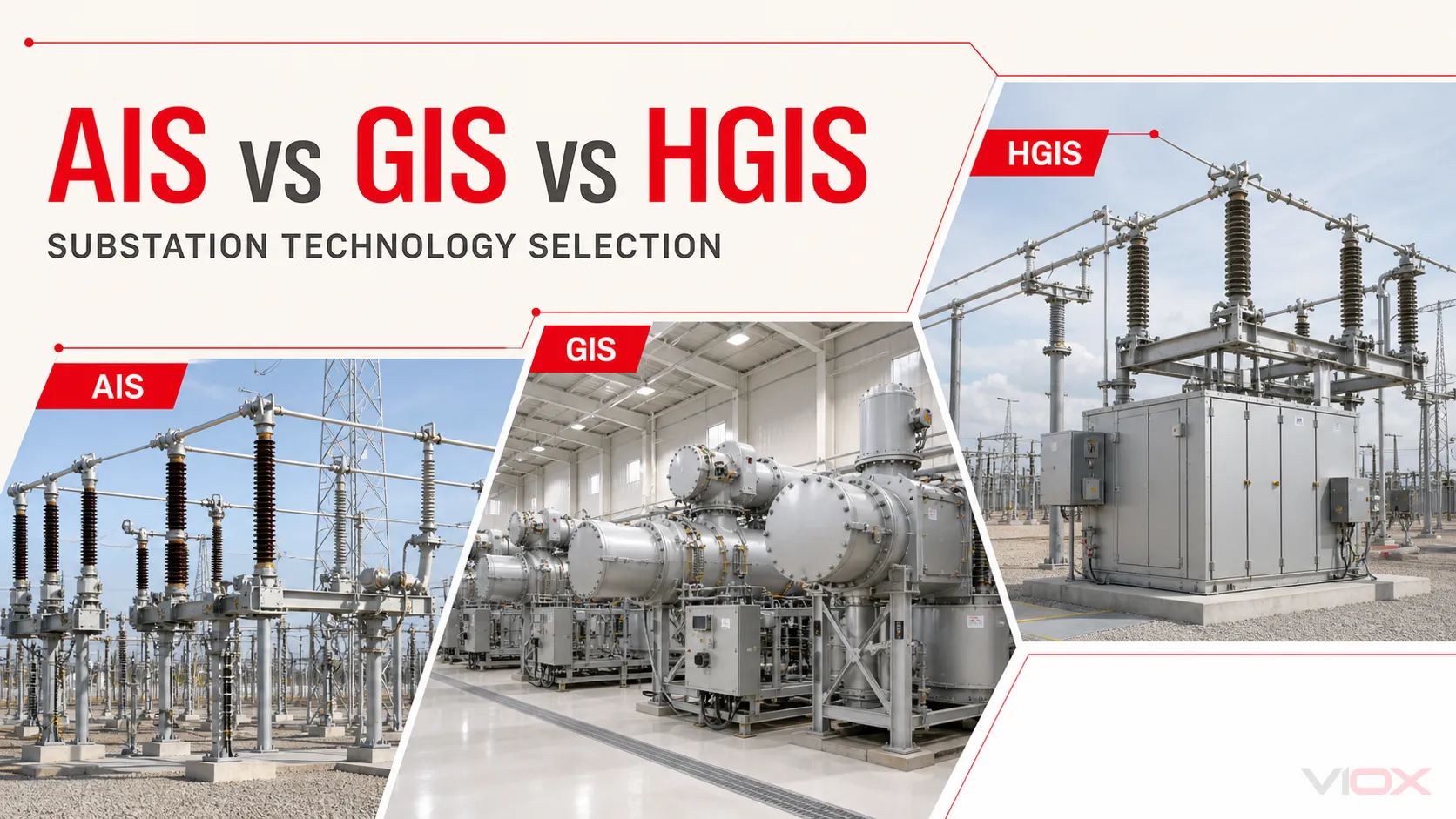
КРУ с воздушной изоляцией (AIS), как правило, являются наиболее гибким и экономичным выбором при наличии достаточной площади. КРУ с элегазовой изоляцией (GIS) обычно предпочтительнее там, где пространство, устойчивость к загрязнениям или закрытое исполнение важнее первоначальной стоимости оборудования. Гибридные КРУ с элегазовой изоляцией (HGIS) занимают промежуточное положение: они объединяют основные функции ячейки в компактном модуле с элегазовой изоляцией, сохраняя при этом воздушные сборные шины или внешние подключения.
Правильный выбор определяется не только уровнем напряжения. Инженеры должны сравнивать полную компоновку подстанции, включая затраты на землю и строительство, воздействие окружающей среды, стратегию отключений, возможность будущего расширения, ремонтопригодность, нормативные требования к изоляционным средам и стоимость простоя цепи.
Данное руководство предлагает структурированный способ сравнения AIS, GIS и HGIS, не предполагая, что какая-либо одна технология является универсально лучшей.
AIS против GIS против HGIS: краткое сравнение
| Фактор выбора | AIS | GIS | Гибридные КРУ (HGIS) |
|---|---|---|---|
| Полное наименование | Распределительное устройство с воздушной изоляцией | Распределительное устройство с элегазовой изоляцией | Гибридное распределительное устройство с элегазовой изоляцией |
| Схема первичной изоляции | Окружающий воздух и физические зазоры обеспечивают внешнюю изоляцию | Основные токоведущие компоненты заключены в заземленные металлические отсеки, содержащие изолирующий газ или газовую смесь | Основные функции отсека реализованы с газовой изоляцией в закрытом исполнении; сборные шины или внешние соединения остаются с воздушной изоляцией |
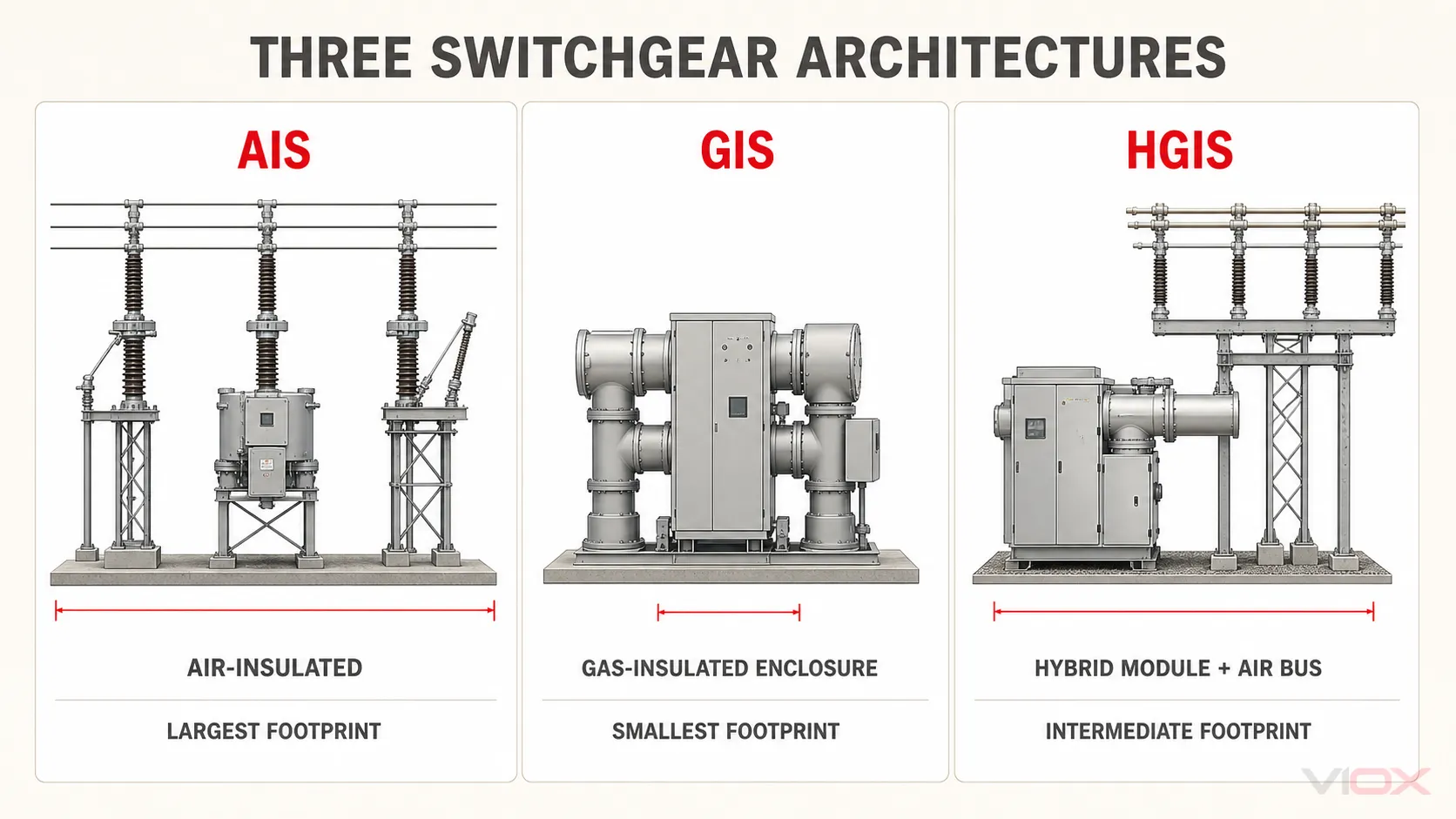
| Типовая занимаемая площадь | Самый большой | Самый маленький | Между AIS и GIS; обычно значительно меньше, чем сопоставимая ячейка AIS |
| Первоначальная стоимость оборудования | Обычно самая низкая | Обычно самая высокая | Обычно между AIS и GIS, но зависит от конкретного проекта |
| Воздействие пыли, соли, влажности и дикой природы | Самый высокий | Самое низкое для закрытых первичных частей | Ниже, чем у AIS для закрытых функций, но интерфейсы с воздушной изоляцией остаются открытыми |
| Плановый визуальный осмотр | Прямой и непосредственный | Ограниченный, так как основные части закрыты | Смешанный: закрытый модуль плюс доступные внешние соединения |
| Характер технического обслуживания | Больше открытых частей для осмотра и очистки | Меньшая открытость, но работа с газовой системой и корпусом требует специальных процедур | Сокращенное количество открытого оборудования с меньшим объемом газовой изоляции, чем в комплектном распределительном устройстве с элегазовой изоляцией (КРУЭ) |
| Сборка на объекте | Большее количество отдельных единиц оборудования и межсоединений | Собранные на заводе ячейки или транспортные блоки с последующей сборкой на объекте и выполнением газовых/интерфейсных работ | Высокоинтегрированные, протестированные на заводе модули ячеек позволяют сократить объем работ на объекте |
| Дальнейшее расширение | Обычно наиболее простой вариант | Должно планироваться с учетом интерфейсов КРУЭ, конструкции производителя и требований к отключениям | Часто полезно для расширения или уплотнения существующей подстанции с элегазовой изоляцией (AIS) |
| Оптимальные условия эксплуатации | Площадки с достаточной площадью и контролируемым уровнем загрязнения | Городские, подземные, внутренние, прибрежные, промышленные или другие площадки с ограниченным пространством | Расширение объектов на ранее использованных территориях (brownfield), площадки с ограниченным пространством на открытом воздухе, морские объекты и проекты, требующие ускоренного монтажа ячеек |
| Основной проектный компромисс | Большая занимаемая площадь и воздействие факторов окружающей среды | Более высокая капиталоемкость и повышенная зависимость от конструкции закрытых систем | Компромисс между компактностью и стандартными интерфейсами КРУ с воздушной изоляцией (AIS) |
Это инженерные тенденции, а не гарантированные значения. Для значимого сравнения необходимо использовать одну и ту же однолинейную схему, номинальное напряжение, параметры короткого замыкания, схему шин, требования к резервированию, условия площадки и срок службы проекта.
Что такое КРУ (AIS), КРУЭ (GIS) и ГИС (HGIS)?
Что такое распределительное устройство с воздушной изоляцией (КРУ)?
В распределительных устройствах с воздушной изоляцией (КРУ) используется атмосферный воздух и установленные зазоры для изоляции токоведущих частей от заземленных конструкций и других фаз. На высоковольтной подстанции с воздушной изоляцией выключатели, разъединители, заземлители, измерительные трансформаторы, ограничители перенапряжения и сборные шины обычно устанавливаются как отдельные элементы оборудования, соединенные открытыми проводниками.
КРУ с воздушной изоляцией — это не то же самое, что открытая незащищенная установка. В оборудовании по-прежнему используются изоляторы, заземленные конструкции, блокировки, ограждения, релейная защита и определенные электрические зазоры. Отличительной особенностью является то, что внешняя изоляция между основными токоведущими частями обеспечивается преимущественно воздухом, а не герметичным металлическим корпусом с газовой изоляцией.
КРУ с воздушной изоляцией остаются привлекательными, поскольку они модульные, визуально проверяемые, сравнительно легко расширяемые и поддерживаются широкой базой поставщиков и сервисных служб. Их главный недостаток — занимаемая площадь. Требуемые фазовые и фазо-земляные зазоры увеличиваются с ростом номинального напряжения и требований к координации изоляции, поэтому площадь подстанции может стать значительной.
Что такое распределительное устройство с элегазовой изоляцией (КРУЭ)?
В распределительных устройствах с элегазовой изоляцией (КРУЭ) основные высоковольтные компоненты размещаются внутри заземленных металлических корпусов. Изоляция обеспечивается, по крайней мере частично, сжатым изолирующим газом или газовой смесью, а не только атмосферным воздухом.
Ячейка КРУЭ может объединять выключатель, разъединители, заземлители, измерительные трансформаторы тока и напряжения, секции шин, а также кабельные или линейные вводы в компактный блок. Заземленный корпус ограничивает воздействие на токоведущие части пыли, соли, влаги, животных и предотвращает случайное прикосновение. Это делает КРУЭ особенно полезным там, где земля стоит дорого, подстанция должна быть установлена внутри здания или под землей, либо где загрязнение окружающей среды затрудняет обслуживание открытой изоляции.
КРУЭ не следует автоматически считать синонимом элегазового (SF6) распределительного устройства. Элегаз исторически был доминирующей изолирующей и дугогасящей средой во многих конструкциях КРУЭ, но производители теперь также предлагают вакуумное прерывание тока и альтернативные системы изоляции на основе чистого воздуха или других газовых смесей. Точный тип среды, потенциал глобального потепления, требования к герметичности, процесс рекуперации и статус соответствия региональным нормам должны быть проверены для предлагаемого оборудования.
Что такое гибридное распределительное устройство с элегазовой изоляцией?
Гибридное распределительное устройство с элегазовой изоляцией (КРУЭГ) объединяет элементы ОРУ и КРУЭ в одной ячейке подстанции. Выключатель, функции разъединения и заземления, а иногда и измерительные трансформаторы интегрированы в заземленный модуль с газовой изоляцией. Затем этот модуль подключается к традиционным шинам с воздушной изоляцией, трансформаторам, линиям или другому внешнему оборудованию.
Такая архитектура сокращает количество отдельных опорных конструкций, фундаментов, проводников и интерфейсов, собираемых на площадке, без необходимости заключения всей системы шин в оболочку, как это делается в полноценных установках КРУЭ. Таким образом, это позволяет уменьшить занимаемую площадь ячейки ОРУ, сохраняя при этом привычные соединения с воздушной изоляцией.
КРУЭГ особенно актуально, когда на существующей площадке ОРУ требуется дополнительная ячейка, но невозможно обеспечить изоляционные расстояния, необходимые для расширения традиционного ОРУ. Это также полезно в случаях, когда время строительства, использование транспортабельных заводских модулей или сокращение количества открытых коммутационных компонентов имеет значительную ценность для проекта.
Какое место занимает PASS?
PASS не является универсальной категорией распределительных устройств по стандарту МЭК. Это название семейства гибридных распределительных устройств компании Hitachi Energy, которое расшифровывается как Plug and Switch System (модульная система коммутации). PASS — это практический пример HGIS: функции высоковольтного отсека заключены в корпус с элегазовой изоляцией, в то время как шины с воздушной изоляцией соединяют модуль с остальной частью подстанции.
Это различие важно при составлении спецификаций. В тендерной документации должны быть определены требуемые функции, номинальные параметры, интерфейсы, изоляционная среда, стандарты, условия эксплуатации и характеристики. Не следует использовать название фирменного семейства продуктов так, будто оно является общим определением для всех гибридных распределительных устройств.
Общая иерархия выглядит следующим образом:
- AIS: архитектура подстанции с воздушной изоляцией.
- GIS: Архитектура комплектного распределительного устройства с элегазовой изоляцией (КРУЭ).
- HGIS или гибридное распределительное устройство: Интегрированные функции элегазового распределительного устройства в сочетании с внешними соединениями с воздушной изоляцией.
- PASS: Реализация гибридного распределительного устройства от одного из производителей.
Важные инженерные различия
1. Занимаемая площадь и строительные работы
ОРУ требует соблюдения электрических зазоров на открытом воздухе и поэтому обычно занимает наибольшую площадь. Оно также может требовать большего количества отдельных фундаментов, опорных конструкций, кабельных каналов и межсоединений, монтируемых на площадке.
КРУЭ объединяет функции коммутации и шин в герметичных металлических отсеках. Обычно это обеспечивает минимальную площадь распределительного устройства и делает технически возможным создание подстанций внутри помещений, под землей или в городских условиях. Однако площадь распределительного устройства не равна общей площади подстанции. Трансформаторы, реакторы, кабельные концевые муфты, подъездные пути, противопожарные перегородки, вентиляция и вспомогательные системы по-прежнему требуют места.
ГИС (гибридные распределительные устройства) уменьшают площадь отдельных ячеек, но, как правило, не достигают компактности полностью элегазовых систем с шинами. Их преимущество в строительной части часто наиболее заметно при расширении ОРУ, где строительство полноценного здания КРУЭ было бы несоразмерным, а обычная ячейка ОРУ не помещается.
Правило принятия решений: Сравнивайте полные компоновочные решения площадки, а не каталожные размеры ячеек.
2. Воздействие окружающей среды
Изоляторы и токоведущие соединения ОРУ подвержены воздействию окружающей среды. Соляной туман, промышленные загрязнения, пыль, влажность, обледенение, птицы и мелкие животные могут увеличить требования к осмотру и очистке или повлиять на конструкцию изоляции. Большая высота над уровнем моря также изменяет диэлектрические характеристики внешней воздушной изоляции и может потребовать корректировки изоляционных расстояний.
КРУЭ защищает основные компоненты внутри заземленных корпусов, делая их диэлектрические характеристики менее зависимыми от внешних загрязнений. Внешние вводы, концевые заделки и вспомогательное оборудование по-прежнему требуют оценки воздействия окружающей среды, но главная цепь практически изолирована от условий внешней среды.
ГИС защищает интегрированные функции коммутации, оставляя при этом ошиновку с воздушной изоляцией и интерфейсы оборудования открытыми. Таким образом, это повышает устойчивость к воздействию окружающей среды по сравнению с полностью открытой ячейкой ОРУ, но не исключает необходимость анализа внешней изоляции.
Правило принятия решений: Ценность КРУЭ возрастает по мере увеличения степени загрязнения, воздействия погодных условий, ограничений по высоте или последствий внешнего перекрытия изоляции.
3. Осмотр, техническое обслуживание и ремонт
ОРУ (открытые распределительные устройства) обеспечивают техническим службам прямой визуальный доступ к большинству основного оборудования. Компоненты часто можно осматривать, тестировать, очищать или заменять по отдельности. Обратной стороной является то, что открытая изоляция, механизмы, соединения и конструкции могут требовать более частого регулярного обслуживания.
КРУЭ (комплектные распределительные устройства с элегазовой изоляцией) снижают воздействие окружающей среды и потребность в регулярной очистке основных компонентов. Однако внутренние дефекты, срабатывание газовой сигнализации, работы с корпусом и капитальный ремонт требуют специальных процедур, обученного персонала, совместимого оборудования для обработки и тщательного контроля изоляционной среды. Доступ для ремонта и влияние на перерывы в электроснабжении сильно зависят от секционирования и конструкции, обеспечивающей непрерывность обслуживания.
ГИС (гибридные распределительные устройства) сокращают количество открытых коммутационных аппаратов, ограничивая при этом объем оборудования с газовой изоляцией. Техническое обслуживание остается комбинированным: техническим специалистам требуются как навыки работы с традиционными открытыми подстанциями, так и специфические знания по интегрированным модулям.
Правило принятия решений: Оценивайте нагрузку по техническому обслуживанию и восстановление после ремонта раздельно. Низкая потребность в регулярном обслуживании не всегда означает простоту устранения неисправностей.
4. Надежность и готовность
Надежность нельзя определять только на основе технологии изоляции. Она зависит от однолинейной схемы, конструкции компонентов, качества монтажа, условий окружающей среды, границ отсеков, системы защиты, программы технического обслуживания, стратегии обеспечения запасными частями и компетентности оператора.
КРУЭ могут снизить количество отказов, вызванных загрязнением и случайным контактом, поскольку главная цепь находится в закрытом корпусе. ОРУ позволяют легче обнаруживать дефекты, а отдельные компоненты проще изолировать или заменить. ГИС сокращают количество внешних интерфейсов в пределах ячейки, но по-прежнему используют открытые подстанционные соединения.
Для критически важного проекта задайте вопросы, которые напрямую влияют на эксплуатационную готовность:
- Можно ли изолировать одну секцию шин, ячейку или газовый отсек без отключения соседних цепей?
- Каково время ремонта вышедшего из строя автоматического выключателя, разъединителя, проходного изолятора или газового отсека?
- Доступны ли на месте запасные модули, механизмы, уплотнения, плотномеры и профильные технические специалисты?
- Может ли подстанция продолжать работу во время расширения или технического обслуживания?
- Обеспечивает ли схема ошиновки требуемое эксплуатационное резервирование?
Правило принятия решений: Указывайте требуемую непрерывность обслуживания и среднее время восстановления, а не просто “высокую надежность”.”
5. Монтаж и пусконаладочные работы
Строительство ОРУ (открытых распределительных устройств) включает в себя установку и выравнивание отдельных элементов, возведение конструкций, выполнение соединений проводников и проверку эксплуатационных зазоров. Это стандартные работы, однако объем монтажа на площадке может быть значительным.
КРУЭ (комплектные распределительные устройства с элегазовой изоляцией) поставляются в виде протестированных на заводе ячеек или транспортных блоков, однако полевые соединения, газовые зоны, кабельные интерфейсы, цепи релейной защиты, заземление корпусов и высоковольтные испытания по-прежнему требуют строгого соблюдения процедур. Строительные допуски и транспортные ограничения могут влиять на размер модулей и последовательность монтажа.
Модули ГИС (гибридных распределительных устройств) могут поставляться с несколькими заводскими функциями ячеек, собранными и протестированными в заводских условиях. Это позволяет сократить объем работ на объекте и уменьшить количество высоковольтных соединений, выполняемых на открытом воздухе. Это преимущество особенно ценно при реконструкции действующих объектов, работе на удаленных площадках и в проектах с ограниченными сроками строительства.
Правило принятия решений: Сравнивайте полный график монтажа, включая готовность строительной части, транспортировку, сборку, испытания, отключения и подачу напряжения, а не только сроки заводского изготовления.
6. Расширение и технологическая зависимость
ОРУ, как правило, является наиболее простой архитектурой для расширения, поскольку его физические интерфейсы наглядны и стандартны. При наличии земельного участка, соблюдении зазоров, номинальных параметров шин, зон защиты и графиков отключений, оборудование из разных проектов часто можно интегрировать более гибко.
Расширение КРУЭ требует детальной координации с установленным проектом. Интерфейсы газовых отсеков, габариты корпусов, расположение шин, системы управления, границы типовых испытаний и моральное устаревание оборудования могут повысить зависимость от первоначального производителя или совместимой платформы преемника.
ГИС может стать эффективным решением для расширения ОРУ, поскольку в нем используются стандартные внешние соединения при одновременной компактности новой ячейки. Тем не менее, сам интегрированный модуль остается специфичным для конкретного производителя.
Правило принятия решений: Зарезервируйте физическое пространство и определите требования к будущим интерфейсам на этапе первоначального проектирования, независимо от используемой технологии.
7. Капитальные затраты и стоимость жизненного цикла
ОРУ (открытые распределительные устройства), как правило, имеют наименьшую стоимость оборудования, но могут требовать больше земельных ресурсов и более масштабных строительных работ. КРУЭ (комплектные распределительные устройства с элегазовой изоляцией) обычно имеют более высокую стоимость оборудования и специализированного монтажа, однако позволяют избежать дорогостоящего приобретения земли или реализовать компактный городской проект. ГИС (гибридные распределительные устройства) часто занимают промежуточное положение, особенно когда позволяют избежать значительного расширения площадки или сократить время отключения.
Сравнение жизненного цикла должно включать:
- Распределительное устройство и оборудование релейной защиты.
- Земля, здания, фундаменты, металлоконструкции и кабельные трассы.
- Транспортировка, монтаж, полевые испытания и ввод в эксплуатацию.
- Обращение с изоляционной средой и нормативные обязательства.
- Плановые осмотры, очистка, испытания и специализированное техническое обслуживание.
- Запасные части, обучение, инструменты и поддержка производителя.
- Возможности для расширения и модернизации.
- Ожидаемые затраты на простой и время восстановления работоспособности.
- Вывод из эксплуатации, рекуперация газа, переработка и утилизация.
Правило принятия решений: Расчет общей стоимости установки и жизненного цикла на основе единой функциональной спецификации. Сравнение только по закупочной цене является неполным.
Экологические аспекты и вопросы, связанные с элегазом (SF6).
Традиционные КРУЭ и некоторое гибридное оборудование используют SF6 из-за его диэлектрических свойств и способности гасить дугу. Экологическим недостатком является его высокое влияние на глобальное потепление. В результате нормативные акты, политики закупок, обязанности по отчетности и требования к утилизации по окончании срока службы меняют экономическую эффективность и приемлемость конструкций на основе SF6.
Стандарт IEC 62271-203:2022 теперь охватывает как элегаз (SF6), так и альтернативные газы для КРУЭ напряжением выше 52 кВ и дифференцирует требования к герметичности в зависимости от потенциала глобального потепления газа. В Европейском союзе Регламент (ЕС) 2024/573 вводит поэтапные ограничения, затрагивающие электротехническое распределительное устройство, использующее фторированные парниковые газы, с областью применения и сроками, зависящими от напряжения и технических условий.
Для каждого тендера на поставку КРУЭ или КРУЭ с элегазовой изоляцией (HGIS) необходимо проверить:
- Изолирующие и дугогасящие среды, используемые в каждом отсеке.
- Потенциал глобального потепления газа и общую установленную массу.
- Требования к мониторингу утечек и аварийной сигнализации.
- Процедуры заполнения, рекуперации, переработки и сертификации технического персонала.
- Доступность продукции в соответствии с нормативными актами, действующими на дату установки.
- Стратегию по запасам газа и выводу оборудования из эксплуатации на протяжении ожидаемого срока службы актива.
Правило принятия решений: Не указывайте “КРУЭ” (GIS), полагаясь на условия окружающей среды. Указывайте и оценивайте фактическую технологию изоляции.
КРУ (AIS), КРУЭ (GIS) или ГИС (HGIS): что выбрать?
| Условия проекта | Предпочтительная отправная точка | Почему это заслуживает первоочередной оценки |
|---|---|---|
| Новая сельская подстанция с достаточным количеством земли | AIS | Низкая стоимость оборудования, привычное техническое обслуживание и простота будущего расширения |
| Плотная городская или подземная подстанция | GIS | Минимальная площадь распределительного устройства и закрытое исполнение первичного оборудования |
| Прибрежные, пустынные, горнодобывающие районы или площадки с сильным загрязнением | КРУЭ или ГИС (гибридное распределительное устройство) | Снижение воздействия загрязнений на критически важные коммутационные функции |
| Существующая подстанция с элегазовой изоляцией (AIS) требует добавления одной ячейки | ГИС (гибридное распределительное устройство) | Компактная ячейка позволяет подключиться к существующей шине с воздушной изоляцией без перевода всей площадки на КРУЭ |
| Проект с очень коротким запланированным периодом отключения | HGIS или модульное КРУЭ | Заводская сборка позволяет сократить количество полевых соединений и время монтажа |
| Подстанция должна быть установлена внутри здания | КРУЭ; комплектное распределительное устройство с воздушной изоляцией (КРУ) для установки внутри помещений при наличии достаточного пространства | КРУЭ минимизирует объем здания, необходимый для соблюдения электрических зазоров |
| Минимальные первоначальные затраты являются доминирующим ограничением | AIS | Как правило, минимальная стоимость оборудования при благоприятных условиях земельного участка и площадки |
| Вероятна поэтапная модернизация в будущем | КРУ с воздушной изоляцией (AIS) или КРУ с элегазовой изоляцией (GIS), специально спроектированные для расширения | КРУ с воздушной изоляцией (AIS), как правило, более гибкие; КРУ с элегазовой изоляцией (GIS) требуют строгого соблюдения интерфейсов и планирования отключений |
| Морские или сильно ограниченные по площади подключения возобновляемых источников энергии | КРУ с элегазовой изоляцией (GIS) или специализированные гибридные КРУ (HGIS) | Компактность, защита от воздействия окружающей среды и модульная поставка могут перевешивать капитальные затраты |
| Строгие ограничения на использование фторсодержащих газов | КРУ с элегазовой изоляцией (GIS) без SF6, гибридные решения без SF6 или КРУ с воздушной изоляцией (AIS) | Технология должна оцениваться с учетом фактической изоляционной среды и местных нормативных сроков внедрения |
Эта таблица является отправной точкой, а не заменой системных исследований. Номинальное напряжение, длительный ток, ток термической стойкости, уровень изоляции, схема шин, сейсмические нагрузки, условия окружающей среды, требования к стойкости к внутренней дуге и критерии надежности сети могут изменить результат.
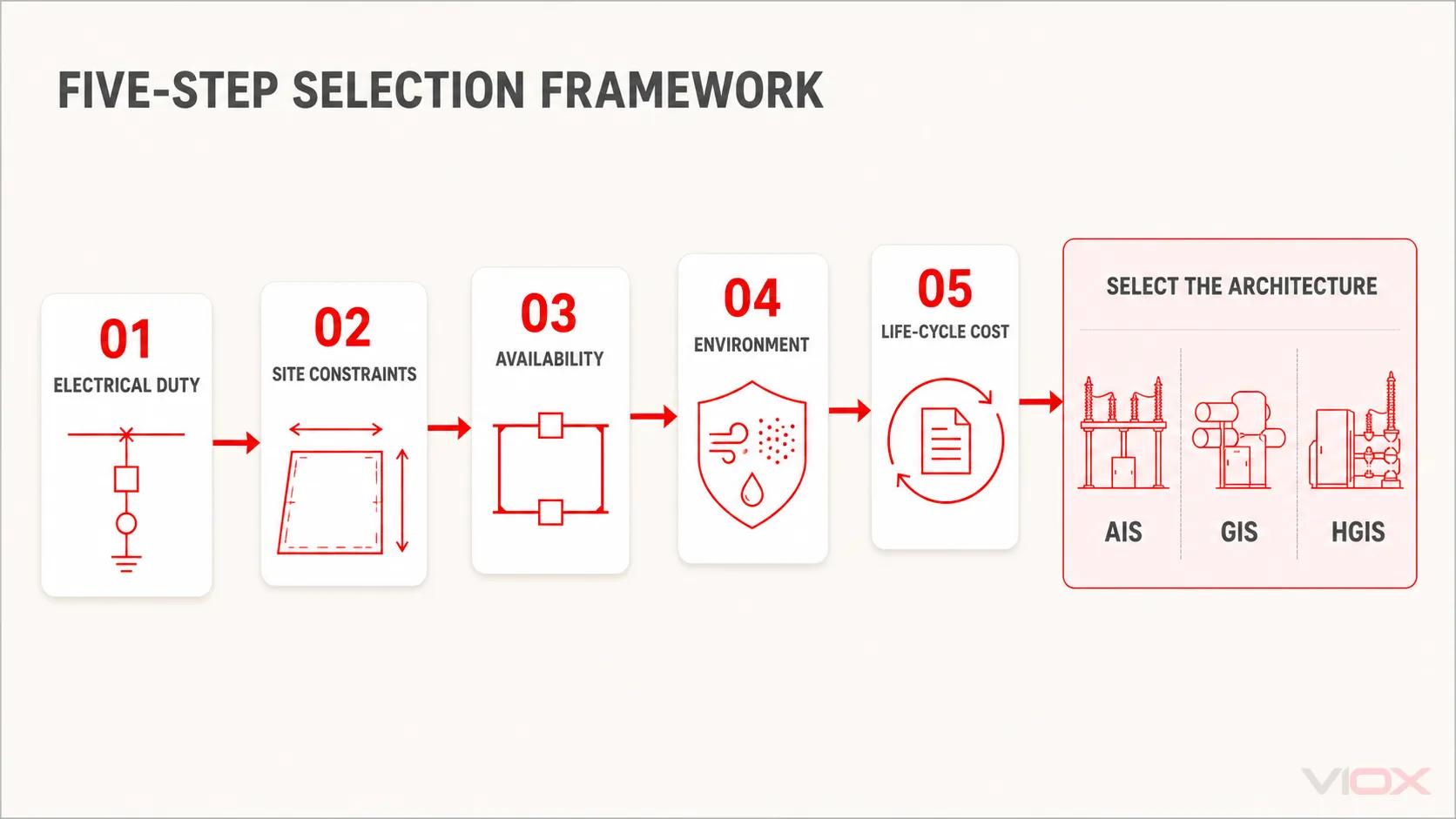
Пятиэтапная структура выбора
Этап 1: Зафиксировать электрические требования
Определите однолинейную схему, номинальное напряжение и частоту, номинальный ток, ток короткого замыкания и его длительность, уровни изоляции, коммутационные режимы, схему шин, требования к измерительным трансформаторам, зоны защиты и концепцию заземления. Сравнение различных электрических объемов приведет к ошибочному технологическому решению.
Этап 2: Количественно оценить ограничения площадки
Разработайте предварительные компоновки ОРУ, КРУЭ и ГИС. Учтите безопасные расстояния, доступ, трансформаторы, кабельные концевые муфты, диспетчерские пункты, противопожарные зоны, дороги, пути подъема оборудования и резервные ячейки для будущего расширения. Переведите различия в площади земли и зданиях в стоимость проекта, а не рассматривайте “компактность” как абстрактное преимущество.
Этап 3: Определить требования к эксплуатационной готовности
Укажите допустимую продолжительность отключений, окна планового технического обслуживания, требования к работе по схеме N-1, ожидания по непрерывности обслуживания, потребности в изоляции отсеков и целевые показатели восстановления. Проверьте, соответствуют ли предложенная схема шин и секционирование оборудования этим целевым показателям.
Шаг 4: Оценка экологических и нормативных рисков
Зафиксируйте высоту над уровнем моря, степень загрязнения, соленость, влажность, температуру, обледенение, ветровые и сейсмические нагрузки, уровень паводковых вод, а также тип установки (в помещении или на открытом воздухе). Для оборудования с элегазовой изоляцией оцените изоляционную среду, управление утечками, применимые правила по фторсодержащим газам, квалификацию технического персонала и утилизацию по окончании срока службы.
Шаг 5: Сравнение стоимости жизненного цикла и возможности поставки
Запросите сопоставимые коммерческие предложения от поставщиков и оцените их по следующим критериям: стоимость оборудования, строительно-монтажные работы, график поставок, техническое обслуживание, запасные части, обучение, возможность расширения, риск простоев, нормативные требования и вывод из эксплуатации. Зафиксируйте принятые допущения, чтобы исключить победу более дешевого предложения за счет исключения важных интерфейсов или будущих работ.
Стандарты и границы спецификаций
Серия стандартов IEC 62271 является основной международной базой для распределительных устройств и устройств управления переменного тока среднего и высокого напряжения:
- IEC 62271-1:2017 с поправкой 1:2021 содержит общие технические требования к распределительным устройствам и устройствам управления переменного тока напряжением выше 1 кВ.
- IEC 62271-200:2021 с поправкой 1:2024 применяется к сборным комплектным распределительным устройствам переменного тока в металлической оболочке на напряжение выше 1 кВ и до 52 кВ включительно. Они могут включать отсеки с воздушной и жидкостной изоляцией.
- IEC 62271-203:2022 применяется к комплектным распределительным устройствам переменного тока в металлической оболочке с элегазовой изоляцией на напряжение выше 52 кВ.
- МЭК 62271-100 охватывает автоматические выключатели переменного тока.
- IEC 62271-102 охватывает разъединители и заземлители переменного тока.
Точный перечень стандартов зависит от уровня напряжения, компонентов, типа установки, региональных требований и спецификации заказчика. Гибридные распределительные устройства (HGIS) не освобождаются от требований к компонентам или сборкам только из-за сочетания различных технологий. Каждая интегрированная функция и вся компоновка в целом должны быть определены и проверены в рамках применимой области стандартизации.
В данной статье основное внимание уделяется выбору технологии подстанций. Ее не следует путать с выбором низковольтных комплектных устройств согласно стандарту IEC 61439. По этой отдельной теме см. VIOX. Руководство по проектированию низковольтных комплектных устройств в соответствии с МЭК 61439. Если границы терминологии неясны, начните с Распределительный щит против комплектного распределительного устройства.
Распространенные ошибки спецификации
Использование PASS в качестве общего названия для гибридных распределительных устройств (HGIS)
PASS — это семейство продуктов, в то время как HGIS или гибридное распределительное устройство — это общее описание технологии. Используйте функциональные и эксплуатационные требования в конкурсной документации.
Сравнение стоимости оборудования вместо стоимости установленной системы
КРУЭ может казаться дорогим, пока не будут учтены затраты на землю, размер здания, строительные работы и ограничения по отключениям. И наоборот, компактная площадка не всегда оправдывает применение КРУЭ, если там можно разместить КРУ с воздушной изоляцией и уровень загрязнения поддается контролю.
Предположение, что КРУЭ всегда означает использование элегаза (SF6)
На рынке сейчас представлены решения с альтернативными газами и чистым воздухом. Четко указывайте допустимые изолирующие среды и экологические критерии.
Предположение, что закрытое оборудование не требует технического обслуживания
КРУЭ снижает необходимость воздействия внешней среды и регулярной очистки, однако мониторинг, механизмы управления, вспомогательные цепи, газовые системы и специфические для изделия проверки остаются необходимыми.
Игнорирование возможности будущего расширения
Подстанция, которая подходит для текущих нужд, может стать сложной для расширения, если не спланированы будущие шинные интерфейсы, пространство, зоны защиты и последовательности отключений.
Выбор технологии до определения требований к эксплуатационной готовности
Схема ошиновки, границы отсеков, стратегия ремонта и план запасных частей часто влияют на непрерывность обслуживания более непосредственно, чем выбор между КРУ и КРУЭ.
Итоговое резюме по выбору
Выбирать AIS когда имеется земельный участок, воздействие окружающей среды поддается контролю, предпочтителен традиционный доступ для обслуживания, а гибкость будущего расширения имеет значение.
Выбирать GIS в условиях жесткого ограничения пространства, необходимости защиты основного оборудования от загрязнений, а также при размещении в помещениях, под землей или в городской черте, оправдано применение более высокого уровня защиты оболочки и интеграции системы.
Выбирать ГИС (гибридное распределительное устройство) когда проект требует высокой компактности и заводской готовности, характерных для КРУЭ, но при этом сохраняется преимущество использования шин с воздушной изоляцией и стандартных интерфейсов подстанции. Это часто является оптимальным решением для расширения ОРУ, на стесненных площадках и при сжатых сроках строительства.
Окончательное решение должно основываться на общем объеме электротехнических работ и документально подтвержденном сравнении совокупной стоимости установки, эксплуатационной готовности, условий окружающей среды, стратегии расширения, нормативных требований и поддержки на протяжении жизненного цикла.
ЧАСТО ЗАДАВАЕМЫЕ ВОПРОСЫ
В чем основное различие между ОРУ и КРУЭ?
В ОРУ в качестве основной внешней изоляции между токоведущими частями используется атмосферный воздух и физические воздушные промежутки. В КРУЭ основные токоведущие компоненты заключены в заземленные металлические отсеки, заполненные изолирующим газом или газовой смесью. Это делает КРУЭ более компактными и менее подверженными загрязнению, в то время как ОРУ, как правило, проще в осмотре, модификации и расширении.
Является ли ГИС (HGIS) тем же самым, что и КРУЭ (GIS)?
Нет. Полноценное КРУЭ обычно объединяет функции коммутации и систему шин в газоизолированных металлических отсеках. ГИС (HGIS) объединяет несколько функций ячейки в интегрированный модуль, но использует шины с воздушной изоляцией или внешние соединения с остальной частью подстанции.
Что означает PASS в распределительных устройствах?
PASS означает Plug and Switch System (система штепсельных и коммутационных соединений). Это название семейства продуктов Hitachi Energy для гибридных высоковольтных распределительных устройств. PASS — это пример HGIS, а не общее название для всех конструкций гибридных распределительных устройств.
Всегда ли КРУЭ (GIS) надежнее, чем ОРУ (AIS)?
Не всегда. КРУЭ меньше подвержено загрязнению и воздействию погодных условий, но общая надежность также зависит от конструкции оборудования, качества монтажа, секционирования, схемы ошиновки, технического обслуживания, наличия запасных частей и возможностей ремонта. Надежность и время восстановления следует оценивать отдельно.
Что стоит дороже: ОРУ (AIS) или КРУЭ (GIS)?
ОРУ обычно имеет более низкую первоначальную стоимость оборудования. КРУЭ, как правило, стоит дороже как оборудование, но может сократить затраты на землю, здания и некоторые строительные работы. Правильное сравнение — это общая стоимость установки и жизненного цикла для одной и той же функции подстанции.
Все ли элегазовые распределительные устройства (GIS) используют SF6?
Нет. SF6 широко использовался, но современные КРУЭ также могут использовать альтернативные газовые смеси, чистый воздух и вакуумные технологии коммутации. Фактические изоляционные и дугогасящие среды должны быть проверены в технической документации производителя.
Какое распределительное устройство легче расширять?
КРУ с воздушной изоляцией (AIS), как правило, легче расширять благодаря их стандартным и доступным интерфейсам. КРУЭ (GIS) также можно расширять, но при этом необходимо тщательно планировать совместимость интерфейсов, газовые отсеки, конструктивные особенности производителя, изменения в системе защиты и необходимые отключения. Гибридные КРУ (HGIS) могут быть полезны при добавлении компактной ячейки к существующей подстанции с воздушной изоляцией.
Какой стандарт МЭК (IEC) применяется к КРУЭ (GIS)?
Для КРУЭ переменного тока напряжением выше 52 кВ основным стандартом сборки является МЭК 62271-203:2022. Распределительные устройства переменного тока в металлической оболочке напряжением выше 1 кВ и до 52 кВ подпадают под действие стандарта МЭК 62271-200:2021 с поправкой 1:2024. МЭК 62271-1 содержит общие технические условия, в то время как отдельные компоненты охватываются другими частями серии МЭК 62271.
Ссылки
- МЭК 62271-1:2017, Высоковольтные распределительные устройства и системы управления – Общие технические условия
- МЭК 62271-200:2021, Распределительные устройства переменного тока в металлической оболочке на напряжение выше 1 кВ и до 52 кВ
- МЭК 62271-203:2022, Распределительные устройства переменного тока в металлической оболочке с газовой изоляцией на напряжение выше 52 кВ