

در این صفحه
پاسخ سریع: IEC 60269 چیست؟
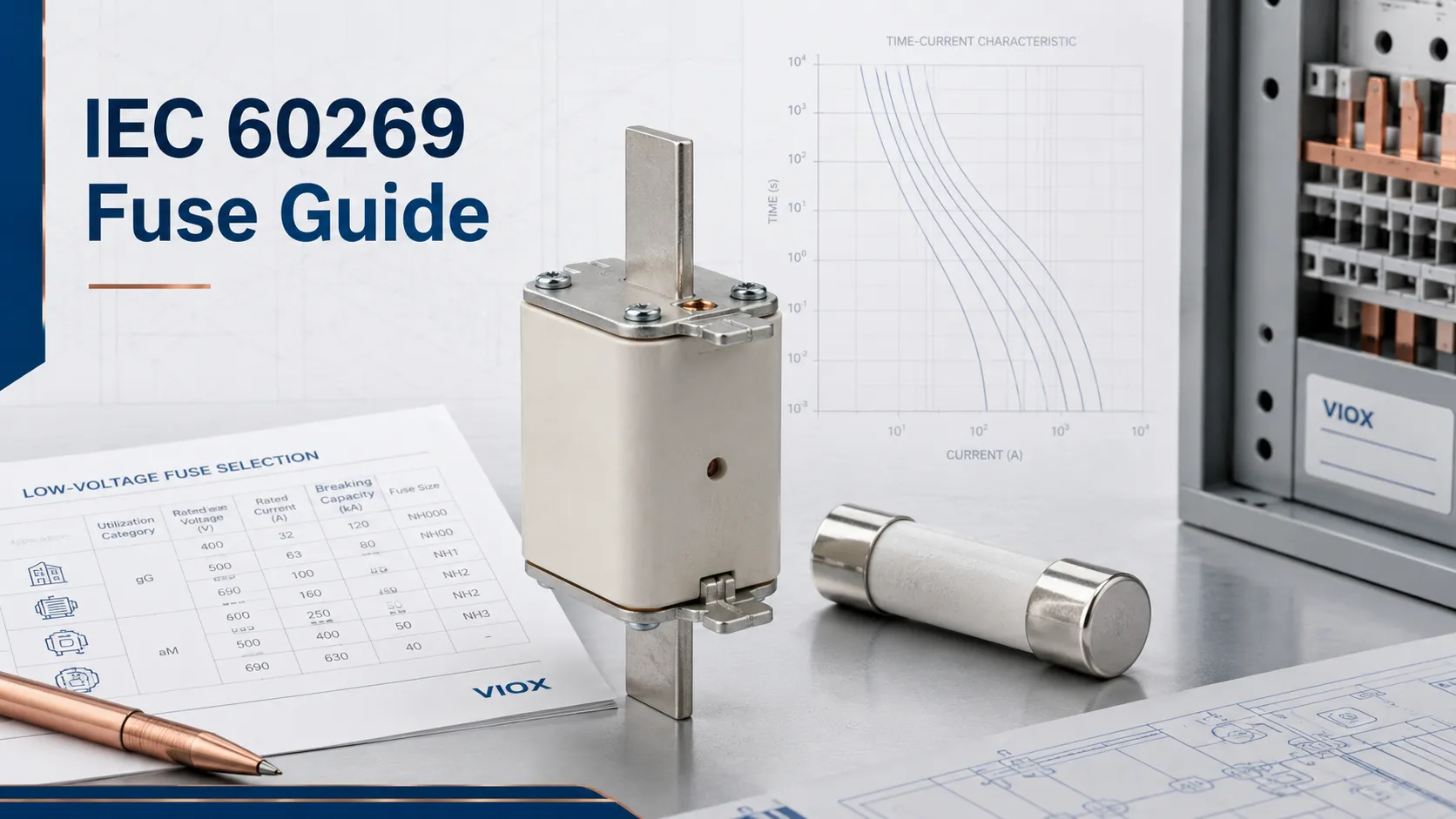
استاندارد IEC 60269 خانواده استانداردهای بینالمللی برای فیوزهای فشار ضعیف است. این استاندارد الزامات، اصول آزمون، دستهبندیهای بهرهبرداری، سیستمهای فیزیکی فیوز و قوانین کاربردی برای لینکهای فیوز و مجموعههای فیوز مورد استفاده در سیستم الکتریکی فشار ضعیف را تعریف میکند.
برای مهندسان و سازندگان تابلو، مهمترین نکات کاربردی عبارتند از:
| است | پاسخ کوتاه |
|---|---|
| استاندارد IEC 60269 چه مواردی را پوشش میدهد؟ | لینکهای فیوز فشار ضعیف و سیستمهای فیوز برای کاربردهای صنعتی، خانگی، نیمههادی، فتوولتائیک و سایر کاربردها |
| کدام بخش برای تابلوهای صنعتی اهمیت بیشتری دارد؟ | استاندارد IEC 60269-2، برای فیوزهایی که عمدتاً توسط افراد مجاز در کاربردهای صنعتی استفاده میشوند |
| عبارت gG به چه معناست؟ | فیوز عمومی با دامنه کامل، که معمولاً برای حفاظت از کابل و فیدر استفاده میشود |
| عبارت aM به چه معناست؟ | فیوز موتور با دامنه جزئی برای حفاظت در برابر اتصال کوتاه؛ این فیوز باید همراه با حفاظت اضافهبار جداگانه استفاده شود |
| فیوزهای NH چه هستند؟ | لینکهای فیوز صنعتی کاردی که بهطور گسترده در تابلوهای برق، تابلوهای توزیع و مراکز کنترل موتور استفاده میشوند |
| خریداران ابتدا باید چه مواردی را بررسی کنند؟ | دستهبندی بهرهبرداری، ولتاژ نامی، جریان نامی، قدرت قطع، اندازه فیوز، سازگاری با پایه فیوز و منحنی زمان-جریان |
نگاهی اجمالی به بخشهای استاندارد IEC 60269
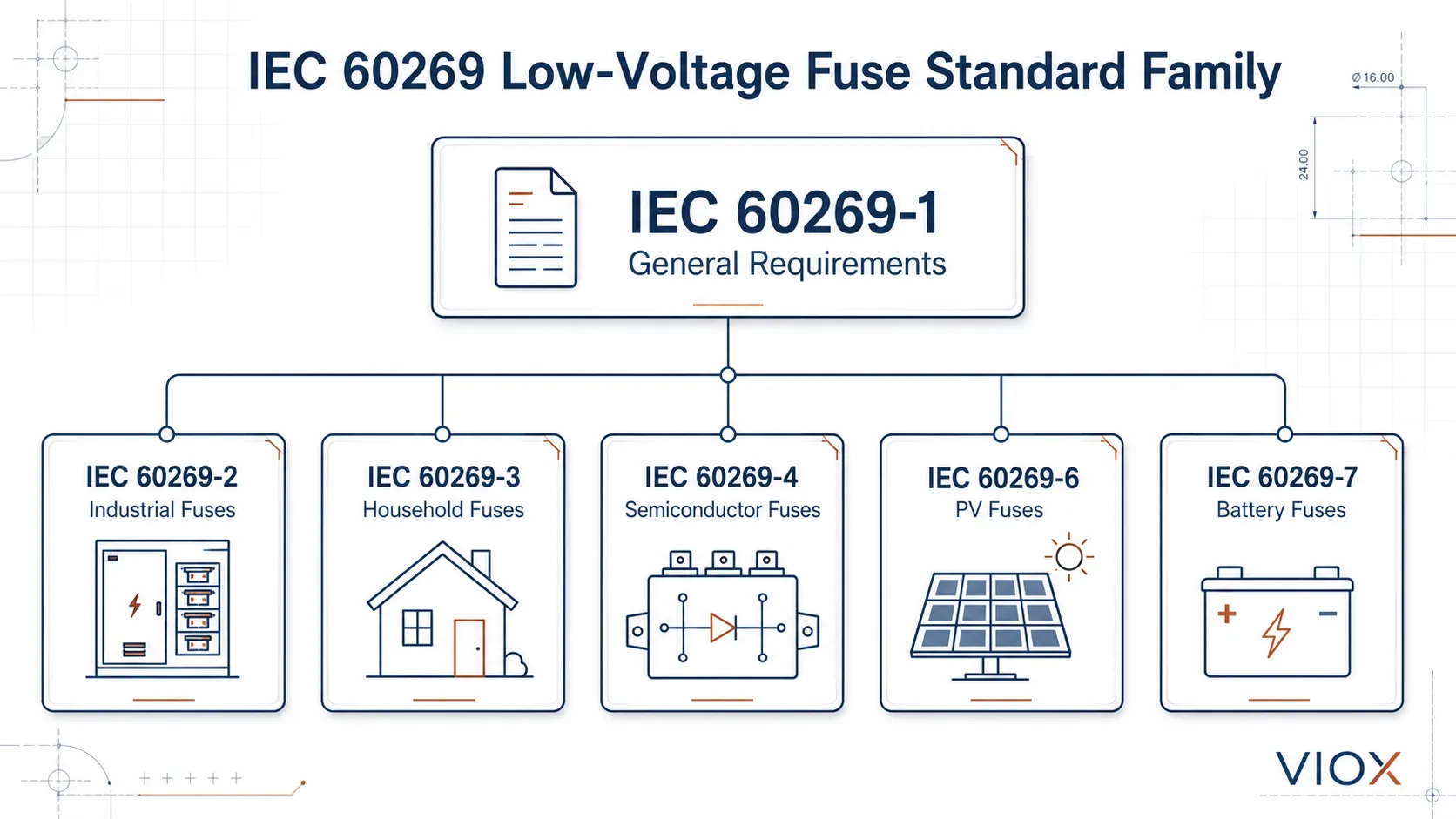
استاندارد IEC 60269 یک خانواده استاندارد است، نه یک دستهبندی محصول واحد. بخش دقیق به کاربرد فیوز بستگی دارد.
| بخش IEC 60269 | موضوع اصلی | ارتباط معمول |
|---|---|---|
| کمیسیون مستقل انتخابات ۶۰۲۶۹-۱ | الزامات عمومی برای فیوزهای فشار ضعیف | پایه و اساس برای اصطلاحات، نشانهگذاریها، عملکرد و اصول آزمون |
| کمیسیون مستقل انتخابات ۶۰۲۶۹-۲ | الزامات تکمیلی برای فیوزهای مورد استفاده توسط افراد مجاز، عمدتاً برای مصارف صنعتی | فیوزهای NH، فیوزهای صنعتی استوانهای، تابلوهای برق، تابلوهای کنترل |
| کمیسیون مستقل انتخابات ۶۰۲۶۹-۳ | الزامات تکمیلی برای فیوزهای مورد استفاده توسط افراد غیرمتخصص، عمدتاً برای مصارف خانگی و مشابه | سیستمهای فیوز خانگی و کاربردهای قابل دسترس برای مصرفکننده |
| کمیسیون مستقل انتخابات ۶۰۲۶۹-۴ | لینکهای فیوز نیمههادی | حفاظت aR/gR برای یکسوسازها، درایوها و الکترونیک قدرت |
| IEC 60269-5 | راهنمای کاربرد فیوزهای فشار ضعیف | راهنمای انتخاب و کاربرد |
| IEC 60269-6 | لینکهای فیوز برای سیستمهای فتوولتائیک | فیوزهای gPV برای رشتههای خورشیدی PV و جعبههای ترکیبی (کمباینر باکس) |
| IEC 60269-7 | لینکهای فیوز برای باتریها و سیستمهای باتری | حفاظت از باتری و سیستمهای ذخیرهسازی انرژی |
برای اکثر خریداران صنعتی VIOX،, کمیسیون مستقل انتخابات ۶۰۲۶۹-۲ بخش مرکزی است زیرا سیستمهای فیوز فشار ضعیف صنعتی مانند NH و لینکهای فیوز استوانهای را پوشش میدهد. برای جعبههای ترکیبی خورشیدی (combiner boxes)،, IEC 60269-6 اهمیت پیدا میکند زیرا رشتههای PV به لینکهای فیوز gPV با درجه DC نیاز دارند.
اصطلاحات فیوز IEC: لینک فیوز، نگهدارنده فیوز، پایه فیوز، کریر فیوز
اصطلاحات IEC میتواند گیجکننده باشد زیرا بسیاری از خریداران از کلمه “فیوز” برای اشاره به قطعات فیزیکی مختلف استفاده میکنند.
| اصطلاح | معنی | ریسک تدارکات |
|---|---|---|
| لینک فیوز (Fuse link) | المان قطعکننده جریان قابل تعویض | باید با درجهبندی، دستهبندی، ولتاژ، قدرت قطع و اندازه مطابقت داشته باشد |
| Fuse holder | دستگاهی که لینک فیوز را نگه میدارد و متصل میکند | باید با اندازه فیوز، ولتاژ، جریان، افزایش دما و طراحی ایمنی مطابقت داشته باشد |
| پایه فیوز | پایه نصب ثابت برای لینک فیوز یا نگهدارنده | سازگاری مکانیکی بسیار حیاتی است |
| نگهدارنده فیوز | نگهدارنده یا کشوی قابل جابجایی که لینک فیوز را در خود جای میدهد | اغلب با خود لینک فیوز اشتباه گرفته میشود |
| کلید فیوز جداکننده | دستگاه کلیدزنی که شامل لینکهای فیوز است | باید از نظر کلیدزنی، جداسازی و سازگاری با فیوز ارزیابی شود |
برای تفاوتهای اصطلاحات، VIOX راهنمای جداگانهای در مورد هولدر فیوز در مقابل بلوک فیوز در مقابل کریر فیوز دارد.
فیوز gG در مقابل aM: مهمترین تفاوت در انتخاب
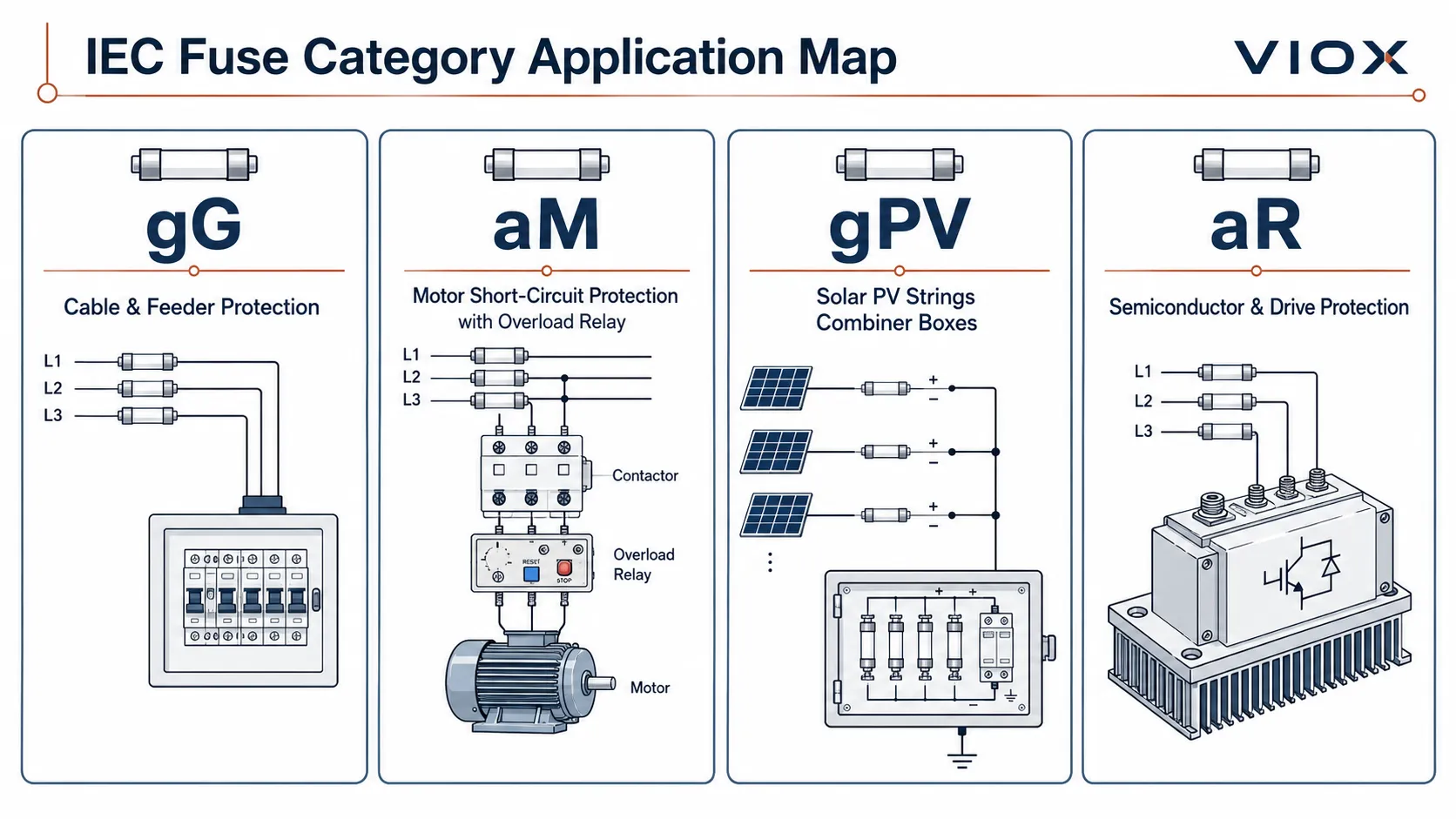
دستهبندی کاربردی دو حرفی به شما میگوید که فیوز برای محافظت از چه چیزی طراحی شده است. در علامتگذاری فیوز IEC:
- حرف اول محدوده قطع را توصیف میکند.
- حرف دوم کاربرد را توصیف میکند.
| دسته بندی | محدوده حفاظتی | استفاده معمولی | هشدار حیاتی |
|---|---|---|---|
| gG | حفاظت کامل | کابلها، فیدرها، توزیع عمومی | محافظت در برابر اضافهبار و اتصال کوتاه |
| آ.م. | حفاظت جزئی | مدارهای موتور | فقط حفاظت در برابر اتصال کوتاه؛ نیاز به رله اضافهبار دارد |
| gPV | حفاظت کامل PV | رشتههای خورشیدی و جعبههای ترکیبی (کمباینر باکس) | باید دارای رتبهبندی DC و PV باشد |
| آر | حفاظت نیمههادی با محدوده عملکرد جزئی | یکسوکنندهها، تریستورها، درایوها، الکترونیک قدرت | بسیار سریع، اما نه برای حفاظت عمومی در برابر اضافهبار |
| gR | حفاظت نیمههادی با محدوده عملکرد کامل | مدارهای نیمههادی قدرت | نیازمند هماهنگی دقیق I2t و منحنی است |
عبارت gG روی فیوز به چه معناست؟
الف فیوز gG یک فیوز با دامنه کامل و کاربرد عمومی است. این فیوز معمولاً برای حفاظت از کابل و فیدر استفاده میشود، زیرا میتواند در شرایط اضافهبار و اتصال کوتاه در محدوده مشخصه تعریفشده خود عمل کند.
یکی از جزئیاتی که مهندسان اغلب به دنبال آن هستند، جریان ذوب متعارف فیوز gG است. برای لینکهای فیوز gG، جریان ذوب متعارف معمولاً با 1.6 x In در چارچوب تایید زمان-جریان IEC مرتبط است. از نظر عملی، به همین دلیل است که فیوزهای gG میتوانند کابلها را در برابر اضافهبار پایدار محافظت کنند، نه فقط در برابر اتصال کوتاه شدید.
برای تعیین سایز فیوز، تنها به این یک عدد اکتفا نکنید. انتخاب نهایی همچنان به ظرفیت آمپری کابل، روش نصب، دمای محیط، هماهنگی، ولتاژ نامی و دادههای زمان-جریان سازنده بستگی دارد.
aM روی فیوز به چه معناست؟
یک فیوز aM یک فیوز موتور با محدوده عملکرد جزئی است. این فیوز به گونهای طراحی شده است که جریان راهاندازی موتور را تحمل کرده و در عین حال جریان اتصال کوتاه بالا را قطع کند.
نکته کلیدی ساده است: فیوزهای aM به تنهایی حفاظت کامل در برابر اضافهبار را فراهم نمیکنند. یک مدار موتور که از فیوزهای aM استفاده میکند باید شامل یک رله اضافهبار، رله حفاظت موتور یا چیدمان راهانداز موتور باشد که به درستی انتخاب شده است.
آیا میتوان gG را با aM جایگزین کرد؟
معمولاً خیر. جایگزینی فیوز gG با فیوز aM میتواند حفاظت در برابر اضافهبار را از کابل یا مدار بار حذف کند. در مدارهای موتور، فیوز aM تنها زمانی میتواند صحیح باشد که سایر بخشهای سیستم حفاظت موتور، حفاظت در برابر اضافهبار را فراهم کنند.
| جایگزینی | معمولاً ایمن است؟ | دلیل |
|---|---|---|
| gG به aM | خیر، مگر اینکه مدار بازطراحی شود | aM حفاظت کامل در برابر اضافهبار را فراهم نمیکند |
| aM به gG | گاهی از نظر الکتریکی امکانپذیر است، اما ممکن است باعث عملکرد ناخواسته شود | فیوز gG ممکن است در حین راهاندازی موتور عمل کند |
| از ظرفیت قطع پایینتر به ظرفیت قطع بالاتر | اغلب در صورتی که سایر مشخصات فنی مطابقت داشته باشند، قابل قبول است | ظرفیت قطع بالاتر میتواند حاشیه اطمینان قطع خطا را بهبود بخشد |
| فیوز AC برای مدار DC | خیر، مگر اینکه فیوز برای آن ولتاژ دارای درجهبندی DC باشد | قطع قوسهای DC دشوارتر است |
| هماندازه اما در دستهبندی متفاوت | نه بهصورت خودکار | تناسب فیزیکی به معنای معادل بودن سطح حفاظتی نیست |
منحنی فیوز gG در مقابل منحنی فیوز aM
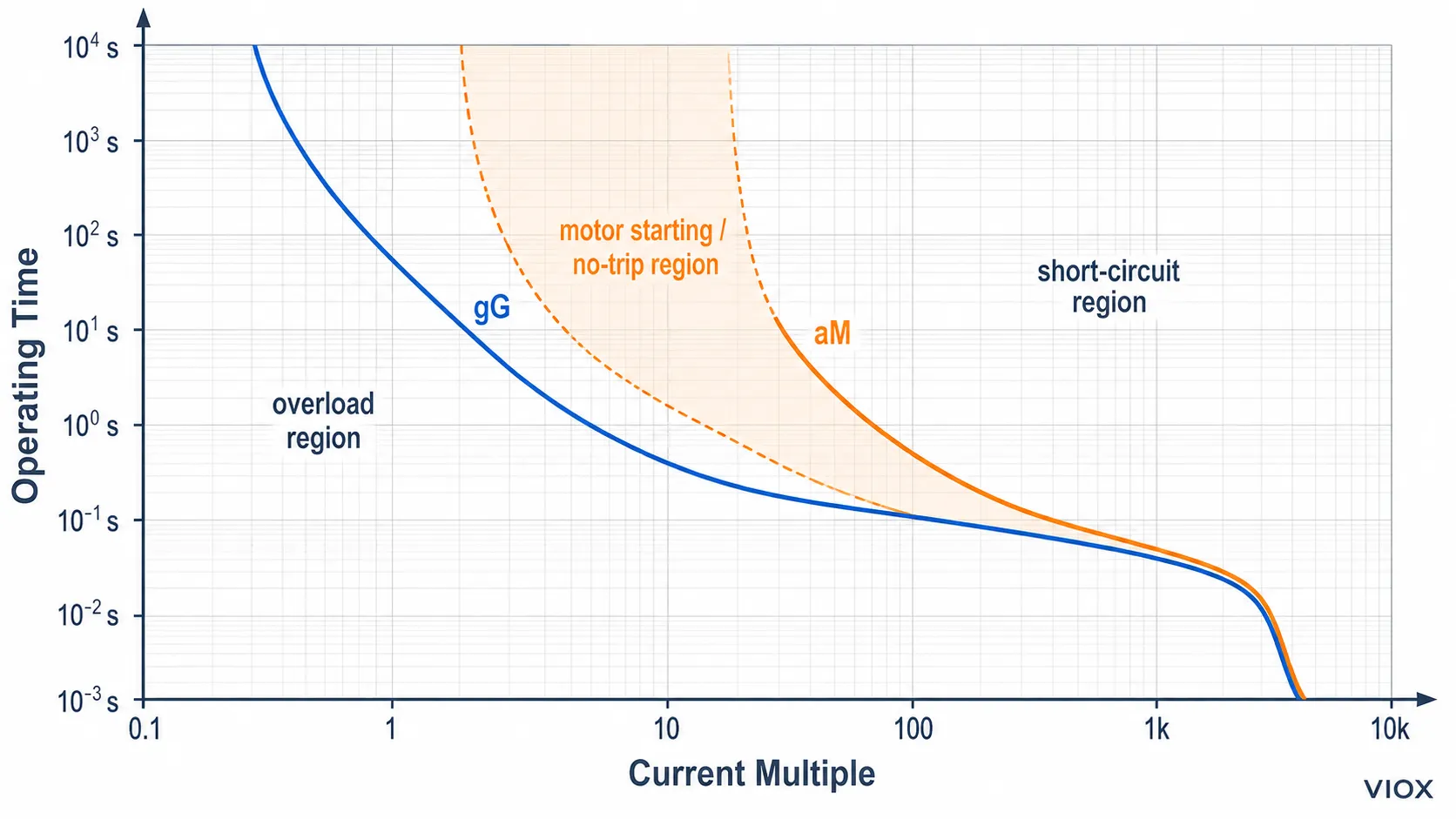
منحنی فیوز نشان میدهد که یک فیوز با چه سرعتی در مضارب مختلف جریان نامی عمل میکند. مهندسان معمولاً این مورد را در نمودار لگاریتمی زمان-جریان میخوانند: جریان بهصورت افقی، زمان عملکرد بهصورت عمودی نمایش داده میشود و شکل منحنی به شما میگوید که آیا فیوز میتواند جریان راهاندازی را تحمل کند، اضافهبار کابل را قطع کند یا با حفاظت بالادست هماهنگ شود.
| وضعیت جریان | رفتار فیوز gG | رفتار فیوز aM |
|---|---|---|
| اضافهبار خفیف | طراحیشده برای عملکرد در محدوده مشخصه اضافهبار خود | معمولاً عمل نمیکند زیرا حفاظت در برابر اضافهبار وظیفه آن نیست |
| جریان راه اندازی موتور | در صورت انتخاب نادرست ممکن است عملکرد مزاحم داشته باشد | طراحیشده برای تحمل جریان هجومی موتور |
| جریان اتصال کوتاه بالا | بهسرعت عمل میکند | بهسرعت عمل میکند |
| حفاظت کابل | در صورت انتخاب صحیح مناسب است | بهعنوان حفاظت مستقل اضافهبار کابل مناسب نیست |
| مدار انشعاب موتور | ممکن است، اما جریان هجومی باید بررسی شود | هنگامی که با رله اضافهبار جفت میشود، رایج است |
برای یک مدار موتور، تفاوت بصری مهم، ناحیه اضافهبار است. منحنی gG تا ناحیه اضافهبار پایدار امتداد مییابد، در حالی که منحنی aM عمداً در بخشی از محدوده راهاندازی موتور تأخیر دارد یا غیرفعال است. در کار هماهنگی عملی، همیشه منحنی زمان-جریان واقعی سازنده را با پروفیل راهاندازی موتور، تنظیم رله اضافهبار، حد تحمل کابل و منحنی فیوز یا کلید مدار بالادست مقایسه کنید.
چگونه منحنی را بخوانیم
در اکثر منحنیهای زمان-جریان فیوز:
- محور افقی جریان را نشان میدهد، که معمولاً بر حسب آمپر یا مضاربی از جریان نامی است.
- محور عمودی زمان عملکرد را نشان میدهد.
- سمت چپ منحنی، رفتار اضافهبار کندتر است.
- سمت راست منحنی مربوط به عملکرد در شرایط اتصال کوتاه است.
- منحنیهای aM عمداً از عملکرد در بخشهایی از ناحیه اضافهبار اجتناب میکنند.
برای مقایسهای جامعتر با رفتار کلید مدار، به بخش زیر در VIOX مراجعه کنید: راهنمای زمان پاسخ فیوز در مقابل MCB.
سایزهای فیوز NH و سایزهای استاندارد فیوز
فیوزهای NH، لینکهای فیوز کاردی صنعتی هستند که معمولاً در تابلوهای توزیع، کلیدهای فیوزدار، مراکز کنترل موتور، فیدرهای ترانسفورماتور و تابلوهای فشار ضعیف با جریان بالا استفاده میشوند.
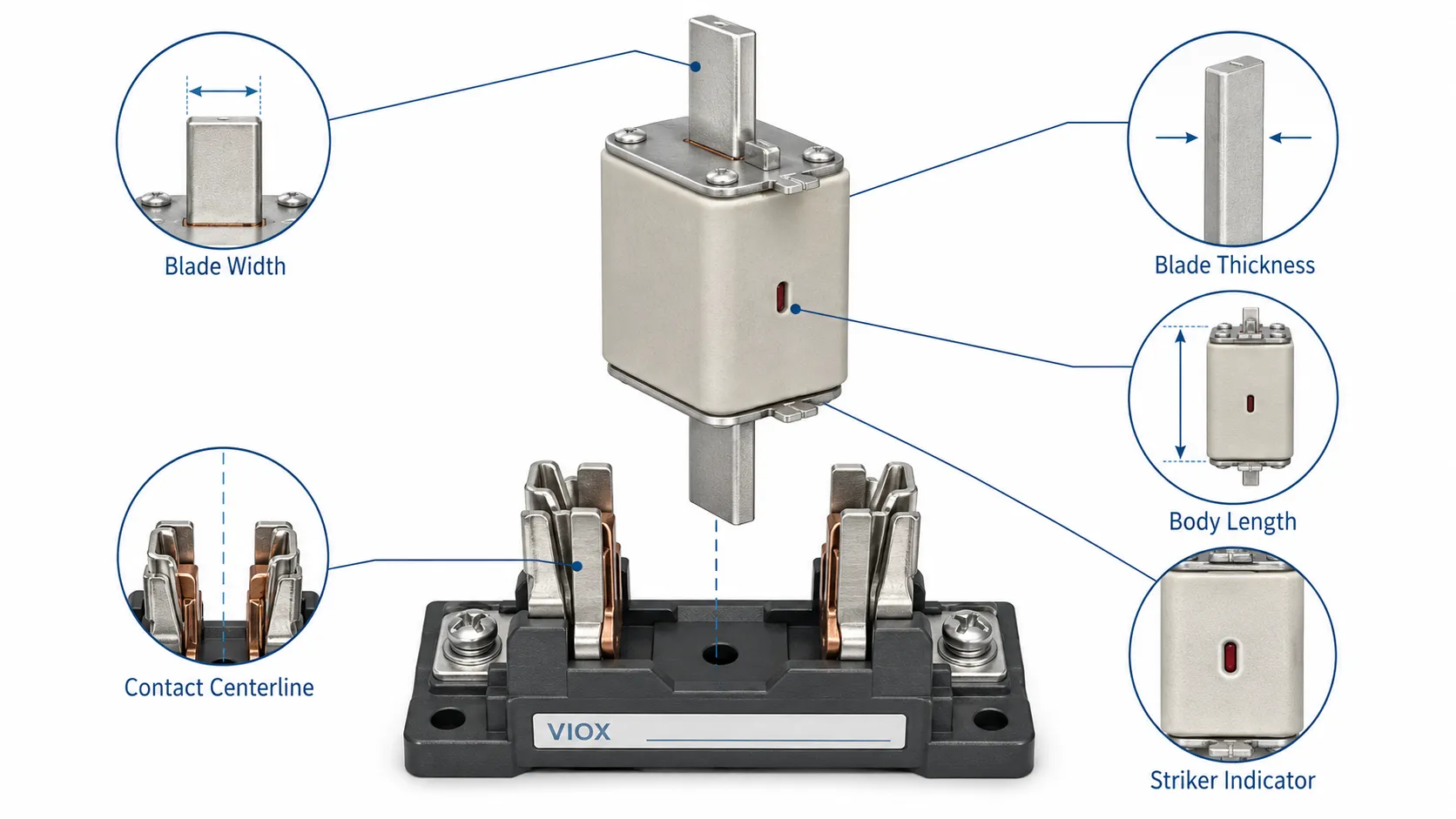
ابعاد و مشخصات دقیق باید از برگه اطلاعات سازنده و پایه فیوز منطبق بررسی شود. جدول زیر یک مرجع انتخاب کاربردی است و جایگزینی برای استاندارد محصول یا برگه اطلاعات محسوب نمیشود.
| سایز NH | محدوده جریان معمول | کاربرد متداول |
|---|---|---|
| NH000 / NH00C | فیدرهای صنعتی کوچک و تابلوهای فشرده | تابلوهای کنترل، توزیع فرعی، موتورهای کوچک |
| NH00 | تا محدوده صنعتی پایینتر | تابلوهای توزیع، بارهای متوسط |
| NH0 | کاربری صنعتی کوچکتر بسته به سیستم | تابلوهای تخصصی و نگهدارندههای فشرده |
| NH1 | فیدرهای صنعتی متوسط | کنترل موتور، فیدرهای توزیع |
| NH2 | فیدرهای با جریان بالاتر | موتورهای بزرگتر، مدارهای صنعتی |
| NH3 | توزیع جریان بالا | توزیع اصلی، مدارهای ثانویه ترانسفورماتور |
| NH4 | سرویس و توزیع جریان بسیار بالا | فیدرهای صنعتی بزرگ و تجهیزات ورودی سرویس |
برای کارهای جایگزینی، تنها به نام سایز NH اکتفا نکنید. نقشه ابعادی سازنده را درخواست کرده و عرض تیغه، ضخامت تیغه، طول بدنه، خط مرکزی کنتاکت، موقعیت نشانگر/ضربه زن، و پایه فیوز یا کلید فیوز جداکننده سازگار را تأیید کنید. محصولات NH000، NH00C و NH00 ممکن است در کاربردهای تابلوهای کوچک مشابه به نظر برسند، اما سازگاری نگهدارنده آنها تضمینشده نیست.
| مورد سازگاری NH | چرا مهم است |
|---|---|
| عرض و ضخامت تیغه | تعیین میکند که آیا کنتاکت کاردی به درستی در پایه فیوز مینشیند یا خیر |
| خط مرکزی کنتاکت و طول بدنه | از همراستایی نامناسب، جایگذاری ناقص یا گرم شدن بیش از حد کنتاکت جلوگیری میکند |
| نوع پایه فیوز یا کلید جداکننده | تأیید انطباق مکانیکی و فاصله ایمن برای عملکرد |
| موقعیت نشانگر یا ضربهزن | در صورت استفاده، باید با نگهدارنده، میکروسوئیچ یا پنجره نشانگر مطابقت داشته باشد |
| اتلاف توان و دمای محفظه | لینکهای NH بزرگتر همچنان میتوانند در صورت کوچک بودن یا تهویه نامناسب محفظه، بیش از حد داغ شوند |
بررسیهای انتخاب فیوز NH
پیش از سفارش لینک فیوز NH، موارد زیر را تأیید کنید:
- سازگاری سایز NH و پایه فیوز
- دستهبندی بهرهبرداری، مانند gG یا aM
- جریان نامی
- ولتاژ نامی، AC یا DC
- ظرفیت شکستن
- اتلاف توان و دمای محفظه
- الزام به استفاده از ضربهزن یا نشانگر
- سازگاری با کلید فیوز جداکننده
- اینکه آیا تعویض فیوز در حالت برقدار طبق دستورالعمل سایت ممنوع است یا خیر
برای ساختار فیوز با قدرت قطع بالا، به VIOX مراجعه کنید راهنمای فیوز HRC.
اندازههای فیوز استوانهای IEC
لینکهای فیوز استوانهای به طور گسترده در مدارهای کنترل، تابلوهای فشرده، رشتههای فتوولتائیک، حفاظت نیمههادیها و پایههای فیوز ریلی DIN استفاده میشوند.
| اندازه استوانهای | استفاده معمولی |
|---|---|
| 10 x 38 mm | مدارهای کنترل، رشتههای PV، حفاظت فشرده |
| 14 x 51 mm | کنترلهای صنعتی و مدارهای قدرت |
| 22 x 58 mm | مدارهای کنترل و توزیع با جریان بالاتر |
فیوزهای استوانهای را تنها بر اساس ابعاد انتخاب نکنید. یک فیوز 10 x 38 mm ممکن است در کلاسهای ولتاژی و دستهبندیهای مختلفی استفاده شود. یک فیوز gG 10 x 38، یک فیوز gPV 10 x 38 و یک فیوز نیمههادی با ابعاد مشابه، بدون بررسی رتبهبندی (rating) قابل جایگزینی با یکدیگر نیستند.
فیوزهای gPV تحت استاندارد IEC 60269-6
رشتههای خورشیدی PV به فیوزهایی نیاز دارند که برای شرایط خطای DC فتوولتائیک طراحی شده باشند. این نقش لینکهای فیوز gPV تحت استاندارد IEC 60269-6 است.
انتخاب فیوز PV با انتخاب فیوز AC معمولی متفاوت است زیرا:
- رشتههای PV با DC کار میکنند.
- جریان DC هیچ گذر از صفری ندارد.
- رشتههای موازی میتوانند جریان خطا را بازگردانند (backfeed).
- جریان اتصال کوتاه رشته در مقایسه با بسیاری از سیستمهای AC به جریان کاری نزدیک است.
- ولتاژ میتواند در شرایط سرد افزایش یابد.
برای جعبههای ترکیبی خورشیدی (solar combiner boxes)، انتخاب فیوز gPV باید با Isc ماژول PV، تعداد رشتهها، حداکثر ولتاژ DC، درجه ولتاژ نگهدارنده فیوز و طراحی اینورتر/جعبه ترکیبی هماهنگ باشد.
برای حفاظت گستردهتر از جعبه ترکیبی خورشیدی، به موارد زیر از VIOX مراجعه کنید: راهنمای طراحی حفاظت جعبه ترکیبی خورشیدی.
استاندارد IEC 60269 در مقابل فیوزهای UL کلاس G
اصطلاح فیوز کلاس G میتواند باعث سردرگمی شود زیرا تلفظ آن شبیه به IEC gG است. IEC gG و UL Class G یکسان نیستند.
| اصطلاح | خانواده استاندارد | معنی |
|---|---|---|
| فیوز gG | دستهبندی بهرهبرداری IEC 60269 | فیوز عمومی با محدوده کامل برای کابلها و توزیع |
| فیوز کلاس G | کلاس فیوز UL 248 | کلاس ابعادی و عملکردی آمریکای شمالی |
| G در gG | نامه کاربردی در کد IEC | حفاظت عمومی |
| کلاس G | نام کلاس فیوز UL | معادل علامتگذاری gG در IEC نیست |
اگر خریدار درخواست “فیوز G” کرد، مشخص کنید که منظور او IEC gG، کلاس G استاندارد UL یا صرفاً یک فیوز با کاربرد عمومی است. این موضوع بهویژه برای سفارشهای صادراتی و تدارکات جایگزینی اهمیت دارد.
نحوه انتخاب فیوز IEC 60269
از این توالی برای انتخاب عملی فیوز استفاده کنید.
| قدم | چه مواردی باید تعیین شوند | چرا مهم است |
|---|---|---|
| 1 | کاربرد | کابل، موتور، سیستم PV، نیمههادی، ترانسفورماتور یا سیستم باتری |
| 2 | دسته بندی استفاده | gG، aM، gPV، aR، gR یا دستهبندیهای دیگر |
| 3 | ولتاژ نامی | باید با ولتاژ مدار AC یا DC و حداکثر سیستم مطابقت داشته باشد |
| 4 | جریان نامی | باید با کابل، بار و محیط حرارتی هماهنگ باشد |
| 5 | ظرفیت شکستن | باید از جریان اتصال کوتاه احتمالی در نقطه نصب بیشتر باشد |
| 6 | اندازه فیزیکی | سیستم فیوز NH، استوانهای، D/D0 یا سایر سیستمها باید با پایه فیوز مطابقت داشته باشند |
| 7 | منحنی زمان-جریان | مورد نیاز برای انتخابگری و راهاندازی موتور |
| 8 | انرژی عبوری I2t | مهم برای هماهنگی نیمههادیها و محدودکننده جریان |
| 9 | اتلاف توان | بر حرارت محفظه و دمای پایه فیوز تأثیر میگذارد |
| 10 | مستندات | برگه اطلاعات، مرجع استاندارد، نشانهگذاری و شواهد آزمون |
برای ارزیابی محصول، مراجعه کنید به صفحه محصول فیوز VIOX.
اشتباهات رایج در انتخاب
اشتباه ۱: انتخاب فقط بر اساس درجه آمپر
عبارت “فیوز 63A” اطلاعات کافی نیست. یک فیوز 63A gG، فیوز 63A aM و فیوز 63A gPV میتوانند رفتارهای بسیار متفاوتی داشته باشند.
اشتباه ۲: در نظر گرفتن تناسب فیزیکی به عنوان سازگاری الکتریکی
اگر یک لینک فیوز در پایه فیوز جای بگیرد، همچنان ممکن است دارای دستهبندی، ولتاژ نامی، قدرت قطع یا منحنی زمان-جریان اشتباه باشد.
اشتباه ۳: استفاده از aM به عنوان حفاظت مستقل موتور
فیوزهای aM در برابر اتصال کوتاه محافظت میکنند، نه در برابر اضافهبار پایدار موتور. از آنها همراه با یک رله اضافهبار حرارتی یا دستگاه حفاظت موتور استفاده کنید.
اشتباه ۴: نادیده گرفتن قطع قوس DC
فیوزهای با درجهبندی AC نباید در مدارهای DC استفاده شوند، مگر اینکه برگه اطلاعات صراحتاً ولتاژ و کاربرد DC را پشتیبانی کند. مدارهای PV و باتری نیاز به توجه ویژهای دارند.
اشتباه ۵: اشتباه گرفتن IEC gG با UL Class G
IEC gG یک دستهبندی بهرهبرداری است. UL Class G یک کلاس فیوز آمریکای شمالی است. اینها برچسبهای قابل جایگزینی نیستند.
سوالات متداول
برای یک تابلوی فیوز صنعتی، کدام بخش از استاندارد IEC 60269 را باید بررسی کنم؟
برای اکثر تابلوهای فشار ضعیف صنعتی، با کمیسیون مستقل انتخابات ۶۰۲۶۹-۱ برای الزامات عمومی و کمیسیون مستقل انتخابات ۶۰۲۶۹-۲ برای سیستمهای فیوز صنعتی که توسط افراد مجاز استفاده میشوند، شروع کنید. اگر تابلو شامل رشتههای خورشیدی PV است، همچنین IEC 60269-6 را برای لینکهای فیوز gPV بررسی کنید. اگر فیوز از تجهیزات نیمههادی، درایوها، یکسوسازها یا الکترونیک قدرت محافظت میکند، کمیسیون مستقل انتخابات ۶۰۲۶۹-۴ و دادههای I2t سازنده را بررسی کنید.
تفاوت عملی بین gG و aM هنگام انتخاب فیوز چیست؟
استفاده کنید gG زمانی که فیوز باید از کابلها یا فیدرهای تغذیه در برابر هر دو حالت اضافهبار و اتصال کوتاه محافظت کند. استفاده کنید از آ.م. تنها زمانی که مدار دارای یک دستگاه حفاظتی اضافهبار مجزا، مانند رله اضافهبار حرارتی یا رله حفاظت موتور باشد. فیوز aM به گونهای انتخاب میشود که جریان راهاندازی موتور را تحمل کرده و در عین حال جریان اتصال کوتاه بالا را قطع کند.
مقادیر 1.25 x In و 1.6 x In برای یک فیوز gG به چه معنا هستند؟
این مقادیر بخشی از مفهوم جریانهای متعارف غیرفیوزکننده و فیوزکننده هستند که در تاییدیه فیوزهای IEC استفاده میشوند. از نظر عملی، آنها به تعیین رفتار فیوز gG در شرایط اضافهبار پایدار کمک میکنند. اینها یک قاعده کامل برای سایزبندی نیستند. انتخاب نهایی همچنان نیازمند در نظر گرفتن ظرفیت آمپری کابل، روش نصب، دمای محیط، افزایش دمای محفظه و منحنی زمان-جریان سازنده است.
چرا فیوزهای aM میتوانند جریان راهاندازی موتور را تحمل کنند؟
فیوزهای aM فیوزهای موتور با محدوده حفاظتی جزئی هستند. مشخصه زمان-جریان آنها به گونهای طراحی شده است که فیوز در طول راهاندازی عادی موتور، که در آن جریان ممکن است برای مدت کوتاهی چندین برابر جریان نامی موتور باشد، عمل نکند. به همین دلیل است که فیوزهای aM باید با پروفیل راهاندازی موتور و یک دستگاه اضافهبار مجزا هماهنگ شوند.
آیا یک فیوز aM میتواند به تنهایی از کابل محافظت کند؟
خیر. فیوز aM یک دستگاه حفاظتی مستقل برای اضافهبار کابل نیست. این فیوز برای حفاظت در برابر اتصال کوتاه در مدارهای موتور در نظر گرفته شده است و باید با حفاظت اضافهبار جفت شود. اگر مدار به حفاظت اضافهبار کابل توسط خود فیوز نیاز داشته باشد، استفاده از یک فیوز gG که به درستی انتخاب شده باشد، معمولاً نقطه شروع ایمنتری است.
آیا فیوزهای NH000، NH00C و NH00 با یکدیگر قابل تعویض هستند؟
بهطور خودکار خیر. این اندازهها ممکن است در تابلوهای توزیع فشرده نزدیک به هم به نظر برسند، اما پایه فیوز یا کلید جداکننده باید با لینک فیوز مطابقت داشته باشد. پیش از تعویض، نقشه سازنده را برای عرض تیغه، ضخامت تیغه، طول بدنه، خط مرکزی کنتاکت و پایه یا نگهدارنده سازگار دقیق بررسی کنید.
پیش از جایگزینی یک لینک فیوز NH با برندی دیگر، چه مواردی را باید بررسی کنم؟
دستهبندی بهرهبرداری، ولتاژ نامی، جریان نامی، ظرفیت قطع، اندازه NH، ابعاد تیغه/کنتاکت، موقعیت نشانگر یا ضربهزن، اتلاف توان و سازگاری نگهدارنده را بررسی کنید. فیوز جایگزین همچنین باید الزامات تأییدیه پروژه را برآورده کند و نباید گرمای محفظه را فراتر از ظرفیت نامی نگهدارنده یا کلید جداکننده افزایش دهد.
چرا منحنی زمان-جریان از مقدار آمپر بهتنهایی مهمتر است؟
دو فیوز با مقدار آمپر یکسان میتوانند عملکرد بسیار متفاوتی داشته باشند. این منحنی، تلورانس راهاندازی موتور، رفتار پاکسازی اضافهبار، پاسخ به اتصال کوتاه و هماهنگی (سلکتیویته) با تجهیزات بالادستی را تعیین میکند. برای مدارهای موتوری، فیدرهای ترانسفورماتور، حفاظت نیمههادیها و رشتههای PV، منحنی و انرژی عبوری I2t اغلب از مقدار جریان درجشده بهتنهایی مهمتر هستند.
چه زمانی باید از فیوز gPV بهجای فیوز gG استفاده کنم؟
هرگز 5 سیم را مستقیماً وصل نکنید. آنها را به دو گروه 3 تایی تقسیم کنید، آنها را با یک سیم جامپر (pigtail) وصل کنید و آنها را به هم متصل کنید. gPV هنگام حفاظت از رشتههای DC فتوولتائیک یا مدارهای جعبه ترکیبی (Combiner box) از این فیوز استفاده کنید. مدارهای PV دارای رفتار قوس الکتریکی DC، ولتاژ مدار باز بالا در شرایط سرد و حاشیه جریان خطای محدود در مقایسه با بسیاری از سیستمهای AC هستند. یک فیوز gG معمولی نباید در رشته DC PV استفاده شود، مگر اینکه برگه اطلاعات صراحتاً از آن کاربرد DC PV پشتیبانی کند.
آیا IEC gG همان UL Class G است؟
خیر. IEC gG یک دستهبندی بهرهبرداری در استاندارد IEC 60269 است. UL Class G یک کلاس فیوز آمریکای شمالی تحت سیستم فیوز UL است. این دو نام مشابه به نظر میرسند اما به چارچوبهای استاندارد متفاوتی اشاره دارند.
آیا میتوان لینکهای فیوز IEC از برندهای مختلف را جایگزین کرد؟
گاهی اوقات، اما تنها پس از بررسی برگه اطلاعات. جایگزین باید با سیستم فیوز IEC، دستهبندی بهرهبرداری، ولتاژ نامی، جریان نامی، ظرفیت قطع، اندازه فیزیکی، سازگاری با پایه فیوز، محدودیتهای اتلاف توان و هرگونه لیست تأییدیه خاص پروژه مطابقت داشته باشد. جایگزینی برند هرگز نباید صرفاً بر اساس اندازه بدنه یا رنگ برچسب انجام شود.
چگونه باید ظرفیت قطع یک فیوز IEC را انتخاب کنم؟
ظرفیت قطع فیوز باید از جریان اتصال کوتاه احتمالی در نقطه نصب بیشتر باشد. برای تابلوهای صنعتی، این مقدار به اندازه ترانسفورماتور، امپدانس ترانسفورماتور، طول کابل، حفاظت بالادست و ولتاژ سیستم بستگی دارد. تصور نکنید که یک فیوز با ظاهر مشابه، توانایی قطع یکسانی دارد؛ ظرفیت قطع نامی را در برگه اطلاعات بررسی کنید.
چگونه بفهمم که یک فیوز نصبشده واقعاً سوخته است؟
برخی از لینکهای فیوز دارای نشانگر یا پین ضربهزن هستند، اما همه نشانگرها در هر پایه فیوزی قابل مشاهده نیستند. بازرسی چشمی به تنهایی همیشه کافی نیست، بهویژه در تابلوهای بسته یا پایههای فیوز قدیمی. برای روشهای تست میدانی، به راهنمای VIOX در مورد چگونه بفهمیم فیوز سوخته است.
نتيجه گيری
انتخاب فیوز مطابق با استاندارد IEC 60269 صرفاً یک تمرین ساده برای تعیین جریان نامی نیست. مشخصات صحیح فیوز باید با قطعه استاندارد، دستهبندی بهرهبرداری، ولتاژ نامی، جریان نامی، قدرت قطع، ابعاد فیزیکی، پایه فیوز و منحنی جریان-زمان مطابقت داشته باشد.
از این راهنما به عنوان نقطه شروع برای انتخاب فیوز IEC استفاده کنید، سپس قبل از سفارش یا تعویض لینک فیوز، منحنی دقیق برگه اطلاعات، سازگاری پایه فیوز، دمای محفظه و استاندارد پروژه را بررسی کنید.