

এই পৃষ্ঠায়
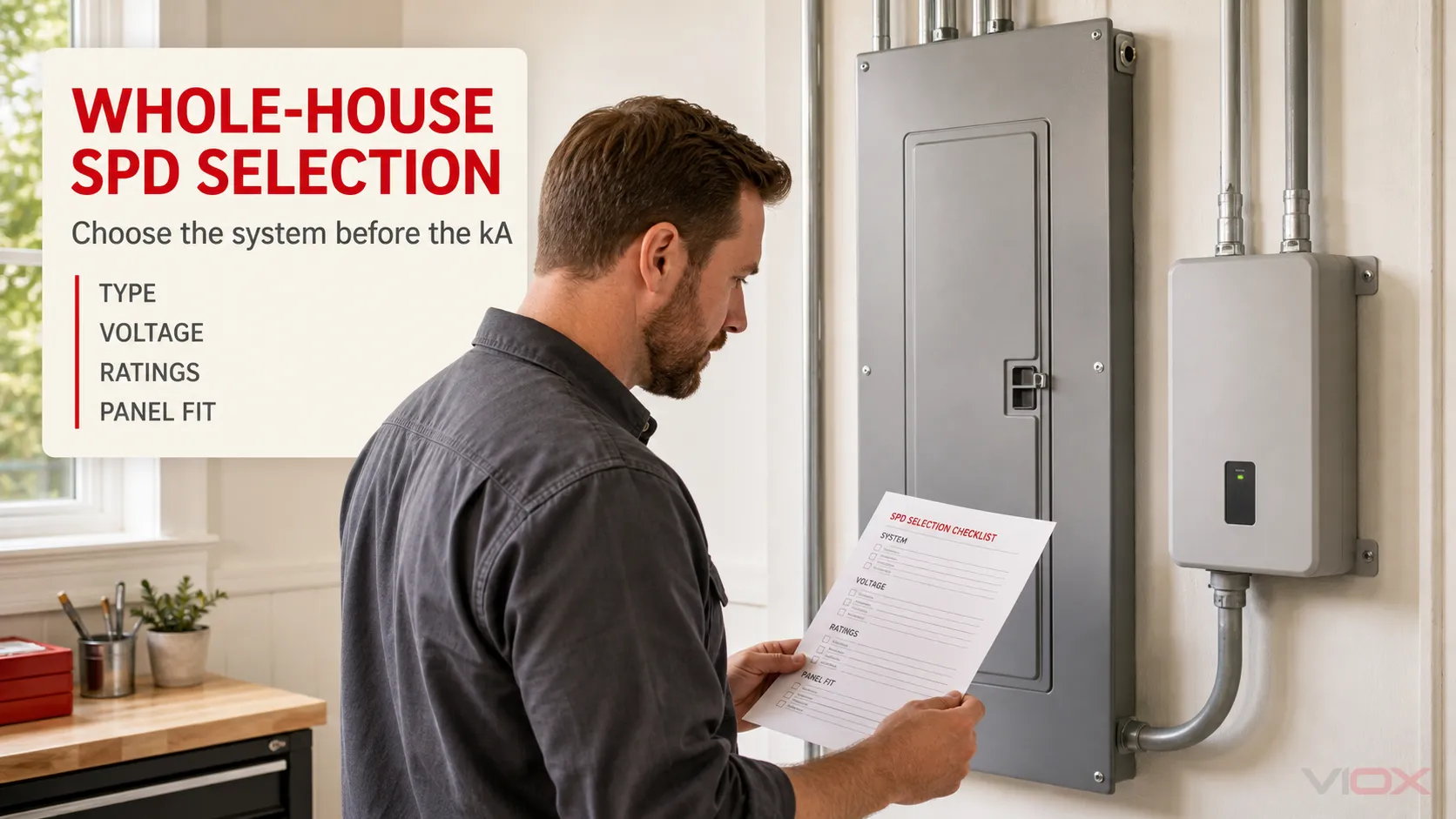
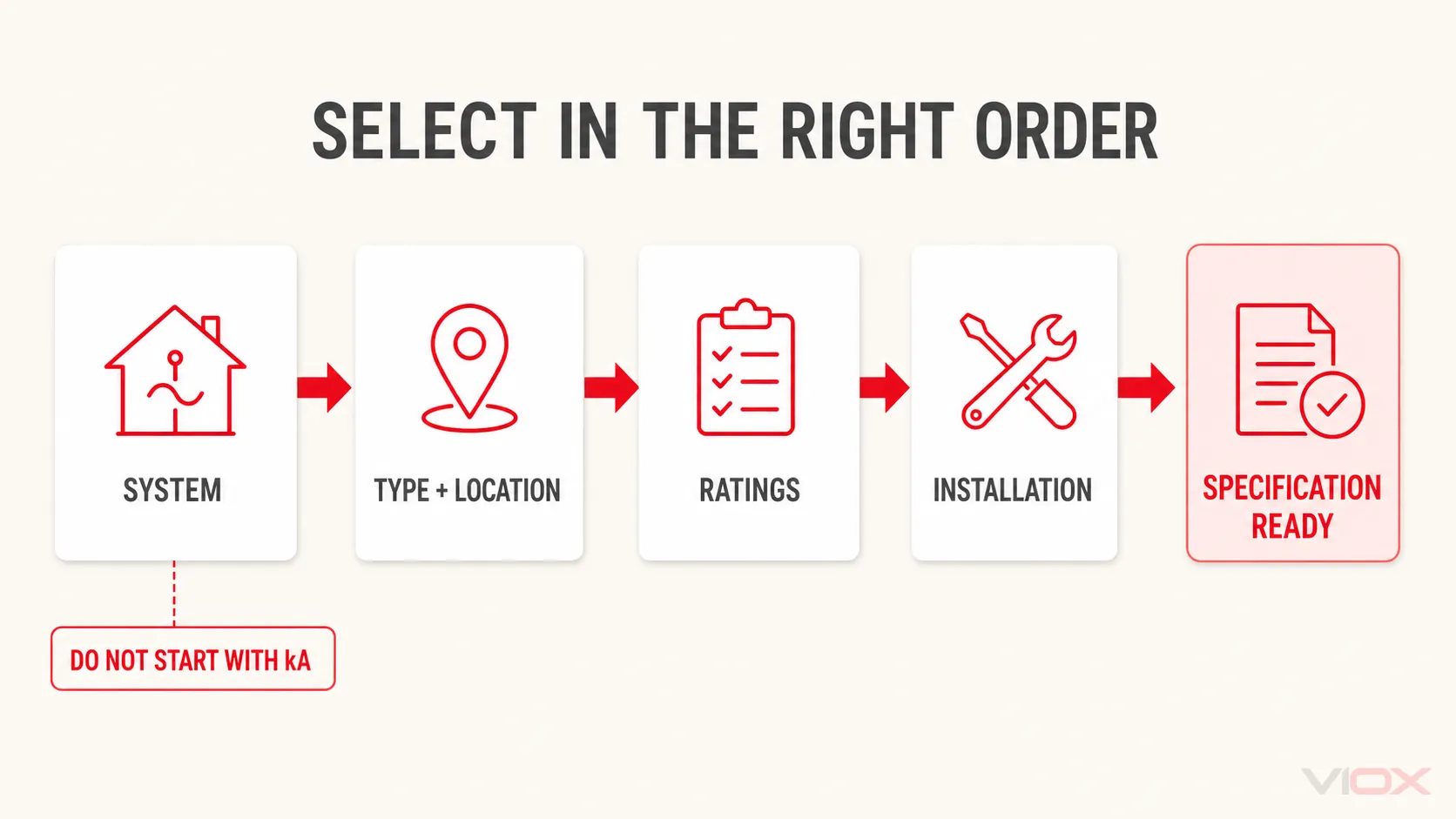
বৈদ্যুতিক ব্যবস্থা এবং ইনস্টলেশন থেকে একটি হোল-হাউস সার্জ প্রোটেক্টর বেছে নিন—বাড়ির সার্ভিস অ্যাম্পেরেজ বা প্রোডাক্ট পেজে থাকা সর্বোচ্চ kA সংখ্যা দেখে নয়। প্রথমে প্রযোজ্য UL বা IEC ফ্রেমওয়ার্ক, সাপ্লাই ভোল্টেজ, কন্ডাক্টর বিন্যাস, আর্থিং সিস্টেম এবং সংযোগের নির্ধারিত স্থানটি চিহ্নিত করুন। এরপর টাইপ 1 বা টাইপ 2 নির্বাচন করুন, MCOV বা Uc এবং প্রয়োজনীয় প্রোটেকশন মোডগুলোর সাথে মিলিয়ে দেখুন, একই টেস্টের ভিত্তিতে VPR বা Up তুলনা করুন, ডিসচার্জ-কারেন্ট ডিক্লারেশনগুলো পর্যালোচনা করুন, শর্ট সার্কিট সামঞ্জস্যতা যাচাই করুন এবং প্যানেলের সঠিক সংযোগ ও কন্ডাক্টর রাউটিং নিশ্চিত করুন।.
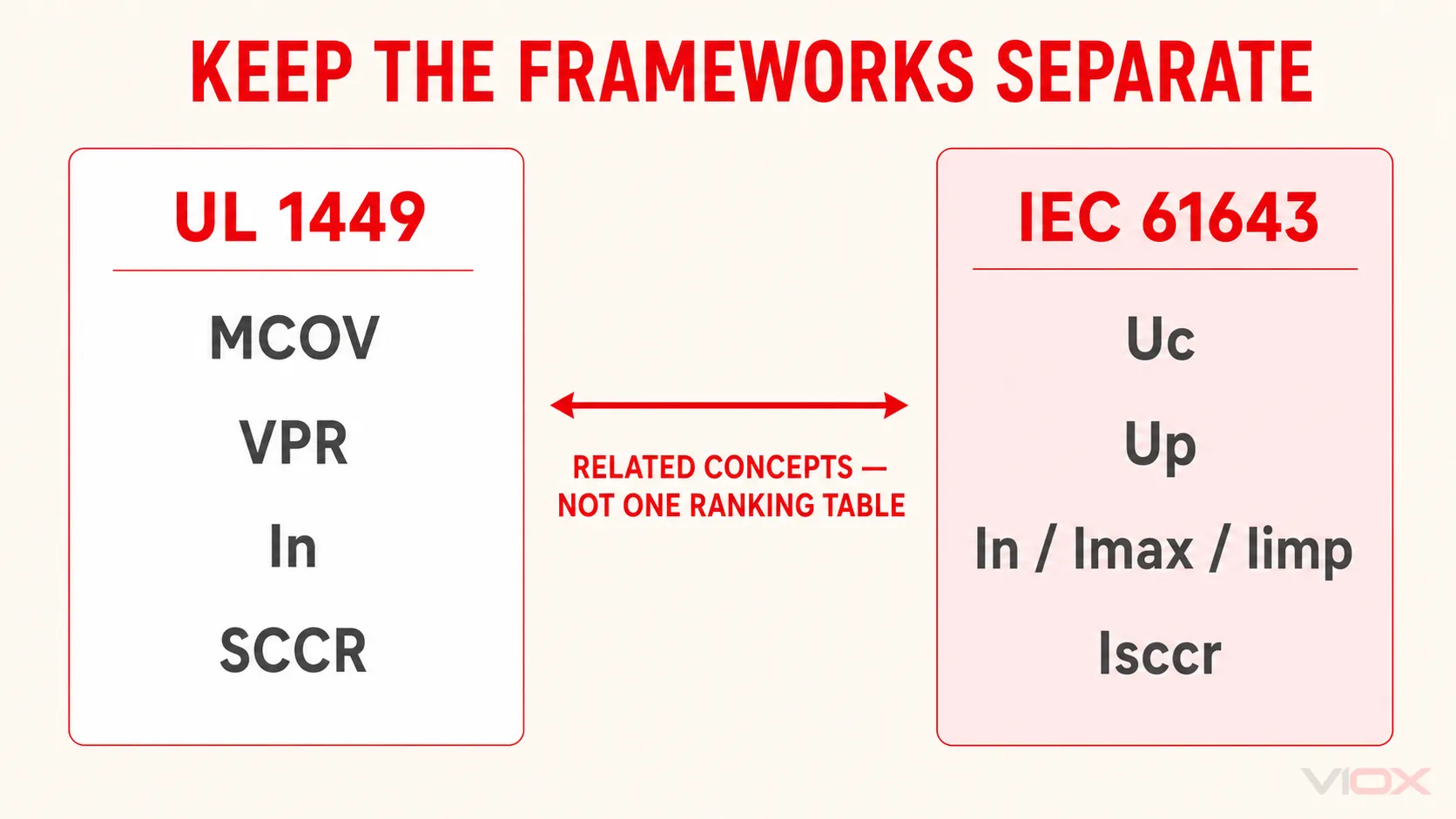
উত্তর আমেরিকার সাধারণ বাসস্থানের ক্ষেত্রে, চূড়ান্ত স্পেসিফিকেশনটি হতে পারে নির্বাচিত সার্ভিস লোকেশনে অনুমোদিত একটি তালিকাভুক্ত টাইপ 1 SPD অথবা সার্ভিস ওভারকারেন্ট ডিভাইসের লোড সাইডে থাকা একটি তালিকাভুক্ত টাইপ 2 SPD। একটি IEC ইনস্টলেশনে, ডিজাইনার বরং প্রাসঙ্গিক IEC ইনস্টলেশন নিয়মাবলী প্রয়োগ করেন এবং প্রকৃত সিস্টেমের জন্য Uc, Up, In, Imax, Iimp এবং Isccr-এর মতো ডিক্লারেশনগুলো নির্বাচন করেন।. এই দুটি ফ্রেমওয়ার্ক সম্পর্কিত ধারণা ব্যবহার করে, কিন্তু এদের লেবেল এবং ঘোষিত মানগুলোকে একটি র্যাঙ্কিং টেবিলে মিশ্রিত করা উচিত নয়।.
কী Takeaways
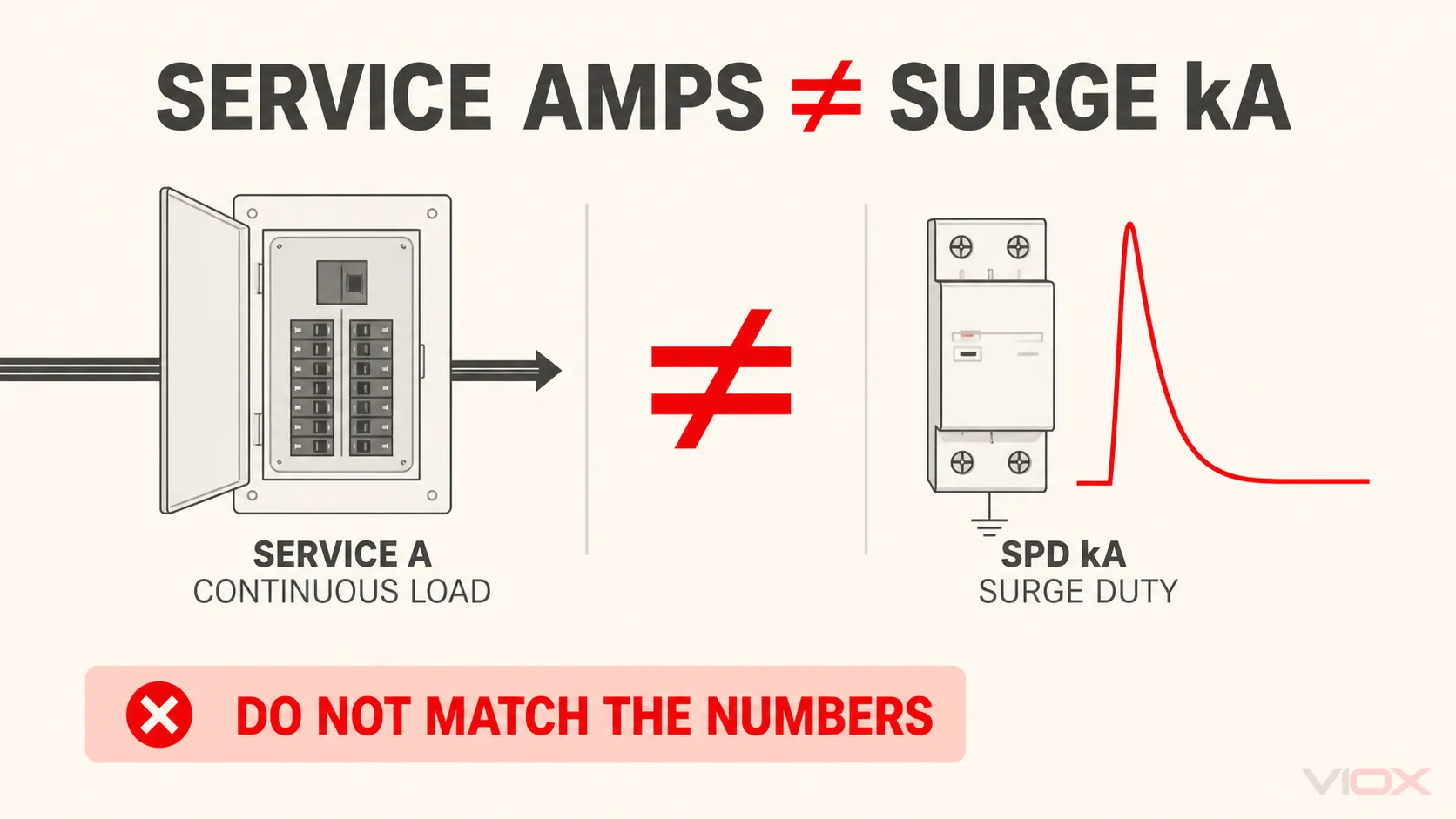
- একটি 200 A সার্ভিসের জন্য “200 A SPD”-এর প্রয়োজন নেই।” সার্ভিস রেটিং অবিচ্ছিন্ন লোড ক্ষমতা বর্ণনা করে; একটি SPD-এর kA ডিক্লারেশনগুলো প্রমিত সার্জ-কারেন্ট ডিউটি বা ক্ষমতা বর্ণনা করে।.
- টাইপ সংযোগের স্থান এবং প্রযোজ্য নিয়মাবলী অনুসরণ করে।. প্রতিটি প্যানেলের জন্য টাইপ 1 স্বয়ংক্রিয়ভাবে টাইপ 2-এর চেয়ে “ভালো” নয়।.
- kA-এর আগে ভোল্টেজ কনফিগারেশন আসে।. ভুল MCOV/Uc, কন্ডাক্টর বিন্যাস বা সুরক্ষা মোডযুক্ত কোনো পণ্যকে বৃহত্তর সার্জ-কারেন্ট সংখ্যা দিয়ে সংশোধন করা যায় না।.
- একই ভিত্তিতে সুরক্ষা কর্মক্ষমতার তুলনা করুন।. অনুরূপ UL পণ্যের জন্য UL ভোল্টেজ প্রোটেকশন রেটিং (VPR) এবং অনুরূপ IEC পণ্য ও মোডের জন্য IEC ভোল্টেজ প্রোটেকশন লেভেল Up ব্যবহার করুন।.
- SCCR বা Isccr হলো একটি ফল্ট-কারেন্ট গেট, কোনো সার্জ রেটিং নয়।. এটি অবশ্যই বিদ্যমান শর্ট সার্কিট অবস্থা এবং ইনস্টলেশন পদ্ধতির জন্য উপযুক্ত হতে হবে।.
- ইনস্টলেশন হলো কর্মক্ষমতার একটি অংশ।. পণ্যের অনুমোদন, প্যানেল সামঞ্জস্যতা, আপস্ট্রিম সুরক্ষা, কন্ডাক্টরের দৈর্ঘ্য, রাউটিং, এনক্লোজার এবং স্ট্যাটাস ইন্ডিকেশন—সবই নির্বাচনের সিদ্ধান্তের অন্তর্ভুক্ত।.
এইট-গেট হোল-হাউস SPD সিলেকশন ওয়ার্কফ্লো
নিম্নলিখিত ক্রমটিকে একটি গো/নো-গো প্রক্রিয়া হিসেবে ব্যবহার করুন। কোনো ক্যান্ডিডেট যদি শুরুর দিকের কোনো গেটে ব্যর্থ হয়, তবে পরবর্তী কোনো গেটের অনুকূল মানের মাধ্যমে তাকে উদ্ধার করা উচিত নয়।.
| গেট | প্রয়োজনীয় ইনপুট | স্পেসিফিকেশন আউটপুট | যাচাই করার জন্য প্রমাণ |
|---|---|---|---|
| ১. কাঠামো | দেশ, কোড ভিত্তি, পণ্যের মান | UL/উত্তর আমেরিকান বা IEC সিলেকশন পাথ | লিস্টিং/সার্টিফিকেশন রেকর্ড এবং প্রযোজ্য স্থানীয় নিয়মাবলী |
| ২. বৈদ্যুতিক ব্যবস্থা | নমিনাল ভোল্টেজ, ফ্রিকোয়েন্সি, ফেজ, কন্ডাক্টর, গ্রাউন্ডিং/আর্থিং | সঠিক সিস্টেমের নাম এবং সংযোগ ডায়াগ্রাম | প্যানেল/সার্ভিস রেকর্ড এবং যোগ্য সাইট যাচাইকরণ |
| ৩. সংযোগ বিন্দু | লাইন বা লোড সাইড, সার্ভিস ইকুইপমেন্ট বা ডাউনস্ট্রিম প্যানেল | অনুমোদিত SPD টাইপ এবং মাউন্টিং অবস্থান | পণ্যের নির্দেশাবলী, তালিকাভুক্তির শর্তাবলী এবং স্থানীয় কোড |
| ৪. অবিচ্ছিন্ন ভোল্টেজ | প্রতিটি উদ্দিষ্ট সুরক্ষা মোড জুড়ে ভোল্টেজ এবং প্রত্যাশিত অপারেটিং পরিবর্তন | প্রতিটি মোডের জন্য MCOV বা Uc | ডেটাশিট এবং সিস্টেম-ভোল্টেজ ও TOV মূল্যায়ন |
| ৫. সুরক্ষা কর্মক্ষমতা | সরঞ্জামের টিকে থাকার প্রয়োজনীয়তা এবং তুলনামূলক পরীক্ষার ভিত্তি | সুরক্ষা মোড অনুযায়ী VPR বা Up | একই-মানদণ্ড, একই-ভোল্টেজ, একই-মোড ঘোষণা |
| ৬. সার্জ ডিউটি | এক্সপোজার, বজ্রপাত সুরক্ষা প্রেক্ষাপট, ইনস্টলেশন স্তর | In এবং, যেখানে প্রযোজ্য, Imax বা Iimp; পৃথক সার্জ-কারেন্ট সক্ষমতার ঘোষণা | পণ্যের মান, ওয়েভফর্ম, মোড/প্রতি-ফেজ ভিত্তি এবং প্রস্তুতকারকের ডেটা |
| 7. ফল্ট এবং ব্যাকআপ সুরক্ষা | বিদ্যমান ফল্ট কারেন্ট, বিদ্যমান OCPD, কন্ডাক্টর সুরক্ষা | SCCR বা প্রযোজ্য Isccr, ব্যাকআপ ফিউজ/ব্রেকার, সংযোগ পদ্ধতি | লিস্টিং, কোঅর্ডিনেশন টেবিল, ওয়্যারিং ডায়াগ্রাম এবং প্যানেল অনুমোদন |
| 8. ইনস্টলেশন ফিট | প্যানেল ব্র্যান্ড/মডেল, স্পেস, এনক্লোজার, লিড পাথ, নির্দেশক এবং সার্ভিসযোগ্যতা | মাউন্টিং ফর্ম, কন্ডাক্টর রুট, এনক্লোজার এবং রক্ষণাবেক্ষণের বৈশিষ্ট্যসমূহ | ইনস্টলেশন নির্দেশাবলী, মাত্রা, টার্মিনাল ডেটা এবং প্রতিস্থাপন ম্যাপিং |
এই কর্মপ্রবাহটি হলো এই পৃষ্ঠার প্রধান সিদ্ধান্ত গ্রহণের টুল। নিচের বিভাগগুলোতে ব্যাখ্যা করা হয়েছে যে, কীভাবে একটি রেটিংকে সার্বজনীন শর্টকাটে পরিণত না করে প্রতিটি ধাপ সম্পন্ন করতে হয়।.
ধাপ ১: UL এবং IEC সিলেকশন ফ্রেমওয়ার্ক আলাদা রাখুন
“Whole house surge protector” মূলত একটি উত্তর আমেরিকান সার্চ টার্ম, কিন্তু VIOX এমন বাজারেও সেবা প্রদান করে যেখানে IEC নিয়মাবলী প্রযোজ্য। ফ্রেমওয়ার্কের নাম উল্লেখ করে শুরু করুন, কারণ একই রকম দেখতে টাইপ নম্বর থাকলেই দুটি ডিভাইস সরাসরি একে অপরের পরিবর্তে ব্যবহারযোগ্য হয় না।.
| সিলেকশন ফিল্ড | উত্তর আমেরিকান UL-ভিত্তিক পথ | IEC-ভিত্তিক পথ | তুলনার নিয়ম |
|---|---|---|---|
| পণ্যের ভিত্তি | UL 1449 লিস্টিং এবং প্রযোজ্য ইনস্টলেশন কোড | IEC 61643-11 এবং IEC 61643-01, সাথে জাতীয় ইনস্টলেশন বিধি | সঠিক সংস্করণ এবং সার্টিফিকেশন/লিস্টিংয়ের প্রমাণ যাচাই করুন |
| আদর্শ | অনুমোদিত সার্কিট অবস্থান অনুযায়ী UL Type 1 বা Type 2 | পরীক্ষার দায়িত্ব এবং প্রয়োগ অনুযায়ী IEC Type 1, Type 2, বা সম্মিলিত শ্রেণিবিন্যাস | একই Type নম্বর মানেই যে একে অপরের পরিপূরক হবে, এমনটা ধরে নেবেন না |
| কন্টিনিউয়াস ভোল্টেজ | মোড অনুযায়ী MCOV | মোড অনুযায়ী Uc | উভয়কেই অবিচ্ছিন্ন বৈদ্যুতিক ব্যবস্থার শর্তাবলির সাথে সামঞ্জস্যপূর্ণ হতে হবে, তবে ঘোষিত কাঠামো ব্যবহার করুন |
| সীমিতকরণ/সুরক্ষা ভোল্টেজ | মোড অনুযায়ী VPR | মোড অনুযায়ী Up | শুধুমাত্র একই ধরনের স্ট্যান্ডার্ড, নামমাত্র বৈদ্যুতিক ব্যবস্থা, মোড এবং পরীক্ষার শর্তাবলির তুলনা করুন |
| ডিসচার্জ ঘোষণা | In এবং প্রস্তুতকারকের সার্জ-কারেন্ট সক্ষমতা ও অন্যান্য তালিকাভুক্ত মানসমূহ | প্রযোজ্য ক্ষেত্রে In, Imax এবং Iimp | ওয়েভফর্ম এবং মোড-ভিত্তিক/পোল-ভিত্তিক/ফেজ-ভিত্তিক রেকর্ড |
| শর্ট সার্কিট ঘোষণা | উল্লিখিত ভোল্টেজ এবং ইনস্টলেশন শর্তাবলীতে SCCR | Isccr বা অন্য কোনো প্রযোজ্য শর্ট সার্কিট উইথস্ট্যান্ড/কারেন্ট ঘোষণা | সম্ভাব্য ফল্ট কারেন্ট এবং প্রয়োজনীয় ব্যাকআপ সুরক্ষার বিপরীতে যাচাই করুন |
IEC 61643-11:2025 এ AC লো-ভোল্টেজ বৈদ্যুতিক ব্যবস্থার সাথে সংযুক্ত SPD-গুলোকে অন্তর্ভুক্ত করা হয়েছে এবং এটি IEC 61643-01:2024 এর সাথে একত্রে প্রয়োগ করা হয়। উত্তর আমেরিকায়, UL 1449 হলো লো-ভোল্টেজ SPD-এর জন্য কেন্দ্রীয় পণ্য-মানদণ্ডের তথ্যসূত্র। ইনস্টলেশনের প্রয়োজনীয়তাগুলো এখনও স্থানীয়ভাবে গৃহীত ইলেকট্রিক্যাল কোড এবং অথরিটি হ্যাভিং জুরিসডিকশন (AHJ)-এর ওপর নির্ভর করে।.
প্রাসঙ্গিক ন্যাশনাল ইলেকট্রিক্যাল কোড বিধান প্রয়োগকারী বিচারব্যবস্থায়, আবাসিক-সেবা সার্জ সুরক্ষার প্রয়োজনীয়তাগুলো Type 1 বা Type 2 ডিভাইসগুলোকে চিহ্নিত করে এবং অবস্থান ও নামমাত্র ডিসচার্জ কারেন্টের শর্তাবলী নির্দিষ্ট করতে পারে। কোড গ্রহণ এবং সংশোধনী ভিন্ন ভিন্ন হয়, তাই একটি জাতীয় অনুচ্ছেদই এই প্রমাণ নয় যে কোনো নির্দিষ্ট বিদ্যমান বাড়ি, প্রকল্প বা এলাকায় একই প্রয়োজনীয়তা রয়েছে।.
আরও গভীর স্ট্যান্ডার্ড ম্যাপের জন্য, ব্যবহার করুন IEC 61643 SPD স্ট্যান্ডার্ড গাইড এবং নিবেদিত UL/IEC টাইপ 1, টাইপ 2, এবং টাইপ 3 তুলনা.
গেট 2: পণ্য দেখার আগে বৈদ্যুতিক ব্যবস্থা রেকর্ড করুন
“100 A,” “150 A,” বা “200 A”-এর মতো প্যানেল লেবেল যথেষ্ট নয়। নিম্নলিখিত ইনপুট শিটটি ড্রয়িং, সার্ভিস ডকুমেন্টেশন, প্যানেল মার্কিং এবং যোগ্য যাচাইকরণ থেকে পূরণ করা উচিত।.
| সিস্টেম ইনপুট | কেন এটি SPD নির্বাচন পরিবর্তন করে |
|---|---|
| দেশ এবং প্রযোজ্য কোড/স্ট্যান্ডার্ড | পণ্যের অনুমোদন, টাইপ সংজ্ঞা, ইনস্টলেশন বিধি এবং পরিভাষা নিয়ন্ত্রণ করে |
| номинальное системное напряжение | ভোল্টেজ ফ্যামিলি নির্ধারণ করে কিন্তু সম্পূর্ণ MCOV/Uc সিদ্ধান্ত নয় |
| ফেজ এবং কন্ডাক্টর বিন্যাস | পোল/মডিউলের সংখ্যা এবং সম্ভাব্য সুরক্ষা মোড নির্ধারণ করে |
| গ্রাউন্ডিং বা আর্থিং ব্যবস্থা | ফেজ-টু-আর্থ এবং নিউট্রাল-টু-আর্থ আচরণ, টপোলজি, Uc/MCOV এবং TOV এক্সপোজার পরিবর্তন করে |
| সার্ভিস ইকুইপমেন্ট বা ডাউনস্ট্রিম প্যানেল | অনুমোদিত টাইপ এবং সংযোগ আর্কিটেকচার নির্ধারণ করে |
| উপলব্ধ শর্ট সার্কিট কারেন্ট | SCCR/Isccr এবং প্রয়োজনীয় ওভারকারেন্ট/ব্যাকআপ সুরক্ষার সাথে সামঞ্জস্যপূর্ণ হতে হবে |
| বাহ্যিক বজ্রপাত সুরক্ষা বা ওভারহেড এক্সপোজার | প্রয়োজনীয় বজ্রপাত-কারেন্ট ডিউটি এবং সমন্বয় কৌশল পরিবর্তন করতে পারে |
| সংবেদনশীল লোড এবং অন্যান্য ইনকামিং পরিবাহী পরিষেবা | শুধুমাত্র প্যানেল সুরক্ষা যথেষ্ট কি না বা অতিরিক্ত সমন্বিত সুরক্ষার প্রয়োজন কি না তা নির্ধারণ করতে সাহায্য করে |
| প্যানেল প্রস্তুতকারক, মডেল, স্পেস এবং এনক্লোজার | কন্ট্রোল মেকানিক্যাল ফিট, অনুমোদিত সার্কিট ব্রেকার বা প্লাগ-অন ফর্ম, টার্মিনাল এবং পরিবেশগত উপযোগিতা |
একটি সাধারণ 120/240 V স্প্লিট-ফেজ হোম এবং একটি 230/400 V থ্রি-ফেজ আবাসনের জন্য একই কানেকশন ডায়াগ্রাম ব্যবহার করা যাবে না, শুধুমাত্র এই কারণে যে উভয় পণ্যের তালিকায় “হোল হাউস” (whole house) লেখা আছে। একটি গ্রাউন্ডেড-ওয়াই (grounded-wye), ডেল্টা, TN, TT, বা IT বিন্যাসও সেই ভোল্টেজগুলোকে পরিবর্তন করে যা পৃথক প্রোটেকশন মোডগুলো অনুভব করে।.
কন্ডাক্টরের রঙ বা এনক্লোজারের আকৃতি দেখে আর্থিং সিস্টেম সম্পর্কে অনুমান করবেন না। সিলেকশন রেকর্ডে প্রকৃত উৎস এবং বন্ডিং বিন্যাস উল্লেখ থাকা উচিত।.
গেট 3: কানেকশন লোকেশন থেকে Type 1 বা Type 2 নির্বাচন করুন
UL ফ্রেমওয়ার্কের অধীনে, একটি Type 1 SPD-কে তার লিস্টিং এবং নির্দেশাবলীর মধ্যে সার্ভিস ডিসকানেক্ট ওভারকারেন্ট ডিভাইসের লাইন বা লোড সাইডে ব্যবহারের অনুমতি দেওয়া হয়। একটি Type 2 SPD লোড সাইডে ইনস্টল করা হয়। এটি কিছু সার্ভিস-এন্ট্রান্স আর্কিটেকচারের জন্য Type 1-কে আরও নমনীয় করে তোলে, তবে এটি প্রতিটি Type 1 পণ্যকে প্রতিটি লোড সেন্টারের জন্য সবচেয়ে উপযুক্ত করে তোলে না।.
| ইনস্টলেশন শর্ত | টাইপ সাধারণত প্রথমে মূল্যায়ন করা হয় | যা অবশ্যই যাচাই করতে হবে |
|---|---|---|
| সার্ভিস ডিসকানেক্টের সাপ্লাই/লাইন সাইড | UL Type 1 | সঠিক পণ্য এবং সার্ভিস ইকুইপমেন্ট সেই সংযোগ, প্রয়োজনীয় ডিসকানেক্টিং মিনস, কন্ডাক্টর প্রোটেকশন, এনক্লোজার এবং ইউটিলিটি/AHJ শর্তাবলী অনুমোদন করে কিনা |
| মেইন সার্ভিস প্যানেলের লোড সাইড | অনুমোদিত অনুযায়ী UL Type 1 বা Type 2 | প্যানেল সামঞ্জস্যতা, সংযোগ পদ্ধতি, ব্রেকার/ফিউজ প্রয়োজনীয়তা, স্পেস, লিড রুট, SCCR এবং লিস্টিং নির্দেশাবলী |
| লাইটিং-কারেন্ট ডিউটি সহ IEC ইন্সটলেশন অরিজিন | ডিজাইনের প্রয়োজনীয়তা অনুযায়ী IEC Type 1 বা সম্মিলিত Type 1+2 | এক্সটারনাল লাইটিং প্রোটেকশন, ঝুঁকি মূল্যায়ন, Iimp, প্রোটেকশন মোড, প্রাসঙ্গিক ক্ষেত্রে ফলো-কারেন্ট আচরণ এবং জাতীয় ইন্সটলেশন নিয়মাবলী |
| IEC ডিস্ট্রিবিউশন বোর্ড যেখানে সেই পয়েন্টে Type 1 ডিউটি নেই | ডিজাইনের প্রয়োজন অনুযায়ী IEC Type 2 বা সম্মিলিত ডিভাইস | Up, Uc, In/Imax, Isccr, আর্থিং ব্যবস্থা, ব্যাকআপ সুরক্ষা এবং সমন্বয় |
Type লেবেলটি একটি শ্রেণিবিন্যাস এবং অবস্থানের প্রশ্নের উত্তর দেয়; এটি নিজে থেকে ভোল্টেজ সামঞ্জস্যতা, সুরক্ষার স্তর, স্থায়িত্ব, ফল্ট-কারেন্টের উপযোগিতা বা প্যানেলের ফিট নির্ধারণ করে না। যদি সিদ্ধান্তটি কেবল “Type 1 বনাম Type 2 এর অর্থ কী?” হয়, তবে সেই কাজটি রাখুন SPD Type তুলনা পৃষ্ঠায় এখানে বিস্তারিত না করে।.
গেট ৪: MCOV বা Uc এবং প্রতিটি প্রয়োজনীয় সুরক্ষা মোড মেলান
Maximum Continuous Operating Voltage (MCOV) এবং সর্বোচ্চ অবিচ্ছিন্ন অপারেটিং ভোল্টেজ Uc সেই ভোল্টেজকে বর্ণনা করে যা একটি SPD তার ঘোষিত শর্তাবলির অধীনে অবিচ্ছিন্নভাবে সহ্য করতে পারে। এগুলি ক্ল্যাম্পিং ভোল্টেজ নয় এবং সার্ভিস ভোল্টেজের সাথে কোনো ইচ্ছামাফিক শতাংশ যোগ করে নির্বাচন করা হয় না।.
এই ক্রমে ভোল্টেজ গেট সম্পন্ন করুন:
- প্রতিটি উদ্দিষ্ট মোড জুড়ে স্বাভাবিক ভোল্টেজের তালিকা করুন, যেমন লাইন-টু-নিউট্রাল (L-N), লাইন-টু-গ্রাউন্ড/সুরক্ষামূলক আর্থ (L-G বা L-PE), নিউট্রাল-টু-গ্রাউন্ড/সুরক্ষামূলক আর্থ (N-G বা N-PE), এবং লাইন-টু-লাইন (L-L), যা প্রযোজ্য।.
- বিশ্বাসযোগ্য অবিচ্ছিন্ন পরিবর্তন এবং সিস্টেমের অস্থায়ী ওভারভোল্টেজ (TOV) শর্তাবলী নির্ধারণ করুন।.
- এমন একটি MCOV/Uc নির্বাচন করুন যা অবিচ্ছিন্ন অপারেশন এবং সেই মোডের জন্য প্রয়োজনীয় TOV আচরণ সমর্থন করে।.
- সুরক্ষা কর্মক্ষমতা পুনরায় পরীক্ষা করুন। প্রয়োজন ছাড়া MCOV/Uc বৃদ্ধি করলে তা VPR/Up বা ক্যান্ডিডেটের দ্বারা অর্জিত সুরক্ষাকেও পরিবর্তন করতে পারে।.
সুরক্ষা-মোড সেটটিকে অবশ্যই বৈদ্যুতিক ব্যবস্থা এবং পণ্যের টপোলজির সাথে মিলতে হবে। শুধুমাত্র নামমাত্র ভোল্টেজ দ্বারা বর্ণিত একটি পণ্য ভুল নিউট্রাল কনফিগারেশন, অনুপস্থিত মোড, বা অনুপযুক্ত আর্থ-রেফারেন্স বিন্যাস গোপন রাখতে পারে।.
বিস্তারিত ভোল্টেজ প্রক্রিয়াটি এতে অন্তর্ভুক্ত: MCOV এবং Uc সিলেকশন গাইড. এই পৃষ্ঠাটি এর ফলাফলকে সম্পূর্ণ প্যানেল সিদ্ধান্তের একটি গেট হিসেবে ব্যবহার করে।.
গেট ৫: একই ভিত্তিতে VPR বা Up তুলনা করুন
ভোল্টেজ সামঞ্জস্য নিশ্চিত করার পর, প্রার্থীরা কীভাবে সীমিত ভোল্টেজ ঘোষণা করে তা তুলনা করুন।.
- VPR হলো একটি UL-ভিত্তিক ভোল্টেজ প্রোটেকশন রেটিং। একই নামমাত্র বৈদ্যুতিক ব্যবস্থা, সুরক্ষা মোড, পণ্যের প্রেক্ষাপট এবং প্রযোজ্য তালিকাভুক্তির ভিত্তিতে প্রার্থীদের তুলনা করুন।.
- উপরে হলো IEC ভোল্টেজ সুরক্ষা স্তর। IEC কাঠামোর মধ্যে একই মোড এবং প্রাসঙ্গিক পরীক্ষার ঘোষণাগুলো তুলনা করুন।.
অন্যান্য সব শর্ত সমান হলে একটি নিম্ন ঘোষিত সুরক্ষা ভোল্টেজ সুবিধাজনক হতে পারে, কিন্তু মিশ্র পণ্যের তালিকার সবচেয়ে ছোট সংখ্যাটি স্বয়ংক্রিয়ভাবে বিজয়ী নয়। পরীক্ষা করুন:
- সংখ্যাটি L-N, L-L, L-G/L-PE, অথবা N-G/N-PE এর ক্ষেত্রে প্রযোজ্য কিনা;
- প্রার্থীরা একই স্ট্যান্ডার্ড এবং পরীক্ষার কাঠামো ব্যবহার করে কিনা;
- MCOV/Uc এবং TOV আচরণ উপযুক্ত আছে কিনা;
- কন্ডাক্টরের দৈর্ঘ্য এবং রাউটিং ডিভাইসের ঘোষিত মানের বাইরে অতিরিক্ত ইনস্টলেশন ভোল্টেজ যোগ করবে কিনা;
- ডাউনস্ট্রিম সরঞ্জামের সহ্যক্ষমতা এবং সমন্বিত সুরক্ষা বিবেচনা করা হয়েছে কিনা।.
VPR-কে Up-এ রূপান্তর করবেন না, অথবা শুধুমাত্র ইউনিট গুরুত্বপূর্ণ এমনভাবে দুটির তুলনা করবেন না। সঠিক সিদ্ধান্ত হলো পণ্য এবং ইনস্টলেশন পরিচালনাকারী কাঠামোর মধ্যে উপযুক্ত ঘোষিত সুরক্ষা কর্মক্ষমতা নির্বাচন করা।.
গেট ৬: সার্ভিস অ্যাম্পিয়ারের সাথে মিল না রেখে In, Imax, Iimp এবং kA পড়ুন
পুরো বাড়ির SPD সাইজিংয়ের সবচেয়ে সাধারণ ভুল হলো সার্ভিস রেটিংয়ের সাথে SPD-এর kA মানের মিল খোঁজা। এই পরিমাণগুলো ভিন্ন ভিন্ন ঘটনা বর্ণনা করে:
| মূল্য | What it describes | এটি একা আপনাকে যা বলে না |
|---|---|---|
| 100 A, 150 A, অথবা 200 A সার্ভিস রেটিং | প্যানেল এবং সার্ভিস ডিজাইনের অধীনে অবিচ্ছিন্ন সার্ভিস/লোড-কারেন্ট সক্ষমতা | প্রয়োজনীয় সার্জ-কারেন্ট রেটিং, VPR/Up, MCOV/Uc, অথবা টাইপ |
| ভিতরে | প্রযোজ্য মানসম্মত ডিউটির অধীনে নামমাত্র ডিসচার্জ কারেন্ট | সর্বোচ্চ এককালীন সক্ষমতা, সুরক্ষা ভোল্টেজ, অথবা অবশিষ্ট আয়ু |
| আইম্যাক্স | প্রযোজ্য ক্ষেত্রে IEC টাইপ 2 প্রেক্ষাপটে ব্যবহৃত সর্বোচ্চ ডিসচার্জ কারেন্টের ঘোষণা | লাইটিং-কারেন্ট টাইপ 1 পারফরম্যান্স অথবা সার্বজনীন সার্ভিস উপযোগিতা |
| আইম্প | IEC প্রেক্ষাপটে টাইপ 1 লাইটিং-কারেন্ট ডিউটির সাথে সম্পর্কিত ইমপালস কারেন্টের ঘোষণা | VPR, Up, প্যানেল সামঞ্জস্যতা, অথবা সম্পূর্ণ ইনস্টলেশন পারফরম্যান্স |
| kA-এ প্রস্তুতকারকের সার্জ-কারেন্ট সক্ষমতা | একটি ঘোষিত সার্জ-কারেন্ট সক্ষমতা, যা প্রায়শই প্রতি মোড বা প্রতি ফেজ অনুযায়ী উপস্থাপন করা হয় | একটি সর্বজনীন স্থায়িত্বের নিশ্চয়তা বা এমন একটি সংখ্যা যা সার্ভিস অ্যাম্পিয়ারের সমান হওয়া উচিত |
ওয়েভফর্ম, ইম্পালসের সংখ্যা বা ডিউটি বেসিস, প্রোটেকশন মোড এবং মানটি প্রতি পোল, প্রতি মোড, প্রতি ফেজ নাকি মোট—তা রেকর্ড করুন। একটি ডেটাশিটে থাকা “80 kA” অন্যটির “80 kA”-এর সাথে একই ভিত্তিতে নাও হতে পারে।.
উচ্চতর সার্জ-কারেন্ট সক্ষমতা অন্যান্য উপযুক্ত পণ্যগুলোর মধ্যে একটি কার্যকর স্থায়িত্বের মার্জিন প্রদান করতে পারে, বিশেষ করে যেখানে বারবার এক্সপোজারের সম্ভাবনা থাকে। এটি একটি পরবর্তী তুলনার বিষয় হওয়া উচিত—প্রথম ধাপ নয় এবং এটি ভোল্টেজ, প্রোটেকশন লেভেল, ফল্ট-কারেন্ট এবং ইনস্টলেশন চেকের বিকল্প নয়। VIOX-এর SPD kA রেটিং গাইড সেই পৃথক এক্সপোজার এবং হায়ারার্কি সিদ্ধান্ত তৈরি করে।.
যেসব পাঠকের বিশেষ করে 200 A আবাসিক সার্ভিস রয়েছে, তাদের জন্য 200 A হোল-হাউস SPD স্পেসিফিকেশন গাইড এই নীতিটি সেই নির্দিষ্ট সার্ভিসের ক্ষেত্রে প্রযোজ্য, তবে এটি দাবি করে না যে 200 A একটি সর্বজনীন kA উত্তর তৈরি করে।.
গেট 7: ফল্ট-কারেন্ট সামঞ্জস্যতা এবং ব্যাকআপ সুরক্ষা যাচাই করুন
একটি SPD এমন একটি বৈদ্যুতিক ব্যবস্থায় সংযুক্ত থাকে যা পাওয়ার-ফ্রিকোয়েন্সি ফল্ট কারেন্ট সরবরাহ করতে পারে। সেই অবস্থাটি একটি ট্রানজিয়েন্ট সার্জ টেস্ট থেকে ভিন্ন।.
একটি উত্তর আমেরিকান পণ্যের জন্য, যাচাই করুন যে এর শর্ট-সার্কিট কারেন্ট রেটিং (SCCR), নির্ধারিত ভোল্টেজে এবং এর লিস্টিং শর্তাবলির অধীনে, ইনস্টলেশন পয়েন্টে উপলব্ধ ফল্ট কারেন্টের জন্য উপযুক্ত কিনা। একটি IEC পণ্যের জন্য, প্রযোজ্য শর্ট-সার্কিট উইথস্ট্যান্ড/কারেন্ট ঘোষণা যেমন Isccr, এবং সেই সাথে প্রয়োজনীয় ব্যাকআপ ফিউজ বা সার্কিট ব্রেকার এবং প্রস্তুতকারকের কোঅর্ডিনেশন টেবিল পরীক্ষা করুন।.
এই গেটটিকে নিম্নলিখিত সমস্ত বিষয়গুলোর সাথে সামঞ্জস্যপূর্ণ হতে হবে:
- প্যানেলে উপলব্ধ সম্ভাব্য শর্ট-সার্কিট কারেন্ট;
- SPD SCCR, Isccr, বা অন্যান্য প্রযোজ্য ঘোষণা;
- অভ্যন্তরীণ অতি-কারেন্ট সুরক্ষা অন্তর্ভুক্ত আছে কিনা এবং এটি কী কাজ করে;
- প্রয়োজনীয় বাহ্যিক ব্রেকার বা ফিউজের ধরন এবং রেটিং;
- কন্ডাক্টরের আকার এবং টার্মিনাল সীমা;
- ব্রেকার, বাস, প্যানেল এবং এনক্লোজারের অনুমোদন;
- অনুমোদিত লাইন-সাইড বা লোড-সাইড সংযোগ;
- আইসোলেশন এবং রক্ষণাবেক্ষণের প্রয়োজনীয়তা।.
ইন্টারনেট টেবিল থেকে কোনো সর্বজনীন “20 A,” “30 A,” বা “50 A” SPD ব্রেকার নির্বাচন করবেন না। সঠিক বিন্যাসটি SPD-এর সুনির্দিষ্ট নির্দেশাবলী, লিস্টিং/সার্টিফিকেশন, প্যানেলের সীমাবদ্ধতা, কন্ডাক্টর সুরক্ষা এবং স্থানীয় ইনস্টলেশন বিধি থেকে আসে। এই নির্দেশিকাটি আপনি কি বিদ্যমান কোনো সার্কিট ব্রেকারের সাথে একটি SPD সংযোগ করতে পারেন? বিস্তারিতভাবে সেই সিদ্ধান্তটি পরিচালনা করে।.
গেট ৮: প্যানেলের মাপ এবং কন্ডাক্টর রাউটিংকে পণ্য নির্বাচনের অংশ করুন
দুটি বৈদ্যুতিকভাবে উপযুক্ত SPD ভিন্ন ভিন্ন ইনস্টলেশন ফলাফল দিতে পারে যদি একটির জন্য দীর্ঘ, লুপযুক্ত কন্ডাক্টর রুটের প্রয়োজন হয় এবং অন্যটি সংযোগ বিন্দুর কাছাকাছি মাউন্ট করা থাকে। সার্জ কারেন্ট দ্রুত পরিবর্তিত হয়, তাই কন্ডাক্টরের ইন্ডাকট্যান্স এই ঘটনার সময় অতিরিক্ত ভোল্টেজ তৈরি করে। সুতরাং, পণ্যের সুরক্ষা ঘোষণা ইনস্টলেশনের অবদানকে মুছে ফেলে না।.
প্রকৃত প্যানেলের সাথে নিম্নলিখিত মাউন্টিং ফর্মগুলো তুলনা করুন:
| মাউন্টিং ফর্ম | নির্বাচনের সুবিধা | যাচাইকরণের ঝুঁকি |
|---|---|---|
| প্যানেল-ইন্টিগ্রেটেড বা প্লাগ-অন SPD | কমপ্যাক্ট ইনস্টলেশন এবং সংক্ষিপ্ত অভ্যন্তরীণ পথ প্রদান করতে পারে | অবশ্যই সঠিক লোড সেন্টার/প্যানেল ফ্যামিলি, বাস বিন্যাস, স্পেস এবং সিস্টেম ভোল্টেজের জন্য অনুমোদিত হতে হবে |
| ব্রেকার-ফর্ম SPD | সাপোর্ট করা সরঞ্জামে সার্জ প্রোটেকশনের সাথে প্যানেল-সামঞ্জস্যপূর্ণ ফর্মের সমন্বয় ঘটায় | একই রকম দেখতে হলেই তা বিভিন্ন ব্র্যান্ডের সাথে সামঞ্জস্যপূর্ণ হওয়ার প্রমাণ দেয় না; সঠিক প্যানেল অনুমোদন এবং সার্কিট ফাংশন যাচাই করুন |
| বাইরে মাউন্ট করা হার্ডওয়্যারড SPD | নমনীয় এনক্লোজার, স্ট্যাটাস, মডিউল এবং রেটিং অপশন প্রদান করতে পারে | লিডের দৈর্ঘ্য, রাউটিং, ফিটিংস, এনক্লোজার রেটিং, ব্রেকার/ফিউজ বিন্যাস এবং মাউন্টিংয়ের অবস্থান অত্যন্ত গুরুত্বপূর্ণ হয়ে ওঠে |
| DIN-rail মডুলার SPD | IEC ডিস্ট্রিবিউশন বোর্ডে পরিবর্তনযোগ্য মডিউল এবং নমনীয় টপোলজি সাধারণ বিষয় | সঠিক রেল/প্যানেল ইন্টিগ্রেশন, ব্যাকআপ সুরক্ষা, আর্থিং ব্যবস্থা, টার্মিনাল এবং স্পর্শ-সুরক্ষিত এনক্লোজার ডিজাইন প্রয়োজন |
সবচেয়ে উপযুক্ত প্রার্থী হলো সেটি, যা এর নির্দেশাবলী অনুযায়ী ছোট ও সরাসরি কন্ডাক্টর, অপ্রয়োজনীয় বাঁক ও লুপের ন্যূনতম ব্যবহার, সঠিক পৃথকীকরণ, মজবুত বন্ডিং এবং দৃশ্যমান স্ট্যাটাস ইন্ডিকেশনসহ ইনস্টল করা যায়। প্রথমে কোনো পণ্য নির্বাচন করে পরে প্যানেলের কারণে কন্ডাক্টরের পথ খারাপ হচ্ছে—এমন পরিস্থিতি তৈরি হতে দেবেন না।.
ব্যবহার করুন SPD ওয়্যারিং গাইড ফেজ, নিউট্রাল, PE, ব্যাকআপ সুরক্ষা এবং যাচাইকরণের বিস্তারিত তথ্যের জন্য। সার্ভিস বা ডিস্ট্রিবিউশন সরঞ্জামের ভেতরে ইনস্টলেশন বিপজ্জনক শক্তির সংস্পর্শে আনে এবং এটি যোগ্যতাসম্পন্ন কর্মী দ্বারা প্রযোজ্য নিরাপদ-কর্ম এবং কোড প্রয়োজনীয়তা অনুযায়ী সম্পন্ন করা উচিত।.
দুটি সীমাবদ্ধ নির্বাচনের উদাহরণ
এগুলো কেবল কাগজ-কলমে যাচাইয়ের উদাহরণ, কোনো মডেলের সুপারিশ নয়। চূড়ান্ত মান এবং সংযোগ পদ্ধতির জন্য প্রকৃত ইনস্টলেশন এবং পণ্যের নথিপত্র প্রয়োজন।.
উদাহরণ A: উত্তর আমেরিকান 120/240 V স্প্লিট-ফেজ সার্ভিস প্যানেল
ইনপুট রেকর্ডটি একটি উত্তর আমেরিকান আবাসিক পরিষেবা, সার্ভিস প্যানেলে লোড-সাইড সংযোগ, 120/240 V স্প্লিট ফেজ, প্যানেলের মেক/মডেল, উপলব্ধ ফল্ট কারেন্ট এবং উদ্দিষ্ট মাউন্টিং রুট শনাক্ত করে।.
তাই শর্টলিস্টটি সেই লোড-সাইড অবস্থানের জন্য অনুমোদিত তালিকাভুক্ত পণ্যগুলি দিয়ে শুরু হয়—প্রযোজ্য ক্ষেত্রে UL টাইপ 1 বা টাইপ 2—কোনো kA লক্ষ্যমাত্রা দিয়ে নয়। এরপর প্রতিটি প্রার্থীকে নিম্নলিখিত বিষয়গুলোর জন্য যাচাই করা হয়:
- 120/240 V স্প্লিট-ফেজ কনফিগারেশন এবং ঘোষিত সুরক্ষা মোড;
- মোড অনুযায়ী MCOV এবং VPR;
- একই ভিত্তিতে In এবং সার্জ-কারেন্ট ঘোষণা;
- উপলব্ধ ফল্ট কারেন্ট এবং নির্দিষ্ট সংযোগের জন্য উপযুক্ত SCCR;
- সঠিক প্যানেল/ব্রেকার সামঞ্জস্যতা বা একটি অনুমোদিত বাহ্যিক সংযোগ;
- কন্ডাক্টর রুট, এনক্লোজার, স্বাভাবিক/ব্যর্থতার নির্দেশক এবং প্রতিস্থাপনযোগ্যতার পরিধি।.
লজিক পরিবর্তন না করেই সার্ভিসটি 100 A, 150 A বা 200 A হতে পারে। সার্ভিসের অ্যাম্পেরেজ সার্ভিস এবং প্যানেল ডিজাইনের জন্য প্রাসঙ্গিক হয়ে ওঠে, তবে এটি সমমানের SPD kA প্রয়োজনীয়তা তৈরি করে না।.
উদাহরণ B: IEC 230/400 V TN-S ডোয়ালিং ডিস্ট্রিবিউশন বোর্ড
ইনপুট রেকর্ডটি একটি IEC-ভিত্তিক বাজার, 230/400 V থ্রি-ফেজ ফোর-ওয়্যার সিস্টেম, পৃথক সুরক্ষামূলক আর্থ, TN-S বিন্যাস, অরিজিন/ডিস্ট্রিবিউশন লোকেশন, বাহ্যিক বজ্রপাত সুরক্ষা প্রসঙ্গ, সম্ভাব্য ফল্ট কারেন্ট এবং জাতীয় ইনস্টলেশন বিধি চিহ্নিত করে।.
প্রয়োজনীয় IEC টাইপ ডিউটি, টপোলজি এবং সুরক্ষা মোডগুলোর জন্য শর্টলিস্টটি যাচাই করা হয়। প্রতিটি মোড এবং TOV আচরণের জন্য Uc পরীক্ষা করা হয়; সমজাতীয় প্রার্থীদের মধ্যে Up তুলনা করা হয়; শুধুমাত্র নির্বাচিত টাইপের ক্ষেত্রে প্রাসঙ্গিক হলে In, Imax এবং Iimp চাওয়া হয়; এবং বোর্ডের শর্তাবলির বিপরীতে Isccr ও ব্যাকআপ সুরক্ষা পরীক্ষা করা হয়। একটি DIN-rail মডিউল সেট যা শারীরিকভাবে ফিট হলেও ভুল N-PE বিন্যাস বা Uc ব্যবহার করে, সেটিকে kA তুলনা করার আগেই বাতিল করা হয়।.
এই উদাহরণগুলো দেখায় কেন একটি বৈশ্বিক “সেরা হোল-হাউস সার্জ প্রোটেক্টর” তালিকা সিস্টেম ইনপুট শিটের বিকল্প হতে পারে না।.
হোল-হাউস SPD সিলেকশন ম্যাট্রিক্স
| প্রকল্পের অবস্থা | মূল্যায়ন করাকে অগ্রাধিকার দিন | প্রত্যাখ্যান বা এসক্যালেন্ট করুন যখন |
|---|---|---|
| একটি UL ইনস্টলেশনে সার্ভিস-সাইড সংযোগ প্রয়োজন | সেই নির্দিষ্ট সংযোগের জন্য অনুমোদিত তালিকাভুক্ত Type 1 পণ্য | নির্দেশনা, সার্ভিস ইকুইপমেন্ট, সংযোগ বিচ্ছিন্ন করার মাধ্যম বা AHJ শর্তাবলী এই বিন্যাস সমর্থন করে না |
| লোড-সাইড প্যানেল সংযোগ উপলব্ধ | উপযুক্ত তালিকাভুক্ত Type 1 বা Type 2 প্রার্থী | প্যানেল সামঞ্জস্যতা, SCCR, ব্রেকার/ফিউজ বিন্যাস বা কন্ডাক্টরের পথ অমীমাংসিত |
| বাহ্যিক বজ্রপাত সুরক্ষা একটি IEC ডিজাইনে Type 1 ডিউটি তৈরি করে | ডিজাইনের উপর ভিত্তি করে Type 1 বা সম্মিলিত Type 1+2 সমাধান | Iimp, যেখানে প্রযোজ্য সেখানে ফলো-কারেন্ট আচরণ, ব্যাকআপ সুরক্ষা বা সমন্বয়ের প্রমাণ অনুপস্থিত |
| সংবেদনশীল ইলেকট্রনিক্স অনেক দূরে ডাউনস্ট্রিমে অবস্থিত | সার্ভিস SPD-এর পাশাপাশি সমন্বিত ডাউনস্ট্রিম বা পয়েন্ট-অফ-ইউজ সুরক্ষা | প্রস্তাবটিতে একটি সার্ভিস SPD-কে প্রতিটি দূরবর্তী লোডে গ্রহণযোগ্য ভোল্টেজের প্রমাণ হিসেবে গণ্য করা হয়েছে |
| অন্যান্য পরিবাহী পরিষেবাগুলো ভবনের ভেতরে প্রবেশ করে | প্রাসঙ্গিক পাওয়ার, ডেটা, সিগন্যাল, কোঅক্সিয়াল বা অ্যান্টেনা পথের জন্য পৃথক, সমন্বিত সুরক্ষা এবং বন্ডিং | একটি পাওয়ার-প্যানেল SPD এমনভাবে বাজারজাত করা হয় যেন এটি সেই পথগুলোকেও সুরক্ষা দেয় যার সাথে এটি সংযুক্ত নয় |
| প্যানেলের জায়গা বা রাউটিং সীমাবদ্ধ | অনুমোদিত ইন্টিগ্রেটেড, ব্রেকার-ফর্ম, এক্সটার্নাল বা মডুলার বিকল্প যা প্রয়োজনীয় সংযোগ বজায় রাখে | একমাত্র উপলব্ধ পথটি অসামঞ্জস্যপূর্ণ মাউন্টিং, বেমানান হার্ডওয়্যার বা অতিরিক্ত কন্ডাক্টরের দৈর্ঘ্য তৈরি করে। |
পুরো বাড়ির জন্য একটি SPD কি কার্যকর?
যখন স্থানীয় নিয়ম অনুযায়ী প্রয়োজন হয়, যখন বাড়িতে এমন হার্ডওয়্যারযুক্ত ইলেকট্রনিক লোড থাকে যা প্লাগ-ইন স্ট্রিপ ব্যবহার করতে পারে না, অথবা যখন মালিক ডাউনস্ট্রিম সার্কিটের জন্য একটি সার্ভিস-লেভেল সুরক্ষা স্তর চান, তখন প্যানেল SPD প্রায়শই একটি যৌক্তিক সুরক্ষা স্তর হিসেবে কাজ করে। HVAC কন্ট্রোল, স্মার্ট অ্যাপ্লায়েন্স, লাইটিং কন্ট্রোল, সেফটি ইলেকট্রনিক্স এবং অন্যান্য স্থায়ীভাবে সংযুক্ত সরঞ্জামগুলোর ক্ষেত্রে এই সিদ্ধান্তটি কেবল টেলিভিশন বা কম্পিউটার সুরক্ষার চেয়েও ব্যাপক।.
“কার্যকর” মানে এই নয় যে একটি ডিভাইস বজ্রপাত বা প্রতিটি ওভারভোল্টেজ থেকে সুরক্ষা নিশ্চিত করে। একটি পুরো বাড়ির SPD:
- এর ডিজাইন এবং ইনস্টলেশন সীমার মধ্যে ট্রানজিয়েন্ট ওভারভোল্টেজ সীমিত করে;
- দীর্ঘস্থায়ী ওভারভোল্টেজ, আন্ডারভোল্টেজ, ওপেন-নিউট্রাল অবস্থা বা ত্রুটিপূর্ণ ওয়্যারিং সংশোধন করে না;
- ডেটা, কোঅক্সিয়াল, টেলিফোন, অ্যান্টেনা বা অন্যান্য পরিবাহী পথকে স্বয়ংক্রিয়ভাবে সুরক্ষা দেয় না;
- কার্যকর বন্ডিং এবং আর্থিং/গ্রাউন্ডিংয়ের প্রয়োজনীয়তা দূর করে না;
- সংবেদনশীল বা দূরবর্তী সরঞ্জামের জন্য ডাউনস্ট্রিম SPD বা পয়েন্ট-অফ-ইউজ সুরক্ষার সাথে সমন্বয়ের প্রয়োজন হতে পারে।.
দ্য হোল-হাউস SPD বনাম পাওয়ার-স্ট্রিপের তুলনা এই স্তরগুলো কেন একে অপরের পরিপূরক, বিকল্প নয়, তা ব্যাখ্যা করে।.
কপি-রেডি হোল-হাউস SPD স্পেসিফিকেশন চেকলিস্ট
নিম্নলিখিত তথ্য ইলেকট্রিশিয়ান, প্যানেল নির্মাতা, ডিস্ট্রিবিউটর বা প্রস্তুতকারকের কাছে পাঠান। ব্র্যাকেটের অংশগুলো যাচাইকৃত প্রজেক্টের মান দিয়ে প্রতিস্থাপন করুন।.
আবেদন: আবাসিক সার্ভিস/ডিস্ট্রিবিউশন প্যানেল সার্জ প্রোটেকশন
বাজার এবং কাঠামো: [দেশ, স্থানীয়ভাবে গৃহীত কোড, UL বা IEC পণ্যের ভিত্তি]
বৈদ্যুতিক ব্যবস্থা: [নামমাত্র ভোল্টেজ, ফ্রিকোয়েন্সি, ফেজ, কন্ডাক্টর, গ্রাউন্ডিং/আর্থিং ব্যবস্থা]
ইনস্টলেশন পয়েন্ট: [সার্ভিস সাইড/লোড সাইড, সার্ভিস ইকুইপমেন্ট/ডাউনস্ট্রিম প্যানেল]
প্রয়োজনীয় SPD টাইপ: [টাইপ এবং প্রযোজ্য ক্ষেত্রে সম্মিলিত ক্লাসিফিকেশন]
সুরক্ষা মোড/টপোলজি: [প্রযোজ্য ক্ষেত্রে L-N, L-L, L-G/L-PE, N-G/N-PE]
কন্টিনিউয়াস-ভোল্টেজ ঘোষণা: [মোড অনুযায়ী MCOV বা Uc]
সুরক্ষা-ভোল্টেজ ঘোষণা: [মোড এবং প্রযোজ্য কাঠামো অনুযায়ী VPR বা Up]
ডিসচার্জ-কারেন্ট ঘোষণা: [In এবং প্রযোজ্য Imax/Iimp, ওয়েভফর্ম এবং ভিত্তি সহ]
সার্জ-কারেন্ট সক্ষমতা: [প্রতি-মোড/প্রতি-ফেজ/মোট ভিত্তিসহ প্রস্তুতকারকের ঘোষণা]
ফল্ট-কারেন্ট সামঞ্জস্যতা: [উপলব্ধ ফল্ট কারেন্ট এবং প্রয়োজনীয় SCCR/Isccr]
ব্যাকআপ/ওভারকারেন্ট সুরক্ষা: [সুনির্দিষ্ট নির্দেশাবলী থেকে অভ্যন্তরীণ/বাহ্যিক বিন্যাস]
সংযোগ এবং প্যানেল ফিট: [প্যানেল মেক/মডেল, স্পেস, অনুমোদিত ব্রেকার/ফিউজ, টার্মিনাল, কন্ডাক্টরের আকার]
ইনস্টলেশন সীমাবদ্ধতা: [সর্বোচ্চ ব্যবহারিক কন্ডাক্টর রুট, মাউন্টিং অবস্থান, এনক্লোজার/পরিবেশ]
মনিটরিং/সার্ভিস: [লোকাল ইন্ডিকেটর, প্রয়োজনে রিমোট কন্টাক্ট, রিপ্লেসেবল মডিউল/বেস স্কোপ]
প্রমাণ প্রয়োজন: [লিস্টিং/সার্টিফিকেট, ডেটাশিট, ইনস্টলেশন নির্দেশাবলী, কোঅর্ডিনেশন টেবিল, ডাইমেনশনাল ড্রয়িং, রিপ্লেসমেন্ট ম্যাপিং]
সরবরাহকারীর প্রতিক্রিয়া পর্যালোচনা করার সময়, ব্যবহার করুন SPD ডেটাশিট রিডিং গাইড ফাঁকা ক্ষেত্র, মিশ্র-কাঠামোর তুলনা এবং নির্দিষ্ট মোড বা পরীক্ষার ভিত্তি ছাড়া রেটিং প্রত্যাখ্যান করার জন্য। স্পেসিফিকেশন সম্পূর্ণ হওয়ার পর, এটি তুলনা করুন VIOX SPD পণ্য পরিবার এর সাথে এবং মডেল-নির্দিষ্ট ঘোষণা ও সার্টিফিকেশন প্রমাণ অনুরোধ করুন [email protected].
সচরাচর জিজ্ঞাস্য
আমার কত সাইজের হোল-হাউস সার্জ প্রোটেক্টর প্রয়োজন?
শুধুমাত্র সার্ভিস অ্যাম্পারেজের ওপর ভিত্তি করে কোনো গ্রহণযোগ্য সাইজ নির্ধারণ করা সম্ভব নয়। স্ট্যান্ডার্ড ফ্রেমওয়ার্ক, টাইপ/অবস্থান, ভোল্টেজ এবং গ্রাউন্ডিং সিস্টেম, MCOV/Uc, মোড, VPR/Up, In এবং প্রযোজ্য Imax/Iimp, SCCR/Isccr, ব্যাকআপ প্রোটেকশন, প্যানেল ফিট এবং কন্ডাক্টর রুট উল্লেখ করুন। এই ধাপগুলো পার হওয়ার পরেই কেবল kA সক্ষমতার তুলনা করুন।.
একটি 200 amp প্যানেলের জন্য কি 200 kA সার্জ প্রোটেক্টর প্রয়োজন?
না। 200 A প্যানেল/সার্ভিস ভ্যালু হলো একটি কন্টিনিউয়াস-কারেন্ট রেটিং, যেখানে SPD-এর kA ভ্যালুগুলো সার্জ-কারেন্ট ঘোষণা নির্দেশ করে। এগুলো সংখ্যাগতভাবে সমান নয়। সেই সার্ভিস-নির্দিষ্ট পেপার তুলনার জন্য আলাদা 200 A গাইড ব্যবহার করুন।.
পুরো বাড়ির SPD-এর জন্য কি Type 1, Type 2-এর চেয়ে ভালো?
সর্বজনীনভাবে নয়। UL নিয়ম অনুযায়ী, Type 1 তার লিস্টিংয়ের মধ্যে লাইন-সাইড বা লোড-সাইড ব্যবহারের অনুমতি দেয়, যেখানে Type 2 শুধুমাত্র লোড-সাইড ব্যবহারের জন্য। IEC ডিজাইনে, Type 1 এবং Type 2 ভিন্ন ইমপালস ডিউটি এবং ইনস্টলেশন ভূমিকার সাথে সম্পর্কিত। সঠিক নির্বাচনটি সংযোগ বিন্দু, এক্সপোজার, প্রযোজ্য নিয়ম এবং সম্পূর্ণ রেটিং অনুসরণ করে করা হয়।.
পুরো বাড়ির সার্জ প্রোটেক্টরের কি একটি ডেডিকেটেড ব্রেকার প্রয়োজন?
এটি SPD-এর টাইপ, অভ্যন্তরীণ ডিজাইন, সংযোগ পদ্ধতি, লিস্টিং/সার্টিফিকেশন, প্যানেল, কন্ডাক্টর এবং প্রস্তুতকারকের নির্দেশনার ওপর নির্ভর করে। কিছু ব্যবস্থায় নির্দিষ্ট ব্রেকার বা ফিউজ ব্যবহার করা হয়; অন্যগুলোতে ডেডিকেটেড ব্রাঞ্চ ব্রেকার ব্যবহার করা হয় না। শুধুমাত্র টাইপ দেখে উত্তর অনুমান করবেন না।.
প্যানেল সার্জ প্রোটেক্টর কোথায় ইনস্টল করা উচিত?
এর টাইপ, লিস্টিং/সার্টিফিকেশন, নির্দেশাবলী এবং স্থানীয় নিয়ম দ্বারা অনুমোদিত স্থানে, একটি সংক্ষিপ্ত এবং সরাসরি সংযোগ পথ সহ। উত্তর আমেরিকার ডওয়েলিং-সার্ভিস অ্যাপ্লিকেশনে এটি সাধারণত সার্ভিস ইকুইপমেন্টের সাথে বা তার ঠিক পাশেই থাকে; ডাউনস্ট্রিম কোঅর্ডিনেশন বা সমন্বয় তখনও উপযুক্ত হতে পারে।.
আমি কি নিজে একটি পুরো-হাউস সার্জ প্রটেক্টর ইনস্টল করতে পারি?
ইনস্টলেশনের সময় সার্ভিস বা প্যানেলের উপাদানগুলো বিপজ্জনক শক এবং আর্ক-ফ্ল্যাশ শক্তির সংস্পর্শে আসতে পারে। পণ্যের সামঞ্জস্যতা, উপলব্ধ ফল্ট কারেন্ট, ওভারকারেন্ট প্রোটেকশন, বন্ডিং, কন্ডাক্টর রাউটিং এবং স্থানীয় পারমিট/কোড প্রয়োজনীয়তাগুলোও যাচাই করা প্রয়োজন। ইনস্টলেশনের জন্য অনুমোদিত একজন দক্ষ ইলেকট্রিশিয়ান ব্যবহার করুন।.
চূড়ান্ত নির্বাচনের নিয়ম
একটি হোল-হাউস সার্জ প্রোটেক্টর তখনই নির্বাচন করুন যখন প্রার্থী নিচের আটটি ধাপ অতিক্রম করে:
- সঠিক মার্কেট ফ্রেমওয়ার্ক এবং অনুমোদন;
- সঠিক বৈদ্যুতিক ব্যবস্থা এবং আর্থিং/গ্রাউন্ডিং ইনপুট;
- অনুমোদিত টাইপ এবং সংযোগের স্থান;
- উপযুক্ত MCOV/Uc এবং প্রোটেকশন মোড;
- তুলনামূলক VPR/Up এবং গ্রহণযোগ্য প্রোটেকশন অবজেক্টিভ বা সুরক্ষা লক্ষ্য;
- উপযুক্ত In এবং যেকোনো প্রাসঙ্গিক Imax/Iimp বা সার্জ-ক্যাপাসিটি ঘোষণা;
- ফল্ট-কারেন্ট, ব্যাকআপ-প্রোটেকশন, কন্ডাক্টর এবং প্যানেল সামঞ্জস্যতা;
- একটি ইনস্টলেশন পথ যা সংক্ষিপ্ত, সরাসরি সংযোগ বজায় রাখে এবং পরিদর্শন বা প্রতিস্থাপনে সহায়তা করে।.
যদি কোনো ধাপ নথিবদ্ধ না থাকে, তবে পণ্যটি এখনও নির্বাচন করা হয়নি। পরবর্তী সঠিক পদক্ষেপ হলো প্রয়োজনীয় সিস্টেমের তথ্য বা প্রস্তুতকারকের প্রমাণ সংগ্রহ করা—বড় kA সংখ্যা দিয়ে তা পূরণ করার চেষ্টা করা নয়।.
পর্যালোচিত প্রযুক্তিগত উৎসসমূহ
- IEC 61643-11:2025 — AC লো-ভোল্টেজ বৈদ্যুতিক ব্যবস্থার সাথে সংযুক্ত SPD
- IEC 61643-01:2024 — লো-ভোল্টেজ SPD-এর জন্য সাধারণ প্রয়োজনীয়তা এবং পরীক্ষার পদ্ধতিসমূহ
- UL — সার্জ প্রোটেকশন ডিভাইস যাচাইকরণ
- NFPA — আর্টিকেল 230.67 সার্জ প্রোটেকশনের জন্য NEC পাবলিক রেকর্ড উপাদান
- Eaton — সার্জ প্রোটেকশন FAQ: Type, MCOV, VPR, In এবং SCCR পরিভাষা
- Eaton — আবাসিক সার্জ প্রোটেকশন এবং 2023 NEC নমিনাল-ডিসচার্জ প্রয়োজনীয়তা
এই নির্দেশিকাটি পণ্য বাছাই এবং স্পেসিফিকেশনের ক্ষেত্রে সহায়ক। এটি সঠিক SPD নির্দেশাবলী, প্যানেল ডকুমেন্টেশন, প্রকৌশলগত মূল্যায়ন, স্থানীয়ভাবে গৃহীত বৈদ্যুতিক নিয়মাবলী বা দক্ষ ইনস্টলেশনের বিকল্প নয়।.