

এই পৃষ্ঠায়
আপনি আপনার 15kV সুইচগিয়ার প্রকল্পের জন্য দুটি সার্কিট ব্রেকারের ডেটাশীট দেখছেন। উভয়ই 690V পর্যন্ত ভোল্টেজ রেটিং দেখায়। উভয়ই চিত্তাকর্ষক ব্রেকিং ক্ষমতার তালিকাভুক্ত করে। কাগজে কলমে, এগুলি পরিবর্তনযোগ্য মনে হয়।.
তারা তা নয়।.
ভুল নির্বাচন করুন—যেখানে ভ্যাকুয়াম সার্কিট ব্রেকার (VCB) প্রয়োজন সেখানে একটি এয়ার সার্কিট ব্রেকার (ACB) ইনস্টল করুন, অথবা এর বিপরীতে—এবং আপনি শুধু IEC স্ট্যান্ডার্ড লঙ্ঘন করছেন না। আপনি আর্ক ফ্ল্যাশ ঝুঁকি, রক্ষণাবেক্ষণ বাজেট এবং সরঞ্জামের জীবনকালের সাথে জুয়া খেলছেন। আসল পার্থক্য বিপণন ব্রোশারে নয়। এটি প্রতিটি ব্রেকার কীভাবে একটি বৈদ্যুতিক চাপকে নিভিয়ে দেয় তার পদার্থবিদ্যায় রয়েছে এবং সেই পদার্থবিদ্যা একটি কঠিন বিষয় চাপিয়ে দেয়। ভোল্টেজ সিলিং যা কোনও ডেটাশীট অস্বীকৃতি বাতিল করতে পারে না।.
এখানে ACB গুলিকে VCB গুলি থেকে আলাদা করে—এবং আপনার সিস্টেমের জন্য সঠিকটি কীভাবে চয়ন করবেন।.
দ্রুত উত্তর: ACB বনাম VCB এর এক ঝলক
মূল পার্থক্য: এয়ার সার্কিট ব্রেকার (ACBs) বায়ুমণ্ডলীয় বাতাসে বৈদ্যুতিক চাপ নিভিয়ে দেয় এবং এর জন্য ডিজাইন করা হয়েছে 1,000V AC পর্যন্ত নিম্ন-ভোল্টেজ সিস্টেম (IEC 60947-2:2024 দ্বারা শাসিত)। ভ্যাকুয়াম সার্কিট ব্রেকার (VCB) একটি সিল করা ভ্যাকুয়াম পরিবেশে চাপ নিভিয়ে দেয় এবং এতে কাজ করে 11kV থেকে 33kV পর্যন্ত মাঝারি-ভোল্টেজ সিস্টেম (IEC 62271-100:2021 দ্বারা শাসিত)। এই ভোল্টেজ বিভাজন কোনও পণ্য বিভাজন পছন্দ নয়—এটি চাপ বাধা দেওয়ার পদার্থবিদ্যা দ্বারা নির্ধারিত হয়।.
এখানে সমালোচনামূলক বৈশিষ্ট্যগুলোতে তাদের তুলনা করা হল:
| স্পেসিফিকেশন | এয়ার সার্কিট ব্রেকার (ACB) | ভ্যাকুয়াম সার্কিট ব্রেকার (VCB) |
| ভোল্টেজ রেঞ্জ | নিম্ন ভোল্টেজ: 400V থেকে 1,000V AC | মাঝারি ভোল্টেজ: 11kV থেকে 33kV (কিছু 1kV-38kV) |
| বর্তমান পরিসর | উচ্চ কারেন্ট: 800A থেকে 10,000A | মাঝারি কারেন্ট: 600A থেকে 4,000A |
| ভাঙার ক্ষমতা | 690V এ 100kA পর্যন্ত | MV তে 25kA থেকে 50kA |
| চাপ নির্বাপক মাধ্যম | বায়ুমণ্ডলীয় চাপে বাতাস | ভ্যাকুয়াম (10^-2 থেকে 10^-6 টর) |
| অপারেটিং মেকানিজম | আর্ক চুটগুলি চাপকে দীর্ঘ এবং ঠান্ডা করে | সিল করা ভ্যাকুয়াম ইন্টারাপ্টার প্রথম কারেন্ট শূন্যে চাপ নিভিয়ে দেয় |
| রক্ষণাবেক্ষণ ফ্রিকোয়েন্সি | প্রতি 6 মাস (বছরে দুবার) | প্রতি 3 থেকে 5 বছর |
| যোগাযোগের জীবনকাল | 3 থেকে 5 বছর (বাতাসের সংস্পর্শে ক্ষয় হয়) | 20 থেকে 30 বছর (সিল করা পরিবেশ) |
| সাধারণ অ্যাপ্লিকেশন | LV বিতরণ, MCCs, PCCs, বাণিজ্যিক/শিল্প প্যানেল | MV সুইচগিয়ার, ইউটিলিটি সাবস্টেশন, HV মোটর সুরক্ষা |
| আইইসি স্ট্যান্ডার্ড | IEC 60947-2:2024 (≤1000V AC) | IEC 62271-100:2021+A1:2024 (>1000V) |
| প্রাথমিক খরচ | নিম্ন (সাধারণত $8K-$15K) | উচ্চ (সাধারণত $20K-$30K) |
| 15 বছরের মোট খরচ | ~$48K (রক্ষণাবেক্ষণ সহ) | ~$24K (ন্যূনতম রক্ষণাবেক্ষণ) |
1,000V এ পরিষ্কার বিভাজন রেখাটি লক্ষ্য করুন? এটাই স্ট্যান্ডার্ড স্প্লিট—এবং এটি বিদ্যমান কারণ 1kV এর উপরে, বাতাস কেবল যথেষ্ট দ্রুত চাপ নিভাতে পারে না। পদার্থবিদ্যা সীমানা নির্ধারণ করে; IEC শুধু এটিকে বিধিবদ্ধ করেছে।.

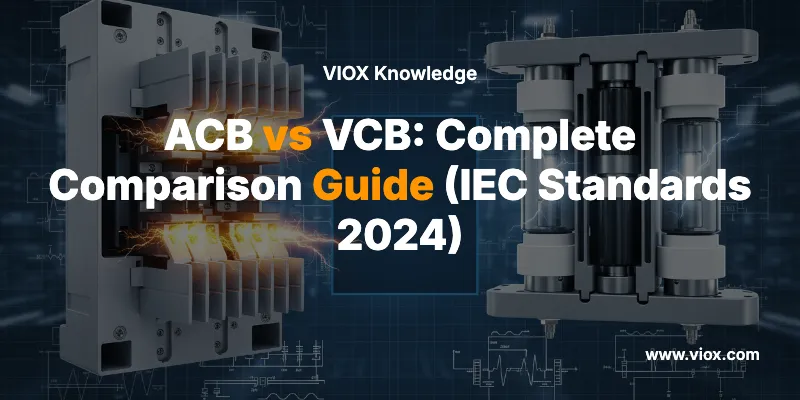
চিত্র 1: ACB এবং VCB প্রযুক্তির কাঠামোগত তুলনা। ACB (বাম) খোলা বাতাসে আর্ক চুট ব্যবহার করে, যেখানে VCB (ডান) চাপ নির্বাপণের জন্য একটি সিল করা ভ্যাকুয়াম ইন্টারাপ্টার ব্যবহার করে।.
চাপ নির্বাপণ: বায়ু বনাম ভ্যাকুয়াম (কেন পদার্থবিদ্যা ভোল্টেজ সিলিং সেট করে)
যখন আপনি লোডের অধীনে কারেন্ট-বহনকারী পরিচিতিগুলি পৃথক করেন, তখন একটি চাপ তৈরি হয়। সর্বদা। সেই চাপটি একটি প্লাজমা কলাম—আয়নিত গ্যাস যা 20,000°C তাপমাত্রায় হাজার হাজার অ্যাম্পিয়ার পরিবাহী (সূর্যের পৃষ্ঠের চেয়েও উত্তপ্ত)। আপনার সার্কিট ব্রেকারের কাজ হল সেই চাপটিকে নিভিয়ে দেওয়া পরিচিতিগুলিকে একসাথে ঝালাই করার আগে বা একটি আর্ক ফ্ল্যাশ ইভেন্ট ট্রিগার করার আগে।.
এটি কীভাবে এটি করে তা সম্পূর্ণরূপে পরিচিতিগুলির চারপাশে থাকা মাধ্যমের উপর নির্ভর করে।.
কীভাবে ACB বায়ু এবং আর্ক চুট ব্যবহার করে
একটি এয়ার সার্কিট ব্রেকার বায়ুমণ্ডলীয় বাতাসে চাপকে বাধা দেয়। ব্রেকারের পরিচিতিগুলি আর্ক চুটগুলিতে রাখা হয়—ধাতু প্লেটের অ্যারে যা পরিচিতিগুলি পৃথক হওয়ার সাথে সাথে চাপকে আটকাতে অবস্থানে থাকে। এখানে ক্রমটি দেওয়া হল:
- চাপ গঠন: পরিচিতিগুলি পৃথক হয়, বাতাসে চাপ লাগে
- চাপ দীর্ঘকরণ: চৌম্বকীয় শক্তি চাপটিকে আর্ক চুটে চালিত করে
- চাপ বিভাজন: চুটের ধাতব প্লেটগুলি চাপটিকে একাধিক ছোট চাপে বিভক্ত করে
- চাপ শীতলকরণ: বর্ধিত পৃষ্ঠের ক্ষেত্রফল এবং বাতাসের সংস্পর্শ প্লাজমাকে শীতল করে
- চাপ নির্বাপণ: চাপ শীতল এবং দীর্ঘ হওয়ার সাথে সাথে প্রতিরোধ ক্ষমতা বৃদ্ধি পায় যতক্ষণ না চাপটি পরবর্তী কারেন্ট শূন্যে নিজেকে টিকিয়ে রাখতে না পারে
এটি প্রায় 1,000V পর্যন্ত নির্ভরযোগ্যভাবে কাজ করে। সেই ভোল্টেজের উপরে, চাপের শক্তি খুব বেশি। বায়ুর ডাইলেক্ট্রিক শক্তি (ভোল্টেজ গ্রেডিয়েন্ট যা ভেঙে যাওয়ার আগে সহ্য করতে পারে) বায়ুমণ্ডলীয় চাপে প্রায় 3 kV/মিমি। একবার সিস্টেম ভোল্টেজ মাল্টি-কিলোভোল্ট পরিসরে উঠে গেলে, চাপটি কেবল প্রশস্ত পরিচিতি ফাঁকের মধ্যে পুনরায় আঘাত করে। ব্রেকারটিকে একটি ছোট গাড়ির আকারের না করে আপনি এটিকে থামাতে যথেষ্ট দীর্ঘ একটি আর্ক চুট তৈরি করতে পারবেন না।.
সেটাই হল ভোল্টেজ সিলিং.
কীভাবে VCB ভ্যাকুয়াম পদার্থবিদ্যা ব্যবহার করে
ক ভ্যাকুয়াম সার্কিট ব্রেকার সম্পূর্ণ ভিন্ন পদ্ধতি গ্রহণ করে। পরিচিতিগুলি একটি সিল করা ভ্যাকুয়াম ইন্টারাপ্টারে আবদ্ধ থাকে—একটি চেম্বার যা 10^-2 এবং 10^-6 টর-এর মধ্যে চাপে খালি করা হয় (যা প্রায় বায়ুমণ্ডলীয় চাপের এক মিলিয়ন ভাগের এক ভাগ)।.
যখন পরিচিতিগুলি লোডের অধীনে পৃথক হয়:
- চাপ গঠন: ভ্যাকুয়াম ফাঁকে চাপ লাগে
- সীমিত আয়নাইজেশন: প্রায় কোনও গ্যাস অণু উপস্থিত না থাকায়, আর্কের স্থায়ীত্বের জন্য পর্যাপ্ত মাধ্যম নেই
- দ্রুত ডি-আয়নাইজেশন: প্রথম স্বাভাবিক কারেন্ট জিরোতে (এসি-তে প্রতি অর্ধ-চক্রে), আর্কের পুনরায় জ্বলে ওঠার জন্য অপর্যাপ্ত চার্জ ক্যারিয়ার থাকে
- তাৎক্ষণিক নির্বাপণ: আর্ক এক চক্রের মধ্যেই নিভে যায় (৬০ হার্জ সিস্টেমে ৮.৩ মিলিসেকেন্ড)
ভ্যাকুয়াম দুটি বিশাল সুবিধা প্রদান করে। প্রথমত, ডাইইলেকট্রিক শক্তি:মাত্র ১০ মিমি-এর একটি ভ্যাকুয়াম গ্যাপ ৪০kV পর্যন্ত ভোল্টেজ সহ্য করতে পারে—যা একই দূরত্বের বাতাসের চেয়ে ১০ থেকে ১০০ গুণ বেশি শক্তিশালী। দ্বিতীয়ত, কন্টাক্ট সংরক্ষণ:কোনও অক্সিজেন উপস্থিত না থাকায়, বাতাসের সংস্পর্শে আসা ACB কন্টাক্টের তুলনায় কন্টাক্টগুলি একই হারে অক্সিডাইজ বা ক্ষয় হয় না। সেটি হল সিলড-ফর-লাইফ সুবিধা.
সঠিকভাবে রক্ষণাবেক্ষণ করা একটি ব্রেকারে VCB কন্টাক্টগুলি ২০ থেকে ৩০ বছর পর্যন্ত স্থায়ী হতে পারে। বায়ুমণ্ডলীয় অক্সিজেন এবং আর্ক প্লাজমার সংস্পর্শে আসা ACB কন্টাক্ট? আপনাকে প্রতি ৩ থেকে ৫ বছরে পরিবর্তন করতে হবে, কখনও কখনও ধুলো বা আর্দ্র পরিবেশে আরও আগে।.
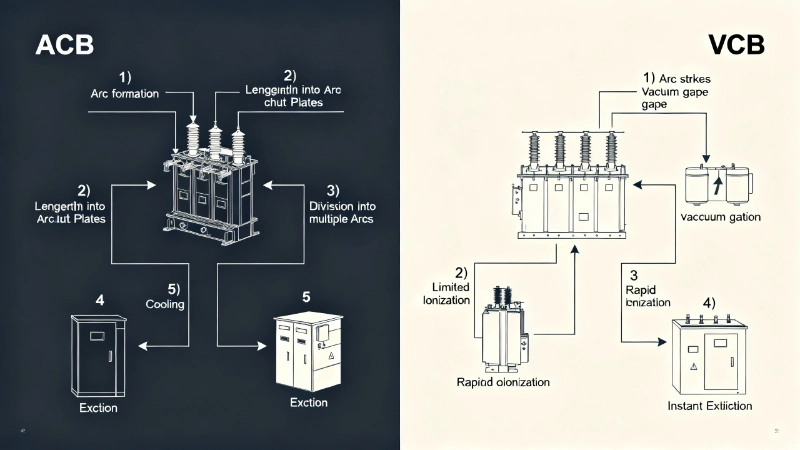
চিত্র ২: আর্ক নির্বাপণ প্রক্রিয়া। ACB-র বাতাসের মধ্যে আর্কের দৈর্ঘ্য বৃদ্ধি, বিভাজন এবং ঠান্ডা করার জন্য একাধিক ধাপের প্রয়োজন (বাম দিকে), যেখানে VCB ভ্যাকুয়ামের উচ্চতর ডাইইলেকট্রিক শক্তির কারণে প্রথম কারেন্ট জিরোতে তাৎক্ষণিকভাবে আর্ক নির্বাপণ করে (ডান দিকে)।.
প্রো-টিপ #1: ভোল্টেজ সিলিং নিয়ে আলোচনার সুযোগ নেই। ACB শারীরিকভাবে বায়ুমণ্ডলীয় চাপে বাতাসে ১kV-এর উপরে আর্কের নির্ভরযোগ্যভাবে বাধা দিতে অক্ষম। যদি আপনার সিস্টেম ভোল্টেজ ১,০০০V AC অতিক্রম করে, তবে আপনার একটি VCB প্রয়োজন—একটি “আরও ভাল” বিকল্প হিসাবে নয়, বরং একমাত্র বিকল্প হিসাবে যা পদার্থবিদ্যা এবং IEC মানগুলির সাথে সঙ্গতিপূর্ণ।.
ভোল্টেজ এবং কারেন্ট রেটিং: সংখ্যাগুলি আসলে কী বোঝায়
ভোল্টেজ কেবল ডেটাশীটের একটি স্পেসিফিকেশন লাইন নয়। এটি মৌলিক নির্বাচন মানদণ্ড যা নির্ধারণ করে আপনি কোন ব্রেকার প্রকারটি বিবেচনা করতে পারেন। কারেন্ট রেটিং গুরুত্বপূর্ণ, তবে এটি দ্বিতীয় স্থানে আসে।.
বাস্তবে সংখ্যাগুলির অর্থ এখানে দেওয়া হল।.
ACB রেটিং: উচ্চ কারেন্ট, নিম্ন ভোল্টেজ
ভোল্টেজ সিলিং: ACB 400V থেকে 1,000V AC পর্যন্ত নির্ভরযোগ্যভাবে কাজ করে (কিছু বিশেষ নকশা 1,500V DC পর্যন্ত রেট করা হয়েছে)। তিন-ফেজ শিল্প সিস্টেমের জন্য সাধারণ সুইট স্পট হল 400V বা 690V। 1kV AC-এর উপরে, বাতাসের ডাইইলেকট্রিক বৈশিষ্ট্য নির্ভরযোগ্য আর্ক ইন্টারাপশনকে অবাস্তব করে তোলে—যা ভোল্টেজ সিলিং আমরা আলোচনা করেছি তা নকশার সীমাবদ্ধতা নয়; এটি একটি শারীরিক সীমা।.
কারেন্ট ক্ষমতা: ACB যেখানে প্রভাবশালী, তা হল কারেন্ট পরিচালনা। রেটিং ছোট বিতরণ প্যানেলের জন্য 800A থেকে শুরু করে প্রধান পরিষেবা প্রবেশ অ্যাপ্লিকেশনগুলির জন্য 10,000A পর্যন্ত হয়। নিম্ন ভোল্টেজে উচ্চ কারেন্ট ক্ষমতা হল নিম্ন-ভোল্টেজ বিতরণের জন্য প্রয়োজনীয়—মোটর কন্ট্রোল সেন্টার (MCC), পাওয়ার কন্ট্রোল সেন্টার (PCC) এবং বাণিজ্যিক ও শিল্প সুবিধাগুলিতে প্রধান বিতরণ বোর্ডগুলির কথা ভাবুন।.
ভাঙার ক্ষমতা: শর্ট-সার্কিট ইন্টারাপটিং রেটিং 690V-এ 100kA পর্যন্ত পৌঁছায়। এটি চিত্তাকর্ষক শোনায়—এবং এটি নিম্ন-ভোল্টেজ অ্যাপ্লিকেশনগুলির জন্য। তবে আসুন এটিকে একটি পাওয়ার গণনার সাথে দৃষ্টিকোণে রাখি:
- ব্রেকিং ক্ষমতা: 690V-এ 100kA (লাইন-টু-লাইন)
- আপাত শক্তি: √3 × 690V × 100kA ≈ 119 MVA
এটি হল সর্বোচ্চ ফল্ট পাওয়ার যা একটি ACB নিরাপদে বাধা দিতে পারে। 1.5 MVA ট্রান্সফরমার এবং সাধারণ X/R অনুপাত সহ একটি 400V/690V শিল্প প্ল্যান্টের জন্য, একটি 65kA ব্রেকার প্রায়শই যথেষ্ট। 100kA ইউনিটগুলি ইউটিলিটি-স্কেল নিম্ন-ভোল্টেজ বিতরণ বা সমান্তরালে একাধিক বড় ট্রান্সফরমারযুক্ত সুবিধাগুলির জন্য সংরক্ষিত।.
সাধারণ অ্যাপ্লিকেশন:
- নিম্ন-ভোল্টেজ প্রধান বিতরণ প্যানেল (LVMDP)
- পাম্প, ফ্যান, কম্প্রেসারের জন্য মোটর কন্ট্রোল সেন্টার (MCC)
- শিল্প যন্ত্রপাতির জন্য পাওয়ার কন্ট্রোল সেন্টার (PCC)
- জেনারেটর সুরক্ষা এবং সিঙ্ক্রোনাইজেশন প্যানেল
- বাণিজ্যিক ভবনের বৈদ্যুতিক কক্ষ (1kV-এর নিচে)
VCB রেটিং: মাঝারি ভোল্টেজ, মাঝারি কারেন্ট
ভোল্টেজ পরিসীমা: VCB সাধারণত 11kV থেকে 33kV পর্যন্ত মাঝারি-ভোল্টেজ সিস্টেমের জন্য তৈরি করা হয়। কিছু ডিজাইন 1kV পর্যন্ত বা 38kV পর্যন্ত পরিসীমা প্রসারিত করে (IEC 62271-100-এর 2024 সালের সংশোধনীতে 15.5kV, 27kV এবং 40.5kV-এ স্ট্যান্ডার্ডাইজড রেটিং যুক্ত করা হয়েছে)। সিল করা ভ্যাকুয়াম ইন্টারাপ্টারের উচ্চতর ডাইইলেকট্রিক শক্তি একটি কমপ্যাক্ট পদচিহ্নের মধ্যে এই ভোল্টেজ স্তরগুলিকে পরিচালনাযোগ্য করে তোলে।.
কারেন্ট ক্ষমতা: VCB ACB-র তুলনায় মাঝারি কারেন্ট পরিচালনা করে, যার সাধারণ রেটিং 600A থেকে 4,000A পর্যন্ত। এটি মাঝারি-ভোল্টেজ অ্যাপ্লিকেশনগুলির জন্য যথেষ্ট। 11kV-এ একটি 2,000A ব্রেকার 38 MVA অবিচ্ছিন্ন লোড বহন করতে পারে—যা কয়েক ডজন বড় শিল্প মোটর বা একটি মাঝারি আকারের শিল্প সুবিধার বিদ্যুতের চাহিদার সমতুল্য।.
ভাঙার ক্ষমতা: VCB তাদের নিজ নিজ ভোল্টেজ স্তরে 25kA থেকে 50kA পর্যন্ত রেট করা হয়। আসুন 33kV-এ 50kA VCB-এর জন্য একই পাওয়ার গণনা করি:
- ব্রেকিং ক্ষমতা: 33kV-এ 50kA (লাইন-টু-লাইন)
- আপাত শক্তি: √3 × 33kV × 50kA ≈ 2,850 MVA
সেটাই হল 690V-এ আমাদের 100kA ACB-র চেয়ে ২৪ গুণ বেশি ইন্টারাপটিং পাওয়ার । হঠাৎ করে, সেই “নিম্ন” 50kA ব্রেকিং ক্ষমতা এত সামান্য দেখাচ্ছে না। VCB এমন পাওয়ার স্তরে ফল্ট কারেন্টকে বাধা দিচ্ছে যা একটি ACB-র আর্ক চুটকে বাষ্পীভূত করে দেবে।.
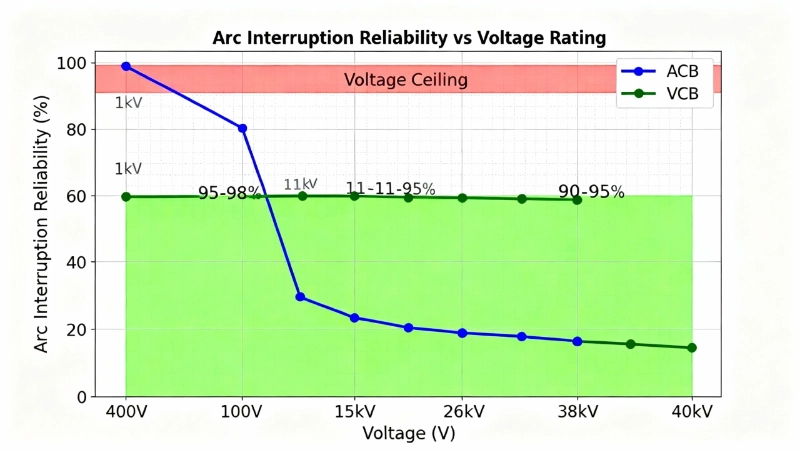
চিত্র ৩: ভোল্টেজ সিলিং ভিজ্যুয়ালাইজেশন। ACB 1,000V পর্যন্ত নির্ভরযোগ্যভাবে কাজ করে তবে এই থ্রেশহোল্ডের উপরে (লাল অঞ্চল) নিরাপদে আর্কের বাধা দিতে পারে না, যেখানে VCB 11kV থেকে 38kV (সবুজ অঞ্চল) পর্যন্ত মাঝারি-ভোল্টেজ পরিসরে প্রভাবশালী।.
সাধারণ অ্যাপ্লিকেশন:
- ইউটিলিটি বিতরণ সাবস্টেশন (11kV, 22kV, 33kV)
- শিল্প মাঝারি-ভোল্টেজ সুইচগিয়ার (রিং মেইন ইউনিট, সুইচবোর্ড)
- উচ্চ-ভোল্টেজ ইন্ডাকশন মোটর সুরক্ষা (>1,000 HP)
- ট্রান্সফরমারের প্রাথমিক সুরক্ষা
- বিদ্যুৎ উৎপাদন সুবিধা (জেনারেটর সার্কিট ব্রেকার)
- পুনর্নবীকরণযোগ্য শক্তি সিস্টেম (উইন্ড ফার্ম, সৌর ইনভার্টার স্টেশন)
প্রো-টিপ #2: কিলোঅ্যাম্পিয়ারে ব্রেকিং ক্ষমতা তুলনা করবেন না। MVA ইন্টারাপটিং পাওয়ার গণনা করুন (√3 × ভোল্টেজ × কারেন্ট)। 33kV-এ একটি 50kA VCB 690V-এ একটি 100kA ACB-র চেয়ে অনেক বেশি পাওয়ারকে বাধা দেয়। ব্রেকারের ক্ষমতা মূল্যায়নের সময় কারেন্টের চেয়ে ভোল্টেজ বেশি গুরুত্বপূর্ণ।.
স্ট্যান্ডার্ড বিভাজন: IEC 60947-2 (ACB) বনাম IEC 62271-100 (VCB)
ইন্টারন্যাশনাল ইলেকট্রোটেকনিক্যাল কমিশন (IEC) স্ট্যান্ডার্ডগুলিকে সাধারণভাবে বিভক্ত করে না। যখন IEC 60947-2 1,000V পর্যন্ত ব্রেকারগুলিকে নিয়ন্ত্রণ করে এবং IEC 62271-100 1,000V-এর উপরে দায়িত্ব নেয়, তখন সেই সীমানাটি আমরা যে শারীরিক বাস্তবতা নিয়ে আলোচনা করছি তা প্রতিফলিত করে। এটা হল স্ট্যান্ডার্ড স্প্লিট, এবং এটি আপনার নকশার দিশা।.
এয়ার সার্কিট ব্রেকারের জন্য IEC 60947-2:2024
সুযোগ: এই স্ট্যান্ডার্ডটি রেটেড ভোল্টেজযুক্ত সার্কিট-ব্রেকারের জন্য প্রযোজ্য 1,000V AC বা 1,500V DC অতিক্রম করে না. । এটি ACB, মোল্ডেড-কেস সার্কিট ব্রেকার (MCCB) এবং মিনিয়েচার সার্কিট ব্রেকার (MCB) সহ নিম্ন-ভোল্টেজ সার্কিট সুরক্ষার জন্য প্রামাণিক রেফারেন্স।.
ষষ্ঠ সংস্করণ প্রকাশিত হয়েছিল সেপ্টেম্বর 2024, 2016 সংস্করণ প্রতিস্থাপন করে। মূল আপডেটের মধ্যে রয়েছে:
- বিচ্ছিন্নতার জন্য উপযুক্ততা: আইসোলেটিং সুইচ হিসাবে সার্কিট-ব্রেকার ব্যবহারের জন্য প্রয়োজনীয়তা স্পষ্ট করা হয়েছে
- শ্রেণীবিভাগ অপসারণ: আইইসি ইন্টারাপ্টিং মিডিয়াম (বায়ু, তেল, এসএফ৬, ইত্যাদি) দ্বারা ব্রেকারের শ্রেণীবিভাগ বাতিল করেছে। কেন? কারণ ভোল্টেজ ইতিমধ্যে মাধ্যম সম্পর্কে বলে দেয়. । আপনি যদি ৬৯০ভিতে থাকেন তবে আপনি বায়ু বা একটি সিলড মোল্ডেড কেস ব্যবহার করছেন। পুরাতন শ্রেণীবিভাগ ব্যবস্থাটি অতিরিক্ত ছিল।.
- বাহ্যিক ডিভাইস সমন্বয়: বাহ্যিক ডিভাইসের মাধ্যমে ওভারকারেন্ট সেটিংস সামঞ্জস্য করার জন্য নতুন বিধান
- উন্নত পরীক্ষা: গ্রাউন্ড-ফল্ট রিলিজ এবং ট্রিপড অবস্থানে ডাইলেট্রিক বৈশিষ্ট্যগুলির জন্য অতিরিক্ত পরীক্ষা
- ইএমসি উন্নতি: হালনাগাদ করা ইলেক্ট্রোম্যাগনেটিক সামঞ্জস্য (ইএমসি) পরীক্ষার পদ্ধতি এবং পাওয়ার লস পরিমাপ পদ্ধতি
২০২৪ সালের সংস্করণে স্ট্যান্ডার্ডটিকে আরও পরিচ্ছন্ন এবং আধুনিক ডিজিটাল ট্রিপ ইউনিট এবং স্মার্ট ব্রেকার প্রযুক্তির সাথে সঙ্গতিপূর্ণ করা হয়েছে, তবে মূল ভোল্টেজ সীমা—≤১,০০০ভি এসি— অপরিবর্তিত রয়েছে। এর উপরে, আপনি আইইসি ৬০৯৪৭-২ এর এখতিয়ারের বাইরে চলে যাবেন।.
আইইসি ৬২২৭১-১০০:২০২১ (সংশোধনী ১: ২০২৪) ভ্যাকুয়াম সার্কিট ব্রেকারের জন্য
সুযোগ: এই স্ট্যান্ডার্ডটি অল্টারনেটিং কারেন্ট সার্কিট-ব্রেকারের জন্য তৈরি করা হয়েছে যা ডিজাইন করা হয়েছে ১,০০০ ভোল্টের বেশি ভোল্টেজ সহ থ্রি-ফেজ সিস্টেমের জন্য. । এটি বিশেষভাবে মাঝারি-ভোল্টেজ এবং উচ্চ-ভোল্টেজের ইনডোর এবং আউটডোর সুইচগিয়ারের জন্য তৈরি, যেখানে ভিসিবিগুলি প্রভাবশালী প্রযুক্তি (সর্বোচ্চ ভোল্টেজ ক্লাসের জন্য এসএফ৬ ব্রেকারের পাশাপাশি)।.
তৃতীয় সংস্করণটি ২০২১ সালে প্রকাশিত হয়েছিল, সাথে সংশোধনী ১ আগস্ট ২০২৪ এ প্রকাশিত হয়েছে. । সাম্প্রতিক আপডেটগুলির মধ্যে রয়েছে:
- আপডেট করা টিআরভি (ট্রানজিয়েন্ট রিকভারি ভোল্টেজ) মান: বাস্তব-বিশ্বের সিস্টেম আচরণ এবং নতুন ট্রান্সফরমার ডিজাইন প্রতিফলিত করার জন্য একাধিক টেবিলে টিআরভি প্যারামিটারগুলি পুনরায় গণনা করা হয়েছে
- নতুন রেটেড ভোল্টেজ: স্ট্যান্ডার্ড রেটিং যোগ করা হয়েছে ১৫.৫kV, ২৭kV, এবং ৪০.৫kV তে আঞ্চলিক সিস্টেম ভোল্টেজগুলি (বিশেষত এশিয়া এবং মধ্য প্রাচ্যে) কভার করতে
- সংশোধিত টার্মিনাল ফল্ট সংজ্ঞা: পরীক্ষার উদ্দেশ্যে টার্মিনাল ফল্ট কী গঠন করে তা স্পষ্ট করা হয়েছে
- ডাইলেট্রিক পরীক্ষার মানদণ্ড: ডাইলেট্রিক পরীক্ষার জন্য মানদণ্ড যুক্ত করা হয়েছে; স্পষ্টভাবে বলা হয়েছে যে আংশিক স্রাব পরীক্ষা শুধুমাত্র জিআইএস (গ্যাস-ইনসুলেটেড সুইচগিয়ার) এবং ডেড-ট্যাঙ্ক ব্রেকারের ক্ষেত্রে প্রযোজ্য, সাধারণ ভিসিবিগুলির জন্য নয়
- পরিবেশগত বিবেচনা: উচ্চতা, দূষণ এবং তাপমাত্রা ডিরেটিং ফ্যাক্টরগুলির উপর উন্নত নির্দেশনা
২০২৪ সালের সংশোধনী বিশ্বব্যাপী গ্রিড অবকাঠামো পরিবর্তনের সাথে স্ট্যান্ডার্ডটিকে বর্তমান রাখে, তবে মৌলিক নীতিটি বহাল থাকে: ১,০০০V এর উপরে, আপনার একটি মাঝারি-ভোল্টেজ ব্রেকার দরকার, এবং 1kV-38kV পরিসরের জন্য, এর প্রায় সবসময় মানে একটি ভিসিবি।.
কেন এই স্ট্যান্ডার্ডগুলি ওভারল্যাপ করে না
১,০০০V এর সীমাটি ইচ্ছাকৃত নয়। এটি সেই বিন্দু যেখানে বায়ুমণ্ডলীয় বায়ু “পর্যাপ্ত আর্ক নিবারণ মাধ্যম” থেকে “দায়বদ্ধতা”-তে রূপান্তরিত হয়। আইইসি বেশি বই বিক্রি করার জন্য দুটি স্ট্যান্ডার্ড তৈরি করেনি। তারা প্রকৌশল বাস্তবতাকে আনুষ্ঠানিক রূপ দিয়েছে:
- 1kV এর নিচে: বায়ু-ভিত্তিক বা মোল্ডেড-কেস ডিজাইন কাজ করে। আর্ক চুট কার্যকর। ব্রেকারগুলি কম্প্যাক্ট এবং সাশ্রয়ী।.
- 1kV এর উপরে: বায়ুর জন্য অবাস্তবভাবে বড় আর্ক চুটের প্রয়োজন; যুক্তিসঙ্গত পদচিহ্নে নিরাপদ, নির্ভরযোগ্য আর্ক ইন্টারাপশনের জন্য ভ্যাকুয়াম (বা উচ্চ ভোল্টেজের জন্য SF6) প্রয়োজনীয় হয়ে পড়ে।.
আপনি যখন একটি ব্রেকার স্পেসিফাই করছেন, তখন প্রথম প্রশ্নটি “এসিবি নাকি ভিসিবি?” নয়। এটি হল “আমার সিস্টেম ভোল্টেজ কত?” সেই উত্তরটি আপনাকে সঠিক স্ট্যান্ডার্ডের দিকে নির্দেশ করে, যা আপনাকে সঠিক ব্রেকারের প্রকারের দিকে নির্দেশ করে।.
প্রো-টিপ #3: সার্কিট ব্রেকারের ডেটাশিট পর্যালোচনা করার সময়, এটি কোন আইইসি স্ট্যান্ডার্ড মেনে চলে তা পরীক্ষা করুন। যদি এটি আইইসি ৬০৯৪৭-২ তালিকাভুক্ত করে, তবে এটি একটি নিম্ন-ভোল্টেজ ব্রেকার (≤1kV)। যদি এটি আইইসি ৬২২৭১-১০০ তালিকাভুক্ত করে, তবে এটি একটি মাঝারি/উচ্চ-ভোল্টেজ ব্রেকার (>1kV)। স্ট্যান্ডার্ড সম্মতি আপনাকে তাৎক্ষণিকভাবে ভোল্টেজ শ্রেণী বলে দেয়।.
অ্যাপ্লিকেশন: আপনার সিস্টেমের সাথে ব্রেকারের প্রকার মেলানো
এসিবি এবং ভিসিবি এর মধ্যে পছন্দ পছন্দ সম্পর্কে নয়। এটি আপনার সিস্টেমের বৈদ্যুতিক বৈশিষ্ট্য এবং অপারেশনাল প্রয়োজনীয়তার সাথে ব্রেকারের শারীরিক ক্ষমতা মেলানোর বিষয়ে।.
এখানে ব্রেকারের প্রকারকে অ্যাপ্লিকেশনের সাথে কীভাবে ম্যাপ করবেন তা দেওয়া হল।.
কখন এসিবি ব্যবহার করবেন
এয়ার সার্কিট ব্রেকারগুলি এর জন্য সঠিক পছন্দ নিম্ন-ভোল্টেজ বিতরণ সিস্টেম যেখানে কমপ্যাক্ট আকার বা দীর্ঘ রক্ষণাবেক্ষণ ব্যবধানের চেয়ে উচ্চ কারেন্ট ক্ষমতা বেশি গুরুত্বপূর্ণ।.
আদর্শ অ্যাপ্লিকেশন:
- ৪০০V বা ৬৯০V থ্রি-ফেজ বিতরণ: বেশিরভাগ শিল্প এবং বাণিজ্যিক বৈদ্যুতিক সিস্টেমের মেরুদণ্ড
- মোটর কন্ট্রোল সেন্টার (এমসিসি): পাম্প, ফ্যান, কম্প্রেসার, কনভেয়ার এবং অন্যান্য নিম্ন-ভোল্টেজ মোটরগুলির জন্য সুরক্ষা
- পাওয়ার কন্ট্রোল সেন্টার (পিসিসি): শিল্প যন্ত্রপাতি এবং প্রক্রিয়া সরঞ্জামের জন্য প্রধান বিতরণ
- নিম্ন-ভোল্টেজ প্রধান বিতরণ প্যানেল (এলভিএমডিপি): পরিষেবা প্রবেশ এবং বিল্ডিং এবং সুবিধাগুলির জন্য প্রধান ব্রেকার
- জেনারেটর সুরক্ষা: নিম্ন-ভোল্টেজ ব্যাকআপ জেনারেটর (সাধারণত ৪৮০V বা ৬০০V)
- সামুদ্রিক এবং অফশোর: নিম্ন-ভোল্টেজ জাহাজ পাওয়ার বিতরণ (যেখানে আইইসি ৬০০৯২ ও প্রযোজ্য)
কখন এসিবি আর্থিকভাবে বোধগম্য হয়:
- প্রাথমিক খরচ কম রাখার অগ্রাধিকার: যদি মূলধন বাজেট সীমাবদ্ধ থাকে এবং আপনার অভ্যন্তরীণ রক্ষণাবেক্ষণের সক্ষমতা থাকে
- উচ্চ কারেন্টের প্রয়োজনীয়তা: যখন আপনার 6,000A+ রেটিং প্রয়োজন হয় যা ACB ফর্ম ফ্যাক্টরে বেশি সাশ্রয়ী
- বিদ্যমান LV সুইচগিয়ারে রেট্রোফিট: যখন ACBs-এর জন্য ডিজাইন করা প্যানেলে লাইক-ফর-লাইক প্রতিস্থাপন করা হয়
সীমাবদ্ধতা মনে রাখতে হবে:
- রক্ষণাবেক্ষণের বোঝা: প্রতি 6 মাসে পরিদর্শন এবং প্রতি 3-5 বছরে কন্টাক্ট প্রতিস্থাপনের প্রত্যাশা করুন
- ফুটপ্রিন্ট: আর্ক চ্যুট অ্যাসেম্বলির কারণে ACBs সমতুল্য VCBs থেকে বড় এবং ভারী
- শব্দ: বাতাসে আর্ক ইন্টারাপশন একটি সিল করা ভ্যাকুয়ামের চেয়ে জোরে হয়
- সীমিত পরিষেবা জীবন: বড় ধরনের ওভারহলের আগে সাধারণত 10,000 থেকে 15,000 অপারেশন
কখন VCB ব্যবহার করবেন
ভ্যাকুয়াম সার্কিট ব্রেকার প্রভাবশালী মাঝারি-ভোল্টেজের অ্যাপ্লিকেশন যেখানে নির্ভরযোগ্যতা, কম রক্ষণাবেক্ষণ, কমপ্যাক্ট আকার এবং দীর্ঘ পরিষেবা জীবন উচ্চ প্রাথমিক খরচকে সমর্থন করে।.
আদর্শ অ্যাপ্লিকেশন:
- 11kV, 22kV, 33kV ইউটিলিটি সাবস্টেশন: প্রাথমিক এবং মাধ্যমিক বিতরণ সুইচগিয়ার
- শিল্প MV সুইচগিয়ার: রিং মেইন ইউনিট (RMU), মেটাল-ক্ল্যাড সুইচবোর্ড, প্যাড-মাউন্ট করা ট্রান্সফরমার
- উচ্চ-ভোল্টেজ মোটর সুরক্ষা: 1,000 HP-এর উপরে ইন্ডাকশন মোটর (সাধারণত 3.3kV, 6.6kV, বা 11kV)
- ট্রান্সফরমার সুরক্ষা: বিতরণ এবং পাওয়ার ট্রান্সফরমারের জন্য প্রাথমিক-পাশের ব্রেকার
- বিদ্যুৎ উৎপাদন সুবিধা: জেনারেটর সার্কিট ব্রেকার, স্টেশন সহায়ক শক্তি
- নবায়নযোগ্য শক্তি সিস্টেম: বায়ু খামার সংগ্রাহক সার্কিট, সৌর ইনভার্টার স্টেপ-আপ ট্রান্সফরমার
- খনি এবং ভারী শিল্প: যেখানে ধুলো, আর্দ্রতা এবং কঠোর পরিস্থিতি ACB রক্ষণাবেক্ষণকে সমস্যাযুক্ত করে তোলে
কখন VCBs একমাত্র বিকল্প:
- সিস্টেম ভোল্টেজ >1kV AC: পদার্থবিদ্যা এবং IEC 62271-100 মাঝারি-ভোল্টেজ রেটযুক্ত ব্রেকার প্রয়োজন
- ঘন ঘন স্যুইচিং অপারেশন: VCBs 30,000+ মেকানিক্যাল অপারেশনের জন্য রেট করা হয়েছে (কিছু ডিজাইন 100,000 অপারেশন অতিক্রম করে)
- সীমিত রক্ষণাবেক্ষণ অ্যাক্সেস: প্রত্যন্ত সাবস্টেশন, অফশোর প্ল্যাটফর্ম, ছাদের ইনস্টলেশন যেখানে অর্ধ-বার্ষিক ACB পরিদর্শন অবাস্তব
- দীর্ঘ জীবনচক্র খরচের উপর ফোকাস: যখন 20-30 বছরের বেশি সময়ের মধ্যে মালিকানার মোট খরচ অগ্রিম মূলধন খরচকে ছাড়িয়ে যায়
কঠোর পরিবেশে সুবিধা:
- সিল করা ভ্যাকুয়াম ইন্টারাপ্টার ধুলো, আর্দ্রতা, লবণ স্প্রে বা উচ্চতা দ্বারা প্রভাবিত হয় না (ডেরেটিং সীমা পর্যন্ত)
- পরিষ্কার বা প্রতিস্থাপন করার জন্য কোন আর্ক চ্যুট নেই
- নীরব অপারেশন (অধিকৃত বিল্ডিংগুলিতে ইনডোর সাবস্টেশনের জন্য গুরুত্বপূর্ণ)
- কমপ্যাক্ট ফুটপ্রিন্ট (দামী রিয়েল এস্টেট সহ শহুরে সাবস্টেশনের জন্য গুরুত্বপূর্ণ)
সিদ্ধান্ত ম্যাট্রিক্স: ACB নাকি VCB?
| আপনার সিস্টেমের বৈশিষ্ট্য | প্রস্তাবিত ব্রেকার প্রকার | প্রাথমিক কারণ |
| ভোল্টেজ ≤ 1,000V AC | এসিবি | IEC 60947-2 এখতিয়ার; বায়ু শোধন যথেষ্ট |
| ভোল্টেজ > 1,000V AC | VCB | IEC 62271-100 প্রয়োজন; বায়ু নির্ভরযোগ্যভাবে আর্ককে বাধা দিতে পারে না |
| LV-তে উচ্চ কারেন্ট (>5,000A) | এসিবি | নিম্ন ভোল্টেজে খুব উচ্চ কারেন্টের জন্য বেশি সাশ্রয়ী |
| ঘন ঘন স্যুইচিং (>20/দিন) | VCB | ACB-এর 10,000-এর বিপরীতে 30,000+ অপারেশনের জন্য রেট করা হয়েছে |
| কঠোর পরিবেশ (ধুলো, লবণ, আর্দ্রতা) | VCB | সিল করা ইন্টারাপ্টার দূষণ দ্বারা প্রভাবিত হয় না |
| সীমিত রক্ষণাবেক্ষণ অ্যাক্সেস | VCB | ACB-এর 6-মাসের সময়সূচীর বিপরীতে 3-5 বছরের পরিষেবা ব্যবধান |
| 20+ বছরের জীবনচক্র খরচের উপর ফোকাস | VCB | উচ্চ প্রাথমিক খরচ সত্ত্বেও কম TCO |
| টাইট স্থান সীমাবদ্ধতা | VCB | কমপ্যাক্ট ডিজাইন; কোন আর্ক চ্যুট ভলিউম নেই |
| বাজেট-সীমাবদ্ধ মূলধন প্রকল্প | ACB (যদি ≤1kV) | প্রাথমিক খরচ কম, তবে রক্ষণাবেক্ষণের বাজেট বিবেচনা করুন |
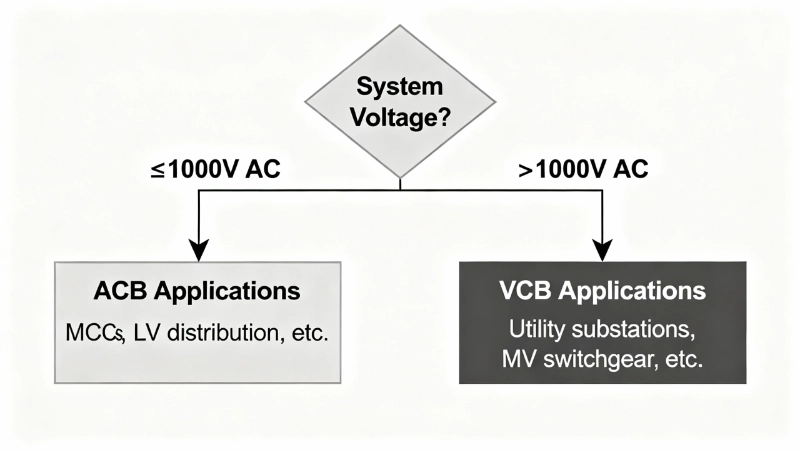
চিত্র 5: সার্কিট ব্রেকার নির্বাচন ফ্লোচার্ট। সিস্টেম ভোল্টেজ হল প্রাথমিক সিদ্ধান্ত নেওয়ার মানদণ্ড, যা আপনাকে 1,000V সীমানার উপর ভিত্তি করে ACB (লো-ভোল্টেজ) অথবা VCB (মিডিয়াম-ভোল্টেজ) অ্যাপ্লিকেশনের দিকে পরিচালিত করে।.
প্রো-টিপ: আপনার সিস্টেম ভোল্টেজ যদি 1kV সীমানার কাছাকাছিও থাকে, তাহলে VCB স্পেসিফাই করুন। ACB-কে তার সর্বোচ্চ ভোল্টেজ রেটিং পর্যন্ত প্রসারিত করার চেষ্টা করবেন না। ভোল্টেজ সিলিং এটি “রেটেড ম্যাক্সিমাম” নয়—এটি একটি কঠিন ভৌত সীমা। মার্জিন রেখে ডিজাইন করুন।.
রক্ষণাবেক্ষণ ট্যাক্স: কেন VCB-এর খরচ 20 বছরে কম হয়
সেই $15,000 ACB দেখতে $25,000 VCB-এর তুলনায় আকর্ষণীয় মনে হতে পারে। যতক্ষণ না আপনি 15 বছরের বেশি সময়ের জন্য হিসাব করেন।.
স্বাগতম রক্ষণাবেক্ষণ ট্যাক্স— লুকানো পুনরাবৃত্ত খরচ যা অর্থনৈতিক সমীকরণ উল্টে দেয়।.
ACB রক্ষণাবেক্ষণ: বছরে দুবার বোঝা
এয়ার সার্কিট ব্রেকারগুলির নিয়মিত, হাতে-কলমে রক্ষণাবেক্ষণ প্রয়োজন কারণ তাদের কন্টাক্ট এবং আর্ক চুটগুলি একটি খোলা বাতাসে কাজ করে। নির্মাতারা এবং IEC 60947-2 দ্বারা প্রস্তাবিত সাধারণ রক্ষণাবেক্ষণ সময়সূচী এখানে দেওয়া হল:
প্রতি 6 মাসে (অর্ধ-বার্ষিক পরিদর্শন):
- পিটিং, ক্ষয় বা বিবর্ণতার জন্য কন্টাক্টগুলির চাক্ষুষ পরিদর্শন
- আর্ক চুট পরিষ্কার করা (কার্বন জমা এবং ধাতব বাষ্পের অবশিষ্টাংশ অপসারণ)
- কন্টাক্ট গ্যাপ এবং ওয়াইপ পরিমাপ
- মেকানিক্যাল অপারেশন পরীক্ষা (ম্যানুয়াল এবং স্বয়ংক্রিয়)
- টার্মিনাল সংযোগ টর্ক পরীক্ষা
- চলমান অংশগুলির তৈলাক্তকরণ (কব্জা, লিঙ্কেজ, বিয়ারিং)
- ওভারকারেন্ট ট্রিপ ইউনিট কার্যকরী পরীক্ষা
প্রতি 3-5 বছরে (প্রধান পরিষেবা):
- কন্টাক্ট প্রতিস্থাপন (যদি ক্ষয় প্রস্তুতকারকের সীমা অতিক্রম করে)
- আর্ক চুটের পরিদর্শন এবং ক্ষতিগ্রস্থ হলে প্রতিস্থাপন
- ইনসুলেশন রেজিস্ট্যান্স টেস্টিং (মেগার টেস্ট)
- যোগাযোগ প্রতিরোধের পরিমাপ
- সম্পূর্ণ disassembly এবং পরিষ্কার
- জীর্ণ মেকানিক্যাল উপাদান প্রতিস্থাপন
খরচ বিভাজন (সাধারণ, অঞ্চলভেদে ভিন্ন):
- অর্ধ-বার্ষিক পরিদর্শন: প্রতি ব্রেকারে $600-$1,000 (ঠিকাদার শ্রম: 3-4 ঘন্টা)
- কন্টাক্ট প্রতিস্থাপন: $2,500-$4,000 (যন্ত্রাংশ + শ্রম)
- আর্ক চুট প্রতিস্থাপন: $1,500-$2,500 (যদি ক্ষতিগ্রস্থ হয়)
- জরুরি পরিষেবা কল (পরিদর্শনের মধ্যে ব্রেকার ব্যর্থ হলে): $1,500-$3,000
15 বছরের পরিষেবা জীবন সহ একটি ACB-এর জন্য:
- অর্ধ-বার্ষিক পরিদর্শন: 15 বছর × 2 পরিদর্শন/বছর × $800 গড় = $24,000
- কন্টাক্ট প্রতিস্থাপন: (15 বছর ÷ 4 বছর) × $3,000 = $9,000 (3 প্রতিস্থাপন)
- অপ্রত্যাশিত ব্যর্থতা: 1 ব্যর্থতা × $2,000 ধরে নিন = $2,000
- 15 বছরে মোট রক্ষণাবেক্ষণ: $35,000
প্রাথমিক ক্রয়ের খরচ ($15,000) যোগ করুন, এবং আপনার 15 বছরের মালিকানার মোট খরচ হল ~$50,000.
এটাই হল রক্ষণাবেক্ষণ ট্যাক্স. । আপনি এটি শ্রম ঘন্টা, ডাউনটাইম এবং ব্যবহারযোগ্য যন্ত্রাংশে পরিশোধ করেন—প্রতি বছর, বছরে দুবার, ব্রেকারের জীবনকালের জন্য।.
VCB রক্ষণাবেক্ষণ: সিলড-ফর-লাইফ সুবিধা
ভ্যাকুয়াম সার্কিট ব্রেকার রক্ষণাবেক্ষণের সমীকরণ উল্টে দেয়। সিল করা ভ্যাকুয়াম ইন্টারাপ্টার কন্টাক্টগুলিকে জারণ, দূষণ এবং পরিবেশগত এক্সপোজার থেকে রক্ষা করে। ফলস্বরূপ: পরিষেবার ব্যবধান মারাত্মকভাবে বৃদ্ধি পায়।.
প্রতি 3-5 বছরে (পর্যায়ক্রমিক পরিদর্শন):
- চাক্ষুষ বাহ্যিক পরিদর্শন
- মেকানিক্যাল অপারেশন গণনা পরীক্ষা (কাউন্টার বা ডিজিটাল ইন্টারফেসের মাধ্যমে)
- কন্টাক্ট পরিধান নির্দেশক পরীক্ষা (কিছু VCB-তে বাহ্যিক নির্দেশক থাকে)
- অপারেশনাল পরীক্ষা (ওপেন/ক্লোজ চক্র)
- কন্ট্রোল সার্কিট কার্যকরী পরীক্ষা
- টার্মিনাল সংযোগ পরিদর্শন
প্রতি 10-15 বছরে (প্রধান পরিদর্শন, যদি আদৌ প্রয়োজন হয়):
- ভ্যাকুয়াম অখণ্ডতা পরীক্ষা (উচ্চ-ভোল্টেজ পরীক্ষা বা এক্স-রে পরিদর্শন ব্যবহার করে)
- কন্টাক্ট গ্যাপ পরিমাপ (কিছু মডেলে আংশিক disassembly প্রয়োজন)
- অন্তরণ প্রতিরোধের পরীক্ষা
লক্ষ্য করুন কী not তালিকায় নেই:
- কোনও কন্টাক্ট পরিষ্কার করা নয় (সিল করা পরিবেশ)
- কোনও আর্ক চুট রক্ষণাবেক্ষণ নয় (বিদ্যমান নেই)
- কোনও অর্ধ-বার্ষিক পরিদর্শন নয় (অপ্রয়োজনীয়)
- কোনও রুটিন কন্টাক্ট প্রতিস্থাপন নয় (20-30 বছরের জীবনকাল)
খরচ বিভাজন (সাধারণ):
- পর্যায়ক্রমিক পরিদর্শন (প্রতি 4 বছরে): প্রতি ব্রেকারে $400-$700 (ঠিকাদার শ্রম: 1.5-2 ঘন্টা)
- ভ্যাকুয়াম ইন্টারাপ্টার প্রতিস্থাপন (20-25 বছর পরে প্রয়োজন হলে): $6,000-$10,000
একই 15 বছরের মূল্যায়ন সময়ের সাথে একটি VCB-এর জন্য:
- পর্যায়ক্রমিক পরিদর্শন: (15 বছর ÷ 4 বছর) × $500 গড় = $1,500 (3 টি পরিদর্শন)
- অপ্রত্যাশিত ব্যর্থতা: অত্যন্ত বিরল; 0 টিপি4টি0 ধরে নিন (ভিসিবিগুলির ব্যর্থতার হার 10 গুণ কম)
- বড় ধরনের সংস্কার: 15 বছরের মধ্যে প্রয়োজন নেই
- 15 বছরে মোট রক্ষণাবেক্ষণ: 1টিপি4টি1,500
প্রাথমিক ক্রয়ের খরচ (1টিপি4টি25,000) যোগ করুন, এবং আপনার 15 বছরের মালিকানার মোট খরচ হল ~1টিপি4টি26,500.
টিসিও ক্রসিং পয়েন্ট
আসুন পাশাপাশি রাখি:
| খরচের উপাদান | এসিবি (15 বছর) | ভিসিবি (15 বছর) |
| প্রাথমিক ক্রয় | $15,000 | $25,000 |
| নিয়মিত রক্ষণাবেক্ষণ | $24,000 | $1,500 |
| কন্টাক্ট/উপাদান প্রতিস্থাপন | $9,000 | $0 |
| অপ্রত্যাশিত ব্যর্থতা | $2,000 | $0 |
| মালিকানার মোট খরচ | $50,000 | $26,500 |
| প্রতি বছর খরচ | 1টিপি4টি3,333/বছর | 1টিপি4টি1,767/বছর |
ভিসিবি শুধুমাত্র রক্ষণাবেক্ষণের সাশ্রয়ের মাধ্যমে নিজের খরচ পুষিয়ে নেয়। কিন্তু এখানে একটি গুরুত্বপূর্ণ বিষয় আছে: প্রায় 3 বছর পর এই পার্থক্য শুরু হয়.
- বছর 0: এসিবি = 1টিপি4টি15K, ভিসিবি = 1টিপি4টি25K (এসিবি 1টিপি4টি10K এগিয়ে)
- বছর 1.5: প্রথম 3টি এসিবি পরিদর্শন = 1টিপি4টি2,400; ভিসিবি = 1টিপি4টি0 (এসিবি 1টিপি4টি7,600 এগিয়ে)
- বছর 3: ছয়টি এসিবি পরিদর্শন = 1টিপি4টি4,800; ভিসিবি = 1টিপি4টি0 (এসিবি 1টিপি4টি5,200 এগিয়ে)
- বছর 4: প্রথম এসিবি কন্টাক্ট প্রতিস্থাপন + 8টি পরিদর্শন = 1টিপি4টি9,400; ভিসিবি প্রথম পরিদর্শন = 1টিপি4টি500 (এসিবি 1টিপি4টি900 এগিয়ে)
- বছর 5: এসিবি মোট রক্ষণাবেক্ষণ = 1টিপি4টি12,000; ভিসিবি = 1টিপি4টি500 (ভিসিবি অর্থ সাশ্রয় করতে শুরু করে)
- বছর 15: এসিবি মোট = 1টিপি4টি50K; ভিসিবি মোট = 1টিপি4টি26.5K (ভিসিবি 1টিপি4টি23,500 সাশ্রয় করে)
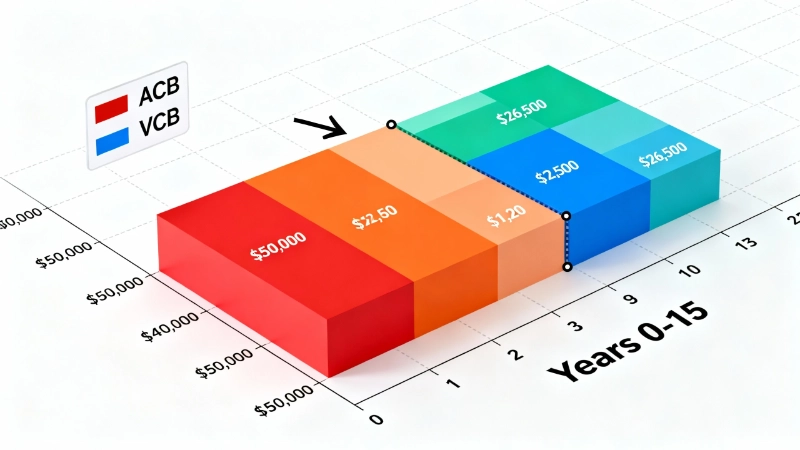
চিত্র 4: 15 বছরের মালিকানার মোট খরচ (টিসিও) বিশ্লেষণ। প্রাথমিক খরচ বেশি হওয়া সত্ত্বেও, নাটকীয়ভাবে কম রক্ষণাবেক্ষণের প্রয়োজনীয়তার কারণে ভিসিবিগুলি 3 বছর পর এসিবি থেকে বেশি সাশ্রয়ী হয়ে ওঠে, যা 15 বছরে 1টিপি4টি23,500 সাশ্রয় করে।.
আপনি যদি 20 বছর ধরে সুইচগিয়ার রাখার পরিকল্পনা করেন (শিল্প সুবিধার জন্য সাধারণ), তাহলে সাশ্রয়ের ব্যবধান বেড়ে দাঁড়ায় 1টিপি4টি35,000+ প্রতি ব্রেকার. । 10টি ব্রেকার সহ একটি সাবস্টেশনের জন্য, সেটি হল জীবনচক্র সাশ্রয়ে 1টিপি4টি350,000.
ইনভয়েসের বাইরে লুকানো খরচ
উপরের টিসিও গণনা শুধুমাত্র প্রত্যক্ষ খরচগুলি ধরে। ভুলবেন না:
ডাউনটাইম ঝুঁকি:
- পরিদর্শনের মধ্যে এসিবি ব্যর্থ হলে অপ্রত্যাশিত বিভ্রাট হতে পারে
- ভিসিবি ব্যর্থতা বিরল (সঠিক ব্যবহারের সাথে MTBF প্রায়শই 30 বছর ছাড়িয়ে যায়)
শ্রম প্রাপ্যতা:
- শিল্প ভিসিবিগুলির দিকে স্থানান্তরিত হওয়ার সাথে সাথে এসিবি রক্ষণাবেক্ষণের জন্য যোগ্য টেকনিশিয়ান খুঁজে পাওয়া কঠিন হয়ে যাচ্ছে
- অর্ধ-বার্ষিক রক্ষণাবেক্ষণের জন্য উৎপাদন বন্ধ রাখা বা সতর্কতার সাথে সময়সূচী তৈরি করা প্রয়োজন
নিরাপত্তা:
- রক্ষণাবেক্ষণের সময় এসিবি আর্ক ফ্ল্যাশ ঘটনা ভিসিবি ঘটনার চেয়ে বেশি সাধারণ (খোলা বাতাসের কন্টাক্ট বনাম সিল করা ইন্টারাপ্টার)
- এসিবি রক্ষণাবেক্ষণের জন্য আর্ক ফ্ল্যাশ পিপিই প্রয়োজনীয়তা আরও কঠোর
পরিবেশগত কারণ:
- ধুলোময়, আর্দ্র বা ক্ষয়কারী পরিবেশে এসিবিগুলির আরও ঘন ঘন রক্ষণাবেক্ষণ প্রয়োজন (অর্ধ-বার্ষিকের পরিবর্তে ত্রৈমাসিক)
- ভিসিবিগুলি প্রভাবিত হয় না—সিল করা ইন্টারাপ্টার বাইরের অবস্থার বিষয়ে চিন্তা করে না
প্রো-টিপ 1টিপি5টি5 (সবচেয়ে গুরুত্বপূর্ণ): শুধুমাত্র প্রাথমিক মূলধন খরচ নয়, প্রত্যাশিত সুইচগিয়ার জীবনকালের (15-25 বছর) উপর মালিকানার মোট খরচ গণনা করুন। মাঝারি-ভোল্টেজের অ্যাপ্লিকেশনগুলির জন্য, ভিসিবি প্রায় সবসময় টিসিও-তে জয়ী হয়। নিম্ন-ভোল্টেজের অ্যাপ্লিকেশনগুলির জন্য যেখানে আপনাকে অবশ্যই একটি এসিবি ব্যবহার করতে হবে, সেখানে রক্ষণাবেক্ষণের জন্য প্রতি বছর প্রতি ব্রেকারে 1টিপি4টি2,000-1টিপি4টি3,000 বাজেট করুন—এবং রক্ষণাবেক্ষণের সময়সূচী পিছিয়ে যেতে দেবেন না। বাদ দেওয়া পরিদর্শনগুলি বিপর্যয়কর ব্যর্থতায় পরিণত হয়।.
প্রায়শই জিজ্ঞাসিত প্রশ্নাবলী: এসিবি বনাম ভিসিবি
প্রশ্ন: আমি কি 1,000V-এর উপরে একটি এসিবি ব্যবহার করতে পারি যদি আমি এটিকে ডিরেট করি বা বাহ্যিক আর্ক সাপ্রেশন যোগ করি?
উত্তর: না। এসিবিগুলির জন্য 1,000V সীমা কোনও তাপীয় বা বৈদ্যুতিক চাপের সমস্যা নয় যা ডিরেটিং সমাধান করতে পারে—এটি একটি মৌলিক আর্ক পদার্থবিদ্যার সীমাবদ্ধতা। 1kV-এর উপরে, বায়ুমণ্ডলীয় বাতাস নির্ভরযোগ্যভাবে নিরাপদ সময়সীমার মধ্যে একটি আর্ককে নিভাতে পারে না, আপনি ব্রেকারটিকে যেভাবে কনফিগার করুন না কেন। IEC 60947-2 স্পষ্টভাবে ACBs-কে ≤1,000V AC-এর মধ্যে সীমাবদ্ধ করে, এবং সেই সীমার বাইরে কাজ করা স্ট্যান্ডার্ড লঙ্ঘন করে এবং আর্ক ফ্ল্যাশের বিপদ তৈরি করে। যদি আপনার সিস্টেম 1kV-এর উপরে হয়, তাহলে আপনাকে আইনগতভাবে এবং নিরাপদে একটি মাঝারি-ভোল্টেজ ব্রেকার (IEC 62271-100 অনুযায়ী VCB বা SF6 ব্রেকার) ব্যবহার করতে হবে।.
প্রশ্ন: কিছু ভুল হলে এসিবিগুলির চেয়ে ভিসিবি মেরামত করা কি বেশি ব্যয়বহুল?
উত্তর: হ্যাঁ, তবে ভিসিবিগুলি অনেক কম ঘন ঘন ব্যর্থ হয়। যখন একটি ভিসিবি ভ্যাকুয়াম ইন্টারাপ্টার ব্যর্থ হয় (বিরল), তখন সাধারণত 1টিপি4টি6,000-1টিপি4টি10,000-এ পুরো সিল করা ইউনিটটির কারখানায় প্রতিস্থাপন প্রয়োজন হয়। এসিবি কন্টাক্ট এবং আর্ক চুটগুলি 1টিপি4টি2,500-1টিপি4টি4,000-এর জন্য ফিল্ডে সার্ভিস করা যেতে পারে, তবে আপনি ভিসিবির জীবনকালে 3-4 বার সেগুলি প্রতিস্থাপন করবেন। গণিত এখনও ভিসিবিগুলির পক্ষে: 25 বছরে একটি ভিসিবি ইন্টারাপ্টার প্রতিস্থাপন বনাম 15 বছরে তিনটি এসিবি কন্টাক্ট প্রতিস্থাপন, সাথে চলমান রক্ষণাবেক্ষণ ট্যাক্স প্রতি ছয় মাসে।.
প্রশ্ন: ঘন ঘন স্যুইচিংয়ের জন্য কোন ব্রেকার প্রকারটি ভাল (ক্যাপাসিটর ব্যাংক, মোটর শুরু করা)?
উত্তর: একটি বিশাল ব্যবধানে ভিসিবি। ভ্যাকুয়াম সার্কিট ব্রেকারগুলি বড় ধরনের সংস্কারের আগে 30,000 থেকে 100,000+ যান্ত্রিক অপারেশনের জন্য রেট করা হয়। এসিবিগুলি সাধারণত 10,000 থেকে 15,000 অপারেশনের জন্য রেট করা হয়। ঘন ঘন স্যুইচিং জড়িত অ্যাপ্লিকেশনগুলির জন্য—যেমন ক্যাপাসিটর ব্যাংক স্যুইচিং, ব্যাচ প্রক্রিয়াতে মোটর শুরু/বন্ধ করা বা লোড ট্রান্সফার স্কিম—ভিসিবিগুলি অপারেশনের গণনায় এসিবিগুলিকে 3:1 থেকে 10:1 পর্যন্ত ছাড়িয়ে যাবে। উপরন্তু, ভিসিবিগুলির দ্রুত আর্ক নির্বাপণ (এক চক্র) প্রতিটি স্যুইচিং ইভেন্টের সময় ডাউনস্ট্রিম সরঞ্জামের উপর চাপ কমিয়ে দেয়।.
প্রশ্ন: প্রাথমিক খরচ ছাড়াও এসিবিগুলির তুলনায় ভিসিবিগুলির কোনও অসুবিধা আছে কি?
উত্তর: তিনটি ছোট বিবেচনা: (1) অতিরিক্ত ভোল্টেজের ঝুঁকি ক্যাপাসিটিভ বা ইন্ডাক্টিভ লোড স্যুইচ করার সময়—VCB-এর দ্রুত আর্ক নির্বাপণ ক্ষণস্থায়ী অতিরিক্ত ভোল্টেজ তৈরি করতে পারে যার জন্য সংবেদনশীল লোডের জন্য surge arrester বা RC snubber-এর প্রয়োজন হতে পারে। (২) মেরামতের জটিলতা—যদি একটি ভ্যাকুয়াম ইন্টারাপ্টার ব্যর্থ হয়, তবে আপনি এটিকে ফিল্ডে ঠিক করতে পারবেন না; পুরো ইউনিটটি প্রতিস্থাপন করতে হবে। (৩) শ্রবণযোগ্য গুঞ্জন—কিছু VCB ডিজাইন অপারেটিং মেকানিজম থেকে কম ফ্রিকোয়েন্সির গুঞ্জন তৈরি করে, যদিও এটি ACB আর্ক বিস্ফোরণের চেয়ে অনেক শান্ত। ৯৯১TP3T অ্যাপ্লিকেশনের জন্য, এই অসুবিধাগুলি সুবিধার তুলনায় নগণ্য (অনুচ্ছেদ দেখুন)। সিলড-ফর-লাইফ সুবিধা ধারা)।.
প্রশ্ন: আমি কি বিদ্যমান ACB সুইচগিয়ার প্যানেলে একটি VCB রেট্রোফিট করতে পারি?
উত্তর: কখনও কখনও, কিন্তু সবসময় নয়। VCBs ACBs থেকে বেশি কম্প্যাক্ট, তাই শারীরিক স্থান খুব কমই একটি সমস্যা। চ্যালেঞ্জগুলো হল: (১) মাউন্টিং ডাইমেনশন—ACB এবং VCB মাউন্টিং হোলের প্যাটার্ন ভিন্ন; আপনার অ্যাডাপ্টার প্লেটের প্রয়োজন হতে পারে। (২) গরম কনফিগারেশন—VCB টার্মিনালগুলি সংশোধন ছাড়াই বিদ্যমান ACB বাসবারের সাথে নাও মিলতে পারে। (৩) কন্ট্রোল ভোল্টেজ—VCB অপারেটিং মেকানিজমের জন্য বিভিন্ন কন্ট্রোল পাওয়ার প্রয়োজন হতে পারে (যেমন, 110V DC বনাম 220V AC)। (৪) সুরক্ষা সমন্বয়—ব্রেকার প্রকার পরিবর্তন করলে শর্ট-সার্কিট ক্লিয়ারিং টাইম এবং সমন্বয় কার্ভ পরিবর্তন হতে পারে। রেট্রোফিটিং করার আগে সর্বদা সুইচগিয়ার প্রস্তুতকারক বা একজন যোগ্যতাসম্পন্ন ইলেকট্রিক্যাল ইঞ্জিনিয়ারের সাথে পরামর্শ করুন। নতুন ইনস্টলেশনগুলিতে শুরু থেকেই মাঝারি-ভোল্টেজের জন্য VCBs এবং নিম্ন-ভোল্টেজের জন্য ACBs (বা MCCBs) নির্দিষ্ট করা উচিত। এমসিসিবি) শুরু থেকেই নির্দিষ্ট করা উচিত।.
প্রশ্ন: নির্মাতারা কেন মাঝারি ভোল্টেজের (11kV, 33kV) জন্য ACB তৈরি করেন না?
উত্তর: তারা চেষ্টা করেছিল। বিংশ শতাব্দীর মাঝামাঝি সময়ে মাঝারি-ভোল্টেজের ACB ছিল, কিন্তু সেগুলি বিশাল ছিল—কয়েক মিটার লম্বা আর্ক চুট সহ রুম আকারের ব্রেকার। বাতাসের তুলনামূলকভাবে কম ডাইলেক্ট্রিক শক্তি (~3 kV/mm) মানে একটি 33kV ব্রেকারের জন্য কয়েক মিলিমিটার নয়, মিটারে পরিমাপ করা কন্টাক্ট গ্যাপ এবং আর্ক চুটের প্রয়োজন ছিল। আকার, ওজন, রক্ষণাবেক্ষণের বোঝা এবং আগুনের ঝুঁকি তাদের অবাস্তব করে তুলেছিল। 1960-1970-এর দশকে ভ্যাকুয়াম ইন্টারাপ্টার প্রযুক্তি পরিপক্ক হওয়ার পরে, মাঝারি-ভোল্টেজের ACBগুলি বাতিল হয়ে যায়। আজ, ভ্যাকুয়াম এবং SF6 ব্রেকারগুলি মাঝারি-ভোল্টেজ বাজারে আধিপত্য বিস্তার করে কারণ পদার্থবিদ্যা এবং অর্থনীতি উভয়ই 1kV-এর উপরে সিল করা ইন্টারাপ্টার ডিজাইনকে সমর্থন করে। এটি কোনো পণ্যের সিদ্ধান্ত নয়—এটি একটি প্রকৌশলগত বাস্তবতা। ভোল্টেজ সিলিং এটি কোনো পণ্যের সিদ্ধান্ত নয়—এটি একটি প্রকৌশলগত বাস্তবতা।.
উপসংহার: প্রথমে ভোল্টেজ, তারপর অন্য সবকিছু অনুসরণ করে
উদ্বোধনী থেকে সেই দুটি ডেটাশিটের কথা মনে আছে? উভয়টিতেই 690V পর্যন্ত ভোল্টেজ রেটিং তালিকাভুক্ত করা হয়েছে। উভয়ই শক্তিশালী ব্রেকিং ক্ষমতার দাবি করেছে। কিন্তু এখন আপনি জানেন: ভোল্টেজ কেবল একটি সংখ্যা নয়—এটি ব্রেকার প্রযুক্তির মধ্যে বিভাজন রেখা।.
এখানে তিনটি অংশে সিদ্ধান্ত নেওয়ার কাঠামো দেওয়া হল:
1. ভোল্টেজ ব্রেকারের ধরন নির্ধারণ করে (ভোল্টেজ সিলিং)
- সিস্টেম ভোল্টেজ ≤1,000V AC → এয়ার সার্কিট ব্রেকার (ACB) IEC 60947-2:2024 দ্বারা নিয়ন্ত্রিত
- সিস্টেম ভোল্টেজ >1,000V AC → ভ্যাকুয়াম সার্কিট ব্রেকার (VCB) IEC 62271-100:2021+A1:2024 দ্বারা নিয়ন্ত্রিত
- এটি আলোচনার যোগ্য নয়। পদার্থবিদ্যা সীমানা নির্ধারণ করে; মান এটিকে আনুষ্ঠানিক করেছে।.
2. মান বিভাজনকে আনুষ্ঠানিক করে (স্ট্যান্ডার্ড স্প্লিট)
- IEC বাজারের বিভাজনের জন্য দুটি পৃথক মান তৈরি করেনি—তারা সেই বাস্তবতাকে বিধিবদ্ধ করেছে যে বায়ু-ভিত্তিক আর্ক ইন্টারাপশন 1kV-এর উপরে ব্যর্থ হয়
- আপনার সিস্টেম ভোল্টেজ আপনাকে বলে যে কোন স্ট্যান্ডার্ড প্রযোজ্য, যা আপনাকে কোন ব্রেকার প্রযুক্তি নির্দিষ্ট করতে হবে তা বলে
- ব্রেকারের IEC কমপ্লায়েন্স মার্কিং পরীক্ষা করুন: 60947-2 = নিম্ন ভোল্টেজ, 62271-100 = মাঝারি ভোল্টেজ
3. রক্ষণাবেক্ষণ জীবনচক্র অর্থনীতি নির্ধারণ করে (রক্ষণাবেক্ষণ ট্যাক্স)
- ACBs-এর অগ্রিম খরচ কম কিন্তু বছরে $2,000-$3,000/বছর সেমি-বার্ষিক পরিদর্শন এবং কন্টাক্ট প্রতিস্থাপনে খরচ হয়
- VCBs-এর প্রাথমিক খরচ বেশি কিন্তু প্রতি 3-5 বছরে একবার পরিদর্শনের প্রয়োজন হয়, 20-30 বছর কন্টাক্টের জীবনকাল থাকে
- TCO ক্রসওভার প্রায় 3 বছরে ঘটে; 15 বছর নাগাদ, VCBs প্রতি ব্রেকারে $20,000-$25,000 সাশ্রয় করে
- মাঝারি-ভোল্টেজের অ্যাপ্লিকেশনগুলির জন্য (যেখানে আপনাকে VCB ব্যবহার করতে হবে), খরচ সুবিধা একটি বোনাস
- নিম্ন-ভোল্টেজের অ্যাপ্লিকেশনগুলির জন্য (যেখানে ACBs উপযুক্ত), রক্ষণাবেক্ষণ ট্যাক্সের জন্য বাজেট করুন রক্ষণাবেক্ষণ ট্যাক্স এবং পরিদর্শনের সময়সূচী মেনে চলুন
ডেটাশিটে ওভারল্যাপিং ভোল্টেজ রেটিং দেখাতে পারে। বিপণন ব্রোশিওর ইঙ্গিত দিতে পারে যে সেগুলি বিনিময়যোগ্য। কিন্তু পদার্থবিদ্যা আলোচনা করে না, এবং আপনারও করা উচিত নয়।.
আপনার সিস্টেম ভোল্টেজের উপর ভিত্তি করে চয়ন করুন।. অন্য সবকিছু—কারেন্ট রেটিং, ব্রেকিং ক্ষমতা, রক্ষণাবেক্ষণের ব্যবধান, পদচিহ্ন—একবার আপনি সেই প্রথম পছন্দটি সঠিকভাবে করলে সব ঠিক হয়ে যায়।.
সঠিক সার্কিট ব্রেকার নির্বাচন করতে সাহায্য প্রয়োজন?
VIOX-এর অ্যাপ্লিকেশন ইঞ্জিনিয়ারিং টিমের শিল্প, বাণিজ্যিক এবং ইউটিলিটি অ্যাপ্লিকেশনগুলির জন্য ACB এবং VCBs নির্দিষ্ট করার কয়েক দশকের অভিজ্ঞতা রয়েছে। আপনি একটি নতুন 400V MCC ডিজাইন করছেন, একটি 11kV সাবস্টেশন আপগ্রেড করছেন বা ঘন ঘন ব্রেকার ব্যর্থতার সমস্যা সমাধান করছেন না কেন, আমরা আপনার সিস্টেমের প্রয়োজনীয়তা পর্যালোচনা করব এবং কর্মক্ষমতা, নিরাপত্তা এবং জীবনচক্র খরচের ভারসাম্য বজায় রাখে এমন IEC-সম্মত সমাধানগুলির সুপারিশ করব।.
VIOX-এর সাথে যোগাযোগ করুন আজই :
- সার্কিট ব্রেকার নির্বাচন এবং সাইজিং গণনা
- শর্ট-সার্কিট সমন্বয় অধ্যয়ন
- সুইচগিয়ার রেট্রোফিট সম্ভাব্যতা মূল্যায়ন
- রক্ষণাবেক্ষণ অপ্টিমাইজেশন এবং TCO বিশ্লেষণ
কারণ ব্রেকারের ধরন ভুল করা শুধু ব্যয়বহুল নয়—এটি বিপজ্জনক।.