Blog

Danh mục blog của bạn

10 Differences between Nylon and Nickel-plated brass Cable Glands

10 Điểm khác biệt giữa Ốc xiết cáp bằng đồng thau mạ Niken và Nylon

Cable glands play a crucial role in securing and protecting electrical connections, with nylon and nickel-plated brass options offering distinct advantages for different applications. As reported by industry sources, nickel-plated brass cable glands are favored for their superior durability, corrosion resistance, and performance in harsh environments compared to their nylon counterparts. 1. Material Nickel-plated brass […]

10 Điểm khác biệt giữa Ốc xiết cáp bằng đồng thau mạ Niken và Nylon Đọc thêm »
8 Differences: Aluminum vs. Steel DIN Rails

8 Điểm khác biệt: Thanh ray DIN bằng nhôm so với thép

DIN rails, widely used for mounting industrial control equipment, come in both aluminum and steel variants, each offering distinct advantages and trade-offs in terms of strength, weight, corrosion resistance, and cost-effectiveness for different applications. 1. Weight Aluminum DIN rails offer a significant weight advantage over their steel counterparts, typically weighing about 2.5 times less. This

8 Điểm khác biệt: Thanh ray DIN bằng nhôm so với thép Đọc thêm »

10 Differences Between Copper and Aluminum Busbars

10 Điểm Khác Biệt Giữa Thanh Đồng Và Thanh Nhôm

Copper and aluminum busbars, essential components in electrical distribution systems, offer distinct advantages and trade-offs in terms of conductivity, cost, and physical properties, making the choice between them dependent on specific application requirements and project constraints. Copper Copper stands out as an exceptional material for busbars due to its superior electrical and thermal properties. With

10 Điểm Khác Biệt Giữa Thanh Đồng Và Thanh Nhôm Đọc thêm »

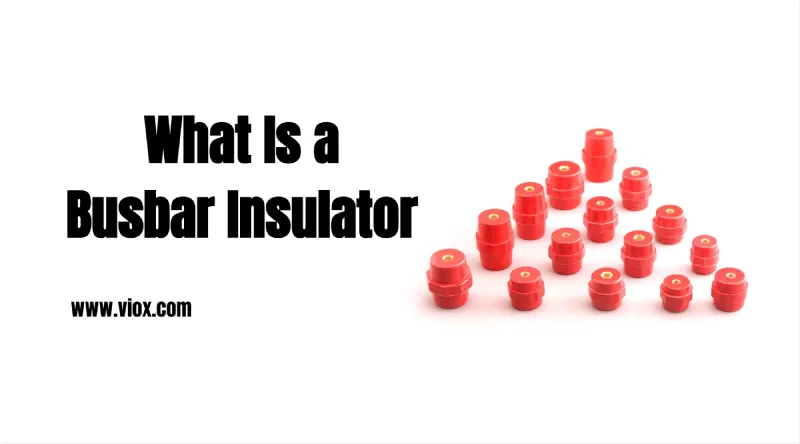
What Is a Busbar Insulator

Sứ đỡ thanh cái là gì? Chức năng, phân loại, vật liệu và cách lựa chọn

What Is a Busbar Insulator and Why Does It Matter? A busbar insulator is a non-conductive support component that holds copper or aluminum busbars in position while electrically isolating them from grounded enclosures, mounting plates, and adjacent phases. It maintains creepage and clearance distance, supports mechanical load, and helps prevent flashover, phase-to-phase faults, and busbar

Sứ đỡ thanh cái là gì? Chức năng, phân loại, vật liệu và cách lựa chọn Đọc thêm »

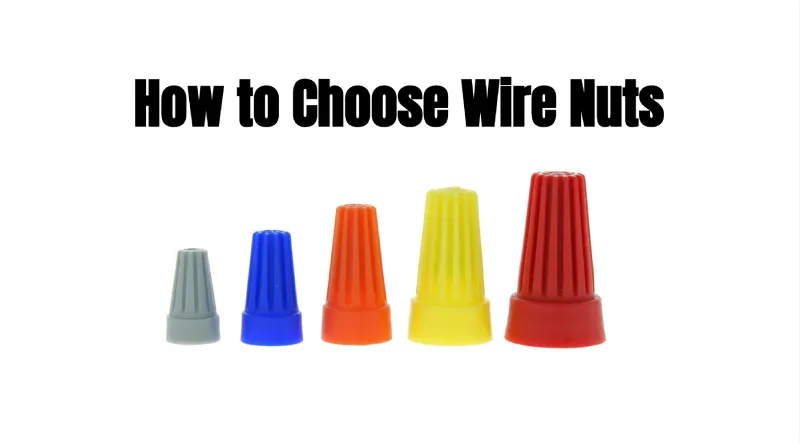
How to Choose Wire Nuts

Cách chọn đai ốc dây

Wire nuts also called screw on wire connector are crucial for ensuring safe and dependable electrical connections. Their proper selection depends on key factors such as wire size, voltage requirements, and environmental conditions. To choose the correct wire nut, it is important to ensure it completely covers all exposed copper wiring, leaving no bare wire

Cách chọn đai ốc dây Đọc thêm »

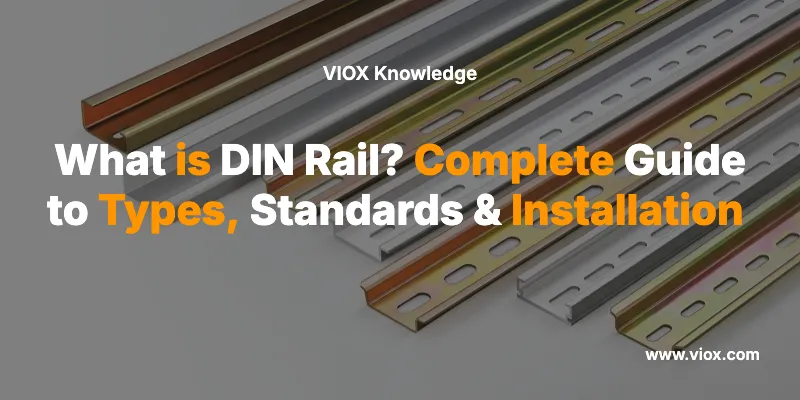
What is DIN Rail? Complete Guide to Types, Standards & Installation

Ray DIN là gì? Hướng dẫn đầy đủ về các loại, tiêu chuẩn và lắp đặt (2026)

Key Takeaways Global Standard: DIN rail is the universal industry standard (IEC 60715) for mounting electrical components in control panels, ensuring cross-brand compatibility. Primary Types: The most common profile is the TS35 (Top Hat) rail, followed by TS15 (Miniature) and TS32 (G-Section) for specific applications. Material Matters: Standard rails are zinc-plated steel for strength, while

Ray DIN là gì? Hướng dẫn đầy đủ về các loại, tiêu chuẩn và lắp đặt (2026) Đọc thêm »

Hộp nối điện có đầu cuối

Junction boxes with terminals are essential electrical enclosures designed to safely connect and protect wiring connections, featuring various configurations of terminals, protection ratings, and material options to suit different applications and installation requirements. Terminal Configurations Explained Terminal configurations in junction boxes play a crucial role in connecting and distributing electrical circuits. Typically, these boxes feature

Hộp nối điện có đầu cuối Đọc thêm »

Yêu cầu báo giá ngay