
Doğrudan Cevap: Toz Kontaminasyonunun Kritik Etkisi
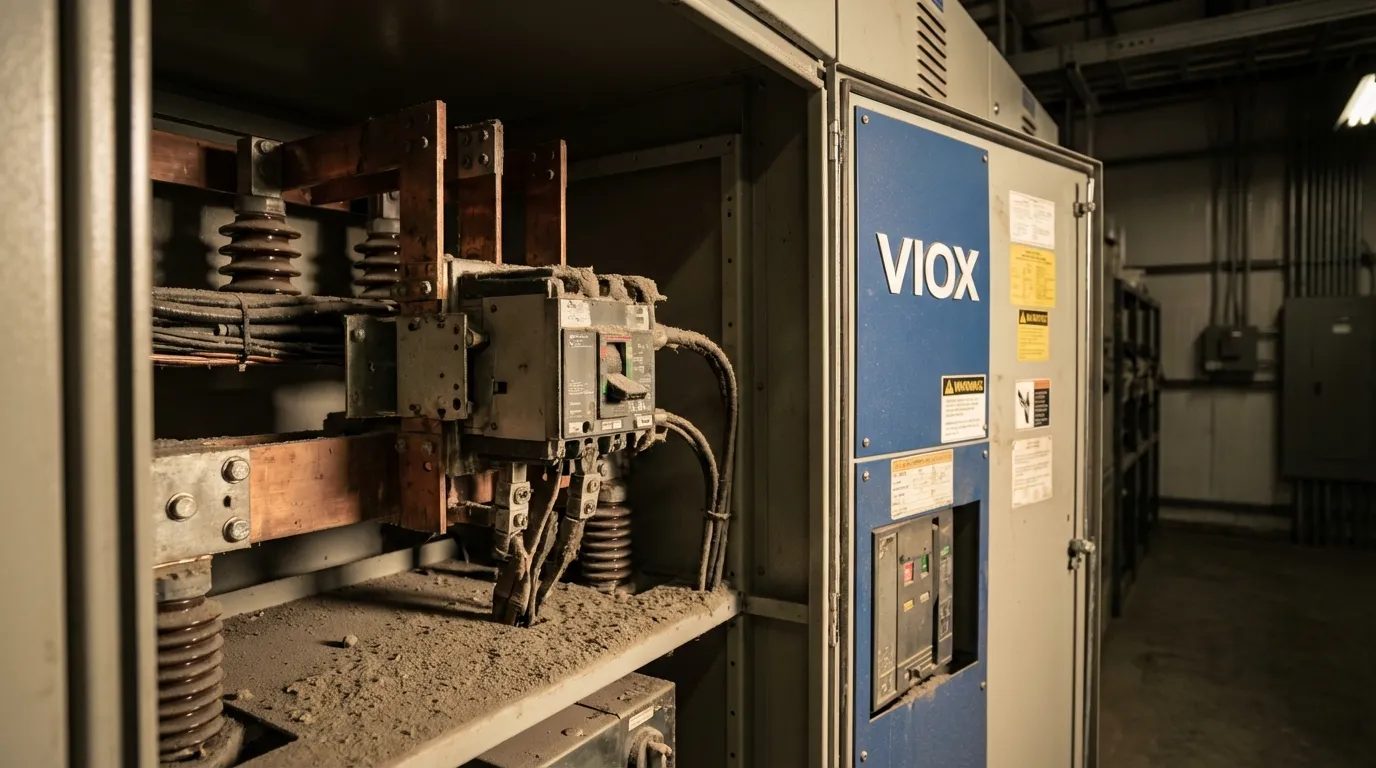
Şalt cihazlarındaki toz birikimi, elektrik sistemi güvenilirliğini tehlikeye atan beş kritik arıza yoluna neden olur: kısa devrelere ve ark parlaması olaylarına neden olan iletken köprüler oluşturur, aşırı ısınmaya ve bileşen bozulmasına yol açan termal yalıtım görevi görür, nemle birleştiğinde korozyonu hızlandırır, koruyucu röle doğruluğunu bozar ve yalıtkanlar üzerinde kısmi deşarja yol açan izleme yolları oluşturur. Çalışmalar, elektrik trafo merkezlerindeki arızaların 'inin çevresel kirlenmeyle ilgili olduğunu ve tozun başlıca etken olduğunu göstermektedir. 50-100 mikron boyutundaki görünüşte zararsız toz parçacıkları bile, bileşen aralığının kompakt tasarımlara uyum sağlamak için küçüldüğü modern şalt cihazlarında feci arızalara neden olabilir.
Önemli Çıkarımlar
- Toz kirliliği 5 ana arıza moduna neden olur: kısa devreler, termal aşırı yük, korozyon hızlanması, röle arızası ve yalıtım arızası
- IP dereceleri önemlidir: IP54 veya daha yüksek korumaya sahip şalt cihazları, tozla ilgili arızaları önemli ölçüde azaltır
- Bakım aralıkları kritiktir: Tozlu ortamlardaki tesisler, temiz ortamlardaki yıllık kontrollere kıyasla üç ayda bir denetim gerektirir
- Maliyet etkisi önemlidir: Tozla ilgili arızalar, önleyici bakım programlarından 3-5 kat daha pahalıya mal olur
- Modern ekipman daha savunmasızdır: Kompakt şalt cihazlarındaki daha sıkı bileşen aralığı, partikül kirliliğine duyarlılığı artırır
Tozu Elektriksel Bir Tehdit Olarak Anlamak
Tozu Şalt Cihazlarında Tehlikeli Yapan Nedir?
Toz parçacıkları elektriksel olarak nötr değildir. Bileşimlerine (metal talaşları, karbon, mineral tozu veya organik madde) bağlı olarak, değişen iletkenlik seviyeleri sergilerler. Toz, elektrikli bileşenler üzerinde biriktiğinde, geleneksel devre korumasının önleyemeyeceği birden fazla tehlike senaryosu oluşturur.
Parçacık boyutu önemli ölçüde önemlidir. İnce toz parçacıkları (100 mikronun altında), şalt cihazı bölmelerine daha derinlemesine nüfuz eder ve baralar, kontaklar ve yalıtım bariyerleri gibi kritik yüzeylere yerleşir. Gözle muayenede görünmeyen bu mikroskobik parçacıklar, aylar içinde birikerek arıza koşulları oluşturur. Elektrikli bileşenlerin yapısını anlamak tozun neden bu kadar kalıcı bir tehdit oluşturduğunu açıklamaya yardımcı olur.
Beş Arıza Mekanizması
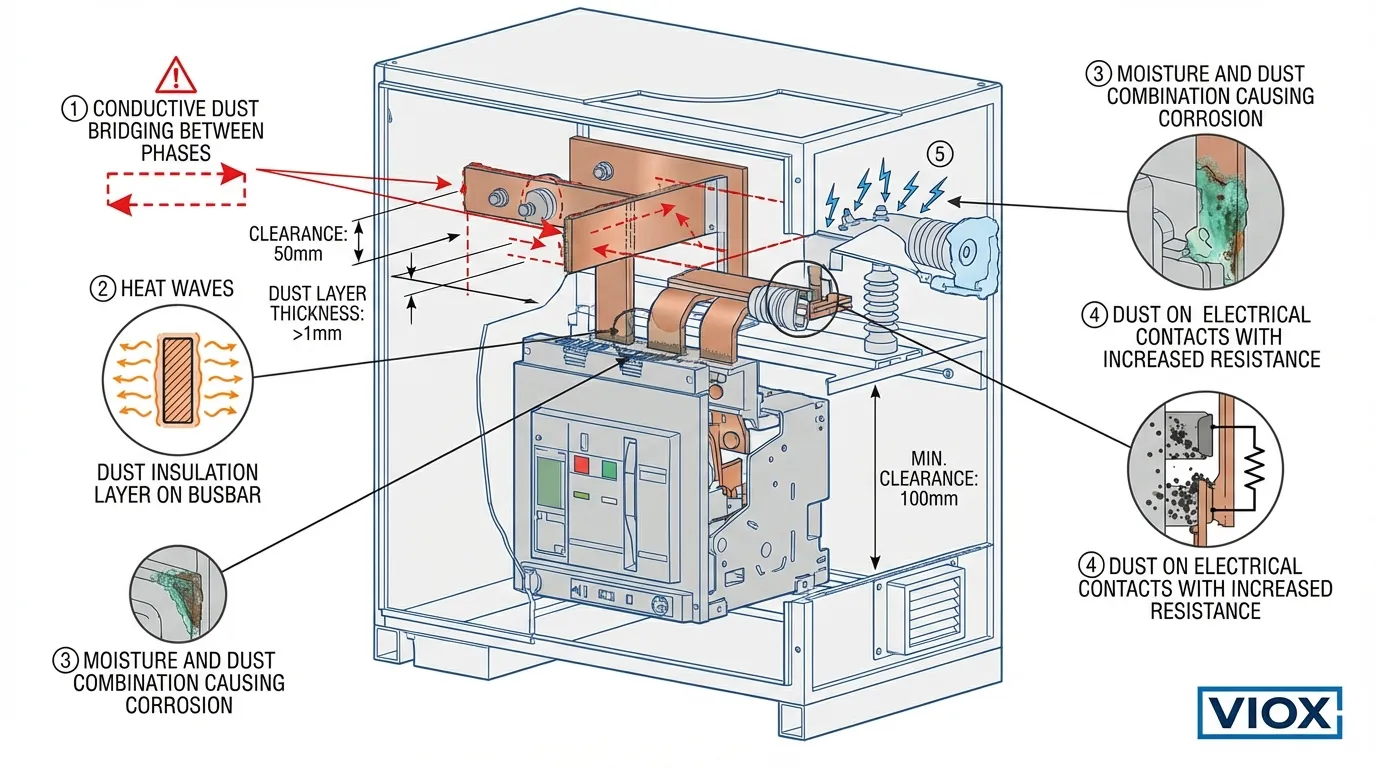
1. İletken Köprüleme ve Kısa Devreler
Metal açısından zengin toz veya karbon parçacıkları, fazlar arasında veya enerjili parçalar ile toprak arasında iletken yollar oluşturur. Kompakt tasarımlara sahip modern şalt cihazlarında, iletkenler arasındaki açıklık, geçmişteki 50 mm'lik aralıktan bazı uygulamalarda 20 mm'ye kadar düşmüştür. Bu azalma, ekipmanı toz köprülemesine katlanarak daha duyarlı hale getirir.
İletken toz biriktiğinde, iletkenler arasındaki etkili hava boşluğunu kademeli olarak azaltır. Normal çalışma voltajı altında, kısmi deşarj başlar, tozu karbonize eder ve giderek daha iletken yollar oluşturur. Sonunda, genellikle ekipmanı yok edebilecek ve personeli tehlikeye atabilecek ark parlaması olaylarına neden olan tam bir kısa devre meydana gelir.
2. Termal Yalıtım ve Aşırı Isınma
İletken olmayan toz, ısı yayan yüzeyleri kaplayarak ve ısıyı bileşenlerin içinde hapsederek termal yalıtım görevi görür. Devre kesiciler, kontaktörler, ve baralar normal çalışma sırasında ısı üretir. Üreticiler, yeterli hava sirkülasyonu ve ısı dağılımı varsayarak bu bileşenleri belirli termal profillerle tasarlar.
2 mm'lik bir toz tabakası, ısı dağılımı verimliliğini -60 oranında azaltabilir ve bileşenlerin nominal sıcaklıklarının üzerinde çalışmasına neden olabilir. Bu hızlandırılmış termal yaşlanma, bileşen ömrünü beklenen 20-30 yıldan 5-10 yıla kadar kısaltır. Sıcaklık artışı ayrıca termal koruma cihazlarının kalibrasyonunu da etkiler ve potansiyel olarak rahatsız edici açmalara veya daha kötüsü, gerçek aşırı yük koşullarında açma arızasına neden olur.
3. Nem Emilimi ve Korozyon
Toz higroskopiktir - havadaki nemi emer ve tutar. Nem dalgalanmalarının olduğu ortamlarda, toz katmanları nem rezervuarları görevi görerek, ortam koşulları iyileştiğinde bile yüksek yerel nemi korur. Bu, bakır ve alüminyum iletkenlerin, gümüş kaplı kontakların ve çelik muhafaza bileşenlerinin elektrokimyasal korozyonu için ideal koşullar yaratır.
Nem ve toz kombinasyonu zayıf bir elektrolit oluşturur. Voltaj mevcut olduğunda, özellikle farklı metallerin buluştuğu bağlantı noktalarında galvanik korozyon hızlanır. Korozyon direnci derecelerini anlamak zorlu ortamlarda şalt cihazı belirtmek için gereklidir.
4. Kontak Direnci ve Ark Oluşumu
Elektrik kontaklarındaki toz kirliliği, kontak direncini artırır ve bu da bağlantı noktalarında ek ısı üretir. Bu lokalize ısınma, kontak yüzeyini daha da bozar ve ilerleyici bir arıza döngüsü oluşturur. İçinde kontaktörler ve devre kesiciler, artan kontak direnci hem akım taşıma kapasitesini hem de kesme performansını etkiler.
Yüksek dirençli kontaklar ayrıca anahtarlama işlemleri sırasında ark oluşumuna neden olur. Aşırı ark oluşumu kontak yüzeylerini aşındırır, karbon biriktirir ve sonunda kontak kaynağına veya tamamen arızaya yol açar. Motor kontrol uygulamalarında, bu acil durumlarda motorların bağlantısını kesme yetersizliğine neden olabilir.
5. Yalıtım İzleme ve Kısmi Deşarj
Toz, yalıtım yüzeylerinde biriktiğinde, iletken veya yarı iletken bir katman oluşturur. Voltaj stresi altında, özellikle yüksek nem koşullarında, yüzey izlemesi meydana gelir - karbonize yolların yalıtkan yüzeyinde oluştuğu ilerleyici bir bozulma. Bu fenomen özellikle orta gerilim şalt cihazı voltaj stresinin önemli olduğu yerlerde.
Kısmi deşarj aktivitesi yalıtım yaşlanmasını hızlandırır. Araştırmalar, elektrik trafo merkezlerindeki arızaların 'inin kısmi deşarjla ilgili olduğunu ve toz ve nemin başlıca etkenler olduğunu göstermektedir. Deşarj aktivitesi ozon, nitrik asit ve ısı üretir ve bu da kademeli bir arıza sürecinde yalıtım malzemelerini daha da bozar.
Toz Etkisi Karşılaştırma Tablosu
| Arıza Mekanizması | Arızaya Kadar Geçen Süre | Uyarı İşaretleri | Tipik Onarım Maliyeti | Önleme Yöntemi |
|---|---|---|---|---|
| İletken Köprüleme | 6-18 ay | Artan toprak arızası alarmları, görünür ark oluşumu | $15,000-$50,000 | IP54+ muhafazalar, üç ayda bir temizlik |
| Termik Aşırı Yük | 12-36 ay | Kızılötesi sıcak noktalar, renk değişikliği, yalıtım kokusu | $8,000-$25,000 | Termal görüntüleme, havalandırma filtreleri |
| Korozyon | 18-48 ay | Yeşil/beyaz tortular, bağlantı gevşemesi | $5,000-$20,000 | Nem alma, sızdırmaz muhafazalar |
| İletişim Bozulması | 12-24 ay | Titreme, bobin yanması, zor çalışma | $3,000-$15,000 | Kontak temizliği, uygun yağlama |
| Yalıtım İzleme | 24-60 ay | Kısmi deşarj tespiti, geceleri görülebilen korona | $20,000-$100,000+ | Düzenli temizlik, kısmi deşarj izleme |
Çevresel Faktörler ve Toz Birikim Oranları
Endüstriye Özgü Toz Zorlukları
Farklı endüstriler, değişen toz kirliliği profilleriyle karşı karşıyadır:
İmalat ve Metal İşleme: Taşlama, kesme ve işleme operasyonlarından kaynaklanan metal tozu oldukça iletkendir. CNC makineleri, kaynak operasyonları veya metal fabrikasyonu olan tesisler, havalandırma sistemlerinden geçen ve elektrik odalarına yerleşen ince metalik parçacıklar üretir.
Madencilik ve Çimento: Yüksek silika içeriğine sahip mineral tozu aşındırıcı ve higroskopiktir. Bu tesisler, genellikle standart üç aylık program yerine aylık bakım aralıkları gerektiren en yüksek toz birikim oranlarından bazılarını yaşar.
Gıda İşleme: Yüksek nem ile birleşen organik toz, özellikle agresif koşullar yaratır. Un, şeker ve tahıl tozu nemli olduğunda iletken hale gelebilir ve ayrıca ek kirlilik yaratan zararlıları çeker.
Veri Merkezleri ve Temiz Odalar: Kontrollü ortamlarda bile, dış hava girişinden, inşaat faaliyetlerinden veya ekipman aşınmasından kaynaklanan toz zamanla birikir. Bu tesislerdeki yüksek çalışma süresi değeri, tozla ilgili kesintileri özellikle maliyetli hale getirir.
İklim ve Mevsimsel Değişiklikler
Coğrafi konum, toz birikim modellerini önemli ölçüde etkiler. Kurak bölgelerdeki tesisler daha yüksek havadan kaynaklanan toz konsantrasyonlarıyla karşı karşıyayken, kıyı tesisleri korozyonu hızlandıran tuz yüklü tozla uğraşır. Mevsimsel değişiklikler de önemlidir—bahar poleni, sonbahar tarım tozu ve kış ısıtma sistemi partikülleri kirlilik döngülerine katkıda bulunur.
IP Derecelendirme Koruma Seviyeleri
Anlamak IP derecelendirmeleri uygun şalt cihazı korumasını belirtmek için gereklidir. IEC 60529 standardı, iki basamaklı bir kod kullanarak giriş koruma seviyelerini tanımlar.
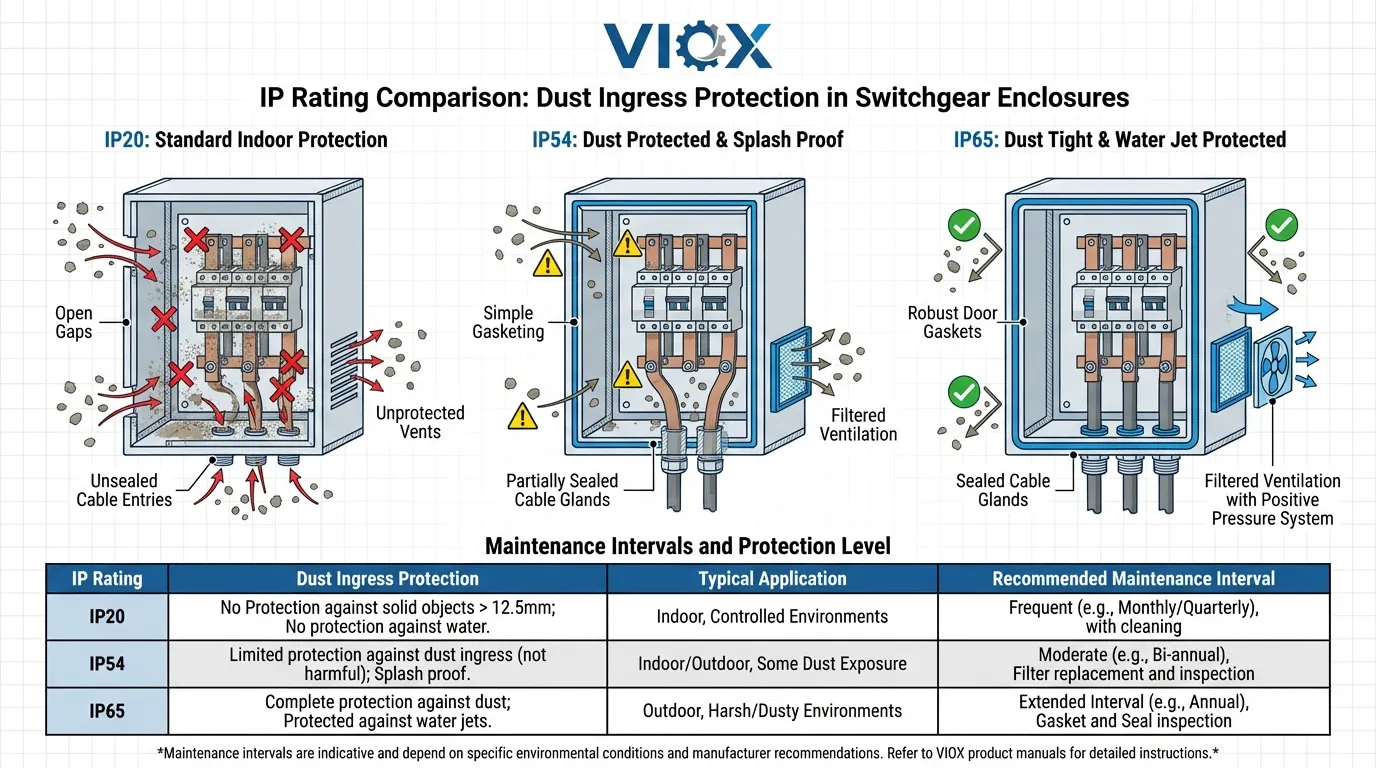
Şalt Cihazı Uygulamaları için IP Derecelendirme Karşılaştırması
| IP Derecesi | Toz Koruması | Nem Koruması | Typical Application | Bakım Aralığı |
|---|---|---|---|---|
| IP20 | Yalnızca parmaklara/büyük nesnelere karşı korumalı | Hiçbir koruma yok | Yalnızca iç mekan, temiz ortamlar | Aylık inceleme |
| IP31 | >2,5 mm'den büyük nesnelere karşı korumalı | Damlayan suya karşı korumalı | Standart iç mekan şalt cihazı | Üç ayda bir temizlik |
| IP41 | >1 mm'den büyük nesnelere karşı korumalı | Sıçrayan suya karşı korumalı | Hafif sanayi | Üç ayda bir temizlik |
| IP54 | Toza karşı korumalı (sınırlı giriş) | Su spreyine karşı korumalı | Endüstriyel ortamlar | Yarı yıllık temizlik |
| IP65 | Toz geçirmez (giriş yok) | Su jetlerine karşı korumalı | Zorlu endüstriyel, dış mekan | Yıllık temizlik |
| IP66 | Toz geçirmez | Güçlü su jetlerine karşı korumalı | Deniz, açık deniz, aşırı ortamlar | Yıllık temizlik |
Çoğu endüstriyel uygulama için, IP54, kabul edilebilir minimum koruma seviyesini temsil eder. Bu derecelendirme, toz girişinin ekipman çalışmasını engellemeyen miktarlarla sınırlı olmasını sağlar. Elektrik muhafazası malzeme seçimi hem IP derecelendirme gereksinimlerini hem de çevresel korozyon faktörlerini dikkate almalıdır.
Önleyici Bakım Stratejileri
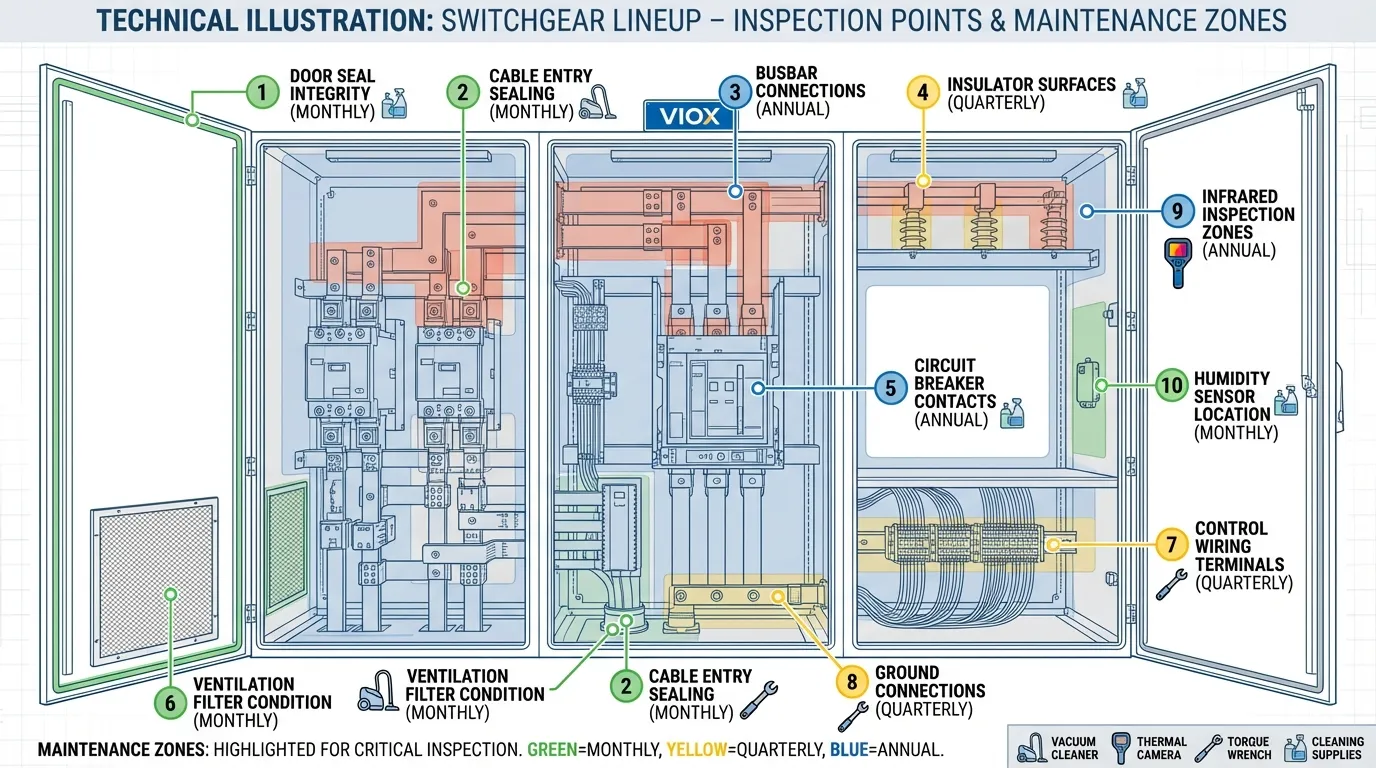
İnceleme ve Temizlik Protokolleri
Etkili toz yönetimi, çevresel koşullara göre uyarlanmış sistematik inceleme ve temizlik programları gerektirir. Bir elektrik bakım programı oluşturmak bu toza özgü unsurları içermelidir:
Görsel Denetim (Tozlu ortamlarda aylık):
- Muhafaza yüzeylerinde görünür toz birikimi olup olmadığını kontrol edin
- Kapı contalarını ve contalarını bütünlük açısından inceleyin
- Kablo girişlerinin etrafında toz girişi belirtileri olup olmadığını kontrol edin
- Trend analizi için koşulları fotoğraflarla belgeleyin
Kızılötesi Termografi (Üç aylık):
- Bara, bağlantı ve anahtarlama cihazlarını sıcak noktalar için tarayın
- Termal imzaları temel ölçümlerle karşılaştırın
- Toz yalıtımının sıcaklık artışına neden olduğu alanları belirleyin
- Termal hasar oluşmadan önce temizliği planlayın
Ayrıntılı İç Temizlik (Ortama göre sıklık):
- Aşağıdakileri izleyerek ekipmanın enerjisini kesin kilitleme/etiketleme prosedürleri
- HEPA filtreli vakum ekipmanı kullanın (asla tozu yeniden dağıtan basınçlı hava kullanmayın)
- İzolatörleri onaylı çözücülerle temizleyin
- Kontakları inceleyin ve temizleyin, çukurlaşma veya erozyon olup olmadığını kontrol edin
- Tüm cıvatalı bağlantılardaki torku doğrulayın
- Mekanik kilitlerin ve çalıştırma mekanizmalarının çalışmasını test edin
İzleme Teknolojileri
Modern şalt cihazı izleme sistemleri, toz kaynaklı bozulmanın erken uyarısını sağlar:
Kısmi Deşarj İzleme: Ultrasonik ve elektromanyetik sensörler, yüzey kirliliğinin neden olduğu kısmi deşarj aktivitesini, feci arıza meydana gelmeden önce tespit eder.
Sıcaklık İzleme: Kritik bileşenler üzerindeki sürekli sıcaklık sensörleri, toz yalıtımının neden olduğu termal sorunları tanımlar. Sıcaklık artış sınırlarını anlamak uygun alarm eşiklerinin belirlenmesine yardımcı olur.
Nem İzleme: Muhafazaların içindeki bağıl nemi izlemek, korozyon riskini tahmin etmeye ve nem alma sistemlerini optimize etmeye yardımcı olur.
Toz Azaltma için Tasarım Çözümleri
Muhafaza Tasarım Özellikleri
Modern şalt cihazları, toz girişini en aza indirmek için birden fazla tasarım özelliği içerir:
Pozitif Basınç Sistemleri: Filtrelenmiş hava beslemesi, muhafazaların içinde hafif bir pozitif basınç sağlayarak, küçük boşluklardan toz sızmasını önler. Bu yaklaşım genellikle kritik uygulamalar için alçak gerilim şalt cihazlarında kullanılır.
Labirent Contalar: Üst üste binen yüzeylere ve dolambaçlı yollara sahip kapı tasarımları, mükemmel conta sıkıştırması gerektirmeden toz girişini önemli ölçüde azaltır.
Kablo Giriş Sızdırmazlığı: Kablo rakorları uygun IP derecelerine sahip olanlar, genellikle muhafaza bütünlüğündeki en zayıf nokta olan kablo girişlerinden toz girişini önler.
Bölmelendirme: Yüksek gerilim, alçak gerilim ve kontrol bölümlerini ayırmak, kirlenme yayılımını sınırlar ve hedeflenen bakıma olanak tanır.
Malzeme Seçimi
Korozyona dayanıklı malzemeler seçmek, tozun hızlandırdığı korozyona karşı savunmasızlığı azaltır:
- Paslanmaz çelik panolar deniz ve kimyasal ortamlar için
- Kalay veya gümüş kaplı baralar oksidasyona karşı direnç göstermek için (bara kaplama karşılaştırması)
- Kapalı kontaktörler kapalı kontak odaları ile
- Konformal kaplama kontrol devre kartlarında
Maliyet Analizi: Önleme ve Onarım
Toz Kaynaklı Arızaların Finansal Etkisi
Toz kirliliğinin gerçek maliyeti, acil onarım masraflarının ötesine uzanır:
Doğrudan Maliyetler:
- Acil onarım işçiliği (genellikle normal oranların 2-3 katı)
- Yedek parçalar ve hızlandırılmış nakliye
- Onarım sonrası test ve devreye alma
- Yasal denetim ve dokümantasyon
Dolaylı Maliyetler:
- Üretim duruş süresi (birçok sektörde saatte 50.000-500.000+ TL)
- Bozulmuş ürün veya kesintiye uğramış süreçler
- Kaçırılan teslimatlar için müşteri cezaları
- Şirket itibarının zarar görmesi
Karşılaştırmalı Maliyet Analizi:
- Yıllık önleyici bakım programı: Şalt cihazı dizisi başına 5.000-15.000 TL
- Tipik toz kaynaklı arıza onarımı: 25.000-75.000 TL artı duruş süresi maliyetleri
- Feci ark parlaması olayı: 100.000-500.000+ TL artı potansiyel yaralanmalar
Uygun toz önlemenin yatırım getirisi genellikle 0-500 arasında değişir ve bu da onu mevcut en uygun maliyetli güvenilirlik iyileştirmelerinden biri yapar.
Standartlar ve Uyumluluk Gereksinimleri
İlgili Uluslararası Standartlar
- IEC 62271-200: Çevresel testler ve IP derecelendirme gereksinimleri dahil olmak üzere AC metal muhafazalı şalt cihazları ve kontrol cihazları için gereksinimleri belirtir.
- IEC 60529: Toz ve su girişine karşı koruma için IP derecelendirme test prosedürlerini ve sınıflandırmasını tanımlar.
- IEC 61439: Dahili ayırma ve çevresel faktörlere karşı koruma gereksinimleri dahil olmak üzere alçak gerilim şalt cihazı ve kontrol cihazı düzenekleri standardı.
- NFPA 70B: Elektrikli ekipman bakımı için önerilen uygulama, inceleme aralıkları ve temizleme prosedürleri hakkında rehberlik sağlar.
Anlamak IEC ve NEC terminolojisi farklı düzenleyici çerçevelerdeki gereksinimlerde gezinmeye yardımcı olur.
SSS: Şalt Cihazlarında Toz
S: Endüstriyel ortamlarda şalt cihazları ne sıklıkla temizlenmelidir?
C: Temizleme sıklığı çevresel koşullara bağlıdır. Hafif endüstriyel ortamlar genellikle üç ayda bir temizlik gerektirirken, ağır imalat, madencilik veya dış mekan kurulumları aylık dikkat gerektirebilir. İlk aylık denetimlerle bir temel oluşturun, ardından sıklığı gerçek toz birikim oranlarına göre ayarlayın.
S: Toz, uyarı vermeden devre kesiciler arızalanmasına neden olabilir mi?
C: Evet. Toz birikimi, termal kalibrasyon kaymasına neden olarak kesicilerin yanlış akım seviyelerinde açmasına veya gerçek arıza koşullarında açmamasına neden olabilir. Bu yüzden termal görüntüleme denetimleri arızadan önce sorunları tespit ettikleri için kritiktirler.
S: Tozlu ortamlar için hangi IP derecesi önerilir?
C: IP54, orta düzeyde toz bulunan endüstriyel ortamlar için minimumdur. Yoğun tozlu ortamlar IP65 veya IP66 gerektirir. İlk rakam (5 veya 6) toz koruma seviyesini gösterir—6 tamamen toz geçirmez anlamına gelirken, 5 çalışmayı etkilemeyecek sınırlı girişe izin verir.
S: Basınçlı hava şalt cihazlarını temizlemek için güvenli midir?
C: Hayır. Basınçlı hava tozu diğer alanlara yeniden dağıtır ve parçacıkları ekipmanın içine daha derinlemesine zorlayabilir. Elektrik bakımı için özel olarak tasarlanmış HEPA filtreli vakum ekipmanı kullanın. Temizlemeden önce daima ekipmanın enerjisini kesin.
S: Toz nasıl etkiler aşırı gerilim koruma cihazları?
C: SPD bileşenleri üzerindeki toz birikimi, erken arızaya neden olan veya aşırı gerilim bastırma etkinliğini azaltan izleme yolları oluşturabilir. SPD durum göstergelerinin düzenli olarak incelenmesi ve bağlantıların termal görüntülenmesi önemlidir.
S: Modern sızdırmaz şalt cihazları toz sorunlarını ortadan kaldırabilir mi?
C: IP65/66 derecelerine sahip sızdırmaz şalt cihazları toz girişini önemli ölçüde azaltırken, hiçbir muhafaza tamamen bağışık değildir. Kablo girişleri, kapı contaları ve havalandırma yolları potansiyel giriş noktaları olmaya devam etmektedir. Yüksek IP dereceli ekipmanlar için bile düzenli inceleme gereklidir.
Sonuç: Proaktif Toz Yönetimi Paradan Tasarruf Sağlar ve Arızaları Önler
Toz kirliliği, şalt cihazı arızasının en önlenebilir nedenlerinden birini temsil eder, ancak yine de planlanmamış kesintilere ve ekipman hasarına önde gelen bir katkıda bulunmaktadır. Beş arıza mekanizması—iletken köprüleme, termal yalıtım, korozyon hızlandırma, kontak bozulması ve yalıtım izleme—elektrik sistemi güvenilirliğini düşürmek için ayrı ayrı ve sinerjik olarak çalışır.
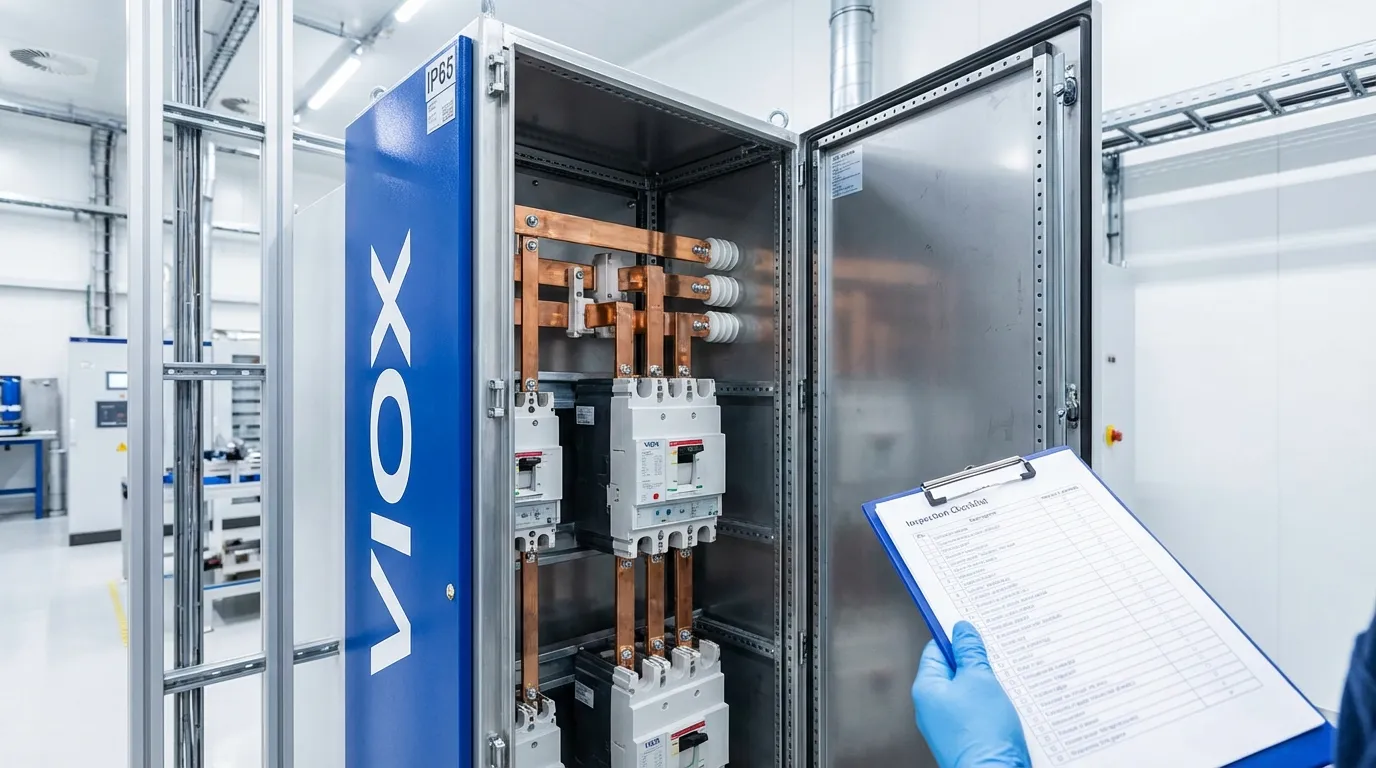
Kapsamlı bir toz yönetimi stratejisi uygulamak, uzatılmış ekipman ömrü, azaltılmış arıza oranları ve ortadan kaldırılmış acil durum onarımları yoluyla ölçülebilir getiriler sağlar. Uygun IP dereceli muhafazaların, sistematik bakım protokollerinin ve modern izleme teknolojilerinin kombinasyonu, tozla ilgili arızalara karşı sağlam bir koruma sağlar.
Tesis yöneticileri ve elektrik mühendisleri için mesaj açık: toz kozmetik bir sorun değil—sistematik dikkat gerektiren bir güvenilirlik tehdididir. Önlemeye yatırım yapmak, arızalara yanıt vermenin maliyetinin bir kısmını oluştururken, üstün çalışma süresi ve güvenlik performansı sağlar.
Elektrik altyapınızı korumaya hazır mısınız? VIOX Electric üretmektedir endüstriyel sınıf şalt cihazı gelişmiş toz koruma özelliklerine sahiptir ve zorlu ortamlarda maksimum güvenilirlik için kapsamlı bakım kılavuzu sağlar.

