คำตอบด่วน: 模块化接触器与传统接触器(普通接触器)的主要区别在于其安装与配置设计。模块化接触器专为 ราง DIN 安装在具有标准化模块宽度的电气柜中而设计,而传统(普通)接触器通常采用螺钉安装或面板安装配置。模块化接触器具有节省空间的安装方式、更简便的维护以及标准化的尺寸,使其成为现代电气柜设计的理想选择。.
คอนแทคเตอร์แบบโมดูลาร์คืออะไร?
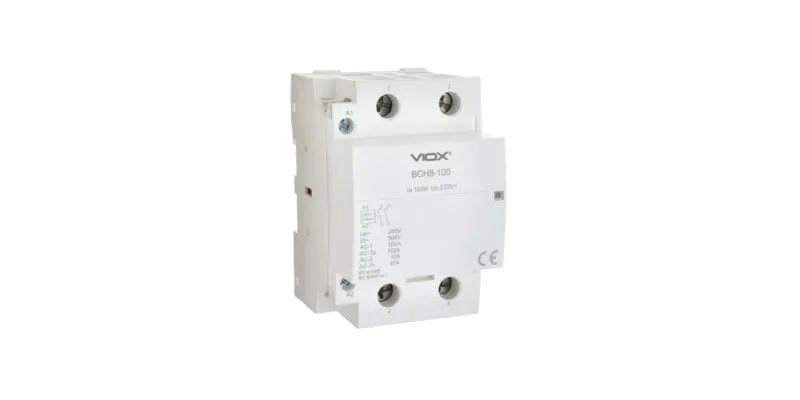
เป็ 模块化接触器 是一种专为DIN导轨安装系统设计的紧凑型电磁开关装置。这些接触器采用标准化的模块宽度(通常以17.5毫米为增量单位),设计上能与现代配电柜中的其他模块化设备(如断路器和继电器)无缝集成。.
模块化接触器的主要特性:
- ระบบติดตั้งราง DIN 支持免工具安装
- 标准化模块宽度 (1、2、3或4个模块宽)
- 紧凑的垂直设计 优化柜内空间
- 正面可接线端子 便于布线和维护
- 集成辅助触点 (大多数型号具备)
什么是传统接触器(普通接触器)?
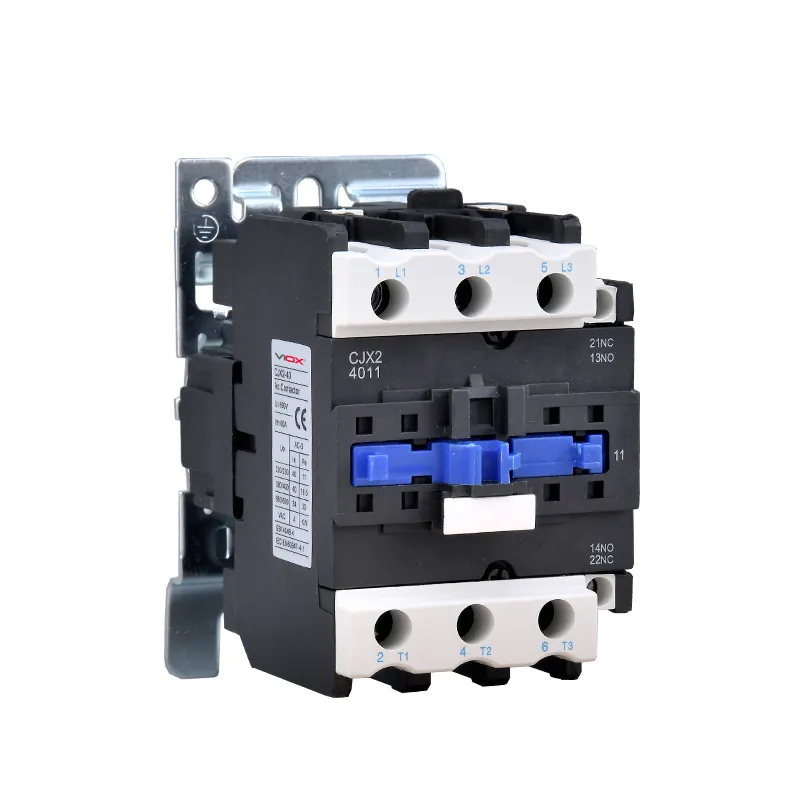
เป็ traditional contactor (also called a normal or conventional contactor) is a traditional electromagnetic switching device that uses screw-mounting or panel-mounting configurations. These contactors have been the industry standard for decades and are designed for direct mounting to electrical panels, motor control centers, or mounting plates.
Key Characteristics of Traditional Contactors (Normal Contactors):
- Screw or bolt mounting to panels or mounting plates
- Larger physical footprint with horizontal orientation
- Traditional terminal block design with screw terminals
- Separate auxiliary contact blocks (often optional)
- Higher current ratings available (up to 1000A+)
Comprehensive Comparison: Modular vs Traditional Contactors (Normal Contactors)
| คุณสมบัติ | Modular Contactor | Traditional Contactor (Normal Contactor) |
|---|---|---|
| วิธีการติดตั้ง | DIN rail clip-on | Screw/bolt mounting |
| Panel Space | Compact (17.5-70mm width) | Larger footprint (varies) |
| ระยะเวลาการติดตั้ง | 30-60 seconds | 5-15 minutes |
| ปัจจุบันระดับความชื่นชอบ | 5-125A typical | 5-1000A+ available |
| ช่วงแรงดันไฟฟ้า | 24V-690V AC/DC | 24V-1000V AC/DC |
| คอนแทคเลนส์เสริม | Usually integrated | Often separate add-on |
| สายการจัดการ | Organized, compact | Traditional wire runs |
| การเข้าถึงการบำรุงรักษา | Front-accessible | May require panel removal |
| Cost per Unit | Moderate to high | Low to moderate |
| การสร้างมาตรฐาน | High (IEC standards) | Variable by manufacturer |
โปรแกรมและใช้คดี
When to Use Modular Contactors
การประยุกต์ใช้งานที่เหมาะสม:
- ระบบอาคารอัตโนมัติ requiring frequent panel access
- Motor control panels with space constraints
- ระบบควบคุมแสงสว่าง ในโฆษณาของตึก
- แผงควบคุมระบบปรับอากาศ with multiple switching requirements
- Machine control cabinets requiring standardized components
กรณีการใช้งานเฉพาะ:
- Pump control stations with limited panel space
- LED lighting contactors in electrical rooms
- Conveyor motor controls in manufacturing
- อากาศจัดการหน่วยควบคุมในโฆษณาของตึก
When to Use Traditional Contactors (Normal Contactors)
การประยุกต์ใช้งานที่เหมาะสม:
- Heavy industrial motor control requiring high current ratings
- Legacy system replacements maintaining existing configurations
- โครงการที่ต้องคำนึงถึงต้นทุน where space isn’t constrained
- แอปพลิเคชันพลังงานสูง above 125A ratings
- สุนัขไม่มีสัญญาณกันขโมยและ installations requiring robust enclosures
กรณีการใช้งานเฉพาะ:
- Large motor starters (50HP and above)
- Industrial furnace controls
- Heavy machinery contactors
- Mining equipment controls
⚠️ Safety Considerations
Critical Safety Requirements:
- Always de-energize circuits before installation or maintenance
- Verify proper current ratings for your specific application
- Follow NEC/IEC installation codes for contactor selection
- Use appropriate arc fault protection based on contactor type
- ตรวจสอบการระบายอากาศให้เหมาะสม around contactors to prevent overheating
Professional Installation Notes:
- Modular contactors require proper DIN rail installation with secure clipping
- Normal contactors need adequate mounting torque specifications
- Both types require proper wire sizing according to electrical codes
- Auxiliary contact wiring must match control voltage requirements
Selection Criteria: How to Choose the Right Contactor
Step 1: Determine Your Current Requirements
Calculate your load current:
- Motor loads: Use motor nameplate current × 125%
- Resistive loads: Use actual load current
- Lighting loads: Consider inrush current characteristics
Step 2: Evaluate Space Constraints
Panel space assessment:
- Choose modular if panel space is limited (less than 4″ width available)
- Choose normal if you have ample panel space and need higher ratings
- พิจารณาความต้องการขยายตัวในอนาคต
Step 3: Consider Installation Requirements
Installation factors:
- Modular advantage: Tool-free installation, organized appearance
- Normal advantage: Familiar installation for most technicians
- Maintenance accessibility requirements
Step 4: Budget Analysis
Cost considerations:
- Initial cost: Normal contactors typically less expensive
- Installation cost: Modular contactors reduce labor time
- Long-term value: Consider maintenance and upgrade costs

🔧 Expert Installation Tips
For Modular Contactors:
- Verify DIN rail compatibility (35mm standard rail)
- Leave expansion space of at least one module width
- Use wire markers for organized identification
- Install from left to right following control logic sequence
- Check clip engagement by gentle pulling after installation
For Traditional Contactors (Normal Contactors):
- Use manufacturer-specified mounting torque values
- Maintain minimum clearances ตามข้อกำหนดของ NEC
- Install vibration dampeners in mobile applications
- Use proper wire management to prevent interference
- Label all terminals according to electrical drawings
Troubleshooting ปัญหาเหมือนกัน
Modular Contactor Problems:
- Poor DIN rail connection: Check rail cleanliness and clip engagement
- ความร้อนสูงเกินไป: Verify adequate ventilation and current ratings
- Control voltage issues: Confirm auxiliary contact ratings match control circuit
Traditional Contactor (Normal Contactor) Problems:
- Mounting vibration: Check mounting bolt torque and use dampeners
- ติดต่อกัส: Monitor arc suppression and load characteristics
- Coil failure: Verify proper control voltage and frequency
Quick Reference Selection Guide
Choose Modular Contactors When:
- ✅ Panel space is limited
- ✅ Standardized installation preferred
- ✅ Frequent maintenance access needed
- ✅ Current requirements under 125A
- ✅ Modern panel design standards required
Choose Traditional Contactors (Normal Contactors) When:
- ✅ High current ratings needed (>125A)
- ✅ Cost is primary consideration
- ✅ Traditional mounting preferred
- ✅ Legacy system compatibility required
- ✅ Extreme environmental conditions present
คำถามที่ถูกถามบ่อย
What is the main advantage of modular contactors over traditional contactors (normal contactors)?
Modular contactors offer space-efficient installation แล้ว standardized mounting that reduces installation time by up to 80% compared to traditional screw-mounted contactors. They also provide better organization in electrical panels.
Can I replace a normal contactor with a modular contactor?
Yes, but you’ll need to install a DIN rail mounting system and potentially modify your panel layout. Ensure the current and voltage ratings match your application requirements.
Are modular contactors more reliable than traditional contactors (normal contactors)?
Both types offer similar reliability when properly installed. Modular contactors may have slightly better connection integrity due to their clip-on mounting system, while traditional contactors (normal contactors) offer proven long-term durability in industrial applications.
What current ratings are available for modular contactors?
Modular contactors typically range from 5A to 125A, with some manufacturers offering specialized models up to 150A. For higher current requirements, normal contactors are usually necessary.
Do modular contactors cost more than traditional contactors (normal contactors)?
ต้นทุนเริ่มต้น may be 10-30% higher for modular contactors, but reduced installation time แล้ว improved maintenance access often result in lower total project costs.
Can modular contactors handle the same voltage as traditional contactors (normal contactors)?
Yes, modular contactors are available for voltage ranges from 24V DC to 690V AC, covering most standard applications. Some traditional contactors (normal contactors) offer higher voltage ratings up to 1000V for specialized applications.
What safety codes apply to contactor installation?
Both types must comply with NEC (National Electrical Code), IEC standards, and local electrical codes. Key requirements include proper current ratings, arc fault protection, and adequate clearances.
คำแนะนำของฉันแน่นอนดอนมืออาชีพ
For New Installations:
Consider modular contactors as the default choice for currents under 100A, especially in commercial and light industrial applications. They offer better long-term value through reduced installation and maintenance costs.
For Retrofit Projects:
Evaluate the cost-benefit of panel modifications required for modular contactor installation versus direct replacement with traditional contactors (normal contactors). Factor in future maintenance requirements.
For High-Current Applications:
Traditional contactors (normal contactors) remain the preferred choice for applications requiring currents above 125A or specialized environmental protection.
เกี่ยวข้องกัน
คอนแทคเตอร์ VS เซอร์กิตเบรกเกอร์: คู่มือมืออาชีพฉบับสมบูรณ์สำหรับระบบไฟฟ้า
คู่มือที่สมบูรณ์เกี่ยวกับคอนแทคเตอร์แบบโมดูลาร์
มาตรฐานไฟฟ้าสำหรับคอนแทคเตอร์: ทำความเข้าใจหมวดหมู่การใช้งาน AC1, AC2, AC3, AC4, DC1, DC2 และ DC3