

На этой странице
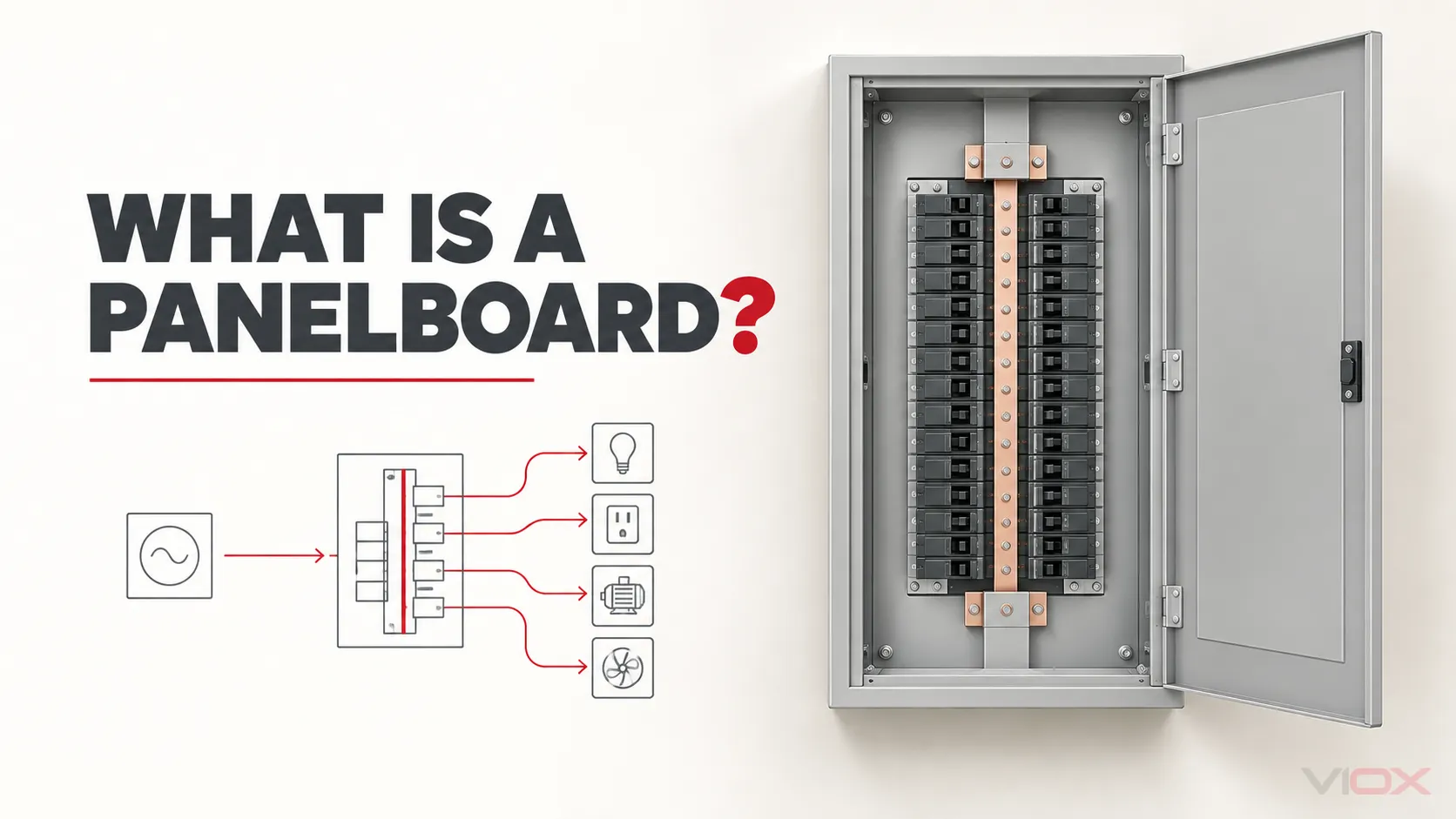
A панель — это электрический распределительный узел с фронтальным доступом, который разделяет входящую питающую линию на защищенные отходящие цепи. Обычно он объединяет в себе шины, устройства защиты от сверхтоков, точки подключения и корпус или шкаф в единую согласованную сборку.
В проектах для Северной Америки, панель является определенной категорией продукции, обычно оцениваемой по стандарту UL 67 и применяемой в соответствии с Национальным электротехническим кодексом (NEC). На рынках IEC оборудование, выполняющее аналогичную функцию, может классифицироваться как распределительный щит, однако эти названия не являются автоматически взаимозаменяемыми. Применимый стандарт на сборку, номинальные характеристики, схему доступа и документацию на изделие по-прежнему необходимо проверять.
Ключевой момент заключается в том, что распределительный щит — это не просто набор автоматических выключателей. Его пригодность зависит от комплектной сборки— включая конструкцию шин, корпус, установленные устройства, систему электропроводки, номинальный ток короткого замыкания и одобренные комбинации.
Какое место занимает распределительный щит в электрической системе?
Распределительный щит обычно получает питание от вышестоящего трансформатора, вводного устройства, главного распределительного щита или секции распределительного устройства. Затем он разделяет это питание на фидеры или групповые цепи, обслуживающие освещение, розетки, оборудование ОВК, механизмы или менее крупные точки распределения.
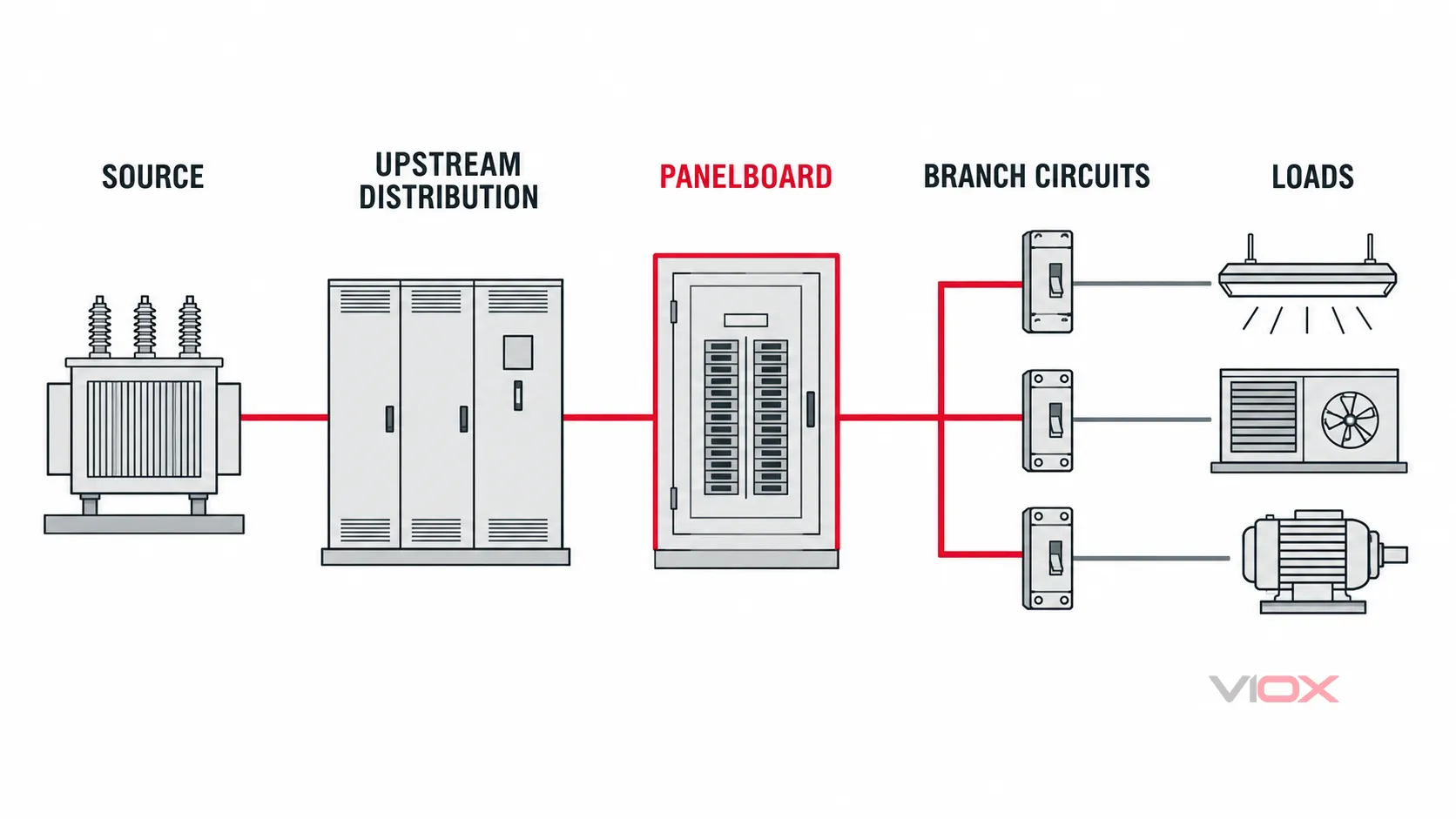
Данная схема обычно понимается следующим образом:
Источник или трансформатор → вводное/распределительное оборудование → распределительный щит → защищенные отходящие цепи → нагрузки
Точная иерархия зависит от проекта. На небольшом объекте может использоваться один распределительный щит рядом с точкой ввода, в то время как на крупном предприятии могут быть установлены распределительные устройства или главный распределительный щит, питающие несколько распределительных щитов на разных этажах или в производственных зонах.
Такое положение в электрической системе объясняет основную задачу распределительного щита: он обеспечивает организованную точку для распределения электроэнергии и применения защиты от сверхтоков для множества отходящих цепей. Он не выполняет все функции, присущие распределительному устройству, автоматическому переключателю питания или промышленному щиту управления.
Основные компоненты распределительного щита
Хотя конструкция может варьироваться, общими являются следующие функциональные элементы.
| Компонент | Функция | Что нужно проверить |
|---|---|---|
| Главный автоматический выключатель или вводные клеммы | Соединяет входящую линию питания с шиной распределительного щита; главный автоматический выключатель также обеспечивает встроенную функцию разъединения и защиты от сверхтоков | Конфигурация с главным автоматическим выключателем или только с главными наконечниками, номинальный ток, одобренные вводные проводники и вышестоящая защита |
| Шины | Передача питания от вводной секции к установленным групповым устройствам | Материал, номинальный ток, чередование фаз, номинал нейтрали (если применимо) и одобренная система устройств |
| Групповые устройства защиты от сверхтоков | Защита отходящих проводников и цепей от заданных условий сверхтока | Семейство устройств, количество полюсов, напряжение, отключающая способность, характеристики срабатывания и совместимость, одобренная производителем |
| Узел нейтрали | Обеспечивает точку подключения заземленного проводника, если этого требует конфигурация системы | Тип системы, номинал нейтрали, схема изоляции или уравнивания потенциалов, а также допустимые способы оконцевания проводников |
| Шина заземления оборудования | Обеспечивает клеммы для проводников заземления оборудования | Одобренная шина, требования к заземлению корпуса и инструкции по монтажу |
| Корпус, шкаф, декоративная панель и фальшпанель | Ограничивают доступ к токоведущим частям и обеспечивают указанную степень защиты от воздействия окружающей среды | Тип корпуса, схема доступа, место установки и совместимость с внутренними компонентами распределительного щита |
| Маркировка и таблица цепей | Определите сборку, номинальные параметры, одобренные устройства и отходящие цепи | Читаемость, данные на паспортной табличке, идентификация цепей и маркировка специального назначения |
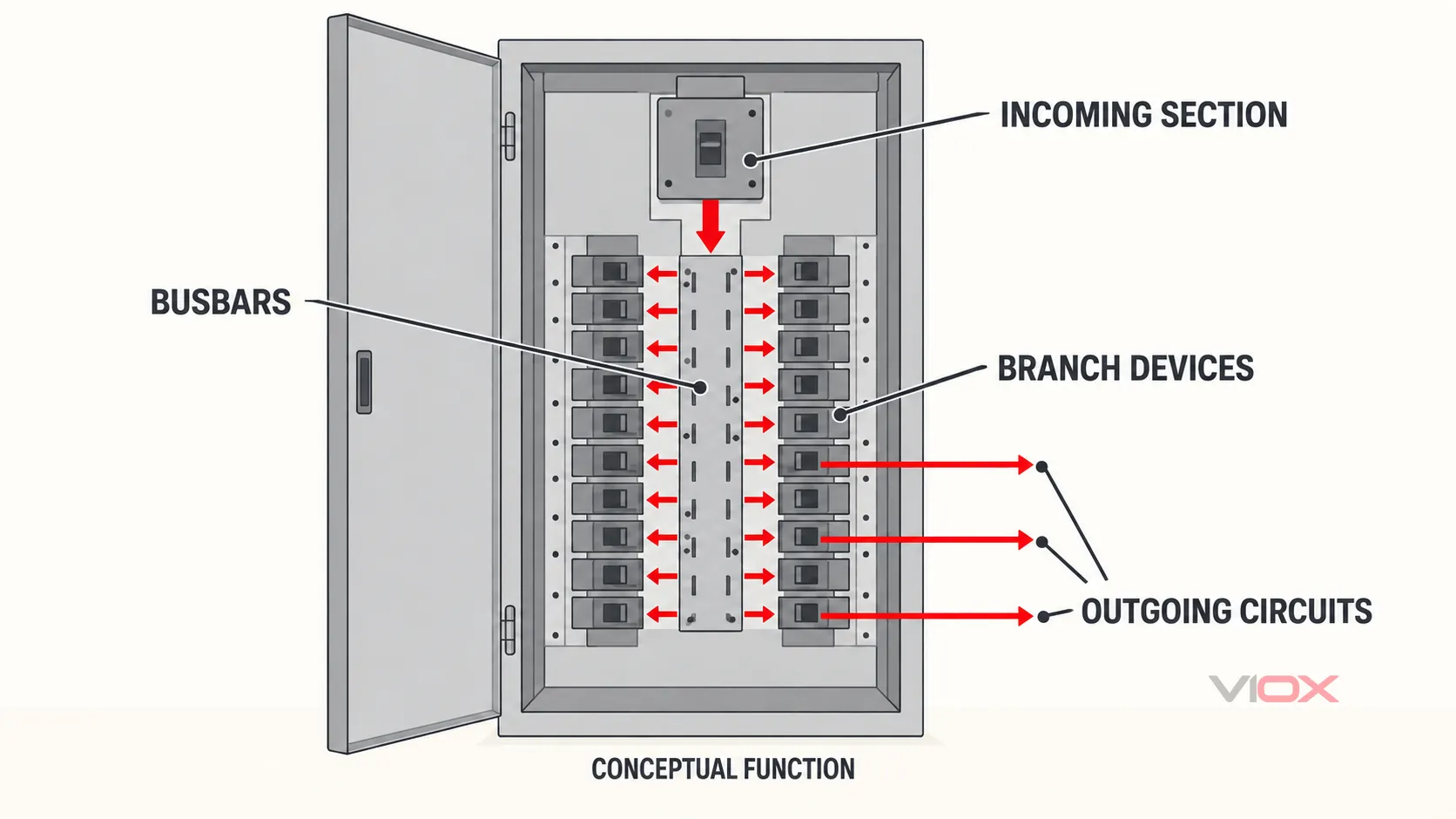
Внутренняя опора и расположение шин иногда называются монтажной панелью или внутренним устройством распределительного щита. Для более детального ознакомления с этой конструкцией см. руководство VIOX по монтажной панели в распределительных щитах.
Как распределительный щит распределяет и защищает электропитание
Питание поступает через главные клеммы или встроенное главное устройство и достигает фазных шин. Каждое установленное групповое устройство подключает отходящую цепь к соответствующему положению на шине. Когда в отходящей цепи возникает сверхток, соответствующий рабочим характеристикам защитного устройства, это устройство размыкает свою цепь, в то время как остальная часть распределительного щита может оставаться под напряжением.
Такая селективная организация полезна, но ее не следует путать с гарантированной селективной координацией. Сработает ли только ближайшее защитное устройство, зависит от фактических вышестоящих и нижестоящих устройств, тока короткого замыкания, настроек, времятоковых характеристик и применимых проектных требований.
Распределительный щит также не обеспечивает автоматически все защитные функции. Функции защиты от замыкания на землю, дугового замыкания, дифференциального тока, перенапряжения или управления существуют только тогда, когда их обеспечивают указанная сборка и установленное оборудование.
Номинальные параметры распределительного щита: сначала изучите заводскую табличку сборки
Номинал, указанный на отдельном автоматическом выключателе, не определяет номинал всего распределительного щита в сборе. Руководство UL по применению распределительных щитов рассматривает напряжение, ток, номинальный ток короткого замыкания, оболочку, проводники, оборудование, устанавливаемое на месте эксплуатации, и компоновку главных устройств как вопросы пригодности на уровне сборки.
Используйте паспортную табличку и документацию производителя для проверки как минимум следующего:
| Паспортная табличка или пункт спецификации | Почему это важно |
|---|---|
| Напряжение и конфигурация электрической системы | Должны соответствовать напряжению питания, схеме фаз и использованию между фазами или между фазой и нейтралью |
| Текущий рейтинг | Определяет маркированную способность распределительного щита по длительному току при указанных условиях; установленное главное устройство может накладывать более низкое ограничение |
| Количество фаз и проводов | Определяет, соответствует ли сборка фактическому расположению источника питания и нагрузки |
| Номинальный ток короткого замыкания (SCCR). | Должен соответствовать доступному току короткого замыкания в точке установки и может зависеть от указанных комбинаций защитных устройств |
| Главное устройство или схема с главными зажимами | Определяет способ питания, отключения и защиты распределительного щита со стороны источника |
| Одобренные серии устройств для отходящих линий | Предотвращает ошибочное восприятие физически схожих автоматических выключателей как автоматически взаимозаменяемых |
| Тип корпуса | Должен соответствовать условиям эксплуатации внутри помещений, на открытом воздухе, а также защите от пыли, влаги, коррозии и другим условиям окружающей среды, указанным в маркировке |
| Материал проводника, сечение и температурные ограничения | Определяет, какие входящие и исходящие проводники и клеммные соединения допустимы |
| Пригодность оборудования для ввода питания | Применяется только в том случае, если комплектная сборка имеет соответствующую маркировку и установлена в рамках данной области применения |
| Маркировка специального назначения | Может охватывать серийные номиналы, резервные системы, источники выработки электроэнергии, комплекты для монтажа на месте эксплуатации или другие условные варианты использования |
Одним из особо важных различий является отключающая способность по сравнению с SCCR. Отключающая способность автоматического выключателя групповой цепи описывает способность этого устройства прерывать ток короткого замыкания при определенных условиях. Значение SCCR распределительного щита относится к комплектной сборке в целом и может быть ограничено устройством с наименьшим номиналом или конкретной испытанной комбинацией. Автоматический выключатель с более высоким номиналом сам по себе не повышает характеристики сборки.
Распределительный щит в сравнении с квартирным щитком, распределительным щитом (Distribution Board), главным распределительным щитом и распределительным устройством
Эти термины пересекаются в повседневном общении, но они не описывают один универсально взаимозаменяемый продукт.
| Термин | Практическая граница | Читать далее |
|---|---|---|
| Панельный щит | Распределительное устройство с фронтальным доступом, оснащенное шинами и несколькими отходящими защитными устройствами; определенная категория продукции для североамериканского рынка | Этот центр и приведенные ниже руководства по конфигурации |
| Центр нагрузки | Компактный распределительный продукт североамериканского рынка, обычно ассоциируемый с групповыми цепями в жилых и легких коммерческих помещениях; границы применения продукта и нормативных требований по-прежнему зависят от сертифицированного оборудования | Электрический щит (Load center) против распределительного щита (panelboard) |
| Распределительный щит | Широкий термин на рынке IEC и международном рынке, точный объем сборки которого зависит от применимого стандарта и технической документации на изделие | Полная форма DB в электрике и электрический щит для жилых помещений (load center) в сравнении с распределительным щитом |
| Распределительный щит | Напольная или отдельно стоящая распределительная сборка, часто используемая для выполнения функций ввода и распределения питания; конструкция и доступ к ней отличаются от панельного щита | Главный распределительный щит (switchboard) в сравнении с распределительным устройством (switchgear) |
| Распределительные устройства | Оборудование для коммутации и прерывания питания в металлическом корпусе, выбранное в соответствии с установленными требованиями к защите, управлению, изоляции и токам короткого замыкания | Главный распределительный щит (switchboard) в сравнении с распределительным устройством (switchgear) |
| Промышленный щит управления | Сборка, предназначенная преимущественно для управления промышленным оборудованием или процессами, а не для использования в качестве обычного панельного щита | Проверьте применимый стандарт для промышленных панелей управления и сертификационную документацию на оборудование |
IEC 61439-3:2024 конкретно относится к определенным низковольтным распределительным щитам, предназначенным для эксплуатации неквалифицированным персоналом. Это не является универсальным синонимом для любого североамериканского панельного щита. В рамках глобального проекта следует определять применимый рынок, правила монтажа, стандарт сборки, категорию доступа пользователя и подтверждающие сертификаты, а не просто переводить название.
Типовые решения по конфигурации распределительного щита
Главный автоматический выключатель или только главные клеммы
Распределительный щит с главным автоматическим выключателем включает в себя встроенное устройство защиты и отключения. Распределительный щит только с главными клеммами (MLO) получает питание непосредственно на свои главные клеммы и обычно полагается на подходящее вышестоящее устройство для защиты от сверхтоков и отключения.
Правильный выбор зависит от архитектуры распределения, требуемого места расположения разъединителя, вышестоящей защиты, доступного тока короткого замыкания, плана технического обслуживания и местных требований. См. подробное руководство по выбору между распределительным щитом с главным автоматическим выключателем и щитом только с главными клеммами.
Однофазное или трехфазное исполнение
Конфигурация фаз и проводов должна соответствовать как источнику питания, так и нагрузкам. Однофазные распределительные щиты распространены там, где большинство нагрузок являются однофазными. Трехфазные распределительные щиты распределяют трехфазное питание и также могут обеспечивать питание фазных нагрузок относительно нейтрали, если одобренная электрическая система включает нейтраль.
Это решение по проектированию системы, а не просто выбор, основанный на количестве отходящих цепей. Для получения информации о соотношениях напряжений и факторах выбора используйте руководство по выбору между однофазным и трехфазным распределительным щитом.
Корпус для помещений или для работы в условиях окружающей среды
Внутренние компоненты распределительного щита и его корпус должны оцениваться как совместимая сборка. Для установки вне помещений, в условиях повышенной влажности, запыленности или коррозионной среды требуется корпус, соответствующий фактическим условиям эксплуатации и способу монтажа. Не следует полагать, что перенос стандартных внутренних компонентов в другой шкаф сохраняет их сертификацию или показатель SCCR.
Контрольный список для спецификации распределительного щита на основе данных заводской таблички
Перед выбором или утверждением распределительного щита задокументируйте следующие исходные данные:
- Рыночные и нормативные требования: укажите страну установки, нормативные требования, стандарт сборки и необходимую сертификацию.
- Система питания: запишите номинальное напряжение, частоту, количество фаз, конфигурацию проводов, схему заземления и тип источника питания.
- График нагрузок: перечислите количество отходящих цепей, количество полюсов, типы нагрузок, учет длительных нагрузок и планируемый резерв мощности.
- Схема ввода: Выберите одобренный автоматический выключатель питания, ввод с предохранителями или архитектуру только с вводными клеммами и определите вышестоящее защитное устройство.
- Требование по току короткого замыкания: определите доступный ток короткого замыкания на распределительном щите и проверьте номинальный ток короткого замыкания (SCCR) всей сборки, а также любые требования к условным или серийным номиналам.
- Система отходящих линий: указывайте только автоматические выключатели, предохранители, устройства дифференциального тока, устройства защиты от перенапряжений (SPD), измерительные приборы или устройства управления, одобренные для данного распределительного щита и области применения.
- Условия установки: выберите тип корпуса, схему монтажа, условия доступа, ввод проводников и требования к свободному пространству.
- Комплект документации: получите спецификацию заводской таблички, документацию по монтажу или сборке, список одобренных устройств, информацию о сертификации, а также любые требуемые протоколы испытаний или декларации.
Для проектов, использующих международную терминологию, категория продукции распределительный щит может стать полезной отправной точкой для обсуждения корпусов и модульных устройств, однако конечная сборка все равно должна быть специфицирована и проверена на соответствие целевому рынку и области применения.
Когда распределительный щит не является подходящим типом сборки
Другая категория оборудования может быть более подходящей, если проект требует:
- вводного и фидерного распределения повышенной мощности, которое лучше обеспечивается линейкой распределительных щитов или комплектных распределительных устройств;
- автоматического или ручного переключения источников питания в качестве основной функции оборудования;
- управления промышленным оборудованием в качестве основной функции;
- коммутации и защиты в сетях среднего напряжения.;
- задний доступ, выкатное исполнение, секционирование или функции технического обслуживания, не предусмотренные предлагаемым распределительным щитом;
- сборка распределительного щита по стандарту IEC с другой категорией оператора или методом верификации, специфичным для проекта.
Решение должно основываться на требуемой функциональности и проверенном объеме оборудования, а не на внешнем виде шкафа.
Выберите руководство по распределительным щитам
- Чтобы сделать выбор между двумя североамериканскими форматами распределения, прочитайте Load Center vs Panelboard.
- Чтобы выбрать архитектуру ввода, прочитайте Распределительные щиты с MCB против MLO.
- Чтобы выбрать конфигурацию источника питания, прочитайте Single-Phase vs Three-Phase Panelboards.
- Для сравнения вышестоящих распределительных устройств читайте Распределительный щит против комплектного распределительного устройства.
- По теме раздельного заземления и уравнивания потенциалов читайте Как заземлить электрический щит.