

На этой странице
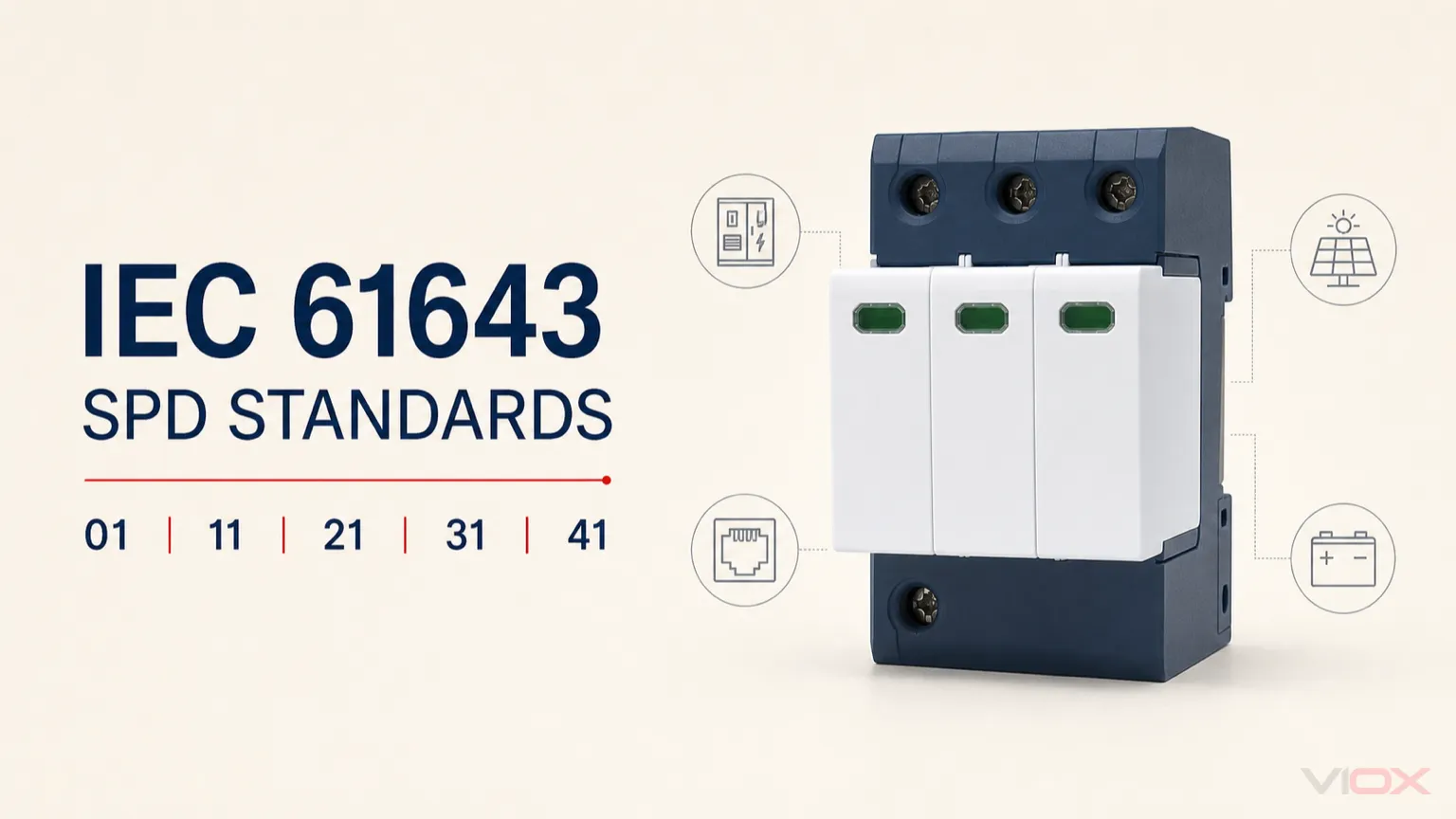
Серия стандартов IEC 61643 не устанавливает единый взаимозаменяемый стандарт для всех устройств защиты от перенапряжений. Применимая часть зависит от защищаемой электрической цепи: IEC 61643-11 охватывает сети переменного тока (AC), IEC 61643-21 — телекоммуникационные и сигнальные линии, IEC 61643-31 — фотоэлектрические цепи постоянного тока (DC), а IEC 61643-41 — системы питания постоянного тока (DC), не относящиеся к фотоэлектрическим. IEC 61643-01 содержит общие требования в случаях, когда этого требует соответствующий стандарт на продукцию.
Это различие становится критически важным, когда на одном объекте сочетаются распределение AC, солнечные цепочки, аккумуляторные системы хранения энергии, Ethernet-связь и цепи управления. Устройство, описанное просто как “соответствующее IEC 61643”, может оказаться неподходящим для конкретной цепи, характеристик источника, условий возникновения неисправностей или редакции стандарта, указанной в проекте.
Приведенная ниже сравнительная таблица отражает публикации IEC, доступные по состоянию на 25 августа 2026 года.
Сравнение стандартов IEC 61643: какая часть применима?
| Стандарт IEC | Опубликованная редакция | Основная область применения | Границы напряжения, установленные IEC | Связь с Частью 01 | Критическое ограничение |
|---|---|---|---|---|---|
| IEC 61643-01:2024 | Редакция 1.0 | Общие требования к SPD, номинальные параметры, положения по безопасности и методы испытаний | Up to 1,000 V AC RMS or 1,500 V DC | Общая основа; не является заменой соответствующей части для конкретного изделия | Часть 01 сама по себе не определяет, подходит ли устройство для AC, PV DC, других DC или линий передачи данных. |
| IEC 61643-11:2025 | Издание 2.0 | SPD, подключенные к низковольтным переменным током (AC) цепям и оборудованию | Up to 1,000 V AC RMS; preferred frequencies 50/60 Hz | Должен читаться и применяться вместе с последним изданием IEC 61643-01, на которое ссылается Часть 11 | Издание 2025 года предназначено только для AC; оно не является стандартом продукции для фотоэлектрических (PV) цепочек или обычных цепей питания DC. |
| IEC 61643-21:2025 | Издание 2.0 | SPD, подключенные к телекоммуникации и сигнализация сети, включая линии, которые также передают электроэнергию | До 1,000 V RMS и 1,500 V DC в пределах указанной области применения сети | Используется в сочетании с IEC 61643-01:2024 | Наличие напряжения DC в кабеле связи не делает его автоматически силовой цепью согласно Части 41. |
| IEC 61643-31:2018 | Издание 1.0; копия IEC включает поправку от июня 2022 года | SPD, предназначенные для стороны DC фотоэлектрических генераторов и инверторов | Up to 1,500 V DC | В опубликованной редакции 2018 года не указано такое же требование о сопряжении с Частью 01, как в редакциях 2025 года для Частей 11, 21 и 41 | Исключает SPD для фотоэлектрических систем с накоплением энергии, таких как аккумуляторные батареи или конденсаторные установки. |
| IEC 61643-41:2025 | Редакция 1.0 | SPD, подключенные к низковольтным Питание DC цепям и оборудованию | Up to 1,500 V DC | Используется совместно с IEC 61643-01 | Явно исключает SPD для фотоэлектрических систем, которые подпадают под действие Части 31. |
Информация о редакции и области применения взята из официальных публикаций IEC для IEC 61643-01:2024, IEC 61643-11:2025, IEC 61643-21:2025, IEC 61643-31:2018, и IEC 61643-41:2025.
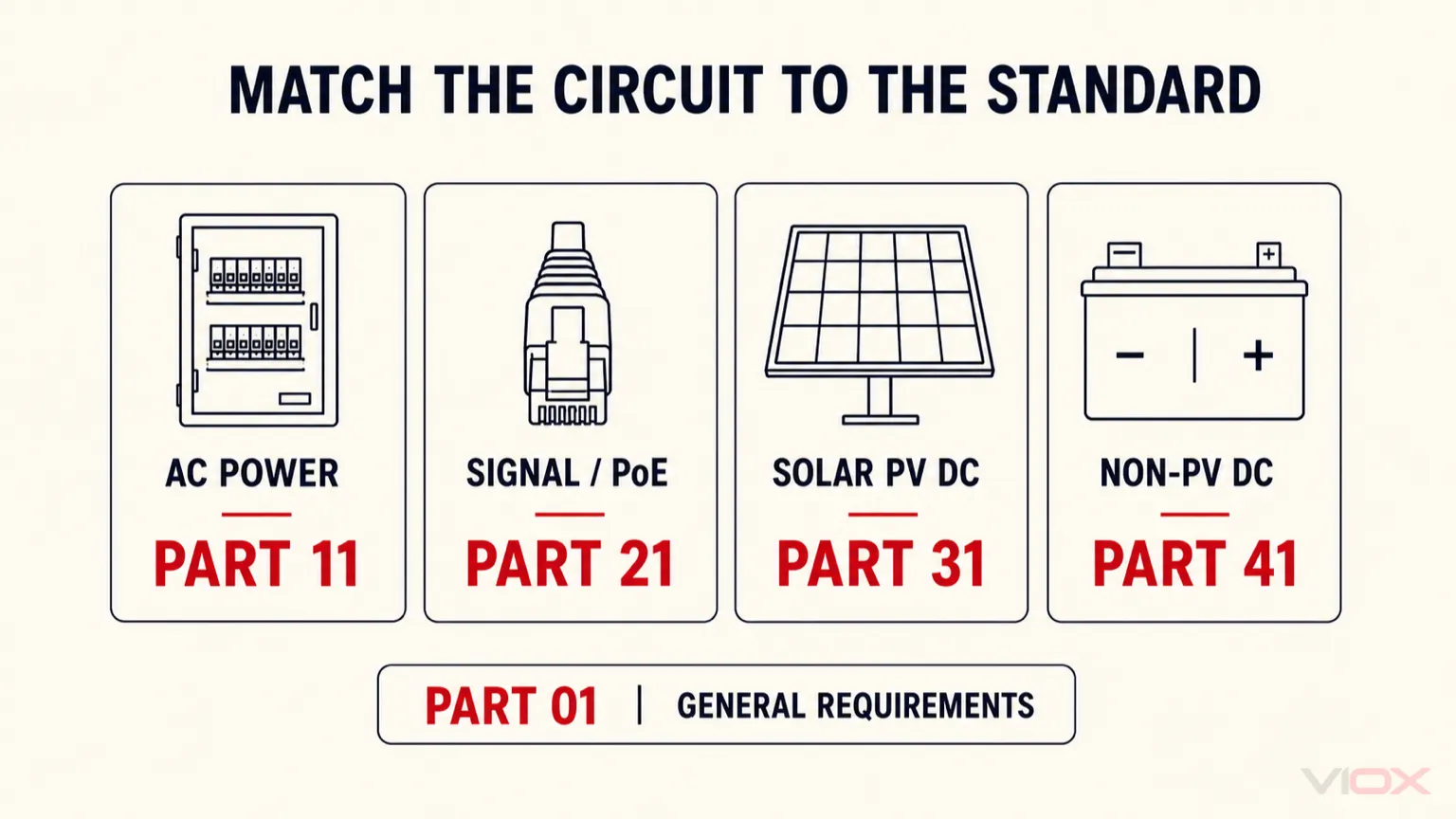
Инженерное правило: Определите функцию и электрические параметры защищаемой цепи перед сравнением номинального напряжения, номинального тока разряда, типа изделия или цены.
Для более подробного ознакомления с защитными устройствами и принципами их работы см. что такое устройство защиты от перенапряжений и как оно защищает электрические системы.
Начинайте с цепи, а не с маркировки SPD
Полезная последовательность выбора стандартов:
- Является ли защищаемая цепь цепью питания AC? Начните со стандарта IEC 61643-11:2025 и применимых к нему требований IEC 61643-01.
- Является ли это стороной DC фотоэлектрического генератора или подключением DC на стороне PV инвертора? Начните с IEC 61643-31:2018 и убедитесь, что фактическое применение остается в рамках области действия этого стандарта.
- Is it a non-PV DC power circuit? Начните с IEC 61643-41:2025 и IEC 61643-01, затем проверьте характеристики источника, ток короткого замыкания и любые специфические требования к применению.
- Является ли это телекоммуникационной, Ethernet, контрольно-измерительной или сигнальной цепью? Начните с IEC 61643-21:2025 и IEC 61643-01:2024, даже если по той же линии связи передается питание.
Это инструмент для проверки области применения, а не декларация того, что каждое устройство, соответствующее данному стандарту, подойдет для любой цепи в этой категории. Напряжение электрической системы, максимальное длительное рабочее напряжение, режимы защиты, ожидаемый ток короткого замыкания, поведение при временных перенапряжениях, резервная защита, условия окружающей среды и местные правила монтажа по-прежнему требуют отдельной проверки.
IEC 61643-01: Основа общих требований
IEC 61643-01:2024 establishes common requirements and test methods for low-voltage surge protective devices connected to circuits or equipment up to 1,000 V AC RMS or 1,500 V DC. Its published scope addresses shared performance and safety requirements rather than defining a single universal application category.
Согласно официальной публикации IEC 61643-01, к числу значимых технических областей относятся:
- Применимость испытаний к комплектному SPD, отдельному режиму защиты или полной сборке SPD.
- Уровень напряжения защиты для комбинированных режимов защиты.
- Дополнительные испытания на нагрузочную способность для определенных SPD типа 1 и типа 2 с сопровождающим током.
- Пересмотренные требования к испытаниям на короткое замыкание, учитывающие технологии внутренних разъединителей.
- Требования к диэлектрическим свойствам и зазорам для электрически разделенных цепей.
- Дополнительная информация, относящаяся к установкам DC.
Практический вывод заключается в том, что Часть 01 является общим техническим уровнем, а не селектором применения. Требование к закупке, в котором указано только “IEC 61643-01”, не определяет, было ли устройство SPD оценено для распределительных сетей AC, телекоммуникаций, цепей фотоэлектрических генераторов или источников питания DC, не относящихся к фотоэлектрическим системам.
Какие части IEC 61643 прямо требуют наличия Части 01?
Ответ зависит от формулировки и редакции стандарта, специфичного для конкретного применения:
- Часть 11:2025: В опубликованной области применения указано, что его требования дополняют, изменяют или заменяют требования Части 01 и должны рассматриваться и применяться вместе с последней редакцией Части 01, на которую имеется недатированная нормативная ссылка.
- Часть 21:2025: В опубликованной области применения прямо указано, что он используется совместно с IEC 61643-01:2024.
- Часть 41:2025: В опубликованной области применения прямо указано, что он используется совместно с IEC 61643-01.
- Часть 31:2018: Текущая опубликованная редакция для фотоэлектрических систем предшествует Части 01:2024, и в ее общедоступной области применения IEC не указано эквивалентное требование о применении Части 01.
Таким образом, корректно описывать Части 11, 21 и 41 в их указанных редакциях как специализированные стандарты, работающие совместно с Частью 01. Это нет точно навязывать общее требование “Часть 31:2018 + Часть 01:2024”, если применимое принятие, обновленная редакция, схема сертификации, спецификация проекта или документация на изделие прямо не устанавливают такую взаимосвязь.
Это различие имеет значение при проверке существующих сертификатов на продукцию для солнечной энергетики. Более старый, но применимый стандарт фотоэлектрических систем не должен представляться как ссылающийся на общий стандарт, опубликованный несколькими годами позже, без документального подтверждения.
IEC 61643-11: AC Low-Voltage Power Systems
IEC 61643-11:2025 applies to SPDs connected to AC power circuits and equipment rated up to 1,000 V RMS. The preferred frequencies addressed are 50 Hz and 60 Hz, while the published scope notes that other frequencies are not automatically excluded.
Примеры распространенных цепей включают:
- Главные вводные распределительные щиты переменного тока AC.
- Промышленные распределительные щиты и коммерческие распределительные панели.
- AC feeder and subdistribution circuits.
- Сторона выхода AC фотоэлектрического инвертора.
- The AC grid-connection side of an energy-storage installation.
- Соответствующие точки подключения AC для питания электрического оборудования или инфраструктуры зарядки электромобилей.
Область применения части 11 нет означает, что не каждый AC SPD подходит для любой сети AC. Выбор по-прежнему зависит от напряжения электрической системы, системы заземления, режимов защиты, поведения при кратковременных перенапряжениях, ожидаемого тока короткого замыкания, номинальных характеристик устройства, резервной защиты и инструкций производителя.
IEC также предупреждает, что заявленные допущения при испытаниях основаны на источнике питания AC с линейной вольт-амперной характеристикой. Иные характеристики источника, частоты или необычные условия возникновения неисправностей могут потребовать дополнительной оценки.
Что изменилось в редакции 2025 года?
В редакции 2025 года требования, специфичные для AC, отделены от общих требований, которые теперь содержатся в Части 01. В официальной публикации также указаны изменения, касающиеся комбинированных режимов защиты, нагрузки по току сопровождения, испытаний на короткое замыкание, разъединителей, диэлектрических характеристик и электрически разделенных цепей.
Что касается закупок и спецификаций, ключевой вывод прост: “IEC 61643-11” без указания редакции — это неполная информация. Документ, ссылающийся на более раннюю редакцию, может не соответствовать той же структуре стандартов, что и отчет, ссылающийся на IEC 61643-11:2025 вместе с применимыми требованиями Части 01.
Для специализированной интерпретации стандарта на продукцию AC см. IEC 61643-11 и устройства защиты от перенапряжений для низковольтных электрических систем.
IEC 61643-21: Телекоммуникации, сигнализация и PoE
IEC 61643-21:2025 covers SPDs connected to telecommunications and signalling networks and associated equipment. Its stated scope extends up to 1,000 V RMS and 1,500 V DC within those network applications.
Типичные примеры включают:
- Линии Ethernet и сетей передачи данных.
- Соединения Power over Ethernet.
- Промышленные контрольно-измерительные приборы и сигнальные цепи.
- Каналы связи, обслуживающие распределенное электрическое оборудование.
- Соответствующие интерфейсы управления, мониторинга и телекоммуникаций.
Ключевым принципом классификации является функцией цепи. Соединение PoE передает как сигналы связи, так и электрическую мощность, однако текущая редакция Части 21 прямо признает телекоммуникационные и сигнальные линии, которые также обеспечивают питание. Наличие DC в линии само по себе не переклассифицирует устройство защиты в SPD для цепей питания DC согласно Части 41.
Тем не менее, соответствие применимому стандарту не гарантирует универсальную совместимость с любой установкой Ethernet. Фактическое устройство защиты также должно соответствовать интерфейсу, разъему, линейному напряжению, току, поддерживаемой скорости передачи данных, категории кабеля, вносимым потерям, схеме экранирования, применимому способу подачи питания PoE и рабочим условиям, определенным производителем.
Второе издание 2025 года заменяет предыдущее первое издание и поправки к нему, а также принимает структуру, основанную на IEC 61643-01:2024. В опубликованной области применения самого стандарта прямо указано, что эти два документа используются совместно.
Для принятия инженерных решений на уровне интерфейсов используйте специализированное руководство по выбору устройств защиты от перенапряжений для сигнальных, информационных и контрольных линий.
IEC 61643-31: Photovoltaic DC Surge Protection
IEC 61643-31:2018 применяется к SPD, предназначенным для стороны постоянного тока фотоэлектрических установок с номинальным напряжением до 1,500 V DC. В опубликованной области применения стандарта особо выделены сторона постоянного тока фотоэлектрических генераторов и сторона постоянного тока инверторов.
Примеры надлежащего определения области применения включают:
- защиту фотоэлектрических стрингов, где цепь соответствует области применения стандарта и изделия.
- защиту от перенапряжений в блоках суммирования фотоэлектрических систем.
- проводники фотоэлектрического генератора на входе в инвертор.
- Другие специализированные места установки защиты со стороны DC фотоэлектрической системы, указанные в технической документации на изделие.
Данное применение отличается от обычного распределения DC. Электрические характеристики фотоэлектрического источника, его рабочее напряжение, схема заземления, условия возникновения неисправностей и архитектура установки влияют на требования к SPD.
Распространяется ли стандарт IEC 61643-31 на системы накопления энергии на аккумуляторах?
Не в качестве общего расширения. В официальной области применения Части 31 прямо указано, что она не распространяется на SPD для фотоэлектрических систем с накопителями энергии, такими как аккумуляторные батареи или конденсаторные установки.
Эта формулировка не означает, что в установке, содержащей как фотоэлектрические панели, так и накопители энергии, нельзя использовать SPD для фотоэлектрических систем в действительно отдельной цепи фотоэлектрического генератора. Это означает, что инженеры не могут рассматривать декларацию соответствия Части 31 только для фотоэлектрических систем как автоматическое подтверждение того, что тот же самый SPD пригоден для цепи DC, подключенной к аккумулятору или связанной с накопителем энергии.
Гибридная система должна оцениваться по каждой цепи отдельно:
- Специализированная цепь DC фотоэлектрического генератора: оцените соответствие Части 31 там, где ее область применения действительно применима.
- Battery or non-PV DC power circuit: evaluate Part 41 and the actual source/fault conditions, where within scope.
- Grid-connected AC circuit: evaluate Part 11.
- Цепь мониторинга или связи: оцените часть 21.
Для практического применения в солнечной энергетике, а не для сопоставления стандартов, см. как выбрать SPD для системы солнечной энергетики.
IEC 61643-41: Non-PV DC Low-Voltage Power Systems
IEC 61643-41:2025 устанавливает требования и методы испытаний для SPD, подключаемых к цепям питания постоянного тока и оборудованию с номинальным напряжением до 1,500 V DC. Данный стандарт должен использоваться совместно с IEC 61643-01.
Потенциальные категории применения, в зависимости от фактического продукта и области применения системы, включают:
- Промышленные цепи распределения DC.
- Соответствующие шины питания DC.
- Определенные силовые цепи, подключенные к аккумуляторным батареям или системам накопления энергии.
- Соответствующие секции питания DC в зарядном оборудовании или оборудовании для преобразования энергии.
- Другие низковольтные применения DC, не относящиеся к фотоэлектрическим системам, для которых отсутствуют более специфические применимые требования к продукции, имеющие приоритет при выборе.
Граница определена четко: Часть 41 исключает SPD для фотоэлектрических систем. IEC определяет Часть 31 как соответствующий стандарт на продукцию для фотоэлектрических систем.
Почему источник DC по-прежнему важен
Допущения испытаний по части 41 основаны на источнике питания DC с линейной вольт-амперной характеристикой. В опубликованной области применения указано, что характеристики других источников требуют тщательного рассмотрения, особенно в отношении ожидаемого тока короткого замыкания и кратковременных перенапряжений.
Для систем накопления энергии на аккумуляторах, зарядки EV и сложных систем с питанием от преобразователей не выбирайте SPD, ориентируясь только на номинальное напряжение DC. Проверьте:
- Максимальное длительное рабочее напряжение и требования к полярности.
- Поведение источника в нормальных условиях и при неисправностях.
- Ожидаемый ток короткого замыкания и применимую заявленную информацию о стойкости к току короткого замыкания, такую как Isccr где это применимо; используйте SCCR только в том случае, если данное обозначение относится к применимому изделию или рыночной структуре.
- Координация разъединителя и резервной защиты.
- Поведение при временных перенапряжениях.
- Режимы защиты и система заземления.
- Применимые требования к конкретному оборудованию и национальные правила монтажа.
Не следует полагать, что SPD, испытанный или предназначенный для продажи только для фотоэлектрических источников, подходит для аккумуляторных источников только потому, что на обеих этикетках указано одинаковое напряжение DC.
Разбивку на уровне системы см. в Защита от перенапряжений BESS в цепях DC, AC и сигнальных цепях.
IEC 61643-31 против IEC 61643-41: важное различие для DC
| Вопрос | IEC 61643-31 | IEC 61643-41 |
|---|---|---|
| На какие электрические цепи распространяется стандарт на продукцию? | Сторона DC фотоэлектрических генераторов и подключения инверторов со стороны фотоэлектрических систем в рамках указанной области применения. | Низковольтные цепи питания DC, не относящиеся к фотоэлектрическим системам, и оборудование в рамках указанной области применения. |
| Каков установленный предел напряжения DC? | Up to 1,500 V DC. | Up to 1,500 V DC. |
| Распространяется ли опубликованная область применения автоматически на обычные системы накопления энергии на аккумуляторах? | Нет. Опубликованная область применения исключает SPD для фотоэлектрических систем с накоплением энергии, таких как аккумуляторные батареи или конденсаторные установки. | Применения, связанные с аккумуляторами, могут подпадать под область применения DC, однако необходимо проверить характеристики источника, условия возникновения неисправностей, другие применимые требования и точную техническую документацию на изделие. |
| Охватывает ли он специализированные применения SPD для фотоэлектрических систем? | Да, если цепь и изделие остаются в рамках указанной области применения для фотоэлектрических систем. | Нет. Фотоэлектрические применения прямо исключены. |
| Ссылается ли опубликованный стандарт на изделие непосредственно на Часть 01? | В официальной области применения редакции 2018 года не указана такая же прямая взаимосвязь. | Да. В Части 41 указано, что она используется совместно с IEC 61643-01. |
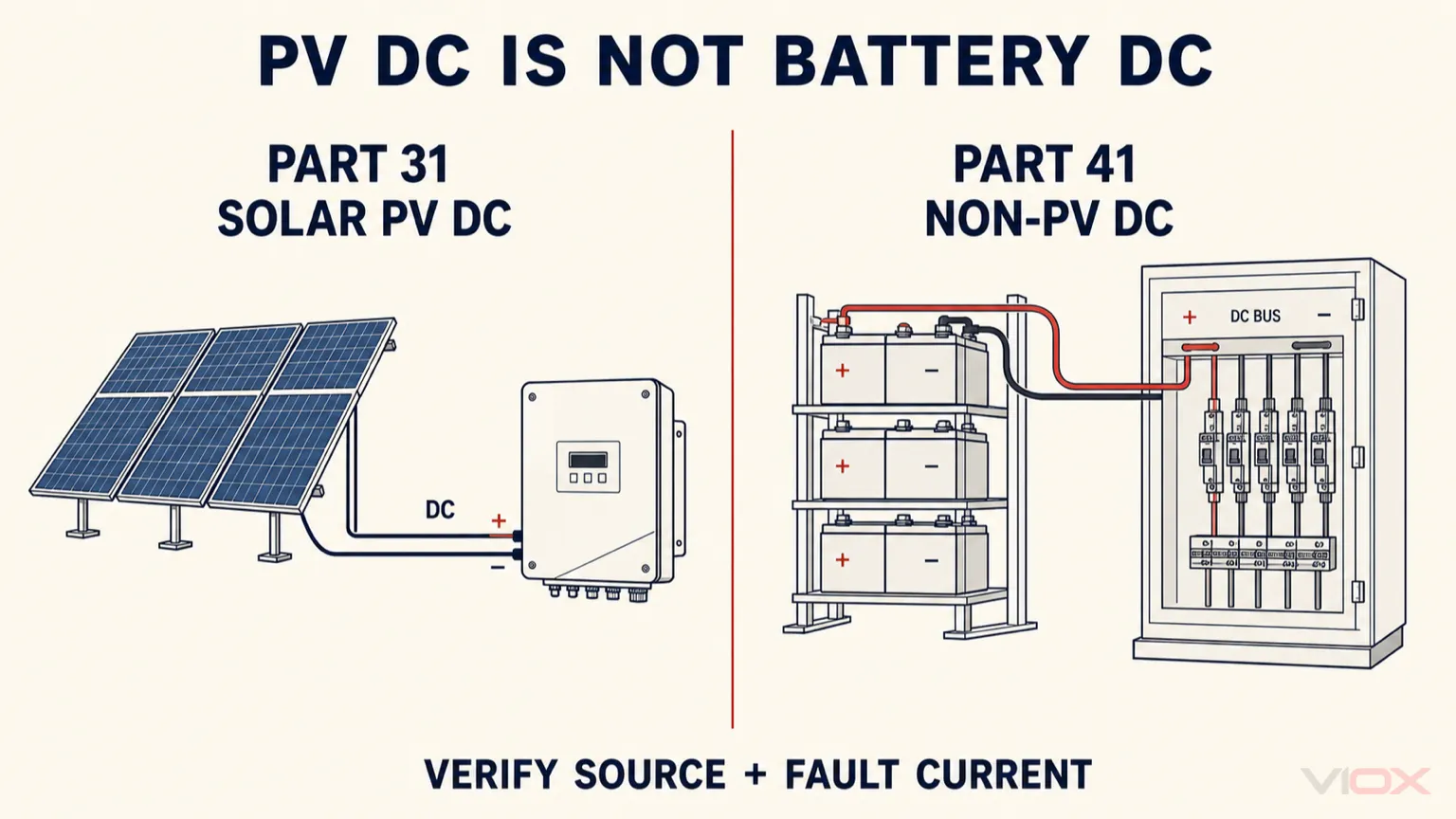
Практическое правило заключается не в том, чтобы “сравнивать PV DC и аккумуляторный DC исключительно на основе номинального напряжения по паспортной табличке”. Оно заключается в функциональном назначении источника, расположении цепи, применимой опубликованной области действия, поведении при неисправностях и доказательствах, специфичных для конкретной модели.
Реальные установки часто требуют применения нескольких частей стандарта IEC 61643
Гибридная солнечная электростанция с аккумуляторным накопителем энергии
Рассмотрим систему с PV-стрингами, гибридным инвертором, шиной постоянного тока (DC) аккумулятора, подключением к распределительной сети переменного тока (AC) и сетевым мониторингом.
| Защищаемая цепь | Начало оценки соответствия стандартам на продукцию | Проверка области применения |
|---|---|---|
| Выделенный вход DC фотоэлектрического генератора | IEC 61643-31 | Убедитесь, что место установки защиты действительно относится к цепи фотоэлектрического генератора/стороне PV, и что изделие подходит для данной конфигурации. |
| Цепь питания DC, подключенная к аккумуляторной батарее | IEC 61643-41 и IEC 61643-01, где применимо | Оцените характеристики источника питания от аккумуляторной батареи, доступный ток короткого замыкания, разъединители, резервную защиту и любые специфические правила для данной электрической системы. |
| Выход AC инвертора или подключение к распределительной сети AC | IEC 61643-11 и применимые требования IEC 61643-01 | Проверьте напряжение электрической системы AC, схему заземления, режим защиты и условия монтажа. |
| Интерфейс Ethernet, мониторинга или сигнализации | IEC 61643-21 и IEC 61643-01:2024 | Проверьте фактический интерфейс передачи данных, пропускную способность, параметры электропитания и требования к системе уравнивания потенциалов. |
Ни один стандарт на продукцию не охватывает всю установку целиком. Правильная спецификация определяется защищаемой электрической цепью.
Оборудование для зарядки электромобилей с питанием AC, цепями питания DC и средствами связи
Установка для зарядки электромобилей может включать вход AC, внутренние или внешние цепи питания DC и интерфейсы связи. Таким образом, начальная классификация может включать Часть 11 для AC, Часть 41 для соответствующих цепей питания DC (не относящихся к фотоэлектрическим системам) и Часть 21 для передачи данных или сигнализации.
Однако стандарты на оборудование для конкретных зарядных устройств, требования к монтажу, архитектура производителя и нормативные требования могут накладывать дополнительные условия, выходящие за рамки стандарта на SPD. Не следует полагать, что стандартный SPD для цепей DC автоматически пригоден для использования в любом месте внутри зарядного оборудования.
Промышленный Ethernet с технологией Power over Ethernet
В шкафу может находиться шина питания 24 V DC и отдельная сеть PoE Ethernet. Несмотря на то, что обе содержат напряжение DC, функции их цепей различаются.
- Соответствующая автономная цепь распределения питания DC указывает на Часть 41.
- Соответствующая линия телекоммуникации/сигнализации PoE указывает на Часть 21.
Применимый раздел продукции не отменяет необходимости проверки напряжения системы, целостности сигнала, тока, типа разъема, режимов защиты и инструкций по монтажу.
Стандарты на продукцию против Руководства по выбору против Стандартов монтажа
Еще одна распространенная ошибка — рассматривать каждую соответствующую публикацию IEC как требование одного и того же типа.
| Категория документа | Примеры | Что это помогает установить | Что он не подтверждает сам по себе |
|---|---|---|---|
| Общие и специализированные требования к продукции SPD | IEC 61643-01, -11, -21, -31, -41 | Соответствующие технические требования и структура испытаний для определенного применения SPD. | То, что конкретная установка спроектирована правильно или что каждое изделие, имеющее ссылку на стандарт, прошло независимую сертификацию. |
| Руководство по выбору и применению | IEC 61643-12, -22, -32 | Принципы выбора, применения, размещения или координации SPD в контексте соответствующей системы. | То, что отдельная модель SPD прошла испытание продукции, специфичное для данного применения. |
| Требования к электрической установке | IEC 60364-5-53 и применимые национальные правила монтажа | Требования, регулирующие выбор и монтаж в составе электрической системы. | То, что отдельное изделие соответствует надлежащему стандарту на продукцию IEC 61643. |
| Требования к фотоэлектрическим установкам | IEC 60364-7-712 и применимые национальные правила монтажа фотоэлектрических установок | Требования, связанные с фотоэлектрическими электрическими установками. | That a generic DC SPD is suitable for every PV or battery circuit. |
Соответствующие прикладные документы IEC 61643 имеют различные области применения:
- IEC 61643-12:2020 содержит принципы выбора и применения SPD, используемых в электрических системах переменного тока (AC); данный стандарт не заменяет стандарт на продукцию Части 11.
- IEC 61643-22:2015 посвящен выбору и применению для телекоммуникационных и сигнальных сетей; данный стандарт не заменяет стандарт на продукцию Части 21.
- IEC 61643-32:2017 посвящен выбору, монтажу и координации SPD в фотоэлектрических (PV) системах, включая указанные контексты систем PV DC и AC. В области применения стандарта отмечено, что установки, включающие аккумуляторные батареи, могут потребовать дополнительных условий.
- IEC 60364-5-53:2019 посвящен выбору и монтажу соответствующего защитного и коммутационного оборудования в низковольтных электроустановках.
- IEC 60364-7-712:2025 распространяется на фотоэлектрические электрические установки и прямо включает требования к монтажу, относящиеся к возможным системам накопления энергии. Это включение на уровне установки не отменяет отдельное исключение для систем накопления энергии в области применения стандарта на продукцию IEC 61643-31:2018.
Для физической прокладки проводников, координации защитных устройств и проверок монтажа используйте специализированное руководство по подключению и монтажу SPD вместо того чтобы рассматривать сопоставление стандартов на продукцию как процедуру выполнения электромонтажных работ.
Подтверждает ли соответствие стандарту IEC 61643 пригодность для типа 1, типа 2 или типа 3?
Само по себе — нет. Применимый стандарт на продукцию определяет соответствующие требования и структуру испытаний, однако заявленная классификация, режимы защиты, испытательные нагрузки и электрические характеристики SPD должны быть проверены для конкретного изделия.
Для SPD переменного тока (AC) классификации Тип 1, Тип 2 и Тип 3 относятся к определенным требованиям по испытаниям и применению в рамках соответствующей нормативной базы для продукции. Применимая классификация не распространяется автоматически на все остальные компоненты изделия, функции цепи или юрисдикции.
Не делайте предположений:
- Каждое устройство с маркировкой “IEC 61643” имеет одинаковую испытательную нагрузку.
- SPD для сигнальных линий и SPD для цепей питания AC можно сравнивать только при наличии общего маркетингового обозначения.
- Маркировки типов IEC автоматически соотносятся один к одному с категориями установки UL.
- Только маркировка Type 1, Type 2 или Type 3 определяет пригодность по напряжению, стойкость к токам короткого замыкания, резервную защиту или место установки.
Подробное сравнение классификаций см. в Устройства защиты от перенапряжений Type 1, Type 2 и Type 3.
Если для проекта также требуется одобрение продукции в соответствии с североамериканскими или другими региональными стандартами, обратитесь к специализированному сравнению стандартов защиты от перенапряжений IEC 61643, UL 1449 и GB 18802. Соответствие требованиям одной нормативной базы не должно преподноситься как автоматическое одобрение в рамках другой.
Что доказывает — а что не доказывает — ссылка на стандарт IEC
Номер стандарта в техническом паспорте может указывать на нормативную базу, которую производитель считает применимой. Сам по себе он не подтверждает следующее:
- Точную редакцию стандарта, использованную для оценки.
- Было ли проведено испытание полного SPD, одного режима защиты или сборки в целом.
- Соответствует ли испытанная модель предлагаемой модели в точности.
- Наличие сертификата или протокола испытаний от независимой организации.
- Охватывает ли документ целевую электрическую цепь, конфигурацию защиты и номинальные параметры изделия.
- Принимается ли изделие в соответствии с местными или национальными нормами проекта.
- Правильно ли скоординирована установка с источником питания, системой заземления и резервной защитой.
IEC публикует стандарты; ссылка на стандарт сама по себе не является эквивалентом сертификата на продукцию. Если требования проекта предусматривают наличие независимых доказательств, запросите соответствующий протокол испытаний, сертификат, информацию об организации-эмитенте, идентификацию модели, редакцию стандарта и область оценки.
Аналогичным образом, национальная или региональная версия стандарта может иметь свою дату публикации, поправки, переходные положения или рыночные требования. Точную публикацию IEC, версию EN, национальное обозначение, сертификат и договорную спецификацию следует сравнивать, а не считать идентичными по умолчанию.
Контрольный список для закупок и инженерной проверки по стандарту IEC 61643
Перед принятием спецификации SPD подтвердите следующие пункты для конкретного устройства и цепи:
- Функция защищаемой цепи: Определите, является ли цепь сетью переменного тока (AC), цепью постоянного тока (DC) фотоэлектрического генератора, другой цепью постоянного тока (DC) или линией телекоммуникации/сигнализации.
- Применимый стандарт на продукцию: Сопоставьте электрическую цепь с соответствующей опубликованной частью стандарта IEC 61643 на продукцию и убедитесь, что не применяются никакие исключения, специфичные для данного применения.
- Редакция стандарта: Зафиксируйте точный год и редакцию, вместо того чтобы принимать заявление о “соответствии IEC 61643” без указания даты.
- Связь с Частью 01: Подтвердите, требует ли указанная редакция продукции обязательного соблюдения Части 01 и отражают ли доказательства поставщика применимую версию.
- Идентификация модели: Сопоставьте сертификат или отчет с точным номером модели, конфигурацией полюсов, режимом защиты, номинальным напряжением и конфигурацией предлагаемой продукции.
- Источник и условия возникновения неисправностей: Проверьте напряжение электрической системы, характеристики источника, ожидаемый ток короткого замыкания, условия кратковременных перенапряжений и применимые заявленные данные по стойкости к току короткого замыкания, такие как Isccr или SCCR, если соответствующая нормативная база фактически использует это обозначение.
- Характеристики защиты: Изучите заявленное производителем максимальное длительное рабочее напряжение, уровень защиты от перенапряжения, применимые номиналы тока разряда или импульсного тока, а также другие характеристики, относящиеся к цепи.
- Заземление и топология: Подтвердите совместимость с фактической системой заземления, схемой подключения и защитными проводниками.
- Резервная защита и отключение: Проверьте все необходимые внешние защитные устройства, работу внутреннего разъединителя, условия координации и инструкции производителя.
- Требования к интерфейсу: Для защиты сигнальных линий и PoE проверьте тип разъема, скорость передачи данных, характеристики вносимых потерь, линейное напряжение, ток, экранирование и поддерживаемую мощность питания.
- Основы монтажа: Определите соответствующие руководства по применению, стандарты монтажа, национальные правила и проектные спецификации отдельно от стандарта на изделие.
- Независимые подтверждающие документы (при необходимости): Запросите фактический отчет или сертификат, информацию об организации-эмитенте, область применения, условия действия (если указаны) и любые применимые региональные требования.
Для интерпретации отдельных электрических деклараций используйте как читать технический паспорт SPD и проверять его фактические характеристики.
При сравнении устройств защиты от перенапряжений VIOX, укажите тип защищаемой цепи, напряжение электрической системы, схему заземления, ожидаемый ток короткого замыкания, требуемую редакцию стандарта и рынок проекта, чтобы можно было оценить правильность документации на изделие применительно к фактическим условиям эксплуатации.
Официальные ссылки на стандарты IEC
- IEC 61643-01:2024 — Общие требования и методы испытаний.
- IEC 61643-11:2025 — SPDs connected to AC low-voltage power systems.
- IEC 61643-21:2025 — УЗИП, подключенные к телекоммуникационным и сигнальным сетям.
- IEC 61643-31:2018 — Требования и методы испытаний для SPD, предназначенных для фотоэлектрических установок.
- IEC 61643-41:2025 — SPD, подключаемые к низковольтным электрическим системам постоянного тока DC.
- IEC 61643-12:2020 — Принципы выбора и применения SPD, подключенных к низковольтным электрическим системам.
- IEC 61643-22:2015 — Принципы выбора и применения для телекоммуникационных и сигнальных сетей.
- IEC 61643-32:2017 — Принципы выбора и применения SPD в фотоэлектрических установках.
- IEC 60364-5-53:2019 — Выбор и монтаж электрического оборудования для защиты, изоляции, коммутации, управления и мониторинга.
- IEC 60364-7-712:2025 — Требования к фотоэлектрическим установкам.
Области применения стандартов и редакции публикаций проверены по официальным страницам публикаций IEC на 25 августа 2026 г. Для каждой установки необходимо проверять применимые национальные стандарты, проектные спецификации, инструкции производителя и документацию на конкретное изделие.