Principais conclusões
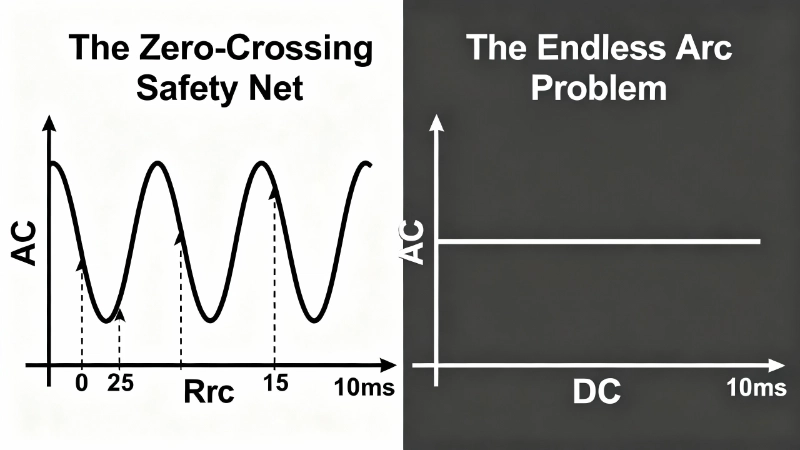
- Fator de Cruzamento por Zero: A corrente AC extingue naturalmente os arcos nas passagens por zero (100-120 vezes/seg), enquanto a corrente DC sustenta os arcos continuamente.
- Diferenças de Design: Os isoladores DC requerem bobinas de sopro magnético e câmaras de extinção de arco profundas, tornando-os fisicamente maiores e mais caros do que as versões AC.
- Redução de Tensão: Usar um isolador AC para aplicações DC resulta em uma queda significativa na capacidade de tensão (por exemplo, 690V AC → ~220V DC).
- Regra de Segurança: Nunca use um isolador com classificação AC para sistemas DC, como Solar FV ou Armazenamento de Bateria, para evitar riscos de incêndio e soldagem de contato.
O técnico de manutenção abre o interruptor seccionador. 600 volts, 32 amperes. Procedimento de bloqueio de rotina para um conjunto solar no telhado.
Exceto que o interruptor não era classificado para CC.
Dentro da caixa, um arco se forma entre os contatos que se separam — uma ponte de plasma brilhante e sustentada conduzindo 600V CC através do ar ionizado. Em um sistema CA, este arco se extinguiria naturalmente em 10 milissegundos, apagado na próxima passagem por zero da corrente. Mas a corrente CC não tem passagens por zero. O arco se mantém. Os contatos começam a se erodir. A temperatura sobe. Em segundos, o seccionador que deveria fornecer desconexão segura se torna um condutor contínuo de alta tensão, exatamente quando você mais precisa que ele esteja isolado.
Isso é “A Rede de Segurança da Passagem por Zero”— CA tem, CC não. E isso muda tudo sobre como os interruptores seccionadores devem ser projetados, classificados e selecionados.

O que são interruptores isoladores?
Um interruptor isolador (também chamado de seccionador ou interruptor seccionador) é um dispositivo de comutação mecânico projetado para isolar um circuito elétrico de sua fonte de alimentação, garantindo manutenção e reparo seguros. Regido por IEC 60947-3:2020 para quadros de distribuição de baixa tensão (até 1000V AC e 1500V DC), os seccionadores fornecem desconexão visível—uma folga física que você pode ver ou verificar—entre condutores energizados e equipamentos downstream.
Ao contrário de disjuntores, os seccionadores não são projetados para interromper correntes de falta sob carga. Eles são desconectores de manutenção. Você os abre quando o circuito está desenergizado ou transportando carga mínima, criando um ponto de isolamento seguro para o trabalho downstream. A maioria dos seccionadores inclui um mecanismo de bloqueio (haste de cadeado ou alça travável) para conformidade com LOTO (Lockout/Tagout).
Aqui está o que torna a seleção do seccionador crítica: a física da interrupção do arco— o que acontece nos microssegundos após você abrir o interruptor — é fundamentalmente diferente para CA vs CC. Um seccionador adequado para serviço CA pode ser completamente inadequado (e perigoso) para serviço CC, mesmo em tensão mais baixa. A placa de identificação pode dizer “690V”, mas isso é 690V AC. Usá-lo em uma string solar de 600V CC? Você acabou de criar um potencial risco de arco elétrico.
Este não é um detalhe técnico menor ou uma margem de segurança conservadora. É física. E entender o porquê requer olhar para o que acontece dentro de cada interruptor quando os contatos se separam sob tensão.
Dica #1: Nunca use um seccionador classificado para CA para aplicações CC, a menos que ele tenha classificações explícitas de tensão/corrente CC em sua folha de dados. Um seccionador classificado para 690V CA normalmente tem capacidade CC de apenas 220-250V CC — menos do que uma string solar de 4 painéis em circuito aberto.
O Problema da Extinção do Arco: Por Que CC É Diferente

Quando você abre qualquer interruptor sob tensão, um arco se forma. É inevitável. À medida que os contatos se separam, a lacuna entre eles ainda é pequena o suficiente — micrômetros, depois milímetros — para que a tensão ionize o ar, criando um canal de plasma condutor. A corrente continua a fluir através deste arco, mesmo que os contatos mecânicos não estejam mais tocando.
Para que o interruptor realmente isole o circuito, este arco deve ser extinto. E aqui é onde CA e CC divergem completamente.
CA: A Passagem por Zero Natural
A corrente alternada, como o próprio nome sugere, alterna. Um sistema CA de 50 Hz cruza a tensão/corrente zero 100 vezes por segundo. Um sistema de 60 Hz cruza zero 120 vezes por segundo. A cada 8,33 milissegundos (60 Hz) ou 10 milissegundos (50 Hz), o fluxo de corrente inverte a direção — e passa por zero.
Na passagem por zero da corrente, não há energia sustentando o arco. O plasma desioniza. O arco se extingue. Se os contatos se separaram o suficiente no próximo meio ciclo, a rigidez dielétrica da lacuna (sua capacidade de suportar tensão sem reignição) excede a tensão do sistema. O arco não re-ignita. O isolamento é alcançado.
This is “A Rede de Segurança da Passagem por Zero.” Os seccionadores CA podem confiar nesta interrupção natural. Seu design de contato, distância da lacuna e geometria da câmara de arco só precisam garantir que o arco não re-ignite após a próxima passagem por zero. É um problema de design relativamente tolerante.
CC: O Problema do Arco Infinito
A corrente contínua não tem passagens por zero. Nunca. Uma string solar de 600V CC fornece 600 volts continuamente. Quando os contatos do seccionador se separam e um arco se forma, esse arco é sustentado por energia contínua. Não há ponto de interrupção natural. O arco continuará indefinidamente até que uma de três coisas aconteça:
- A lacuna de contato se torna grande o suficiente para que mesmo o arco não consiga preenchê-la (requerendo uma separação física muito maior do que CA)
- O arco é mecanicamente esticado, resfriado e soprado para fora usando campos magnéticos e câmaras de extinção de arco
- Os contatos se soldam devido ao aquecimento sustentado, derrotando todo o propósito do isolamento
A opção 3 é o que acontece quando você usa um seccionador classificado para CA em serviço CC. A velocidade de separação do contato e a distância da lacuna que funcionam bem para CA — porque a próxima passagem por zero chega em 10 milissegundos — são insuficientes para CC. O arco se mantém. A erosão do contato acelera. No pior caso, os contatos soldam e você perde o isolamento completamente.
Dica #2: A corrente CA cruza zero 100 vezes por segundo (50 Hz) ou 120 vezes (60 Hz) — cada passagem por zero é uma oportunidade para o arco se extinguir naturalmente. A corrente CC nunca cruza zero. Esta não é uma diferença menor — é por isso que os seccionadores CC precisam de bobinas de sopro magnético e câmaras de extinção de arco profundas que os seccionadores CA não precisam.
Design do Seccionador CC: O Guerreiro da Câmara de Arco
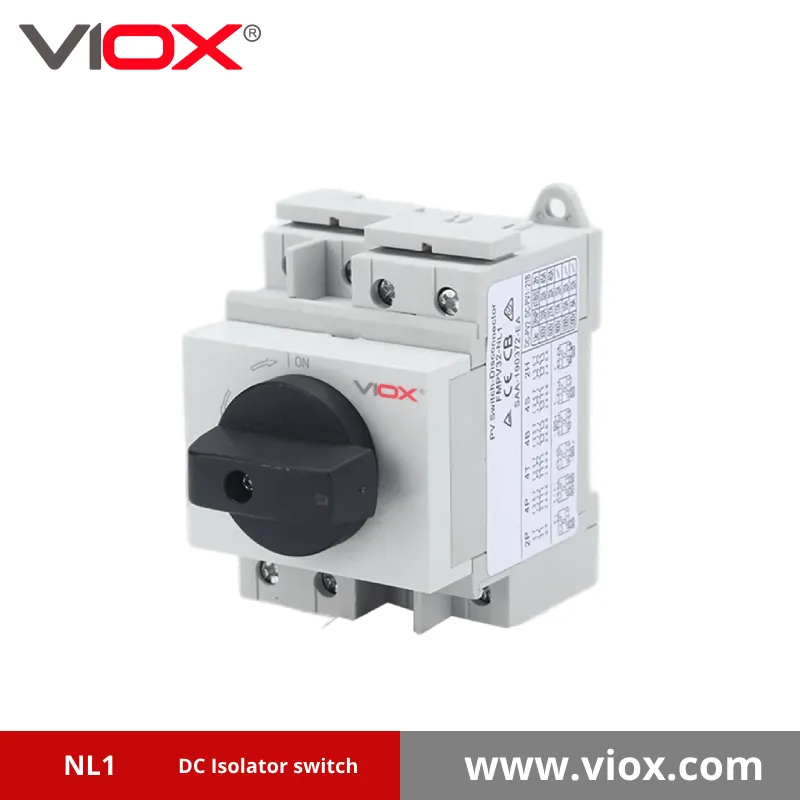
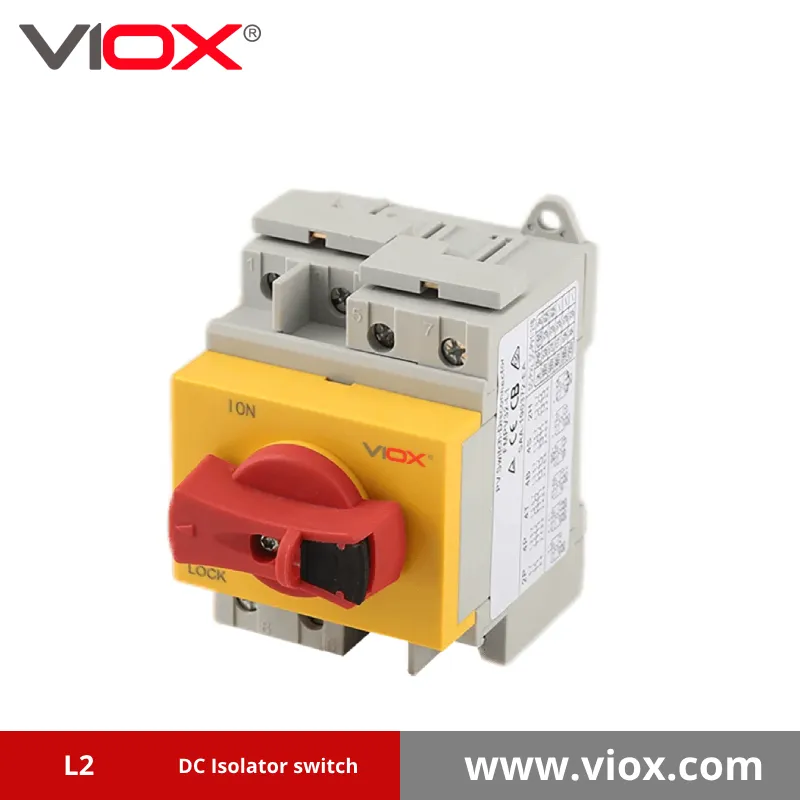
Como os arcos CC não se autoextinguem, os seccionadores CC devem forçar a extinção por meios mecânicos agressivos. Este é “O Guerreiro da Câmara de Arco”— um seccionador CC é projetado para a batalha.
Bobinas de Sopro Magnético
A maioria dos seccionadores CC incorpora bobinas de sopro magnético ou ímãs permanentes posicionados perto dos contatos. Quando um arco se forma, o campo magnético interage com a corrente do arco (que é uma carga em movimento), produzindo uma força de Lorentz que empurra o arco para longe dos contatos e para dentro da câmara de extinção de arco.
Pense nisso como uma mão magnética que fisicamente empurra o arco para longe de onde ele quer ficar. Quanto mais rápido e mais longe você move o arco, mais ele esfria e estica, até que não consiga mais se sustentar.
Câmaras de Extinção de Arco (Placas Divisoras)
Uma vez que o arco é soprado para dentro da câmara de arco, ele encontra câmaras de extinção de arco— conjuntos de placas de metal (geralmente cobre) que dividem o arco em múltiplos segmentos mais curtos. Cada segmento tem sua própria queda de tensão. Quando a queda de tensão total em todos os segmentos excede a tensão do sistema, o arco não consegue mais se sustentar. Ele colapsa.
Os seccionadores CC usam designs de câmaras de extinção de arco mais profundos e agressivos do que os seccionadores CA porque não podem confiar nas passagens por zero da corrente. O arco deve ser extinto à força com corrente total, sempre.
Materiais de Contato com Alto Teor de Prata
Os arcos CC são brutais nos contatos. O arqueamento sustentado em tensão total causa erosão e aquecimento rápidos. Para suportar isso, os seccionadores CC usam materiais de contato com maior teor de prata (geralmente ligas de prata-tungstênio ou prata-níquel) que resistem à soldagem e erosão melhor do que os contatos de cobre ou latão comuns em seccionadores CA.
O resultado? Um seccionador CC classificado para 1000V CC a 32A é fisicamente maior, mais pesado, mais complexo e custa 2-3× mais do que um seccionador CA com classificação semelhante. Este não é um preço arbitrário — é o custo de engenharia de forçar a extinção do arco sem uma passagem por zero.
Dica #3: Para sistemas fotovoltaicos, sempre verifique se a classificação de tensão DC do isolador excede a tensão máxima de circuito aberto (Voc) da sua string na temperatura mais baixa esperada. Uma string de 10 painéis de módulos de 400W pode atingir 500-600V DC a -10°C—excedendo muitos isoladores “compatíveis com DC”. Consulte também nosso guia sobre Conexão de Isoladores DC para práticas de fiação seguras.

Design do Seccionador CA: Cavalgando a Passagem por Zero
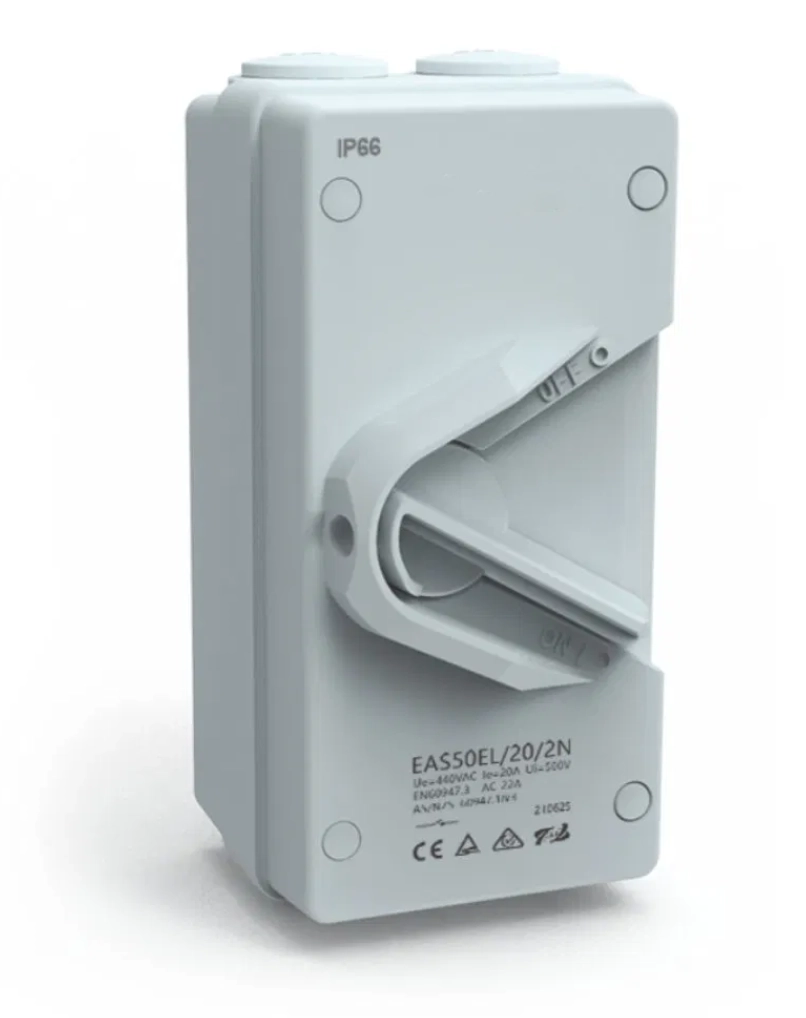
Os seccionadores CA são, em comparação, simples. Eles não precisam de bobinas de sopro magnético (embora alguns os incluam para interrupção mais rápida). Eles não precisam de câmaras de extinção de arco profundas. Eles não precisam de materiais de contato exóticos.
Por quê? Porque a passagem por zero faz a maior parte do trabalho. O trabalho do seccionador CA não é extinguir o arco à força — é garantir que o arco não re-ignite após a interrupção natural da passagem por zero.
- Distância de lacuna suficiente: Tipicamente 3-6mm para CA de baixa tensão, dependendo da tensão e do grau de poluição
- Contenção básica do arco: Barreiras isolantes simples para evitar o trilhamento de arco sobre as superfícies
É isso. Os isoladores AC dependem da forma de onda para fazer o trabalho pesado. O design mecânico só precisa acompanhar. Para aplicações específicas, como motores trifásicos, consulte nosso Guia Completo para Seccionador Trifásico.
A Penalidade de Redução da Tensão
Aqui está uma surpresa que pega muitos engenheiros: se você deve usar um isolador com classificação AC para DC (o que você não deveria, mas hipoteticamente), sua capacidade de tensão DC é dramaticamente menor do que sua classificação AC. Isso é “A Penalidade de Redução da Tensão.”
Um padrão típico:
- Classificação de 690V AC → capacidade de aproximadamente 220-250V DC
- Classificação de 400V AC → capacidade de aproximadamente 150-180V DC
- Classificação de 230V AC → capacidade de aproximadamente 80-110V DC
Por que uma redução tão severa? Porque a tensão do arco DC é fundamentalmente diferente da tensão do arco AC. Os fabricantes levam isso em conta, reduzindo drasticamente a classificação de tensão DC.
Para aplicações solares fotovoltaicas, isso é “A Armadilha da String PV.” Um painel solar comum de 400W tem uma tensão de circuito aberto (Voc) de aproximadamente 48-50V em STC. Junte 10 painéis em série: 480-500V. Mas a Voc aumenta em temperaturas mais baixas. Um isolador AC de 400V com uma classificação DC de 180V? Completamente inadequado.
Dica #4: Os isoladores são projetados para comutação sem carga ou com carga mínima—são desconexões de manutenção, não proteção contra sobrecorrente. Para ambientes que exigem proteção contra intempéries, certifique-se de entender Classificações IP para seccionadores.

Isolador DC vs AC: Especificações Chave Comparadas
| Especificação | Isolador CA | Isolador DC |
|---|---|---|
| Mecanismo de Extinção de Arco | Passagem por zero de corrente natural (100-120 vezes/seg) | Extinção mecânica forçada (sopro magnético + câmaras de extinção de arco) |
| Distância de Contato Necessária | 3-6mm (varia conforme a tensão) | 8-15mm (distância maior para a mesma tensão) |
| Design da Câmara de Extinção de Arco | Mínimo ou nenhum | Placas divisoras profundas, geometria agressiva |
| Sopro Magnético | Opcional (para interrupção rápida) | Obrigatório (ímãs permanentes ou bobinas) |
| Material de contato | Cobre, latão, ligas padrão | Alto teor de prata (ligas Ag-W, Ag-Ni) |
| Exemplo de Classificação de Tensão | 690V AC | 1000V DC ou 1500V DC |
| Exemplo de Classificação de Corrente | 32A, 63A, 125A típico | 16A-1600A (faixa mais ampla para PV/ESS) |
| Aplicações Típicas | Controle de motor, HVAC, distribuição AC industrial | Solar PV, armazenamento de bateria, carregamento de EV, microredes DC |
| Normas | IEC 60947-3:2020 (categorias de utilização AC) | IEC 60947-3:2020 (categorias de utilização DC: DC-21B, DC-PV2) |
| Tamanho E Peso | Compacto, leve | Maior, mais pesado (2-3× o tamanho para a mesma classificação de corrente) |
| Custo | Menor (linha de base) | 2-3× mais caro |
| Duração do Arco na Abertura | <10ms (até a próxima passagem por zero) | Contínuo até ser extinto mecanicamente |
Principais conclusões: A “penalidade de custo de 2-3×” para isoladores DC não é especulação de preços—reflete o imposto fundamental da física de extinguir arcos sem passagens por zero.
Quando Usar Isoladores DC vs AC
A decisão não é sobre preferência ou otimização de custos—é sobre combinar a capacidade de extinção de arco do isolador com o tipo de corrente do seu sistema.
Use Isoladores DC Para:
1. Sistemas Solares Fotovoltaicos (PV)
Cada string DC de painel solar requer isolamento entre o painel e o inversor. As tensões da string geralmente atingem 600-1000V DC. Procure a categoria de utilização IEC 60947-3 DC-PV2 projetada especificamente para serviço de comutação FV. Consulte nosso guia sobre Classificações de Tensão da Caixa de Junção Solar para mais detalhes.
2. Sistemas de Armazenamento de Energia em Bateria (ESS)
Os bancos de baterias operam em tensões DC que variam de 48V a 800V+. O isolamento é necessário entre os módulos de bateria e os inversores.
3. Infraestrutura de Carregamento de EV
Os carregadores rápidos DC fornecem 400-800V DC diretamente para as baterias dos veículos.
4. Microredes DC e Data Centers
Os data centers usam cada vez mais a distribuição de 380V DC para reduzir as perdas de conversão.
5. Distribuição DC Marinha e Ferroviária
Navios e trens usam distribuição DC (24V, 48V, 110V, 750V) há décadas.
Use Isoladores AC Para:
1. Circuitos de Controle de Motor
Isolamento para motores de indução AC, sistemas HVAC e bombas.
2. Distribuição CA em Edifícios
Isolamento para painéis de iluminação e cargas gerais do edifício.
3. Painéis de Controlo CA Industriais
Armários de controlo de máquinas com Contactores AC e PLCs.
A Regra Crítica
Se a tensão do seu sistema for CC — mesmo 48V CC — use um isolador com classificação CC. A física do arco não se importa com o nível de tensão; importa-se com o tipo de forma de onda. Um arco de 48V CC ainda pode sustentar e causar soldadura de contacto num interruptor apenas CA.

Guia de Seleção: Método de 4 Passos para Isoladores CC
Passo 1: Calcular a Tensão Máxima do Sistema
Para Solar FV: Calcular Voc da string na temperatura ambiente mais baixa esperada. Voc aumenta aproximadamente 0,3-0,4% por °C abaixo de 25°C.
- Exemplo: String de 10 painéis, Voc = 49V/painel em STC. A -10°C: 49V × 1,14 (fator de temperatura) × 10 painéis = Classificação mínima do isolador de 559V CC
Pro-Tip: Especifique sempre a classificação de tensão do isolador pelo menos 20% acima da tensão máxima calculada do sistema para margem de segurança.
Passo 2: Determinar a Classificação de Corrente
Para Solar FV: Use a corrente de curto-circuito da string (Isc) × 1,25 fator de segurança.
Passo 3: Verificar a Categoria de Utilização
Verifique a folha de dados para a categoria de utilização IEC 60947-3: DC-21B para circuitos CC gerais, DC-PV2 especificamente para comutação CC fotovoltaica.
Passo 4: Confirmar a Classificação de Curto-Circuito (Se Aplicável)
A maioria dos isoladores são projetados para comutação sem carga ou com carga mínima. Para comutação de carga regular ou interrupção de falhas, especifique um Disjuntor CC em vez disso.
Dica Profissional: Os isoladores CC custam 2-3× mais do que os isoladores CA equivalentes porque requerem materiais de contacto fundamentalmente diferentes, sistemas de extinção magnética e câmaras de extinção de arco profundas.
Perguntas Frequentes
Posso usar um isolador CA para aplicações CC?
Não, geralmente não pode. Os isoladores AC dependem da “passagem por zero” da corrente alternada para extinguir arcos elétricos. A corrente DC não tem passagem por zero, o que significa que os arcos podem se sustentar indefinidamente em um interruptor AC, levando a superaquecimento, incêndio e soldagem de contato.
Por que os isoladores DC são maiores que os isoladores AC?
Os isoladores DC requerem componentes internos maiores, como bobinas de sopro magnético e câmaras de extinção de arco mais profundas (placas divisoras), para forçar mecanicamente a extinção do arco. Eles também exigem folgas de contato mais amplas para evitar que o arco se restabeleça.
Qual é a diferença entre um isolador DC e um disjuntor DC?
Um isolador DC é projetado principalmente para desconexão de manutenção (isolamento do circuito) e geralmente é operado sem carga. Um Disjuntor CC fornece proteção automática contra sobrecargas e curtos-circuitos e é projetado para interromper correntes de falta sob carga.
Conclusão: A Física Não É Opcional
A diferença entre interruptores de isolamento CC e CA não é uma questão de classificações, custo ou preferência. É física.
Os isoladores CA dependem de “A Rede de Segurança da Passagem por Zero”. Os isoladores CC enfrentam “O Problema do Arco Infinito”. O arco irá sustentar-se indefinidamente a menos que o interruptor force a extinção através de bobinas de extinção magnética e calhas de arco profundas.
Quando especifica um isolador para uma string solar FV ou armazenamento de bateria, está a selecionar um sistema de extinção de arco. Use o errado e arrisca-se a arcos sustentados e incêndio. A regra é simples: Se a sua tensão é CC, use um isolador com classificação CC.
A física não é negociável. Escolha em conformidade.
Precisa de ajuda para selecionar isoladores CC para o seu projeto solar FV ou de armazenamento de bateria? Contacte a nossa equipa de engenharia de aplicação para orientação técnica sobre soluções de comutação CC em conformidade com a norma IEC 60947-3.