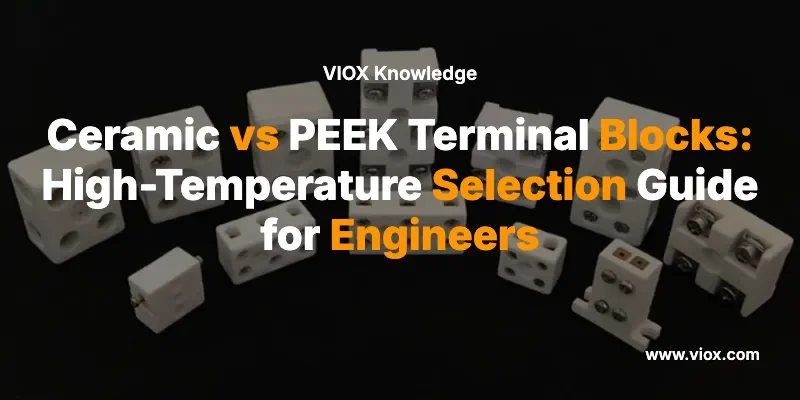
Kiedy same parametry temperaturowe prowadzą do kosztownych awarii
Wyobraź sobie: Właśnie uruchomiłeś nową linię do obróbki termicznej przystosowaną do ciągłej pracy w temperaturze 240°C. Określiłeś listwy zaciskowe z PEEK — w granicach ich znamionowej temperatury 260°C, prawda? Trzy miesiące później zakłócenie procesu podnosi temperaturę do 280°C na zaledwie 15 minut. Podczas inspekcji sprzętu znajdujesz stopione listwy zaciskowe, uszkodzone okablowanie i linię produkcyjną, która jest wyłączona z powodu awaryjnych napraw. Główna przyczyna? Wybór materiału oparty wyłącznie na jego maksymalnej temperaturze roboczej bez zrozumienia krytycznej różnicy między ciągłą pracą a marginesami bezpieczeństwa termicznego.
Taki scenariusz rozgrywa się codziennie w zakładach przemysłowych. Inżynierowie często wybierają listwy zaciskowe wysokotemperaturowe, porównując jedną liczbę — maksymalną temperaturę roboczą — bez uwzględnienia pełnego profilu zastosowania. Rezultat? Albo katastrofalne awarie z powodu niedowymiarowania, albo zmarnowany budżet z powodu przewymiarowania egzotycznymi materiałami.

Dlaczego decyzja Ceramika kontra PEEK ma większe znaczenie, niż myślisz
Wybór między ceramicznymi a PEEK listwami zaciskowymi nie polega na tym, który materiał jest “lepszy” — chodzi o zrozumienie dwóch zasadniczo różnych rozwiązań inżynieryjnych. Ceramiczne listwy zaciskowe są najlepszymi specjalistami od ekstremalnego ciepła, wytrzymującymi ciągłe temperatury do 500°C i krótkotrwałe szczyty zbliżające się do 1000°C. Są z natury niepalne i obojętne chemicznie, co czyni je idealnymi do pieców, pieców do wypalania i wysokotemperaturowych urządzeń procesowych.
PEEK (Polieteroeteroketon) listwy zaciskowe, z drugiej strony, są wszechstronnymi końmi roboczymi do wymagających — ale nie ekstremalnych — środowisk termicznych. Dzięki ciągłej temperaturze roboczej wynoszącej 260°C oferują coś, czego ceramika nie może: wyjątkową trwałość mechaniczną, odporność na uderzenia i wibracje oraz możliwość obróbki w złożone geometrie z wąskimi tolerancjami.
Kluczowy wniosek: Próg 260°C jest krytycznym punktem decyzyjnym. Powyżej tej temperatury ceramika jest jedyną realną opcją. Poniżej niej PEEK często zapewnia lepszą ogólną wydajność przy niższych kosztach — chyba że bezpieczeństwo pożarowe lub ekstremalne warunki chemiczne są głównymi problemami.
Trzyetapowy schemat wyboru listew zaciskowych wysokotemperaturowych
Krok 1: Określ pełny profil temperatury — nie tylko maksimum
Zanim otworzysz katalog, musisz odpowiedzieć na trzy pytania dotyczące temperatury, a nie tylko na jedno:
- Jaka jest twoja ciągła temperatura robocza? To tutaj twój sprzęt pracuje przez 95% czasu. W przypadku PEEK masz komfortowe okno robocze do 260°C. W przypadku ceramiki możesz pracować w sposób ciągły do 500°C lub więcej, w zależności od tego, czy używasz ceramiki steatytowej, czy na bazie tlenku glinu.
- Jakie są skoki temperatury procesu? To tutaj inżynierowie się parzą (dosłownie). Temperatura topnienia PEEK wynosi od 322°C do 346°C — co brzmi jak margines bezpieczeństwa, dopóki nie zdasz sobie sprawy, że jego właściwości mechaniczne zaczynają się pogarszać już przy 143°C (jego temperatura zeszklenia). Jeśli twój proces sporadycznie przekracza 260°C, nawet na krótko, PEEK traci swoją integralność strukturalną. Ceramika natomiast wytrzymuje krótkotrwałe szczyty do 700–1000°C bez degradacji.
- Jak szybko występują cykle temperaturowe? Szybkie cykle termiczne powodują naprężenia mechaniczne wynikające z rozszerzalności cieplnej. Ceramika, choć odporna na ciepło, jest krucha i podatna na pękanie pod wpływem powtarzających się szoków termicznych. Lepsza elastyczność mechaniczna PEEK sprawia, że jest bardziej tolerancyjny w zastosowaniach z częstymi wahaniami temperatury.
Pro Tip: Jeśli twoje zastosowanie kiedykolwiek przekroczy 260°C — nawet podczas uruchamiania, wyłączania lub zakłóceń procesu — określ ceramikę. PEEK nie oferuje żadnego marginesu bezpieczeństwa powyżej tego punktu, a konsekwencje stopienia listew zaciskowych obejmują nie tylko uszkodzenie sprzętu, ale także potencjalne zagrożenie pożarowe.
Krok 2: Oceń obciążenia mechaniczne i wibracyjne
Odporność na temperaturę nic nie znaczy, jeśli twoja listwa zaciskowa pęknie od wstrząsu mechanicznego lub poluzuje się z mocowania z powodu wibracji.
Piętą achillesową ceramiki jest jej kruchość. Pomimo doskonałej wytrzymałości na ściskanie, ceramiczne listwy zaciskowe są kruche pod wpływem uderzeń, naprężeń rozciągających i wibracji. Pomyśl o ceramice jako o “specjaliście, który nie potrafi przyjąć ciosu” — idealna do stacjonarnego sprzętu w kontrolowanych środowiskach, ale podatna na uszkodzenia w maszynach mobilnych, zastosowaniach transportowych lub wszędzie tam, gdzie występują obciążenia udarowe.
PEEK wyróżnia się tam, gdzie liczy się trwałość mechaniczna. Jego doskonały stosunek wytrzymałości do wagi, wysoka wytrzymałość na rozciąganie i doskonała odporność na pełzanie i zmęczenie sprawiają, że jest to oczywisty wybór dla:
- Narzędzi do odwiertów naftowych i gazowych (ekstremalne ciśnienie i wibracje)
- Komponentów lotniczych (wibracje i przeciążenia)
- Mobilnego sprzętu przemysłowego (wstrząsy i uderzenia)
- Zautomatyzowanych systemów produkcyjnych (powtarzalne naprężenia mechaniczne)
Kluczowy wniosek: W środowiskach o wysokich wibracjach poniżej 260°C przewaga mechaniczna PEEK często przeważa nad wyższym pułapem temperatury ceramiki. Ceramika może przetrwać ciepło, ale nie przetrwa upuszczenia lub ciągłych wibracji.
Krok 3: Oceń wymagania dotyczące bezpieczeństwa pożarowego i narażenia na chemikalia
Ostateczne czynniki decyzyjne często sprowadzają się do kwestii krytycznych dla bezpieczeństwa, które przeważają nad wszystkimi innymi.
- Odporność ogniowa: Ceramika jest z natury niepalna. Nie pali się, nie topi ani nie emituje toksycznych oparów w kontakcie z otwartym płomieniem — co jest krytyczną zaletą w piecach, piecach przemysłowych lub w każdym zastosowaniu, w którym występuje ryzyko pożaru. W przypadku systemów bezpieczeństwa życia, zakładów przetwórstwa chemicznego lub urządzeń w pobliżu źródeł zapłonu, wydajność ogniowa ceramiki jest niezrównana.
- PEEK uzyskuje ocenę palności V-0 (najwyższy standard) i wytwarza bardzo mało dymu i toksycznych gazów, dzięki czemu nadaje się do większości zastosowań przemysłowych. Jednak w końcu stopi się, jeśli zostanie wystawiony na działanie ciągłego płomienia, podczas gdy ceramika pozostaje strukturalnie nienaruszona.
- Odporność chemiczna: Oba materiały są doskonałe, ale poznaj ograniczenia PEEK. Oba materiały są odporne na większość chemikaliów przemysłowych, olejów i rozpuszczalników. Jednak PEEK jest podatny na działanie stężonego kwasu siarkowego i niektórych agresywnych środków utleniających. Ceramika zachowuje swoją obojętność chemiczną nawet w najtrudniejszych środowiskach chemicznych.
Pro Tip: W przypadku krytycznych systemów bezpieczeństwa — paneli przeciwpożarowych, obwodów awaryjnego wyłączania lub sprzętu ratującego życie — niepalna natura ceramiki zapewnia dodatkową warstwę ochrony, której PEEK nie może dorównać, niezależnie od wymagań temperaturowych.

Szybka matryca wyboru: Ceramiczne kontra PEEK listwy zaciskowe
| Wymagania twojego zastosowania | Zalecany materiał | Dlaczego |
|---|---|---|
| Ciągłe temperatury powyżej 260°C | Ceramika | PEEK nie może pracować powyżej 260°C |
| Temperatury poniżej 260°C z wysokimi wibracjami | PEEK | Doskonała odporność na uderzenia i wibracje |
| Skoki procesu powyżej 260°C (nawet na krótko) | Ceramika | PEEK nie ma marginesu bezpieczeństwa powyżej swojej maksymalnej wartości znamionowej |
| Systemy krytyczne dla bezpieczeństwa pożarowego lub życia | Ceramika | Z natury niepalny |
| Złożone geometrie lub wąskie tolerancje | PEEK | Łatwa obróbka lub formowanie wtryskowe |
| Narażenie na stężony kwas siarkowy | Ceramika | PEEK ulega degradacji w silnych kwasach |
| Zastosowania mobilne lub transportowe | PEEK | Lepsza trwałość mechaniczna i waga |
Podsumowanie: Dopasuj materiał do swojego krytycznego czynnika
Niewłaściwy materiał listwy zaciskowej nie tylko zawodzi — zawodzi katastrofalnie, często pociągając za sobą cały system. Ceramiczne i PEEK listwy zaciskowe nie są zamiennymi alternatywami; są to specjalistyczne narzędzia do różnych wyzwań inżynieryjnych.
Wybierz ceramikę, gdy:
- Temperatury robocze przekraczają 260°C w sposób ciągły lub skokowo powyżej tego progu
- Bezpieczeństwo pożarowe jest najważniejsze
- Narażenie na chemikalia obejmuje agresywne kwasy lub ekstremalne środowiska korozyjne
- Instalacja jest stacjonarna z minimalnymi naprężeniami mechanicznymi
Wybierz PEEK, gdy:
- Temperatury robocze pozostają niezawodnie poniżej 260°C
- Trwałość mechaniczna, odporność na uderzenia lub tolerancja na wibracje są krytyczne
- Wymagane są złożone geometrie lub niestandardowe konfiguracje
- Redukcja wagi ma znaczenie (przemysł lotniczy, sprzęt mobilny)
Następny krok: Przeanalizuj swój profil temperaturowy, środowisko mechaniczne i wymagania bezpieczeństwa, korzystając z powyższego trójstopniowego schematu. Nadal nie jesteś pewien, który materiał pasuje do Twojej konkretnej aplikacji? Skontaktuj się z naszym zespołem wsparcia technicznego, aby uzyskać bezpłatną konsultację — pomożemy Ci wybrać odpowiedni materiał bloku zaciskowego, zanim niewłaściwy spowoduje awarię systemu.