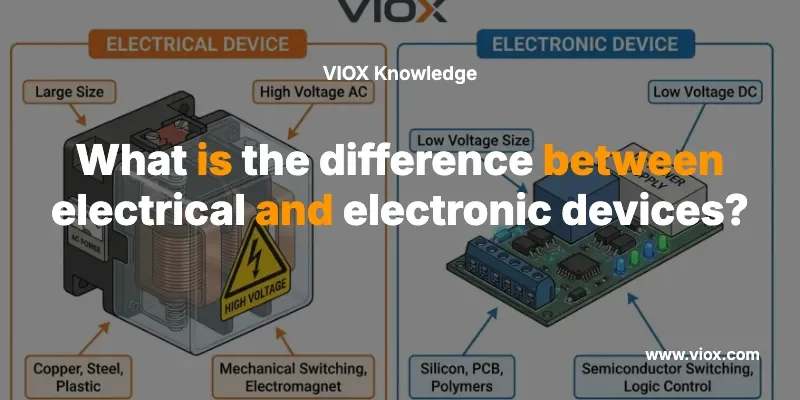
လျှပ်စစ်ပစ္စည်းများသည် လျှပ်စစ်စွမ်းအင်ကို အပူ၊ အလင်း သို့မဟုတ် ရွေ့လျားမှုကဲ့သို့သော အခြားပုံစံများအဖြစ် ရိုးရှင်းသော စွမ်းအင်ပြောင်းလဲခြင်းဖြင့် ပြောင်းလဲပေးပြီး အီလက်ထရွန်းနစ်ပစ္စည်းများသည် ဆီမီးကွန်ဒတ်တာများကို အသုံးပြု၍ အချက်ပြမှုလုပ်ဆောင်ခြင်း၊ အသံချဲ့ထွင်ခြင်းနှင့် ဒေတာစီမံခန့်ခွဲခြင်းကဲ့သို့သော ရှုပ်ထွေးသည့် လုပ်ဆောင်စရာများအတွက် လျှပ်စစ်စီးကြောင်းကို ထိန်းချုပ်ကာ ကိုင်တွယ်အသုံးပြုပါသည်။ အဓိကခြားနားချက်မှာ ၎င်းတို့၏ လုပ်ဆောင်မှုရှုပ်ထွေးမှုတွင် တည်ရှိသည်- လျှပ်စစ်ပစ္စည်းများသည် တိုက်ရိုက်စွမ်းအင်ပြောင်းလဲခြင်းကို လုပ်ဆောင်ပြီး အီလက်ထရွန်းနစ်ပစ္စည်းများသည် ရှုပ်ထွေးသော လုပ်ဆောင်ချက်များကို လုပ်ဆောင်ရန် အီလက်ထရွန်စီးဆင်းမှုကို ဉာဏ်ရည်ထက်မြက်စွာ ထိန်းညှိပေးသည်။.
သော့ထုတ်ယူမှုများ
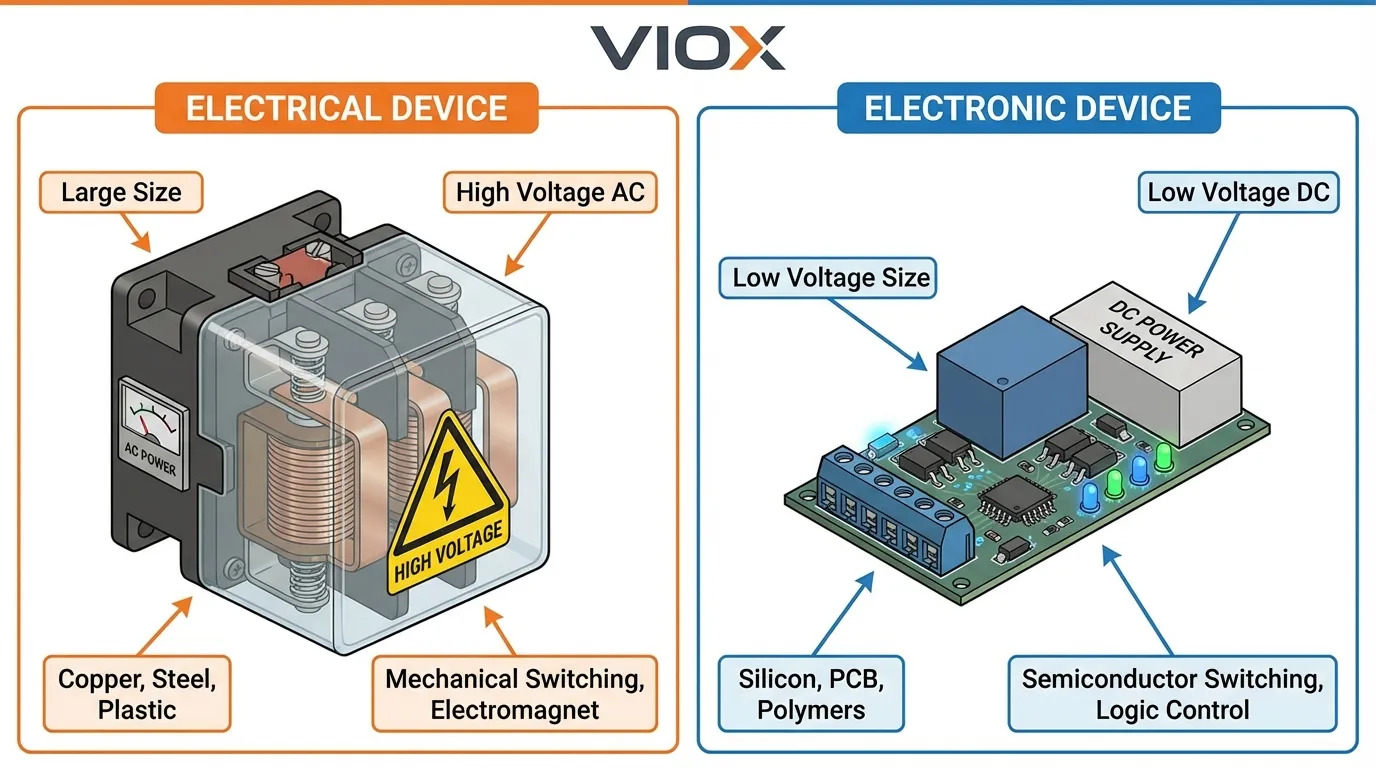
- လျှပ်စစ်ပစ္စည်းများ လျှပ်စစ်စွမ်းအင်ကို စက်မှုလုပ်ငန်း၊ အပူ သို့မဟုတ် အလင်းအဖြစ် ကြေးနီနှင့် အလူမီနီယမ်ကဲ့သို့သော လျှပ်ကူးပစ္စည်းများကို အသုံးပြု၍ ပြောင်းလဲပေးပြီး ဗို့အားမြင့် AC ပါဝါဖြင့် အဓိကလုပ်ဆောင်သည်။
- အီလက်ထရွန်းနစ်ပစ္စည်းများ သတင်းအချက်အလက်များကို လုပ်ဆောင်ရန်နှင့် ဗို့အားနည်းဖြင့် ရှုပ်ထွေးသော လုပ်ဆောင်စရာများကို လုပ်ဆောင်ရန် ဆီမီးကွန်ဒတ်တာအစိတ်အပိုင်းများ (ဆီလီကွန်၊ ဂျာမနီယမ်) ကို အသုံးပြု၍ အီလက်ထရွန်စီးဆင်းမှုကို ထိန်းချုပ်သည်။
- လျှပ်စစ်ပစ္စည်းများသည် ပုံမှန်အားဖြင့် ပါဝါပိုမိုသုံးစွဲပြီး ပိုကြီးကာ အီလက်ထရွန်းနစ်ပစ္စည်းများသည် သေးငယ်ပြီး စွမ်းအင်သက်သာကာ အချက်ပြမှုများကို ကိုင်တွယ်အသုံးပြုနိုင်စွမ်းရှိသည်။
- ဘေးကင်းရေးဆိုင်ရာ ထည့်သွင်းစဉ်းစားမှုများသည် သိသိသာသာကွာခြားသည်- လျှပ်စစ်ပစ္စည်းများသည် ဗို့အားမြင့်သောကြောင့် လျှပ်စစ်ရှော့ခ်ဖြစ်နိုင်ခြေပိုများပြီး အီလက်ထရွန်းနစ်ပစ္စည်းများသည် တည်ငြိမ်သော လျှပ်စစ်ဓာတ်အားကို ပိုမိုထိခိုက်လွယ်သည်။
- ခေတ်မီစနစ်များသည် ဟိုက်ဘရစ်အသုံးချမှုများတွင် လျှပ်စစ်ပါဝါပေးပို့မှုကို စီမံခန့်ခွဲသည့် အီလက်ထရွန်းနစ်ထိန်းချုပ်မှုများနှင့်အတူ နည်းပညာနှစ်ခုလုံးကို ပိုမိုပေါင်းစပ်လာကြသည်။
လျှပ်စစ်ပစ္စည်းများကို နားလည်ခြင်း- ပါဝါပြောင်းလဲခြင်းလုပ်ဆောင်ချက်
လျှပ်စစ်ပစ္စည်းများသည် စက်မှုနှင့် လူနေအိမ်အသုံးချမှုများတွင် ပါဝါဖြန့်ဖြူးခြင်းနှင့် စွမ်းအင်ပြောင်းလဲခြင်း၏ အခြေခံအုတ်မြစ်ကို ကိုယ်စားပြုသည်။ ဤပစ္စည်းများသည် တိုက်ရိုက်မူတစ်ခုပေါ်တွင် လုပ်ဆောင်သည်- ၎င်းတို့သည် လျှပ်စစ်စွမ်းအင်ကို လက်ခံရရှိပြီး ရှုပ်ထွေးသော အချက်ပြမှုလုပ်ဆောင်ခြင်း သို့မဟုတ် ထိန်းချုပ်မှုယုတ္တိဗေဒမပါဘဲ အခြားစွမ်းအင်ပုံစံတစ်ခုအဖြစ် တိုက်ရိုက်ပြောင်းလဲပေးသည်။.
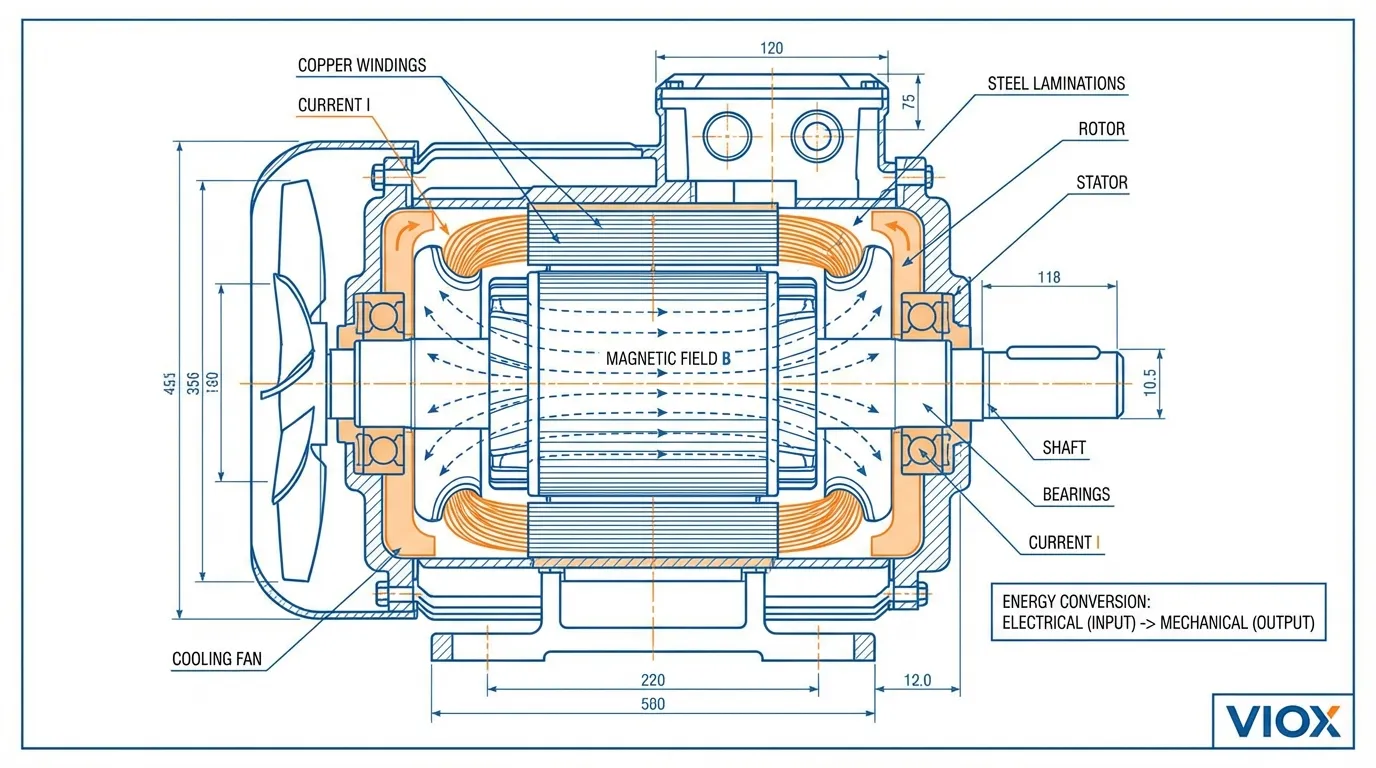
လျှပ်စစ်ပစ္စည်းများ၏ အဓိကလက္ခဏာမှာ ၎င်းတို့၏ တည်ဆောက်ပုံနှင့် ပစ္စည်းများတွင် တည်ရှိသည်။ ၎င်းတို့သည် လျှပ်စီးကြောင်းမြင့်မားစွာ သယ်ဆောင်ရန်အတွက် ကြေးနီ၊ အလူမီနီယမ်နှင့် သံမဏိကဲ့သို့သော လျှပ်ကူးသတ္တုများကို အဓိကအသုံးပြုကြသည်။ သင်သည် တစ်ခုကို စစ်ဆေးသောအခါ လျှပ်စစ်မော်တာ, ဥပမာအားဖြင့်၊ သင်သည် သိသာထင်ရှားသော ပါဝါဝန်များကို ကိုင်တွယ်ရန် ဒီဇိုင်းထုတ်ထားသော လေးလံသော ကြေးနီဝါယာကြိုးများနှင့် သံမဏိပြားများကို တွေ့ရပါမည်။ ဤပစ္စည်းများသည် ပုံမှန်အားဖြင့် စံလိုင်းဗို့အားများ—120V၊ 240V သို့မဟုတ် စက်မှုလုပ်ငန်းဆက်တင်များတွင် ပိုမိုမြင့်မားသော ဗို့အားများဖြင့် လှည့်ပတ်လျှပ်စီးကြောင်း (AC) တွင် လုပ်ဆောင်သည်။.
လျှပ်စစ်ပစ္စည်းများသည် စက်မှုလုပ်ငန်းနှင့် စွမ်းအင်ပြောင်းလဲခြင်းတွင် ထူးချွန်သည်။ တစ်ခု transformer သည် လျှပ်စစ်သံလိုက် induction မှတဆင့် ဗို့အားအဆင့်များကို ပြောင်းလဲပေးပြီး လျှပ်စစ်အပူပေးစက်သည် ခံနိုင်ရည်ရှိသောအပူပေးခြင်းမှတဆင့် လျှပ်စစ်စွမ်းအင်ကို အပူစွမ်းအင်အဖြစ် ပြောင်းလဲပေးသည်။ ၎င်းတို့၏ လုပ်ဆောင်မှုရိုးရှင်းမှုသည် ၎င်းတို့ကို ပါဝါမြင့်မားသောအသုံးချမှုများအတွက် ခိုင်မာပြီး ယုံကြည်စိတ်ချရစေသော်လည်း ၎င်းတို့တွင် ၎င်းတို့၏ အီလက်ထရွန်းနစ်လုပ်ဖော်ကိုင်ဖက်များ၏ ခေတ်မီထိန်းချုပ်နိုင်စွမ်းများ မရှိပါ။.
လျှပ်စစ်ပစ္စည်းများ၏ ရုပ်ပိုင်းဆိုင်ရာလက္ခဏာများသည် ၎င်းတို့၏ ပါဝါကိုင်တွယ်မှုလိုအပ်ချက်များကို ထင်ဟပ်စေသည်။ ၎င်းတို့သည် ထိရောက်သော စွမ်းအင်လွှဲပြောင်းမှုအတွက် လိုအပ်သော သိသာထင်ရှားသော လျှပ်ကူးပစ္စည်းများနှင့် သံလိုက်အူတိုင်များကြောင့် ပိုကြီးပြီး ပိုလေးလံလေ့ရှိသည်။ တစ်ခု ဆားကစ်အနိုင်အထက် သို့မဟုတ် molded case circuit breaker (MCCB) လျှပ်စစ်ဆားကစ်ကို ကာကွယ်ပေးသည့် ကိရိယာကို အမ်ပီယာထောင်ပေါင်းများစွာအထိ ရောက်ရှိနိုင်သည့် ချို့ယွင်းချက်လျှပ်စီးကြောင်းများကို ဖြတ်တောက်ရန် အရွယ်အစားသတ်မှတ်ရမည်—ခိုင်မာသော တည်ဆောက်မှုလိုအပ်သည့် သက်သက်စက်မှုနှင့် လျှပ်စစ်သံလိုက်လုပ်ဆောင်ချက်တစ်ခုဖြစ်သည်။.
အီလက်ထရွန်းနစ်ပစ္စည်းများ- ခေတ်မီနည်းပညာနောက်ကွယ်မှ ဉာဏ်ရည်ဉာဏ်သွေး
အီလက်ထရွန်းနစ်ပစ္စည်းများသည် ရိုးရှင်းသော စွမ်းအင်ပြောင်းလဲခြင်းမှ ဉာဏ်ရည်ထက်မြက်သော လျှပ်စီးကြောင်းထိန်းချုပ်ခြင်းနှင့် သတင်းအချက်အလက်လုပ်ဆောင်ခြင်းသို့ ပုံစံပြောင်းလဲခြင်းကို ကိုယ်စားပြုသည်။ ၎င်းတို့၏နှလုံးသားတွင် ဆီမီးကွန်ဒတ်တာနည်းပညာ—အက်တမ်အဆင့်တွင် အီလက်ထရွန်စီးဆင်းမှုကို ထိန်းချုပ်ရန် တိကျစွာ အင်ဂျင်နီယာလုပ်နိုင်သော ဆီလီကွန်နှင့် ဂျာမနီယမ်ကဲ့သို့သော ပစ္စည်းများ တည်ရှိသည်။.
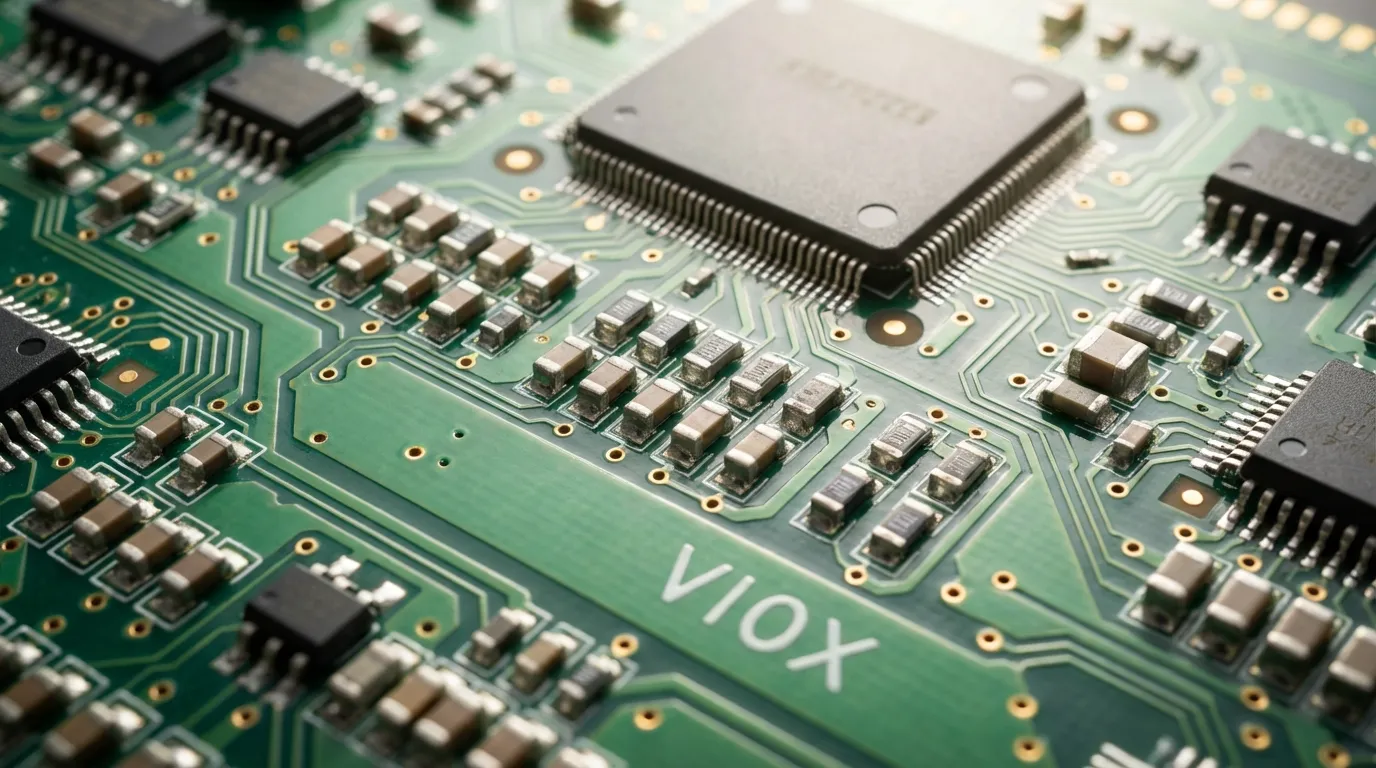
အီလက်ထရွန်းနစ်ပစ္စည်းများ၏ အခြေခံအုတ်မြစ်မှာ အချက်ပြမှုများကို ချဲ့ထွင်နိုင်သော သို့မဟုတ် အီလက်ထရွန်းနစ်ခလုတ်အဖြစ် လုပ်ဆောင်နိုင်သော ဆီမီးကွန်ဒတ်တာအစိတ်အပိုင်းတစ်ခုဖြစ်သည့် ထရန်စစ္စတာဖြစ်သည်။ ခေတ်မီ ပေါင်းစပ်ဆားကစ်များ ဒေတာများကို လုပ်ဆောင်ရန်၊ ညွှန်ကြားချက်များကို လုပ်ဆောင်ရန်နှင့် ရှုပ်ထွေးသော လုပ်ဆောင်ချက်များကို စီမံခန့်ခွဲရန်အတွက် အတူတကွလုပ်ဆောင်နေသော ထရန်စစ္စတာဘီလီယံပေါင်းများစွာ ပါဝင်သည်။ ဤသေးငယ်မှုသည် ကျွန်ုပ်တို့နေ့စဉ်အားကိုးအားထားပြုသော သေးငယ်ပြီး အားကောင်းသည့်ပစ္စည်းများ—စမတ်ဖုန်းများမှ စက်မှုထိန်းချုပ်ကိရိယာများအထိ ဖြစ်စေသည်။.
အီလက်ထရွန်းနစ်ပစ္စည်းများသည် တိုက်ရိုက်လျှပ်စီးကြောင်း (DC) တွင် အဓိကအားဖြင့် ဗို့အားအတော်နည်းသော 1.8V မှ 48V အထိ လုပ်ဆောင်သည်။ ဤဗို့အားနည်းသော လုပ်ဆောင်မှုသည် ၎င်းတို့၏ စွမ်းအင်ထိရောက်မှုနှင့် ဘေးကင်းရေးအသွင်အပြင်ကို အထောက်အကူပြုသည်။ အီလက်ထရွန်းနစ်ပစ္စည်းတစ်ခုသည် AC ပါဝါစနစ်များနှင့် ချိတ်ဆက်ရန်လိုအပ်သည့်အခါ ဗို့အားကို သင့်လျော်စွာပြောင်းလဲရန်နှင့် ထိန်းညှိရန် ပါဝါပြောင်းလဲခြင်းဆားကစ်ကို ပေါင်းစပ်ထည့်သွင်းသည်။.
လျှပ်စစ်အချက်ပြမှုများကို ကိုင်တွယ်အသုံးပြုနိုင်စွမ်းသည် အီလက်ထရွန်းနစ်ပစ္စည်းများကို လျှပ်စစ်ပစ္စည်းများနှင့် ခွဲခြားထားသည်။ အီလက်ထရွန်းနစ်အသံချဲ့စက်သည် မိုက်ခရိုဖုန်းမှ အားနည်းသောအချက်ပြမှုကို ယူ၍ စပီကာများကို မောင်းနှင်ရန် မြှင့်တင်နိုင်သည်။ မိုက်ခရိုကွန်ထရိုလာသည် အာရုံခံကိရိယာထည့်သွင်းမှုများကို ဖတ်ရှုနိုင်သည်၊ ပရိုဂရမ်ရေးဆွဲထားသော ယုတ္တိဗေဒကို လုပ်ဆောင်နိုင်သည်၊ ထုတ်လွှတ်မှုများကို ထိန်းချုပ်နိုင်သည်—အားလုံးသည် အနည်းဆုံးပါဝါကို သုံးစွဲနေစဉ်ဖြစ်သည်။ ဤအချက်ပြမှုလုပ်ဆောင်နိုင်စွမ်းသည် အရာအားလုံးကို ဖြစ်စေသည်။ ရေလှိုင်းကာကွယ်ရေးကိရိယာများ အီလက်ထရွန်းနစ်စောင့်ကြည့်ခြင်းဖြင့် ထိန်းချုပ်မှုစနစ်များနှင့် ပါဝါဆားကစ်များအကြား ချိတ်ဆက်ပေးသည့် relay မော်ဂျူးများ အထိ ဖြစ်စေသည်။.
နှိုင်းယှဉ်ခွဲခြမ်းစိတ်ဖြာခြင်း- အရေးပါသော အဓိကကွာခြားချက်များ
| လက္ခဏာ | လျှပ်စစ်ပစ္စည်းများ | အီလက်ထရွန်းနစ်ပစ္စည်းများ |
|---|---|---|
| Primary Function | စွမ်းအင်ပြောင်းလဲခြင်း (လျှပ်စစ်မှ စက်မှု၊ အပူ သို့မဟုတ် အလင်း) | အချက်ပြမှုလုပ်ဆောင်ခြင်း၊ ထိန်းချုပ်ခြင်းနှင့် သတင်းအချက်အလက်စီမံခန့်ခွဲခြင်း |
| အဓိက ပစ္စည်းများ | ကြေးနီ၊ အလူမီနီယမ်၊ သံမဏိ (လျှပ်ကူးပစ္စည်းများ) | ဆီလီကွန်၊ ဂျာမနီယမ် (ဆီမီးကွန်ဒတ်တာများ) |
| လည်ပတ်ဗို့အား | ဗို့အားမြင့် (120V-480V AC ပုံမှန်) | ဗို့အားနည်း (1.8V-48V DC ပုံမှန်) |
| လက်ရှိအမျိုးအစား | အဓိကအားဖြင့် AC (လှည့်ပတ်လျှပ်စီးကြောင်း) | အဓိကအားဖြင့် DC (တိုက်ရိုက်လျှပ်စီးကြောင်း) |
| ပါဝါစားသုံးမှု | မြင့်မား (ကီလိုဝပ်မှ မဂ္ဂါဝပ်) | နိမ့် (မီလီဝပ်မှ ဝပ်) |
| ရုပ်ပိုင်းဆိုင်ရာအရွယ်အစား | ကြီးမားပြီး လေးလံသည် | ကျစ်လစ်သိပ်သည်းနှင့်ပေါ့ပါး |
| တုန့်ပြန်အချိန် | နှေးကွေး (စက်မှု/လျှပ်စစ်သံလိုက်) | မြန်ဆန် (နနိုစက္ကန့်မှ မိုက်ခရိုစက္ကန့်) |
| ရှုပ်ထွေးမှု | ရိုးရှင်းသော၊ တိုက်ရိုက်လုပ်ဆောင်မှု | ရှုပ်ထွေးသော၊ ပရိုဂရမ်ရေးဆွဲနိုင်သော ယုတ္တိဗေဒ |
| ဥပမာများ | မော်တာများ၊ ထရန်စဖော်မာများ၊ အပူပေးစက်များ၊, contactors များ | မိုက်ခရိုပရိုဆက်ဆာများ၊ ထရန်စစ္စတာများ၊ အာရုံခံကိရိယာများ၊ အသံချဲ့စက်များ |
လုပ်ဆောင်မှုမူများ- အခြေခံလုပ်ဆောင်မှုကွာခြားချက်များ
လျှပ်စစ်နှင့် အီလက်ထရွန်းနစ်ပစ္စည်းများ၏ လုပ်ဆောင်မှုမူများသည် ၎င်းတို့သည် မတူညီသောအသုံးချမှုများတွင် အဘယ်ကြောင့်ထူးချွန်ကြောင်း ဖော်ပြသည်။ လျှပ်စစ်ပစ္စည်းများသည် ဂန္ထဝင်လျှပ်စစ်သံလိုက်သီအိုရီကို အားကိုးသည်—Faraday ၏ induction နိယာမ၊ Ampere ၏ နိယာမနှင့် Ohm ၏ နိယာမတို့သည် ၎င်းတို့၏အပြုအမူကို ထိန်းချုပ်သည်။ တစ်ခု AC contactor သည် အဆက်အသွယ်များကို စက်ပိုင်းဆိုင်ရာအရ ပိတ်ရန် လျှပ်စစ်သံလိုက်ကွိုင်ကို အသုံးပြုပြီး ပါဝါကို ဝန်တစ်ခုသို့ တိုက်ရိုက်ချိတ်ဆက်ပေးသည်။ လုပ်ဆောင်ချက်သည် နှစ်ထပ်ဖြစ်ပြီး တိုက်ရိုက်ဖြစ်သည်- ကွိုင်ကို အားသွင်းပါ၊ အဆက်အသွယ်များကို ပိတ်ပါ၊ ပါဝါကို ပေးပို့ပါ။.
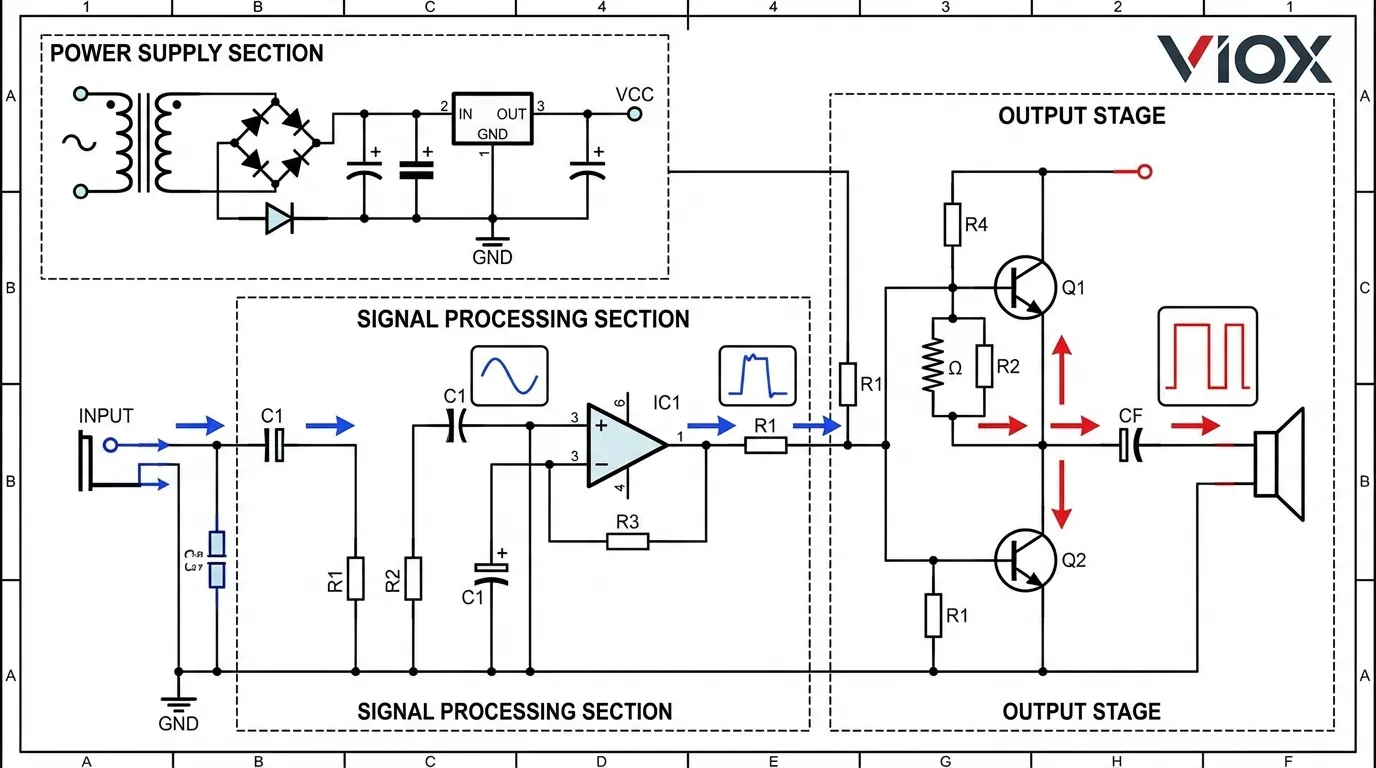
အီလက်ထရွန်းနစ်ပစ္စည်းများသည် ဆီမီးကွန်ဒတ်တာရူပဗေဒ၏ ကွမ်တမ်နယ်ပယ်တွင် လုပ်ဆောင်သည်။ ဒိုပင်းပြုလုပ်ထားသော ဆီလီကွန်ရှိ အီလက်ထရွန်များ၏ အပြုအမူသည် ဒိုင်အုတ်များ၊ ထရန်စစ္စတာများနှင့် ရှုပ်ထွေးသော ပေါင်းစပ်ဆားကစ်များ၏ အခြေခံကို ဖြစ်ပေါ်စေသည့် P-N ဆုံမှတ်များကို ဖန်တီးပေးသည်။ တစ်ခု အစိုင်အခဲအခြေအနေ relay စက်ပိုင်းဆိုင်ရာအဆက်အသွယ်များမပါဘဲ လျှပ်စီးကြောင်းစီးဆင်းမှုကို ထိန်းချုပ်ရန် ဆီမီးကွန်ဒတ်တာခလုတ်များ (ပုံမှန်အားဖြင့် MOSFETs သို့မဟုတ် IGBTs) ကို အသုံးပြု၍ တိတ်ဆိတ်စွာလုပ်ဆောင်ခြင်း၊ သက်တမ်းပိုရှည်ခြင်းနှင့် ပိုမိုမြန်ဆန်သောပြောင်းခြင်းအမြန်နှုန်းများကို လုပ်ဆောင်နိုင်သည်။ ထိန်းချုပ်မှုသည် တိကျပြီး ပြုပြင်ပြောင်းလဲနိုင်သည်—ဖွင့်ခြင်း သို့မဟုတ် ပိတ်ခြင်းသာမက ကူးယူခြင်း၏ မတူညီသောအဆင့်များဖြစ်သည်။.
ပစ္စည်းသိပ္ပံနှင့် တည်ဆောက်ခြင်း
လျှပ်စစ်နှင့် အီလက်ထရွန်းနစ်ပစ္စည်းများတွင် အသုံးပြုသည့်ပစ္စည်းများသည် ၎င်းတို့၏ စွမ်းဆောင်ရည်လက္ခဏာများနှင့် အသုံးချမှုသင့်လျော်မှုကို တိုက်ရိုက်သက်ရောက်မှုရှိသည်။ လျှပ်စစ်ပစ္စည်းများသည် လျှပ်ကူးနိုင်စွမ်းမြင့်မားပြီး စက်ပိုင်းဆိုင်ရာခိုင်ခံ့မှုအတွက် ရွေးချယ်ထားသောပစ္စည်းများကို အသုံးပြုသည်။. ကြေးနီဘတ်စ်ကားများ ဖြန့်ဖြူးရေးအကန့်များရှိ. ကေဘယ်ကြိုးများနှင့် ဂိတ်များ ဗို့အားကျဆင်းမှုအနည်းဆုံးဖြင့် အမ်ပီယာရာပေါင်းများစွာ သယ်ဆောင်ရမည်။.
အီလက်ထရွန်းနစ်ပစ္စည်းများသည် တိကျစွာထိန်းချုပ်ထားသော လျှပ်စစ်ဂုဏ်သတ္တိများရှိသော ပစ္စည်းများ လိုအပ်သည်။ ဆီမီးကွန်ဒတ်တာထုတ်လုပ်ခြင်းတွင် သီးခြားလျှပ်စစ်လက္ခဏာများရှိသော ဒေသများကိုဖန်တီးရန် ဘိုရွန် သို့မဟုတ် ဖော့စဖရပ်ကဲ့သို့သော ဒြပ်စင်အနည်းငယ်ဖြင့် သန့်စင်သော ဆီလီကွန်ကို ဒိုပင်းပြုလုပ်ခြင်းပါဝင်သည်။ သန့်ရှင်းစင်ကြယ်မှုလိုအပ်ချက်များသည် အလွန်အမင်းဖြစ်သည်—ခေတ်မီဆီမီးကွန်ဒတ်တာအဆင့် ဆီလီကွန်သည် 99.9999999% (ကိုးလုံး) သန့်စင်ရမည်ဖြစ်သည်။ ဤပစ္စည်းထိန်းချုပ်မှုအဆင့်သည် ဒစ်ဂျစ်တယ်ယုတ္တိဗေဒနှင့် အင်နာလော့အချက်ပြမှုလုပ်ဆောင်ခြင်းအတွက် မရှိမဖြစ်လိုအပ်သော ခန့်မှန်းနိုင်သောအပြုအမူကို ဖြစ်စေသည်။.
Safety Considerations and Risk Profiles
Safety considerations differ markedly between electrical and electronic devices due to their voltage levels and failure modes. Electrical devices operating at line voltage present significant shock hazards. A fault in a circuit breaker panel သို့မဟုတ် ဖြန့်ဖြူးရေးဘုတ်အဖွဲ့ can expose personnel to lethal voltages. Arc flash incidents in electrical equipment can release tremendous energy, causing severe burns and injuries. Proper electrical safety procedures and protective equipment are essential when working with electrical devices.
Electronic devices, operating at low voltages, present minimal shock hazard to personnel. However, they’re vulnerable to different threats. Static electricity that would be imperceptible to a person can destroy sensitive semiconductor junctions. ရေလှိုင်းကာကွယ်ရေး becomes critical to protect electronic circuits from voltage transients. Electronic devices also generate and are susceptible to electromagnetic interference (EMI), requiring careful design and shielding in industrial environments.
Real-World Applications and System Integration
စက်မှုနှင့် ကူးသန်းရောင်းဝယ်ရေးဆိုင်ရာ အသုံးချမှုများ
In industrial settings, the distinction between electrical and electronic devices becomes practically significant. A motor control system illustrates this integration perfectly. The motor starter itself is an electrical device—heavy contactors, အပူလွန်ကဲမှု အကာအကွယ်ပေးသည့် ရီလေးများ, and power wiring handle the high currents needed to drive industrial motors. However, the control logic that determines when to start, stop, or protect the motor increasingly relies on electronic devices—programmable logic controllers (PLCs), variable frequency drives (VFDs), and electronic sensors.
ခေတ်မီသည်။ switchgear exemplifies this hybrid approach. The power interruption function remains fundamentally electrical—mechanical contacts must physically separate to break high fault currents. But electronic trip units monitor current, voltage, and power quality, making intelligent decisions about when to trip. အီလက်ထရောနစ် MCCB များ combine the robust interrupting capability of electrical devices with the precision and programmability of electronics.
Residential and Building Systems
In residential applications, the convergence of electrical and electronic technologies is reshaping how buildings consume and manage energy. Traditional electrical devices like lighting circuits and heating systems are increasingly controlled by electronic devices—smart thermostats, occupancy sensors, and timer switches. This integration enables energy optimization impossible with purely electrical systems.
လျှပ်စစ်အကာအရံများ နှင့် လမ်းဆုံသေတ္တာများ house both electrical power distribution components and electronic control devices. A modern electrical panel might contain traditional MCBs နှင့် RCCBs alongside electronic လျှပ်စီးကြောင်းကာကွယ်ရေးကိရိယာများ and smart metering equipment. The challenge for installers and engineers lies in understanding both domains and their interactions.
ပြန်လည်ပြည့်ဖြိုးမြဲစွမ်းအင်စနစ်များ
Solar photovoltaic systems demonstrate the essential partnership between electrical and electronic technologies. Solar combiner boxes use electrical components—DC circuit breakers နှင့် fuses များ—to safely combine string outputs. However, the maximum power point tracking (MPPT) that optimizes energy harvest is purely electronic, using sophisticated algorithms and power electronics to continuously adjust operating points.
ဘက်ထရီစွမ်းအင် သိုလှောင်မှုစနစ်များ similarly blend both technologies. The battery cells themselves are electrochemical devices, but the battery management system (BMS) that monitors cell voltages, manages charging, and ensures safety is entirely electronic. The power conversion between DC battery voltage and AC grid voltage uses electronic inverters, while electrical contactors and disconnect switches provide physical isolation for safety.
Design Considerations and Selection Criteria
When to Specify Electrical Devices
Electrical devices remain the optimal choice for applications requiring high power handling, robust construction, and simple operation. When you need to switch kilowatts or megawatts of power, electrical contactors များ နှင့် ဆားကစ်မိျ provide proven reliability. Their mechanical operation offers visible confirmation of contact position—a critical safety feature in maintenance scenarios.
Cost considerations often favor electrical devices for straightforward power distribution tasks. A mechanical အချိန်နှောင့်နှေးလွှင် costs less than an electronic timer for simple applications. The rugged construction of electrical devices makes them suitable for harsh environments where electronic components might fail due to temperature extremes, vibration, or contamination.
When Electronic Devices Are Essential
Electronic devices become necessary when applications require precision control, signal processing, or programmability. ဗို့အားစောင့်ကြည့်ရီလေးများ that protect equipment from over/under voltage conditions need the accuracy and fast response time only electronics can provide. Communication between devices—whether Modbus, Ethernet, or wireless protocols—requires electronic interfaces.
Energy efficiency mandates increasingly drive the adoption of electronic devices. Electronic ballasts for lighting, variable frequency drives for motors, and smart power management systems can reduce energy consumption by 20-50% compared to traditional electrical control methods. The initial cost premium of electronic devices is often recovered quickly through energy savings.
Maintenance and Troubleshooting Approaches
Electrical Device Maintenance
Maintaining electrical devices focuses on mechanical and thermal integrity. Regular inspection of electrical connections for tightness prevents resistive heating and eventual failure. အပူပုံရိပ် identifies hot spots before they cause problems. Mechanical wear in contactors and relays requires periodic replacement of contacts and springs.
Testing electrical devices typically involves measuring voltage, current, and resistance with standard multimeters. Circuit breaker testing verifies trip characteristics and interrupting capability. The diagnostic process is generally straightforward—components either work or they don’t, with failure modes being primarily mechanical or thermal.
Electronic Device Troubleshooting
Electronic devices require different diagnostic approaches. Oscilloscopes reveal signal integrity issues invisible to standard meters. Logic analyzers decode digital communication problems. Static-sensitive components demand ESD protection during handling and repair.
Software and firmware add complexity to electronic device troubleshooting. A malfunctioning electronic trip unit might have corrupted settings rather than failed hardware. Configuration errors can cause symptoms identical to component failure. Successful troubleshooting requires understanding both hardware and software domains.
Future Trends: The Convergence Continues
The boundary between electrical and electronic devices continues to blur as technology advances. Solid-state circuit breakers use power semiconductors to interrupt current without mechanical contacts, combining the high-power capability of electrical devices with the speed and controllability of electronics. These hybrid devices promise faster protection, longer life, and integration with digital control systems.
The Internet of Things (IoT) is transforming traditionally “dumb” electrical devices into connected, intelligent systems. Smart ဆားကစ်မိျ monitor energy consumption, detect arc faults, and communicate status to building management systems. This connectivity adds electronic components to devices that were previously purely electrical, creating new capabilities but also new vulnerabilities.
Power electronics—the field bridging electrical power and electronic control—continues to advance rapidly. Wide-bandgap semiconductors like silicon carbide (SiC) and gallium nitride (GaN) enable power electronic devices that operate at higher voltages, temperatures, and frequencies than traditional silicon devices. These advances allow electronic devices to handle power levels previously reserved for electrical equipment.
အတိုချုပ် မေးလေ့ရှိသောမေးခွန်းများ ကဏ္ဍ
Q: လျှပ်စစ်ပစ္စည်းတစ်ခုကို အီလက်ထရောနစ်ပစ္စည်းနဲ့ အစားထိုးနိုင်ပါသလား။
A: အခြေအနေအတော်များများမှာ ဖြစ်နိုင်ပေမယ့် တွဲဖက်အသုံးပြုနိုင်မှုရှိမရှိကို အတည်ပြုရပါမယ်။ အီလက်ထရောနစ်ပစ္စည်းတွေက သေးငယ်တဲ့အရွယ်အစား၊ စွမ်းအင်သုံးစွဲမှုနည်းပါးခြင်းနဲ့ လုပ်ဆောင်ချက်မြှင့်တင်ထားခြင်းစတဲ့ အားသာချက်တွေကို ပေးစွမ်းနိုင်ပါတယ်။ ဒါပေမယ့် အီလက်ထရောနစ်ပစ္စည်းက ဗို့အား၊ လျှပ်စီးကြောင်းနဲ့ သင်အသုံးပြုမယ့်ပတ်ဝန်းကျင်အခြေအနေတွေကို ကိုင်တွယ်နိုင်စွမ်းရှိမရှိ သေချာအောင်လုပ်ပါ။ ဥပမာအားဖြင့် စက်ပိုင်းဆိုင်ရာတစ်ခုကို အီလက်ထရောနစ်တစ်ခုနဲ့ အစားထိုးတဲ့အခါ ဗို့အားနဲ့ကိုက်ညီမှုရှိမရှိနဲ့ တပ်ဆင်မှုလိုအပ်ချက်တွေကို အတည်ပြုဖို့ လိုအပ်ပါတယ်။ အချိန်ကိုက် ရီလေး Q: အီလက်ထရောနစ်ပစ္စည်းတွေက လျှပ်စစ်ပစ္စည်းတွေထက် ပိုပြီးစိတ်ချရပါသလား။.
A: စိတ်ချရမှုက အသုံးပြုမှုအပေါ်မှာ မူတည်ပါတယ်။ အစိတ်အပိုင်းနည်းပါးပြီး စက်ပိုင်းဆိုင်ရာတည်ဆောက်မှုရှိတဲ့ လျှပ်စစ်ပစ္စည်းတွေက ကြမ်းတမ်းတဲ့ပတ်ဝန်းကျင်မှာ ပိုပြီးခံနိုင်ရည်ရှိတာကို တွေ့ရပါတယ်။ ရွေ့လျားအစိတ်အပိုင်းမပါတဲ့ အီလက်ထရောနစ်ပစ္စည်းတွေက ထိန်းချုပ်ထားတဲ့အခြေအနေတွေမှာ ဝန်ဆောင်မှုသက်တမ်းပိုရှည်နိုင်ပေမယ့် ဗို့အားအပြောင်းအလဲမြန်ခြင်း၊ အပူချိန်အလွန်အမင်းမြင့်မားခြင်းနဲ့ လျှပ်စစ်သံလိုက်ဝင်ရောက်စွက်ဖက်ခြင်းတွေကို ပိုပြီးခံနိုင်ရည်နည်းနိုင်ပါတယ်။ သင့်လျော်တဲ့
နဲ့ ပတ်ဝန်းကျင်ထိန်းချုပ်မှုက အီလက်ထရောနစ်ပစ္စည်းရဲ့ စိတ်ချရမှုအတွက် မရှိမဖြစ်လိုအပ်ပါတယ်။ ရေလှိုင်းကာကွယ်ရေး Q: ဘာကြောင့်ပစ္စည်းအချို့မှာ လျှပ်စစ်နဲ့ အီလက်ထရောနစ်အစိတ်အပိုင်းနှစ်ခုစလုံး ပါဝင်ရတာလဲ။.
A: ခေတ်မီပစ္စည်းတွေမှာ သက်ဆိုင်ရာအားသာချက်တွေကို အသုံးချနိုင်ဖို့အတွက် နည်းပညာနှစ်ခုစလုံးကို ပေါင်းစပ်အသုံးပြုလာကြပါတယ်။ A
က ပါဝါပြောင်းခြင်း (လျှပ်စီးကြောင်းပမာဏမြင့်မားခြင်း၊ မြင်နိုင်တဲ့ထိတွေ့မှုအနေအထား) အတွက် လျှပ်စစ်ထိတွေ့ကိရိယာတွေကို အသုံးပြုနိုင်ပြီး တိကျတဲ့အချိန်ကိုက်ညှိခြင်း၊ မော်တာကာကွယ်ခြင်းနဲ့ ဆက်သွယ်ခြင်းအတွက် အီလက်ထရောနစ်ထိန်းချုပ်မှုတွေကို အသုံးပြုနိုင်ပါတယ်။ ဒီပေါင်းစပ်ချဉ်းကပ်မှုက နည်းပညာတစ်ခုတည်းနဲ့ မဖြစ်နိုင်တဲ့စွမ်းရည်တွေကို ပေးစွမ်းနိုင်ပါတယ်။ motor starter Q: အီလက်ထရောနစ်ပစ္စည်းတွေအတွက် အထူးတပ်ဆင်စဉ်းစားချက်တွေ လိုအပ်ပါသလား။.
A: ဟုတ်ပါတယ်၊ အီလက်ထရောနစ်ပစ္စည်းတွေမှာ သီးခြားလိုအပ်ချက်တွေရှိပါတယ်။ သူတို့က သန့်ရှင်းပြီး ထိန်းညှိထားတဲ့ ပါဝါထောက်ပံ့မှုတွေ လိုအပ်ပါတယ်—မကြာခဏဆိုသလို
သီးခြားထားတဲ့ ထရန်စဖော်မာ ဒါမှမဟုတ် ဝင်ရောက်စွက်ဖက်မှုကို ကာကွယ်ဖို့ စစ်ထုတ်ကိရိယာတွေ လိုအပ်ပါတယ်။ သင့်လျော်တဲ့ မြေစိုက်ခြင်း က ဆူညံသံကိုကာကွယ်ဖို့နဲ့ ဘေးကင်းလုံခြုံမှုကိုသေချာစေဖို့ အရေးကြီးပါတယ်။ အပူချိန်ထိန်းချုပ်မှုက အီလက်ထရောနစ်ပစ္စည်းတွေအတွက် လျှပ်စစ်ပစ္စည်းတွေထက် ပိုအရေးကြီးပါတယ်၊ ဘာကြောင့်လဲဆိုတော့ ဆီမီးကွန်ဒတ်တာစွမ်းဆောင်ရည်က အပူချိန်မြင့်တက်လာတဲ့အခါ ကျဆင်းသွားပါတယ်။ ကေဘယ်လ်လမ်းကြောင်း. က လျှပ်စစ်သံလိုက်ဝင်ရောက်စွက်ဖက်မှုကို အနည်းဆုံးဖြစ်အောင် ပါဝါနဲ့ အချက်ပြကေဘယ်လ်တွေကို ခွဲထားသင့်ပါတယ်။ Q: အီလက်ထရောနစ်ပစ္စည်းတွေအတွက် သီးသန့်ဖြစ်တဲ့ ဘေးကင်းလုံခြုံရေး ကြိုတင်ကာကွယ်မှုတွေက ဘာတွေလဲ။.
A: လျှပ်စစ်ပစ္စည်းတွေက ဗို့အားမြင့်ခြင်းကြောင့် လျှပ်စစ်ရှော့ခ်ဖြစ်နိုင်ခြေရှိပေမယ့် အီလက်ထရောနစ်ပစ္စည်းတွေက အီလက်ထရိုစတက်တစ်ထုတ်လွှတ်မှု (ESD) မှ ကာကွယ်ဖို့ လိုအပ်ပါတယ်။ အီလက်ထရောနစ်အစိတ်အပိုင်းတွေကို ကိုင်တွယ်တဲ့အခါ သင့်လျော်တဲ့ မြေစိုက်ခြင်းကို အမြဲအသုံးပြုပါ။ ပါဝါပိတ်ထားပုံပေါ်နေရင်တောင် အီလက်ထရောနစ်ပစ္စည်းတွေက စွမ်းအင်ရနေနိုင်တယ်ဆိုတာကို သတိပြုပါ—ကက်ပါစီတာတွေက အန္တရာယ်ရှိတဲ့ လျှပ်စစ်ဓာတ်အားတွေကို သိုလှောင်ထားနိုင်ပါတယ်။ ဒါ့အပြင် အီလက်ထရောနစ်ပစ္စည်းတွေမှာ ဖမ်ဝဲနဲ့ ဆော့ဖ်ဝဲတွေ ပါဝင်လေ့ရှိပြီး ပျက်စီးသွားနိုင်တာကြောင့် ပြုပြင်ထိန်းသိမ်းခြင်း ဒါမှမဟုတ် အပ်ဒိတ်မလုပ်ခင် အရန်ကူးယူခြင်းလုပ်ငန်းစဉ်တွေ လိုအပ်ပါတယ်။
လျှပ်စစ်နဲ့ အီလက်ထရောနစ်ပစ္စည်းတွေကြားက အရွယ်အစား၊ တည်ဆောက်ပုံနဲ့ လည်ပတ်မှုကွာခြားချက်တွေကို ပြသထားတဲ့ နှိုင်းယှဉ်နည်းပညာဆိုင်ရာပုံဥပမာ.