এই পৃষ্ঠায়
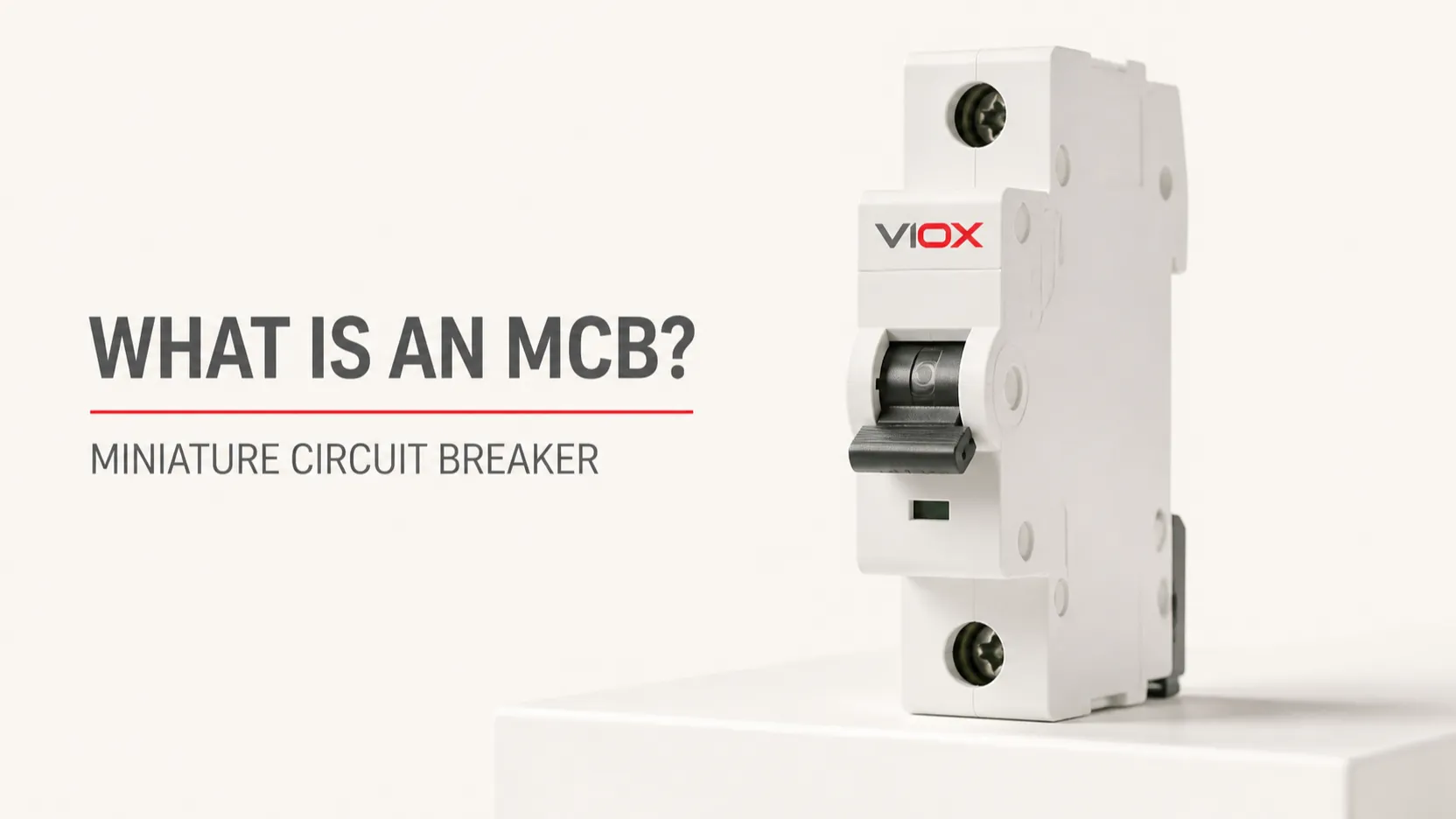
একটি MCB, অথবা ক্ষুদ্রাকৃতির সার্কিট ব্রেকার, এটি একটি স্বয়ংক্রিয় লো-ভোল্টেজ সুরক্ষা ডিভাইস যা ওভারলোড বা শর্ট সার্কিটের কারণে অতিরিক্ত কারেন্ট প্রবাহিত হলে সার্কিট বিচ্ছিন্ন করে দেয়। এটি মূলত সার্কিটের পরিবাহী এবং ওয়্যারিং সুরক্ষার জন্য নির্বাচন করা হয় এবং লোডের সাথে এর বৈশিষ্ট্যগুলো সঠিকভাবে সমন্বিত থাকলে এটি সংযুক্ত সরঞ্জামগুলোকেও সুরক্ষা দিতে পারে।.
ডিস্ট্রিবিউশন বোর্ডে ব্যবহৃত বেশিরভাগ MCB-তে ওভারলোড সুরক্ষার জন্য টাইম-ডিলেড থার্মাল ট্রিপ এবং তাৎক্ষণিক ম্যাগনেটিক রিলিজের সমন্বয় থাকে। যখন ওভারকারেন্ট তার পিকআপ রেঞ্জে পৌঁছায়, সাধারণত শর্ট সার্কিটের সময়, ম্যাগনেটিক রিলিজ দ্রুত সাড়া দেয়। ত্রুটি শনাক্ত এবং সমাধান করার পর, ব্রেকারটিকে সাধারণত প্রতিস্থাপনের পরিবর্তে রিসেট করা যায়।.
এই পৃষ্ঠায় MCB-এর অর্থ, কার্যকারিতা, অভ্যন্তরীণ অপারেশন এবং সুরক্ষার পরিধি ব্যাখ্যা করা হয়েছে। মডেলের আকার এবং স্পেসিফিকেশন সংক্রান্ত সিদ্ধান্তের জন্য, ডেডিকেটেড ব্যবহার করুন। MCB Selection Guide.
এক নজরে MCB
| প্রশ্ন | সরাসরি উত্তর |
|---|---|
| What does MCB stand for? | ক্ষুদ্রাকৃতির সার্কিট ব্রেকার |
| What does an MCB protect against? | ওভারলোড এবং শর্ট-সার্কিট ওভারকারেন্ট |
| এর প্রাথমিক সুরক্ষার উদ্দেশ্য কী? | অতিরিক্ত কারেন্ট থেকে সার্কিট কন্ডাক্টর এবং ওয়্যারিং রক্ষা করা |
| এটি কীভাবে ট্রিপ করে? | একটি থার্মাল এলিমেন্ট দীর্ঘস্থায়ী ওভারলোডে সাড়া দেয়; যখন ওভারকারেন্ট তার তাৎক্ষণিক পিকআপ রেঞ্জে পৌঁছায় তখন একটি ম্যাগনেটিক রিলিজ দ্রুত সাড়া দেয় |
| এটি কি রিসেট করা যায়? | সাধারণত হ্যাঁ, ফল্ট বা ত্রুটি দূর করার পর এবং ইনস্টলেশনটি পুনরায় চালু করার জন্য নিরাপদ হলে |
| এটি কি রেসিডুয়াল কারেন্ট শনাক্ত করতে পারে? | একটি স্ট্যান্ডার্ড এমসিবি (MCB) রেসিডুয়াল কারেন্ট শনাক্ত করতে পারে না এবং এটি আরসিসিবি (RCCB), আরসিডি (RCD) বা আরসিবিও (RCBO)-এর বিকল্প নয় |
| এটি কোথায় ব্যবহৃত হয়? | ফাইনাল সার্কিট, ডিস্ট্রিবিউশন বোর্ড, কন্ট্রোল সার্কিট এবং ওইএম (OEM) ইকুইপমেন্ট প্যানেল |
MCB এর মানে কী?
MCB stands for Miniature Circuit Breaker.
“মিনিয়েচার” শব্দটি বৃহত্তর ব্রেকার পরিবারের তুলনায় এর কমপ্যাক্ট গঠনকে বর্ণনা করে; “ব্রেকার” এর স্বয়ংক্রিয়ভাবে সংযোগ বিচ্ছিন্ন করার কাজকে বর্ণনা করে। সংক্ষিপ্ত রূপ বা অ্যাক্রোনিম-কেন্দ্রিক উত্তরের জন্য দেখুন বৈদ্যুতিক ক্ষেত্রে MCB-এর পূর্ণরূপ. এই নিবন্ধটি কার্যকারিতা এবং পরিচালনার উপর আলোকপাত করে।.
এমসিবি (MCB) কী কী থেকে সুরক্ষা প্রদান করে?
একটি এমসিবি (MCB) দুই ধরনের ওভারকারেন্টের প্রতি সাড়া দেয়:
- ওভারলোড কারেন্ট: কারেন্ট যখন সার্কিটের নির্ধারিত বহন ক্ষমতার চেয়ে বেশি হয় এবং দীর্ঘ সময় ধরে প্রবাহিত হয়ে অসহনীয় তাপ উৎপন্ন করে।.
- শর্ট-সার্কিট কারেন্ট: একটি লো-ইম্পিডেন্স ফল্ট সাধারণত অনেক বেশি কারেন্ট তৈরি করে, যা তাৎক্ষণিক ট্রিপ রেঞ্জে পৌঁছে যায় এবং দ্রুত সংযোগ বিচ্ছিন্ন করা প্রয়োজন হয়।.
এমসিবি (MCB)-কে পরিবাহীর অ্যাম্পাসিটি, ইনস্টলেশনের শর্তাবলী, লোড কারেন্ট, ইনরাশ কারেন্ট, সম্ভাব্য ফল্ট কারেন্ট এবং আপস্ট্রিম বা ডাউনস্ট্রিম সুরক্ষা ডিভাইসের সাথে সামঞ্জস্যপূর্ণ হতে হবে। উচ্চ অ্যাম্পিয়ার রেটিং নির্বাচন করা মানেই যে তা স্বয়ংক্রিয়ভাবে বেশি নিরাপদ, তা নয়: একটি ব্রেকার যদি প্রয়োজনের তুলনায় অনেক বড় হয়, তবে তা পরিবাহীকে সঠিকভাবে সুরক্ষা দিতে ব্যর্থ হতে পারে।.
একটি এমসিবি সাধারণত রেসিডুয়াল-কারেন্ট সুরক্ষা প্রদান করে না। তাই যেখানে রেসিডুয়াল-কারেন্ট সুরক্ষা প্রয়োজন, সেখানে এটিকে আরসিসিবি (RCCB), আরসিডি (RCD) বা আরসিবিও (RCBO)-এর বিকল্প হিসেবে গণ্য করা যাবে না।.
একটি MCB কিভাবে কাজ করে?
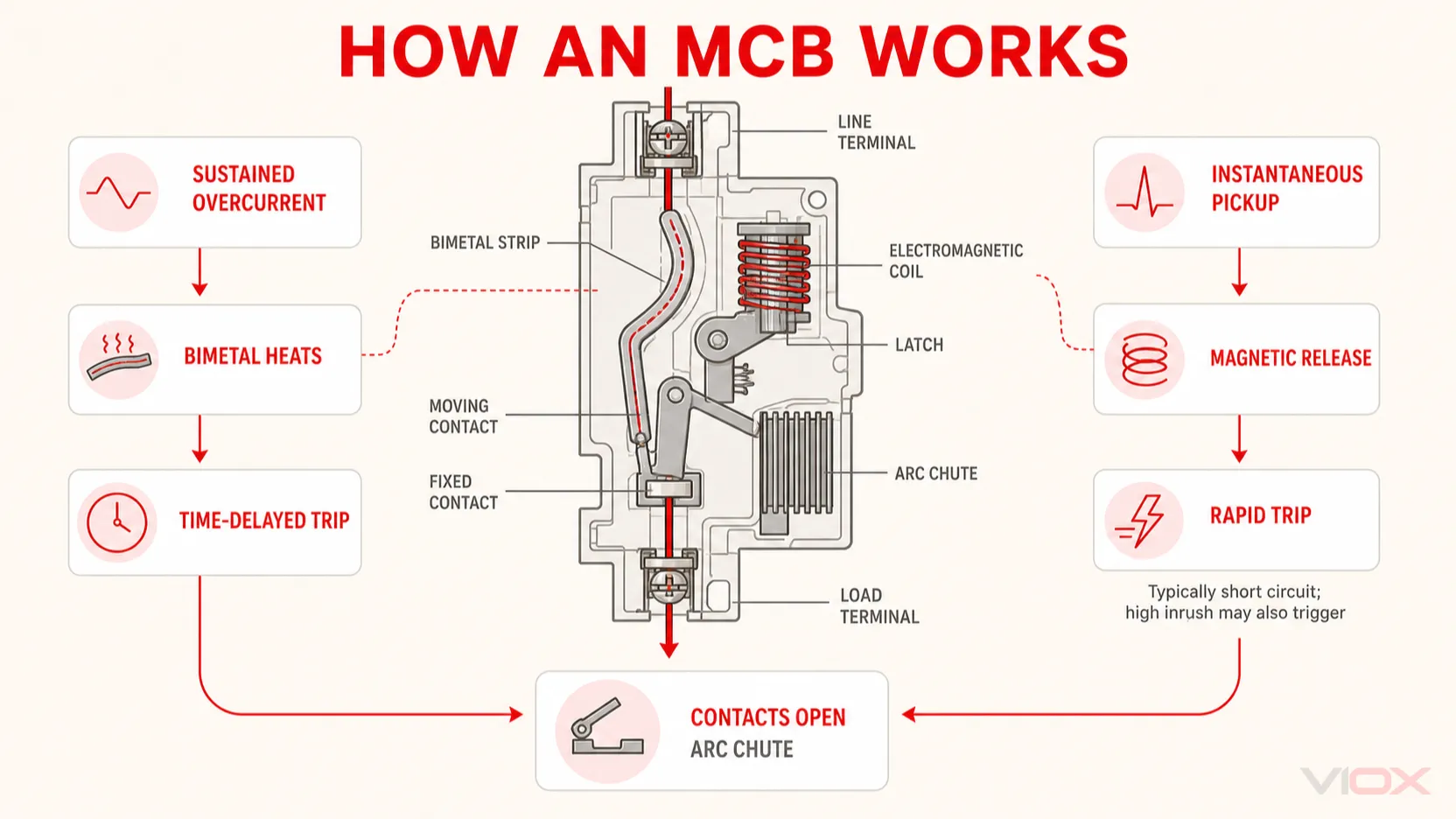
একটি সাধারণ থার্মাল-ম্যাগনেটিক এমসিবি চারটি কাজের সমন্বয় ঘটায়:
- কারেন্ট অভ্যন্তরীণ কারেন্ট পাথ এবং বন্ধ কন্টাক্টের মধ্য দিয়ে প্রবাহিত হয়।.
- একটি বাইমেটাল উপাদান দীর্ঘস্থায়ী ওভারলোড কারেন্টের প্রতি সাড়া দেয়।.
- ওভারকারেন্ট যখন তার তাৎক্ষণিক পিকআপ রেঞ্জে পৌঁছায়, তখন একটি ইলেক্ট্রোম্যাগনেটিক রিলিজ দ্রুত সাড়া দেয়।.
- কন্টাক্টগুলো খুলে গেলে, একটি আর্ক শুট ব্রেকারের রেটেড ইন্টারাপশন ক্ষমতার মধ্যে বৈদ্যুতিক আর্ককে বিভক্ত, শীতল এবং নির্বাপিত করে।.
Thermal overload trip
থার্মাল ট্রিপ একটি বাইমেটাল স্ট্রিপ ব্যবহার করে। কারেন্ট স্ট্রিপটিকে উত্তপ্ত করে এবং দীর্ঘস্থায়ী ওভারলোডের কারণে এটি বেঁকে যায়, যতক্ষণ না এটি ট্রিপ মেকানিজমকে মুক্ত করে এবং কন্টাক্টগুলোকে খুলে দেয়।.
এই প্রতিক্রিয়াটি ইচ্ছাকৃতভাবে সময়ের উপর নির্ভরশীল। একটি সামান্য ওভারলোডের ক্ষেত্রে ট্রিপ হতে সাধারণত একটি বড় ওভারলোডের চেয়ে বেশি সময় লাগে। এই আচরণটি এমসিবি (MCB)-কে ক্ষণস্থায়ী এবং ক্ষতিকারক নয় এমন কারেন্ট পিক সহ্য করতে সাহায্য করে, পাশাপাশি দীর্ঘস্থায়ী পরিবাহী উত্তাপকে সীমিত রাখে।.
তাৎক্ষণিক ম্যাগনেটিক রিলিজ
ম্যাগনেটিক রিলিজ একটি ইলেক্ট্রোম্যাগনেটিক কয়েল বা সোলেনয়েড ব্যবহার করে। স্বাভাবিক কারেন্ট মেকানিজমটি পরিচালনা করার জন্য পর্যাপ্ত চৌম্বকীয় শক্তি তৈরি করতে পারে না। যখন ওভারকারেন্ট তাৎক্ষণিক পিকআপ সীমার মধ্যে পৌঁছায়, তখন শক্তিশালী চৌম্বক ক্ষেত্রটি দ্রুত ল্যাচটিকে মুক্ত করে দেয়। এটি সাধারণত শর্ট সার্কিটের সময় ঘটে, তবে মোটর চালু হওয়ার সময় বা ট্রান্সফরমারের ইনরাশ কারেন্ট যদি থ্রেশহোল্ড অতিক্রম করে তবে সেটিও রিলিজটিকে সক্রিয় করতে পারে।.
তাৎক্ষণিক অপারেটিং রেঞ্জ ট্রিপ বৈশিষ্ট্যের সাথে সম্পর্কিত। আইইসি (IEC)-স্টাইল পণ্যগুলিতে, বি (B), সি (C), এবং ডি (D) কার্ভগুলি বিভিন্ন ম্যাগনেটিক পিকআপ রেঞ্জ নির্দেশ করে; এগুলি প্রয়োগের বৈশিষ্ট্য, গুণমানের গ্রেড নয়।.
আর্ক বিলুপ্তি
ফল্ট কারেন্টের অধীনে কন্টাক্ট খোলার সময় একটি আর্ক (Arc) তৈরি হয়। আর্ক শুট আর্কটিকে ধাতব স্প্লিটার প্লেটের দিকে টেনে নেয়, যেখানে কারেন্ট বিচ্ছিন্ন না হওয়া পর্যন্ত এটিকে বিভক্ত এবং শীতল করা হয়।.
এই কারণেই একটি এমসিবি (MCB) কেবল একটি ম্যানুয়াল সুইচের চেয়ে বেশি কিছু। এর কন্টাক্ট সিস্টেম, মেকানিজম, ইনসুলেশন এবং আর্ক-কন্ট্রোল কাঠামোকে ডিভাইসের ঘোষিত ভোল্টেজ এবং ব্রেকিং-ক্যাপাসিটি রেটিংয়ের মধ্যে একসাথে কাজ করতে হয়।.
Main Parts of a Miniature Circuit Breaker
| অংশ | ফাংশন |
|---|---|
| Toggle handle | ম্যানুয়াল অন/অফ অপারেশন এবং অবস্থানের নির্দেশ প্রদান করে |
| অপারেটিং মেকানিজম | ম্যানুয়ালি বা স্বয়ংক্রিয়ভাবে কন্টাক্ট খোলে এবং ট্রিপ-ফ্রি অপারেশন প্রদান করে |
| Fixed and moving contacts | স্বাভাবিক কারেন্ট বহন করা এবং ইন্টারাপশনের সময় সংযোগ বিচ্ছিন্ন করা |
| Bimetal strip | সময়-বিলম্বিত থার্মাল ওভারলোড ট্রিপিং প্রদান করা |
| ম্যাগনেটিক কয়েল বা সোলেনয়েড | ওভারকারেন্ট তাৎক্ষণিক পিকআপ রেঞ্জে পৌঁছালে দ্রুত ট্রিপিং প্রদান করা |
| আর্ক চুট | ইন্টারাপশনের সময় আর্ককে বিভক্ত এবং শীতল করা |
| টার্মিনাল | অনুমোদিত কন্ডাক্টর বা সামঞ্জস্যপূর্ণ বাসবার সংযোগ করা |
| ডিআইএন-রেল ক্লিপ এবং হাউজিং | মডুলার মাউন্টিং, কন্টেইনমেন্ট এবং ইনসুলেশন সমর্থন করা |
এমসিবি (MCB) রেটিং এবং মার্কিং
একই অ্যাম্পিয়ার রেটিংয়ের দুটি এমসিবি ভিন্নভাবে কাজ করতে পারে। সম্পূর্ণ মার্কিং সেট এবং প্রস্তুতকারকের প্রযুক্তিগত নথিপত্র পড়ুন।.
| মার্কিং | অ্যাপ্লিকেশন যাচাই |
|---|---|
| রেটেড কারেন্ট, ভিতরে | ডিজাইন কারেন্ট, কন্ডাক্টরের অ্যাম্পাসিটি, পরিবেষ্টিত অবস্থা এবং ইনস্টলেশন পদ্ধতির সাথে সমন্বয় করুন |
| হারের ভোল্টেজ | সিস্টেম ভোল্টেজ এবং কারেন্টের ধরনের সাথে মিল রাখুন; ধরে নেবেন না যে এসি (AC) রেটিং ডিসি (DC)-এর ক্ষেত্রেও প্রযোজ্য |
| ট্রিপ বৈশিষ্ট্য | লোড ইনরাশ এবং বিদ্যমান ফল্ট কারেন্টের সাথে সামঞ্জস্য রাখুন |
| ভাঙার ক্ষমতা | ইনস্টলেশন পয়েন্টে সম্ভাব্য শর্ট-সার্কিট কারেন্টের জন্য এটি উপযুক্ত কিনা তা যাচাই করুন |
| মেরু কনফিগারেশন | ওয়্যারিং সিস্টেম এবং প্রয়োজনীয় ডিসকানেকশন ব্যবস্থার সাথে মিলিয়ে নিন |
| পণ্য মান (Product standard) | ঘোষিত স্ট্যান্ডার্ডের রেটিং পরিভাষা এবং প্রয়োগের পরিধি ব্যবহার করুন |
| টার্মিনাল ক্যাপাসিটি | কন্ডাক্টর, বাসবার, প্রস্তুতি এবং টাইট করার জন্য পণ্যের নির্দেশাবলী অনুসরণ করুন |
মার্কিং-বাই-মার্কিং ব্যাখ্যার জন্য দেখুন How to Read the Nameplate of a Miniature Circuit Breaker.
6kA এবং 10kA বলতে কী বোঝায়?
অনেক এমসিবি (MCB)-তে, 6kA বা 10kA একটি নির্দিষ্ট পণ্যের স্ট্যান্ডার্ড এবং টেস্ট সিকোয়েন্সের অধীনে ঘোষিত শর্ট-সার্কিট ব্রেকিং ক্ষমতা নির্দেশ করে। সঠিক প্রতীকটি হতে পারে আইসিএন, Icu, অথবা Ics, যা প্রযোজ্য স্ট্যান্ডার্ড এবং ডিভাইসের ক্যাটাগরির উপর নির্ভর করে, তাই সংখ্যাটিকে স্ট্যান্ডার্ড রেফারেন্স এবং প্রস্তুতকারকের নথিপত্রের সাথে মিলিয়ে ব্যাখ্যা করতে হবে।.
১০কেএ (10kA) ডিভাইস প্রতিটি সার্কিটের জন্য স্বয়ংক্রিয়ভাবে সঠিক পছন্দ নয় এবং ৬কেএ (6kA) ডিভাইসও স্বয়ংক্রিয়ভাবে পর্যাপ্ত নয়। সম্ভাব্য শর্ট-সার্কিট কারেন্ট এবং সুরক্ষা ব্যবস্থার সাথে রেটিংটি অবশ্যই যাচাই করতে হবে। দেখুন এমসিবি ব্রেকিং ক্যাপাসিটি: ৬কেএ (6kA) বনাম ১০কেএ (10kA) নির্দিষ্ট নির্বাচনের আলোচনার জন্য।.
স্ট্যান্ডার্ডের প্রেক্ষাপট: আইইসি ৬০৮৯৮-১ (IEC 60898-1), আইইসি ৬০৯৪৭-২ (IEC 60947-2), এবং ইউএল ৪৮৯ (UL 489)
“এমসিবি” (MCB) শব্দটি বিভিন্ন বাজারে ব্যবহৃত হয়, তবে প্রয়োগের প্রেক্ষাপট এবং রেটিংয়ের ভাষা অভিন্ন নয়।.
| Standard context | এই নিবন্ধের সাথে প্রাসঙ্গিক সাধারণ পরিধি | ব্যবহারিক প্রভাব |
|---|---|---|
| IEC 60898-1 | স্ট্যান্ডার্ডের ভোল্টেজ, কারেন্ট এবং শর্ট-সার্কিট-ক্যাপাসিটির সীমার মধ্যে গৃহস্থালি এবং অনুরূপ ইনস্টলেশনে ওভারকারেন্ট সুরক্ষার জন্য এসি (AC) সার্কিট ব্রেকার | চূড়ান্ত ডিস্ট্রিবিউশনে মডুলার বি (B), সি (C), এবং ডি (D) কার্ভ এমসিবি (MCB)-এর সাধারণ প্রেক্ষাপট |
| IEC 60947-2:2024 | নির্দেশিত বা দক্ষ ব্যক্তিদের দ্বারা পরিচালিত লো-ভোল্টেজ সুইচগিয়ার এবং কন্ট্রোলগিয়ার অ্যাপ্লিকেশনের জন্য সার্কিট ব্রেকার, যা এর নির্ধারিত ভোল্টেজের পরিধির মধ্যে থাকে | শিল্প অ্যাপ্লিকেশন এবং রেটিং পরিভাষা IEC 60898-1 থেকে ভিন্ন হতে পারে |
| ইউএল ৪৮৯ | প্রাসঙ্গিক উত্তর আমেরিকান পণ্যের প্রেক্ষাপটের জন্য মোল্ডেড-কেস সার্কিট ব্রেকার, মোল্ডেড-কেস সুইচ এবং সার্কিট-ব্রেকার এনক্লোজার | UL পণ্যগুলিতে স্বয়ংক্রিয়ভাবে IEC কার্ভ মার্কিং বা রেটিং অনুমান প্রয়োগ করবেন না |
ডিভাইসে মুদ্রিত একটি স্ট্যান্ডার্ড রেফারেন্স নিজেই এই প্রমাণ নয় যে প্রতিটি সংস্করণ বা মডেলের একটি নির্দিষ্ট তৃতীয়-পক্ষ সার্টিফিকেশন রয়েছে। লক্ষ্য বাজারের জন্য প্রয়োজনীয় সঠিক মডেল ডকুমেন্টেশন যাচাই করুন।.
সাধারণ এমসিবি (MCB) প্রকারভেদ
ট্রিপ কার্ভ
| Curve | IEC 60898-1 অ্যাপ্লিকেশনে সাধারণ ইনস্ট্যানটেনিয়াস রেঞ্জ | সাধারণ লোড আচরণ |
|---|---|---|
| খ | ৩–৫ × In | লো ইনরাশ, যার মধ্যে অনেক রেজিস্টিভ এবং লাইটিং সার্কিট অন্তর্ভুক্ত রয়েছে |
| গ | ৫–১০ × In | মাঝারি ইনরাশ এবং মিশ্র বাণিজ্যিক লোড |
| দ | ১০–২০ × In | উচ্চতর ইনরাশ, পর্যাপ্ত ফল্ট কারেন্ট এবং সমন্বয়ের সাপেক্ষে |
| K অথবা Z | পণ্য এবং প্রস্তুতকারকের উপর নির্ভরশীল | শুধুমাত্র সেখানেই ব্যবহার করুন যেখানে ঘোষিত টাইম-কারেন্ট কার্ভ অ্যাপ্লিকেশনের সাথে সামঞ্জস্যপূর্ণ |
কার্ভের প্রাপ্যতা এবং সঠিক থ্রেশহোল্ড অবশ্যই প্রযোজ্য স্ট্যান্ডার্ড এবং প্রস্তুতকারকের ডেটার সাথে যাচাই করতে হবে। বিস্তারিত কার্ভ নির্বাচনের জন্য দেখুন MCB-এর প্রকারভেদ: কার্ভ, রেটিং, পোল এবং প্রয়োগ.
পোল কনফিগারেশন
| কনফিগারেশন | সাধারণ ভূমিকা |
|---|---|
| ১পি | একটি প্রোটেক্টেড ফেজ পোল |
| ১পি+এন | প্রোটেক্টেড ফেজ এবং সুইচড নিউট্রাল, যা নির্দিষ্ট পণ্যের ডিজাইনের উপর নির্ভরশীল |
| 2P সম্পর্কে | দুটি মেকানিক্যালি লিঙ্কড পোল; প্রোটেকশন ব্যবস্থা পণ্যের ডেটা থেকে নিশ্চিত করতে হবে |
| 3P সম্পর্কে | থ্রি-ফেজ সার্কিটের জন্য থ্রি-পোল অপারেশন |
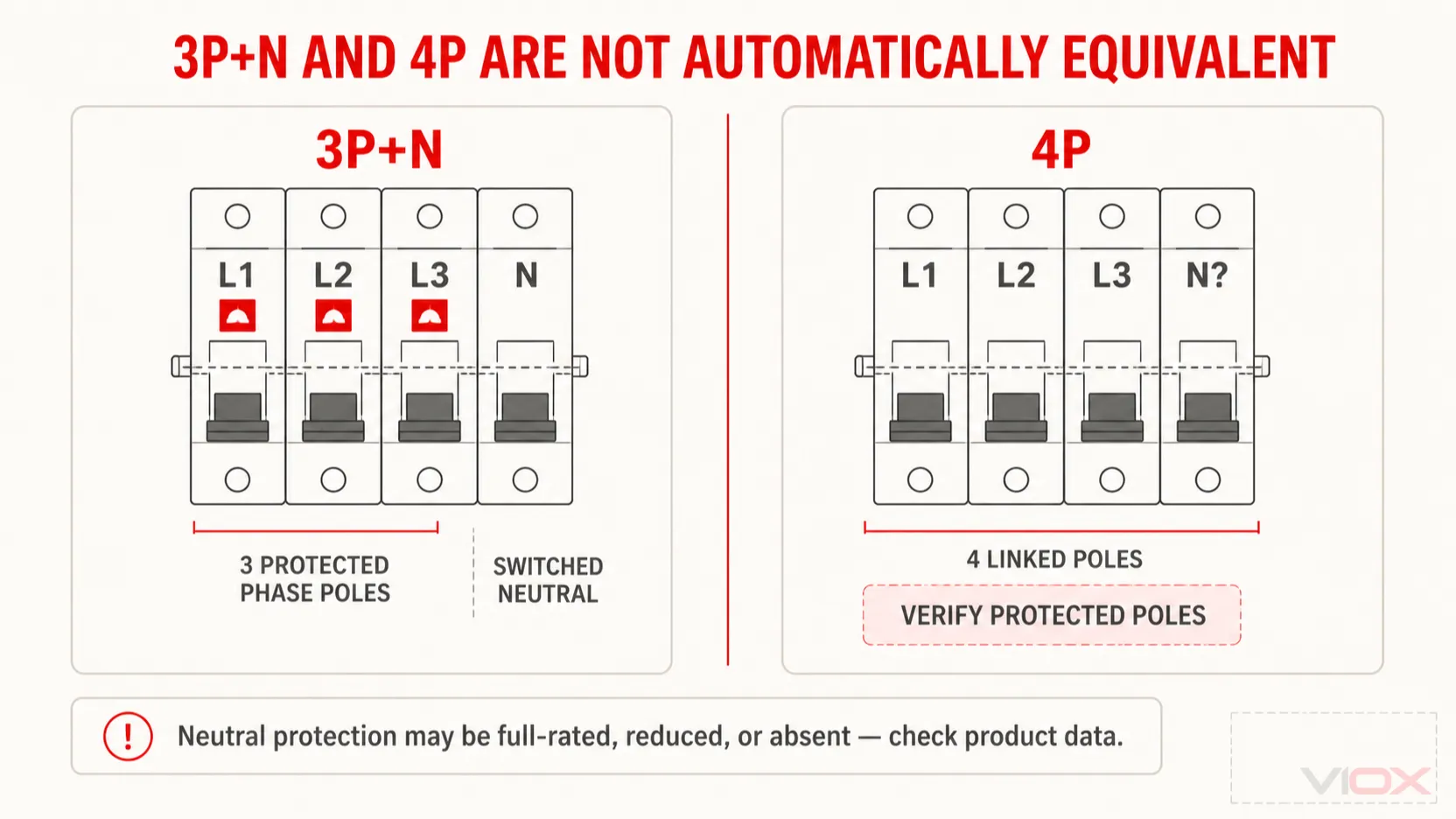
| 3P+N এর বিবরণ | তিনটি ফেজ পোল এবং একটি মেকানিক্যালি লিঙ্কড নিউট্রাল পোল। ফেজ পোলগুলো সাধারণত প্রোটেক্টেড থাকে; নিউট্রাল পোলটি শুধুমাত্র সুইচড কি না এবং এটি কীভাবে কাজ করে তা পণ্যের ডকুমেন্টেশন থেকে নিশ্চিত করুন |
| ৪পি | চারটি মেকানিক্যালি লিঙ্কযুক্ত পোল। কতগুলো পোলে ওভারকারেন্ট রিলিজ আছে এবং নিউট্রাল প্রোটেকশন ফুল-রেটেড, রিডিউসড নাকি অনুপস্থিত তা নিশ্চিত করুন। |
পোল নির্বাচন ওয়্যারিং সিস্টেম, আর্থিং ব্যবস্থা, স্থানীয় নিয়ম, পণ্যের গঠন এবং প্রয়োজনীয় আইসোলেশন বা ডিসকানেকশন ফাংশনের উপর নির্ভর করে।.
এমসিবি (MCB) বনাম ফিউজ, এমসিসিবি (MCCB), আরসিসিবি (RCCB) এবং আরসিবিও (RCBO)
| যন্ত্র | প্রধান সুরক্ষা ফাংশন | Resettable? | গুরুত্বপূর্ণ সীমানা |
|---|---|---|---|
| MCB | ওভারলোড এবং শর্ট-সার্কিট সুরক্ষা | হাঁ | সাধারণত রেসিডুয়াল কারেন্ট শনাক্ত করে না |
| ফিউজ | পরিবর্তনযোগ্য এলিমেন্ট ব্যবহার করে ওভারকারেন্ট সুরক্ষা | না | নির্বাচন ইউটিলাইজেশন ক্যাটাগরি, ফল্ট ডিউটি এবং কোঅর্ডিনেশন উদ্দেশ্যের উপর নির্ভর করে |
| MCCB | বৃহত্তর কারেন্ট, ইন্টারাপশন এবং অ্যাডজাস্টমেন্ট রেঞ্জ জুড়ে ওভারকারেন্ট সুরক্ষা | হাঁ | ফিডার এবং বৃহত্তর ডিস্ট্রিবিউশন কাজের জন্য সাধারণত ব্যবহৃত হয় |
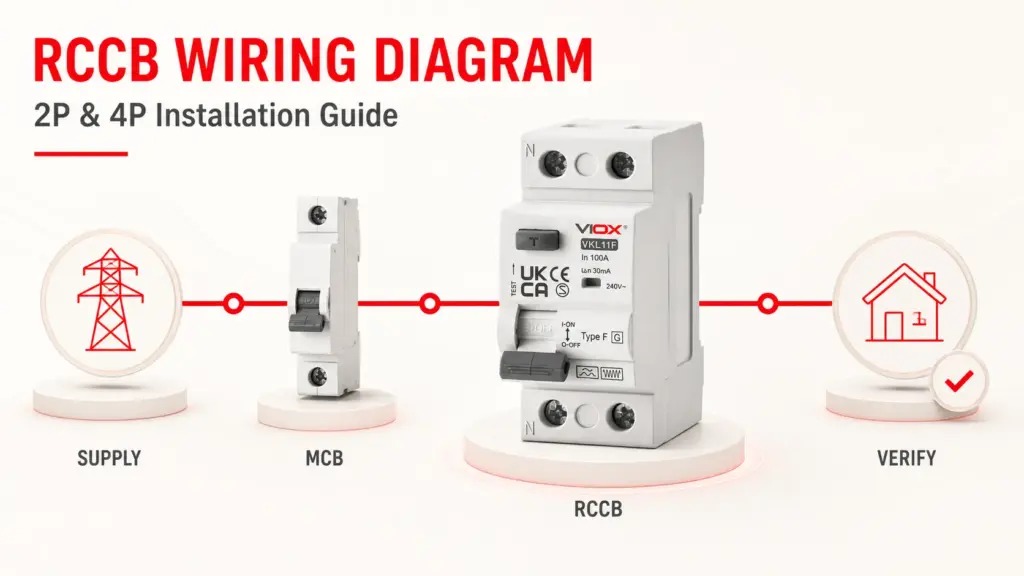
| আরসিসিবি (RCCB) / আরসিডি (RCD) | অবশিষ্ট-কারেন্ট সুরক্ষা | সাধারণত হ্যাঁ | ইন্টিগ্রাল ওভারকারেন্ট সুরক্ষা ছাড়া একটি আরসিসিবি (RCCB)-এর জন্য এখনও উপযুক্ত ওভারকারেন্ট সুরক্ষা প্রয়োজন |
| আরসিবিও | ইন্টিগ্রাল ওভারকারেন্ট সুরক্ষা সহ রেসিডুয়াল-কারেন্ট সুরক্ষা | হাঁ | একটি আরসিডি (RCD)/আরসিসিবি (RCCB) এবং একটি ওভারকারেন্ট প্রোটেক্টিভ ডিভাইসের প্রাসঙ্গিক ফাংশনগুলোকে একত্রিত করে |
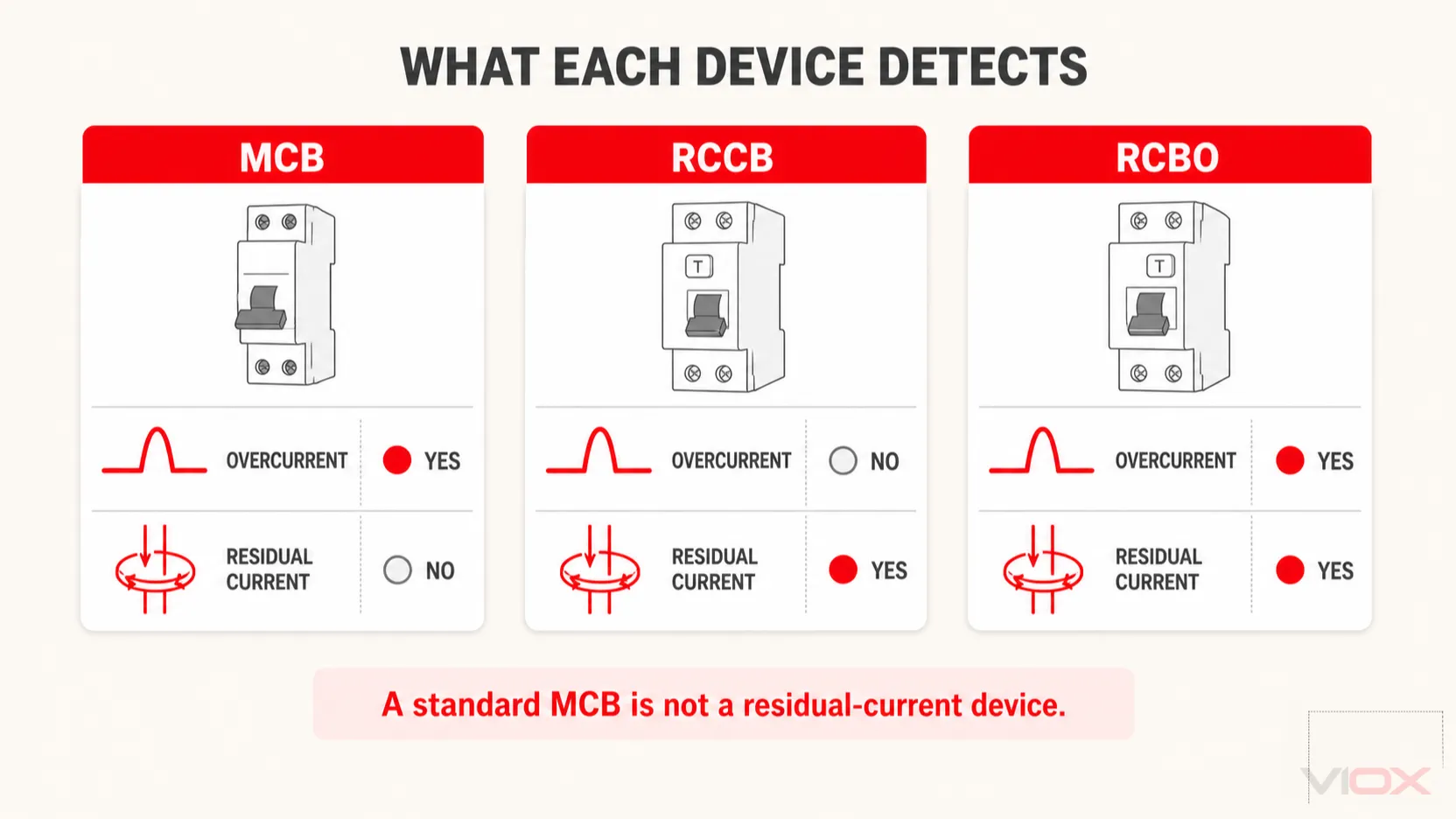
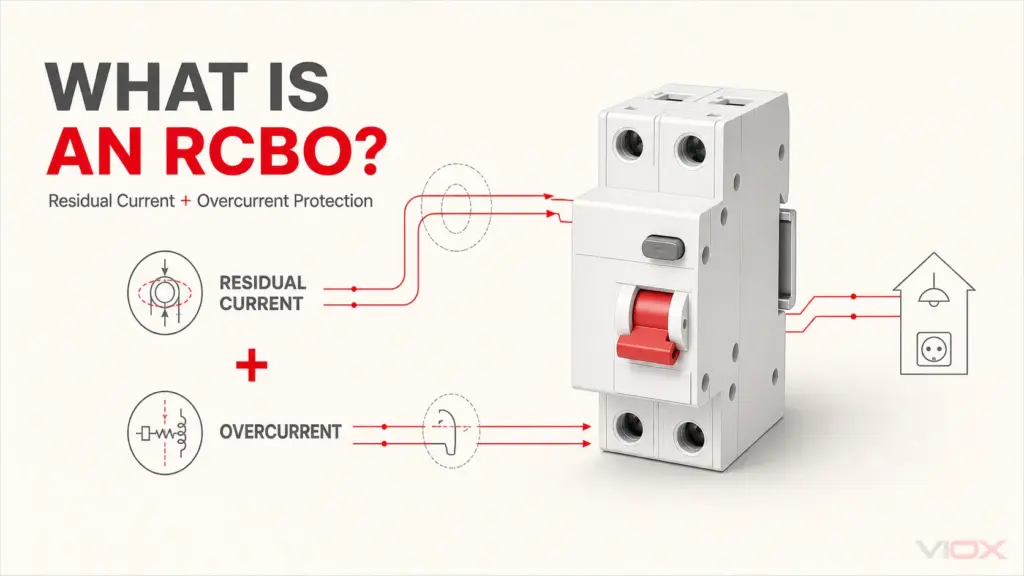
আইইসি (IEC) পরিভাষায়, আরসিসিবি (RCCB)-কে আরও স্পষ্টভাবে এভাবে ব্যাখ্যা করা যেতে পারে ইন্টিগ্রাল ওভারকারেন্ট সুরক্ষা ছাড়া রেসিডুয়াল কারেন্ট অপারেটেড সার্কিট-ব্রেকার (RCCB). আরসিবিও (RCBO)-এর অর্থ হলো ইন্টিগ্রাল ওভারকারেন্ট সুরক্ষা সহ রেসিডুয়াল কারেন্ট অপারেটেড সার্কিট-ব্রেকার (RCBO).
পার্শ্ববর্তী ডিভাইসের সিদ্ধান্তের জন্য, দেখুন সার্কিট ব্রেকার বনাম মিনিয়েচার সার্কিট ব্রেকার, the এমসিসিবি (MCCB) গাইড, এবং RCBO vs RCCB + MCB.
Where Are MCBs Used?
এমসিবি (MCBs) সাধারণত যেখানে পাওয়া যায়:
- আবাসিক ফাইনাল-ডিস্ট্রিবিউশন বোর্ড, যেমন লাইটিং, সকেট এবং নির্দিষ্ট অ্যাপ্লায়েন্স সার্কিটের জন্য;
- বাণিজ্যিক ডিস্ট্রিবিউশন প্যানেল এবং ছোট ব্রাঞ্চ সার্কিটে;
- ইন্ডাস্ট্রিয়াল কন্ট্রোল প্যানেল, যেমন কন্ট্রোল ট্রান্সফরমার, পাওয়ার সাপ্লাই, পিএলসি (PLC) সার্কিট, সোলেনয়েড এবং অক্সিলারি সার্কিটের জন্য;
- ওইএম (OEM) মেশিন, যেখানে কমপ্যাক্ট এবং রিপিটেবল ডিআইএন-রেল (DIN-rail) সার্কিট প্রোটেকশন প্রয়োজন; এবং
- যথাযথ রেটিংযুক্ত ডিসি (DC) সিস্টেম, যার মধ্যে কিছু সোলার, ব্যাটারি, টেলিকম এবং কন্ট্রোল অ্যাপ্লিকেশন অন্তর্ভুক্ত।.
ডিসি ব্যবহারের ক্ষেত্রে বিশেষভাবে ঘোষিত ডিসি রেটিং প্রয়োজন। এমনটি মনে করবেন না যে একটি এসি (AC) এমসিবি নিরাপদে ডিসি সার্কিট বিচ্ছিন্ন করতে পারে। ভোল্টেজ, পোলারিটি, সিরিজ পোলের সংখ্যা এবং ব্রেকিং সক্ষমতা অবশ্যই ডিভাইসের নির্দেশিকা অনুযায়ী হতে হবে। ডিসি সংক্রান্ত আলাদা বিষয়ের জন্য দেখুন, ডিসি সার্কিট ব্রেকার গাইড.
এমসিবি (MCB) নির্বাচনের আগে কী কী পরীক্ষা করা আবশ্যক?
এই নিবন্ধটি শুধুমাত্র ডিভাইস সম্পর্কে ব্যাখ্যা প্রদান করে, এটি কোনো প্রকৌশলগত নির্বাচন প্রক্রিয়ার বিকল্প নয়। নির্বাচনের ক্ষেত্রে ন্যূনতম যে বিষয়গুলো পরীক্ষা করা প্রয়োজন:
- সার্কিট ডিজাইনের কারেন্ট এবং কন্ডাক্টরের অ্যাম্পাসিটি;
- সিস্টেম ভোল্টেজ এবং এসি (AC) বা ডিসি (DC) অ্যাপ্লিকেশন;
- সম্ভাব্য শর্ট-সার্কিট কারেন্ট;
- প্রযোজ্য মান অনুযায়ী ঘোষিত ব্রেকিং ক্যাপাসিটি;
- লোড ইনরাশ এবং টাইম-কারেন্ট বৈশিষ্ট্য;
- পোল কনফিগারেশন এবং ডিসকানেকশন প্রয়োজনীয়তা;
- পরিবেষ্টিত এবং এনক্লোজার অবস্থা;
- কন্ডাক্টর, টার্মিনাল এবং বাসবারের সামঞ্জস্যতা; এবং
- আপস্ট্রিম এবং ডাউনস্ট্রিম সুরক্ষার সাথে সমন্বয়।.
ব্যবহার করুন MCB Selection Guide সম্পূর্ণ সিদ্ধান্ত প্রক্রিয়ার জন্য। যখন অ্যাপ্লিকেশনের প্রয়োজনীয়তা জানা থাকে, তখন VIOX MCB product page মূল্যায়নের জন্য উপলব্ধ পণ্যের পরিবারগুলো প্রদান করে।.
সচরাচর জিজ্ঞাস্য
এমসিবি (MCB)-এর প্রধান কাজ কী?
এমসিবি (MCB)-এর প্রধান কাজ হলো ওভারলোড এবং শর্ট-সার্কিট ওভারকারেন্ট বিচ্ছিন্ন করা, যাতে সার্কিট কন্ডাক্টরগুলো নির্ধারিত ডিজাইন এবং সমন্বয় অবস্থার মধ্যে সুরক্ষিত থাকে।.
How does an MCB work?
একটি সাধারণ এমসিবি (MCB) টাইম-ডিলেড ওভারলোড ট্রিপিংয়ের জন্য একটি থার্মাল এলিমেন্ট এবং একটি ম্যাগনেটিক রিলিজ ব্যবহার করে, যা ওভারকারেন্ট তার ইনস্ট্যান্টেনিয়াস পিকআপ রেঞ্জে পৌঁছালে দ্রুত কাজ করে, সাধারণত শর্ট সার্কিটের সময়। উচ্চ স্টার্টিং বা ইনরাশ কারেন্ট যদি সেই রেঞ্জ অতিক্রম করে, তবে তা ম্যাগনেটিক রিলিজকে সক্রিয় করতে পারে। যখন কন্টাক্টগুলো খুলে যায়, তখন একটি আর্ক শুট আর্ক নিয়ন্ত্রণ এবং নির্বাপণে সহায়তা করে।.
Does an MCB protect against electric shock?
একটি স্ট্যান্ডার্ড এমসিবি (MCB) কোনো রেসিডুয়াল-কারেন্ট ডিভাইস নয় এবং এটি রেসিডুয়াল কারেন্টের ওপর ভিত্তি করে অতিরিক্ত সুরক্ষা প্রদান করে না। এটি কিছু আর্থ ফল্ট বিচ্ছিন্ন করতে পারে যখন এর ফলে সৃষ্ট ওভারকারেন্ট ট্রিপ থ্রেশহোল্ডে পৌঁছায়, তবে যেখানে রেসিডুয়াল-কারেন্ট সুরক্ষা প্রয়োজন সেখানে এটিকে আরসিসিবি (RCCB), আরসিডি (RCD) বা আরসিবিও (RCBO)-এর বিকল্প হিসেবে গণ্য করা যাবে না।.
এমসিবি (MCB) এবং আরসিবিও (RCBO)-এর মধ্যে পার্থক্য কী?
এমসিবি (MCB) ওভারকারেন্ট সুরক্ষা প্রদান করে। আরসিবিও (RCBO) রেসিডুয়াল-কারেন্ট সুরক্ষার সাথে ইন্টিগ্রাল ওভারকারেন্ট সুরক্ষার সমন্বয় ঘটায়, যা এটিকে ওভারলোড এবং শর্ট সার্কিটের পাশাপাশি সংশ্লিষ্ট লিকেজ ফল্টের ক্ষেত্রেও সাড়া দিতে সক্ষম করে।.
এমসিবি (MCB) এবং এমসিসিবি (MCCB)-এর মধ্যে পার্থক্য কী?
এমসিবি (MCB) সাধারণত ছোট এবং ফাইনাল ব্রাঞ্চ সার্কিটের জন্য ব্যবহৃত একটি কমপ্যাক্ট মডুলার ব্রেকার। এমসিসিবি (MCCB) বৃহত্তর কারেন্ট, ব্রেকিং-ক্যাপাসিটি, ট্রিপ-ইউনিট এবং আনুষঙ্গিক প্রয়োজনীয়তা পূরণ করে এবং সাধারণত ফিডার ও বড় ডিস্ট্রিবিউশন কাজের জন্য ব্যবহৃত হয়। সঠিক প্রয়োগের সীমা পণ্যের মান এবং প্রস্তুতকারকের পরিসরের ওপর নির্ভর করে।.
এমসিবি (MCB)-তে C16 এর অর্থ কী?
আইইসি (IEC)-স্টাইল বি (B), সি (C), বা ডি (D) কার্ভ মার্কিং ব্যবহার করা এমসিবি (MCB)-এর ক্ষেত্রে, C16 সাধারণত একটি সি (C) ট্রিপ বৈশিষ্ট্য এবং ১৬ অ্যাম্পিয়ার (16 A) রেটেড কারেন্ট নির্দেশ করে। ভোল্টেজ, ব্রেকিং ক্যাপাসিটি, স্ট্যান্ডার্ড, পোল বিন্যাস এবং প্রয়োগের সীমার জন্য বাকি মার্কিংগুলো অবশ্যই যাচাই করতে হবে।.
উচ্চ অ্যাম্পিয়ার রেটিং কি এমসিবি (MCB)-কে আরও নিরাপদ করে তোলে?
না। রেটিংটি অবশ্যই পরিবাহী (conductor) এবং সার্কিট ডিজাইনের সাথে সামঞ্জস্যপূর্ণ হতে হবে। পরিবাহীর অ্যাম্পাসিটি (ampacity) এবং সুরক্ষা প্রয়োজনীয়তা নিশ্চিত না করে এটি বৃদ্ধি করলে ওয়্যারিং অপর্যাপ্তভাবে অরক্ষিত থেকে যেতে পারে।.
একটি এমসিবি (MCB) কি অন/অফ সুইচ হিসেবে ব্যবহার করা যায়?
একটি এমসিবি ম্যানুয়ালি পরিচালনা করা যায়, তবে এটি মূলত একটি ওভারকারেন্ট সুরক্ষা ডিভাইস। আইসোলেশন, অপারেশনাল সুইচিং, সুইচিং ফ্রিকোয়েন্সি এবং নির্দিষ্ট লোডের জন্য এর উপযুক্ততা প্রযোজ্য স্ট্যান্ডার্ড এবং প্রস্তুতকারকের ডকুমেন্টেশন থেকে নিশ্চিত করতে হবে। নিয়মিত নিয়ন্ত্রণের জন্য একটি উপযুক্ত রেটিংয়ের সুইচ বা কন্টাক্টর বেশি কার্যকর হতে পারে।.
উপসংহার
এমসিবি হলো একটি রিসেটেবল সার্কিট ব্রেকার যা মূলত সার্কিট পরিবাহীকে ওভারলোড এবং শর্ট-সার্কিট ওভারকারেন্ট থেকে রক্ষা করে। এর কার্যপদ্ধতিতে থার্মাল ওভারলোড রিলিজ, ম্যাগনেটিক শর্ট-সার্কিট রিলিজ, ট্রিপ মেকানিজম, কন্টাক্টস এবং আর্ক শুট সমন্বিত থাকে।.
সঠিক প্রয়োগ শুধুমাত্র সামনের দিকে মুদ্রিত অ্যাম্পিয়ার সংখ্যার ওপর নির্ভর করে না। সার্কিট ডিজাইনারকে অবশ্যই ভোল্টেজ, ট্রিপ বৈশিষ্ট্য, ব্রেকিং ক্যাপাসিটি, পোল, পণ্যের মান, ইনস্টলেশনের শর্তাবলী এবং রেসিডুয়াল-কারেন্ট ও আপস্ট্রিম সুরক্ষার সাথে সমন্বয় যাচাই করতে হবে।.
মডেল নির্বাচনের জন্য, পরবর্তী ধাপে যান MCB Selection Guide. পণ্য মূল্যায়নের জন্য, পর্যালোচনা করুন VIOX এমসিবি (MCB) রেঞ্জ.
Sources Reviewed
- IEC 60898-1:2015+A1:2019 — গৃহস্থালি এবং অনুরূপ ইনস্টলেশনের জন্য ওভারকারেন্ট সুরক্ষা সার্কিট-ব্রেকার
- IEC 60947-2:2024 — লো-ভোল্টেজ সুইচগিয়ার এবং কন্ট্রোলগিয়ার: সার্কিট-ব্রেকার
- UL Solutions — মোল্ডেড কেস সার্কিট ব্রেকার: মার্কিং এবং অ্যাপ্লিকেশন গাইড
- UL Solutions — সার্কিট ব্রেকার এবং সাপ্লিমেন্টারি প্রোটেক্টর সার্ভিসেস
- VIOX — MCB সিলেকশন গাইড
- VIOX — মিনিএচার সার্কিট ব্রেকারের নেমপ্লেট কীভাবে পড়তে হয়